Top 4 Castles in Bielefeld
Best castles in Bielefeld are often found within the Teutoburg Forest, offering historical insights and panoramic views. The city is home to prominent landmarks like Sparrenburg Castle, strategically located on Sparrenberg hill. This region combines natural landscapes with significant cultural heritage. Its elevated positions provide expansive views of the city and surrounding areas.
Best castles in Bielefeld
- The most popular castles is Sparrenburg Castle, a castle that offers expansive views of the city and the surrounding natural landscape. This restored fortress showcases a blend of Gothic and Renaissance architectural styles, with towering walls, turrets, and bastions.
- Another must-see spot is Statue of the Great Elector at Sparrenburg, a man-made monument located within the Sparrenburg Castle complex. This statue, a reproduction of a work by Fritz Schaper, honors Elector Friedrich Wilhelm, who frequently stayed at the fortress.
- Visitors also love Bronze Model of Sparrenburg Castle, a man-made monument depicting the fortress in its 1741 state. This tactile model provides an informative representation of the historical castle complex.
- Bielefeld is known for its historical castles, fortresses, and man-made monuments. Visitors can explore various structures, from medieval fortifications to detailed historical models.
- The castles in Bielefeld are appreciated by the komoot community, with more than 1900 upvotes and over 2100 photos shared by visitors.
Last updated: June 27, 2026
Sparrenburg Castle
Highlight • Castle
Translated by Google •
Tip by

Sparrenburg Tower
Highlight • Castle
Translated by Google •
Tip by

Sign up now to discover places like this
Get recommendations on the best single tracks, peaks, & plenty of other exciting outdoor places.
Sign up for free
Sparrenburg Outer Walls and Tower
Highlight • Castle
Translated by Google •
Tip by
Statue of the Great Elector at Sparrenburg
Highlight • Monument
Translated by Google •
Tip by
Bronze Model of Sparrenburg Castle
Highlight • Monument
Translated by Google •
Tip by
Start today with a free account
Your next adventure awaits.
Login or Signup
Popular around Bielefeld
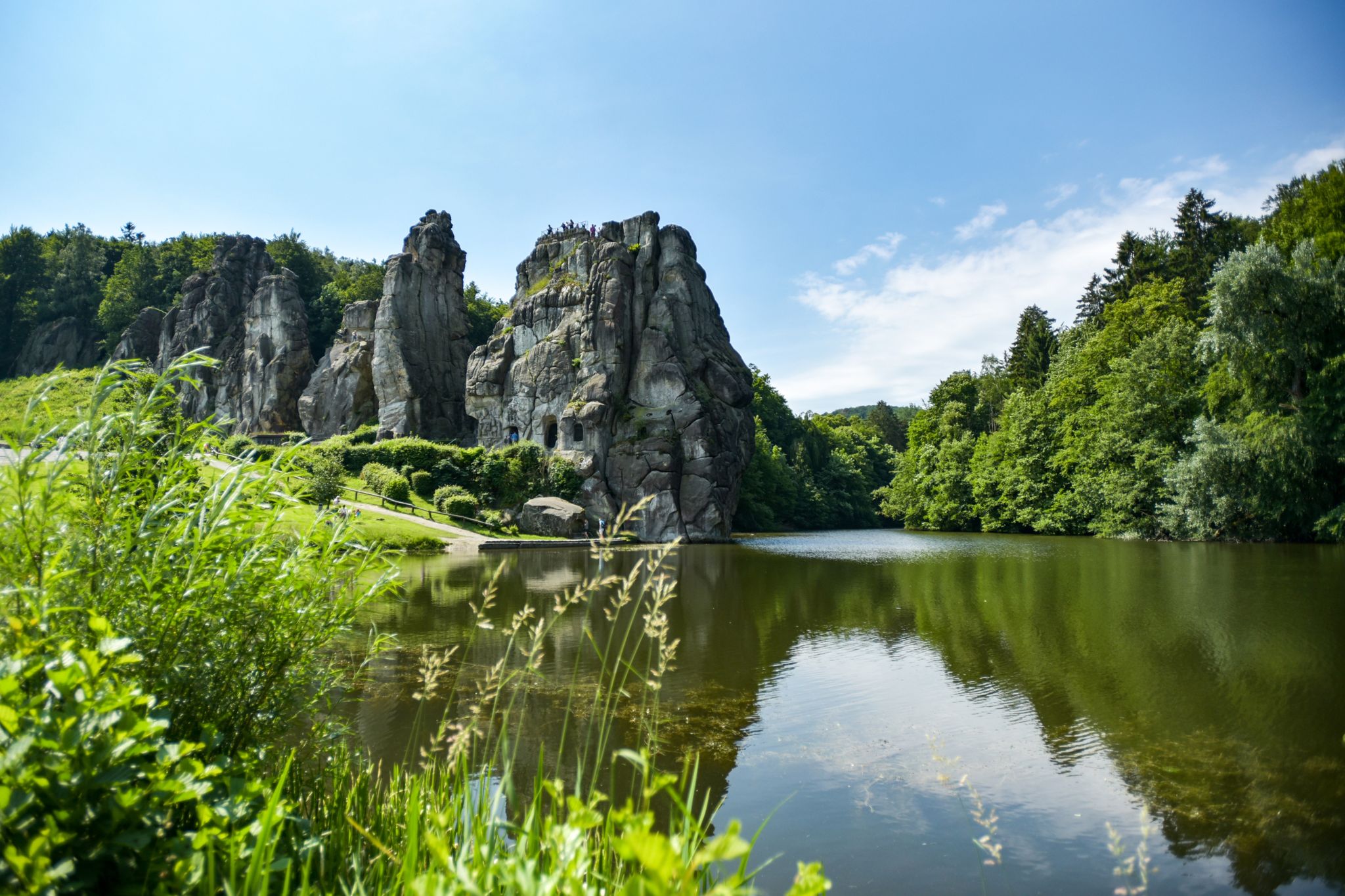
Hiking Germany's Hermannsweg – In the footsteps of the Cheruscan
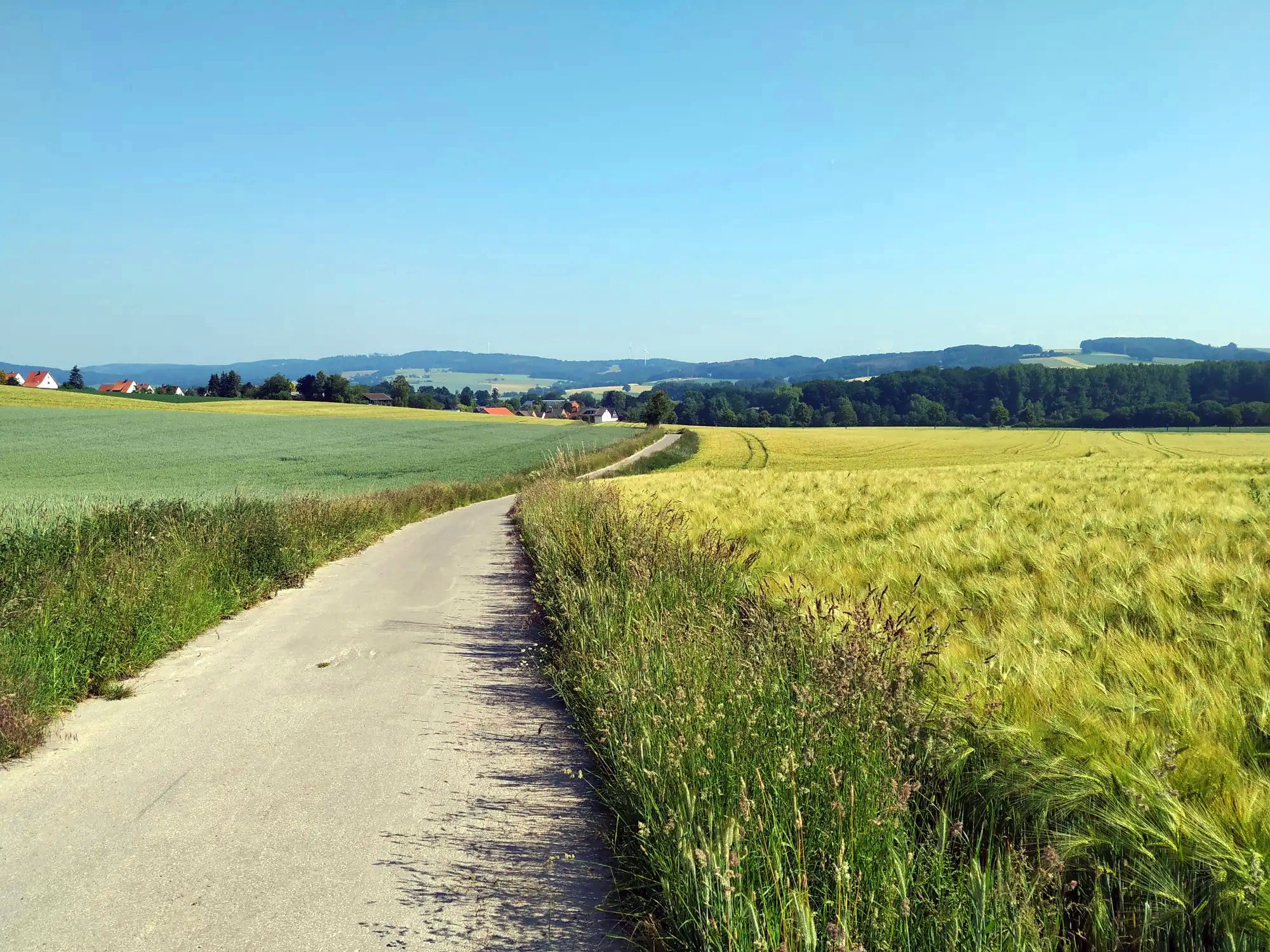
Hellweg-Weser railway cycle route – Ride through western Germany
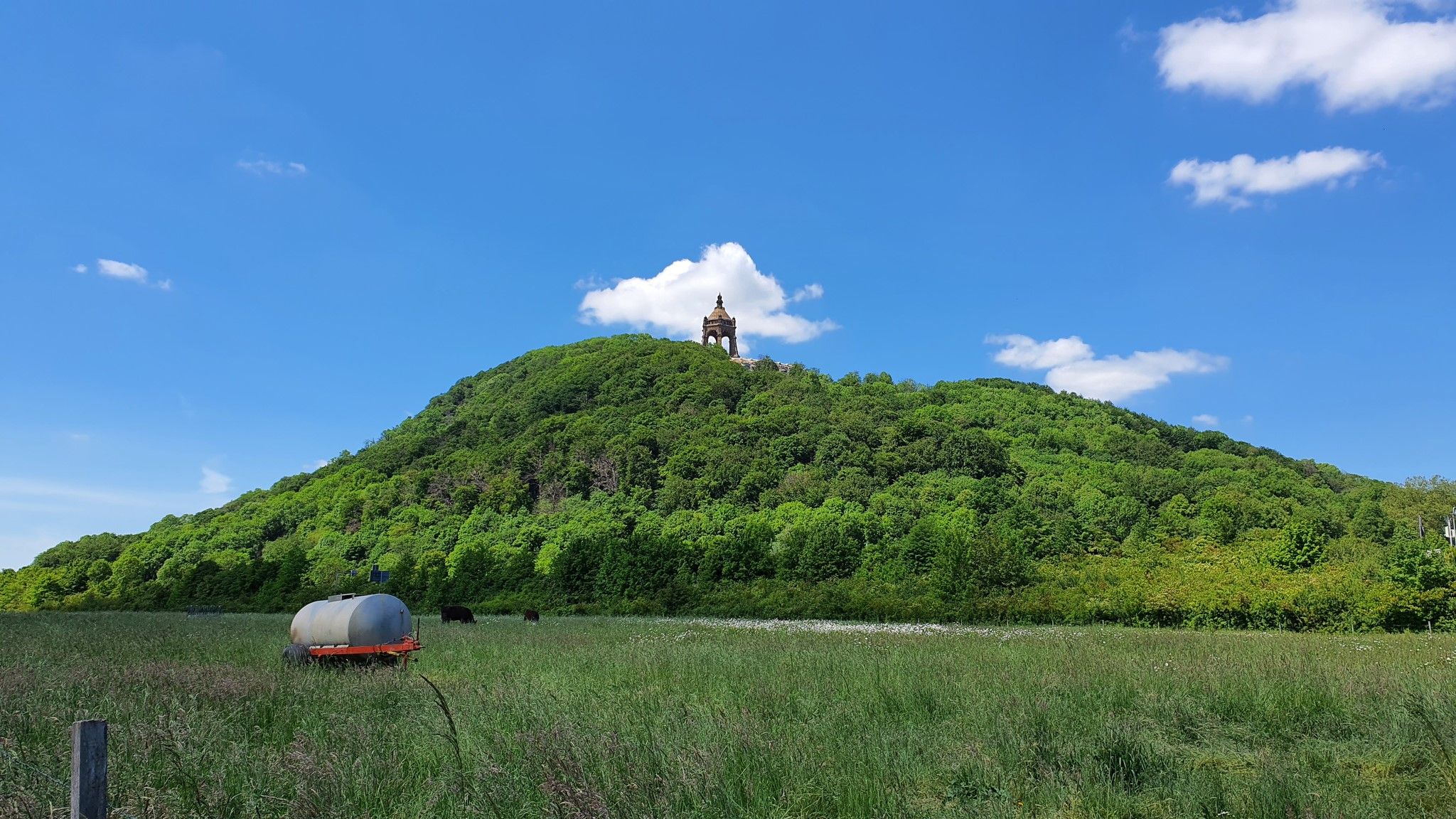
Quick through OWL - Where Emperor Wilhelm waves to the Pader
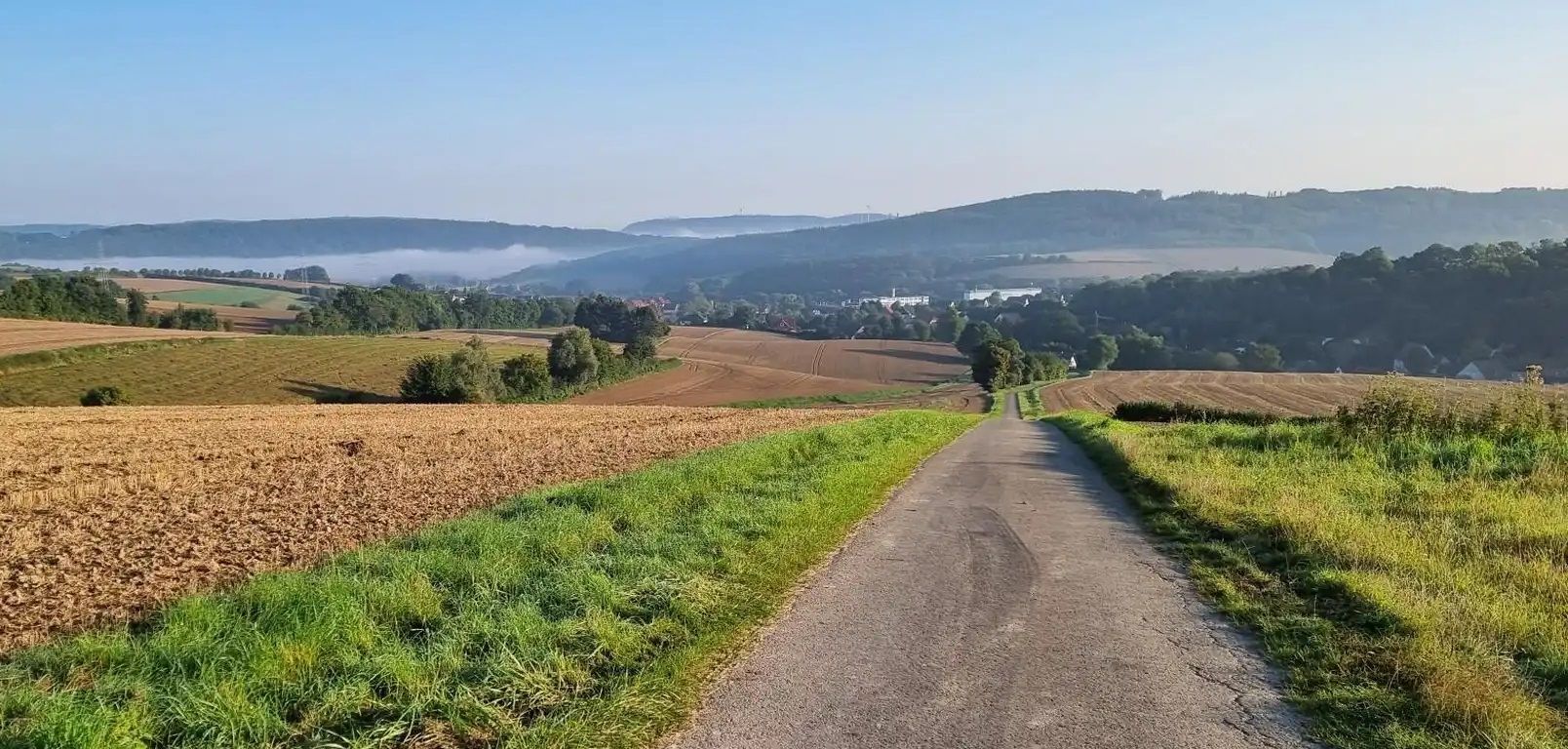
Wittekindsroute – In three days around the district of Herford
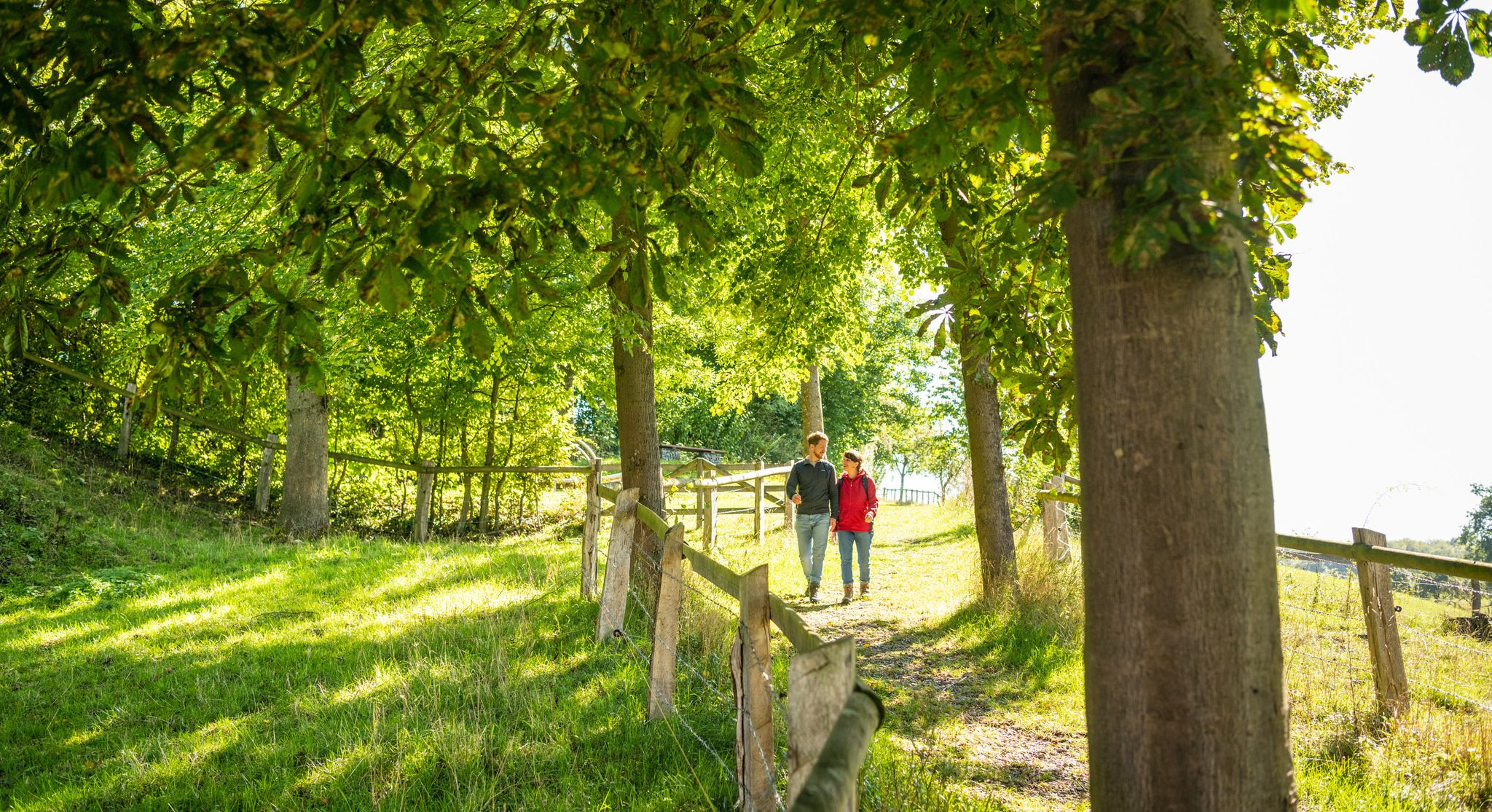
Spring awakening in the Teutoburg Forest – five beautiful circular walks
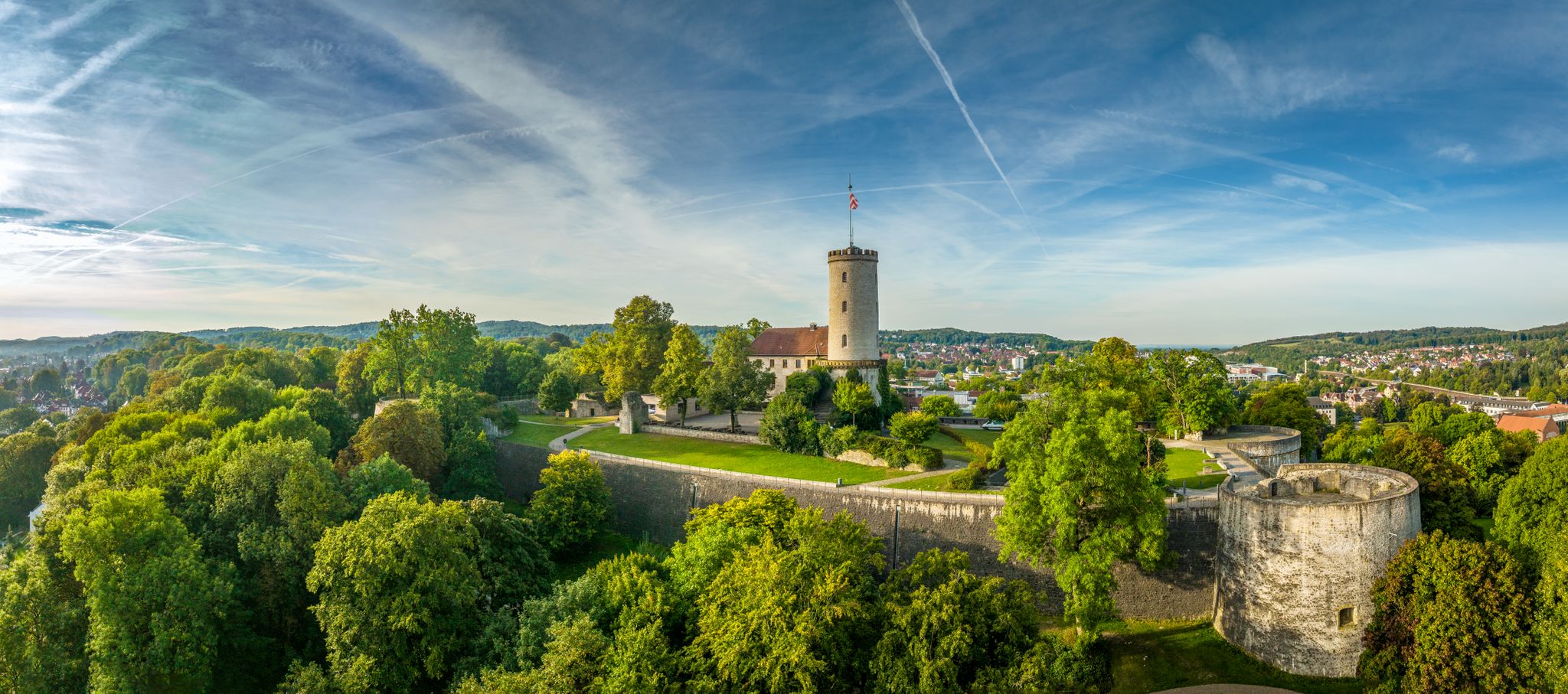
‘Op'n Rad’ through the city – themed routes in Bielefeld
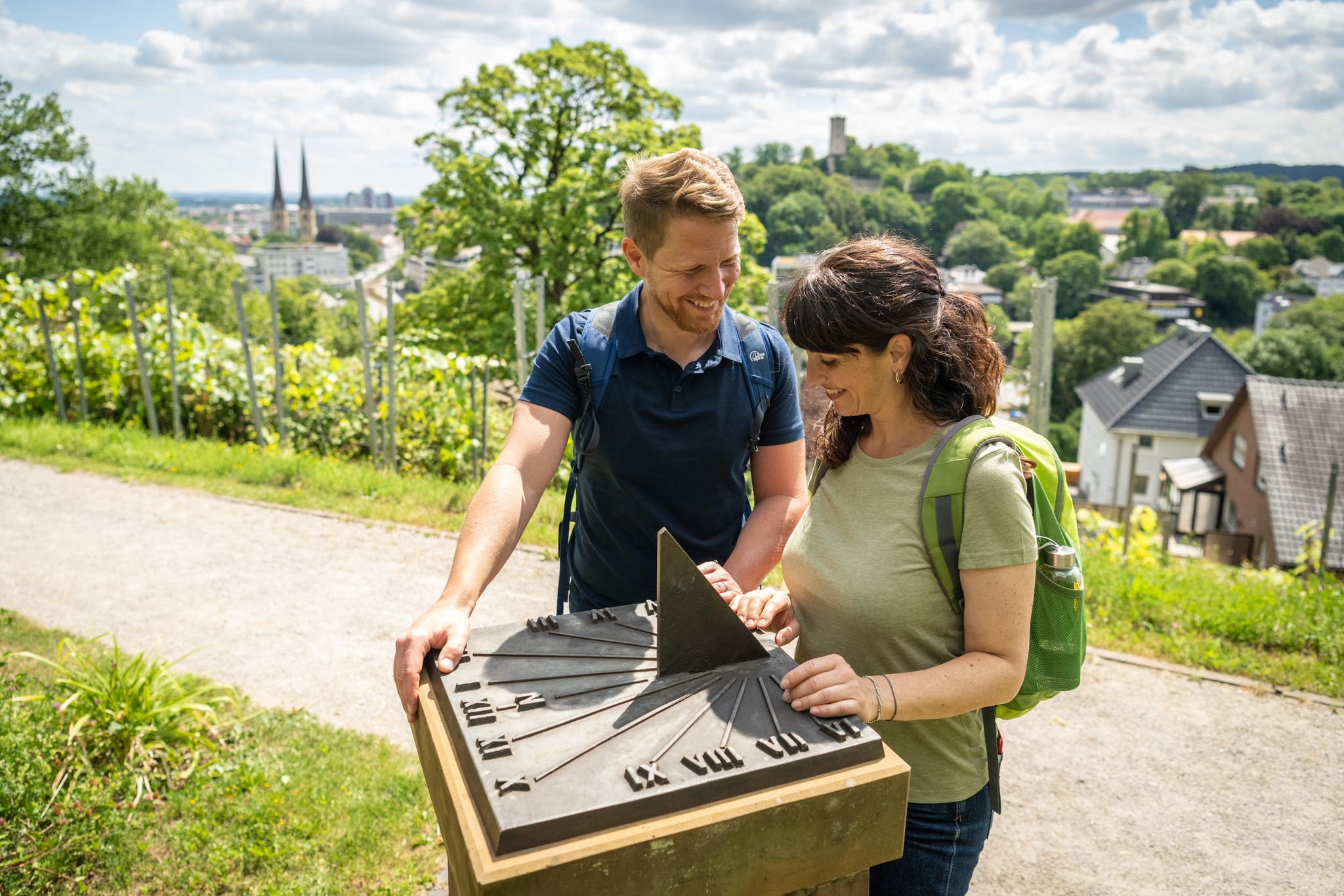
Town, country and river hiking – Germany’s Teutoburg Forest trails
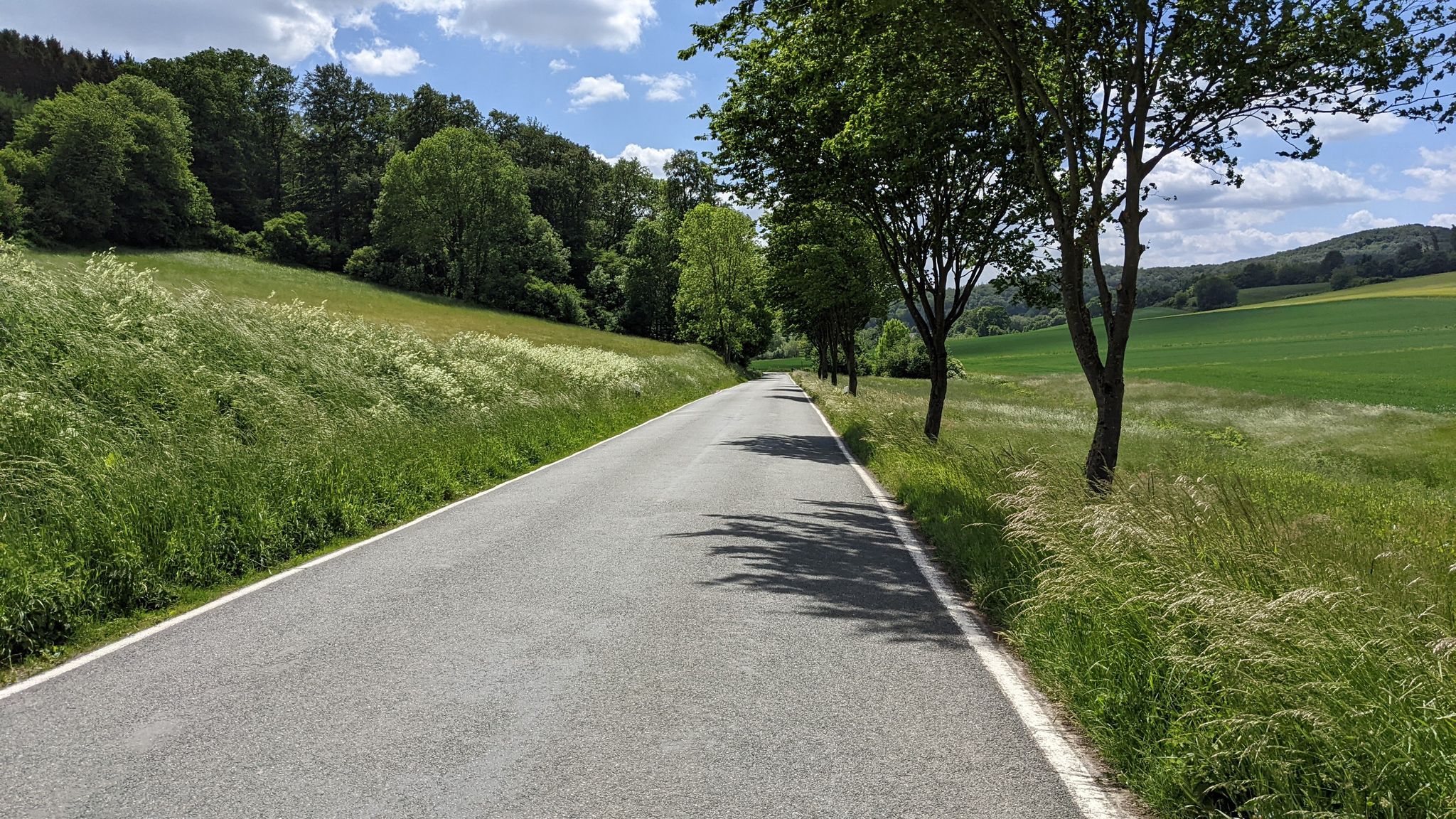
Endless climbs and descents – road bike Tours from Bielefeld in Germany
Culture and nature from Rheine to Marsburg – Hermann Heights Trail
Close to the Hermann Heights Trail – 18 circulars in the Teutoburg Forest
Other adventures in Bielefeld


Tips from the Community

This is perhaps the really special thing: For 3 euros entry, climb 121 steps and then enjoy the view from the very top.
0
0
Small paths lead within the walls around the actual castle complex.
0
0

The most famous landmark of Bielefeld in the Teutoburg Forest stands high above the university town: the Sparrenburg is located around 60 metres above the city centre on the 180-metre-high Sparrenberg. Visitors can admire the castle from below and then enjoy the view from above once they have climbed the 37-metre-high castle tower. From here, the view extends not only over the city, but also far into the surrounding area of the Teutoburg Forest. The history of the impressive castle complex goes back to the 13th century. The thick stone walls, dark dungeons and narrow light shafts tell us a lot about the lives of medieval people and the soldiers who defended the castle and city from enemy conquests. On guided tours, visitors can learn even more exciting things about life at the Sparrenburg, whose fortifications, which are still visible today, date back to the 16th century. Every year on the last weekend in July, the Sparrenburg Festival attracts numerous visitors to the castle. The fortress is then transformed into the historical backdrop of a medieval castle spectacle. Jugglers, minstrels, traders and knights take visitors back to times long past. Other events such as crime dinners, readings and culinary walks are also offered throughout the year. The Sparrenburg is particularly well located for hikers: one of the most beautiful high-altitude hiking trails in Germany, the Hermannsweg, leads right past it. For hikers who just want to stop by for a quick visit, a stroll through the above-ground part of the castle complex is a good option, and can be visited free of charge. Source: https://www.nrw-tourismus.de/schloesser-burgen/sparrenburg
2
0
The Great Elector is a statue unveiled in 1900 in honor of Elector Frederick William (1620–1688) on the Sparrenburg in the East Westphalian city of Bielefeld. It is a gift from Emperor Wilhelm II to the city of Bielefeld. It is the first erected version of a work by the sculptor Fritz Schaper. It is part of the figure program that was erected between 1895 and 1901 on Berlin's Siegesallee. Source: https://de.wikipedia.org/wiki/Der_Gro%C3%9Fe_Kurf%C3%BCrst_(Denkmal_auf_der_Sparrenburg)
3
0

The statue of the Great Elector Frederick William, erected in 1900 on the Sparrenburg, is a reproduction of the statue that Kaiser Wilhelm II had erected by Fritz Schaper on the Siegesallee in Berlin's Tiergarten. Today it stands with other Siegesallee statues in the Spandau Citadel. The Bielefeld statue in the inner courtyard of the Sparrenburg was erected in 1900 in the presence of Kaiser Wilhelm II, the (nominally) last Count of Ravensberg. The Peace of Westphalia in 1648 confirmed Bielefeld's affiliation to Brandenburg-Prussia. In the following years, Friedrich Wilhelm of Brandenburg, the Great Elector, stayed at the fortress several times. It served as his secondary Westphalian residence. Two of his children were born here.
15
0
In the course of the castle romanticism of the 19th century, the "Comité for the Restoration of the Tower on the Sparenberge" was founded in Bielefeld and undertook the reconstruction of the tower, which took place in 1842/43. The lower part of the keep, which was still teardrop-shaped in plan, was built over with the new, now round observation tower. 121 steps lead up. The height of the tower is 45.2 meters to the top of the flagpole and 31.5 meters to the edge of the battlements. The arduous climb is rewarded with an XXL panoramic view of the city on the Teutoburg Forest. In good weather, the view extends as far as the Wiehen Hills.
15
0
The fortress in its state of 1741 is shown in the tactile model made from bronze by the artist Egbert Broerken of the Sparrenburg.
13
0
When more and more cannons and other firearms came into use after the invention of gunpowder, the old castle was expanded into an early modern fortress that could also withstand cannon fire and use its own cannons. Around 1530, a gun tower (battery tower) was built to the west - connected to the actual castle only by a stone arch bridge - which now also made it possible to use its own cannons for defense.
14
1
Frequently Asked Questions
What makes Sparrenburg Castle a significant landmark in Bielefeld?
Sparrenburg Castle is Bielefeld's signature landmark, strategically located on Sparrenberg hill. It was erected by the Counts of Ravensberg before 1250 to guard the Bielefeld Pass and served as a ruling seat. This restored fortress showcases a blend of Gothic and Renaissance architectural styles, reflecting its long history and various reconstructions.
What can I explore at Sparrenburg Castle?
At Sparrenburg Castle, you can explore parts of the original structure, including stone walls and dungeons. Climb the 37-meter-high castle tower for expansive panoramic views over Bielefeld and the Teutoburg Forest. You can also discover the 300-meter-long underground casemates on guided tours. Don't miss the Bronze Model of Sparrenburg Castle, which depicts the fortress in its 1741 state, offering an informative historical representation.
Are there family-friendly activities at Sparrenburg Castle?
Yes, Sparrenburg Castle is considered family-friendly. Children can enjoy exploring the castle grounds, climbing the tower, and imagining its medieval past. The Bronze Model of Sparrenburg Castle provides a tactile and informative experience for all ages. The extensive grounds are also suitable for walks.
What kind of views can I expect from Sparrenburg Castle?
From Sparrenburg Castle, especially from its 37-meter-high tower, you can enjoy expansive 'XXL panoramic views' of Bielefeld and the surrounding natural landscape of the Teutoburg Forest. On clear days, the views can extend to the Wiehengebirge mountains. The Mühlenrondell, a round bastion, also offers excellent vistas.
What is the best time of year to visit Sparrenburg Castle?
Sparrenburg Castle is a year-round destination, with each season adding unique charm. The castle tower is typically open daily from April to October. Visiting in the morning is often recommended to enjoy the castle and views in peace. The surrounding Teutoburg Forest offers beautiful hiking opportunities throughout the year, though winter visits might require appropriate gear for trails.
How can I get to Sparrenburg Castle?
Sparrenburg Castle is located south of Bielefeld city center on Sparrenberg hill. It is accessible by foot, and its location on the Hermannsweg makes it ideal for hikers. For public transport, you can check local Bielefeld transport options. Parking is also available for visitors arriving by car.
Are there hiking trails near Sparrenburg Castle?
Yes, Sparrenburg Castle is located directly on the Hermannsweg, one of Germany's most beautiful high-altitude hiking trails. You can find various hiking routes in the vicinity, such as the 'Castles to mountains – city, country, river in the Teutoburg Forest' route. Explore more hiking options in the area on the Hiking in Bielefeld guide.
What other outdoor activities can I do near Bielefeld's castles?
Beyond hiking, the area around Bielefeld's castles, particularly within the Teutoburg Forest, offers opportunities for cycling and gravel biking. You can find routes like 'The Green Network' for cycling or 'Above the Hermannsweg – View of Sparrenburg' for gravel biking. Discover more options on the Cycling in Bielefeld and Gravel biking in Bielefeld guides.
What is the historical significance of the Statue of the Great Elector at Sparrenburg?
The Statue of the Great Elector at Sparrenburg honors Elector Friedrich Wilhelm, who frequently stayed at the fortress after Bielefeld's affiliation to Brandenburg-Prussia was confirmed in 1648. This reproduction of a work by Fritz Schaper was erected in 1900 and serves as a reminder of the castle's role as a secondary Westphalian residence for the Elector.
How long does it typically take to visit Sparrenburg Castle?
A visit to Sparrenburg Castle can vary depending on your interest. To explore the grounds, climb the tower, and take in the views, allow at least 1-2 hours. If you plan to take a guided tour of the casemates or combine your visit with a hike on the Hermannsweg, you might want to allocate more time.
Are there any specific architectural features to look out for at Sparrenburg Castle?
Yes, Sparrenburg Castle features a blend of Gothic and Renaissance architectural styles. Look for its towering walls, turrets, and bastions. The current appearance was shaped by 16th and 19th-century renovations, including fortifications managed by Italian fortress master builder Alessandro Pasqualini in the 16th century, which made it the largest fortress in Westphalia.
Most popular routes in Bielefeld
Most popular attractions in Bielefeld

Get inspired with the komoot mobile app


Explore more
Looking for the best castles somewhere else? Discover other guides in Bielefeld:
