Top 4 Castles around Le Mée-Sur-Seine
Best castles around Le Mée-Sur-Seine are situated in a region rich with historical significance, located along the Seine river. The town itself is home to the historic Château du Mée, which now functions as a residential complex within a 17-acre wooded park. This area serves as a convenient base for exploring several renowned châteaux in the broader Île-de-France region. Visitors can discover a mix of historical sites, from medieval fortresses to grand royal palaces.
Best castles around Le Mée-Sur-Seine
- The…
Last updated: October 9, 2026
Château de Vaux-le-Vicomte
Highlight • Castle
Translated by Google •
Tip by

The Royal Pavilion
Highlight • Castle
Translated by Google •
Tip by

Sign up now to discover places like this
Get recommendations on the best single tracks, peaks, & plenty of other exciting outdoor places.
Château de Vaux-le-Pénil — Site of the Miracle of the Marne decision
Highlight • Castle
Translated by Google •
Tip by

Start today with a free account
Your next adventure awaits.
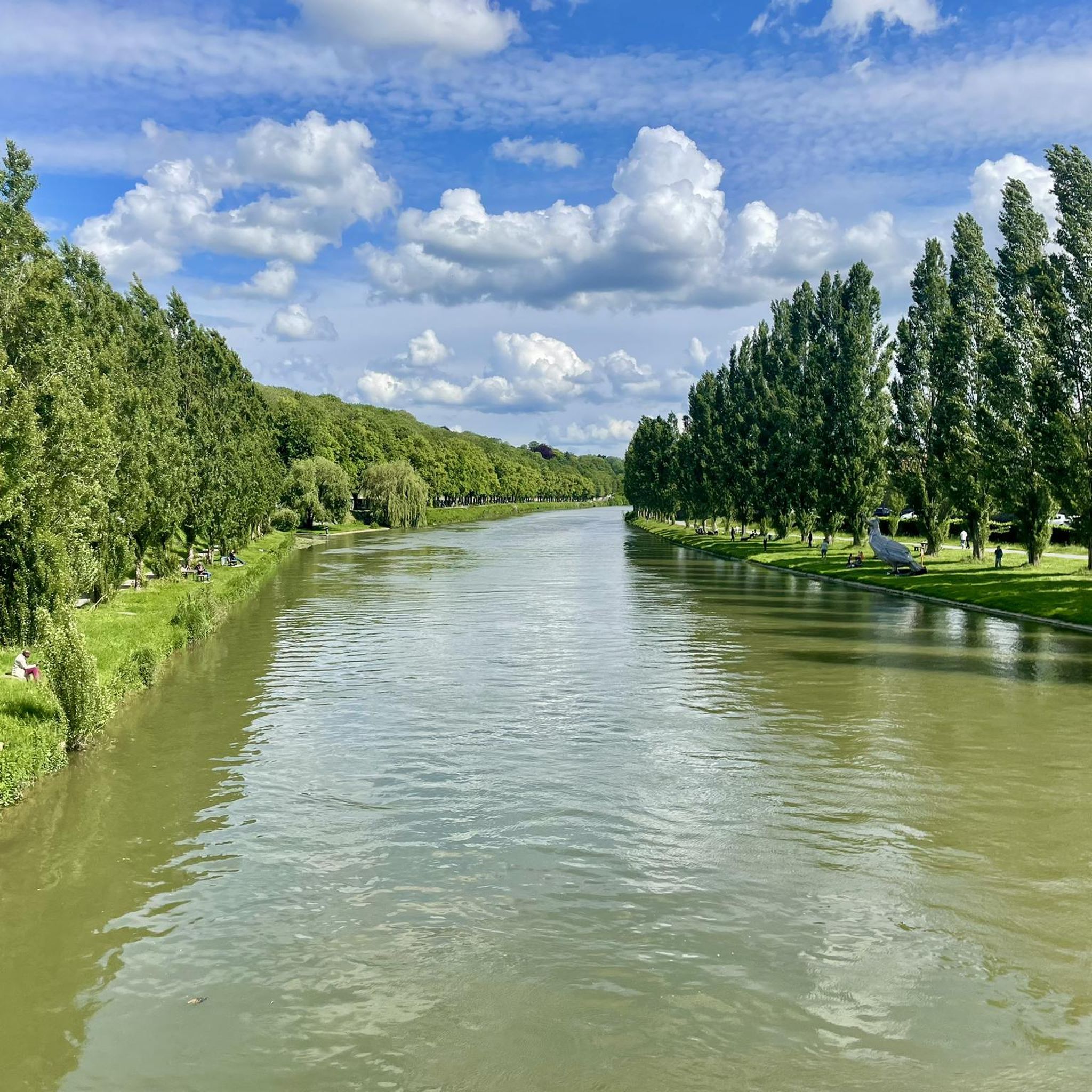
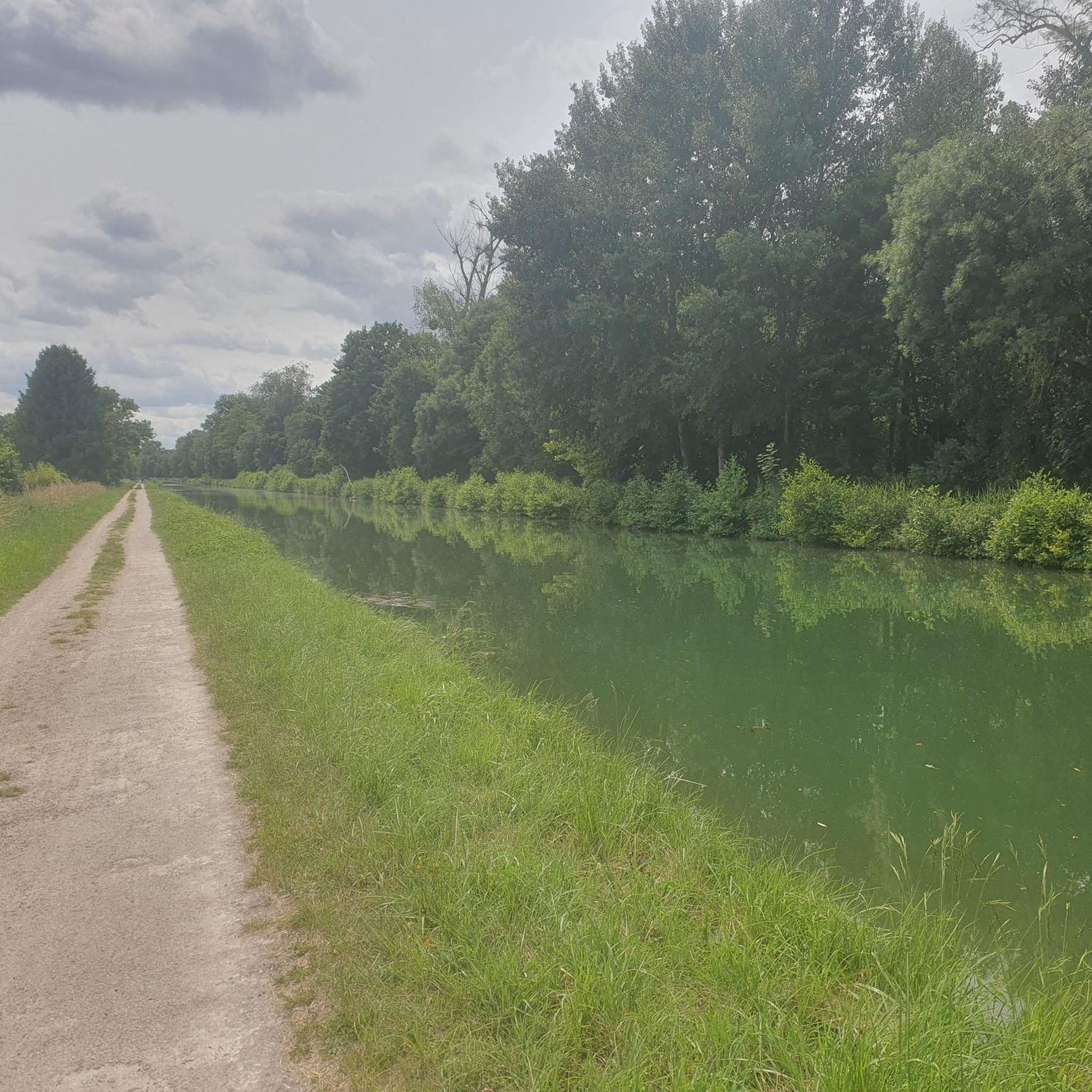

Tips from the Community

Vaux-le-Vicomte Castle is beautiful 😉. Absolutely recommended 👍.
1
0

a beautiful perspective - worth stopping by or visiting!
1
0
For the perspective of the aisles.
1
0

Magnificent castle which inspired Versailles but which led its owner, the superintendent Fouquet, to the dungeon on the orders of Louis XIV.
1
0
Magnificent castle which inspired Versailles but which led its owner, Fouquet, to the dungeon on the orders of Louis XIV
1
0
The Bouret Pavilion or Royal Pavilion is a castle located in the communes of Seine-Port and Nandy in Seine-et-Marne, on the southern edge of the Rougeau Forest. The regional domain of the Royal Pavilion is open to the public free of charge.
0
0

The Château de Vaux-le-Vicomte is the creation of three artists brought together by Nicolas Fouquet, superintendent of finances to Louis XIV: the gardener André Le Nôtre, the architect Louis Le Vau and the painter-decorator Charles Le Brun. Resulting from the fraternal genius of these three men, the Château de Vaux-le-Vicomte is a model whose majesty and balance will inspire the Palace of Versailles and the whole of Europe for centuries.
1
0

Marking the southern limit of the royal alley, this pavilion was built by Etienne-Michel Bouret in the 18th century to provide Louis XV with a privileged hunting ground. Business that ruined him and led him to his downfall.
0
0
Frequently Asked Questions
What castles can I visit near Le Mée-sur-Seine?
The region around Le Mée-sur-Seine offers a mix of historical sites. You can explore the grand Château de Vaux-le-Vicomte, known for its Baroque architecture and gardens. The medieval Château de Blandy-les-Tours provides insight into military architecture. Additionally, The Royal Pavilion, an 18th-century hunting lodge, is also nearby. The town itself is home to the historic Château du Mée, which now functions as a residential complex.
Can I visit the Château du Mée in Le Mée-sur-Seine?
The Château du Mée, historically a military post, now operates as the "Résidence Château du Mée," a 3-star residential establishment. While primarily accommodation, it has recently opened its doors to a wider public for tourism and business. You can appreciate its historical architecture and enjoy the 17-acre wooded park, which includes amenities like an indoor heated swimming pool, sports fields, and a fitness trail. For more details, you can visit the Melun Val de Seine Tourisme website: melunvaldeseine-tourisme.com.
What makes Château de Vaux-le-Vicomte a must-see?
The Château de Vaux-le-Vicomte is a 17th-century masterpiece that inspired the Palace of Versailles. It is renowned for its Baroque architecture, opulent interiors, and stunning formal gardens designed by André Le Nôtre. It was created by three artists for Louis XIV's superintendent of finance, Nicolas Fouquet, and is considered a magnificent architectural work.
Are there other grand royal castles accessible from Le Mée-sur-Seine?
Yes, Le Mée-sur-Seine serves as an excellent base for exploring other famous châteaux in the Île-de-France region. The Château de Fontainebleau, a UNESCO World Heritage site, is a prominent royal palace that housed French monarchs for centuries. It's known for its diverse architecture and magnificent gardens.
What kind of outdoor activities can I do near these castles?
The area around Le Mée-sur-Seine offers various outdoor activities. You can find numerous routes for hiking, including trails along the Seine and through local forests. There are also options for cycling, with routes like the "Blandy‑les‑Tours Castle – Les Affolantes loop" and the "Vives-Eaux Dam – Ponthierry towpath loop." For those who enjoy running, there are several running trails through the Bois de Bréviande and Bois de Marché-Marais.
Are the castles around Le Mée-sur-Seine family-friendly?
Many of the castles in the region are family-friendly. For example, the Château de Vaux-le-Vicomte and the Château de Blandy-les-Tours are often highlighted as suitable for families, offering historical exploration and sometimes events. The Château du Mée also features a large wooded park with sports fields, which can be enjoyable for families.
What is the best time of year to visit the castles in this region?
The castles are beautiful to visit throughout the year. Spring and summer offer lush gardens and pleasant weather for exploring the grounds. Autumn provides stunning views with changing foliage, particularly around the extensive parks and forests surrounding many châteaux. Some castles may have special events or extended hours during peak tourist seasons.
How long does it typically take to visit these castles?
The duration of a visit can vary significantly depending on the castle. For a grand estate like the Château de Vaux-le-Vicomte or Château de Fontainebleau, you could easily spend half a day or even a full day exploring the interiors, gardens, and exhibitions. Smaller sites like the Royal Pavilion or Château de Blandy-les-Tours might take 1-3 hours to fully experience.
Are there gardens or natural features to explore at the castles?
Yes, several castles boast impressive gardens and natural surroundings. The Château de Vaux-le-Vicomte is famous for its stunning formal gardens designed by André Le Nôtre. The Château du Mée is set within a 17-acre wooded park, offering opportunities for relaxation and walks. The Château de Fontainebleau also features magnificent gardens.
What do komoot users enjoy most about the castles around Le Mée-sur-Seine?
Komoot users appreciate the diverse historical and architectural beauty of the castles. The Château de Vaux-le-Vicomte is particularly popular for its majestic design and inspiring views. Visitors also enjoy the superb views of the medieval Château de Blandy-les-Tours from nearby roads, and the historical significance of sites like The Royal Pavilion. The community has shared over 80 photos and given more than 220 upvotes, highlighting the visual appeal and historical depth of the region's castles.
Are any of the castles near Le Mée-sur-Seine dog-friendly?
While specific dog policies vary by castle, generally, dogs are often allowed in the outdoor park areas and gardens of many French châteaux, provided they are on a leash. However, they are typically not permitted inside the castle buildings themselves. It's always best to check the official website of each specific castle before your visit for their most current pet policy.
Are there accessible options for visitors with mobility issues at these castles?
Accessibility varies greatly between historical sites. Newer facilities or renovated areas might offer better access, but older structures, especially medieval fortresses like Château de Blandy-les-Tours, may have limited accessibility due to stairs, uneven terrain, or narrow passages. Grand palaces like Château de Vaux-le-Vicomte or Château de Fontainebleau often have some accessible routes or facilities, but it's advisable to contact the specific castle directly to inquire about their provisions for visitors with mobility issues.
Most popular routes around Le Mée-Sur-Seine
Most popular attractions around Le Mée-Sur-Seine

Get inspired with the komoot mobile app


Explore more
Looking for the best castles somewhere else? Discover other guides around Le Mée-Sur-Seine:
