Top 7 Caves around Nant
Best caves around Nant are found in the Aveyron region of France, an area known for its underground wonders. This landscape features a variety of grottoes, avens, and shelters, offering diverse geological formations. The region provides opportunities to explore ancient human occupation and unique subterranean environments.
Best caves around Nant
- The most popular caves is Usclades Shelter No. 2 (Witch's Cave), a cave and historical site that was occupied from the Mesolithic period. A limestone plaque found there suggests…
Last updated: June 22, 2026
Usclades Shelter No. 2 (Witch's Cave)
Highlight • Cave
Translated by Google •
Tip by

Abri des Usclades
Highlight • Cave
Translated by Google •
Tip by
Sign up now to discover places like this
Get recommendations on the best single tracks, peaks, & plenty of other exciting outdoor places.
Sign up for free
Baume du Figuier
Highlight • Cave
Translated by Google •
Tip by
Troglodyte dwelling
Highlight • Cave
Translated by Google •
Tip by

Aven de Puech Nègre
Highlight • Cave
Translated by Google •
Tip by

Start today with a free account
Your next adventure awaits.
Login or Signup
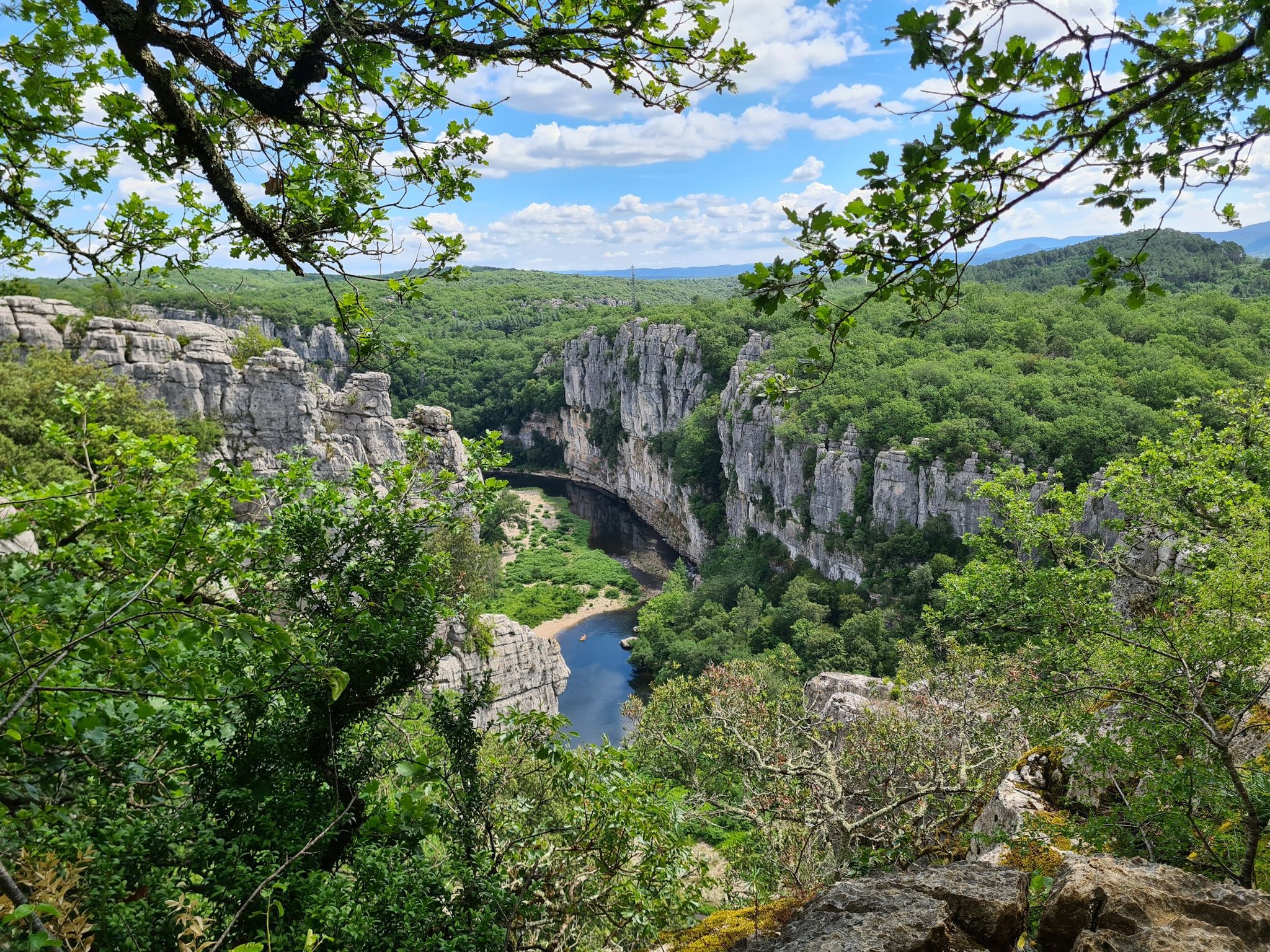
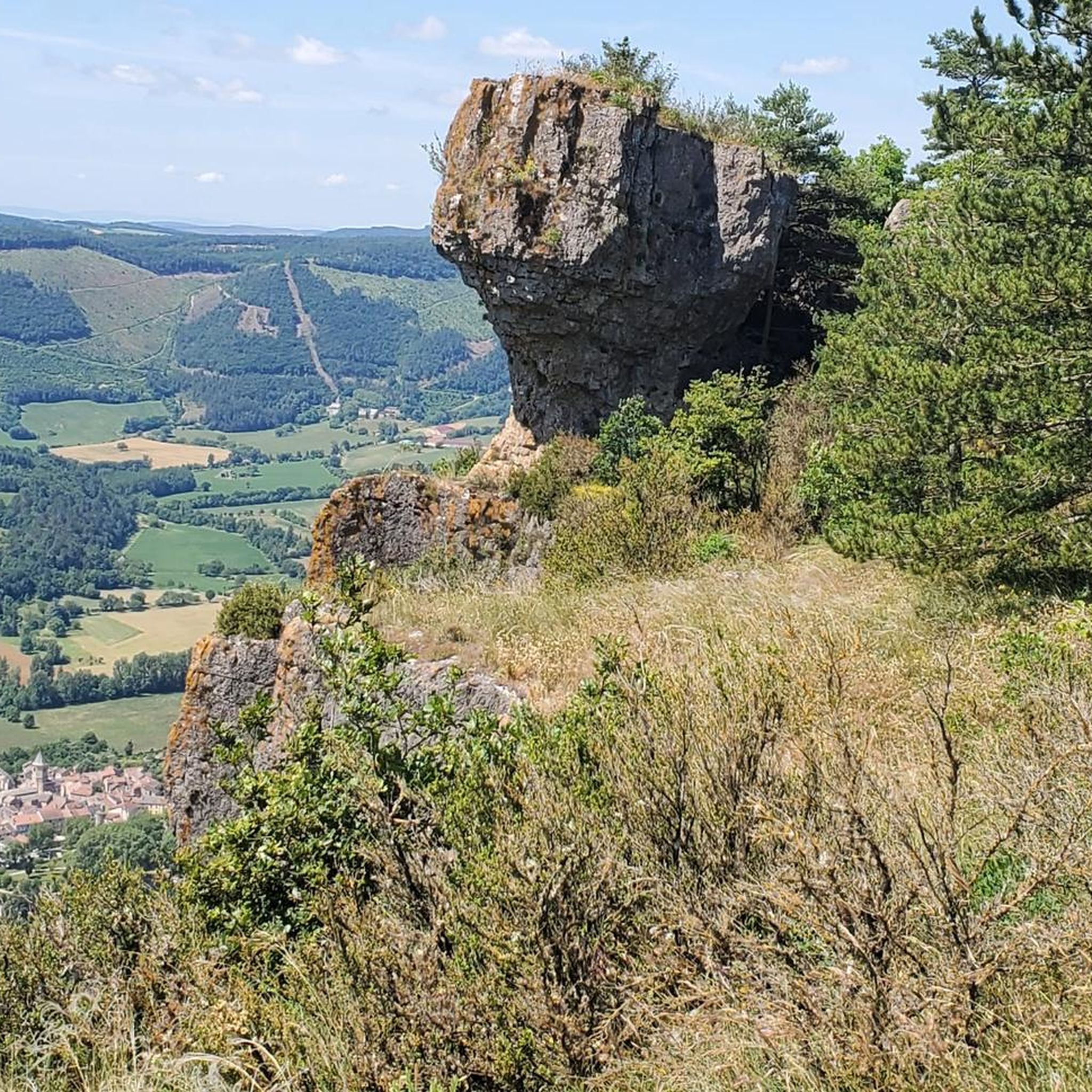
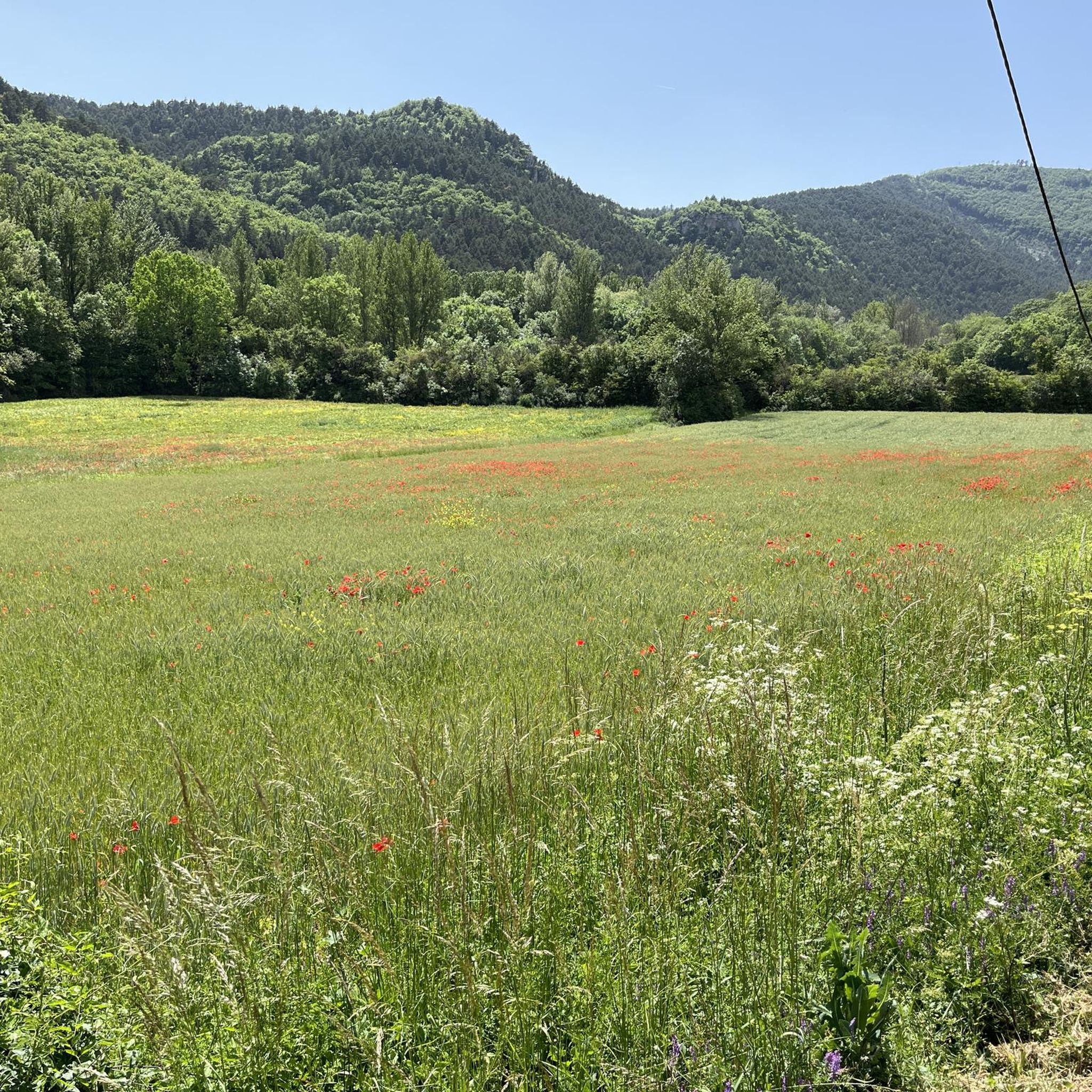

Other adventures around Nant

Tips from the Community

Balsams are natural cavities that open among the rock. Located in the cliffs, they first served as shelter for wild animals, prehistoric men and then shepherds. That of Figuier offers a majestic view of the valley it overlooks.
0
0
Impressive cave which extends over three floors. Populated since the Neolithic period, tools, pottery and bones dating from the Bronze Age have also been found there.
0
0

Unlike caves or balms, a cave is only accessible to speleologists via a well opening in the ground. So be careful.
0
0
Balms are cavities open to the outside and more or less deep. They have been frequented since the dawn of time, first by wild animals then prehistoric men, followed by shepherds... and now by tourists. That of the Fig tree is particularly photogenic.
0
0
Like its sister, this cave was occupied from the Mesolithic. A limestone plaque was found there by archaeologists, suggesting a religious significance.
0
0
Cave occupied for more than 10,000 years. Traces of occupation dating back to -9500 years BC have indeed been found up to the remains of an old sheepfold occupied until the 19th century.
1
0

Frequently Asked Questions
What historical or archaeological significance do the caves around Nant hold?
The caves in the Nant region are rich in history, with many showing evidence of ancient human occupation. For example, Abri des Usclades has traces of occupation dating back to 9500 BC, and Usclades Shelter No. 2 (Witch's Cave) was occupied from the Mesolithic period, with a limestone plaque suggesting religious significance. The Grotte Ambouls in France also served as a primitive habitat with Gallo-Roman activity, and the Grotte des Fées yielded human remains from 5000 years BC.
Are there caves near Nant that feature unique geological formations or natural phenomena?
Yes, the region offers diverse geological features. The Grotte de la Reynelle near Nant, France, features impressive flows of stalactites. In the Nant-y-Ffrith valley in Wales, the Wedding Caves contain a rare mineral called carbonate-cyanotrichite, and the Thunder Cave is known for a huge internal waterfall, creating a unique acoustic experience.
Are there easy-to-explore caves around Nant suitable for beginners?
Many of the caves around Nant, such as Abri des Usclades and Usclades Shelter No. 2 (Witch's Cave), are accessible for general exploration and are rated as intermediate. These sites offer a good balance of historical interest and natural beauty without requiring advanced caving skills.
What are the more challenging cave experiences available near Nant?
For those seeking a more challenging experience, the Aven de Puech Nègre is a cave only accessible to speleologists via a well opening in the ground, requiring specialized equipment and expertise. The Nant Gain Caves in Wales are also considered rather unstable and require access agreements, making them suitable for experienced cavers.
Are the caves around Nant suitable for family visits?
Many of the historical and natural shelter caves, like Abri des Usclades and Usclades Shelter No. 2, are suitable for families interested in history and nature. These sites offer an educational and engaging experience for all ages. Always check specific access details for each cave.
What is the best time of year to visit the caves around Nant?
The caves can generally be visited year-round, but spring and autumn offer pleasant weather for exploring the surrounding landscapes. During heavy rainfall, some caves, particularly those with internal waterfalls like the Thunder Cave in Wales, may have higher water levels, which could affect accessibility or require extra caution.
What should I wear when exploring caves in the Nant area?
It's advisable to wear sturdy, comfortable shoes with good grip, as cave floors can be uneven and damp. Layers of clothing are recommended, as cave temperatures can be cooler than outside, even in summer. For more challenging caves, headlamps and appropriate caving gear are essential.
How long does a typical cave visit take around Nant?
The duration of a visit varies depending on the cave. Exploring historical shelters like Abri des Usclades might take an hour or two. Larger cave systems or those requiring guided tours could take several hours. Factor in travel time to and from the sites.
What outdoor activities can I combine with a visit to the caves around Nant?
The Nant region is excellent for outdoor activities. You can combine cave exploration with hiking on trails like the 'Circuit des Canoles' or 'Le Roc Nantais'. There are also numerous cycling routes, including challenging loops around Cantobre, and running trails for various fitness levels.
Are there hiking trails near the caves in Nant?
Yes, several hiking trails are located near the caves. For instance, the 'Abri des Usclades – The Giant's Skull loop' is a moderate hike that passes by Abri des Usclades. You can find more options on the Hiking around Nant guide.
Can I go cycling near the caves in Nant?
Absolutely. The area around Nant offers a variety of cycling routes. You can explore routes like the 'Cantobre, perched village – Nant loop' or the 'Place and Market Hall of Nant – Col de la Pierre Plantée loop'. More details are available in the Cycling around Nant guide.
Are there any caves near Nant that were historically used for purposes other than dwelling?
Yes, the Grotte de la Reynelle near Nant, France, revealed vestiges of Gallo-Roman kilns used for iron ore reduction. Additionally, Baume du Boffi, an impressive balm overlooking the Dourbie valley, was historically converted into a sheepfold (jasse).
What is the <a href="https://www.komoot.com/highlight/6141959" target="_blank" rel="noopener">Troglodyte dwelling</a> and what makes it significant?
The Troglodyte dwelling is an impressive cave extending over three floors. It has been populated since the Neolithic period, with tools, pottery, and bones dating from the Bronze Age also found there, highlighting its long history of human use.
Most popular attractions around Nant

Get inspired with the komoot mobile app


Explore more
Extend your search for the best caves by checking out these guides of the top ones around Nant:
