Saint-Martin-De-Queyrières
Saint-Martin-De-Queyrières
Top 7 Castles around Saint-Martin-De-Queyrières
Best castles around Saint-Martin-De-Queyrières are primarily fortifications and historical sites located in the Hautes-Alpes region of France. This area is characterized by its mountainous terrain, including the Durance Valley and proximity to the Ecrins peaks. The historical heritage of Saint-Martin-De-Queyrières focuses on religious buildings and rural hamlets, with notable fortifications in the wider Briançonnais region. Visitors can explore these historical structures set against a backdrop of natural landscapes.
Best castles around Saint-Martin-De-Queyrières
- The most popular castles is Briançon Castle,…
Last updated: July 6, 2026
Vauban Fortress
Highlight • Castle
Translated by Google •
Tip by

Fort de l'Infernet
Highlight • Historical Site
Translated by Google •
Tip by

Sign up now to discover places like this
Get recommendations on the best single tracks, peaks, & plenty of other exciting outdoor places.
Sign up for free
Lebrun Castle
Highlight • Castle
Translated by Google •
Tip by
Fort du Randouillet
Highlight • Castle
Translated by Google •
Tip by

View of Fort des Salettes, Fort des Têtes, and Fort du Randouillet
Highlight • Viewpoint
Translated by Google •
Tip by

Start today with a free account
Your next adventure awaits.
Login or Signup
Popular around Saint-Martin-De-Queyrières
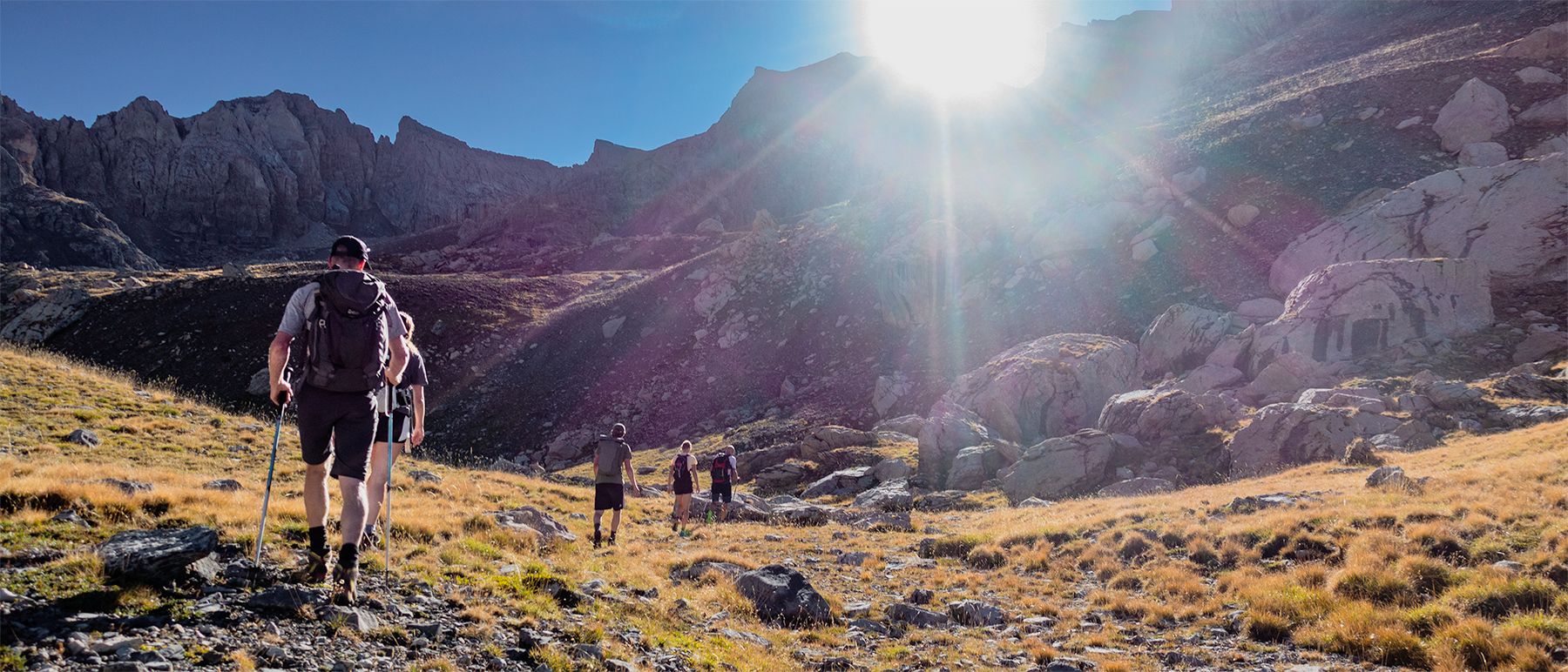
Écrins National Park and more – hikes in and around Puy Saint Vincent
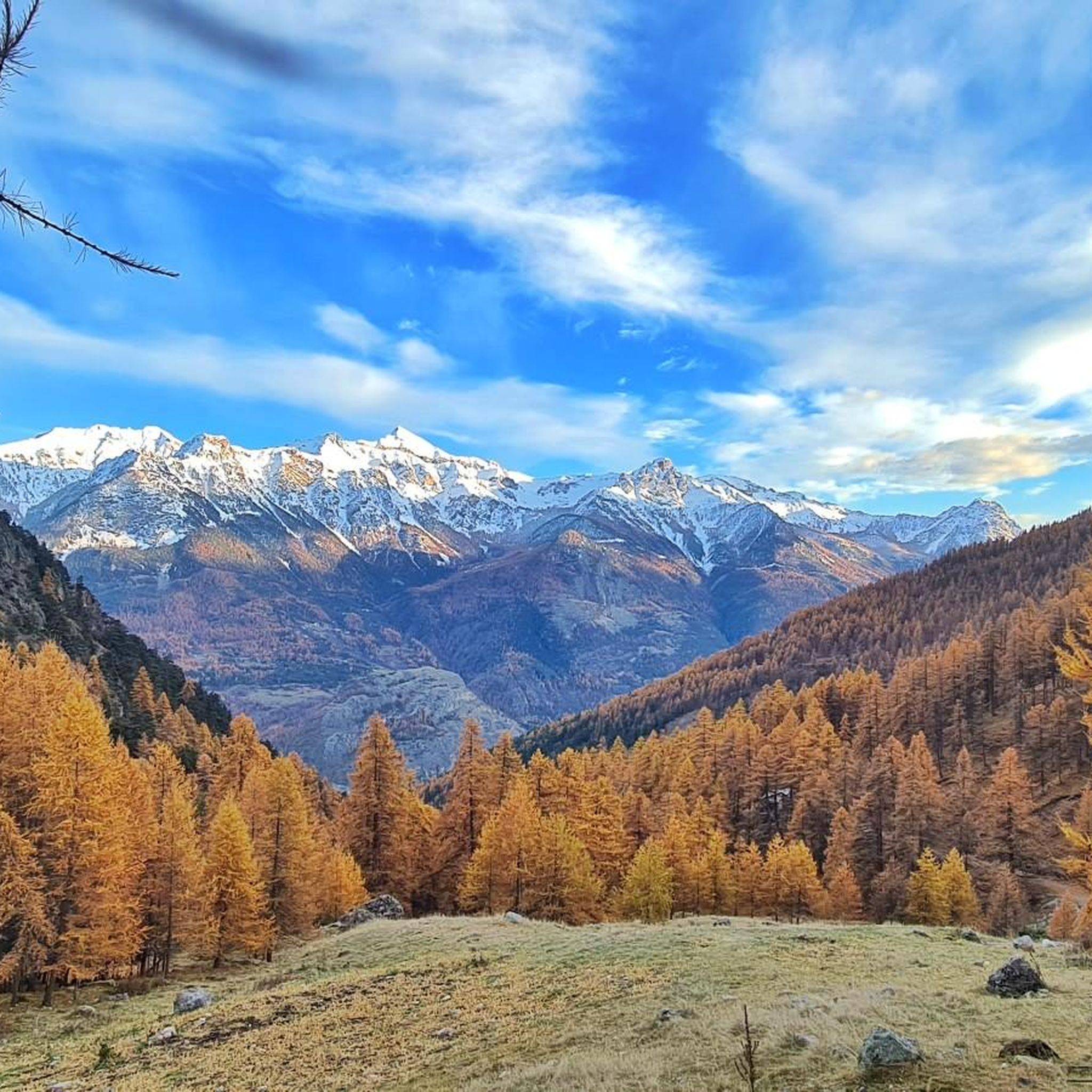
Road Cycling Routes around Saint-Martin-De-Queyrières
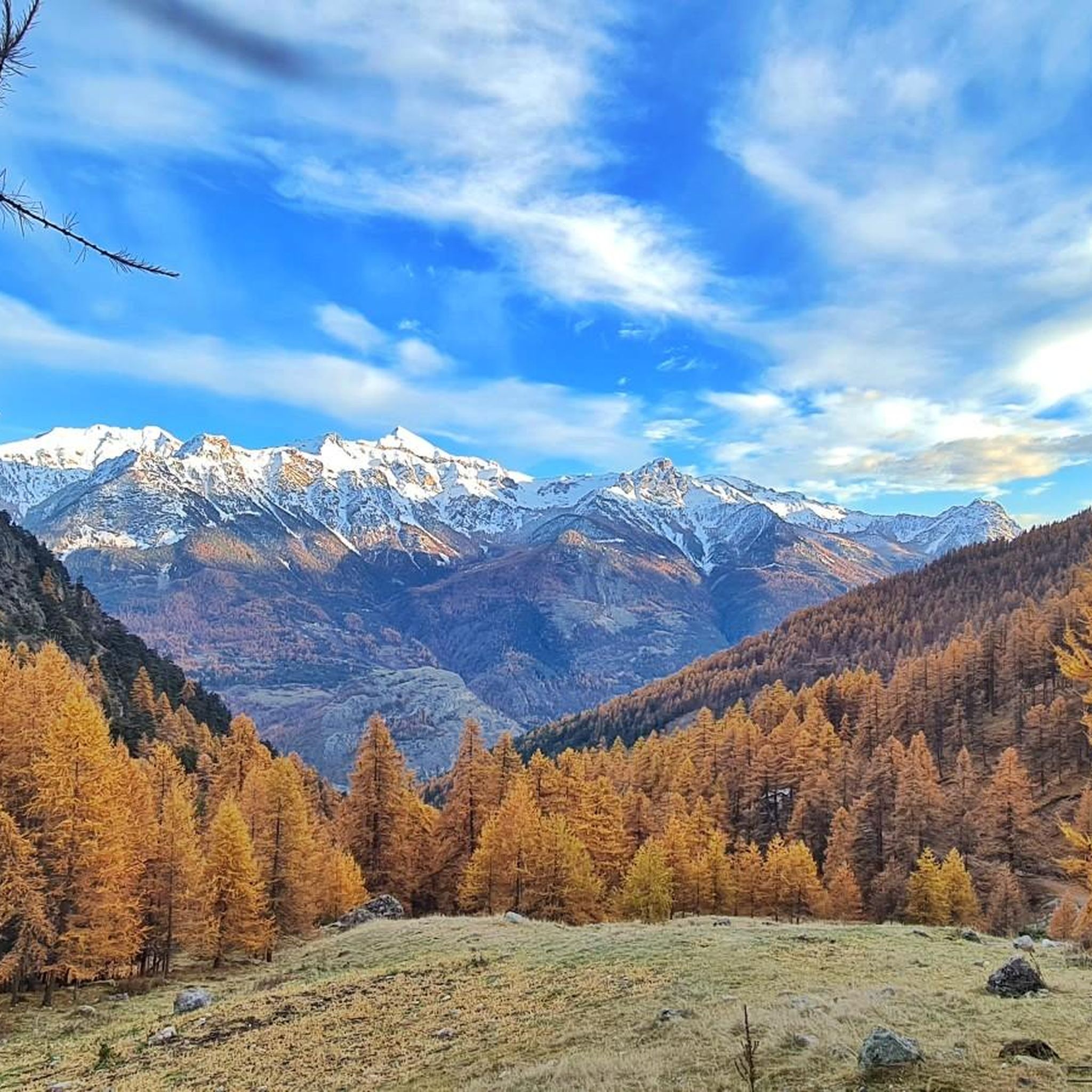
Cycling around Saint-Martin-De-Queyrières
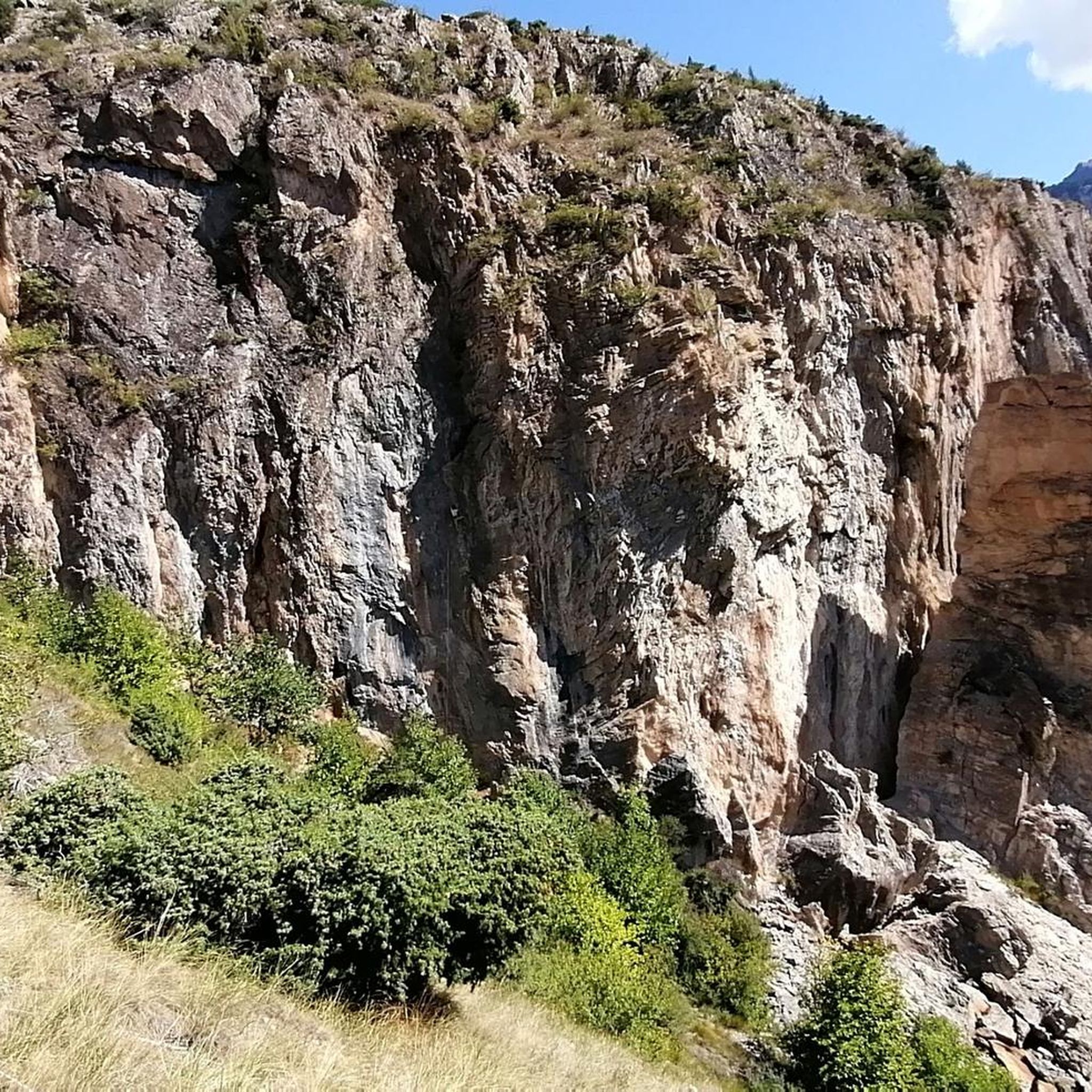
MTB Trails around Saint-Martin-De-Queyrières

Gravel biking around Saint-Martin-De-Queyrières
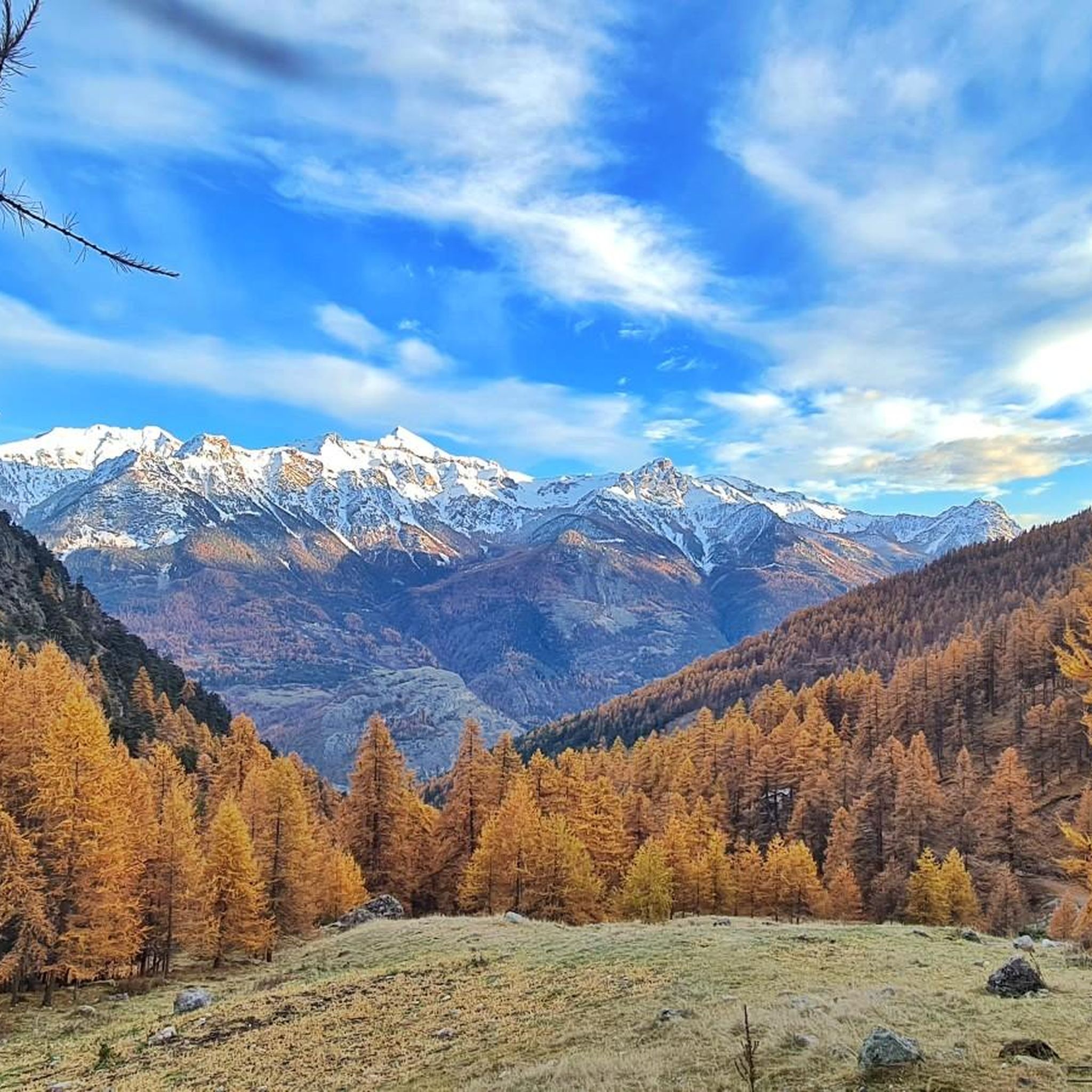
Hiking around Saint-Martin-De-Queyrières
Mountain Hikes around Saint-Martin-De-Queyrières
Running Trails around Saint-Martin-De-Queyrières
Other adventures around Saint-Martin-De-Queyrières

Tips from the Community

And the Vauban fortress. It is not a castle
0
0

And now seriously? A large ancient fortress/ruin on top of a mountain with a beautiful 360-degree panorama. https://www.foremostpayonline.com.co
0
0

Magnificent belvedere of Briançonnais
0
0

The Fort of Infernet, located in the Susa Valley, is one of the fortifications of the region, built between the 19th and early 20th centuries as part of the Italian defensive system against potential French threats. This fort is located at about 2,800 meters above sea level and is strategically positioned to control the surrounding valleys. The Infernet was designed primarily as a high-altitude battery, with a robust structure capable of housing cannons and a limited crew. Its dominant position offered a strategic view of the valley and important control over the connections between Italy and France. Today the site can be visited, although in not perfectly preserved conditions, and is an interesting destination for hikers and military history enthusiasts
1
0

Beautiful view from Briancon on the surrounding forts
0
0

Very beautiful old building.
0
0

The Château de Briançon, located in the Hautes-Alpes, is a remarkable historic site. Perched on a hill, it offers panoramic views of the Alpine region. This medieval castle, dating from the 13th century, bears witness to the architecture and life of the time. Its stone walls, towers and moats tell a fascinating story of the past.
0
0
The Fort de Chàteau is located on the left side coming from Montgenevre
0
1
Frequently Asked Questions
Are there traditional castles directly within Saint-Martin-De-Queyrières?
Saint-Martin-De-Queyrières itself does not feature traditional castles or châteaux. Its historical heritage is centered around religious buildings and rural hamlets, such as the Chapel of Saint-Hippolyte du Bouchier with its 15th-century frescoes, the medieval Chapel of Saint-Jacques de Prelles, and the 16th-century Saint-Martin Church. However, the wider region, particularly the Briançonnais, is rich in fortifications.
What kind of historical fortifications can I visit near Saint-Martin-De-Queyrières?
Near Saint-Martin-De-Queyrières, you can explore various historical fortifications, primarily around Briançon. These include the impressive Briançon Castle, a Vauban-built structure, and the strategic Fort de l'Infernet, a former fortress ruin offering 360-degree panoramas. Other notable sites are Lebrun Castle, located near an alpine meadow at 2000 meters, and Fort du Randouillet.
Which fortifications offer the best panoramic views?
For breathtaking panoramic views, Fort de l'Infernet is highly recommended. Perched on a mountain, it provides a 360-degree vista of the surrounding valleys. The Briançon Castle also offers views overlooking the town, and Lebrun Castle provides beautiful views over the valley and nearby mountain peaks from its high-altitude location.
Are there hiking trails to these historical sites?
Yes, many of these historical sites are accessible via hiking trails. For instance, the climb to Fort de l'Infernet is unpaved and steep, suitable for mountain biking or experienced gravel bikers. You can find various routes, including challenging mountain hikes, in the area. Explore options like the Mountain Hikes around Saint-Martin-De-Queyrières guide for detailed trails.
What is the best time of year to visit the fortifications near Saint-Martin-De-Queyrières?
The best time to visit is generally from late spring to early autumn (May to October). During these months, the weather is more favorable for exploring outdoor sites and hiking. Some high-altitude locations like Lebrun Castle feature beautiful flowery alpine meadows in summer. Winter visits might be possible for some sites, but access can be limited by snow and ice, especially for higher-altitude forts.
Are there family-friendly options for visiting these historical sites?
While some fortifications involve steep climbs, the general area offers various historical sites and natural beauty that can be enjoyed by families. The historical sites within Saint-Martin-De-Queyrières itself, such as the chapels and churches, are generally more accessible. When planning to visit the larger fortifications, check the specific accessibility for each site, as some may involve challenging terrain.
Can I bring my dog to these historical sites or on nearby trails?
Regulations for dogs can vary. While many outdoor trails in the Hautes-Alpes are dog-friendly, especially on a leash, specific rules might apply to historical monuments or within protected areas like the Ecrins National Park. It's always best to check local signage or official websites for each specific site or trail regarding dog regulations before your visit.
How much time should I allocate for visiting these historical sites?
The time needed varies by site. Visiting the historical chapels and churches within Saint-Martin-De-Queyrières might take an hour or two per site. For larger fortifications like Briançon Castle or Fort de l'Infernet, especially if you plan to hike to them, you should allocate a half-day to a full day to explore thoroughly and enjoy the views.
Where can I find parking when visiting these fortifications?
Parking availability varies by location. For fortifications around Briançon, there are usually parking areas within or near the town, from which you can access the sites. For more remote locations like Lebrun Castle, parking might be at the start of a trail. It's advisable to research specific parking options for each site before your visit.
What other outdoor activities can I do near these historical sites?
The region around Saint-Martin-De-Queyrières is excellent for various outdoor activities. Besides hiking to historical sites, you can explore numerous mountain biking trails, such as those found in the MTB Trails around Saint-Martin-De-Queyrières guide, or enjoy gravel biking with routes like the 'Vallouise – Vallouise loop' from Les Vigneaux. Mountaineering is also popular, with routes like 'The Lake loop from Chambran' available in the Mountain Hikes guide.
Are there places to eat or stay near these historical sites?
Yes, you'll find various options for cafes, restaurants, and accommodation in nearby towns and villages. L'Argentière-la-Bessée and Les Vigneaux are good bases, offering hotels, guesthouses, and camping facilities. Briançon, being a larger town, also provides a wide range of dining and lodging choices, especially convenient for visiting its fortifications.
What is the historical significance of the fortifications around Briançon?
The fortifications around Briançon, including Briançon Castle and Fort de l'Infernet, hold significant historical importance. They were part of a comprehensive defensive system, notably designed by Vauban, to protect the French border in the Alps. These structures evolved from medieval castles to 19th-century military forts, reflecting centuries of strategic importance in controlling access through the Durance Valley and the Briançonnais region.
Most popular routes around Saint-Martin-De-Queyrières
Most popular attractions around Saint-Martin-De-Queyrières

Get inspired with the komoot mobile app


Explore more
Looking for the best castles somewhere else? Discover other guides around Saint-Martin-De-Queyrières:
