Top 8 Castles around Dunkirk
Best castles around Dunkirk are situated in a region characterized by its coastal proximity and historical significance. The area features a mix of flat plains and gentle hills, offering varied landscapes for exploration. Many sites reflect centuries of history, from medieval fortifications to later military structures. This northern French region provides a setting for discovering historical architecture within natural and cultural environments.
Best castles around Dunkirk
- The most popular castles is Marguerite Yourcenar Departmental Park, a forest that features a villa now serving as a writer's residence. This 50-hectare park is referenced in the works of Marguerite Yourcenar and is dedicated to preserving nature.
- Another must-see spot is View from the castle terrace, a viewpoint in Cassel Village. Visitors can expect panoramic views of the Flanders plain from this 176-meter-high former castle terrace.
- Visitors also love Fort des Dunes, a historical site hidden in the dunes. This fort from the late 19th century bears traces of the 1940 fighting and German occupation, providing insight into its role during Operation Dynamo.
- Dunkirk is known for fortified towns, historical forts, and departmental parks with historical residences. The region offers a variety of castles to see and explore, from ancient fortifications to significant historical sites.
- The castles around Dunkirk are appreciated by the komoot community, with over 190 upvotes and 85 photos shared.
Last updated: October 9, 2026
Marguerite Yourcenar Departmental Park
Highlight • Forest
One of the works is "M for Marguerite", of course placed here in the park.
(If you are standing with your back to the villa: about 50 metres further on, turn left)
Translated by Google •
Tip by

Fort des Dunes
Highlight • Historical Site
Translated by Google •
Tip by

Sign up now to discover places like this
Get recommendations on the best single tracks, peaks, & plenty of other exciting outdoor places.
View from the castle terrace
Highlight • Viewpoint
Translated by Google •
Tip by

Porte de Bierne
Highlight • Historical Site
Translated by Google •
Tip by

Arsenal Castle, Museum of Drawing and Printmaking
Highlight • Castle
The citadel was built as a castle from 1528, at the hands of Emperor Charles V in his function as Count of Flanders. It was a square and moated building that was accessible via a bridge after which one had to go between two flanking towers. Incidentally, the entire city was then also provided with a wall: the ramparts of Gravelines. After all, it was a border town. A dozen buildings were found in the complex. In 1654 a devastating explosion took place at the ammunition depot.
When Grevelingen came into French hands in 1658, the city mainly became a garrison town and the castle was transformed into an arsenal by Vauban.
The remaining spaces now house the Musée du Dessin et de l'Estampe orginale. This includes engravings.
The spaces include the Poudrières (gunpowder warehouse) from 1742, the Salle du Pilier from 1680, the Corps de Garde (guard house) from 1741 and the Casemate du Four à Pain (casemate of the baking ovens) from 1528.
The arsenal also houses a theater: the Vauban scene.
nl.wikipedia.org/wiki/Citadel_van_Grevelingen
Translated by Google •
Tip by
Esquelbecq
Highlight • Settlement
Translated by Google •
Tip by
Kasteel van Wignacourt
Highlight • Castle
In 1532, the lordship passed through marriage to the Wignacourt family. In 1656, Flêtre, under Jacob van Wignacourt, was elevated to a county. The last Count of Flêtre, Balthasar-Philippe de Wignacourt, died in poverty in 1810.
During the French Revolution, the castle was expropriated and largely demolished to reuse the building materials. However, the keep was so massive that demolition was decided against. In the early 19th century, the estate was purchased by an industrialist, who built a house on the site of the demolished castle and converted the keep into a reception hall, with Louis XV-style wall paneling.
Later, the estate was purchased by Edmond Vanuxem, a brewer in Ardres. He commissioned the construction of the current brick castle, completed in 1872. After the First World War, the moats were filled in.
nl.wikipedia.org/wiki/Kasteel_van_Wignacourt
Translated by Google •
Tip by

Start today with a free account
Your next adventure awaits.
Popular around Dunkirk
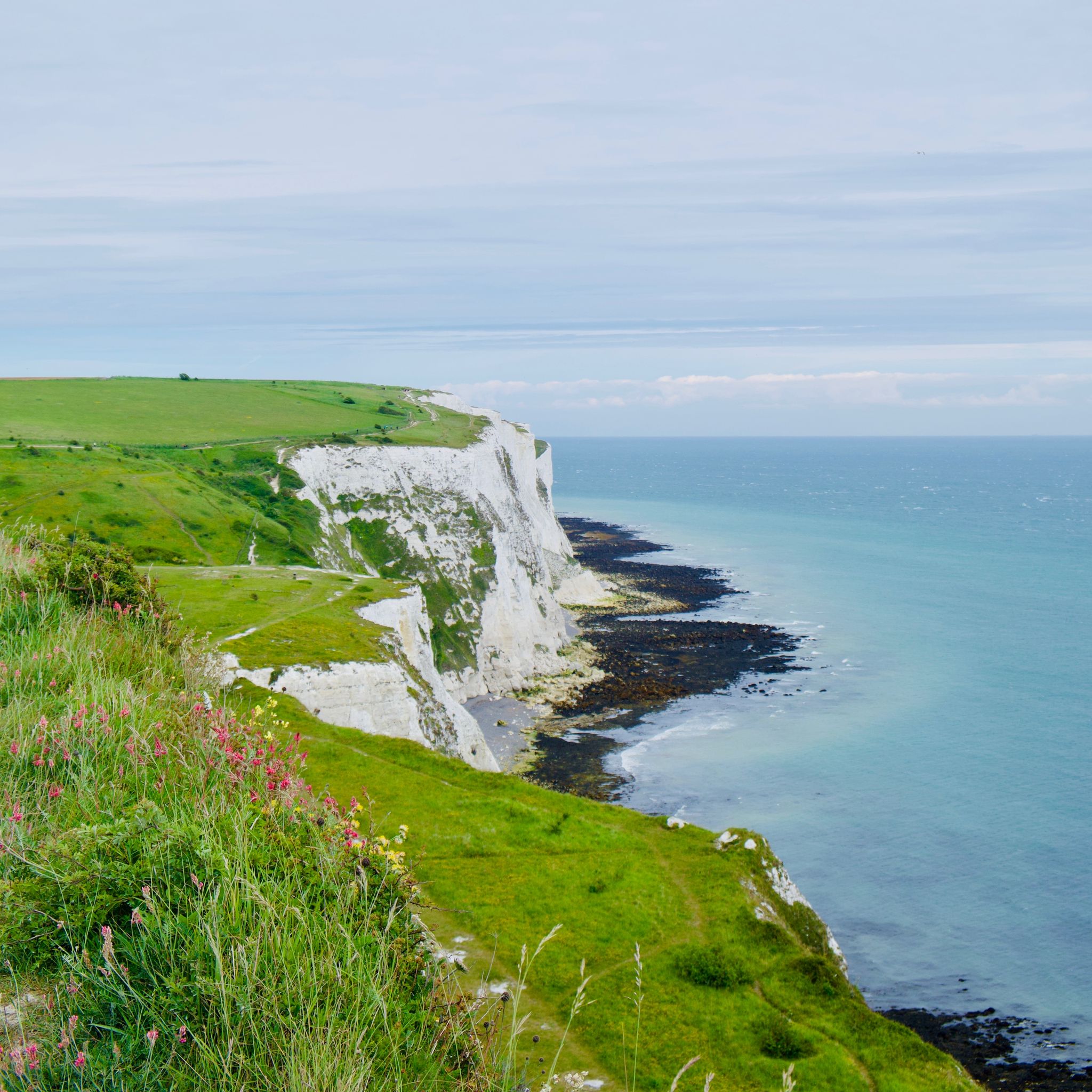
From Amsterdam to London - along the North Sea and across the water
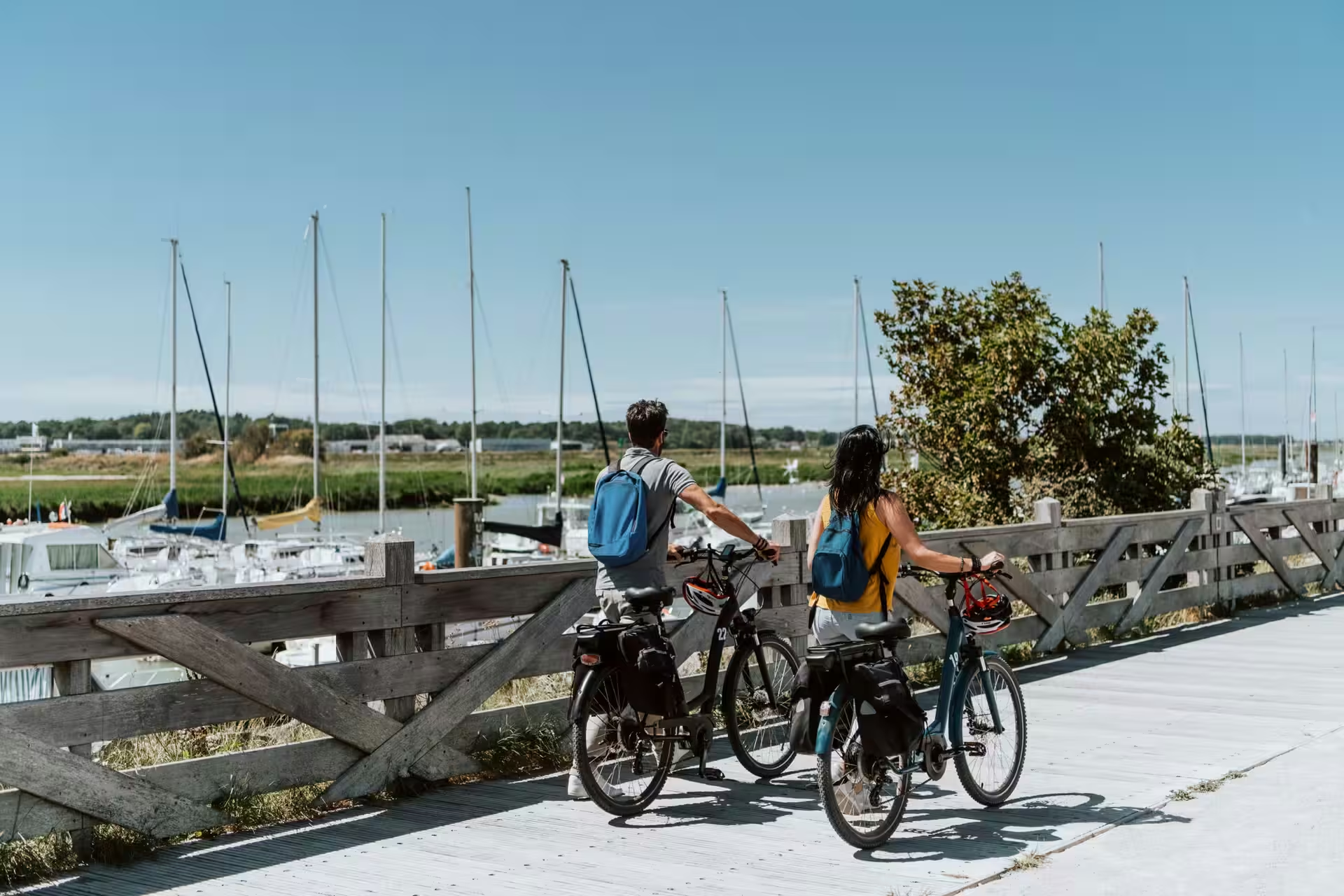
Routes in Hauts-de-France for cycling enthusiasts
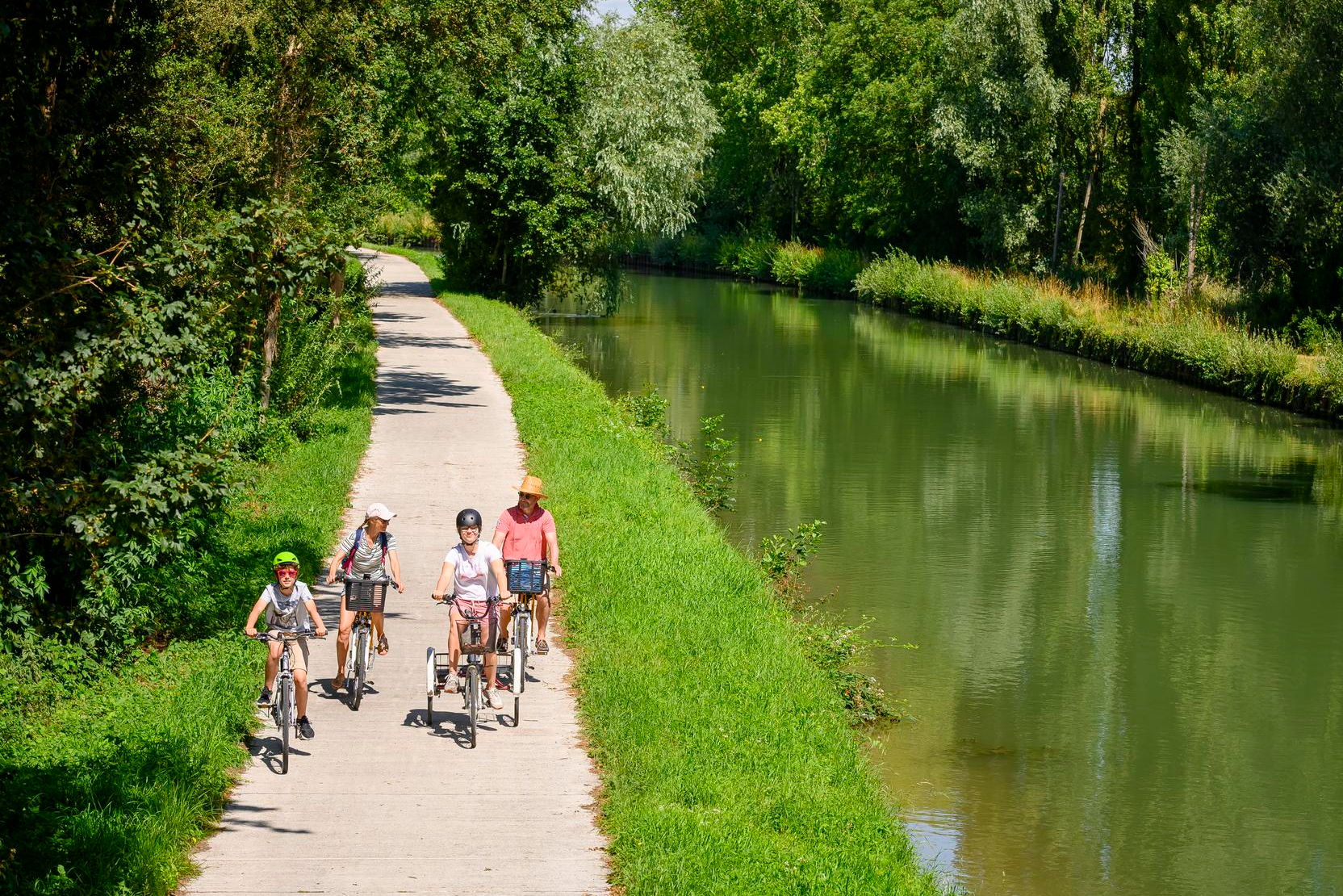
Cycling routes in Hauts-de-France for beginners and families
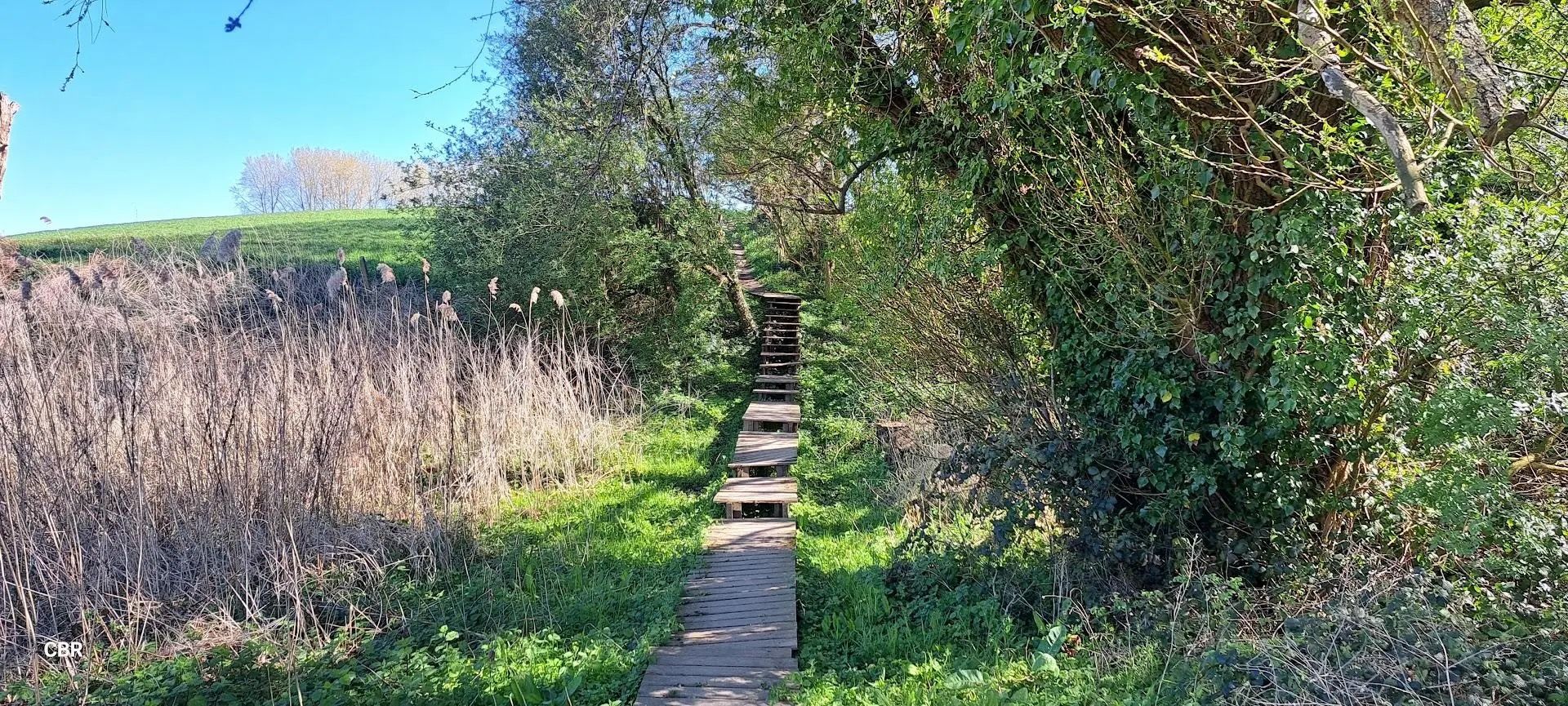
At the pace of the Westhoek - Streek-GR Heuvelland
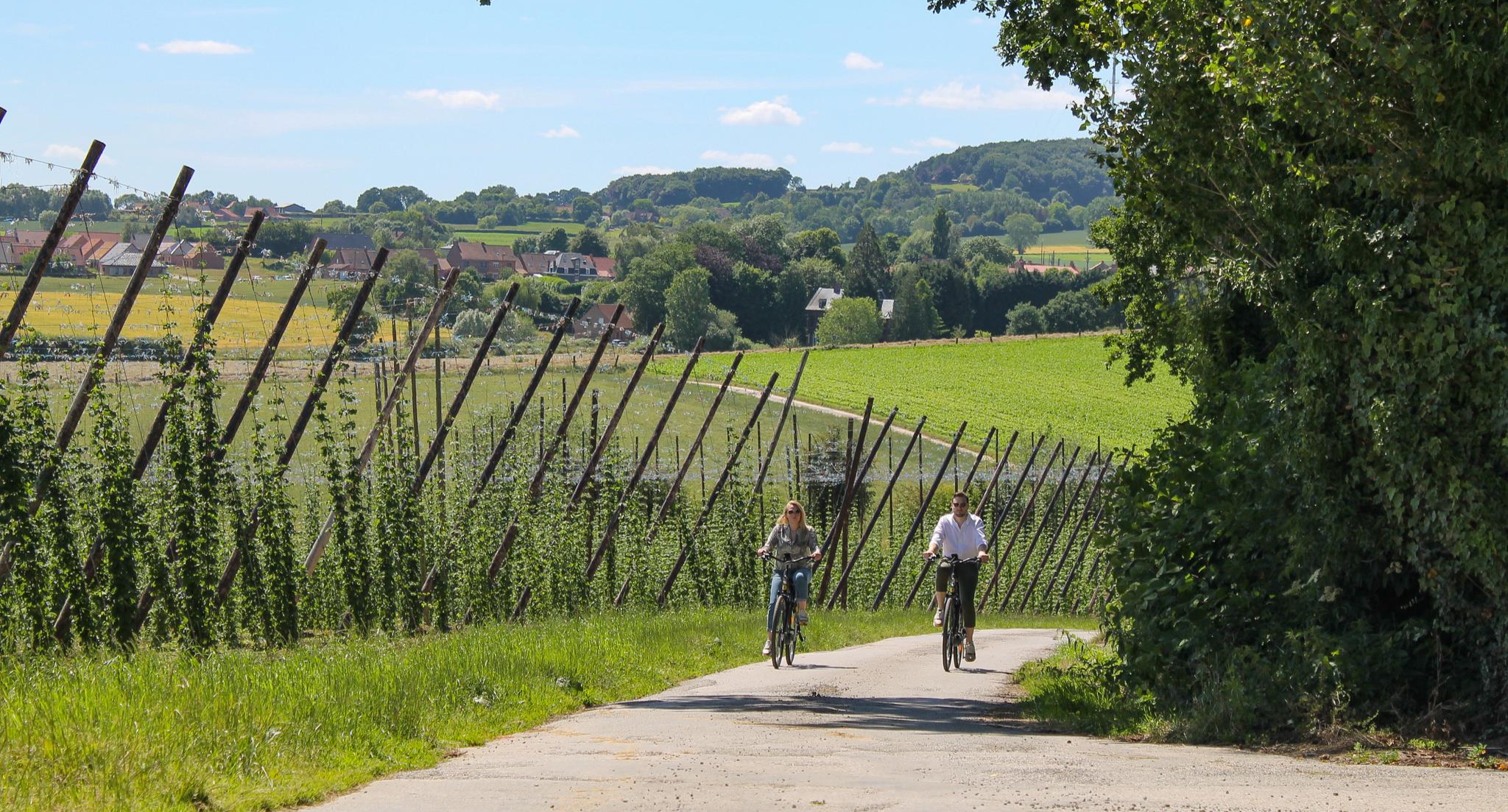
Flanders, Land of Cycling – Hills, Cobblestones and Estaminets
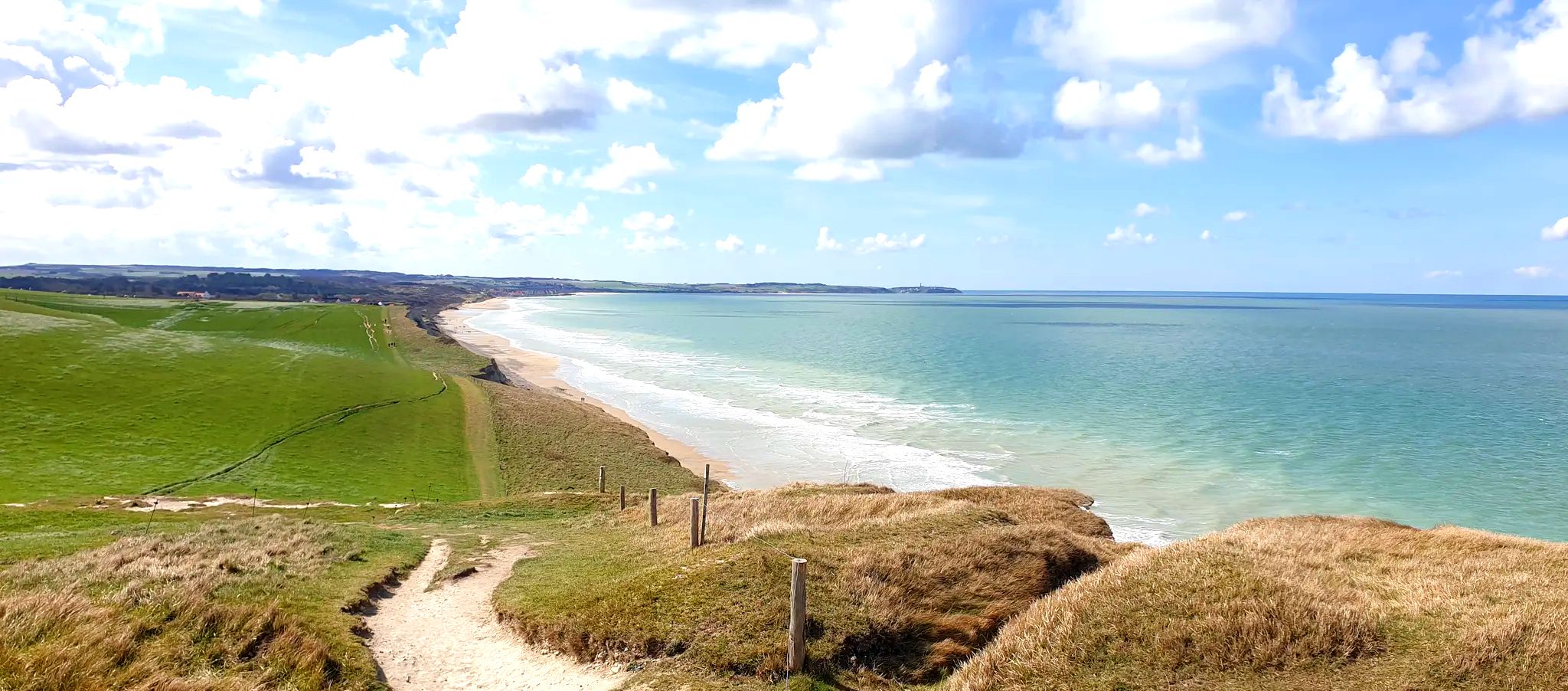
Journey from Flanders to the Somme – GR 120 coastal path
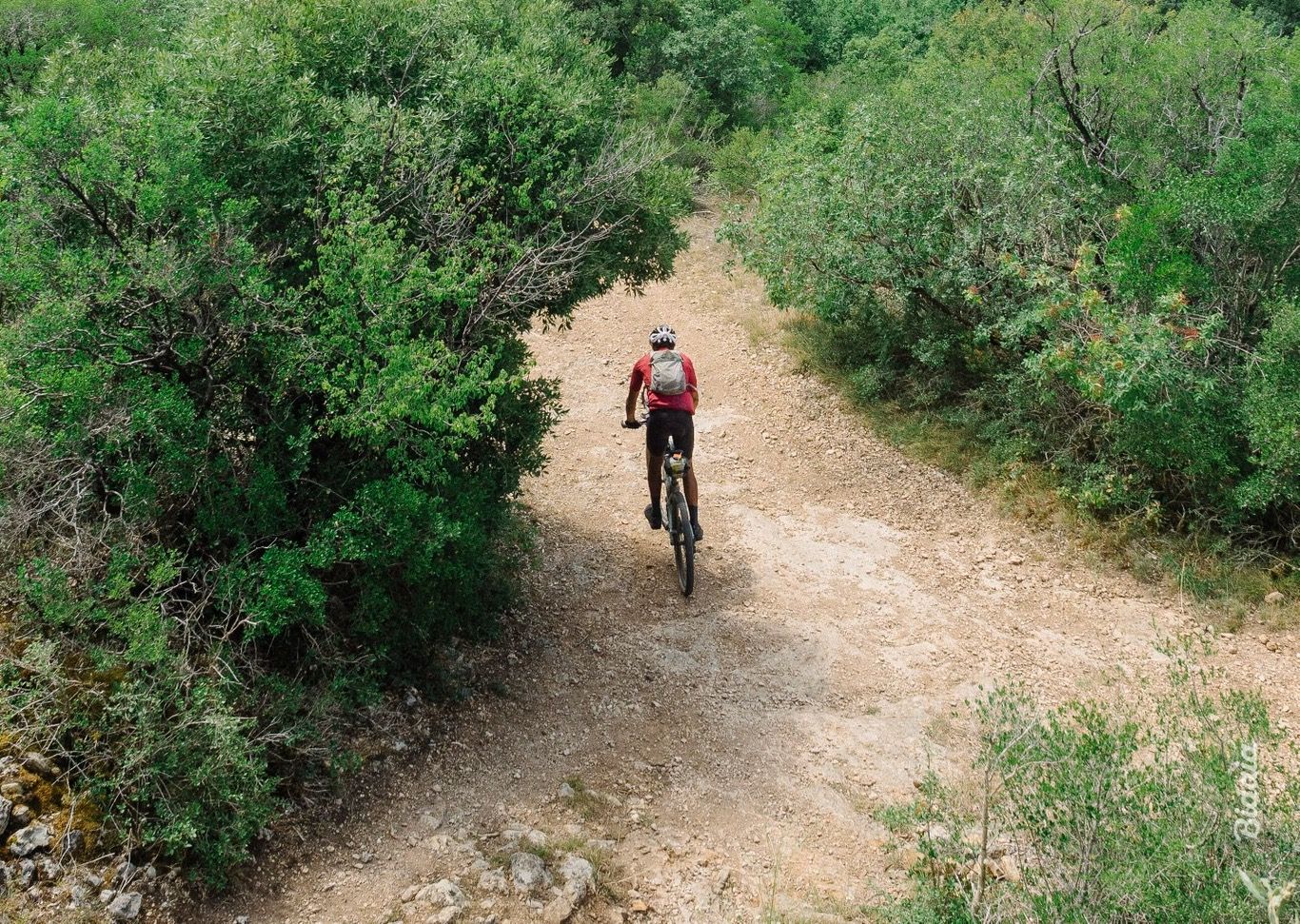
French Divide: the other Tour de France
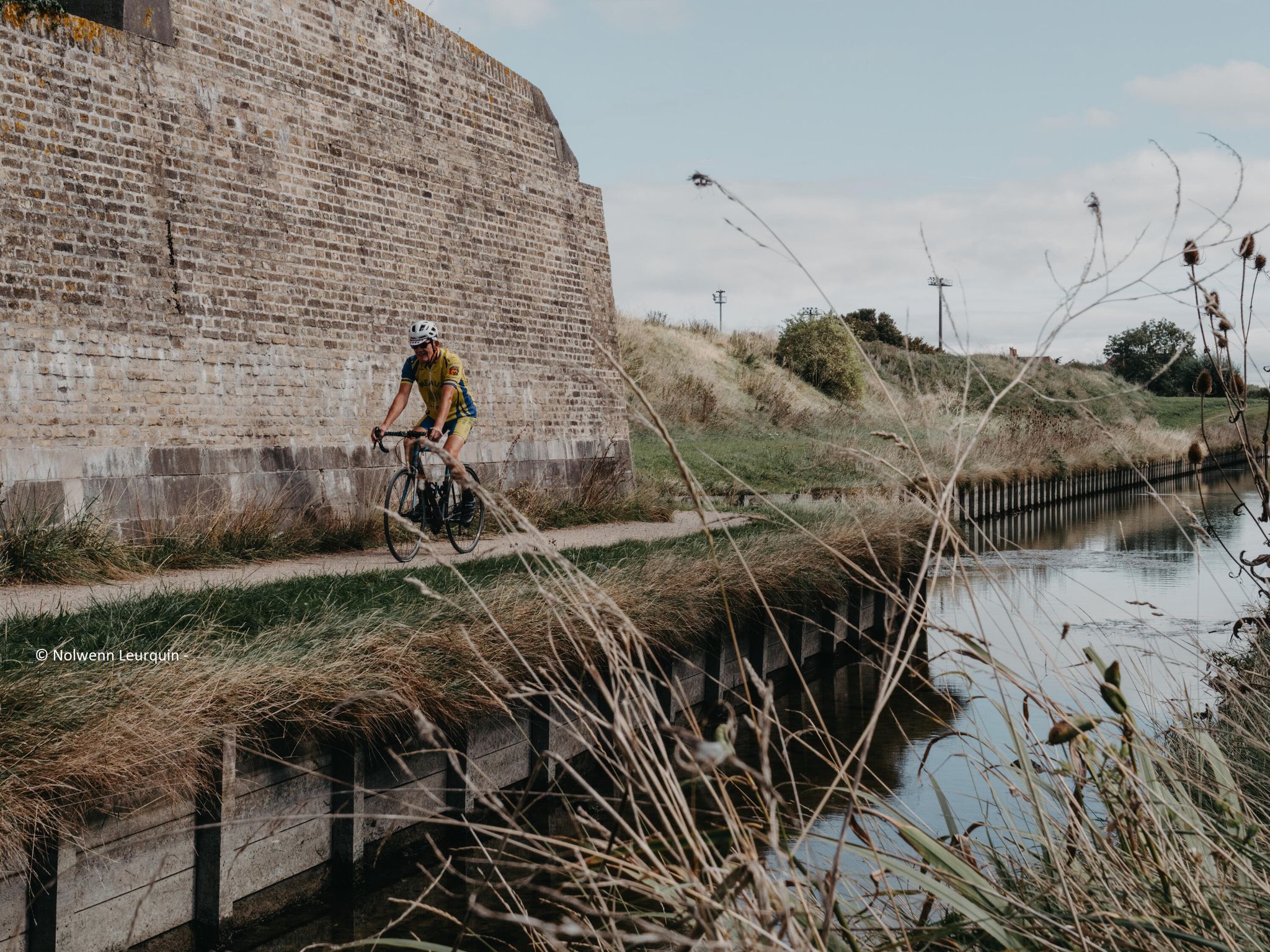
"Plaine et Littoral de Flandre" : réseau points-noeuds avec vue sur mer
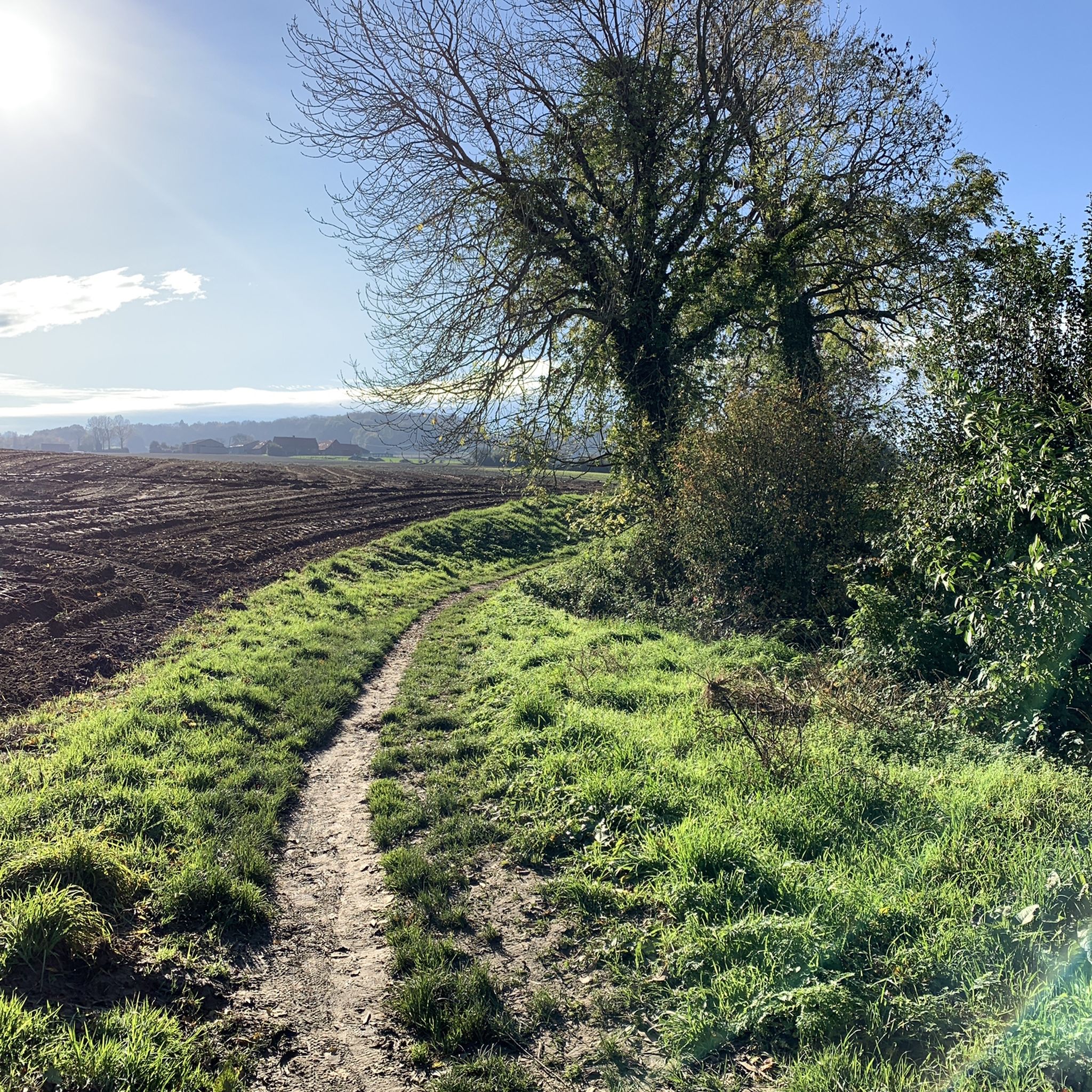
Hiking around Dunkirk
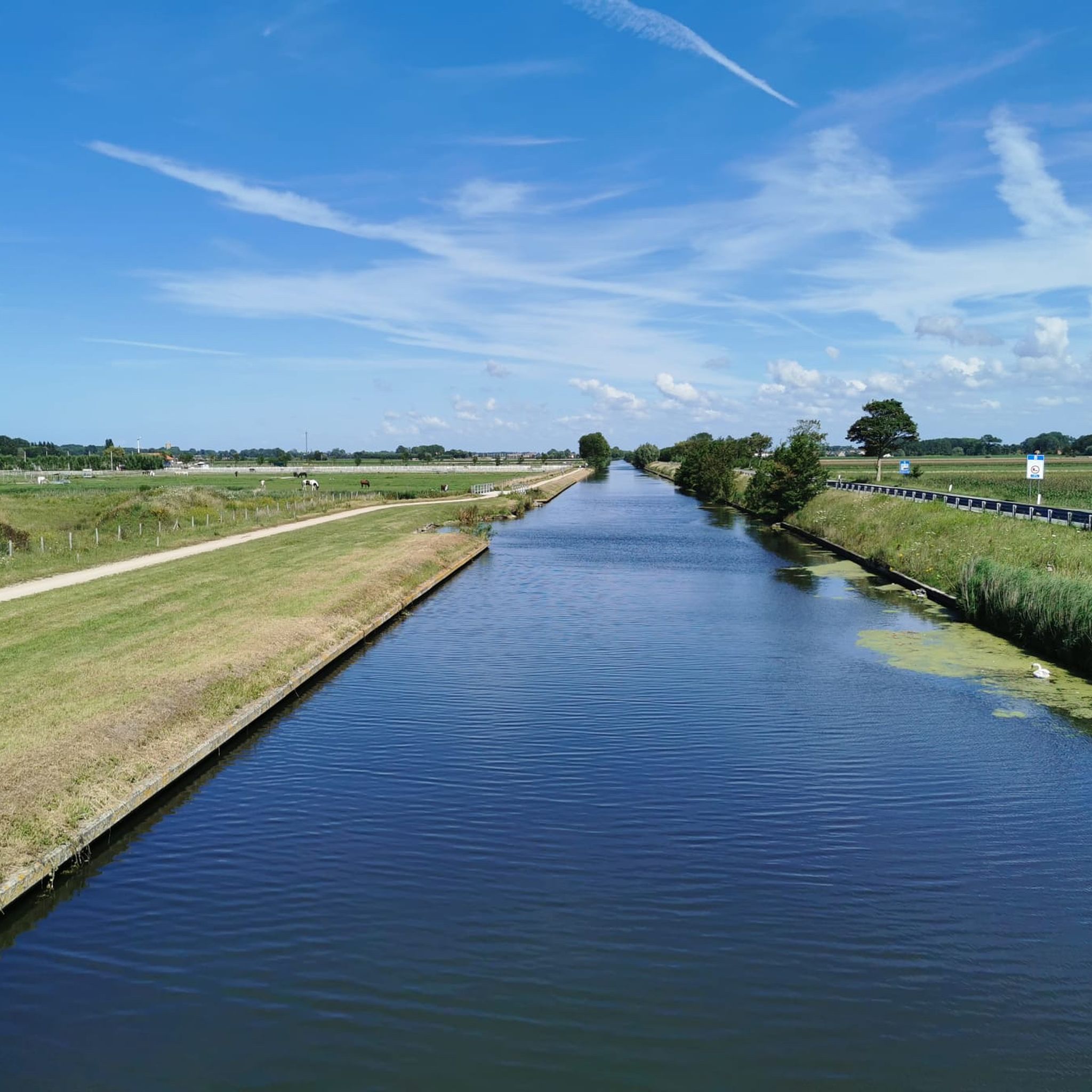
Cycling around Dunkirk
Other adventures around Dunkirk


Tips from the Community

The most beautiful town in France (2023, according to the French)
1
0

A beautiful, spacious park with grassy areas and clumps of woods. Plenty of space for a relaxing break.
3
0


a nice little walk...
1
2

This castle was the seat of the lordship of Flêtre. The Van Vleteren family ruled here, succeeded in 1364 by the Van Houtte family. Between 1364 and 1380, Jan van Houtte had a fortified castle built. It was equipped with a wooden gallery between the castle and the freestanding tower, from which the soldiers could hurl projectiles at the besiegers. Later, as military technology advanced, these were replaced by machicolations. In 1532, the lordship passed through marriage to the Wignacourt family. In 1656, Flêtre, under Jacob van Wignacourt, was elevated to a county. The last Count of Flêtre, Balthasar-Philippe de Wignacourt, died in poverty in 1810. During the French Revolution, the castle was expropriated and largely demolished to reuse the building materials. However, the keep was so massive that demolition was decided against. In the early 19th century, the estate was purchased by an industrialist, who built a house on the site of the demolished castle and converted the keep into a reception hall, with Louis XV-style wall paneling. Later, the estate was purchased by Edmond Vanuxem, a brewer in Ardres. He commissioned the construction of the current brick castle, completed in 1872. After the First World War, the moats were filled in. https://nl.wikipedia.org/wiki/Kasteel_van_Wignacourt
1
0

Only from a distance, closed on Mondays.
3
0

superb park to visit with the family
1
2

Be sure to follow the city walls, hidden beautiful places
1
1
Frequently Asked Questions
Are there family-friendly castles around Dunkirk with activities?
Yes, several castles and historical sites near Dunkirk are suitable for families. Marguerite Yourcenar Departmental Park offers a large natural space to explore, with a villa now serving as a writer's residence and a focus on nature preservation. Cassel Village, a fortified settlement, provides views, charming alleys, and a museum in a historic mansion, offering a blend of history and culture that can engage all ages. Additionally, the Porte de Bierne, an imposing gate in Bergues, looks like a small castle itself and is part of a preserved fortified enclosure, which can be fascinating for children.
What are the best historical castles to visit around Dunkirk?
The region around Dunkirk is rich in historical sites. Cassel Village is a fortified settlement with a long history, offering a museum and historical architecture. Fort des Dunes is a significant late 19th-century fort bearing traces of the 1940 fighting and German occupation, providing deep insights into its role during Operation Dynamo. The Porte de Bierne in Bergues, a 15th-century gate, is an impressive example of a fortified structure.
What natural features can I see near these castles?
The area offers a mix of natural and historical environments. Marguerite Yourcenar Departmental Park is a 50-hectare forest dedicated to nature preservation, referenced in the works of Marguerite Yourcenar. Fort des Dunes is hidden within a well-preserved nature reserve, offering a unique blend of history and natural beauty. From the View from the castle terrace, you can enjoy panoramic views of the Flanders plain, highlighting the region's flat plains and gentle hills.
What outdoor activities can I do near these castles?
The region around Dunkirk offers various outdoor activities. You can explore the area through easy hikes, such as the 'Viewpoint with bench – Villa Marguerite Yourcenar loop from Saint-Jans-Cappel' near Marguerite Yourcenar Departmental Park. For cycling enthusiasts, there are road cycling routes like the 'Cassel discovery — loop in the French Flanders' near Cassel Village, and gravel biking options like the 'Bois des Forts Pond – Bois des Forts loop from Dunkerque' which passes near Fort des Dunes. You can find more details on these and other routes in the Easy hikes around Dunkirk, Road Cycling Routes around Dunkirk, and Gravel biking around Dunkirk guides.
Are there public transport options to castles near Dunkirk?
While specific public transport routes to each castle can vary, many towns in the Dunkirk region are accessible by local buses or regional trains. For instance, Bergues, home to the Porte de Bierne, has a train station. Cassel, where Cassel Village is located, is a well-known destination. It's advisable to check local transport schedules for the most up-to-date information when planning your visit.
What is the best time of year to explore castles around Dunkirk?
The best time to explore castles and historical sites around Dunkirk is generally during the spring (April to June) and autumn (September to October). During these seasons, the weather is typically mild and pleasant for walking and outdoor exploration, and the sites are less crowded than in peak summer. Summer (July and August) also offers good weather, but you might encounter more visitors. Some sites, like Marguerite Yourcenar Departmental Park, might host special events like land art festivals during specific summer months.
Are there castles around Dunkirk open during winter?
Many historical sites and parks, including those with castle elements, remain accessible during winter months, though specific opening hours for museums or interior visits might be reduced. Natural parks like Marguerite Yourcenar Departmental Park are generally open year-round for outdoor enjoyment. For sites like Fort des Dunes, it's recommended to check their official websites for winter opening times, as some may require prior booking or have seasonal closures for guided tours.
Are there any less crowded or 'hidden gem' castles to visit near Dunkirk?
While the main highlights are popular, exploring smaller towns and their historical structures can offer a quieter experience. The fortified enclosure of Bergues, including the impressive Porte de Bierne, offers a glimpse into medieval defenses without the crowds of larger attractions. Additionally, exploring the village of Esquelbecq, which is listed as a settlement with castle and historical site categories, might reveal charming, less-visited historical architecture.
Can I find short walks around castles near Dunkirk?
Yes, many of the castle sites offer opportunities for short, enjoyable walks. Around Marguerite Yourcenar Departmental Park, you can take leisurely strolls through the forest. Cassel Village is perfect for walking through its cozy alleys and enjoying the views from the hilltop. The area around the Porte de Bierne in Bergues allows for walks along the preserved fortified walls. For more structured short walks, consider routes like the 'Beffroi de Bergues and the square and pointed towers — loop from Bergues' found in the Easy hikes around Dunkirk guide.
Are there nearby cafes or pubs close to Dunkirk castles?
Yes, you'll find local establishments near many of these historical sites. Cassel Village is known for its 'estaminets' (traditional Flemish pubs/restaurants) where you can enjoy local gastronomy. The View from the castle terrace in Cassel also mentions a tavern awaiting walkers for a friendly break. In towns like Bergues, near the Porte de Bierne, you can expect to find cafes and pubs.
What do visitors enjoy most about the castles and historical sites around Dunkirk?
Visitors particularly appreciate the blend of history, culture, and nature. The panoramic views from elevated points like Cassel Village and the View from the castle terrace are highly rated. The historical significance of sites like Fort des Dunes, with its connection to Operation Dynamo, offers a profound experience. The peaceful natural settings, such as Marguerite Yourcenar Departmental Park, are also a major draw for those seeking tranquility and outdoor exploration.
Are there castles with gardens near Dunkirk?
While not all sites are traditional castles with formal gardens, Marguerite Yourcenar Departmental Park offers a vast 50-hectare natural park setting around a villa, which can be considered a large, informal garden dedicated to nature preservation. This park provides ample green space for visitors to enjoy.
Most popular routes around Dunkirk
Most popular attractions around Dunkirk

Get inspired with the komoot mobile app


Didn’t find what you were looking for?
Explore Dunkirk’s best castles region by region:
Explore more
Looking for the best castles somewhere else? Discover other guides around Dunkirk:
