Top 4 Castles around Quinto Di Treviso
Best castles around Quinto Di Treviso offer a glimpse into the rich history of the Veneto region. While Quinto Di Treviso itself features historical sites like Villa Memo Giordano Valeri, a 17th-century villa, the broader area provides access to various fortified structures. The landscape around Quinto Di Treviso is characterized by its proximity to the Sile River, contributing to a blend of natural and historical exploration opportunities. This region presents opportunities for exploring historical architecture and defensive works.
Best castles…
Last updated: May 20, 2026
Bastione San Paolo
Highlight • Monument
Translated by Google •
Tip by

Castello on the Sile, Treviso
Highlight • Castle
Translated by Google •
Tip by

Sign up now to discover places like this
Get recommendations on the best single tracks, peaks, & plenty of other exciting outdoor places.
Sign up for free
Tempesta Fortress, Noale
Highlight • Castle
Tip by

Castello Romano
Highlight • Castle
In fact, …
Translated by Google •
Tip by

Noale Bell Tower
Highlight • Monument
Translated by Google •
Tip by

Sign up for free to discover even more castles around Quinto Di Treviso.
Sign up for free
Already have an account?
Start today with a free account
Your next adventure awaits.
Login or Signup
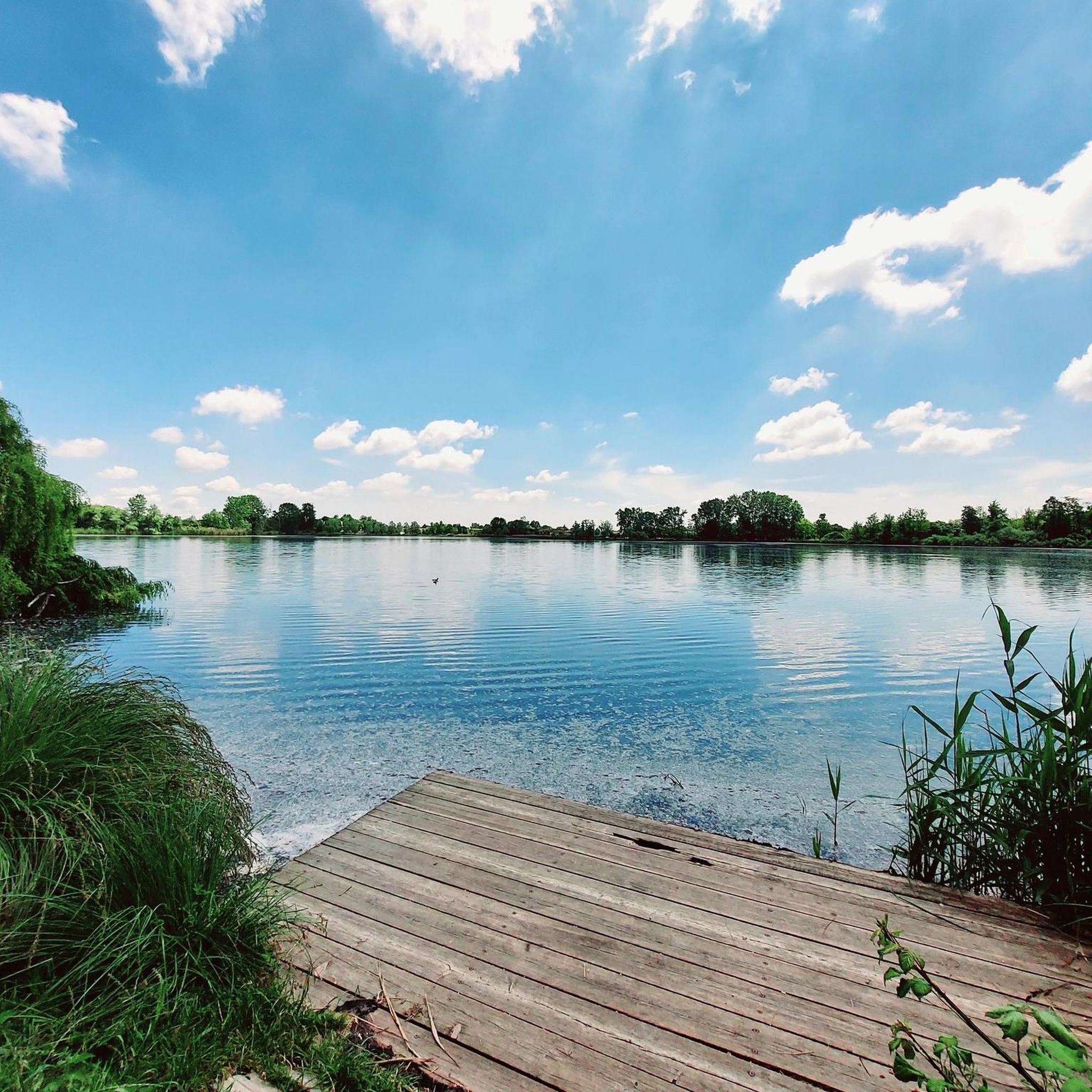
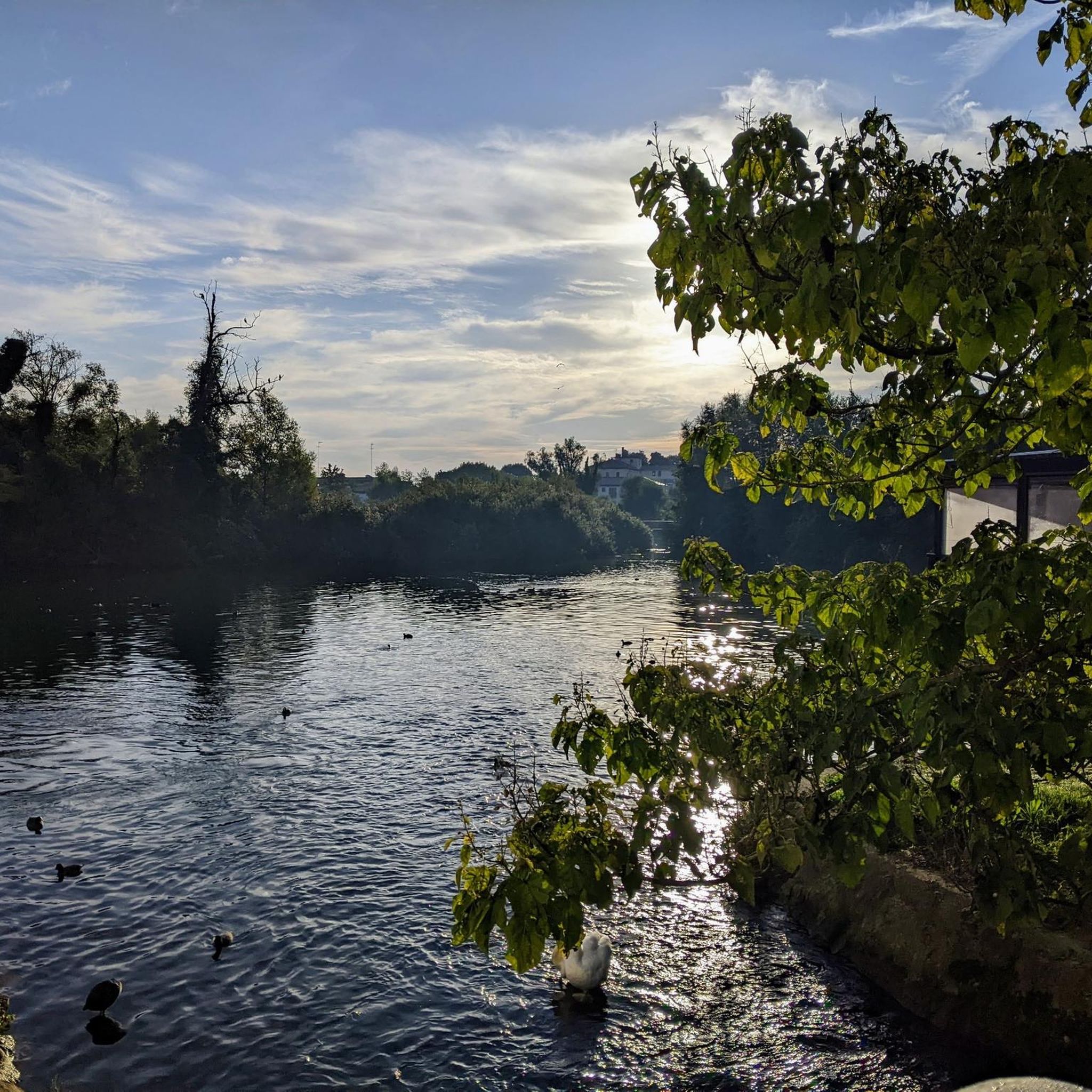
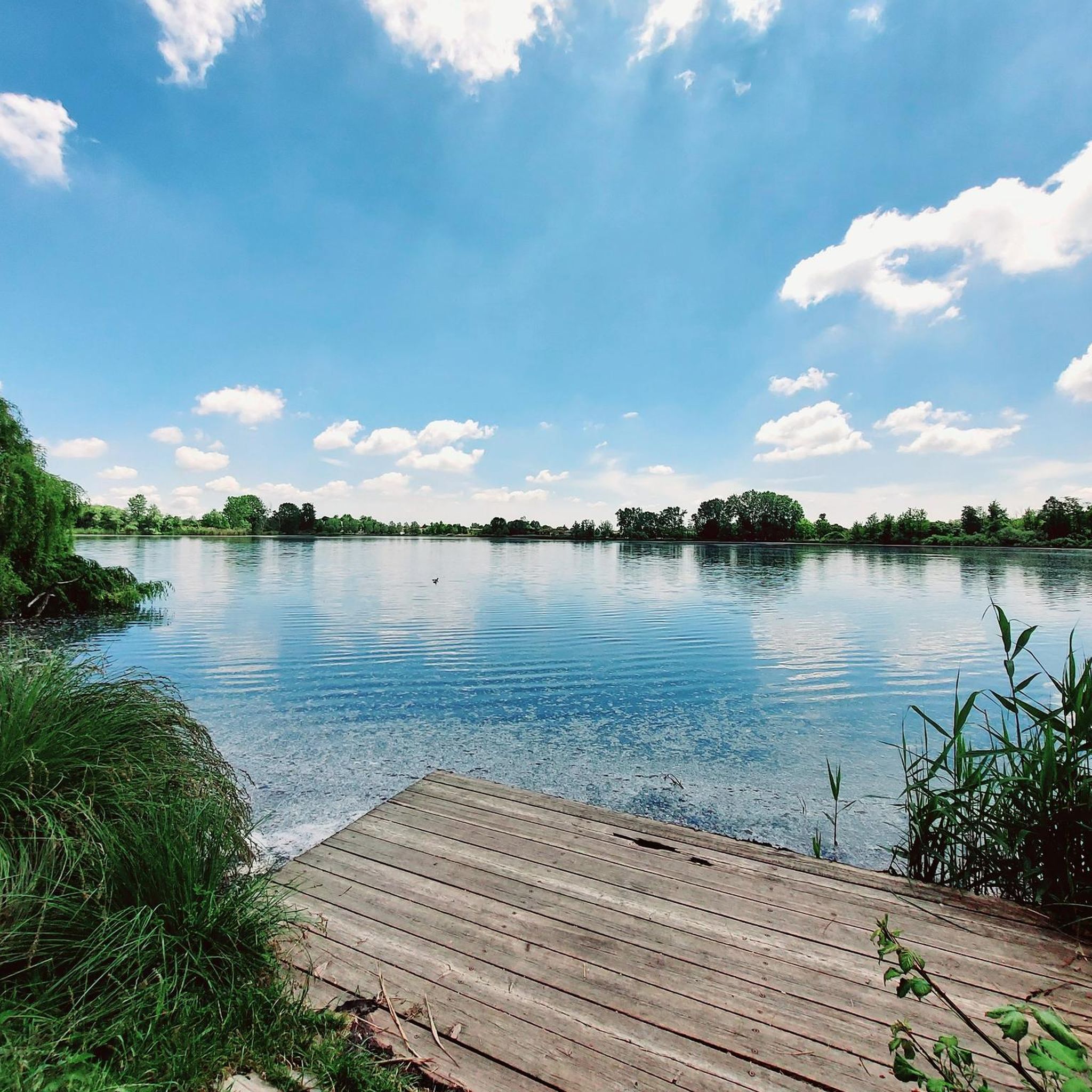
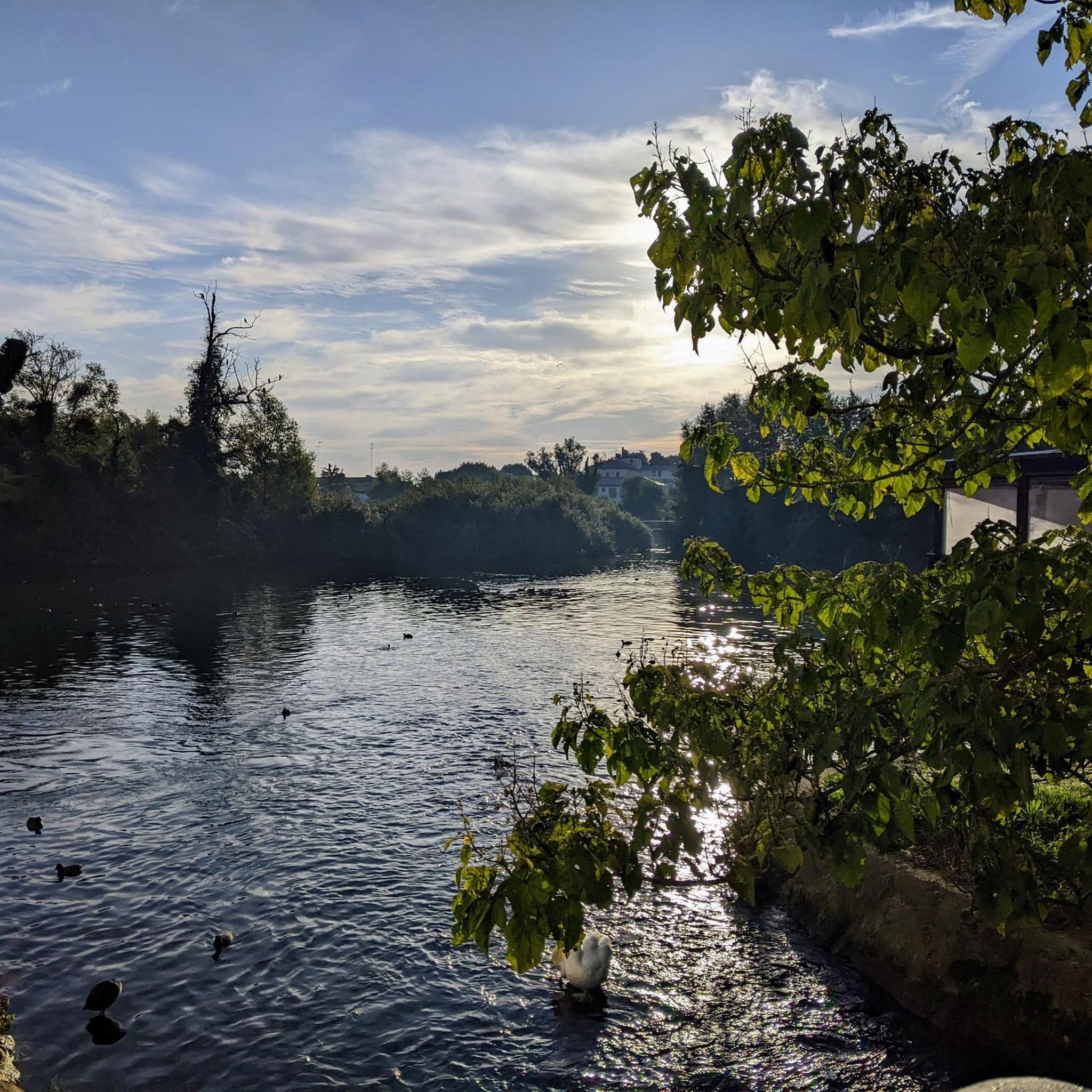

Tips from the Community

La Rocca dei Tempesta is the monumental heart of Noale and one of the most fascinating medieval defensive structures in the Veneto region. Built in the 12th century at the behest of the Tempesta family, the fortress stood on a strategic area, protected by an ingenious system of moats fed by the waters of the Marzenego river. The imposing brick structure, of which today the majestic perimeter walls and corner towers remain, preserves the intact charm of a lowland castle. Although the interior is now a suggestive green meadow used for historical re-enactments such as the Palio, the remains still allow us to read the original layout of the noble residence. The Rocca represents a symbol of power and resistance, offering a unique setting where nature intertwines harmoniously with ancient medieval vestiges.
0
0
The Bell Tower of Noale, also known as the Tower of the Bells or the Trevigiana Tower, is one of the most imposing symbols of the ancient medieval village. Approximately 43 meters high, it originally served as a fortified entrance gate for those coming from Treviso, integrating into the defensive system of the Tempesta family. The exposed brick structure is topped by a bell cell and an octagonal drum housing the clock, an element that dominates the city skyline. Located at the edge of Piazza Castello, the tower not only marks the time for the community but represents a visible link to the city's military and civil past, harmonizing perfectly with the nearby Rocca and the frescoed palaces of the center, testifying to the historical importance of Noale.
0
0
Il Bastione San Paolo constitutes a fundamental part of Treviso's 16th-century city walls, located in the north-eastern sector of the city. Designed as part of the defensive enhancement desired by the Serenissima, it presents itself as a massive earth and brick structure, engineered to withstand the modern artillery systems of the time. Currently, the area has lost its military function to become one of the most evocative green areas in the historic center. Its tree-lined avenues offer an elevated panoramic walk overlooking the canals below, once defensive moats. It is a perfect example of urban regeneration, where Renaissance engineering blends with the tranquility of the city's river landscape.
0
0
Although commonly called the "Castle" for its imposing appearance and dominant position over the Sile river, it was actually built as an ancient medieval hospital. Overlooking the Riviera Garibaldi, this historic building has been masterfully restored to house university campuses. Its red brick architecture, which is directly mirrored in the waters of the river, creates one of the most iconic views of the city. Today, it is no longer a defensive fortress, but a center of culture where the monumental structure blends with the liveliness of students, maintaining that solemn charm that makes it a visual reference point for anyone walking along the banks of the Sile in the historic center.
2
0


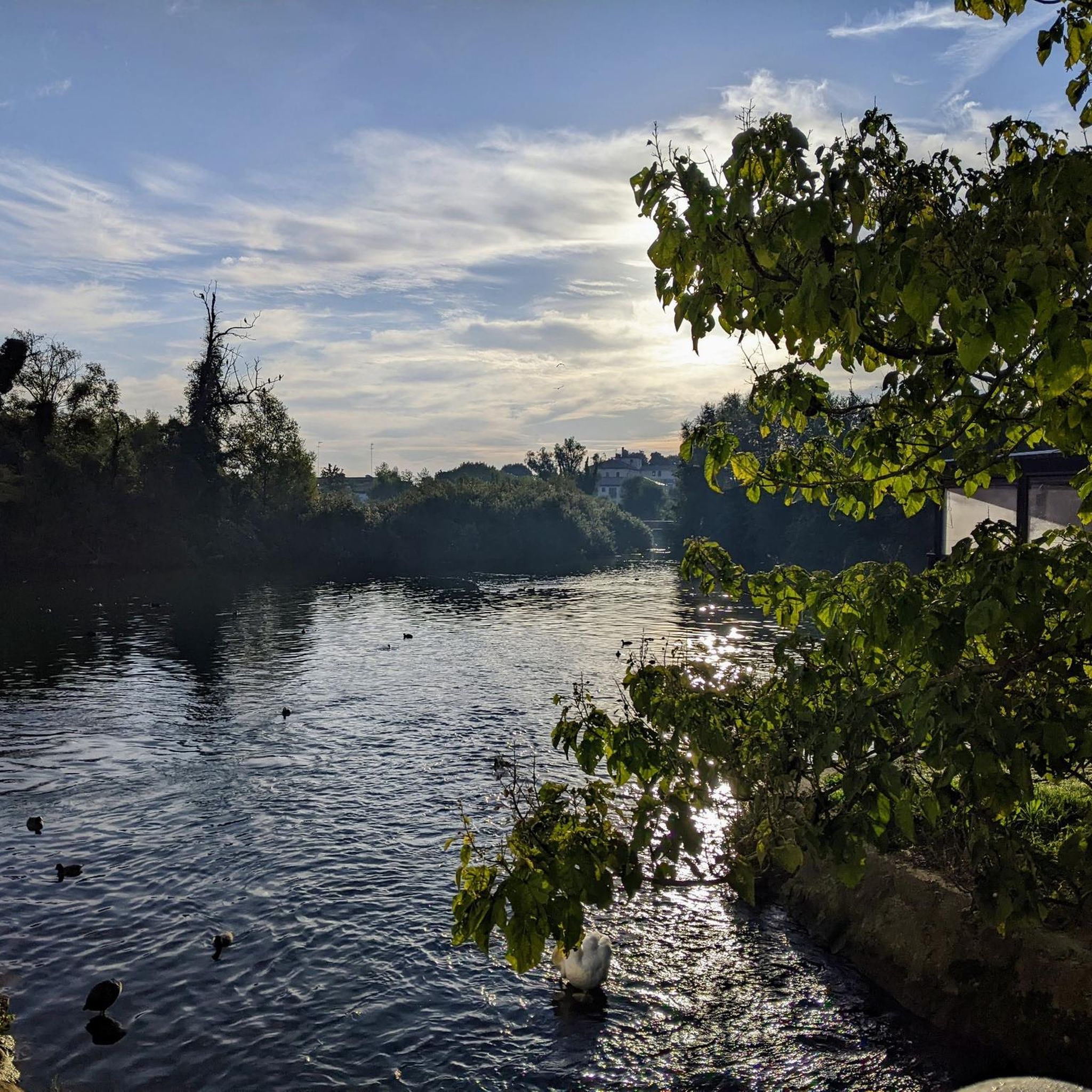
The cycle path directly along the Sile towards Mestre is a lovely place to ride. The scenery is beautiful.
1
0
Treviso is a beautiful city and definitely worth a visit.
7
0

moon of the most beautiful towns in the region
9
0
Frequently Asked Questions
What historical sites related to castles can I visit directly in Quinto di Treviso?
While Quinto di Treviso does not feature traditional fortified castles, you can explore Villa Memo Giordano Valeri. This impressive 17th-century villa, surrounded by extensive parkland, has significant historical and architectural value, having served various roles throughout its history. It is now owned by the municipality.
Are there family-friendly castles to visit near Quinto di Treviso?
Yes, several options are suitable for families. The Tempesta Fortress in Noale, with its imposing towers and walls, offers a glimpse into medieval history. Additionally, the Noale Castle Gate and the Contrada del Gato and Castle Ruins in Noale are also considered family-friendly historical sites.
What is the historical significance of the castles and defensive structures in the region?
The castles and defensive structures around Quinto di Treviso, such as the Bastione San Paolo in Treviso and the Tempesta Fortress in Noale, highlight the region's strategic importance. They evolved from medieval strongholds to Renaissance palaces, showcasing centuries of architectural development and military defense against enemy attacks.
What outdoor activities can I combine with a visit to these historical sites?
The area around Quinto di Treviso offers various outdoor activities. You can find numerous hiking trails, such as the GiraSile Trail or routes along the Sile River. For cyclists, there are road cycling routes and MTB trails available. Explore more options on the Hiking around Quinto di Treviso, Road Cycling Routes around Quinto di Treviso, and MTB Trails around Quinto di Treviso guide pages.
Are there any castles near Quinto di Treviso that offer panoramic views?
Yes, the Rocca di Asolo, located above the charming medieval town of Asolo, provides stunning panoramic views of the surrounding area, including Monte Grappa and the Prosecco region. While not directly in Quinto di Treviso, it's a notable option in the broader Treviso province for scenic vistas.
Can I visit Castello Romano near Treviso?
The Castello Romano, built between the late 19th and early 20th centuries, is a private residence overlooking the city of Treviso. It is not open to the public, so while you can admire its unique architecture from a distance, you cannot enter.
What is the best time of year to visit castles in the Treviso region?
Visiting during spring (April-May) and autumn (September-October) generally offers pleasant weather for exploring historical sites and enjoying outdoor activities. The temperatures are mild, and the natural scenery is often at its best. Summer can be warm, while winter visits might be quieter but with shorter daylight hours.
What other significant castles are located in the broader Treviso province?
Beyond the immediate vicinity of Quinto di Treviso, the broader Treviso province boasts several significant castles. These include the iconic Castello di San Salvatore in Susegana, the well-preserved Castelfranco Veneto Castle within its walled city, and the historical Conegliano Castle with fortifications dating back to the 11th century.
What do visitors enjoy most about the historical sites and castles in this region?
Visitors appreciate the rich history and architectural beauty of the sites. The Tempesta Fortress in Noale is noted for its medieval grandeur, while the Bastione San Paolo is valued as part of Treviso's historic city walls. The charming towns surrounding these sites, like Noale, also offer pleasant breaks with local cafes and restaurants.
Are there any easy walks or trails around the castles?
Yes, for example, the town of Noale, home to the Tempesta Fortress and Castle Gate, is described as a nice little Italian town ideal for a break. You can enjoy easy strolls through its historic center and around the castle ruins. For more structured walks, consider the easy hiking routes listed in the Hiking around Quinto di Treviso guide.
Is public transport available to reach castles near Quinto di Treviso?
While specific public transport routes to each castle vary, towns like Noale and Treviso, where some of these historical sites are located, are generally accessible by regional public transport. It's advisable to check local bus or train schedules for the most up-to-date information when planning your visit.
Most popular routes around Quinto Di Treviso
Most popular attractions around Quinto Di Treviso

Get inspired with the komoot mobile app


Explore more
Looking for the best castles somewhere else? Discover other guides around Quinto Di Treviso:
