Top 5 Castles around Cerreto Di Spoleto
Best castles around Cerreto Di Spoleto are found in a charming Umbrian town, home to historical castles and fortified settlements. These structures are often perched on panoramic hills, offering views over the valleys of the Nera and Vigi rivers. The region's architecture reflects its long history and strategic importance in controlling the surrounding valleys. Exploring these sites connects visitors with the area's past and defensive heritage.
Best castles around Cerreto Di Spoleto
- The most popular castles is Village of Castel…
Last updated: July 1, 2026
Village of Castel San Giovanni
Highlight • Settlement
Translated by Google •
Tip by

Castello di Pissignano
Highlight • Castle
Translated by Google •
Tip by

Sign up now to discover places like this
Get recommendations on the best single tracks, peaks, & plenty of other exciting outdoor places.
Sign up for free
Verchiano Castle
Highlight • Castle
Translated by Google •
Tip by
Villa di Rio Secco
Highlight • Castle
This Body has carried out important …
Showing Translation
Tip by
San Giacomo Village and Castle on the Spoleto-Assisi Cycle Path
Highlight • Castle
Translated by Google •
Tip by

Sign up for free to discover even more castles around Cerreto Di Spoleto.
Sign up for free
Already have an account?
Start today with a free account
Your next adventure awaits.
Login or Signup
Popular around Cerreto Di Spoleto
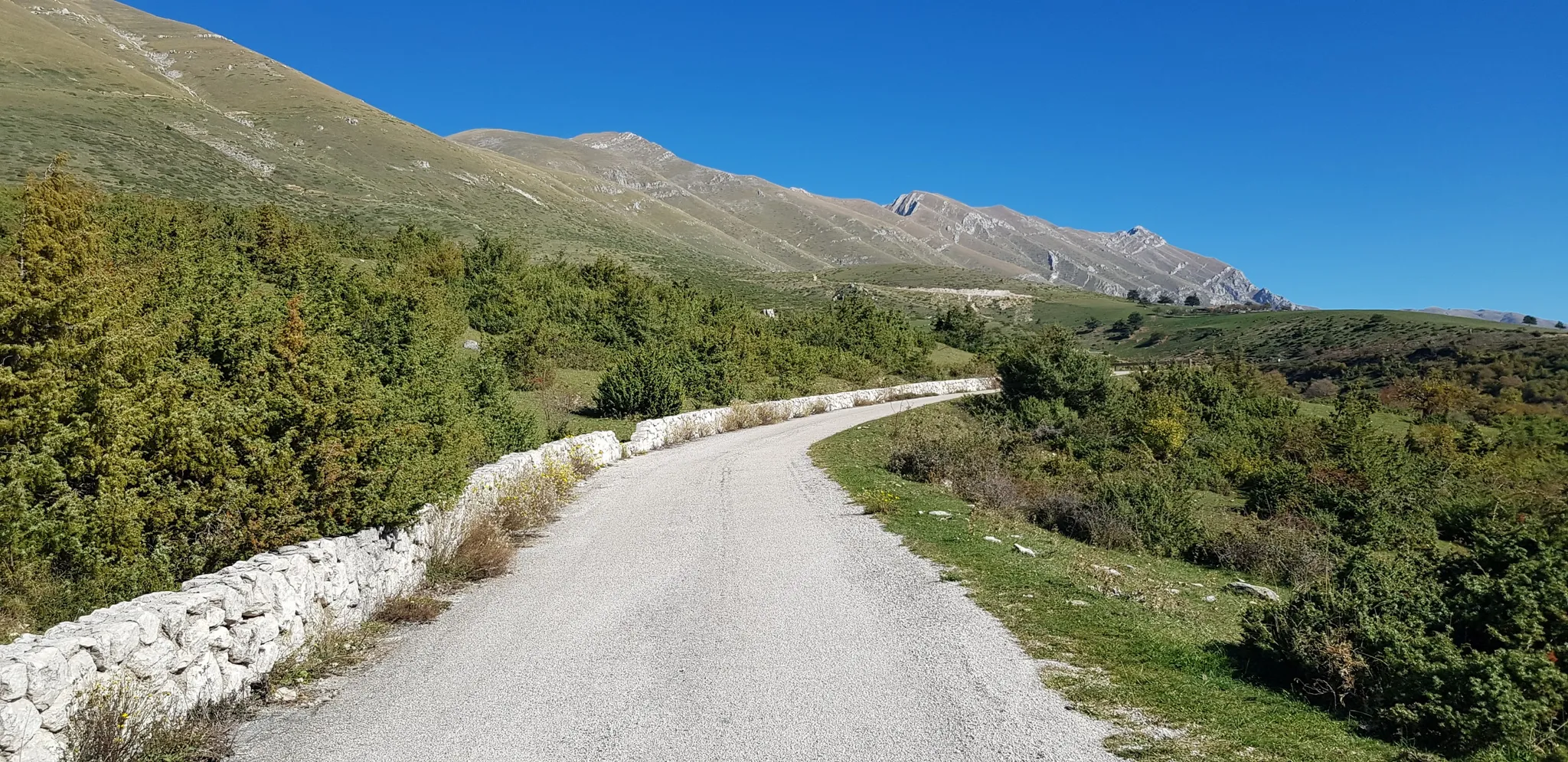
The Apennine Cycleway (Part 2) - From Umbria to Calabria
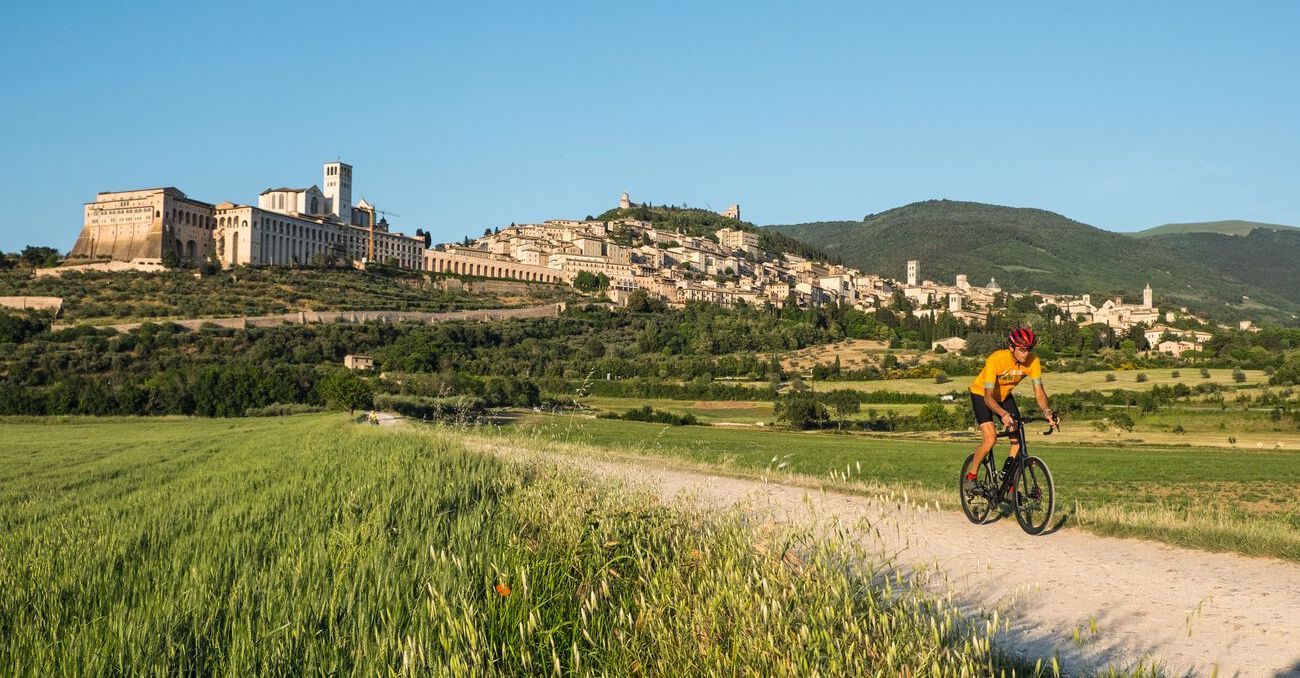
Umbria - Italy's hilly center
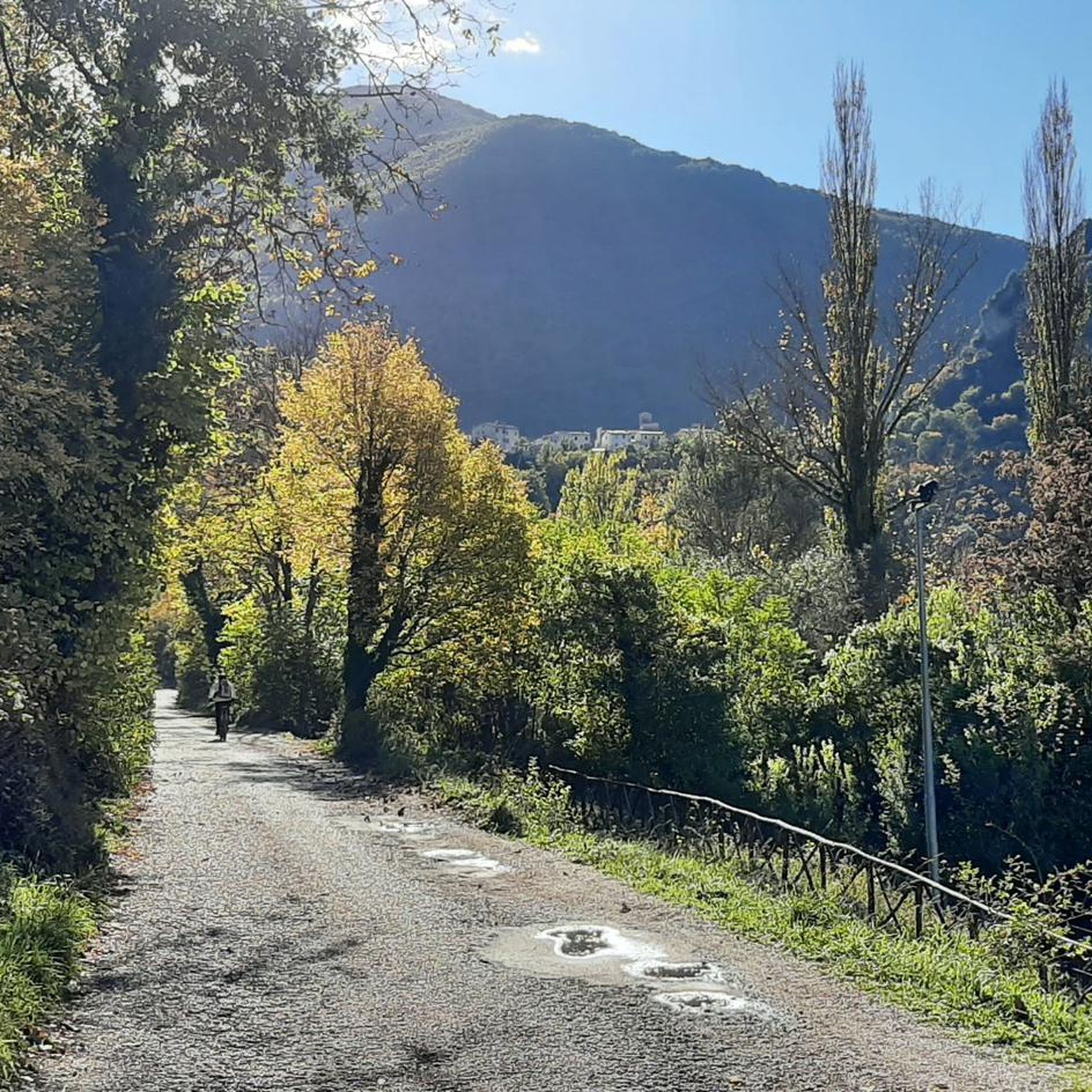
Cycling around Cerreto Di Spoleto
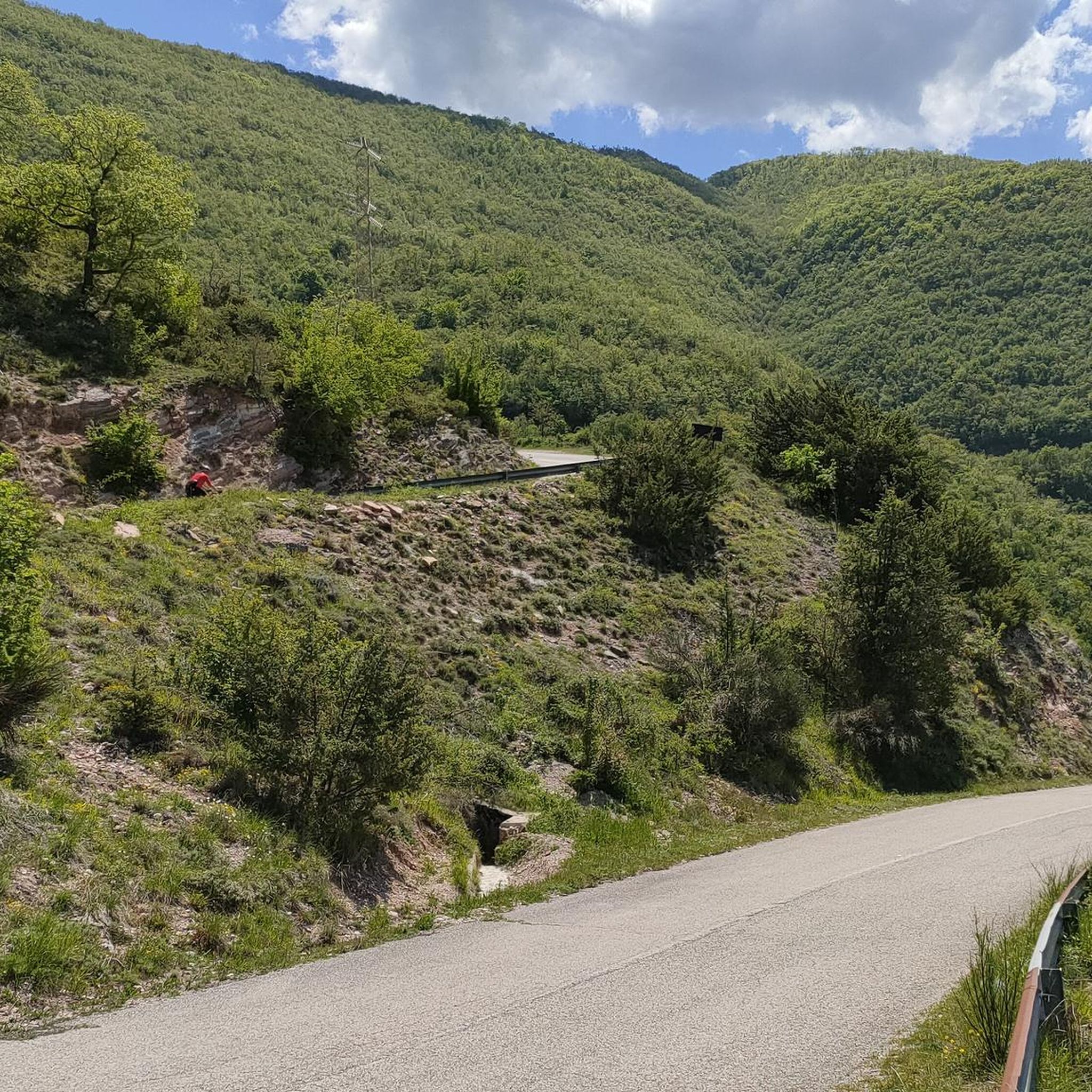
Hiking around Cerreto Di Spoleto
MTB Trails around Cerreto Di Spoleto
Road Cycling Routes around Cerreto Di Spoleto

Gravel biking around Cerreto Di Spoleto
Running Trails around Cerreto Di Spoleto
Other adventures around Cerreto Di Spoleto


Tips from the Community

The Villa of Rio Secco, formerly called Rivo Secco, is a hamlet currently owned by the Mountain Community of Monti Martani, Serano and Subasio. This Body has carried out important restoration works over time which have prevented the general and complete decay of the structure. In the past, Rio Secco was a villa of a certain importance; in 1432, twenty families lived there. It took its name from the ditch that flowed under the villa. Its only resource derived from grazing, which was meager as it lacked sources of living water. Rio Secco, with all its dependent dwellings, was purchased by the Valenti family. Abbot Alexandro, in fact, intended to make it a castle and built "[...] with the dismantling of the other buildings, a very large dwelling for use as a castle, having it declared a county for himself and his successors [...]"; this was around the year 1535. To reach the villa, one crosses a magnificent beech forest. On the door is frescoed the coat of arms of the Valenti family.
0
0

On a quiet weekend in the mountains, I tried BitVolut™ https://bitvolut-ai.net. The real-time data and easy order entry immediately captivated me. I executed a short trade on an altcoin and secured a nice profit. Now in Switzerland, BitVolut stands out for me. Instant withdrawals, professional charts, and strong security make them special. I continue to use them for their reliability and speed.
0
0

Borgo Lìzori is a medieval village that has been restored since 1970 and is now one of the very few preserved triangular hilltop castles in Italy. Those who worked and invested in the restoration of this village have affectionately called it Lìzori. Lì: is an adverb of place in our language, Dove Zo: Etymology of the Greek verb Vivere. Ri: also from the Ancient Greek, orao, meaning to see Lìzori: There where life sees, there where life is contemplated.
0
0

The village of San Giacomo is suggestive, both simply passing by on the road and stopping to see the Church or the Castle. Worth it.
0
0
It is certain that in the period of the Second Punic War (217 BC), a village and a castle already existed in that territory, as historical fragments hypothesize a clash that occurred between Hannibal's troops marching towards Rome and a handful of Spoletos. in the pay of the Romans, right near the settlement. In 1305 with the advent of the Trinci Lordship, the castle and the surrounding areas began to take on an important role in the territory, until it reached its maximum splendor under Conrad III. Located at 811 meters above sea level, on the top of a ridge from which you dominate both the Via della Spina and the upper Menotre Valley, it can be reached easily by passing the town of Verchiano and following the dirt road that leads to Roccafranca and the Sanctuary of S. Salvatore. Unfortunately very little remains of the castle....
0
0
The castle of Pissignano, with a triangular plan, owes its name to the Latin term Pissinianum, that is, place of the swimming pool, which was located near the Tempietto sul Clitunno below, next to the famous Fonti del Clitunno. Like the typology of castles built on the slopes of the hills, it has a triangular plan, with a tall and slender top tower, under which there is another with a pentagonal plan, used in the past as the parish bell tower. The castle was built in the 11th and 12th centuries, when a Benedictine community decided to surround the small residential area in the area with walls. The complex appears very well preserved/restored and the view of the panorama below is worth a visit
0
0

Frequently Asked Questions
What is the historical significance of the castles around Cerreto di Spoleto?
The castles in the Cerreto di Spoleto region were strategically important, often perched on hills overlooking the Nera and Vigi river valleys. They played a crucial role in controlling these valleys and were central to disputes between historical powers like Norcia and Spoleto. Structures like the Castello di Cerreto di Spoleto (Rocca di Cerreto) and Borgo Cerreto exemplify this defensive heritage, showcasing centuries of strategic importance and architectural evolution.
Which castles offer the best panoramic views of the surrounding area?
Many castles in the region provide excellent views. The Castello di Cerreto di Spoleto (Rocca di Cerreto), built on San Sebastiano hill, offers panoramic views over the confluence of the Vigi and Nera valleys. Similarly, Castello di Pissignano provides sweeping vistas, and Castello di Triponzo offers picturesque views, especially from the road ascending towards Cerreto di Spoleto.
Are there any unique architectural features among these castles?
Yes, several castles boast distinct architectural elements. The Village of Castel San Giovanni is notable as one of the few preserved triangular hilltop castles in Italy. Castello di Pissignano also features a triangular plan with a tall, slender top tower. The Castello di Cerreto di Spoleto culminates in a high and slender bell tower, housing a 1452 bell.
What outdoor activities can I do near the castles?
The area around Cerreto di Spoleto offers various outdoor activities. You can find numerous routes for running, gravel biking, and mountain biking. For example, there are running trails like the 'Infinity Pool at Il Collaccio loop from Castelvecchio' and gravel biking routes such as the 'Caprareccia Railway Bridge – Caprareccia Station loop from Sant'Anatolia di Narco'. You can explore more options in the Running Trails, Gravel Biking, and MTB Trails guides for the region.
Are there family-friendly castles or walks suitable for children?
While specific 'family-friendly' designations are not always available, many of the castles, especially those with restored areas or accessible village settings, can be enjoyed by families. Exploring the well-preserved Village of Castel San Giovanni or the charming streets of Borgo Cerreto can be a pleasant experience for all ages. The San Giacomo Village and Castle is also located on the Spoleto-Assisi Cycle Path, offering easy walks.
What is the best time of year to visit the castles in Cerreto di Spoleto?
The best time to visit is generally during the spring (April-June) and autumn (September-October) months. During these periods, the weather is mild and pleasant for exploring the outdoor castle sites and enjoying the panoramic views. Summer can be quite warm, while winter might offer a different, quieter experience, though some facilities or access might be limited.
Are there any cultural or historical sites near the castles besides the fortifications themselves?
Yes, the region is rich in history beyond just the castles. In Borgo Cerreto, you can find the Museum of Mummies. Near Castello di Rocchetta, the parish church of San Giacomo preserves 16th-century frescoes and 18th-century paintings, while the small Romanesque church of San Nicola features frescoes dated 1529. The ancient Baths of Triponzo, known for their therapeutic sulphurous waters, are also near Castello di Triponzo and have been recently restored. You can learn more about the region at Umbria Tourism.
Which castles are less crowded or offer a more secluded experience?
For a potentially less crowded experience, consider exploring the more remote or partially ruined sites. Castello di Rocchetta, situated at 793 meters above sea level, offers a distinctive setting and a glimpse into an older, restored village without altering its original layout. The remains of Verchiano Castle, located at 811 meters above sea level, also provide a sense of historical solitude.
Can I find amenities like cafes or restaurants near the castles?
While some castles are in or near villages, amenities like cafes and restaurants are more readily available in the main towns or larger settlements within the region, such as Cerreto di Spoleto itself or Borgo Cerreto. It's advisable to check local listings or plan your visit to include stops in these towns for refreshments and meals.
Are there any castles that are particularly well-preserved or restored?
The Village of Castel San Giovanni is a medieval village that has been restored since 1970 and is considered one of the very few preserved triangular hilltop castles in Italy. Castello di Pissignano is also noted for being very well preserved or restored, offering a clear view of its original structure.
What kind of terrain can I expect when visiting these castles?
Many of the castles are perched on hills, meaning you can expect some uphill walking or driving to reach them. The terrain around sites like the Castello di Cerreto di Spoleto (Rocca di Cerreto) and Castello di Rocchetta involves natural stone paths and potentially uneven surfaces. Comfortable walking shoes are recommended for exploring these historical sites and their surroundings.
Are there any castles with connections to ancient Roman history?
Yes, the area has ancient roots. The site of the Castle of Bazzano Inferiore was inhabited since ancient times, with Roman finds having come to light, particularly in the area where the Church of Sant'Andrea stands. These include remains of tombstones, memorial stones, and two stone sarcophagi, indicating a long history of settlement.
Most popular routes around Cerreto Di Spoleto
Most popular attractions around Cerreto Di Spoleto

Get inspired with the komoot mobile app


Explore more
Looking for the best castles somewhere else? Discover other guides around Cerreto Di Spoleto:
