Top 4 Caves around Trasaghis
Best caves around Trasaghis are found within the broader Friuli Venezia Giulia region, an area recognized for its significant underground heritage. While specific natural caves directly within Trasaghis are not extensively documented, the surrounding landscape offers diverse subterranean experiences. The region features natural caves, historical cave systems, and accessible former mines. Trasaghis itself is characterized by natural features including forests and pastures, and is located near the Lake of Three Municipalities.
Best caves around Trasaghis
- The most popular caves is…
Last updated: July 1, 2026
Grotte di Pradis
Highlight • Cave
More information at: grottedipradis.it
Translated by Google •
Tip by

Osoppo Fortress and San Rocco Hill
Highlight • Historical Site
The route follows CAI trail marker 720. Starting from the southern entrance of Rivellino Park, you cross it to the northern entrance. Crossing the park, you can already see …
Translated by Google •
Tip by

Sign up now to discover places like this
Get recommendations on the best single tracks, peaks, & plenty of other exciting outdoor places.
Sign up for free
Cuel Mulimiela Gun Emplacement
Highlight • Cave
Translated by Google •
Tip by

Crist di Val Cave
Highlight • Cave
Showing Translation
Tip by

Start today with a free account
Your next adventure awaits.
Login or Signup

Tips from the Community

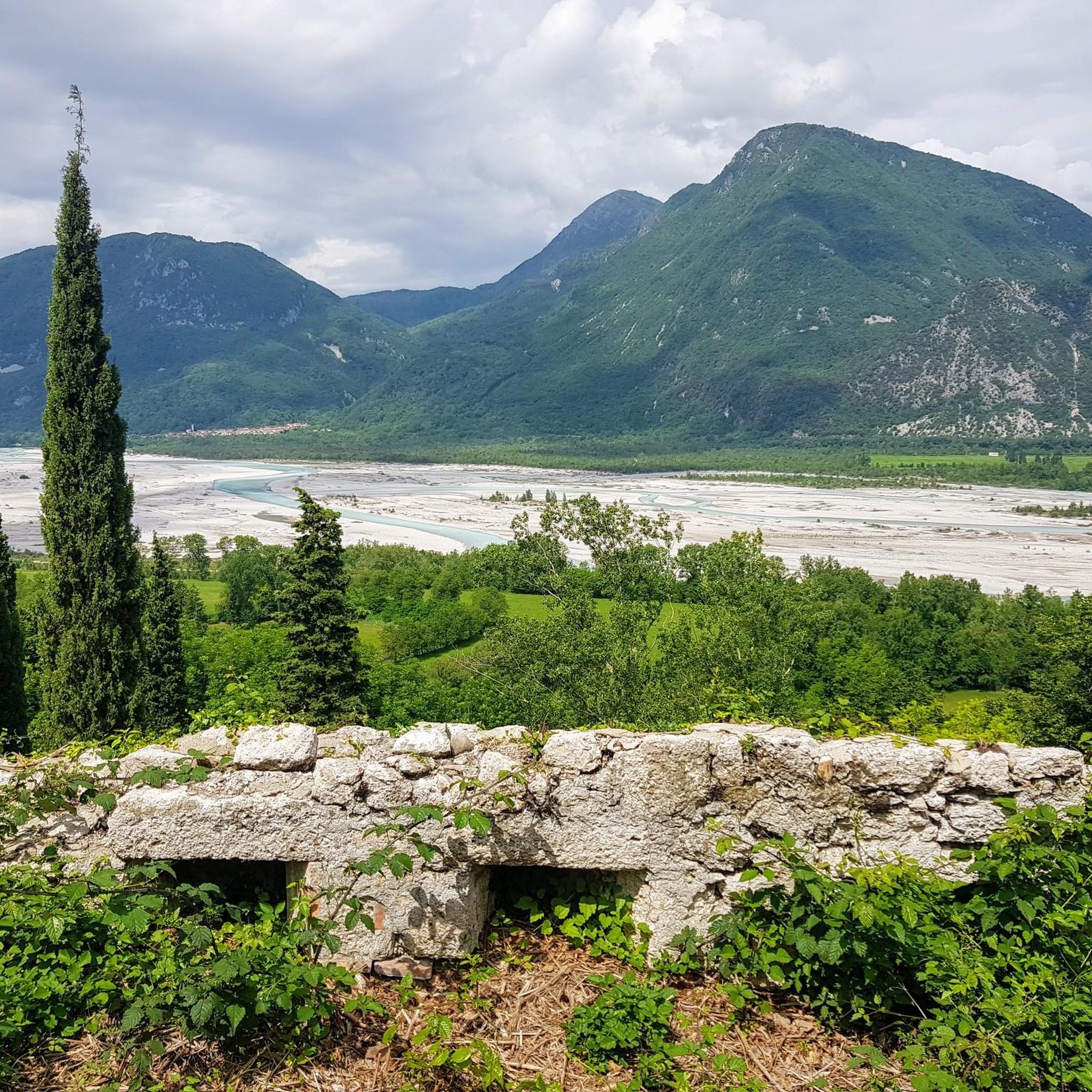
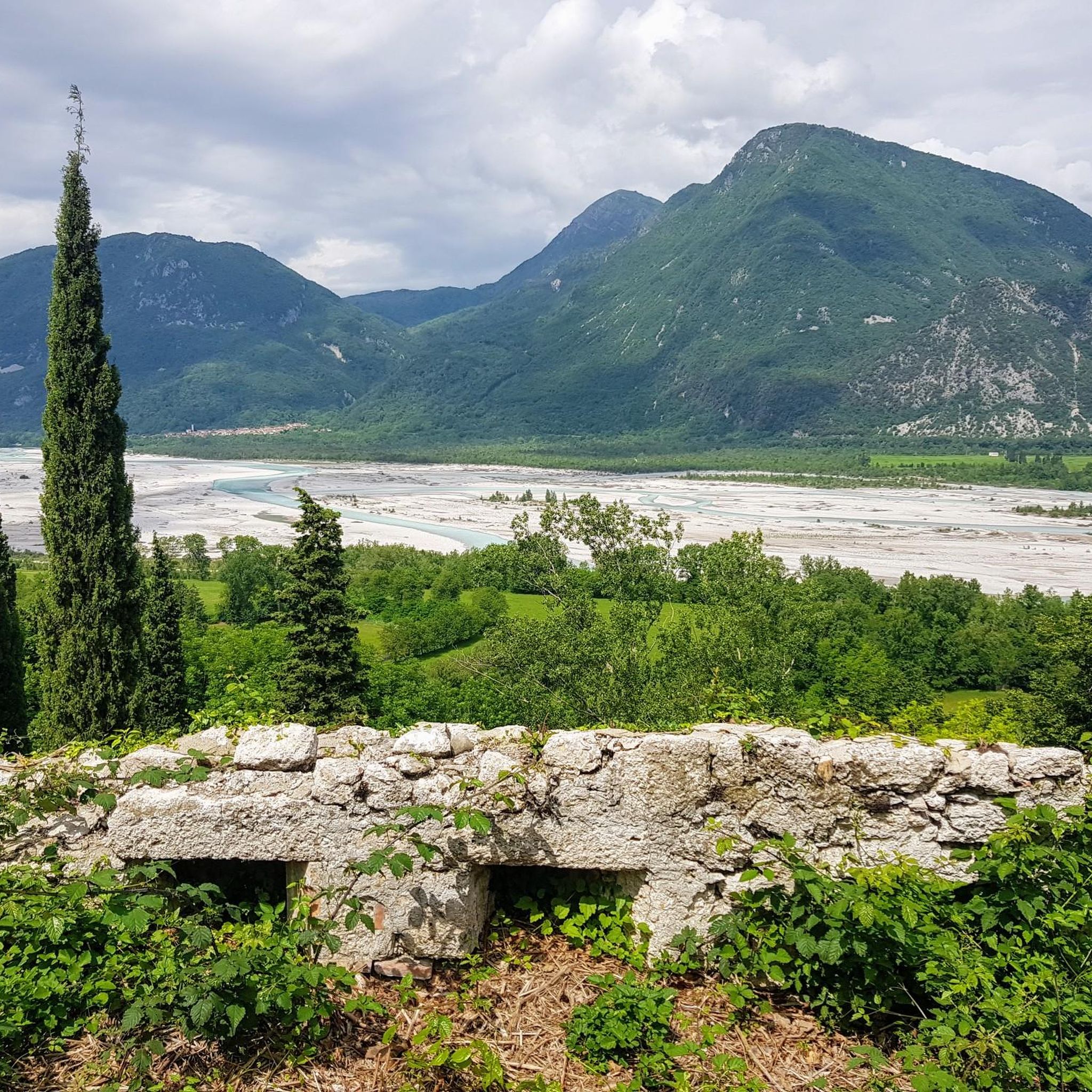
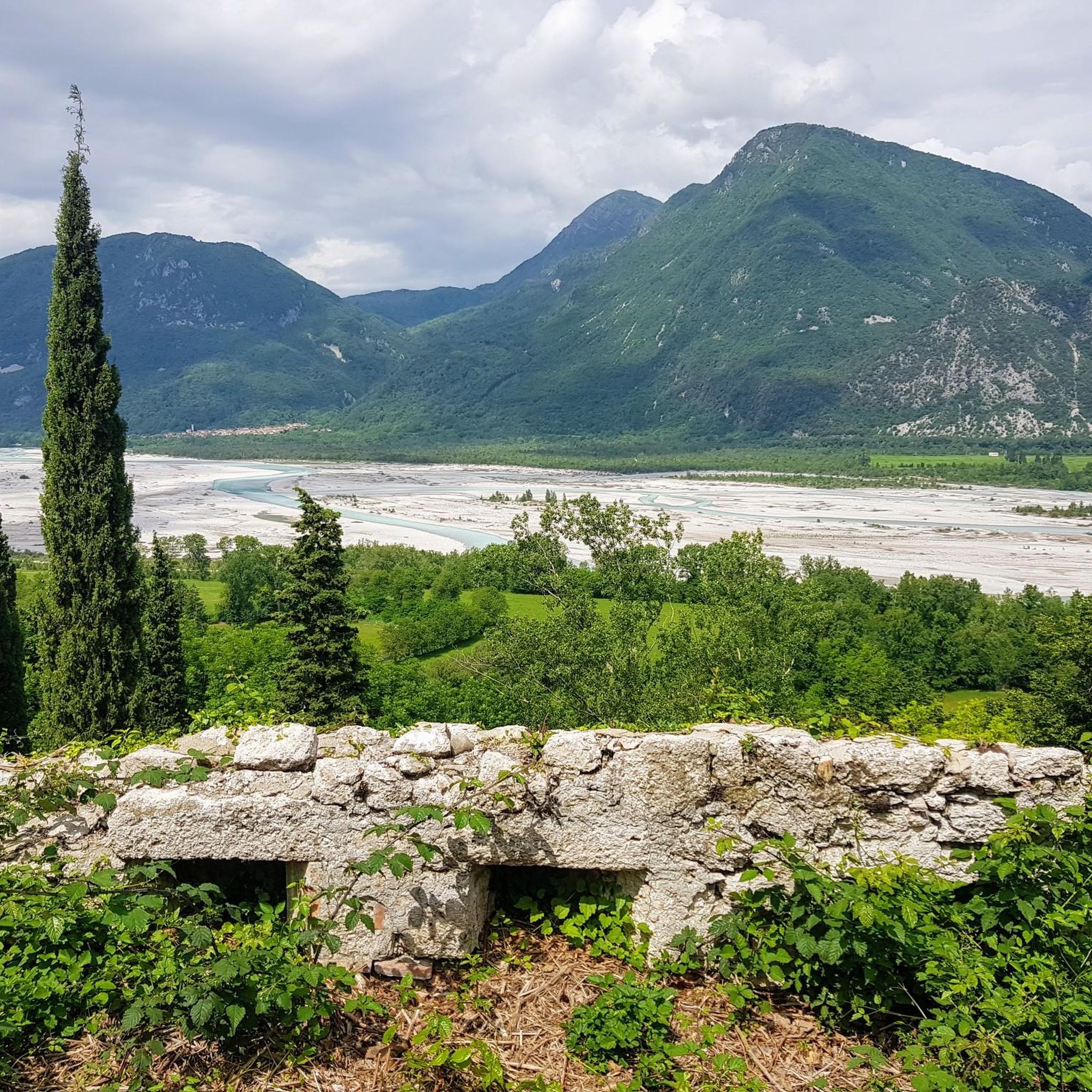
The interior of the Crist di Val cave is characterized by ancient rock carvings. It is reached via a very steep track following wooden posts. From the cave, there is a wonderful view of Monte Verzegnis and Casera Val.
0
0


Beautiful place to walk and take pictures of some beautiful views. It is full of tunnels and caves. Only problem in summer if the grass is a bit high there can be ticks
0
0


The visit to the cave is easily accessible, while the visit to the ravine involves the descent of 207 steps, often slippery due to the humidity which is not recommended when wearing clothing and especially MTB shoes
1
0
The Pradis Caves are a complex of karst cavities of various extensions and depths, positioned on several levels along a deep gorge dug over the millennia by the Cosa Torrent in the Upper Cretaceous limestone rock. Since those distant times these places have been in continuous evolution and transformation due to the effect of "karst", mainly due to the dissolution of the limestone rocks by rainwater but also to erosion phenomena. The Ravine of the Pradis Caves named after Don Giacomo Bianchini is an open book on geology and karst and allows you to appreciate the power of the waters of the Cosa stream. The Ravine, with its waterfalls, natural arches, caves and cavities, is a karst environment unique for its beauty. Here the force of nature and water are shown with all their power and majesty, an open-air atlas of geology that has fascinated generations of visitors, from Prehistory to the present day. source: www.grottedipradis.it
0
0

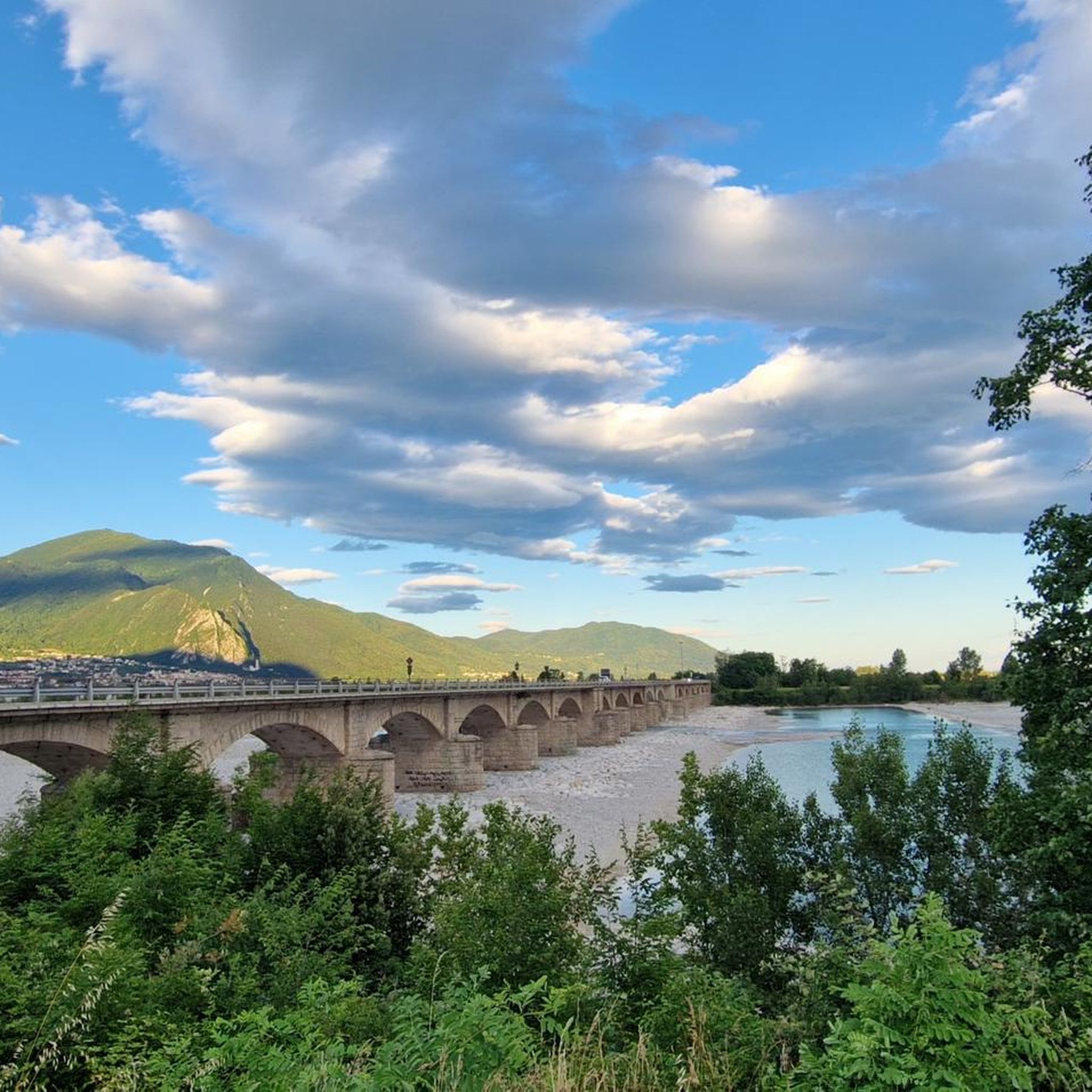
https://www.komoot.com/it-it/tour/692389420 The route follows CAI trail marker 720. Starting from the southern entrance of Rivellino Park, you cross it to the northern entrance. Crossing the park, you can already see the summit of Osoppo Hill with the flag flying on the lookout. The climb to the hill begins here, on the northern slope, and at the top of the trail, take the paved road on the left that leads to the fort. After passing the gate, on the right, there is a wide view of the Tagliamento River. On Osoppo Hill, there are many ruins worth visiting, given the strategic importance of the site since Celtic times. These include the roofless church of San Pietro, protected by a semi-cylindrical metal roof, the Savoy powder magazines, the tombs of the Savorgnans, the foundations of a Napoleonic barracks, and even the fossilized footprints of a Hipparion, the ancestor of the horse. The visit continues to the southern edge of the hill, to the Piazzale delle Cupole, where the remains of the artillery batteries are located, which can also be visited inside (a flashlight is recommended). A small path leads to the southern terrace, where the view opens up. Retracing our steps, we reach the square in front of the fort, with a small lake and the Casa del Tamburo (Drum House). On the right, there's another expansive view, this time towards Gemona. From this side of the fortress, we reach the lookout, where the Italian flag flies, the highest point on the hill, offering a 360-degree panorama. To descend from the hill, we retrace our steps and, after recrossing the gate, we leave the comfortable paved road to return to the left, taking trail 720 that descends towards the village. Once we reach the level ground, we keep right to head towards Parco delle Colonie. Here, we haven't found any sign of the trail marker, but by keeping to the south side of the soccer field and easily crossing a two-meter embankment, we reach the dirt road that leads to Colle di S. Rocco. After a right bend, on the left is the access to the steps leading up to the Colle. At a viewpoint overlooking the Tagliamento River, we also find the CAI notebook to sign our visit. Following the trail, keeping right at the first fork and then left at a second, we follow the entire crest of the Colle to the little church of San Rocco, opposite which lies the final few meters of descent. Once we reach the flat again, we keep left to return, through the village, to the starting point. 13-06-2020
0
0

Beautiful walk in a magnificent place.
17
0
Frequently Asked Questions
What types of underground experiences can I find around Trasaghis?
The area around Trasaghis, within the broader Friuli Venezia Giulia region, offers a variety of subterranean experiences. These include natural caves, historical cave systems, and former military emplacements. You can explore geological formations, historical structures, and even a gorge with caves carved into the rock.
Are there any family-friendly caves or sites with underground features near Trasaghis?
Yes, Grotte di Pradis is considered family-friendly. It features a unique gorge with caves carved into the rock, offering an engaging experience for all ages. The rapid descent through steep stairs into the canyon is a highlight.
Which historical sites with underground features can I explore near Trasaghis?
You can visit Osoppo Fortress and San Rocco Hill, a significant historical site with tunnels and caves. It offers exploration of ruins, artillery batteries, and panoramic views. Another historical site is Cuel Mulimiela Gun Emplacement, which combines a cave with historical significance and provides pleasant walks with views above Lake Cavazzo.
What natural features are prominent in the caves or surrounding areas near Trasaghis?
The region is rich in natural beauty. Grotte di Pradis features a stunning gorge and canyon. The broader Trasaghis area is characterized by forests, pastures, and its proximity to the Lake of Three Municipalities. Many sites, like Osoppo Fortress and Cuel Mulimiela, also offer expansive viewpoints of the Tagliamento River and Lake Cavazzo.
What is the best time to visit the caves around Trasaghis?
The caves and historical sites can generally be visited throughout the year, though specific opening hours for sites like Grotte di Pradis should be checked. For outdoor exploration and hiking to sites like Osoppo Fortress, spring and autumn offer pleasant temperatures. Summers can be warm, but caves provide a cool escape. Winters might require checking trail conditions, especially for higher elevations.
Are there any accessible caves for visitors with limited mobility near Trasaghis?
While the broader Friuli Venezia Giulia region does offer some accessible former mines, specific natural caves directly around Trasaghis mentioned in the guide, such as Grotte di Pradis, involve steep stairs and uneven terrain. It is advisable to check directly with individual sites for their accessibility provisions.
What outdoor activities can I combine with a visit to the caves near Trasaghis?
The area around Trasaghis is excellent for various outdoor activities. You can find numerous hiking trails, including the Lake Cavazzo Loop Trail or the Monte Cuar Loop Trail. There are also running routes and challenging MTB trails, such as the Monte Festa Fortress Trail or routes around Lake Cavazzo.
What do visitors enjoy most about the caves and sites around Trasaghis?
Visitors frequently praise the unique natural beauty and historical significance of the sites. For Grotte di Pradis, the impressive gorge and carved caves are a highlight. At Osoppo Fortress, people enjoy the walks, historical exploration, and beautiful panoramic views. The pleasant walks and natural settings are also appreciated at Cuel Mulimiela Gun Emplacement.
Are there any specific tips for visiting Grotte di Pradis?
When visiting Grotte di Pradis, it's recommended to wear good shoes due to the rapid descent and ascent via steep stairs. A flashlight can also be advantageous for exploring some of the darker sections. The entire route can typically be completed in about an hour.
What should I know before visiting Osoppo Fortress and San Rocco Hill?
The site is full of tunnels and caves, and a flashlight is recommended if you plan to explore the interior of the artillery batteries. Be aware that in summer, if the grass is high, there might be ticks. The area offers extensive views of the Tagliamento River and is rich in history, from Celtic times to World War I.
Are there any unique or hidden caving spots near Trasaghis?
While the guide focuses on established highlights, the broader Friuli Venezia Giulia region is known for its extensive underground heritage. For those seeking more unique experiences, the region offers various natural caves and historical cave systems. However, specific 'hidden' spots often require specialized knowledge and equipment, and it's always recommended to go with experienced guides for safety.
What is the temperature like inside the caves?
While specific temperatures for the caves directly around Trasaghis are not detailed, larger cave systems in the wider Friuli Venezia Giulia region, such as the Grotta Gigante, maintain a constant internal temperature of around 11°C (52°F) year-round. It's advisable to bring a light jacket even on warm days when exploring underground.
Most popular routes around Trasaghis
Most popular attractions around Trasaghis

Get inspired with the komoot mobile app


Explore more
Extend your search for the best caves by checking out these guides of the top ones around Trasaghis:
