Top 5 Caves around Assisi
Best caves around Assisi are found in a region known for its spiritual and historical sites, nestled in the Umbrian hills. The area features natural caves and grottoes, particularly those connected to Saint Francis. These geological formations offer insights into both natural history and significant cultural heritage. The landscape provides a serene setting for exploration and reflection.
Best caves around Assisi
- The most popular caves is Hermitage of the Carceri, a religious building and historical site located 4 km…
Last updated: October 4, 2026
Hermitage of the Carceri
Highlight • Religious Site
The Shrine of the Hermitage of the Prisons
An ancient Franciscan shrine on Monte Subasio, 4 km from Assisi and 800 meters above sea level, …
Translated by Google •
Tip by

Statue of Friar Masseo and Chapel, Eremo delle Carceri
Highlight • Religious Site
The Shrine of the Hermitage of the Prisons
An ancient Franciscan shrine on Monte Subasio, 4 km from Assisi and 800 meters above sea level, …
Translated by Google •
Tip by
Sign up now to discover places like this
Get recommendations on the best single tracks, peaks, & plenty of other exciting outdoor places.
Abbadessa Caves of Pale
Highlight • Cave
This mineral, depositing over millennia, has given rise to spectacular caves, including the Abbadessa Caves, …
Translated by Google •
Tip by

Monte Subasio Cave Entrance
Highlight • Cave
Translated by Google •
Tip by

Start today with a free account
Your next adventure awaits.
Popular around Assisi
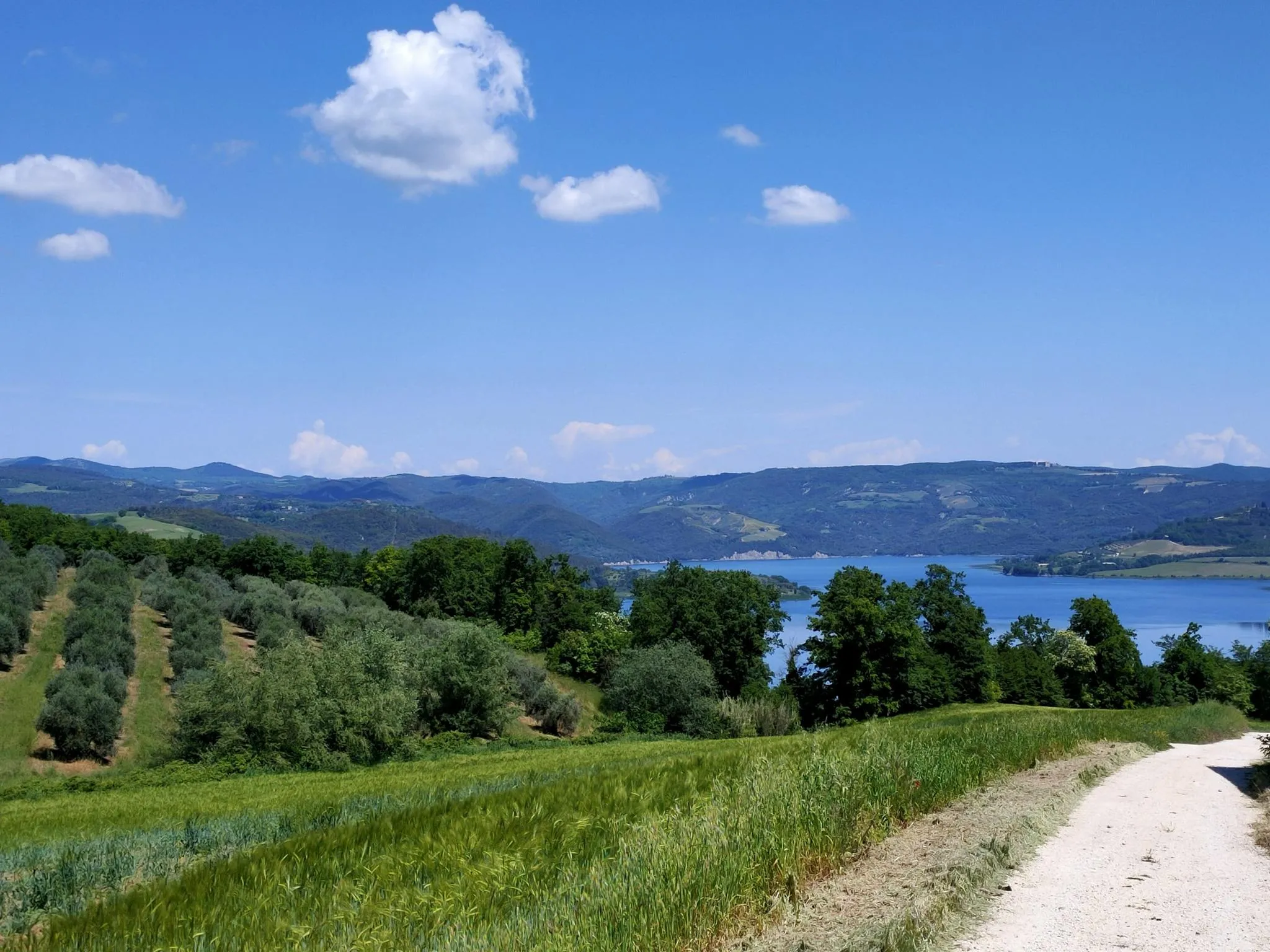
Italian Coast2Coast – From Portonovo to Orbetello
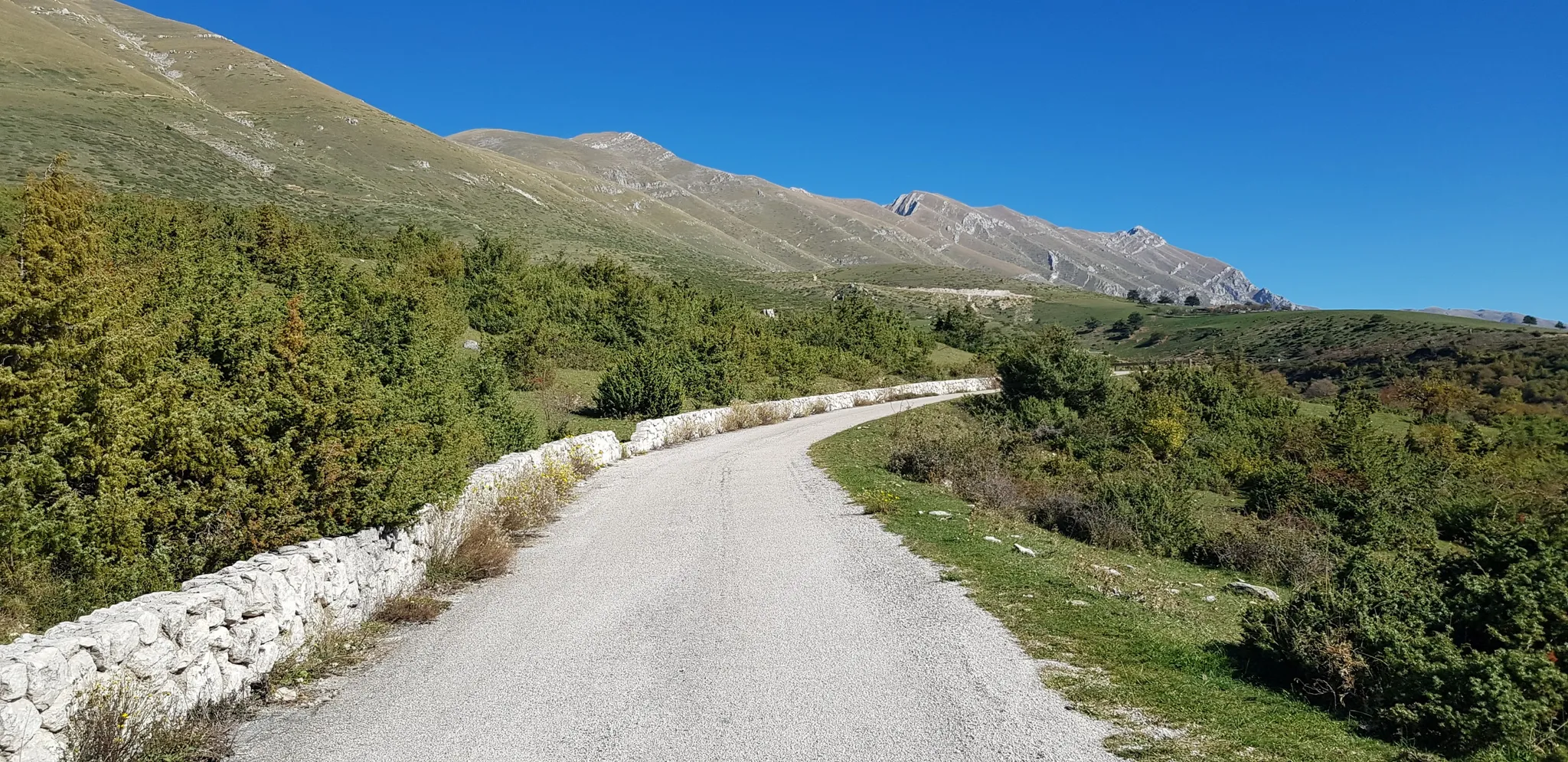
The Apennine Cycleway (Part 2) - From Umbria to Calabria
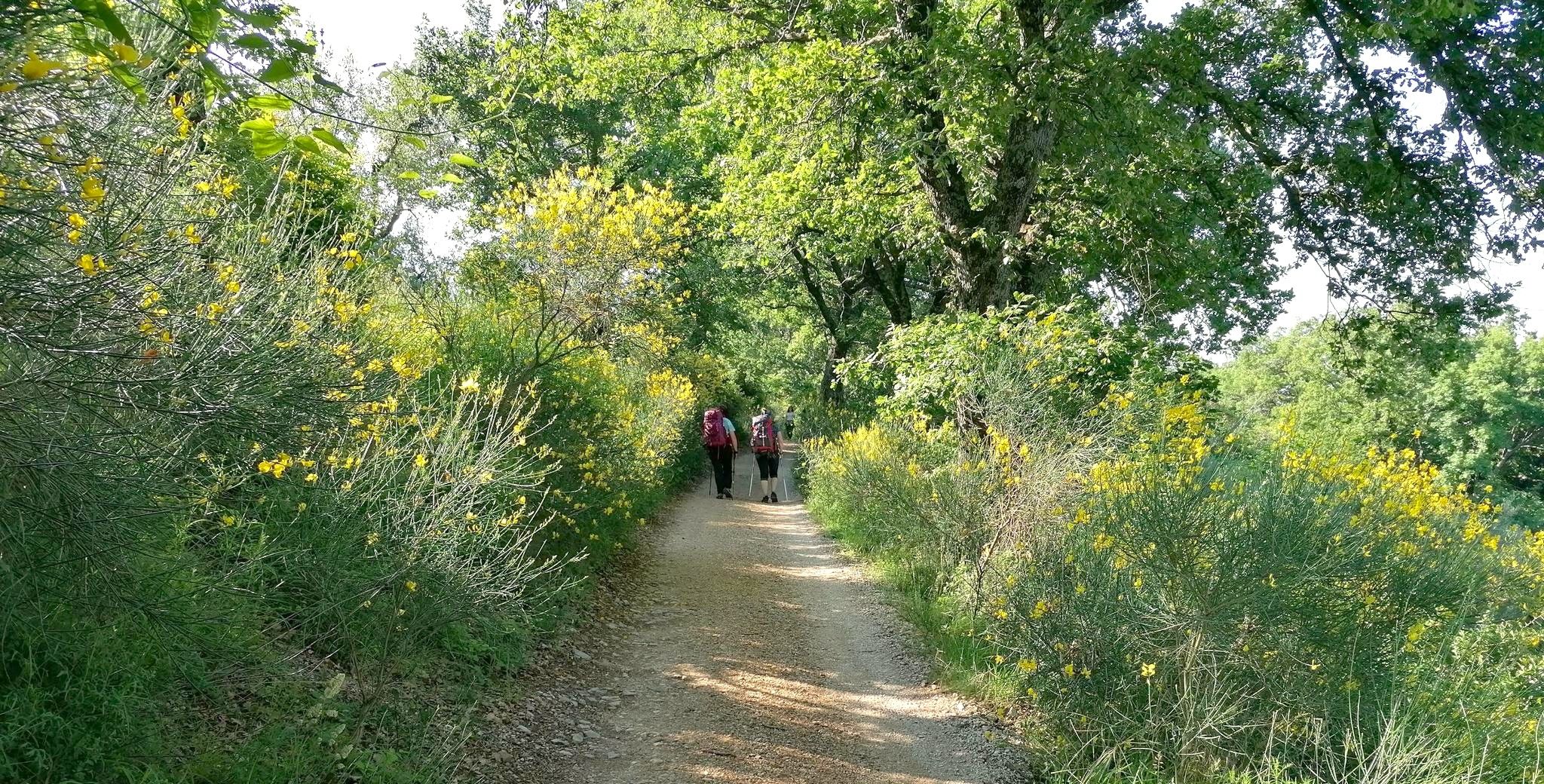
A journey of faith between Umbria and Marche – Via Lauretana
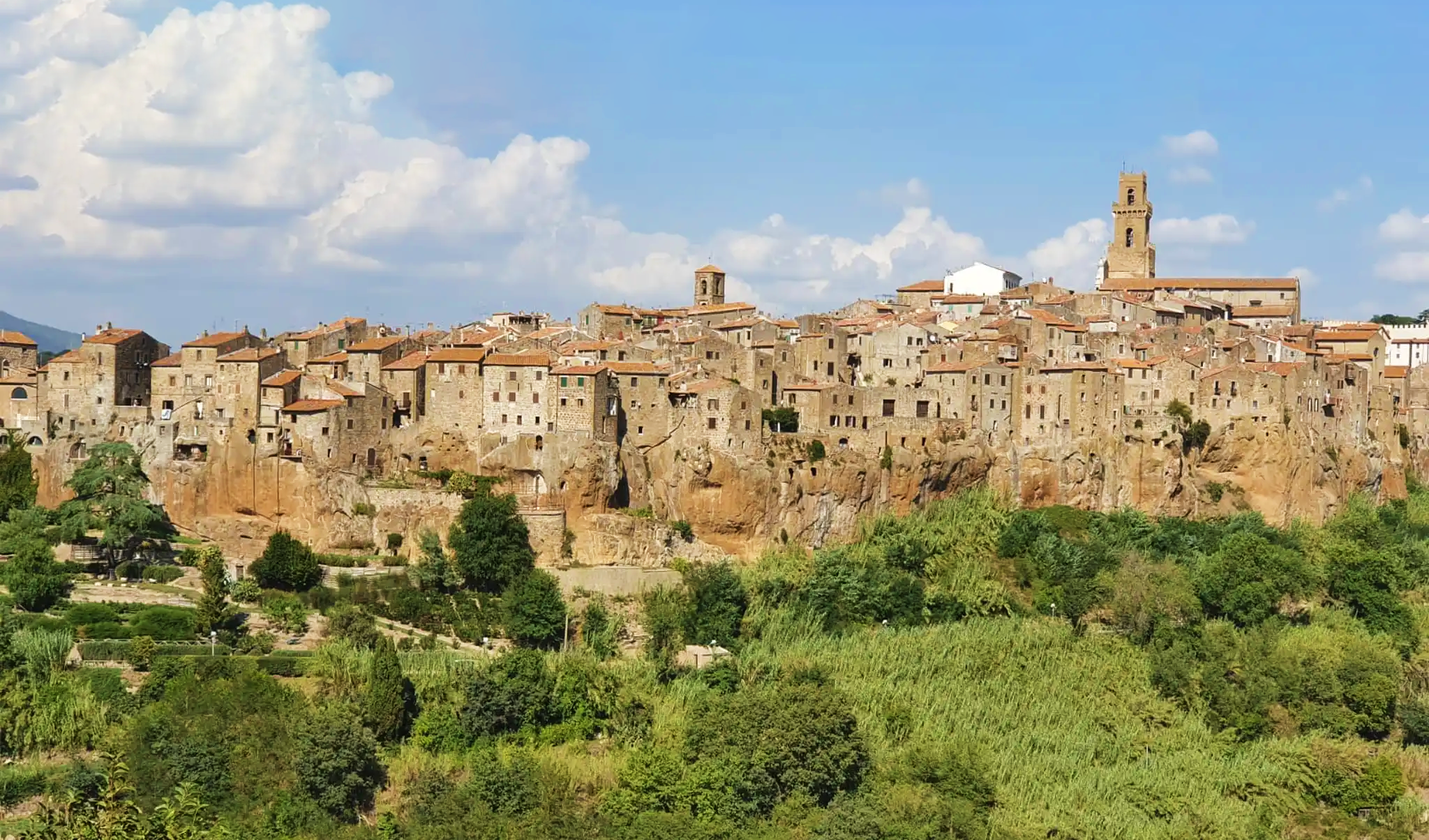
Italy coast to coast by bike – Orbetello to Senigallia
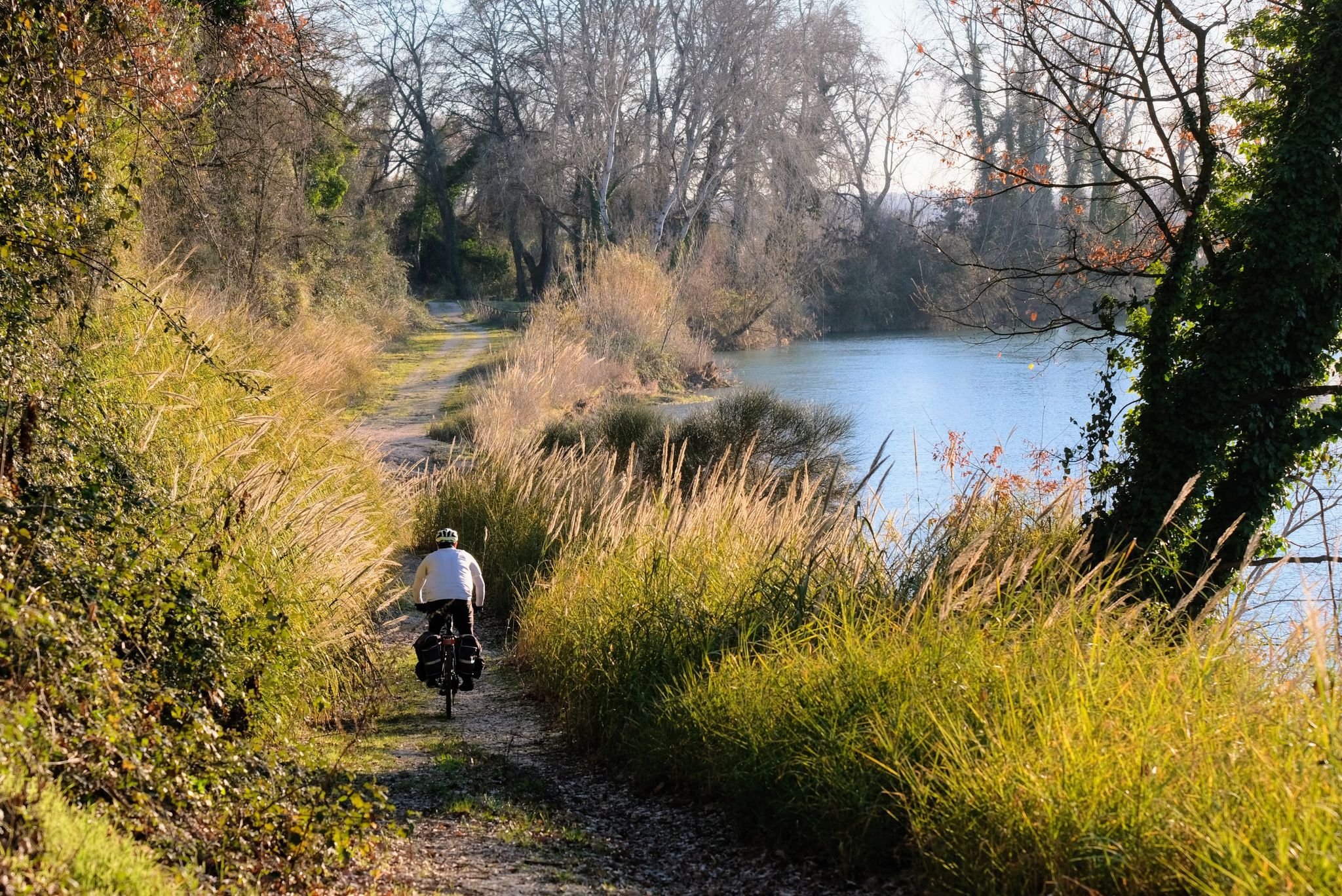
Assisi to Rome – Via dell'Acqua
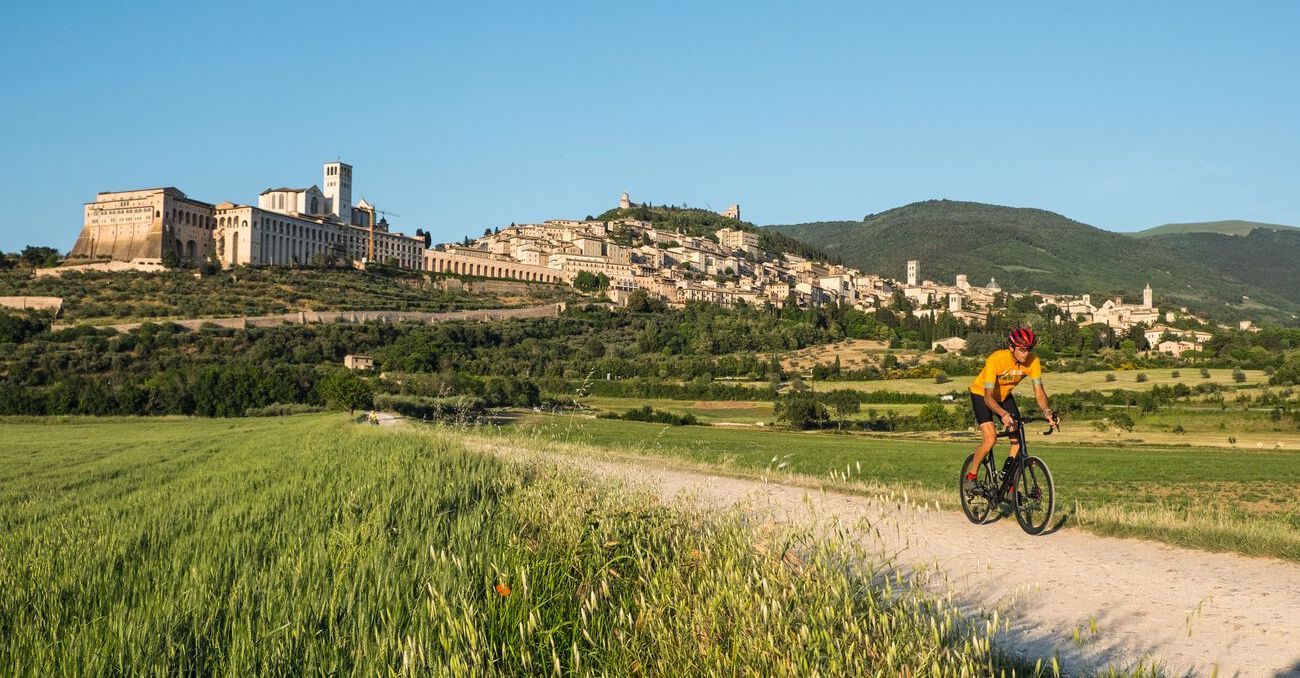
Umbria - Italy's hilly center
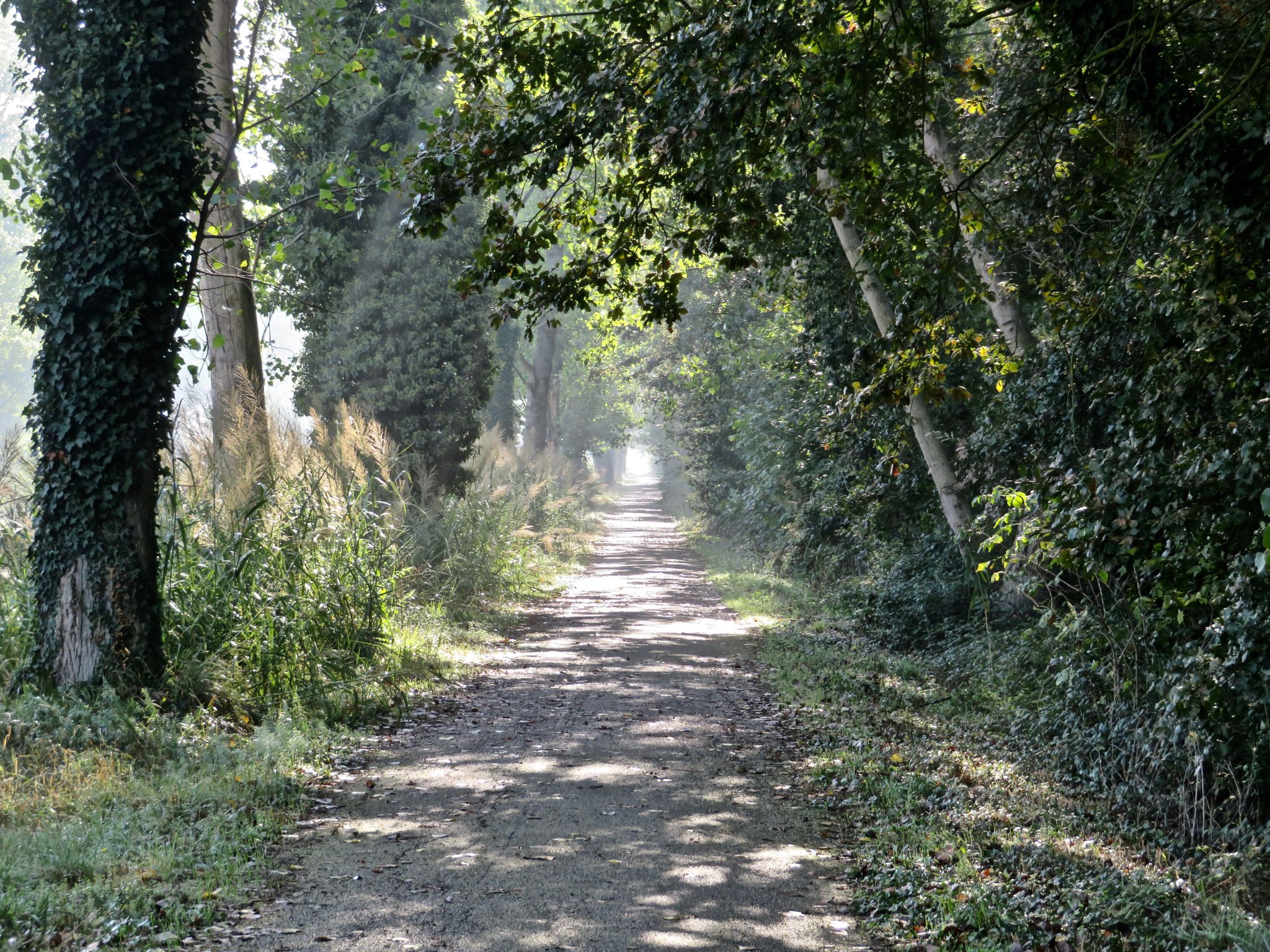
The old railroad – Assisi-Spoleto-Norcia Cycle Route
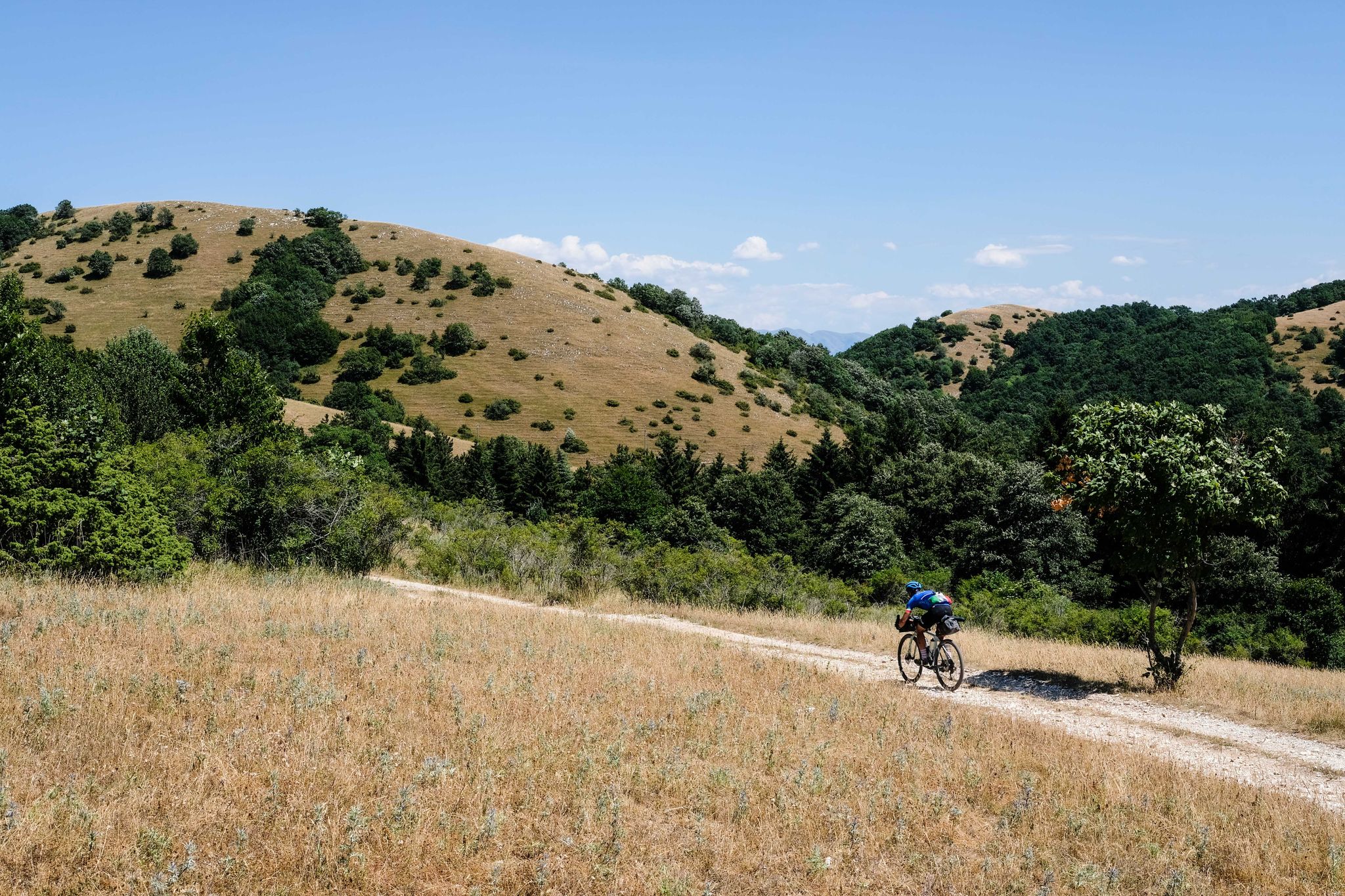
In the footsteps of Saint Francis of Assisi – gravel biking in Italy’s Umbria
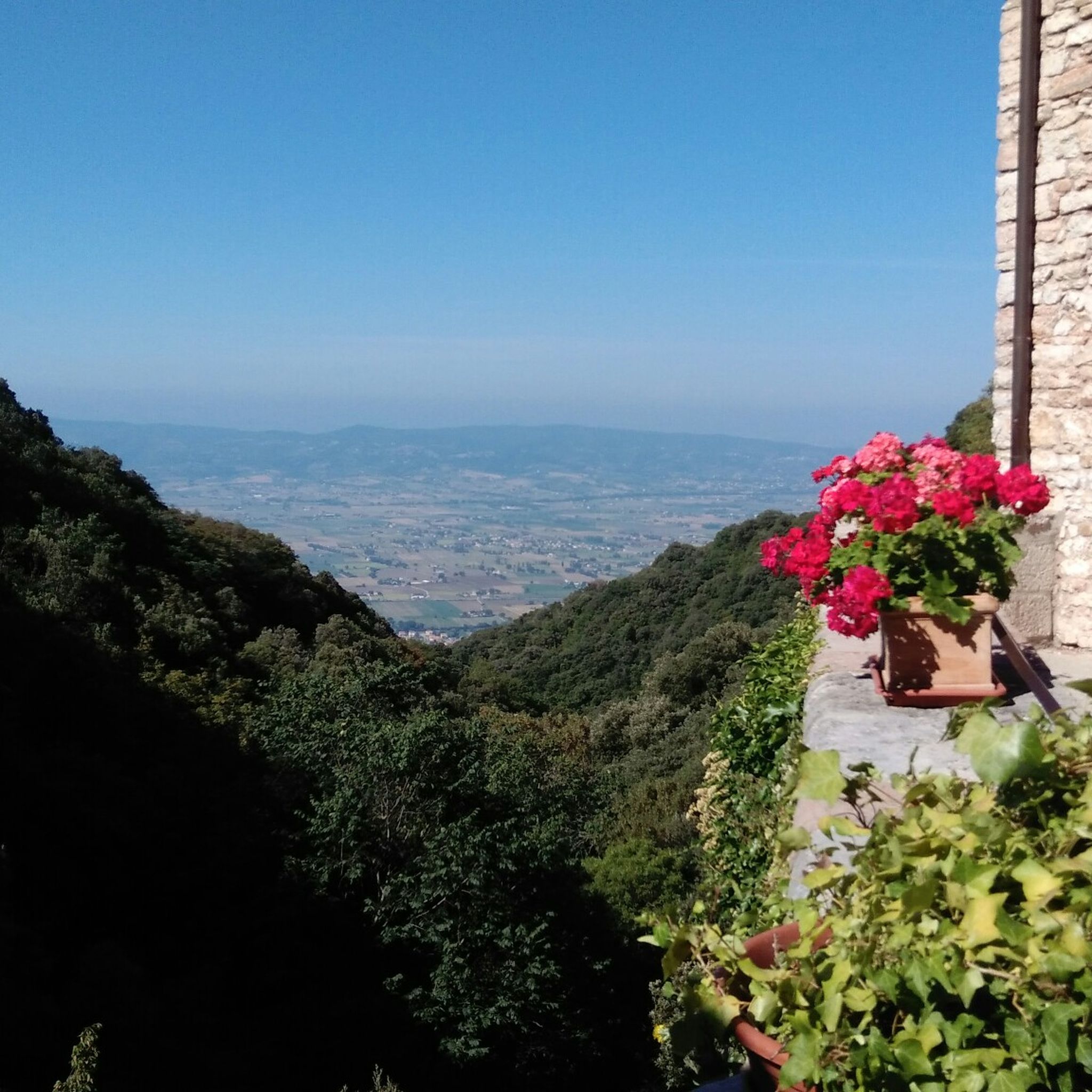
Hiking around Assisi
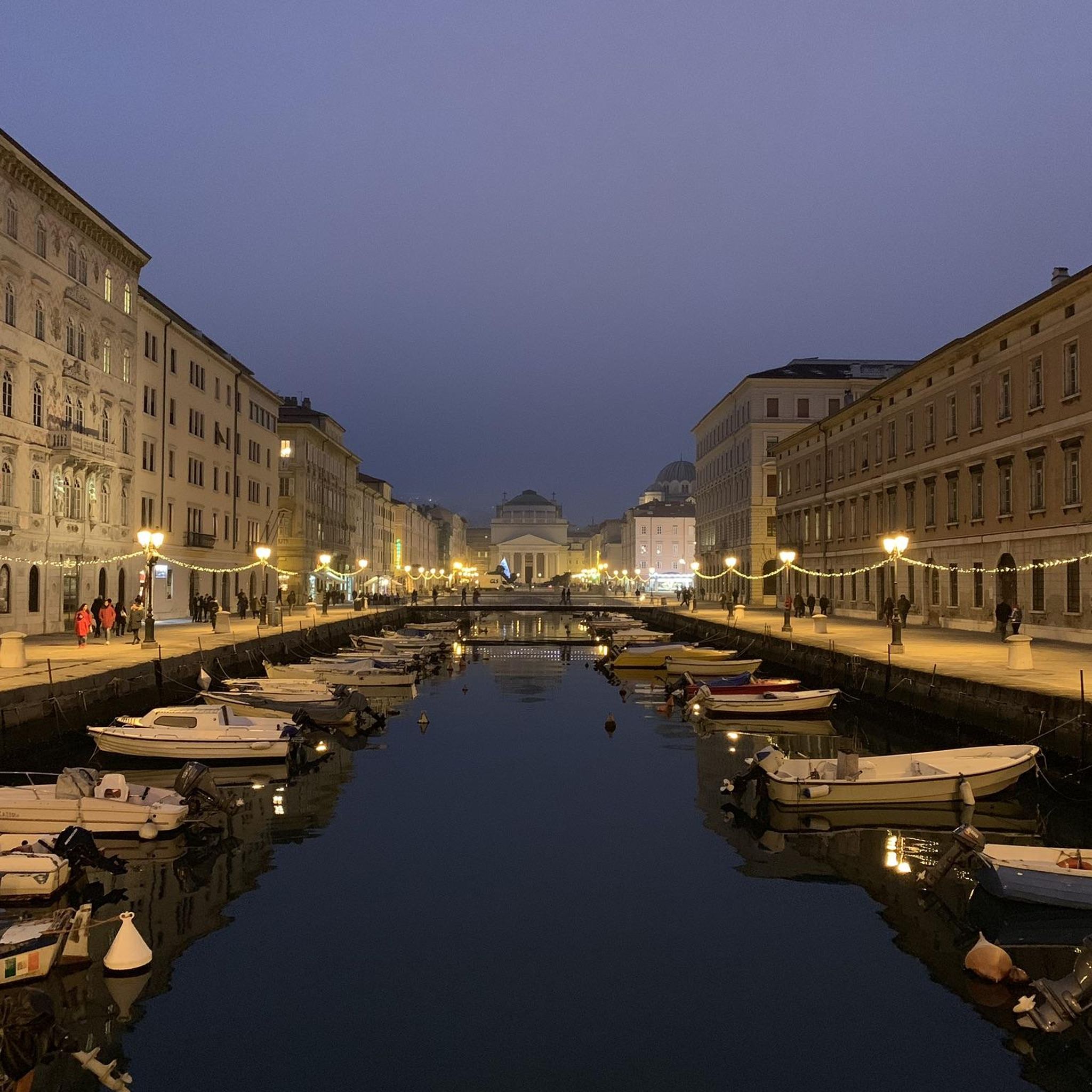
Gravel biking around Assisi
Other adventures around Assisi


Tips from the Community

I remind everyone of the danger in the presence of children (and not only), that the fence has fallen, giving people the ability to lean dangerously, with the possibility of falling several meters.
1
0

altar of the Tau
1
0

Eremo delle Carceri, the resting place of St. Francis, Assisi The Eremo delle Carceri is a pilgrimage site located in the dense forest of Monte Subasio, about 4 km from Assisi and at an altitude of 800 m. St. Francis and his first brothers imprisoned themselves for devotion, living a simple life, and praying more devoutly. The word "carceri," which may be confusing, does not mean "prison" but comes from the Latin "carcer," meaning a solitary, isolated place. This is where the term "carcerare" comes from, referring to monks and describing their practice of retreating to pray as hermits. In 1215, Benedictine monks donated the Eremo delle Carceri to Saint Francis, which became one of the most important places in his life: Immersed in a quiet, peaceful, centuries-old holm oak forest, Saint Francis followed his calling here and learned to pray devoutly. The Grotto of Saint Francis, among stories and legends Through a narrow passage, one reaches the Grotto of Saint Francis, where, according to the history of Francis of Assisi, the saint experienced his first true meditation and became a different person. Another story is that of Saint Rufinus, a companion of Saint Francis who managed to resist the devil. It is said that the hole in the grotto floor was caused by the devil when he was defeated and sank into the abyss. Many mistakenly believe that St. Francis's famous sermon to the birds took place here, but historical sources definitively link the legend to Piandarca, a town in the municipality of Cannara. Text / Source: Umbria Tourism.it https://www.umbriatourism.it/de/-/eremo-delle-carceri-der-ruheort-des-heiligen-franziskus
14
0
Hermitage of the Prisons, Assisi The Shrine of the Hermitage of the Prisons An ancient Franciscan shrine on Monte Subasio, 4 km from Assisi and 800 meters above sea level, in the heart of a forest of centuries-old holm oaks, is one of the Franciscan shrines guarded by the Friars Minor of the Seraphic Province of Saint Francis of Assisi. The word "carcere" does not mean "prison": it comes from the Latin "carcer," meaning a remote, solitary place, therefore suitable for the life of prayer. Francis, his companions, and, after them, the friars, came here for some prayers. Hermitage of the Prisons, Via Eremo delle Carceri, 38, 06081 Assisi PG, Italy Text/Source: SERAPHIC PROVINCE OF ST. FRANCIS OF ASSISI OF THE UMBRIAN FRIES MINOR https://www.santuarioeremodellecarceri.org/
14
0
Eremo delle Carceri, the resting place of St. Francis, Assisi The Eremo delle Carceri is a pilgrimage site located in the dense forest of Monte Subasio, about 4 km from Assisi and at an altitude of 800 m. St. Francis and his first brothers imprisoned themselves for devotion, living a simple life, and praying more devoutly. The word "carceri," which may be confusing, does not mean "prison" but comes from the Latin "carcer," meaning a solitary, isolated place. This is where the term "carcerare" comes from, referring to monks and describing their practice of retreating to pray as hermits. In 1215, Benedictine monks donated the Eremo delle Carceri to Saint Francis, which became one of the most important places in his life: Immersed in a quiet, peaceful, centuries-old holm oak forest, Saint Francis followed his calling here and learned to pray devoutly. The Grotto of Saint Francis, among stories and legends Through a narrow passage, one reaches the Grotto of Saint Francis, where, according to the history of Francis of Assisi, the saint experienced his first true meditation and became a different person. Another story is that of Saint Rufinus, a companion of Saint Francis who managed to resist the devil. It is said that the hole in the grotto floor was caused by the devil when he was defeated and sank into the abyss. Many mistakenly believe that St. Francis's famous sermon to the birds took place here, but historical sources definitively link the legend to Piandarca, a town in the municipality of Cannara. Text / Source: Umbria Tourism.it https://www.umbriatourism.it/de/-/eremo-delle-carceri-der-ruheort-des-heiligen-franziskus
15
0
Hermitage of the Prisons, Assisi The Shrine of the Hermitage of the Prisons An ancient Franciscan shrine on Monte Subasio, 4 km from Assisi and 800 meters above sea level, in the heart of a forest of centuries-old holm oaks, is one of the Franciscan shrines guarded by the Friars Minor of the Seraphic Province of Saint Francis of Assisi. The word "carcere" does not mean "prison": it comes from the Latin "carcer," meaning a remote, solitary place, therefore suitable for the life of prayer. Francis, his companions, and, after them, the friars, came here for some prayers. Hermitage of the Prisons, Via Eremo delle Carceri, 38, 06081 Assisi PG, Italy Text/Source: SERAPHIC PROVINCE OF ST. FRANCIS OF ASSISI OF THE UMBRIAN FRIES MINOR https://www.santuarioeremodellecarceri.org/
16
0

The Abbadessa Caves in Pale are an interesting karst phenomenon, created mainly by the waters of the Menotre River. These can be found in the underground system created by the waters of the Menotre River, whose precipitation in the underground caves has led to the numerous stalactites and stalagmites. Please note that the caves can currently only be visited on Saturdays and Sundays under expert guidance. Duration approx. 30 minutes, price 6 euros (as of 2024).
0
0

Pale stands on a travertine counter shaped by the calcium-rich waters of the Menotre River. This mineral, depositing over millennia, has given rise to spectacular caves, including the Abbadessa Caves, so called since the 17th century. There are other caves in the area, many of them partially unexplored; the Sasso di Pale and its underground treasures are a privileged destination for speleology enthusiasts.
0
0
Frequently Asked Questions
What types of caves can I explore around Assisi?
The Assisi region features a variety of natural caves, grottoes, and karstic formations. These range from spiritual retreats with historical significance, like the Hermitage of the Carceri, to geological wonders such as the Abbadessa Caves of Pale, known for their stalactites and stalagmites.
Which caves are most closely associated with Saint Francis of Assisi?
The Hermitage of the Carceri is deeply connected to Saint Francis. It's a profound spiritual retreat on Monte Subasio where he and his companions would pray and meditate. You can visit Saint Francis's Grotto, which includes his simple stone bed.
Are the caves around Assisi suitable for families?
Many caves, especially the Hermitage of the Carceri, offer an accessible and enriching experience for families, combining nature, history, and spirituality. The Abbadessa Caves of Pale also offer guided tours suitable for various ages, showcasing interesting geological formations.
What is the typical difficulty level for exploring caves in the Assisi region?
The difficulty varies. Sites like the Hermitage of the Carceri are generally accessible, involving some walking and stairs. More adventurous explorations, such as the Monte Subasio Cave Entrance, are rated as challenging and may require specific gear or experience.
How much time should I allocate for visiting the main cave sites?
For the Hermitage of the Carceri, plan for 1-2 hours to explore the grottoes, chapel, and surrounding forest. Guided tours of the Abbadessa Caves of Pale typically last around 30 minutes.
What should I wear when visiting caves around Assisi?
Comfortable walking shoes are recommended, especially for sites like the Hermitage of the Carceri which involves some uneven terrain. Inside caves, temperatures can be cooler, so a light jacket might be useful. For more challenging cave explorations, appropriate caving gear would be necessary.
Is there parking available near the main cave sites?
Yes, parking facilities are generally available near popular cave attractions like the Hermitage of the Carceri, which is located about 4 km from Assisi on Monte Subasio.
What is the best time of year to visit the caves around Assisi?
The caves can be visited year-round. However, spring and autumn offer pleasant weather for exploring the surrounding natural areas and forests, such as those around the Hermitage of the Carceri. Summer can be warm, but the caves provide a cool respite.
Are there any caving permits required for exploration?
For organized tours of sites like the Abbadessa Caves of Pale, entry fees or guided tour bookings are typically required. For more challenging or undeveloped caves, it's advisable to check local regulations and safety guidelines, as some may require permits or expert guidance.
What other outdoor activities can I do near the caves?
The region around Assisi offers various outdoor activities. You can find numerous running trails, including routes like the 'Assisi - Way of St. Francis Loop'. There are also excellent road cycling routes and general cycling tours that explore the scenic Umbrian landscape.
What do visitors appreciate most about the caves in Assisi?
Visitors frequently highlight the profound spiritual significance and tranquil atmosphere of sites like the Hermitage of the Carceri, appreciating the tangible connection to Saint Francis. The natural beauty of the surrounding forests and the unique geological formations of caves like the Abbadessa Caves of Pale are also highly valued.
Are there any less-known or 'undiscovered' caves around Assisi?
While the Hermitage of the Carceri is well-known, the broader region has other cave-like formations. For instance, the Grotta del Brigante Cinicchia is historically noted as a refuge, though its current state may involve safety concerns. The area around Pale also has other partially unexplored caves beyond the main Abbadessa Caves.
What kind of wildlife might I encounter in the caves?
While specific cave wildlife details are limited, the natural surroundings of the Hermitage of the Carceri, nestled in a dense holm oak forest, are home to various forest creatures. Inside the caves themselves, you might encounter typical cave dwellers like bats or insects, though these are generally not the primary focus for visitors.
Most popular attractions around Assisi

Get inspired with the komoot mobile app


Explore more
Extend your search for the best caves by checking out these guides of the top ones around Assisi:
