Top 3 Castles around Castel Sant'Elia
A visit to a castle — whether you stumble over one during a hike outdoors or walk your way around the grounds with a guide — is always something special, and you’ve got 3
beautiful castles to choose from around Castel Sant'Elia. Just browse our list to find your top castle , and add some history to your next adventure!
Last updated: July 1, 2026
Palazzo Farnese of Caprarola
Highlight • Historical Site
Translated by Google •
Tip by

Borgia Fortress of Nepi
Highlight • Castle
Translated by Google •
Tip by

Sign up now to discover places like this
Get recommendations on the best single tracks, peaks, & plenty of other exciting outdoor places.
Sign up for free
Castel Fogliano Ruins
Highlight • Historical Site
Translated by Google •
Tip by

Torre Busson (Morolo Castle)
Highlight • Castle
Translated by Google •
Tip by

Castel Paterno Ruins
Highlight • Castle
Translated by Google •
Tip by
Start today with a free account
Your next adventure awaits.
Login or Signup

Tips from the Community

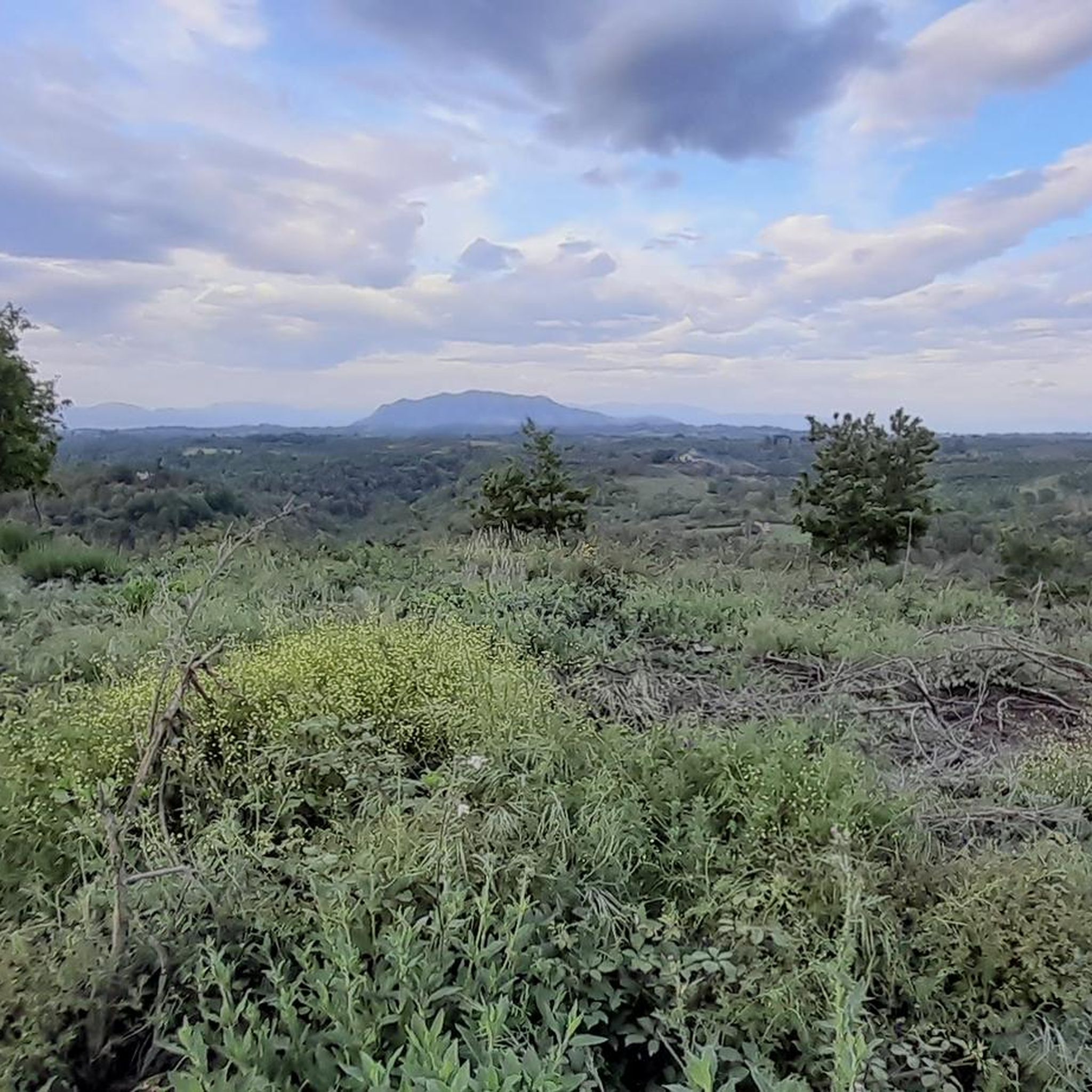
Busson Tower, also known as Morolo Castle, is an ancient ruined structure located near Rignano Flaminio, in the province of Rome, in an area of great environmental value in the Roman countryside. It is a fascinating medieval site, often shrouded in mystery, overlooking a secluded valley and offering inspiration for historical and naturalistic excursions. The tower likely dates back to the 10th century, first mentioned in a diploma of Emperor Otto III in 996, where a place called "Mauroro" is mentioned. Over the centuries, the castle passed under the control of various noble families: from the Savellis in the Middle Ages, to the Tascas (1449), Mutis (1573), Scapuccis (1591), until Marcantonio Borghese, who purchased it in 1611, along with the territory of Rignano. Reduced to a farmhouse over time, it was the subject of archaeological investigations in the 1960s, which revealed layers of medieval and Renaissance collapse, an underground cistern, brick floors with gutters (perhaps part of a residential building), and a necropolis with east-west oriented burials, dating between the late Roman period and the 5th century AD. Near the tombs, a small structure emerged, interpreted as a funerary chapel, perhaps connected to the "cella S. Stefani" mentioned in monastic documents from 996.
0
0
"The walls of the ancient settlement remain almost intact. The remains of bases, towers and other buildings are half hidden by the vegetation. Once one of the most important defensive systems in central Italy. Otto III of Saxony, emperor of Holy Roman Empire".
0
0
"On a narrow tuff saddle stands the fortified village, inhabited already in pre-Roman times and reoccupied in the Middle Ages during the barbarian invasions, then abandoned in the modern era because it is far from important communication routes. Its ruins, represented by the tower, the church, from the walls and doors and from the rock dwellings, they emerge from the vegetation and the tuff cliffs in an imposing way, giving this place a mysterious character".
0
1

The Palazzo Farnese, also Villa Farnese or Villa Caprarola in Caprarola is one of the most important palaces of the Renaissance and Mannerism in Italy. It is famous for the numerous Mannerist frescoes that decorate the walls and ceilings inside. Not only the building in the form of a pentagon, which was built around a circular courtyard surrounded by colonnades, is impressive. Also impressive are the numerous rooms that are not only covered with lush paintings on all ceilings, but also the walls are mostly completely covered with paintings. Each room on a different theme. The room, which is decorated with world maps on all walls, stands out from this, with the knowledge from 1550. The absolute highlight, however, is the Scala Regia, a spiral staircase. The palace also has a large park that rises steadily to end in a cascade with a casino.
0
0

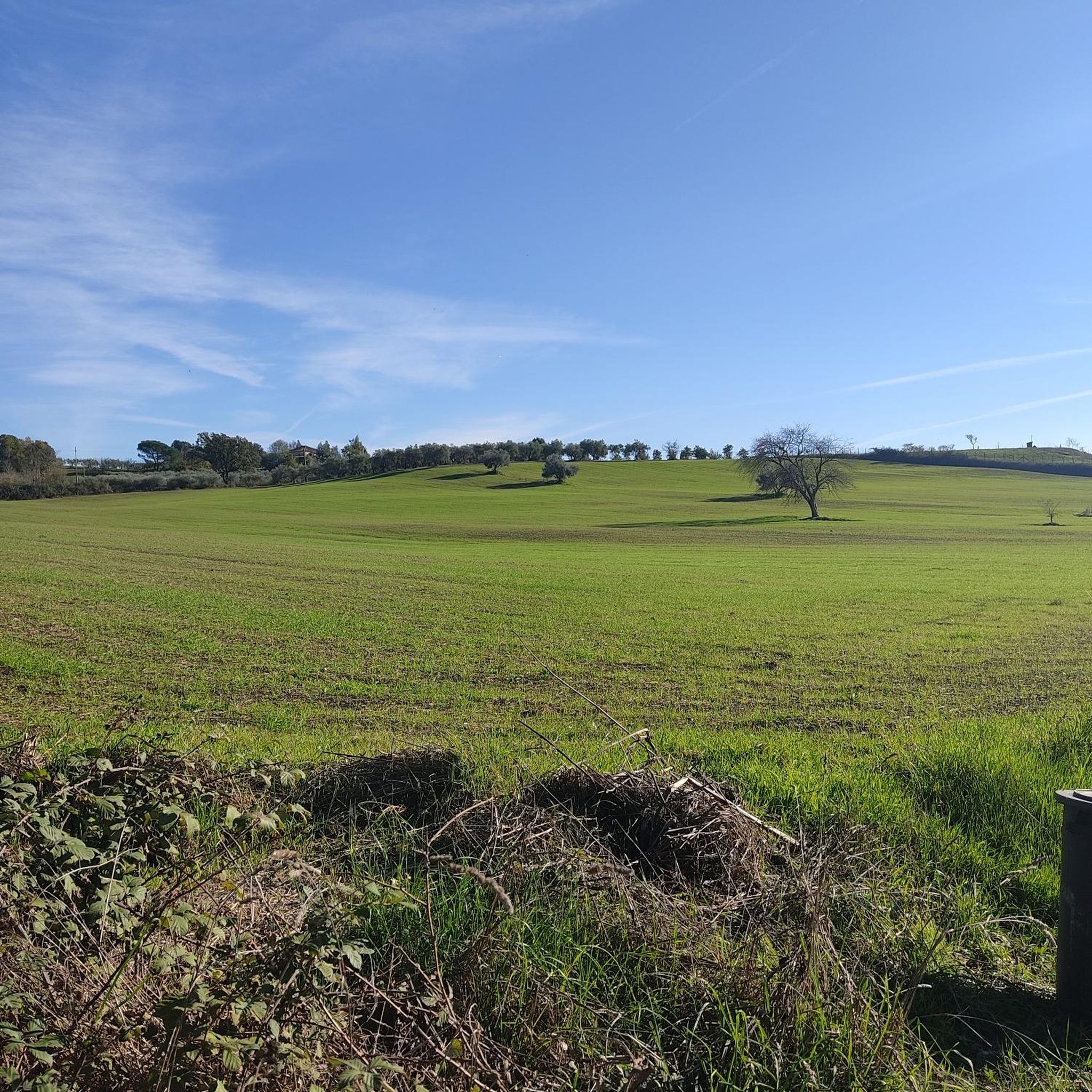
Ruins of an ancient castle within easy reach
0
0

Unexpected village with a lot of history!
1
0

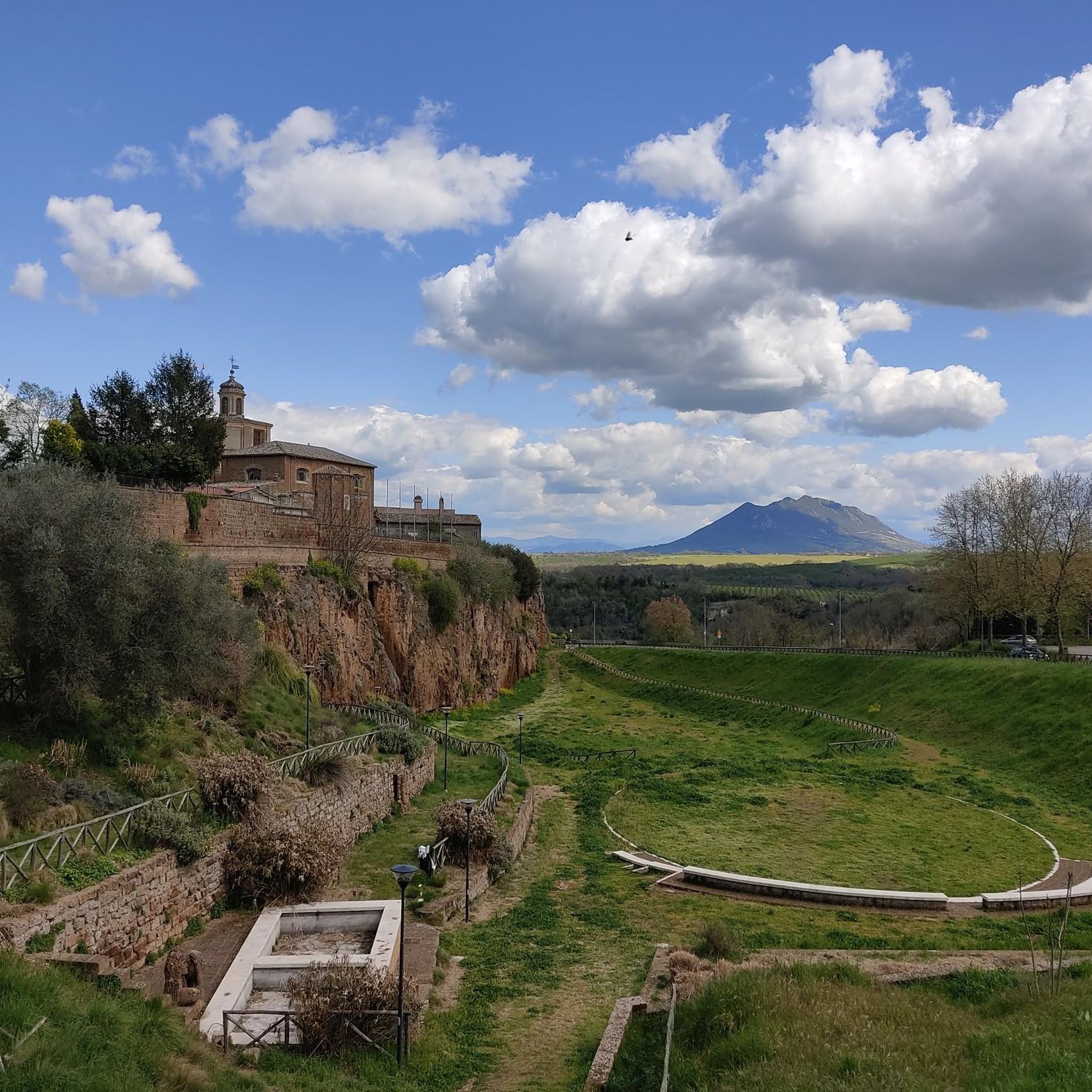
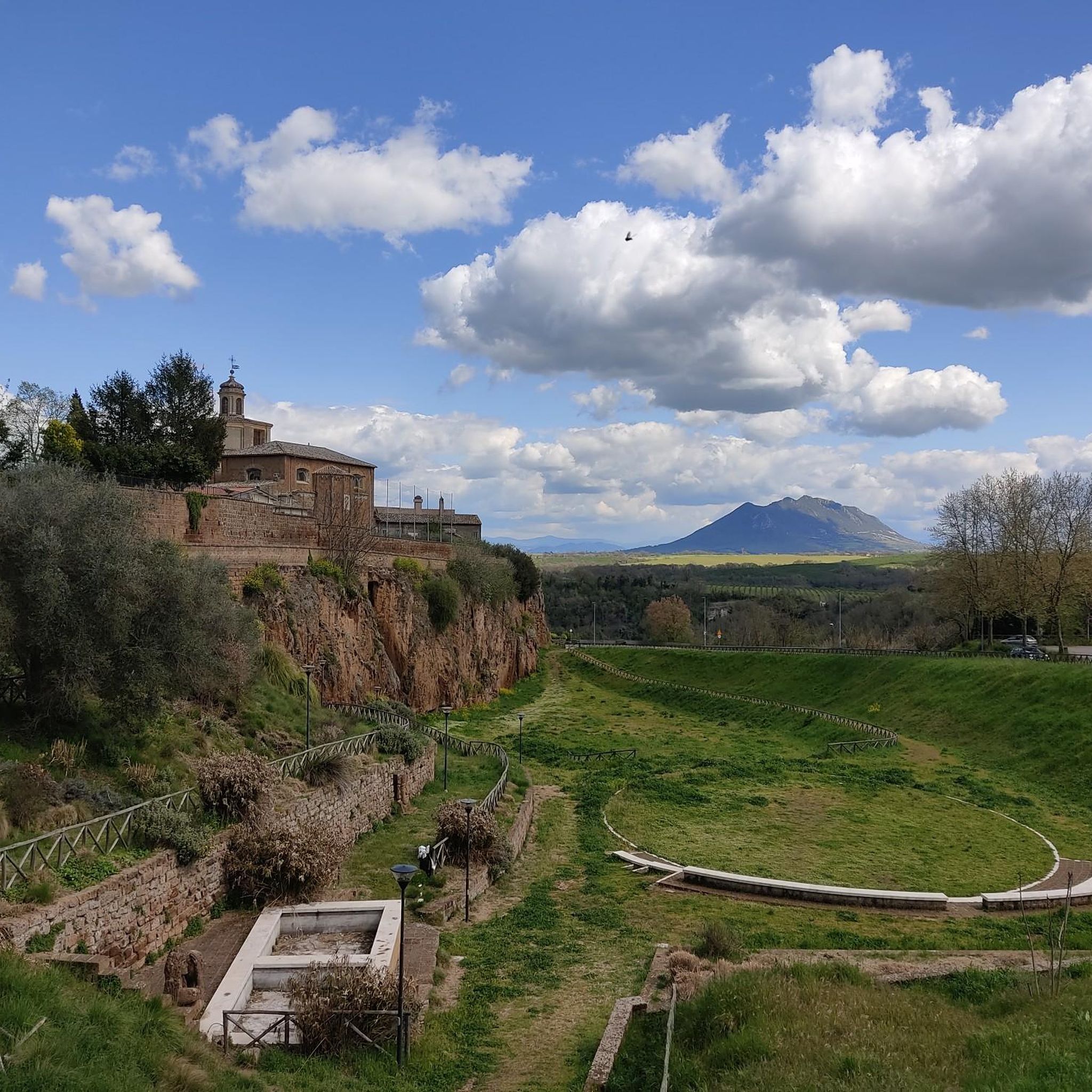
La Rocca di Nepi, also known as Rocca dei Borgia or Castello Borgia, is a fortress on the outskirts of the historic town of Nepiin.
1
0

Cyclopean walls of Nepi, overlooking the waterfall
1
0
Most popular routes around Castel Sant'Elia
Most popular attractions around Castel Sant'Elia

Get inspired with the komoot mobile app


Explore more
Looking for the best castles somewhere else? Discover other guides around Castel Sant'Elia:
