Top 6 Castles around Rocca Di Botte
Best castles around Rocca Di Botte include an historic "old fortress" dating back to the 11th and 12th centuries, located on the highest part of the mountain overlooking the modern town. This fortress exhibits a defensive "castle-fence" shape, contributing to the town's name. The broader region, particularly the province of L'Aquila, Abruzzo, features notable medieval fortresses. These structures offer insights into historical military architecture and regional heritage.
Best castles around Rocca Di Botte
- The most popular castles is Cineto Romano…
Last updated: July 1, 2026
Cineto Romano
Highlight • Settlement
Translated by Google •
Tip by

Rocca Abbaziale di Subiaco
Highlight • Castle
Translated by Google •
Tip by

Sign up now to discover places like this
Get recommendations on the best single tracks, peaks, & plenty of other exciting outdoor places.
Sign up for free
Massimo Castle of Arsoli
Highlight • Castle
Translated by Google •
Tip by

Ruins of Castel del Lago (Morella)
Highlight • Historical Site
Translated by Google •
Tip by

Oricola Castle
Highlight • Castle
Translated by Google •
Tip by
Sign up for free to discover even more castles around Rocca Di Botte.
Sign up for free
Already have an account?
Start today with a free account
Your next adventure awaits.
Login or Signup

Tips from the Community

A museum-not-museum in the heart of the Rocca Abbaziale, a multimedia journey enriched with reconstructions of historical instruments to understand the role of communication in the development of civilization and to remember the records of Subiaco. It was in Subiaco, in the monastery of Santa Scolastica, that the first book with movable type in the history of Italy was printed. The MACS helps to retrace the stages of this invention that contributed to the transformation of an entire era.
3
0
Large castle complex overlooking the city. Abbey Fortress of Subiaco The Rocca Abbaziale di Subiaco, also called Rocca dei Borgia, is a thousand-year-old place where you can travel through the history of a municipality, among precious works of art and bold architecture. From its gardens you can admire a unique panorama of the Aniene valley, while the noble apartments offer a view of important cycles of paintings and decorations. Everything contributes to conveying the charm of a building that was the first home of Lucrezia Borgia. The Museum MACS - Museum of Paper and Printing Activities A museum-not-museum in the heart of the Rocca Abbaziale, a multimedia journey enriched with reconstructions of historical instruments to understand the role of communication in the development of civilization and to remember the records of Subiaco.
2
0

From the web: "The construction of the castle began in the 9th century at the behest of Rainaldo, Count of the Marsi. This fortress, together with other towers connected by walls, was built to defend itself from the incursions of the Saracens and the Hungarians. In 1096, the castle passed into the hands of Aldegrina or Aldegrima, wife of a descendant of the founder and countess of Carsoli. It was she who donated the castle to the Abbey of Montecassino in the same year. In 1242, the castle was attacked by Frederick II after the destruction of Carsoli, when the fugitives took refuge in Oricola. In 1381, Oricola became a fiefdom of the Orsini, and in the fifteenth century it underwent a renovation that gave it its current appearance. The castle, located in a dominant position on the Cavaliere plain, has a triangular plan with three cylindrical towers at the corners. The two towers of the eastern facade have been completely renovated, while the western one still retains the characteristics of the original construction. The north-west part of the building houses municipal offices, while the rest of the castle is privately owned".
0
0
The Licenza Valley in medieval times In the early Middle Ages, the Licenza Valley was characterized by the presence of small, scattered settlement units, whose occupants were mainly dedicated to agriculture and pastoralism. The entire valley belonged to the Patrimonium Sancti Petri, divided into two dioceses, that of Sabina and that of Tivoli. Between 960 and 1012 the Crescenzi-Ottaviani family was the protagonist of the process of consolidating the valley, coming into possession of numerous properties, often to the detriment of the Abbey of Farfa, whose decline had begun with the end of the Carolingian empire. With the advent of Otto III of Saxony, the abbey recovered prestige and power, reacquiring a large part of its possessions, including the castrum of Castel del Lago, but it was a relatively short historical interlude. Already in the 12th century, many possessions had once again returned to the possession of the noble aristocracy and, in particular, of the Orsini family, with the exception of the settlements of Petra Demone, which remained in the possession of the abbey, and Castel del Lago, a fiefdom of the Colonna family . The 15th century saw a progressive subdivision of the castra between noble families, the opposite process to that which led to their formation (the castle as the sole center of power); to give an example, the castrum of Castel del Lago was under the influence of three noble families: Colonna, Orsini and Atti of Todi. This is the historical period characterized by a process of abandonment of many settlements, a phenomenon which affected in the Licenza Valley the castras furthest from the Licenza river artery and from the valley bottom roads (Castel del Lago, Macla, Petra Demone, Spogna). In this regard, the French historian Toubert hypothesizes that the strongest castras on a productive and economic level survived and that those initially more powerful due to their strategic position on high ground were progressively depopulated.
0
0
From the Lucretili site: "On the relief overlooking Lake Fraturno, in the Rovine Morella area, the remains of the medieval settlement of Castel del Lago were found. Not much remains of what once must have been an agglomeration of various buildings with a fortification walls: only a wall on the edge of the slope, some minor walls, traces of stone alignments and scattered construction material, all surrounded by vegetation which makes their identification even more problematic. The settlement of Castel del Lago, initially made up of rural houses in no particular order, it was donated to the Abbey of Farfa in the 12th century. Its strategic position, on the watershed between the Aniene and Turano rivers, was at the origin of the aims of the powerful Roman families, who over the centuries alternated as owners of the land.A document from 1116 relating to the Lateran Council testifies how the Abbey of Farfa complained about the usurpation of some assets, including Castel del Lago, which became a fief of the Colonna di Riofreddo family. Granted by Boniface VIII to the Orsini family, it was destroyed in 1492. When the settlement came into the possession of the Borghese family in the 17th century, the area was characterized by the presence of agricultural crops and large spaces now used as pasture".
0
0

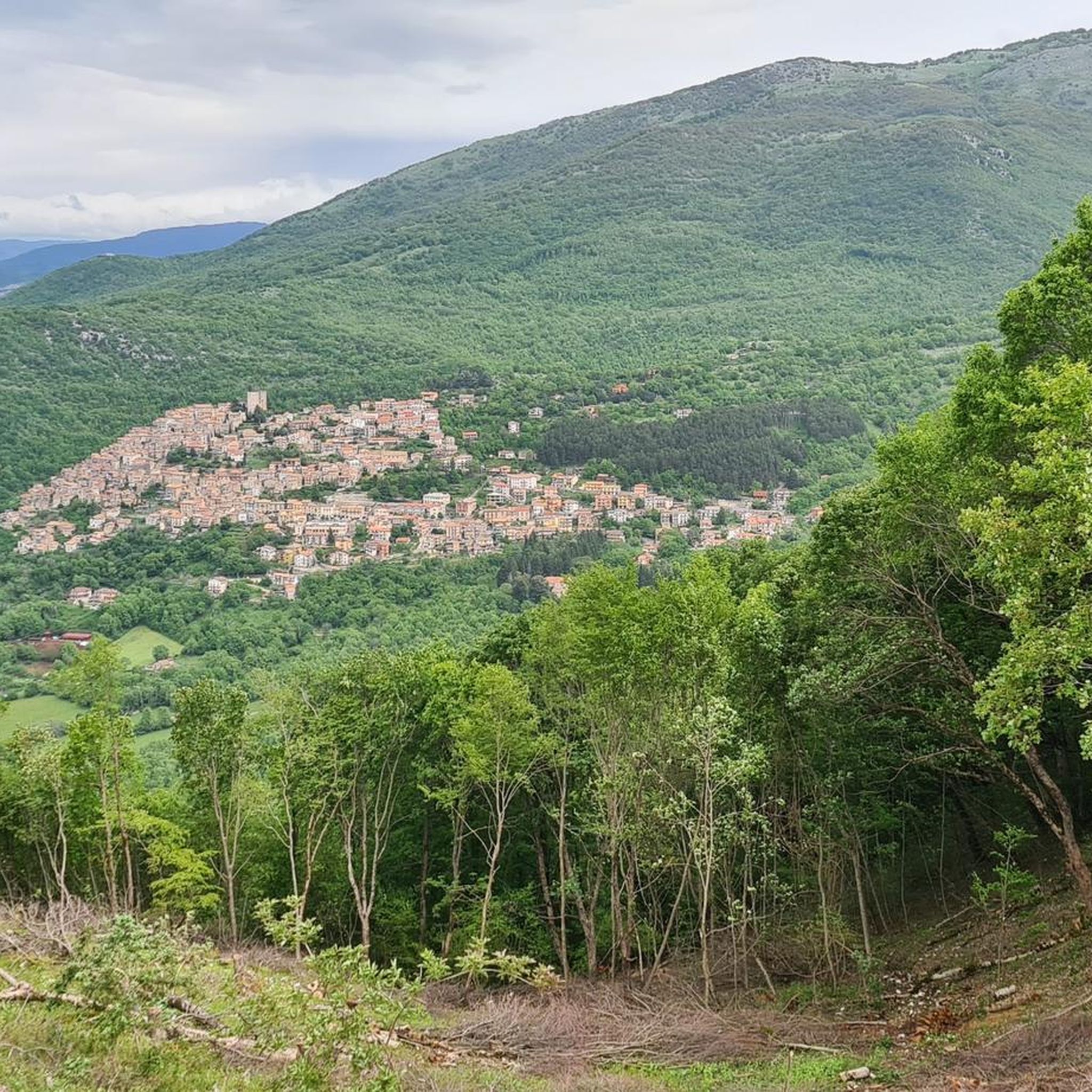
Cineto Romano is a small town that dominates the valley of the Ferrata stream. The old village rises right around the Orsini castle which, with its grandeur, defines the profile. From the town, with a short and simple walk also for families, you can reach the Rio Scuro waterfalls, a pleasant place surrounded by nature.
2
0

Arsoli is a small town of about 1,000 inhabitants which is part of the province of Rome. Its medieval origins make your visit very pleasant: the tenth century Massimo castle stands out for its importance.
0
0

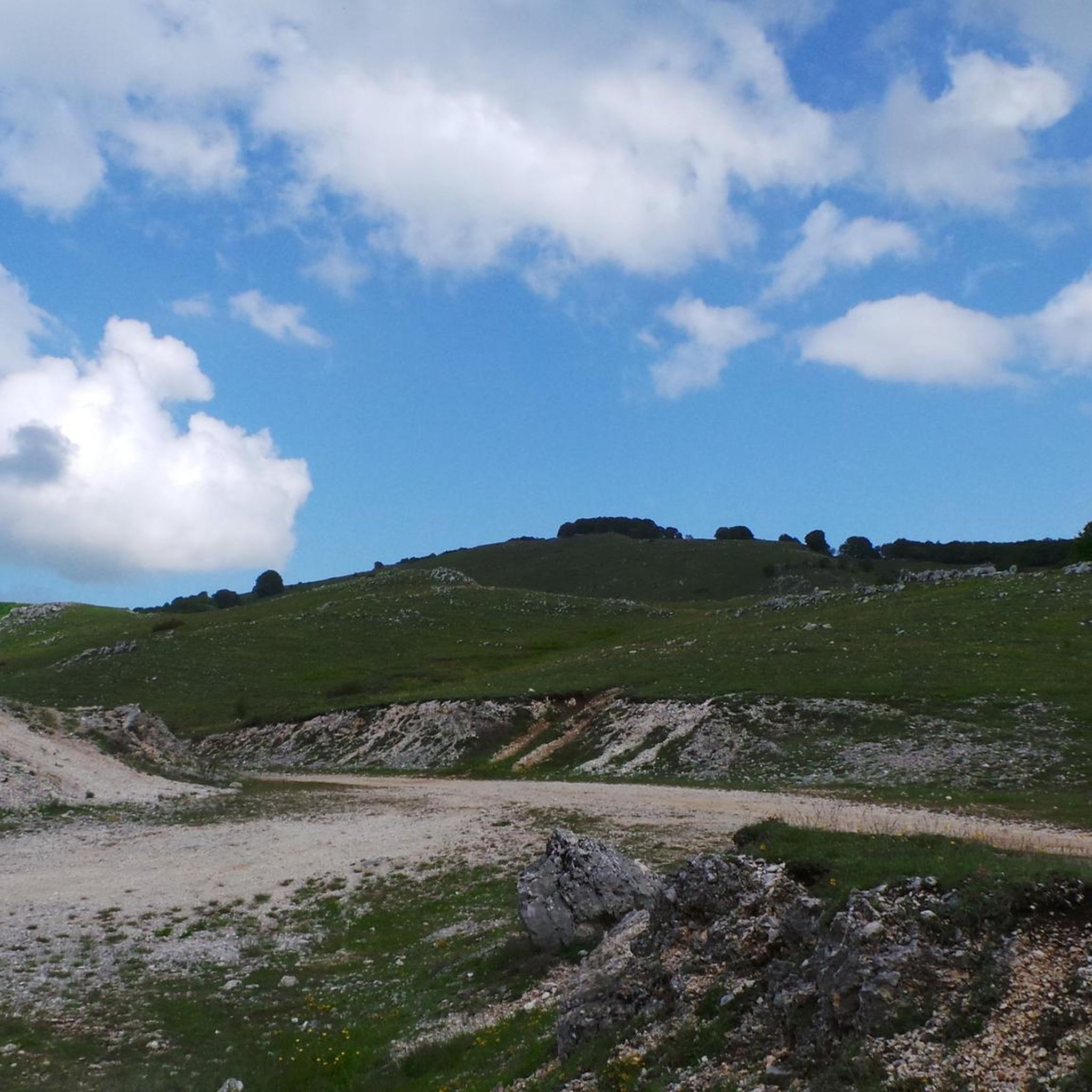
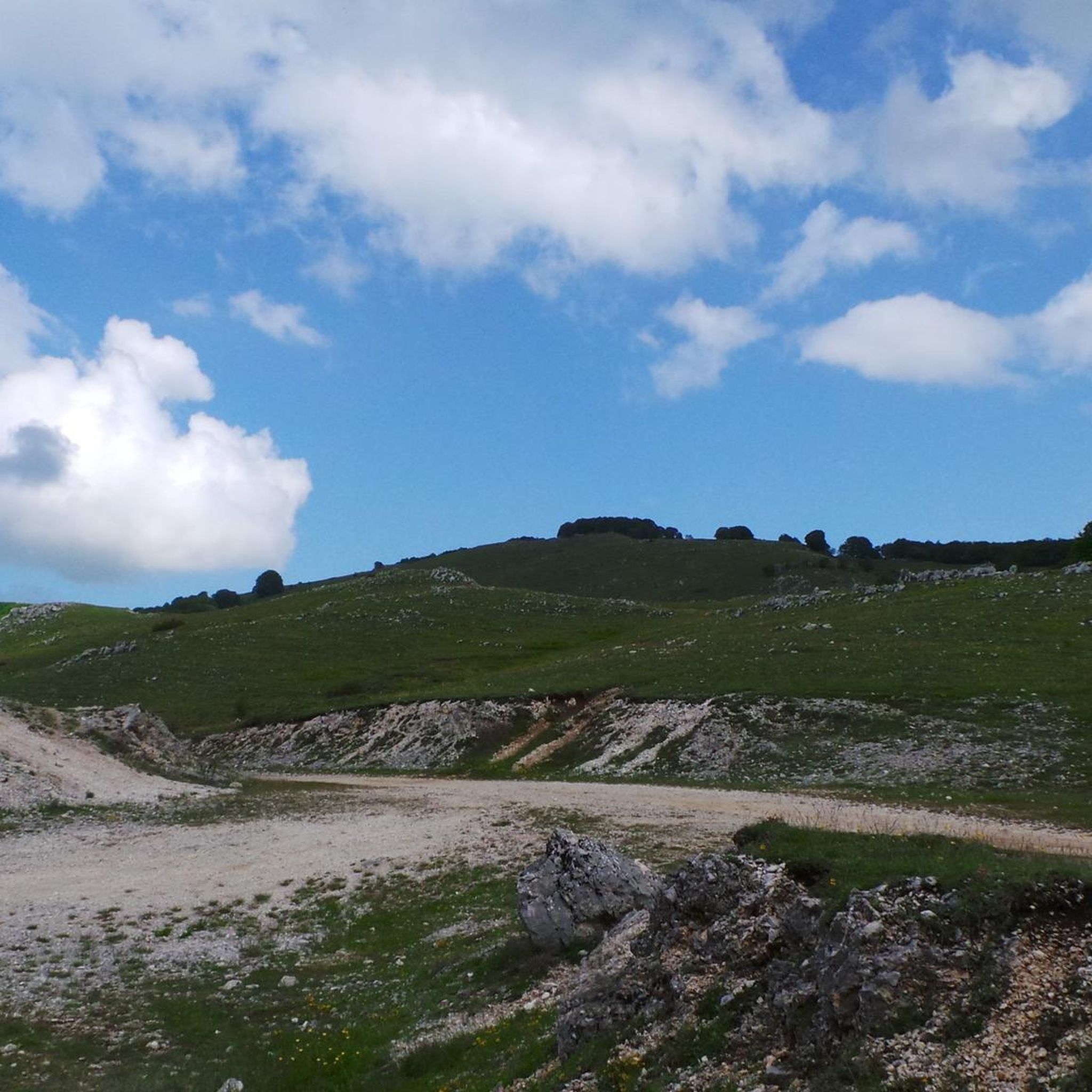
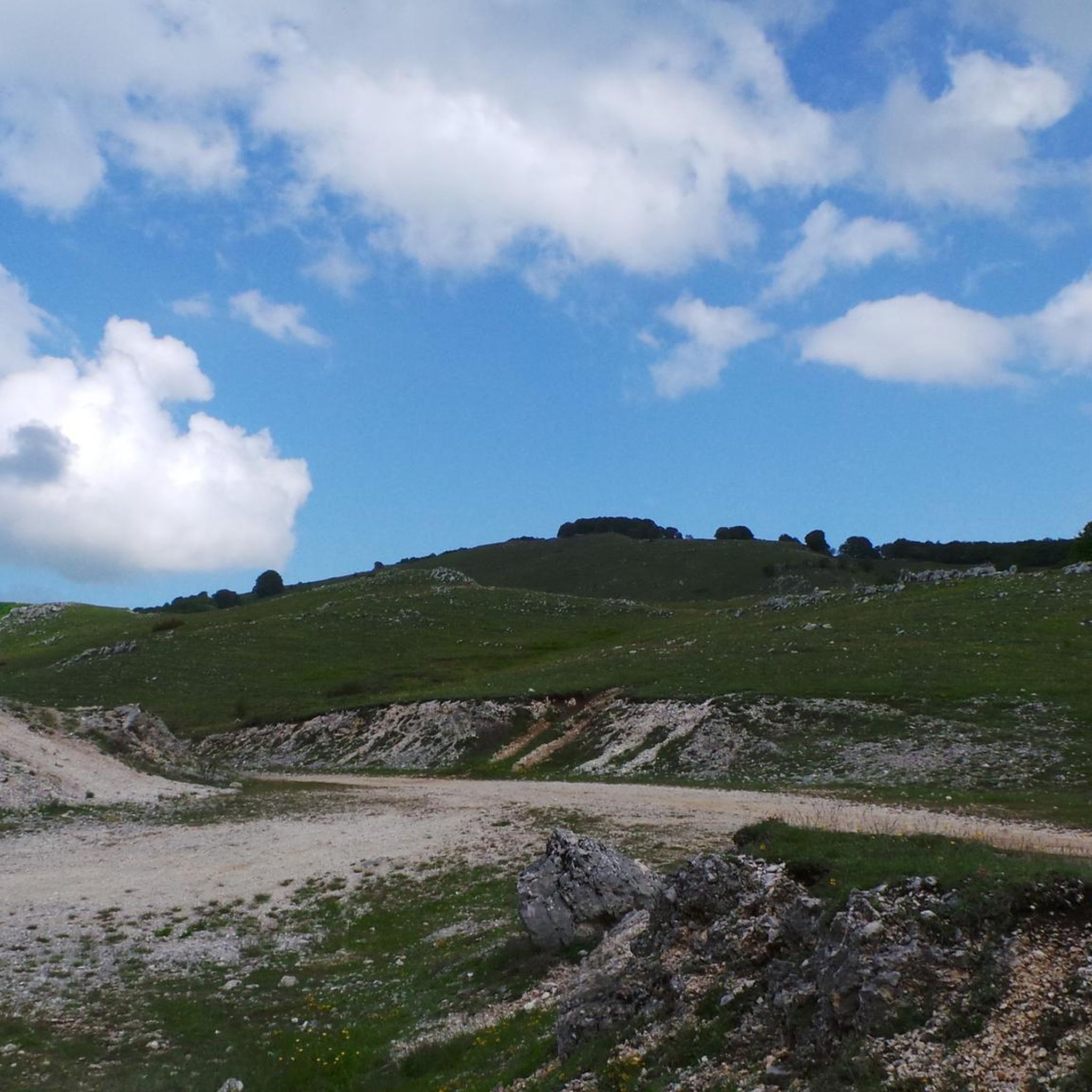
Beautiful climb where you can see the village
1
0
Frequently Asked Questions
What are some of the most notable castles to visit near Rocca Di Botte?
Beyond the historic old fortress of Rocca di Botte itself, you can explore several other significant castles. Cineto Romano is a settlement built around the impressive Orsini castle, offering views of the Ferrata stream valley. Another must-see is the Massimo Castle of Arsoli, a 10th-century structure that defines the small town of Arsoli. Additionally, the Rocca Abbaziale di Subiaco is a large, thousand-year-old complex with rich history and art overlooking the city.
Are there any family-friendly castles or activities near Rocca Di Botte?
Yes, Cineto Romano is considered family-friendly. The old village, centered around the Orsini castle, offers a short and simple walk suitable for families, leading to the Rio Scuro waterfalls, a pleasant natural spot.
What kind of historical significance do the castles in this region hold?
The castles around Rocca Di Botte are rich in history, often dating back to medieval times. For example, the old fortress in Rocca di Botte dates to the 11th and 12th centuries. The Massimo Castle of Arsoli has 10th-century origins, while the Rocca Abbaziale di Subiaco is a thousand-year-old complex. These structures served as military strongholds, observation points, and centers of power for noble families like the Orsini and Colonna, reflecting centuries of regional conflicts and cultural development.
What outdoor activities can I do near these castles?
The region around Rocca Di Botte offers various outdoor activities. You can find numerous road cycling routes, such as the 'Carsoli to Tagliacozzo Loop' or the 'Monte Bove Pass – Roccacerro, Velino view loop'. For runners, there are trails like 'Le Vedute loop from Monna dell'Orso'. Mountain biking enthusiasts can explore routes like 'Singletrack in the woods – Campaegli scenic viewpoint loop'. You can find more details on these and other routes in the Road Cycling Routes, Running Trails, and MTB Trails guides for Rocca Di Botte.
Are there any castles known for spectacular views or natural settings?
Absolutely. While a bit further afield (about 1.5 hours drive), Rocca Calascio in the Gran Sasso e Monti della Laga National Park is renowned for its breathtaking panoramic views. Situated at over 1,400 meters above sea level, it offers incredible vistas of the surrounding mountains and valleys. Near Cineto Romano, you can also enjoy views of the Ferrata stream valley and visit the Rio Scuro waterfalls.
What is Rocca Calascio and why is it significant?
Rocca Calascio, though approximately 104 kilometers from Rocca di Botte, is one of Italy's highest and most evocative medieval fortresses. It's situated at over 1,400 meters in the Gran Sasso e Monti della Laga National Park, offering spectacular panoramic views. Dating back to around 1000 AD, it was a crucial military observation point. Its unique architectural design of milky white limestone and four cylindrical towers has made it a famous filming location for movies like "The Name of the Rose" and "Ladyhawke." It's free to enter and offers an immersive experience in nature. You can learn more about it on Visit Italy.
Are there any castle ruins to explore near Rocca Di Botte?
Yes, you can explore the Ruins of Castel del Lago (Morella). These are the remains of a medieval settlement on a relief overlooking Lake Fraturno. While much of it is now surrounded by vegetation, you can still find walls and traces of the former agglomeration, offering a glimpse into its past as a strategic fiefdom that was eventually destroyed in 1492.
What is the Oricola Castle known for?
The Oricola Castle, with construction beginning in the 9th century, was built to defend against Saracen and Hungarian incursions. It has a rich history, passing through the hands of various noble families like the Orsini. The castle, located in a dominant position on the Cavaliere plain, has a triangular plan with three cylindrical towers, and parts of it still retain their original characteristics.
What can I expect to see at the Rocca Abbaziale di Subiaco?
The Rocca Abbaziale di Subiaco, also known as Rocca dei Borgia, is a large, thousand-year-old castle complex overlooking the city. You can explore its bold architecture, precious works of art, and enjoy unique panoramas of the Aniene valley from its gardens. The noble apartments feature important cycles of paintings and decorations. It also houses the MACS - Museum of Paper and Printing Activities, which highlights Subiaco's historical role in printing the first book with movable type in Italy.
What is the best time of year to visit castles in the Rocca Di Botte area?
While specific opening hours vary by castle, generally, spring and autumn offer pleasant weather for exploring the castles and their surrounding natural landscapes. The cooler temperatures are ideal for walking and enjoying the panoramic views without the intense heat of summer. Some castles, especially those with outdoor ruins like Rocca Calascio, are accessible year-round, but winter visits might involve colder temperatures and potentially snow, especially at higher elevations.
Are there any hidden gem castles or less-known historical sites worth discovering?
Beyond the more prominent castles, the Ruins of Castel del Lago (Morella) offer a glimpse into a less-preserved but historically significant medieval settlement. These ruins, nestled in a natural setting, provide a sense of discovery for those interested in exploring the remnants of ancient structures amidst vegetation.
Most popular routes around Rocca Di Botte
Most popular attractions around Rocca Di Botte

Get inspired with the komoot mobile app


Explore more
Looking for the best castles somewhere else? Discover other guides around Rocca Di Botte:
