Top 15 Gorges around Parc national des Calanques (cœur)
Best canyons around Parc national des Calanques (cœur) are characterized by dramatic landscapes, including steep-walled sea inlets known as calanques, and significant underwater canyons. This protected area encompasses both terrestrial and marine environments, offering diverse geological formations. The region features traditional fishermen's cabins and is home to archaeologically significant underwater caves. Its unique blend of natural beauty and historical elements makes it a notable destination for exploration.
Best canyons around Parc national des Calanques (cœur)
- The most popular canyons is…
Last updated: June 30, 2026
View of the Port Miou calanque
Highlight • Lake
Translated by Google •
Tip by

En-Vau Calanque viewpoint
Highlight • River
Translated by Google •
Tip by

Sign up now to discover places like this
Get recommendations on the best single tracks, peaks, & plenty of other exciting outdoor places.
Sign up for free
En-Vau Beach
Highlight • Beach
Translated by Google •
Tip by

Panoramic Trail Between Morgiou and Sugiton (Calanques National Park)
Highlight (Segment) • Trail
Translated by Google •
Tip by

🚴♀️Port Miou - Calanque Side
Highlight • Gorge
Sheltered from the wind, Port-Miou was used by ships as an anchorage area very early on. Since Antiquity, it has been referred to as Portus melior, meaning “the best port”.
Translated by Google •
Tip by

Sign up for free to discover even more gorges around Parc national des Calanques (cœur).
Sign up for free
Already have an account?
Start today with a free account
Your next adventure awaits.
Login or Signup
Popular around Parc national des Calanques (cœur)
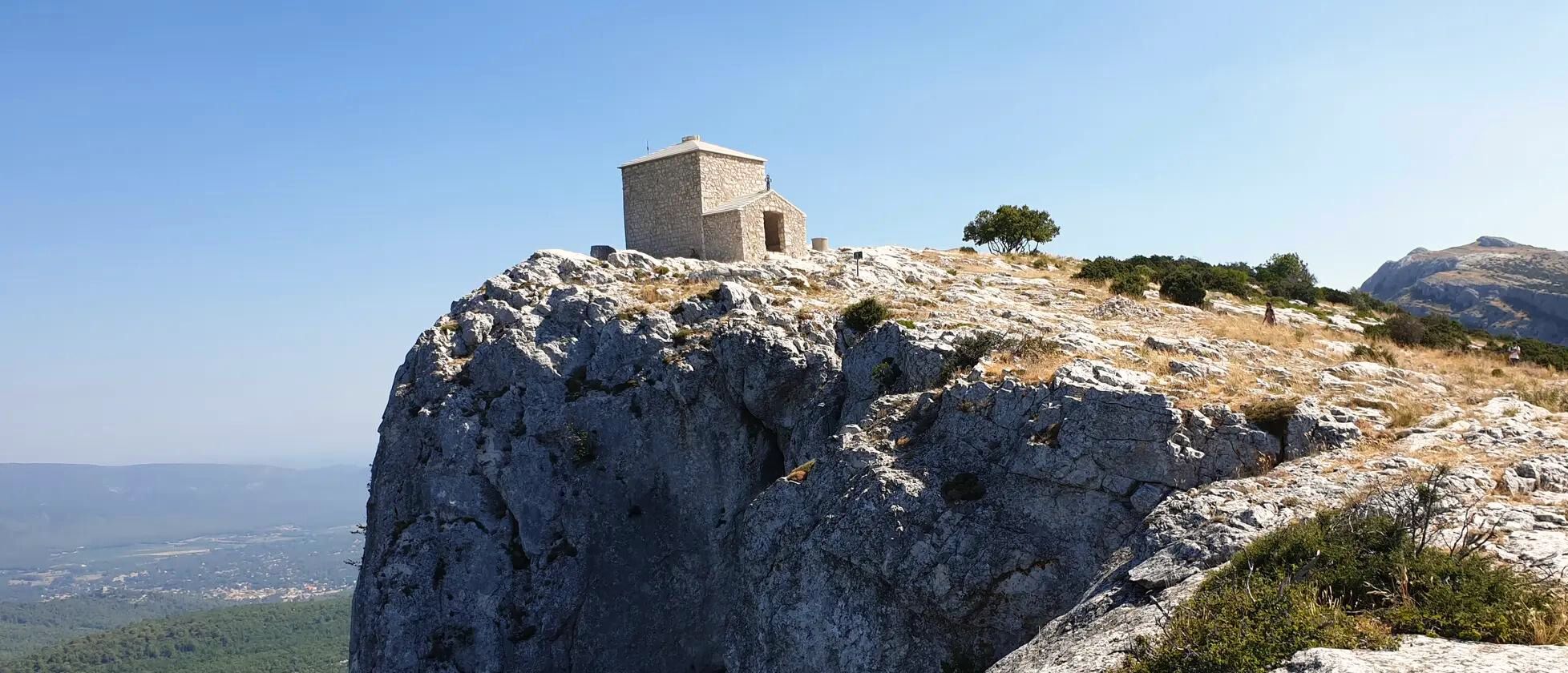
La Madrague to the Sainte-Baume – GR 98
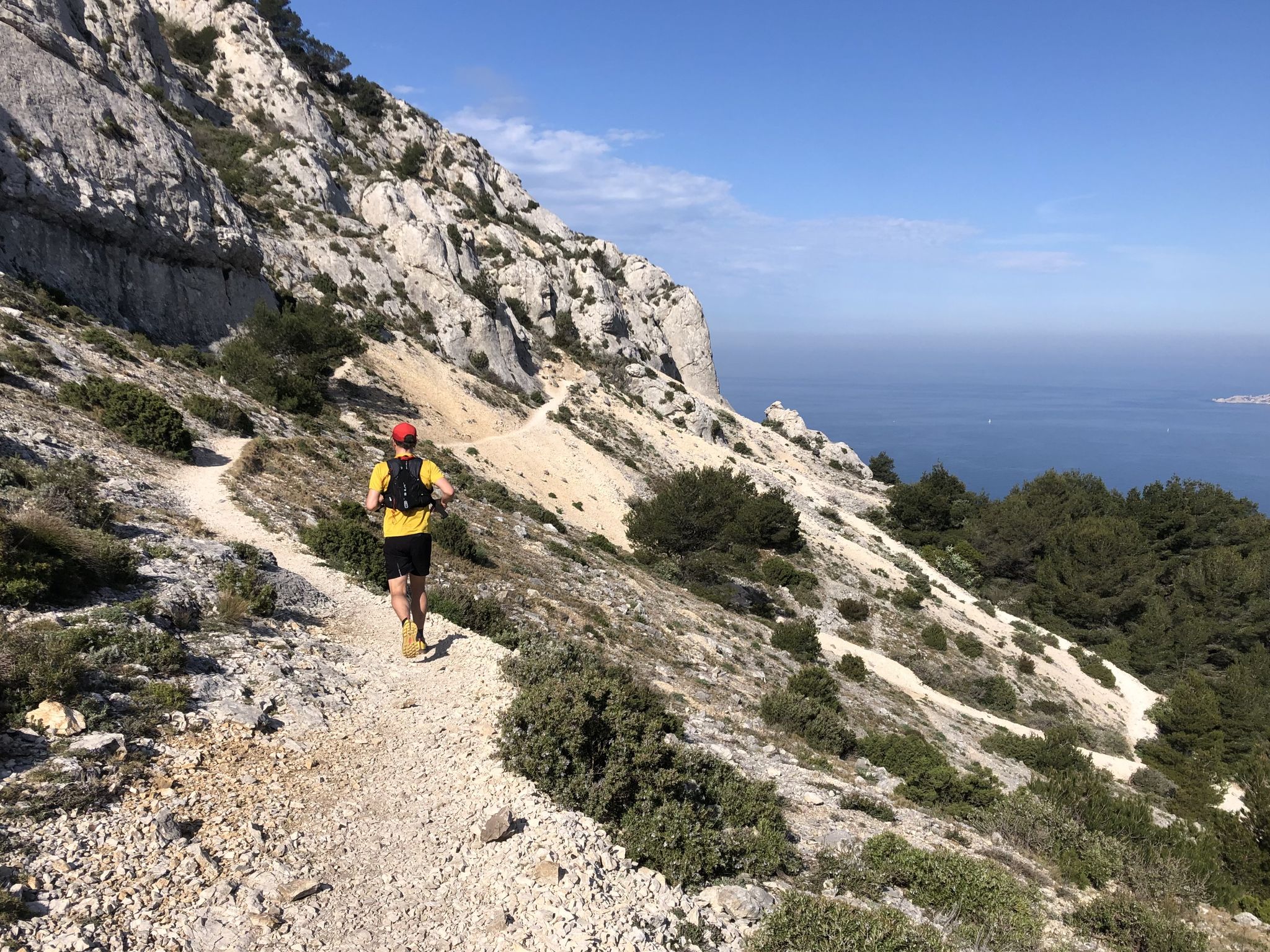
Cliffs, creeks and ridges – 10 sporty hikes in France’s Calanques
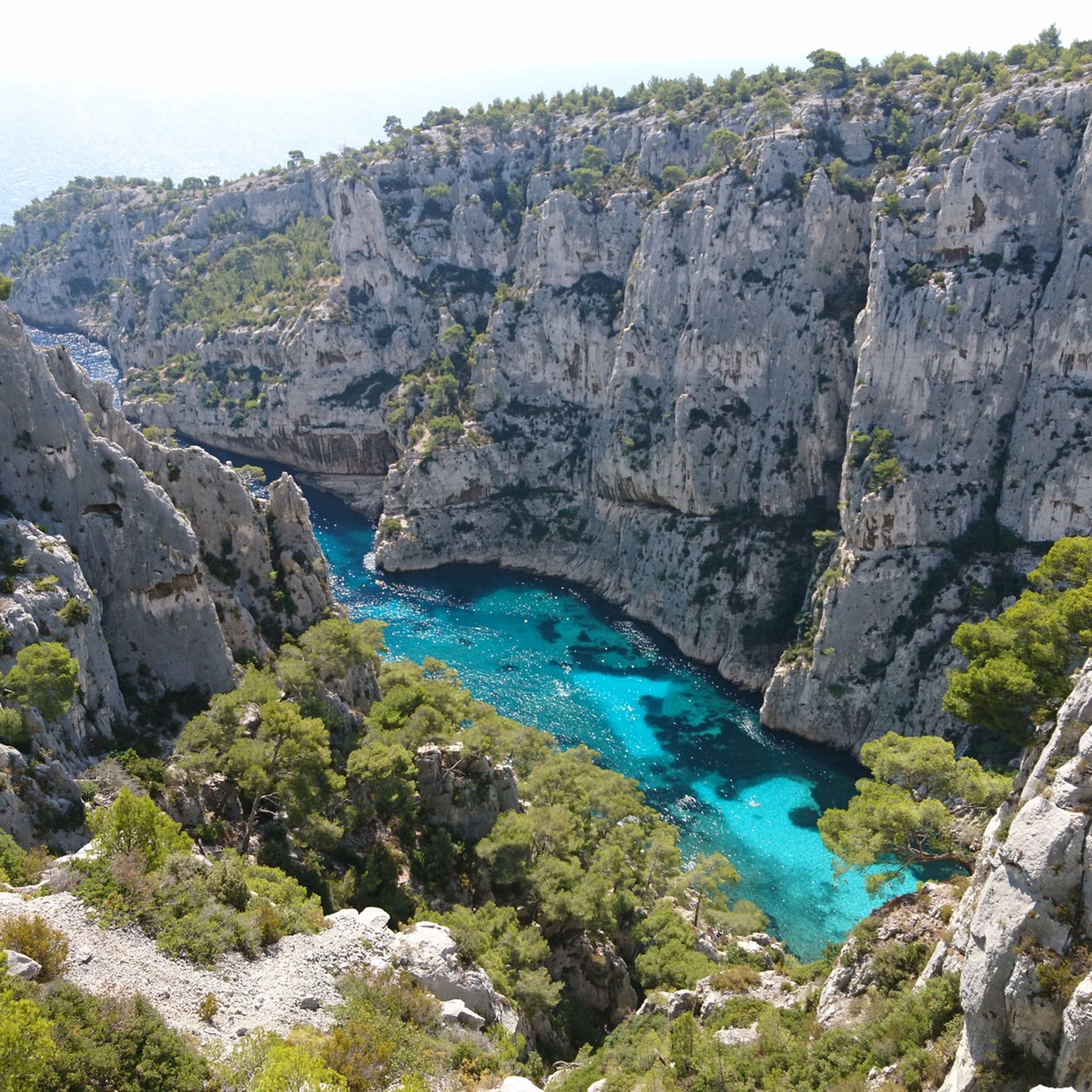
Hiking around Parc national des Calanques (cœur)
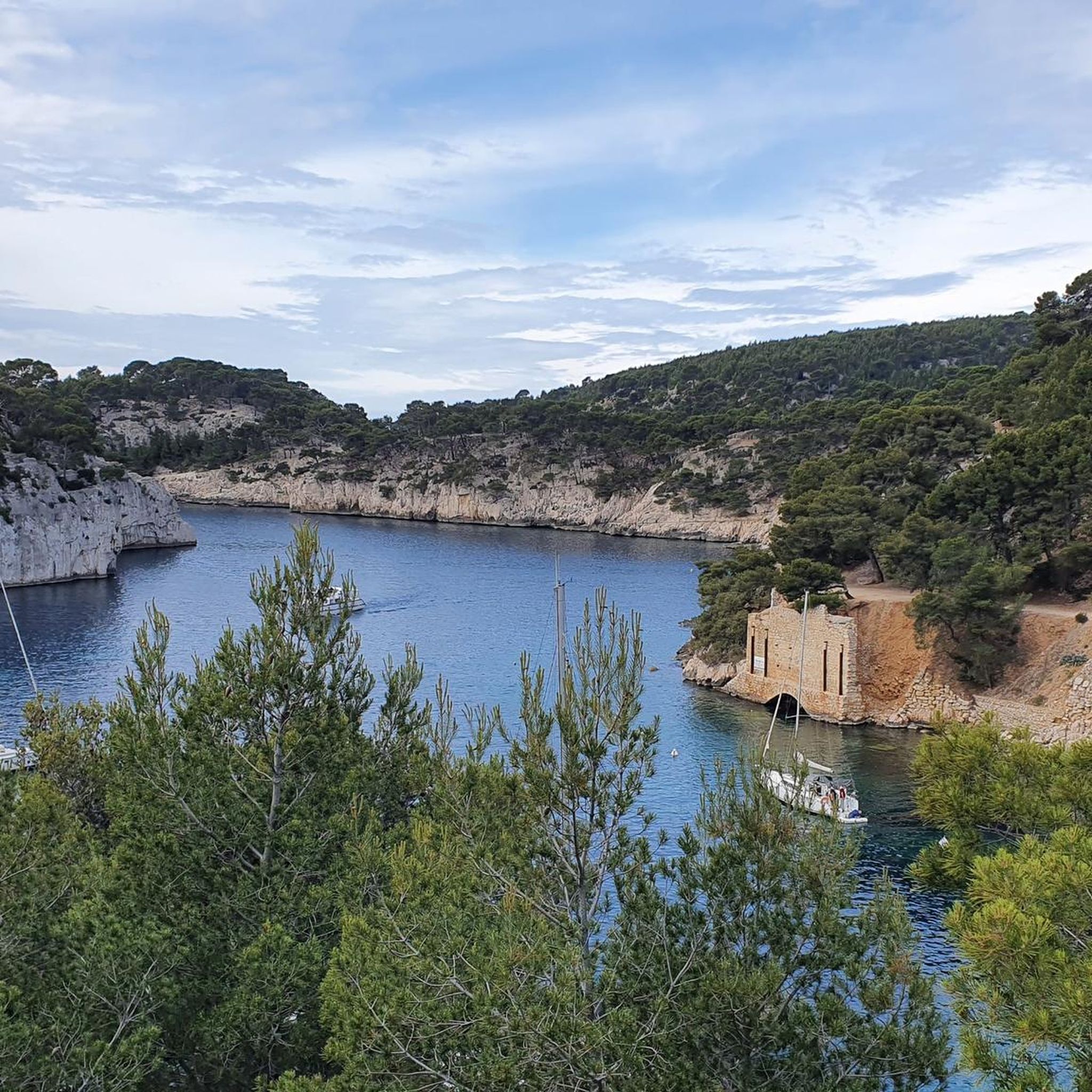
Road Cycling Routes around Parc national des Calanques (cœur)
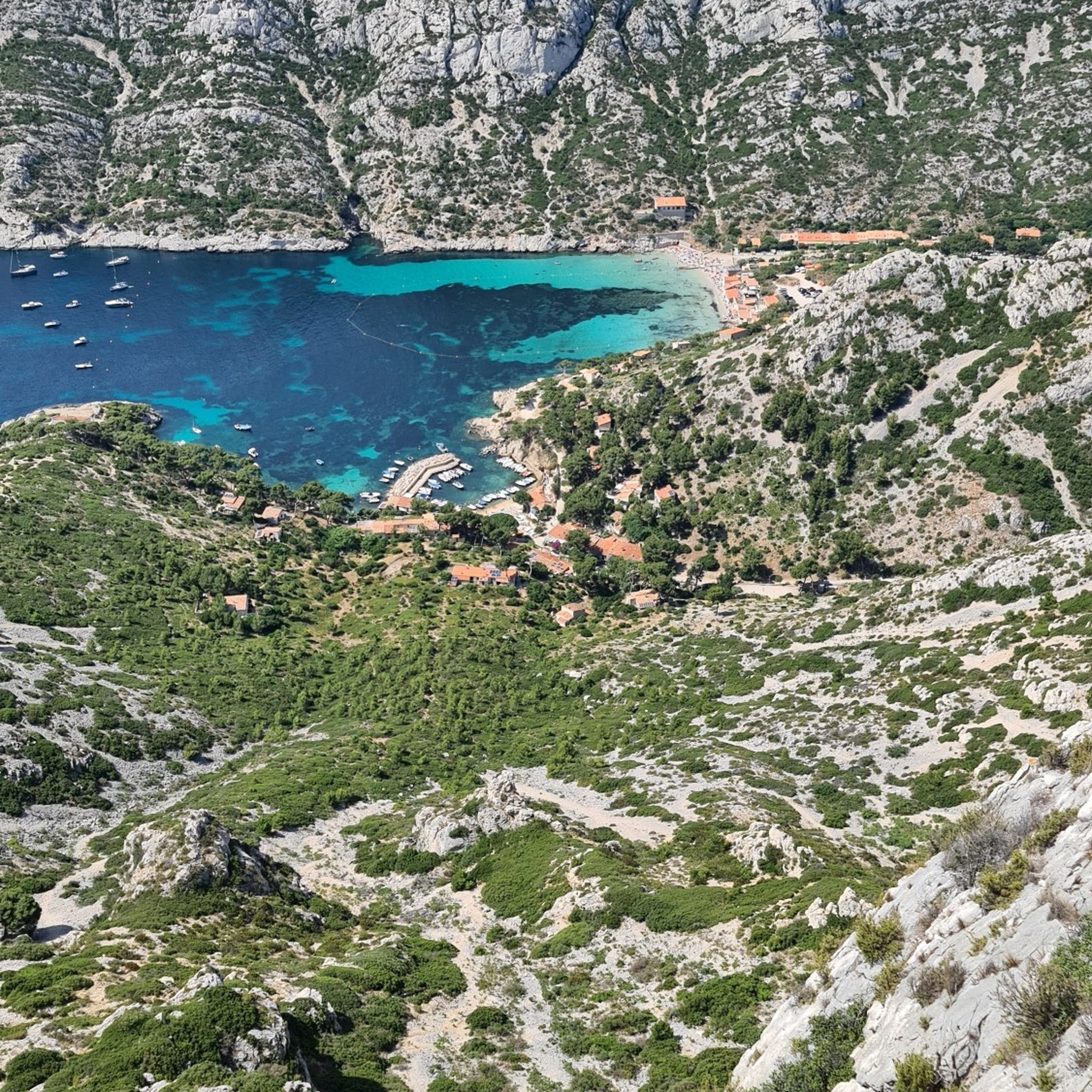
Running Trails around Parc national des Calanques (cœur)
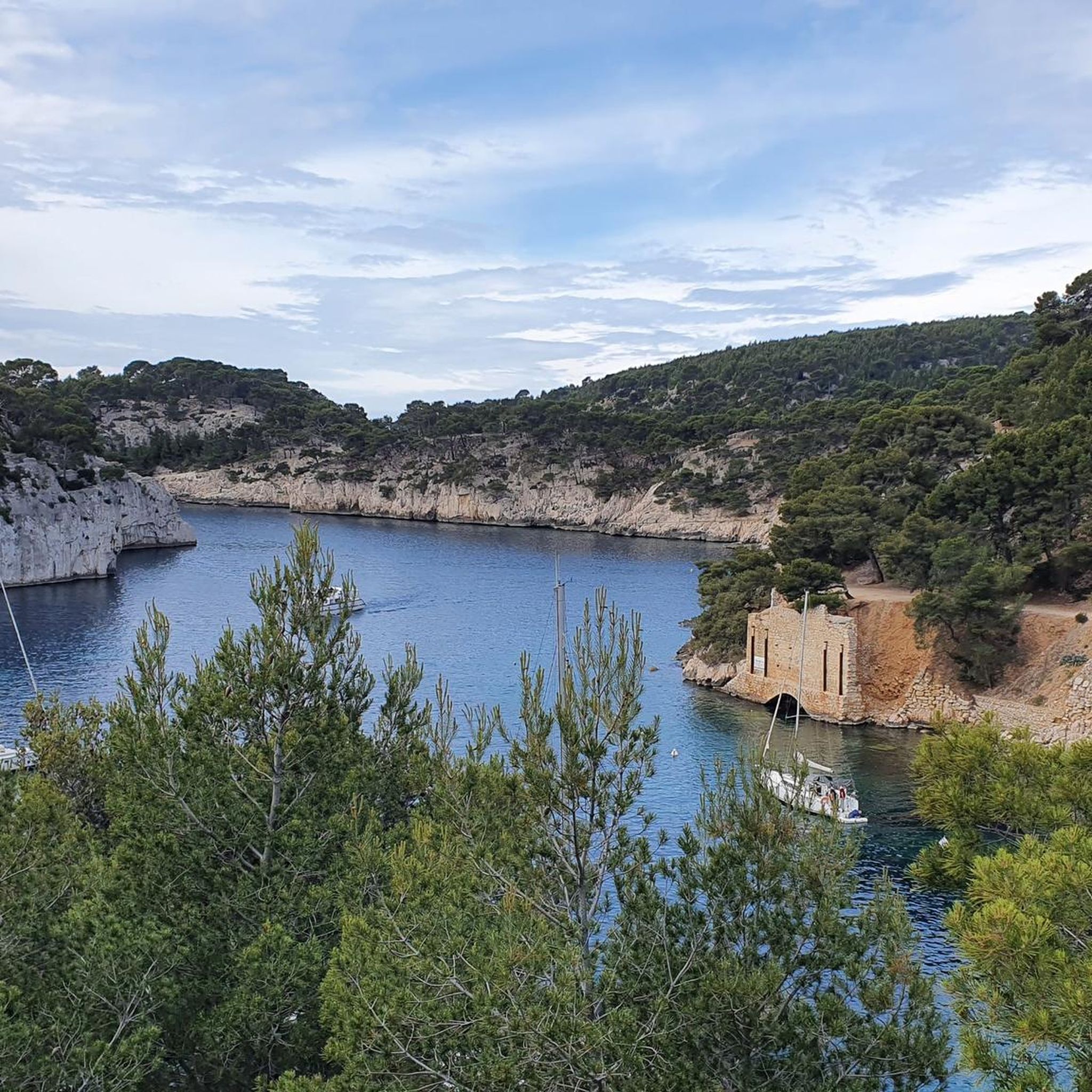
Cycling around Parc national des Calanques (cœur)
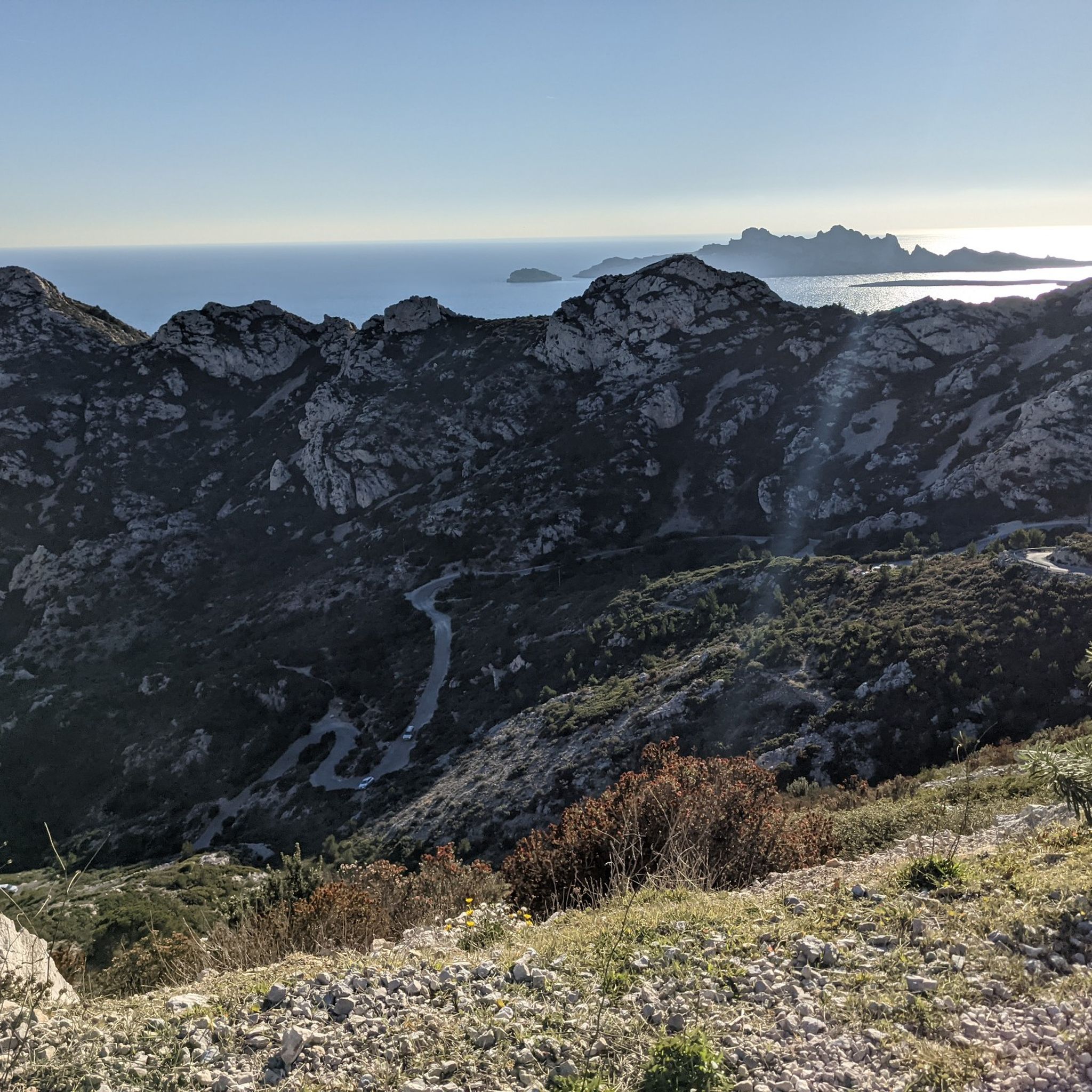
MTB Trails around Parc national des Calanques (cœur)
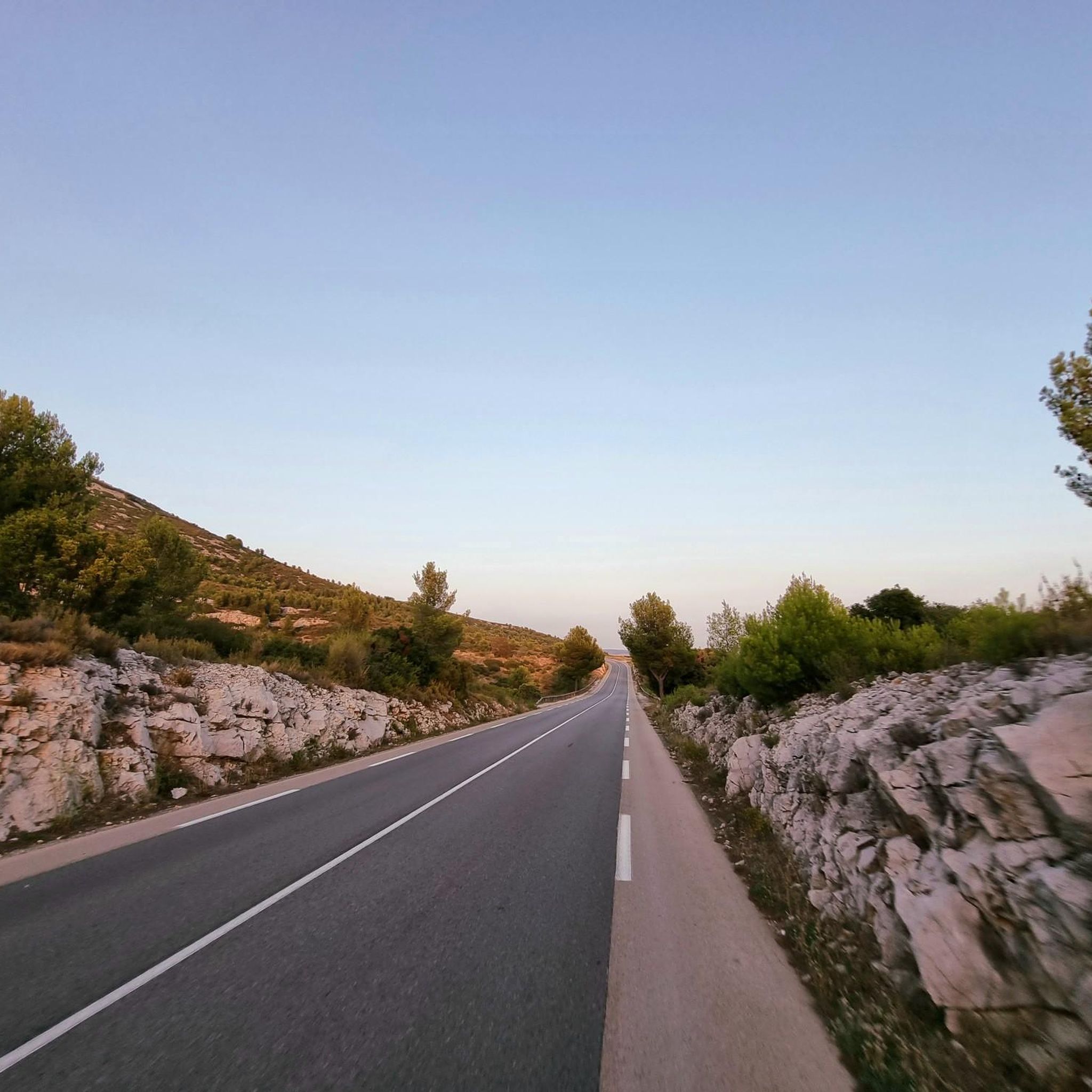
Gravel biking around Parc national des Calanques (cœur)
Mountain Hikes around Parc national des Calanques (cœur)
Other adventures around Parc national des Calanques (cœur)


Tips from the Community

Steep descent for 20 minutes, be careful
2
0

A journey that will amaze you
0
0
Definitely hike from morgiou to Sugiton due to a demanding and dangerous scrambling for a smooth cliff. Good fitness and proper shoes required for steep and small gravel up and down.
0
0

⛏️The Solvay career (1886-1981) In 1896, Ernest Solvay (Belgian industrialist) bought land in Port-Miou to open an industrial quarry. Boarding is done using hoppers, a sort of stone weir. Over three quarters of a century, between 6 and 7 million tonnes of rock were extracted from the sides of the cove and then crushed! This deep cut in the rock gave it its current shape… 🍃A historic place of mobilization Faced with this intensive exploitation of natural heritage, protest is mounting. On March 13, 1910, 2,000 people, led in particular by the Marseille Excursionists, gathered to say “no” to a project to extend the quarry. We still talk about this event as being the first demonstration to protect the Calanques, and one of the first environmental demonstrations in France. After the First World War, industrialists began to covet the neighboring coves of Port-Pin and En-Vau, but strong opposition from public opinion led to the classification of these two coves in 1936 under the protection law. natural sites and monuments. Thanks to these mobilizations, the Solvay quarry is not expanded, but its activity continues. It closed its doors permanently in 1981. IN - ⛏️The Solvay career (1886-1981) In 1896, Ernest Solvay (Belgian industrialist) bought land in Port-Miou to open industrial career. Boarding is done using hoppers, a sort of stone weir. Over three quarters of a century, between 6 and 7 million tons of rock were extracted from the sides of the cove and then crushed! This deep cut in the rock gave it its current shape… 🍃A historic place of mobilization Faced with this intensive exploitation of natural heritage, protest is mounting. On March 13, 1910, 2,000 people, led in particular by the Marseille Excursionists, gathered to say “no” to a project to extend the career. We still talk about this event as being the first demonstration to protect the Calanques, and one of the first environmental demonstrations in France. After the First World War, industrialists began to covet the neighboring coves of Port-Pin and En-Vau, but strong opposition from public opinion led to the classification of these two coves in 1936 under the protection law. natural sites and monuments. Thanks to these mobilizations, the Solvay quarry is not expanded, but its activity continues. It closed its doors permanently in 1981.
0
0

From this point of view we appreciate the enclosure of the En-vau cove
4
0
Calanque converted into an accessible but very busy port
1
0
Very beautiful view point opposite the cove
1
0
Calanque sheltering a port all along. Very frequented
1
0
Frequently Asked Questions
What are the most notable terrestrial calanques to visit in Parc national des Calanques (cœur)?
The Parc national des Calanques (cœur) is renowned for its dramatic sea inlets. Among the most spectacular is Calanque d'En-Vau, famous for its towering white cliffs and brilliant turquoise waters, offering panoramic views. En-Vau Beach is also a picturesque spot within this calanque. Other significant calanques include Sormiou, known for its sandy beach and traditional fishermen's cabins, and Morgiou, which features a small fishing port and is near the entrance of the archaeologically significant Cosquer Cave. Port Miou is the first calanque encountered when leaving Cassis, offering beautiful views of Cap Canaille.
Are there any significant underwater canyons within the Parc national des Calanques (cœur)?
Yes, beyond the visible cliffs, the park extends into the Mediterranean Sea with impressive underwater canyons. The Cassidaigne Canyon, located off the coast of Cassis, is one of the deepest and most biodiverse, reaching depths of over 1,300 meters. It's a vital ecological site, supporting marine life including endangered species like sperm whales and fin whales. The Planier Canyon is another significant underwater formation, also recognized for its high biodiversity.
What kind of adventurous activities can I do in the canyons of Parc national des Calanques (cœur)?
While traditional water-filled canyoning is not typical, the region offers adventurous activities like 'dry canyoning' or 'via corda.' These involve a mix of hiking, rappelling, ziplining, and climbing along dry or semi-dry canyons and cliff faces. These guided excursions provide a unique and athletic way to experience the park's dramatic topography and breathtaking views, particularly around areas like Cap Canaille or within certain calanques.
What natural features can I expect to see when visiting the calanques?
Visitors can expect to see a diverse range of natural features. These include towering white cliffs plunging into turquoise waters, pebble and sandy beaches, and unique geological formations. The area is also characterized by Aleppo pines lining the shores, small islands like Le Tourpillon, and the vibrant marine life supported by both the coastal waters and the deep underwater canyons.
What are the best ways to explore the calanques?
The calanques can be explored in various ways. Hiking is very popular, with trails leading to stunning viewpoints like the View of the cliffs and the Calanque d'En-Vau. Kayaking is excellent for experiencing the turquoise waters up close. Swimming and relaxing on the beaches are also popular activities. For a more adventurous experience, consider dry canyoning or via corda.
Are there hiking trails near these canyons?
Yes, the Parc national des Calanques (cœur) offers numerous hiking opportunities. For challenging routes, you can explore options like the 'Le Candélon loop' or the 'Most beautiful beach in the world loop.' If you prefer easier walks, consider the 'View of Port Miou – View of the Calanque de Port-Miou loop' from Cassis. You can find more details on these and other trails in the Mountain Hikes around Parc national des Calanques (cœur) and Easy hikes around Parc national des Calanques (cœur) guides.
What do visitors enjoy most about the canyons in Parc national des Calanques (cœur)?
Visitors consistently praise the breathtaking natural beauty, especially the dramatic landscapes of the calanques with their clear, colorful waters. The tranquility, particularly during the off-season, is highly valued. Many appreciate the adventurous hiking opportunities, some of which include challenging climbs and via ferrata elements, offering unique perspectives and rewarding views. The region's unique blend of natural beauty and historical elements also makes it a notable destination.
What is the best time to visit the Parc national des Calanques (cœur)?
The best time to visit is generally during the shoulder seasons (spring and autumn) when the weather is pleasant for hiking and the crowds are smaller. For instance, a hike in October is described as 'just great' due to comfortable temperatures and tranquility. During peak summer, the calanques can be very crowded, and some areas might have access restrictions due to fire risk. The water can also be quite cold in narrow valleys where the sun doesn't shine well.
Are there any historical or archaeological sites related to the calanques?
Yes, the Calanque de Sormiou and Calanque de Morgiou are notable for their historical significance. They feature traditional fishermen's cabins, known as 'cabanons,' which offer a glimpse into the traditional life of the calanques. Morgiou is also home to the entrance of the Grotte de Cosquer, an archaeologically significant underwater cave containing ancient cave art, discovered in 1985. While the original cave is not accessible, its replica provides insight into its importance.
Can I go swimming in the calanques?
Absolutely! The calanques offer many beautiful spots for swimming. En-Vau Beach, Calanque de Sormiou (with its expansive sandy beach), and Calanque de Port-Pin (known for its clear, calm waters) are particularly popular for swimming. It's worth noting that the water can be quite cold, especially in narrow calanques where the sun doesn't reach effectively.
What other outdoor activities are available near the canyons?
Besides hiking and dry canyoning, the region around Parc national des Calanques (cœur) offers other outdoor activities. Road cycling is popular, with routes like the 'Route des Crêtes – Cap Soubeyran Cliffs loop' offering challenging rides with scenic views. You can explore various cycling options in the Road Cycling Routes around Parc national des Calanques (cœur) guide.
Is it possible to reach the calanques by public transport?
Some calanques are more accessible than others by public transportation. For example, Calanque de Sugiton is known for being one of the easier calanques to reach from Marseille by public transport, followed by a walk. However, for many calanques, especially during peak season, access might be restricted or require a significant walk from parking areas or public transport stops. It's advisable to check specific access rules and transport options for your chosen destination within the park.
Most popular routes around Parc national des Calanques (cœur)
Most popular attractions around Parc national des Calanques (cœur)

Get inspired with the komoot mobile app


Explore more
Already discovered everything in this region? See additional gorges around Parc national des Calanques (cœur) for your next adventure:
