Top 5 Castles around Genève
Best castles around Genève are situated in a region known for its diverse landscapes, from the shores of Lake Geneva to vineyard-covered hills. The area offers a blend of historical significance and natural beauty, with the city of Genève serving as a central hub. This region features various historical sites, including medieval fortresses and elegant châteaux. The castles provide insight into centuries of local history and architecture.
Best castles around Genève
- The most popular castles is Château du Crest, a castle that produces wine. It is a private chateau that cannot be visited but is notable for its historical significance.
- Another must-see spot is Commandery of Compesières, a castle that holds a special position due to its role as a Johanniter commander. Only the residential wing has survived from the original complex.
- Visitors also love Château de Dardagny, a castle that serves as a reception venue for celebrations. It is a Swiss heritage site of national importance.
- Genève is known for medieval fortresses, historical residences, and ruined castles. The region offers a variety of castles to explore, each with distinct architectural styles and historical backgrounds.
- The castles around Genève are appreciated by the komoot community, with 49 upvotes and 20 photos shared.
Last updated: October 3, 2026
Commandery of Compesières
Highlight • Castle
Translated by Google •
Tip by

Château de Dardagny
Highlight • Castle
Translated by Google •
Tip by

Sign up now to discover places like this
Get recommendations on the best single tracks, peaks, & plenty of other exciting outdoor places.
Château du Crest
Highlight • Castle
domaineducrest.ch/de
Translated by Google •
Tip by

Château de Rouelbeau Ruins
Highlight • Castle
Translated by Google •
Tip by
Bourdigny-Dessus Vineyards
Highlight (Segment) • Natural
Translated by Google •
Tip by

Start today with a free account
Your next adventure awaits.
Popular around Genève
GR 65 Way of Saint James of Compostela — Via Gebennensis and Via Podiensis
Rhone Cycle Route — From the southern Jura to Lyon
Gravel in Ain — sporty loops between water and mountain

Every cycling trip is a little holiday – bike to work Challenge 2026
Geneva by bike – the most beautiful cycling routes
Geneva by bike by Anthony Rosalinda – Léman to the Préalpes
Cycle around Lake Geneva in four stages
100% Women: Switzerland is too steep? No way!
‘La Joyeuse Vadrouille’ – two months cycling with the family
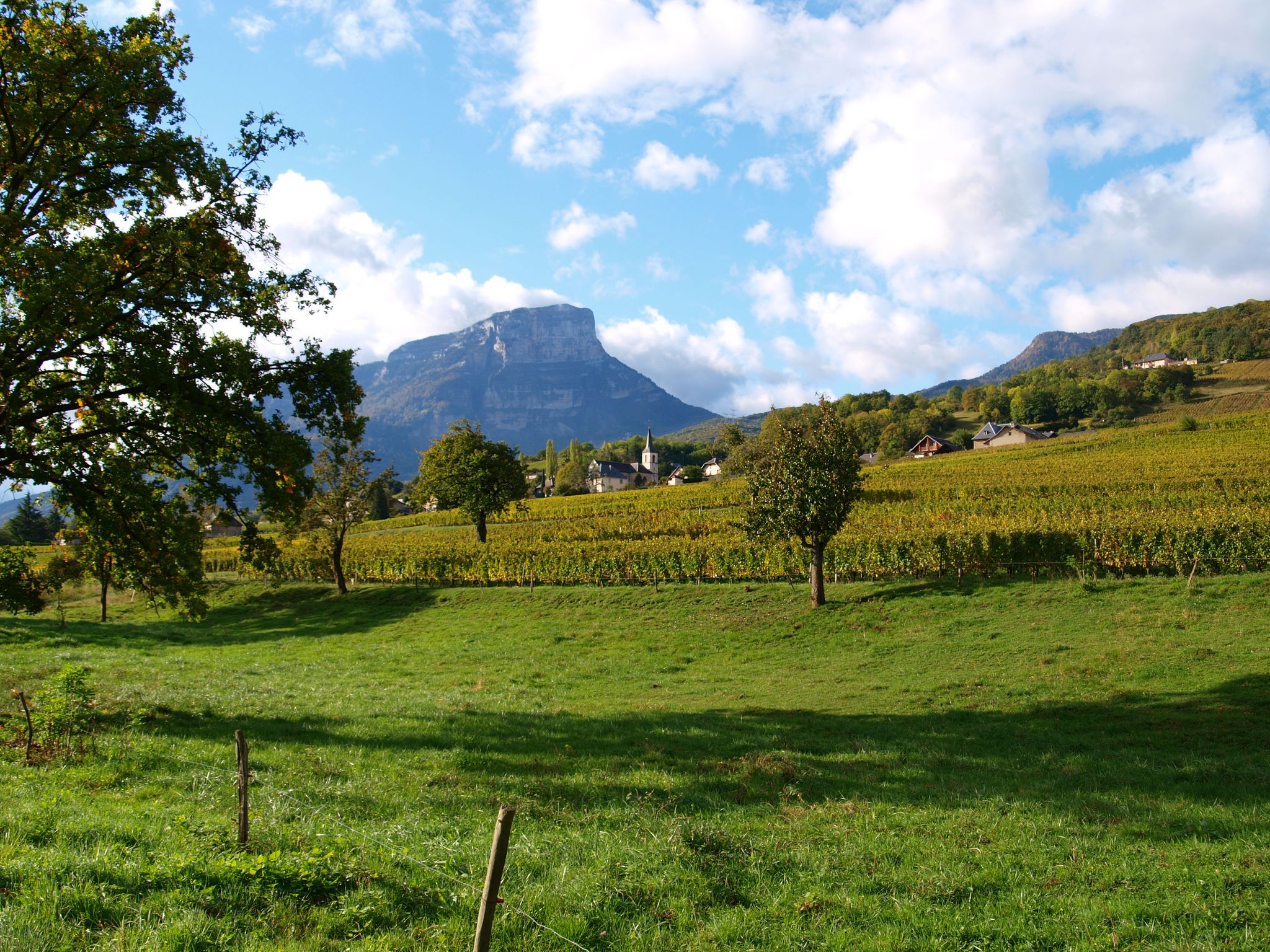
Follow the Huguenots — from Grenoble to Geneva on the GR 965
Other adventures around Genève


Tips from the Community

The town of Bourdigy-Dessus is part of the commune of Satigny. This village is surrounded by vineyards and has a beautiful castle that bears its name, or Château Barillet.
0
0

Not worth it, no access. Everything private and locked!!
0
0

Center of the village of Dardagny and the castle of Dardagny. This castle today serves as a reception venue for celebrations. They offer two rooms (can accommodate up to 80 people). There is parking on site, but there is no disabled access. It is a Swiss heritage site of national importance.
1
0
Permanent house of Compesières, occupies a special place among the castles of the region due to its role as Commander Johanniter. Of the original ensemble, only the residential wing has survived. The church and economic buildings were replaced by new buildings in the Middle Ages, and the outer walled enclosure that once protected the entire building complex has disappeared today.
0
0
It is a ruined fortress and a site of national importance. The ruins are surrounded by water, they can still be accessed by a footpath. The fortress was built in the 14th century.
1
0
This castle today serves as a reception venue for celebrations. They offer two rooms (can accommodate up to 80 people). There is parking on site, but there is no disabled access. It is a Swiss heritage site of national importance.
0
0

Very nice private chateau. Cannot be visited but is worth a look.
0
0

In the wide and more fertile plain between Geneva and St-Julien, various castles and permanent houses were built in the high and late Middle Ages. The sovereign center of the area was the Saconnez d'Arve castle, of which only a round tower stands today, probably the corner tower of an originally much larger complex. A kilometer further to the south is the Compesières permanent house, which occupies a special position among the castles in the area due to its role as a Johanniter commander. Only the residential wing has survived from the original overall complex. The church and the economic buildings were replaced by new buildings in the Middle Ages, and the outer fortified wall that once protected the entire building complex has disappeared today.
16
2
Frequently Asked Questions
Which castles near Genève are family-friendly?
For families, the Commandery of Compesières and the Château de Rouelbeau Ruins are both categorized as family-friendly in the komoot community. Further afield, the Château de Gruyères offers a treasure hunt for younger visitors and storytelling in medieval costumes, making it a great option for families.
What historical insights can I gain from visiting castles in the Lake Geneva region?
The castles in the Lake Geneva region offer a deep dive into centuries of history. For instance, Château de Chillon showcases medieval architecture and dungeons, while Château de Nyon provides insights into local history and 18th-century Nyon porcelain. Château de Coppet offers a glimpse into 18th and 19th-century European intellectual life, having been the home of Madame de Staël. The Commandery of Compesières highlights its role as a Johanniter commander, and the Château de Rouelbeau Ruins date back to the 14th century.
Are there castles near Genève that are accessible by public transport?
Many castles in the wider Lake Geneva region are well-connected by public transport. Château de Chillon is easily reachable by train or bus from Montreux. Château de Nyon is located directly in the town of Nyon, which has a train station. For castles closer to Genève, public transport options vary, so it's best to check local connections for specific sites like the Château de Dardagny.
Which castles offer the best views of Lake Geneva or the Alps?
Château de Chillon, situated on a rocky islet, provides stunning views of Lake Geneva and the French Alps. Château de Nyon offers panoramic views of Lake Geneva, the city, and Mont Blanc on a clear day from its terraces. Château de Coppet also overlooks Lake Geneva, providing a picturesque setting. Further away, Château de Gruyères offers stunning panoramic views of the Fribourg Pre-Alps, and Château de Montrottier's tower provides views including Mont Blanc.
What kind of outdoor activities can I do near the castles around Genève?
The region around Genève offers various outdoor activities. You can explore gravel biking routes like 'Vineyards, forests and rivers around Vernier' or 'Across the Swiss and French Jura' from the Gravel biking around Genève guide. For cycling, consider 'Geneva's lakeside' or 'Tour of the Canton of Geneva' from the Cycling around Genève guide. While not directly adjacent to all castles, these routes offer opportunities to combine castle visits with active exploration of the surrounding landscapes.
Are there any castles near Genève that are open in winter?
Many major castles in the Lake Geneva region, such as Château de Chillon and Château de Nyon, remain open year-round, though opening hours may be reduced in winter. Château de Coppet is typically open from April to October. It's always advisable to check the official websites of specific castles for their current winter opening schedules before planning your visit.
Can I find parking facilities at the castles near Genève?
Parking availability varies by castle. For example, the Château de Dardagny offers on-site parking. Larger, more popular castles like Château de Chillon and Château de Nyon typically have dedicated parking areas nearby. For smaller or more remote sites, street parking or nearby public parking might be available. Always check specific castle information for detailed parking instructions.
Which castles near Genève have unique collections or exhibits?
Several castles boast unique collections. Château de Nyon houses a notable collection of 18th-century Nyon porcelain and a historical museum. Château de Coppet retains original Louis XVI furniture and art from Madame de Staël's era. Château de Gruyères features medieval stained glass, ornate cloaks, and artworks. Château de Montrottier stands out with its 'cabinet of curiosities,' including pottery, Asian and African costumes, armor, and tapestries.
Are there any ruined castles or archaeological sites to explore near Genève?
Yes, the Château de Rouelbeau Ruins is a notable ruined fortress and a site of national importance. Built in the 14th century, its ruins are surrounded by water and accessible by a footpath, offering a glimpse into medieval fortifications.
What is the best time of year to visit the castles around Lake Geneva?
The spring and autumn months (April-May and September-October) are often considered ideal for visiting the castles around Lake Geneva. During these periods, the weather is generally pleasant, and the crowds are typically smaller than in the peak summer season. Many castles, like Château de Coppet, are fully open during these months, and the surrounding landscapes are particularly beautiful.
Are there any castles near Genève that are private and cannot be visited?
Yes, the Château du Crest, known for producing wine, is a private chateau and cannot be visited by the public. While it's historically significant and worth seeing from the outside, direct access is not permitted.
Which castles offer opportunities for walks or hikes nearby?
While specific hiking trails directly from each castle vary, the general Lake Geneva region provides ample opportunities for walks. You can find various cycling and gravel biking routes in the area, such as those listed in the Gravel biking around Genève guide and the Cycling around Genève guide. These routes often pass through scenic landscapes near historical sites, allowing for combined exploration.
Most popular routes around Genève
Most popular attractions around Genève

Get inspired with the komoot mobile app


Didn’t find what you were looking for?
Explore Genève’s best castles region by region:
