Top 8 Castles in the Himalaya
Castles in the Himalaya are fortified structures found across Bhutan, Tibet, Ladakh, and parts of Himachal Pradesh. These architectural sites are often integrated into the region's mountainous terrain, reflecting a blend of defensive strategy and cultural significance. They offer insights into the historical, spiritual, and administrative heritage of the Himalayan communities. The diverse landscapes range from high-altitude plateaus to river valleys.
Best castles in the Himalaya
- The most popular castles is Ghale Dzong Fortress Ruins, a historical site that…
Last updated: June 29, 2026
Ghale Dzong Fortress Ruins
Highlight • Historical Site
Translated by Google •
Tip by

Nuwakot Durbar
Highlight • Historical Site
Translated by Google •
Tip by

Sign up now to discover places like this
Get recommendations on the best single tracks, peaks, & plenty of other exciting outdoor places.
Sign up for free
Soe Dzong Ruins
Highlight • Historical Site
bhutantodays.blogspot.com/2008/06/bhutan-stony-legend-of-soe-dzong.html
Translated by Google •
Tip by

Trashigang Dzong
Highlight • Castle
Translated by Google •
Tip by

Mongar Dzong
Highlight • Castle
Translated by Google •
Tip by
Shigatse Dzong
Highlight • Castle
Translated by Google •
Tip by

Trashigang Dzong Viewpoint
Highlight (Segment) • Viewpoint
Translated by Google •
Tip by
Tashichho Dzong Viewpoint
Highlight • Viewpoint
Translated by Google •
Tip by
Start today with a free account
Your next adventure awaits.
Login or Signup
Popular around Himalaya
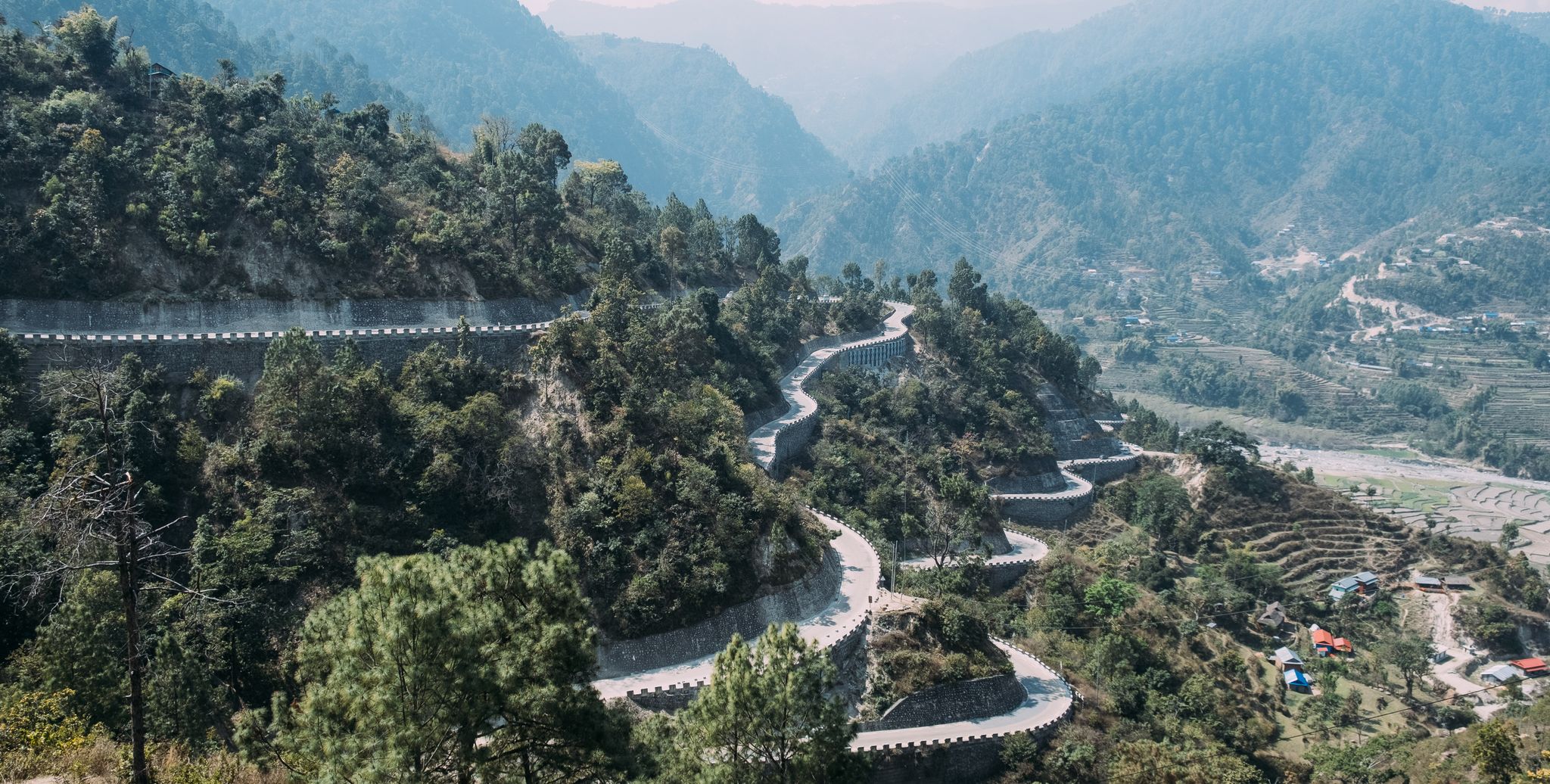
An unforeseen incredible journey – cycling from India to Nepal
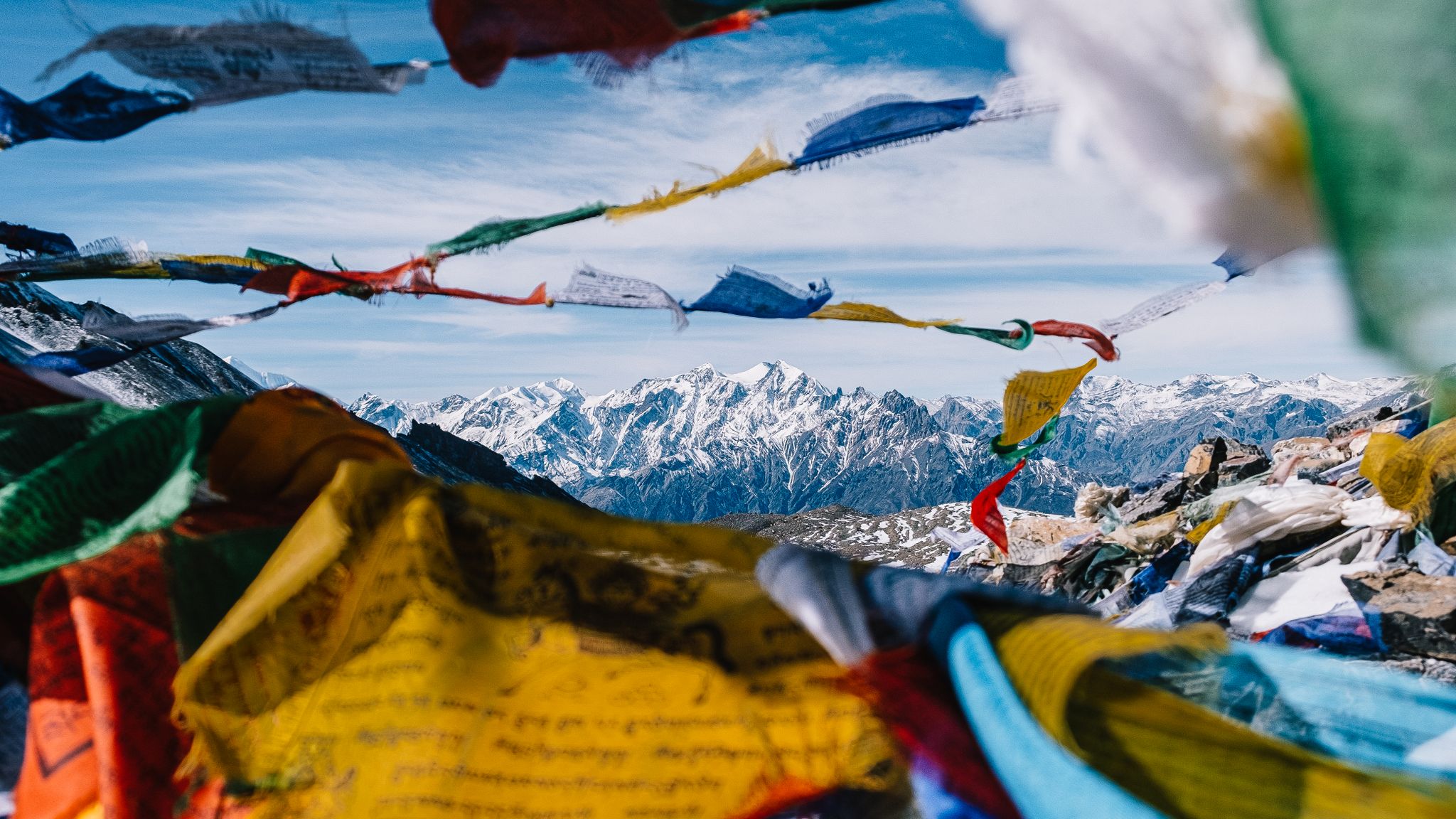
Annapurna Circuit in Nepal – Bikepacking the roof of the world
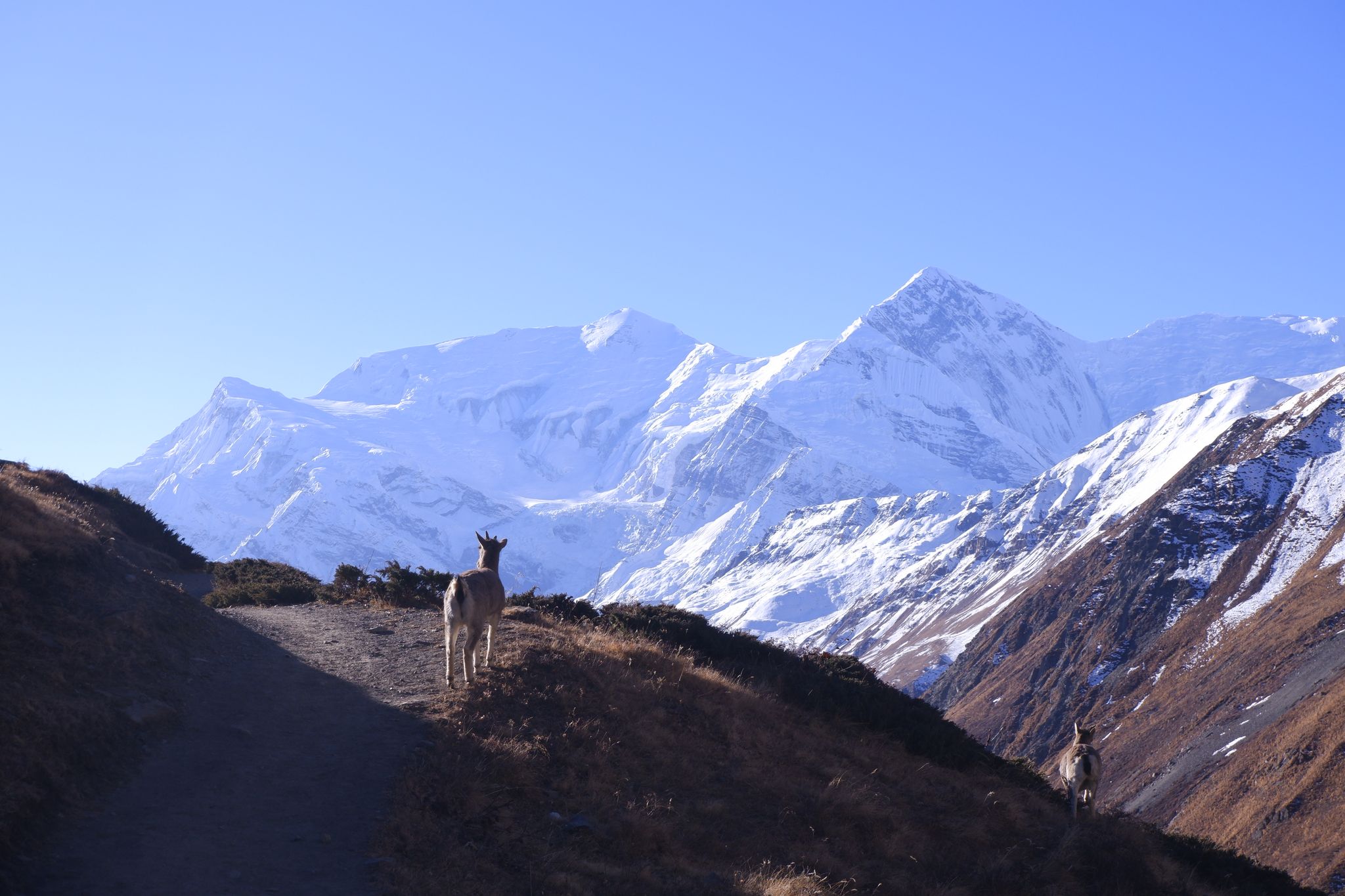
Annapurna Circuit – History and culture at high altitude in Nepal
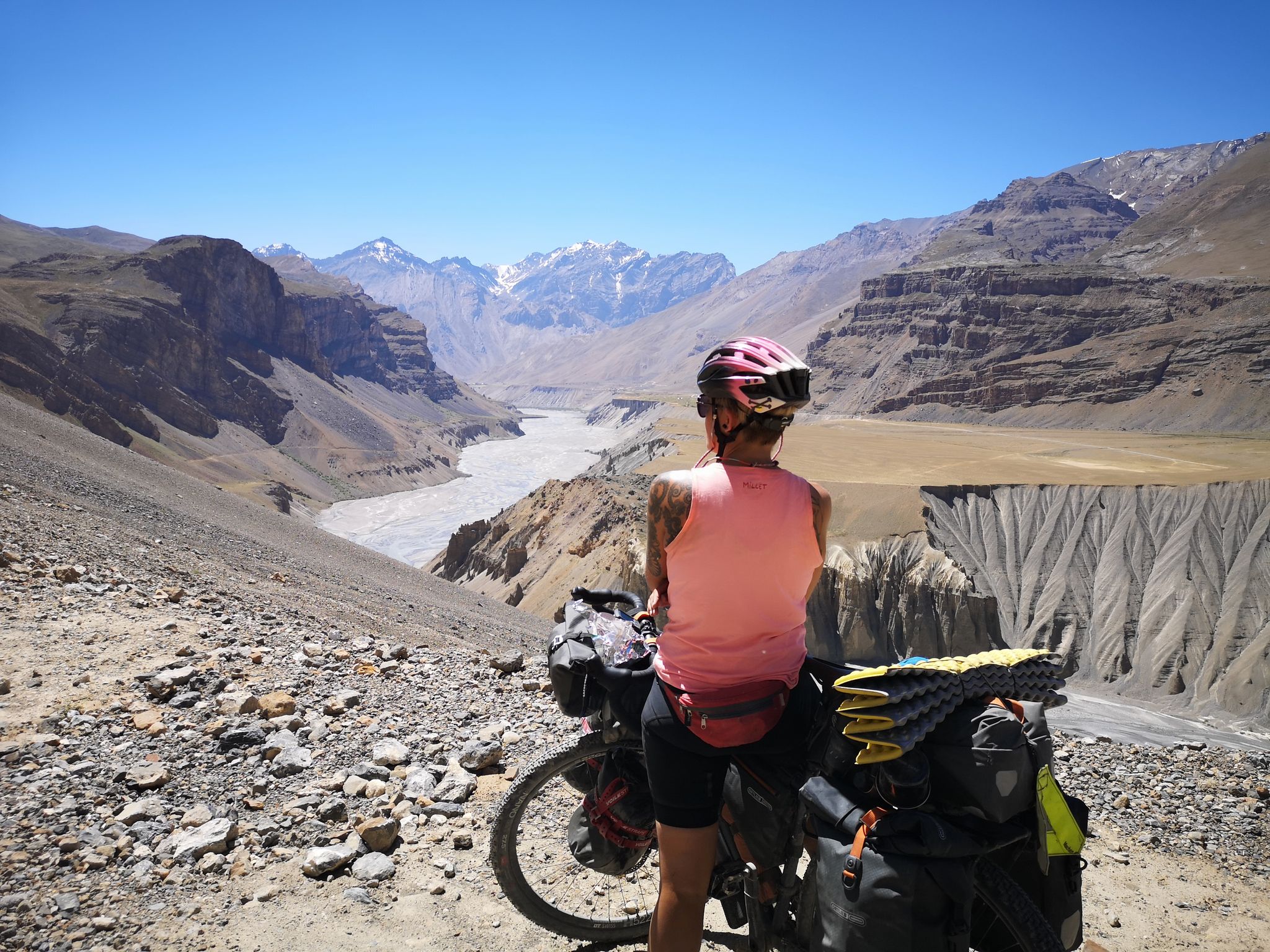
The Spiti Valley – Bikepacking in India
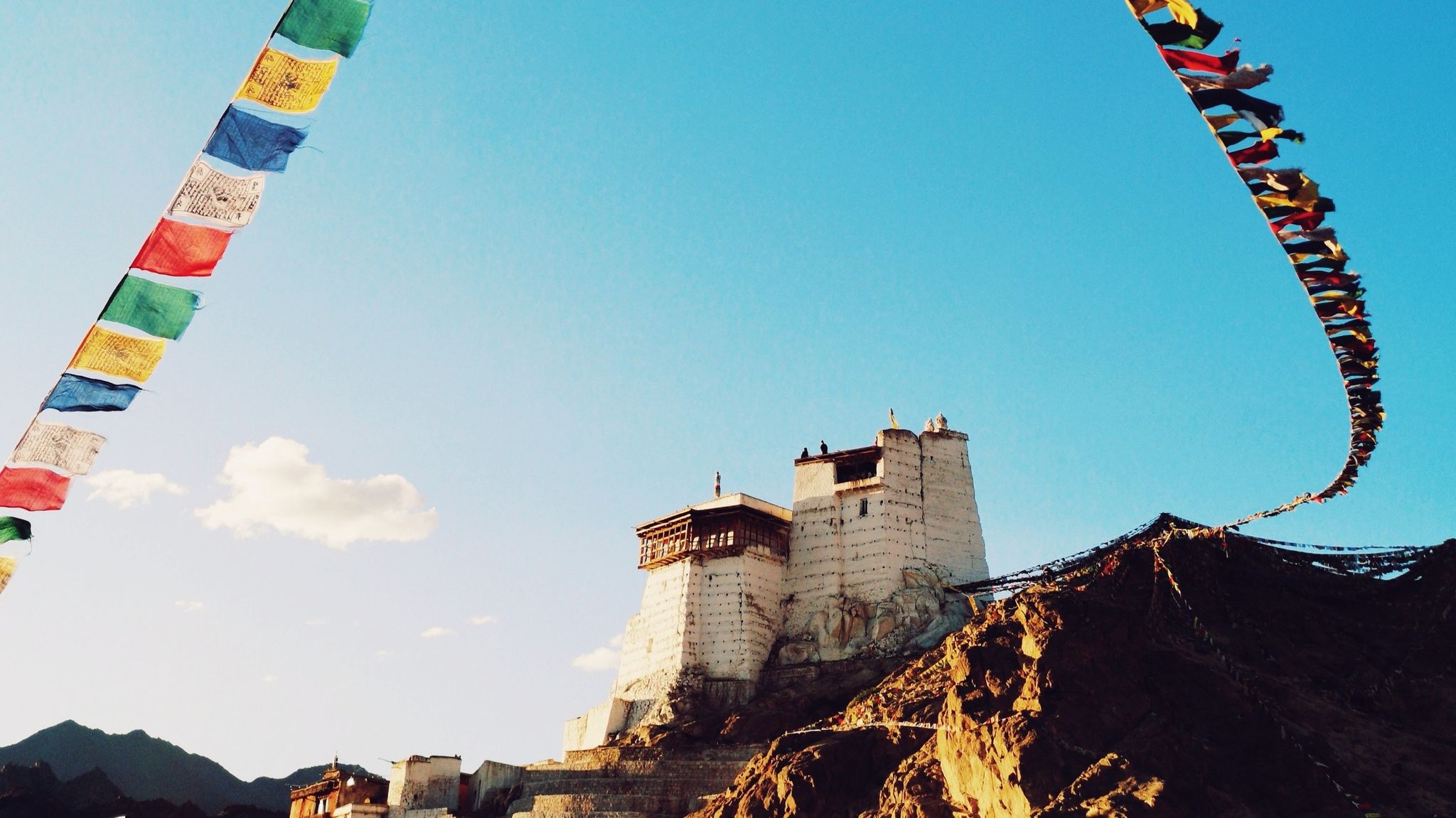
The Leh-Manali Highway – Cycling India
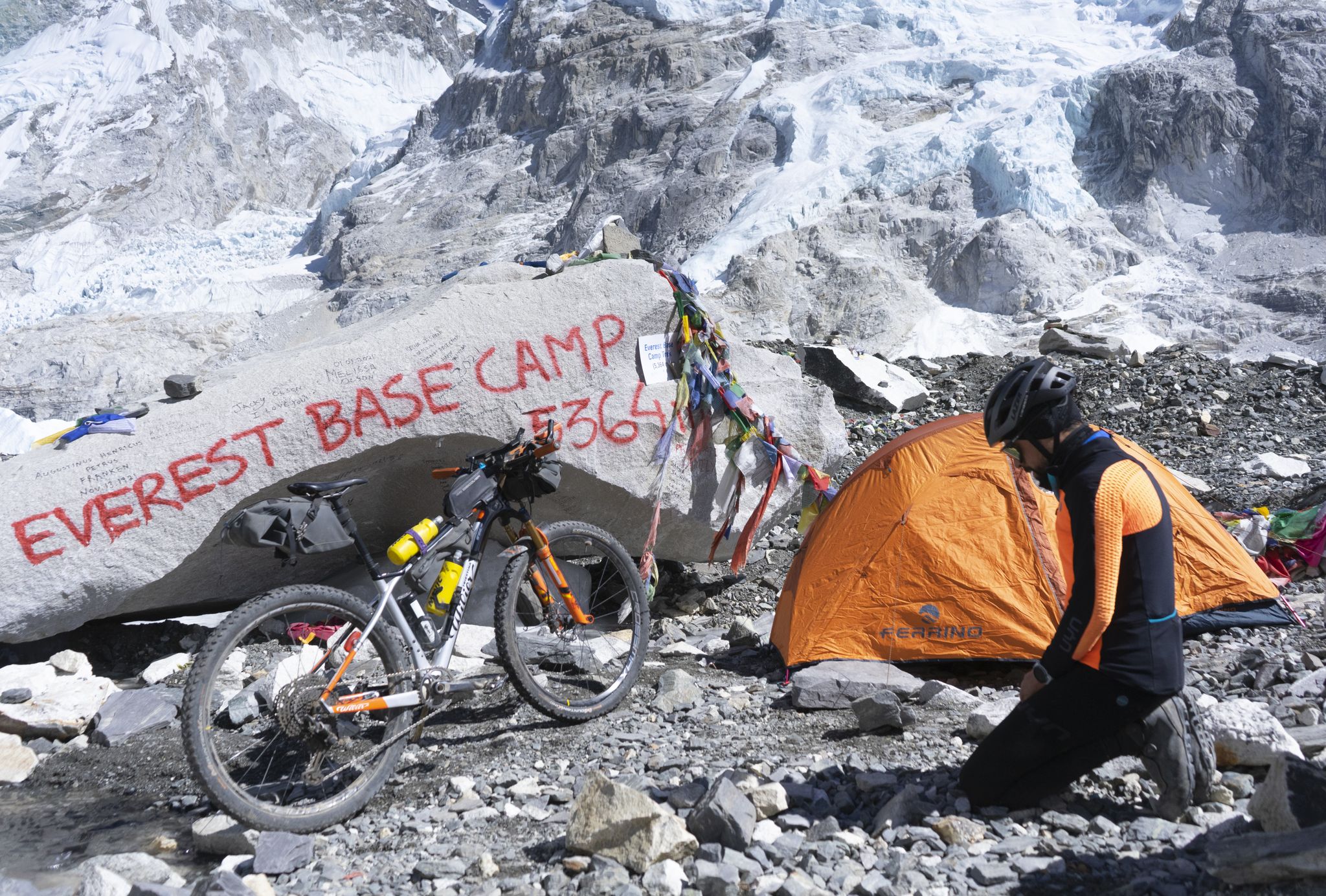
Winter Himalaya: My road to Everest Base Camp at 5364 meters
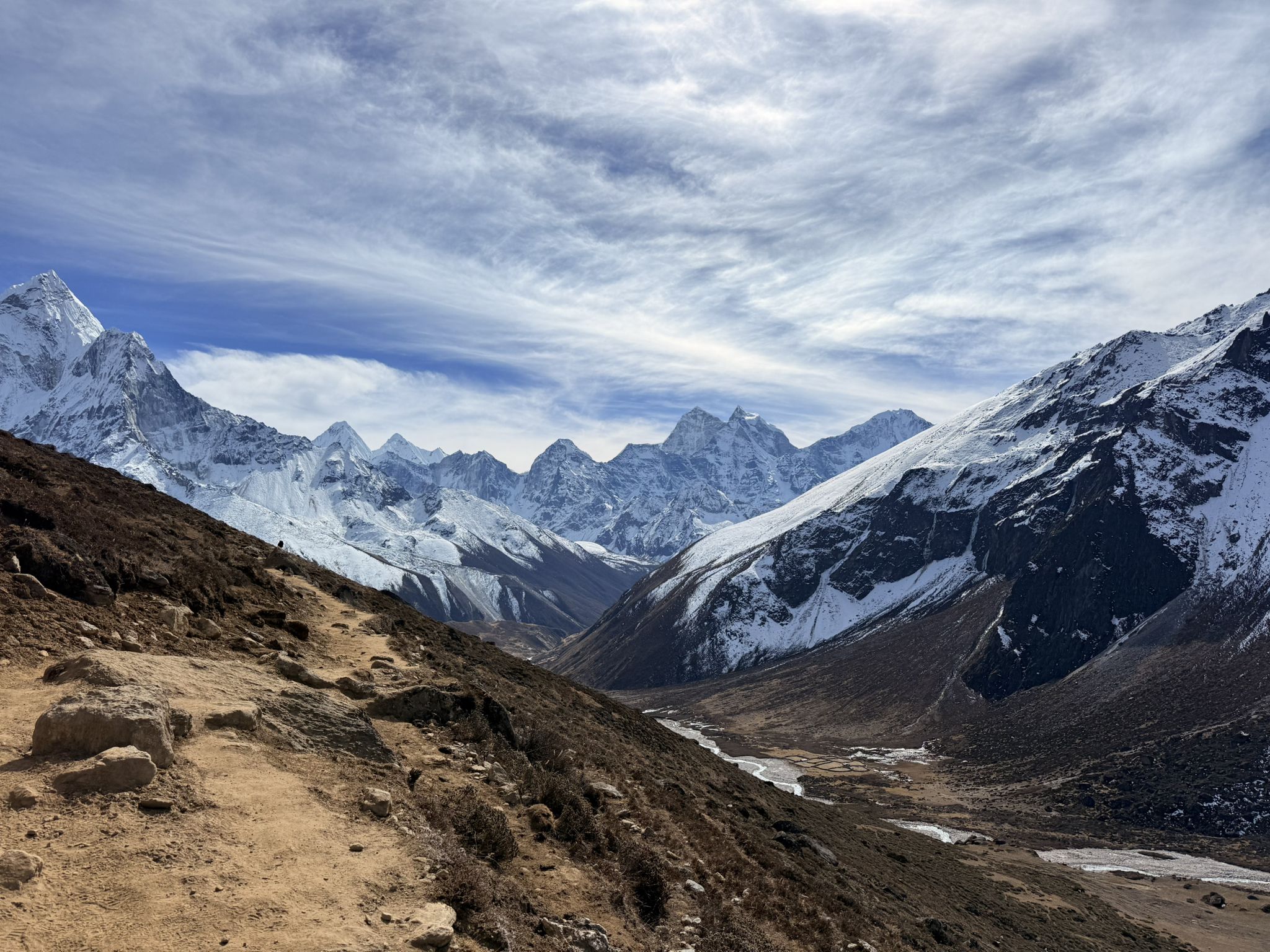
Beneath mighty Everest – fastpacking and running passes in the Khumbu
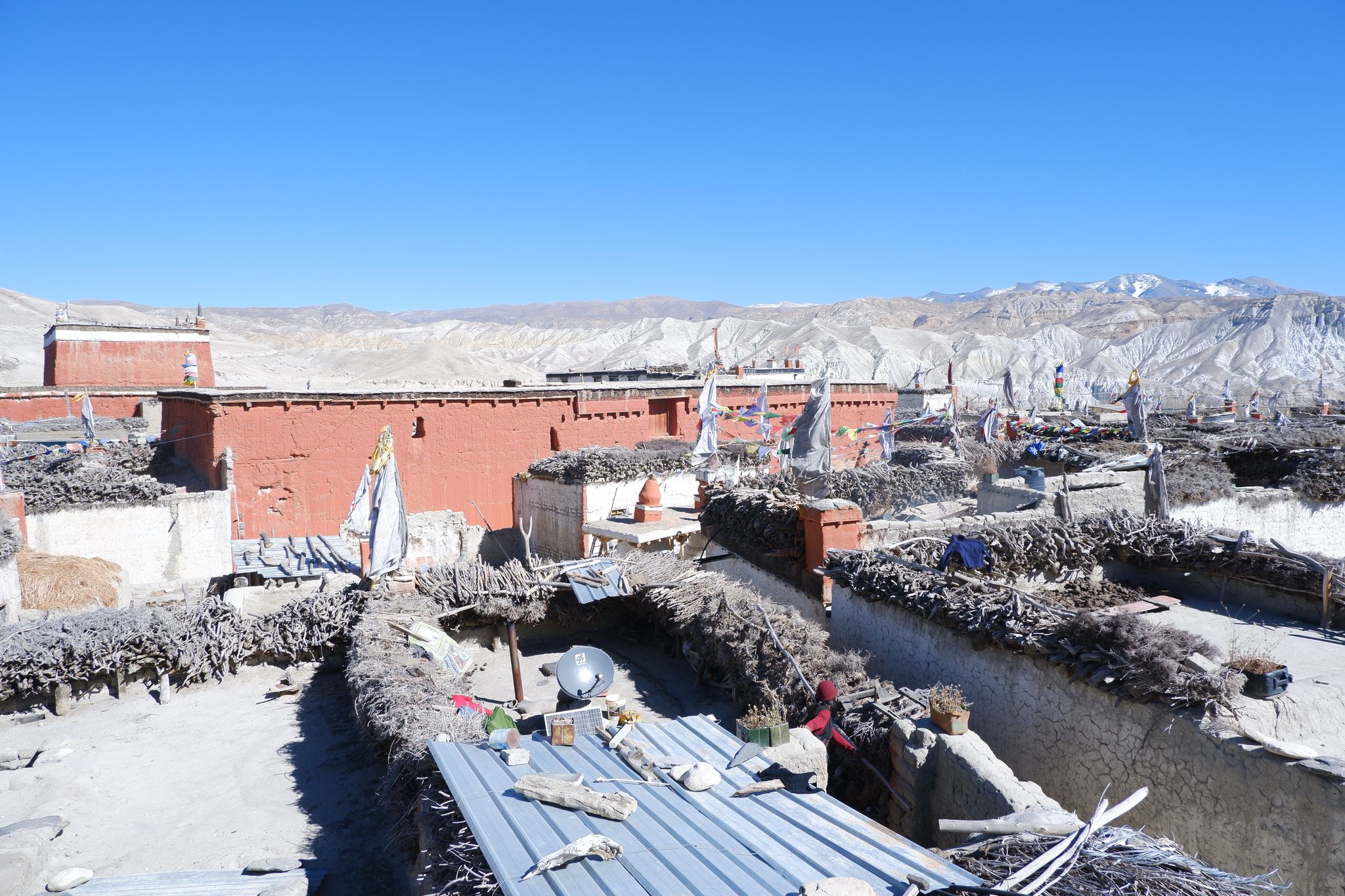
Authentic Nepal – trekking in the history of Mustang
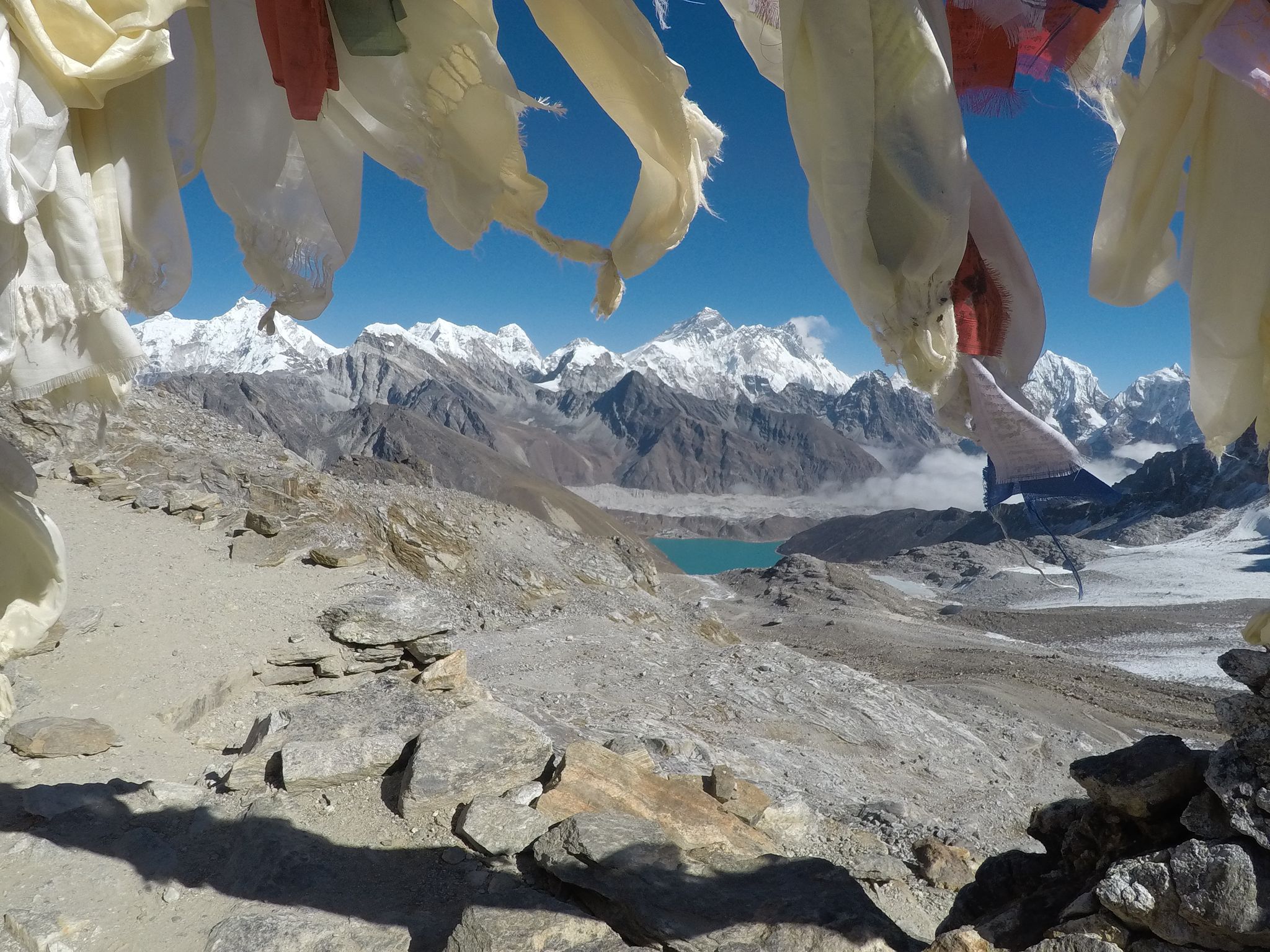
At the foot of Everest – Everest Base Camp with the three passes
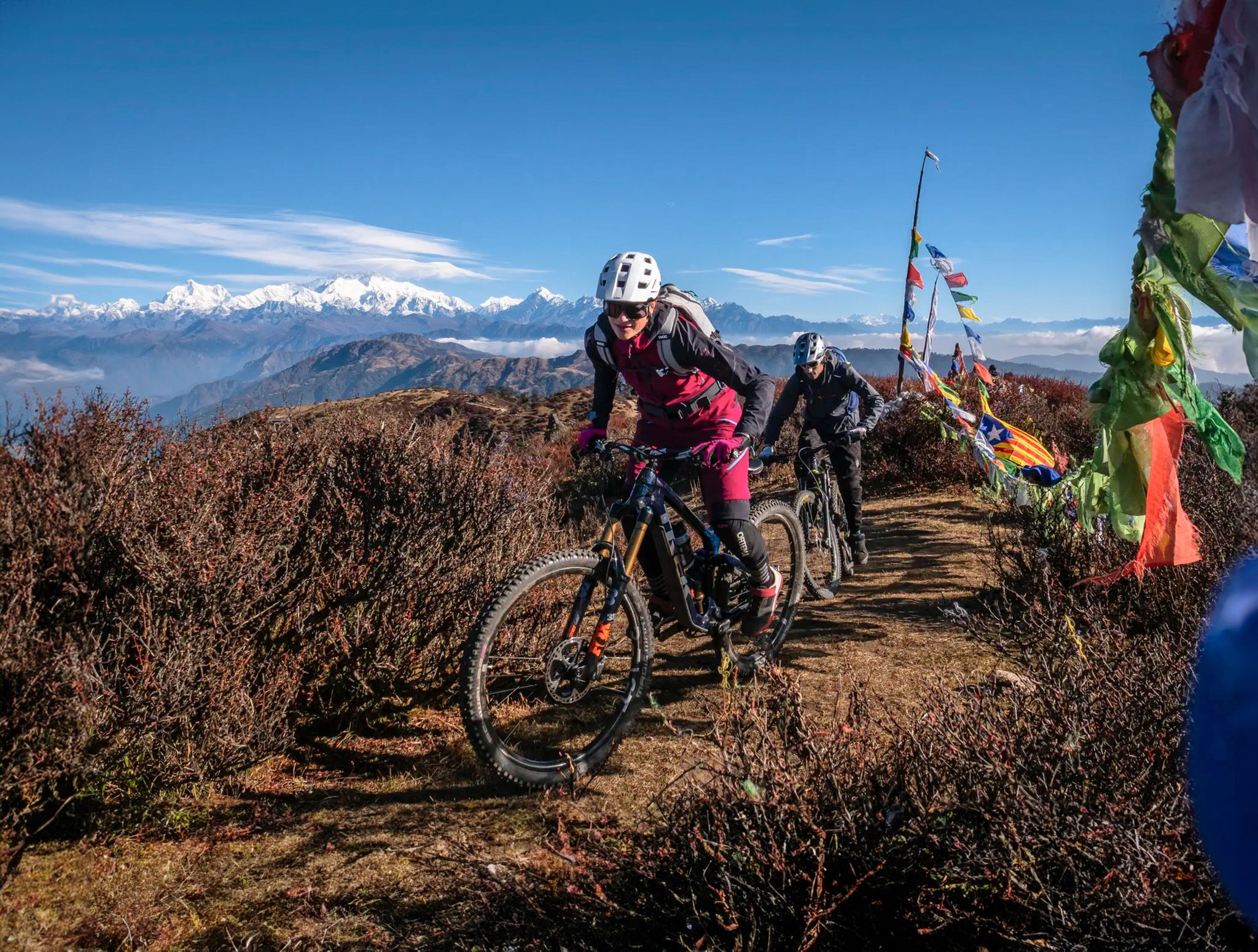
Discover India – an MTB adventure with Steffi Marth


Tips from the Community

Thimphu Dzong, also known as Tashichho Dzong, is a fortress and Buddhist monastery that serves as the seat of the Bhutanese government and religious institutions. Located on the west bank of the Wang Chhu River in Thimphu, it houses the throne room, the king's offices, and the summer residence of the central monastic body. A striking landmark, renowned for its traditional Bhutanese architecture, it is a popular tourist destination.
1
0
Mongar Dzong is a fortress in Bhutan, built in 1930 to replace the old Shongar Dzong. It serves as the administrative and religious center of the district and is known for its traditional architecture, constructed without modern plans or nails. Key features include two entrances, a central tower (utse) with four chapels, and the fact that it hosts the annual Mongar Tshechu Festival in November.
1
0
Trashigang Dzong (Dzongkha: བཀྲ་ཤིས་སྒང་རྫོང, literally "Fortress of Auspicious Hill") is one of the largest dzong fortresses in Bhutan and is located in Trashigang, in the district of the same name. The fortress was built in 1659 to defend against Tibetan invasions. The dzong housed a monastic community and served as the central administrative center of the Trashigang district before being relocated due to ongoing restoration work. Source: https://en.wikipedia.org/wiki/Trashigang_Dzong
1
0
A dzong is a Buddhist fortress-monastery in Bhutan and Tibet that serves as both a religious center and an administrative and defensive stronghold. These massive fortresses were originally built for defense, but today they are primarily used as administrative centers for local districts and monasteries. Each dzong is architecturally unique and houses religious areas such as temples and monks' quarters, as well as administrative offices. Here you'll find a viewpoint overlooking the Trashigang Dzong.
1
0

In Jangothang lies the ruins of the fortress ‘Soe Dzong‘ or also called ‘Jangothang Dzong‘, about which legends are told. http://bhutantodays.blogspot.com/2008/06/bhutan-stony-legend-of-soe-dzong.html
1
0

The old castle of Shigatse, reconstructed after complete destruction, towers over the city
1
0

Nuwakot Durbar is an important part of Nepal's history and a stunning example of the architectural feat of the time. It is a place you should visit to learn more about the history of Nepal. The historic fort was built in the 18th century by Prithvi Narayan Shah, the king who unified Nepal and founded the Shah dynasty. It served as an important strategic point for the Shah's army and was an important trading post between Nepal and Tibet. The fortress consists of various buildings including palaces, temples, stables and warehouses. Unfortunately, numerous buildings were damaged during the 2015 earthquake. The reconstruction is still ongoing.
0
0

In addition to the fantastic view, you can see the Ghale Dzong fortress ruins of the Ghale family (approx. 700-800 years old). You can also make a small detour down.
1
0
Frequently Asked Questions
What architectural styles are common among castles in the Himalaya?
Castles and fortified structures in the Himalaya showcase diverse architectural styles, often blending defensive features with religious and administrative functions. You'll find the distinctive 'dzong' style in Bhutan and Tibet, which fuses secular fort with religious monastery. In Ladakh, structures like Leh Palace reflect a medieval Tibetan style. Nepal's Kathmandu Valley features intricate Newar architecture in its palace complexes, characterized by elaborate woodcarvings. Many are built using local materials like stone, wood, and earth, integrating seamlessly with the mountainous landscape.
What is the historical significance of these Himalayan castles?
These castles served as crucial centers for political, spiritual, and administrative power. Many, like Bhutan's dzongs, were built to defend against invasions and housed monastic communities alongside government offices. Others, such as Nuwakot Durbar in Nepal, were strategic points and trading posts. They offer profound insights into the region's royal grandeur, feudal systems, and the enduring spiritual practices of Himalayan communities.
Are there any castle ruins to explore in the Himalaya?
Yes, several sites offer the chance to explore ancient ruins. For instance, you can visit the Ghale Dzong Fortress Ruins, which are approximately 700-800 years old and offer expansive views. Another notable ruin is the Soe Dzong Ruins (also known as Jangothang Dzong) in Jangothang, where legends are told. Leh Palace in Ladakh, though partially in ruins, still retains much of its charm and historical significance.
What are some notable castles in Bhutan?
Bhutan is particularly famous for its 'dzongs'. Key examples include Punakha Dzong, known for its stunning location at a river confluence and intricate artwork; Tashichho Dzong in Thimphu, which serves as the seat of the Bhutanese government; and Trongsa Dzong, one of the largest and ancestral home of the Royal House. Additionally, Trashigang Dzong and Mongar Dzong are significant fortresses in the eastern region.
Which castles in the Himalaya offer the best panoramic views?
Many Himalayan castles are strategically built on elevated positions, offering breathtaking views. Potala Palace in Tibet provides stunning panoramic views of Lhasa and the surrounding mountains. Gyantse Dzong also offers commanding views of Gyantse city. In Ladakh, Leh Palace overlooks the city of Leh and the Himalayan peaks. For a specific viewpoint of a prominent dzong, consider visiting Trashigang Dzong Viewpoint or Tashichho Dzong Viewpoint.
What is the best time to visit castles in the Himalaya?
The best time to visit Himalayan castles generally depends on the specific region and altitude. Spring (April-May) and autumn (September-November) often offer clear skies, pleasant temperatures, and good visibility for exploring. During these periods, the weather is typically stable, making trekking and sightseeing more enjoyable. Winter visits can be challenging due to snow and extreme cold, especially at higher altitudes, but offer a unique, serene experience for those prepared.
Are there hiking trails near these castles?
Yes, many castles in the Himalaya are situated in areas with extensive hiking opportunities. For example, the Ghale Dzong Fortress Ruins are accessible via an intermediate route. You can find various hiking trails throughout the region, ranging from easy to challenging. Explore options like those listed in the Hiking in the Himalaya guide or the Mountain Hikes in the Himalaya guide for routes near these historical sites.
What outdoor activities can I do near Himalayan castles?
Beyond exploring the castles themselves, the surrounding Himalayan landscape offers a wealth of outdoor activities. You can find numerous hiking and mountain hiking trails, with options for various difficulty levels. For example, there are routes like the 'Poon Hill Viewpoint – View of Annapurna loop' for hiking or 'Gokyo Village and Gokyo Lake – View from Gokyo Ri loop' for mountain hiking. You can also find running trails, such as those around Phewa Lake. Check out the Hiking in the Himalaya, Mountain Hikes in the Himalaya, and Running Trails in the Himalaya guides for more details.
What do visitors enjoy most about exploring castles in the Himalaya?
Visitors frequently appreciate the combination of historical intrigue, cultural immersion, and stunning natural beauty. The dramatic settings of these fortresses, often perched on hillsides or overlooking valleys, provide incredible photo opportunities and a sense of ancient memory. The unique architecture, rich history, and the spiritual atmosphere found within these sites, such as the Potala Palace or the various dzongs, offer a profound connection to the region's heritage.
Are there any castles in Tibet that are particularly significant?
Absolutely. The Potala Palace in Lhasa is arguably the most iconic Tibetan castle, serving as the winter palace of the Dalai Lamas and a spiritual center. It's the world's highest ancient palace complex. Another significant site is Gyantse Dzong, a well-preserved fortress that offers a commanding view of Gyantse city and insights into the region's historical defense strategies. You can also find Shigatse Dzong, another notable castle in Tibet.
What are some notable castles in Ladakh, India?
Ladakh offers several fascinating fortified structures. Leh Palace, overlooking Leh city, is a former royal palace built in the traditional medieval Tibetan style, similar to the Potala Palace. Basgo Fort, though crumbling, provides a unique perspective on Ladakhi architecture and its integration with the natural environment. Stok Palace is the current residence of the former royal family and houses a museum of royal artifacts.
What should I wear when visiting or hiking to Himalayan castles?
Given the varied altitudes and weather conditions in the Himalaya, it's best to dress in layers. Comfortable, moisture-wicking clothing is recommended, along with sturdy hiking boots if you plan to explore trails around the castles. A waterproof and windproof outer layer is essential, as weather can change rapidly. Don't forget sun protection (hat, sunglasses, sunscreen) and warm clothing, even in warmer months, especially at higher elevations or during early mornings/evenings.
Most popular routes in the Himalaya
Most popular attractions in the Himalaya

Get inspired with the komoot mobile app


