Top 4 Castles in Haute-Corse
Best castles in Haute-Corse are found within a region rich in history and strategic importance. This area features numerous fortified structures, often referred to as citadels or towers, that offer insights into the island's past. These sites provide a glimpse into Corsica's cultural significance and offer panoramic views of the surrounding landscapes. The defensive architecture reflects centuries of strategic importance and historical events.
Best castles in Haute-Corse
- The most popular castles is Corte, a settlement featuring the historic Citadelle de Corte, which houses the Museum of Corsica. It served as the capital of independent Corsica under Pasquale Paoli and offers views of the Tavignano and Restonica valleys.
- Another must-see spot is View of Corte and the Citadel, a viewpoint offering panoramas of the Citadelle de Corte, an impressive fortress. Visitors can explore its defensive levels, including the castle and barracks, which now house museums and cultural centers.
- Visitors also love Calvi Citadel, an imposing Genoese bastion. This citadel features massive ramparts, watchtowers, and a labyrinth of narrow streets, providing views of the sea.
- Haute-Corse is known for its diverse fortified heritage, including Genoese citadels, medieval castles, and coastal towers. These structures offer a variety of historical and architectural experiences to explore.
- The castles in Haute-Corse are appreciated by the komoot community, with more than 180 upvotes and over 250 photos shared across 5 highlights.
Last updated: June 29, 2026
Calvi Citadel
Highlight • Settlement
Legend has it that Christopher Columbus was born in Calvi. That's why a statue was built on the square in front of the citadel. But, as always, there are other cities that adorn themselves with Columbus. The birthplace should also be here. You can find it on the tourist office maps. Somewhere in the city there is a tongue-in-cheek sign: "Maison du Culomb - La ruine".
It's been a few years now since we've done several sightseeing flights over Balagne and Calvi with the Aeroclub de Calvi. From above it is something very special.
Translated by Google •
Tip by

Corte
Highlight • Settlement
Translated by Google •
Tip by

Sign up now to discover places like this
Get recommendations on the best single tracks, peaks, & plenty of other exciting outdoor places.
Sign up for free
Citadel of Saint-Florent
Highlight • Castle
Translated by Google •
Tip by

View of Corte and the Citadel
Highlight • Viewpoint
Translated by Google •
Tip by

Ruins of the Castel de Guido de Sabellis
Highlight • Castle
Translated by Google •
Tip by

Start today with a free account
Your next adventure awaits.
Login or Signup
Popular around Haute-Corse
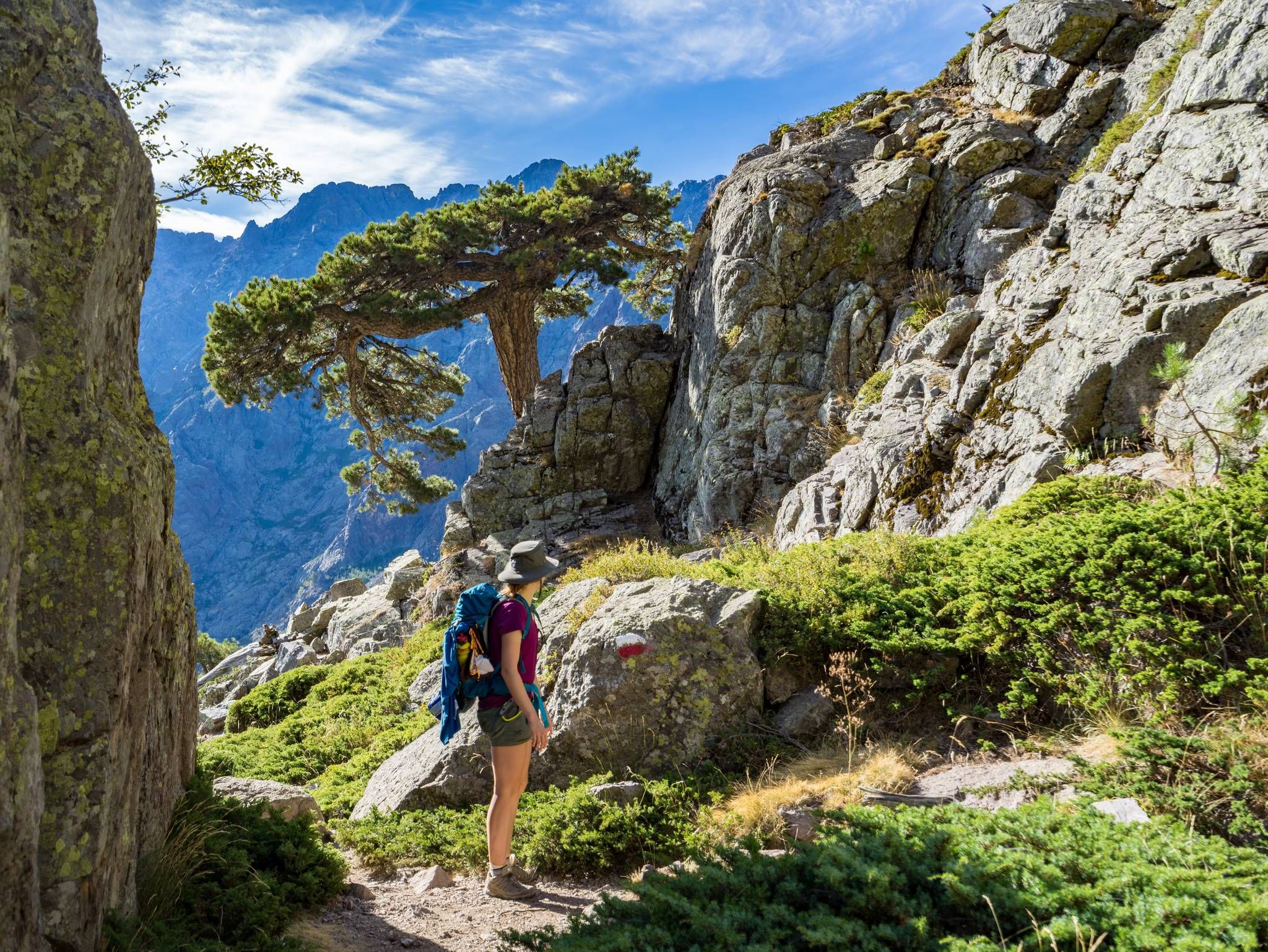
GR20 – Europe's toughest long-distance hiking trail through Corsica
Mare è Monti north – From the mountains to the sea
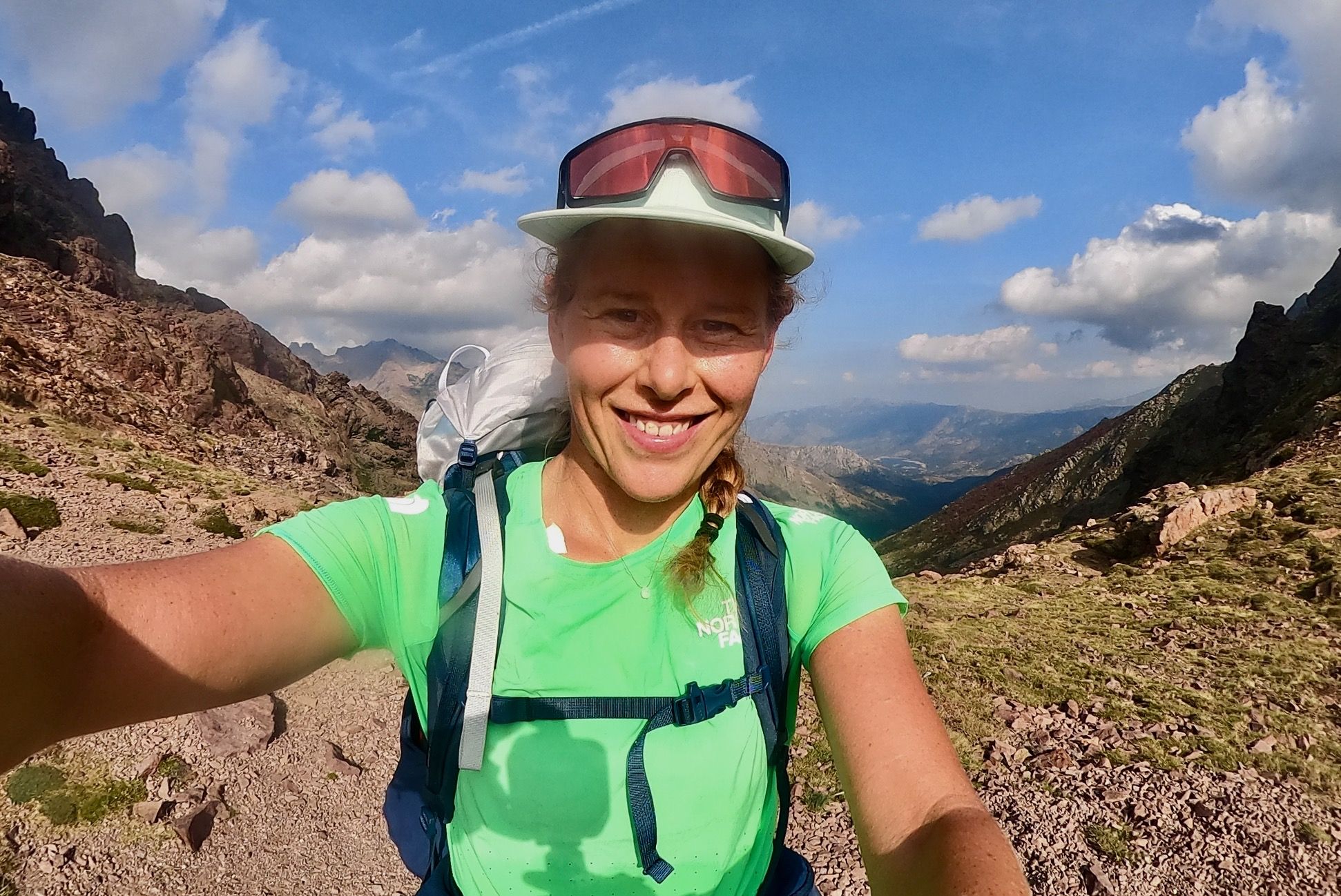
GR 20 – Six days backpacking the peaks and refuges of Corsica
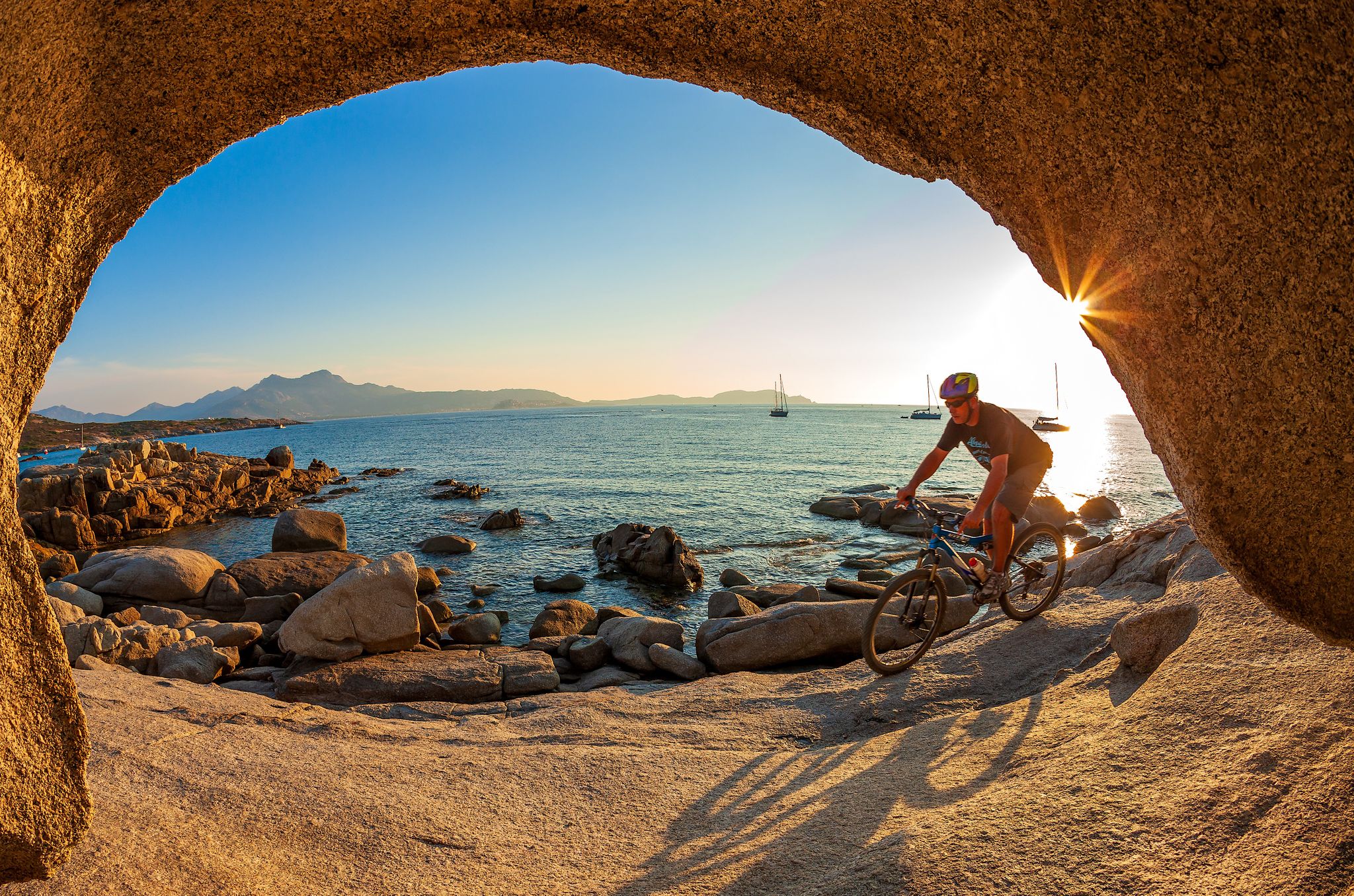
Mountain biking in Corsica – routes between Balagne and Castagniccia
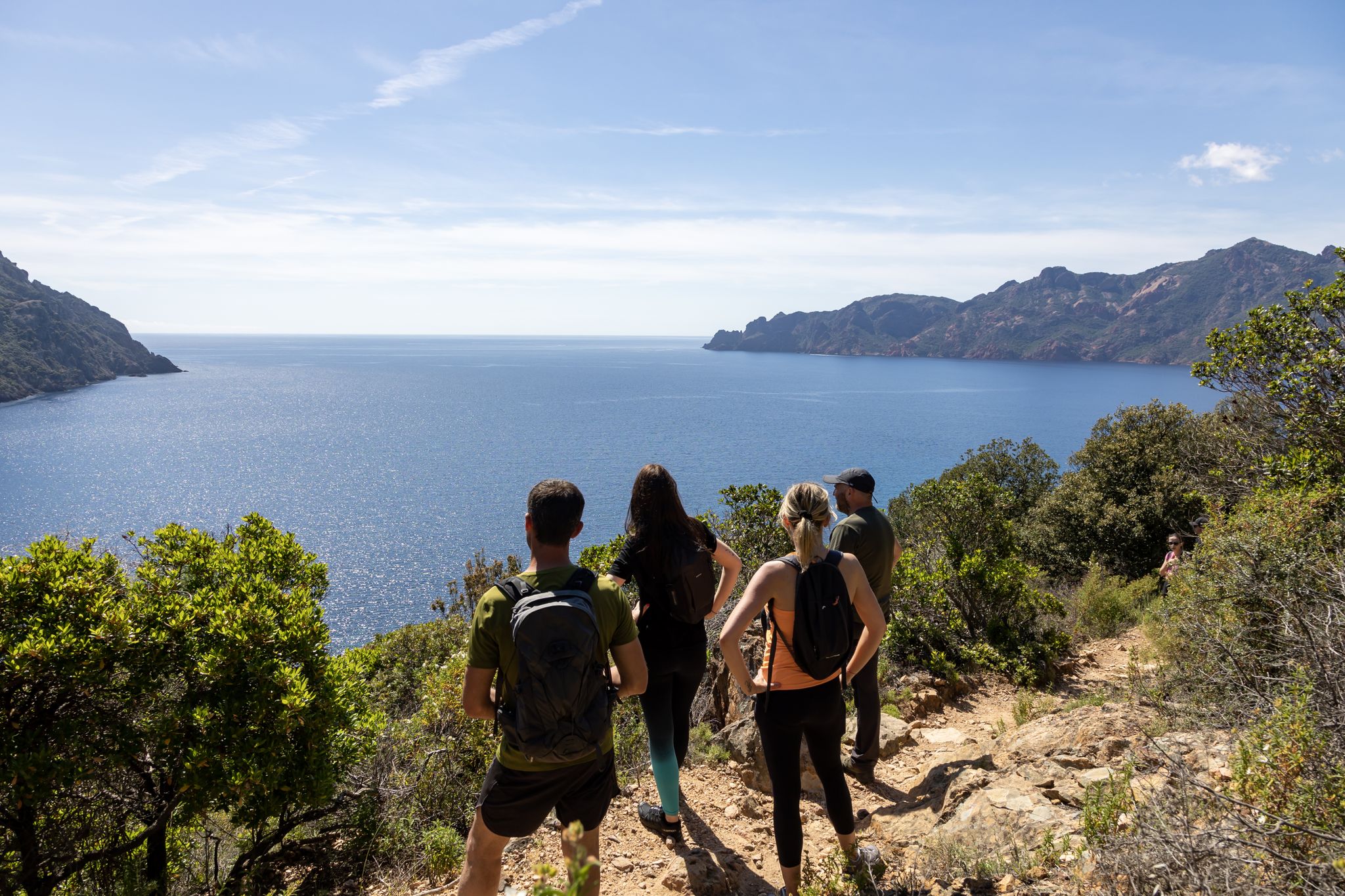
Corsica's discovery hikes — between sea and mountains
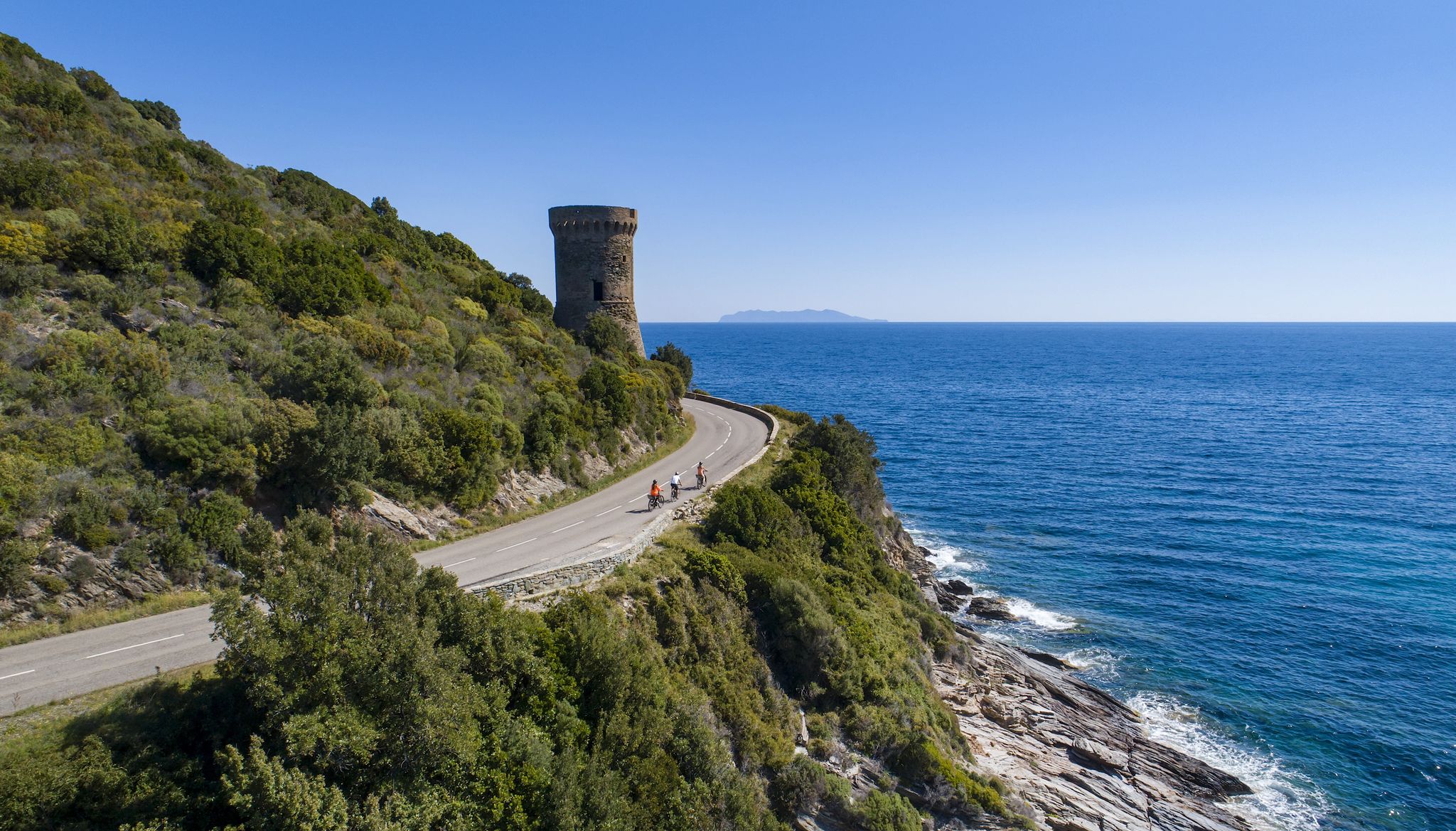
The Great Crossing of Corsica by bike – GT 20
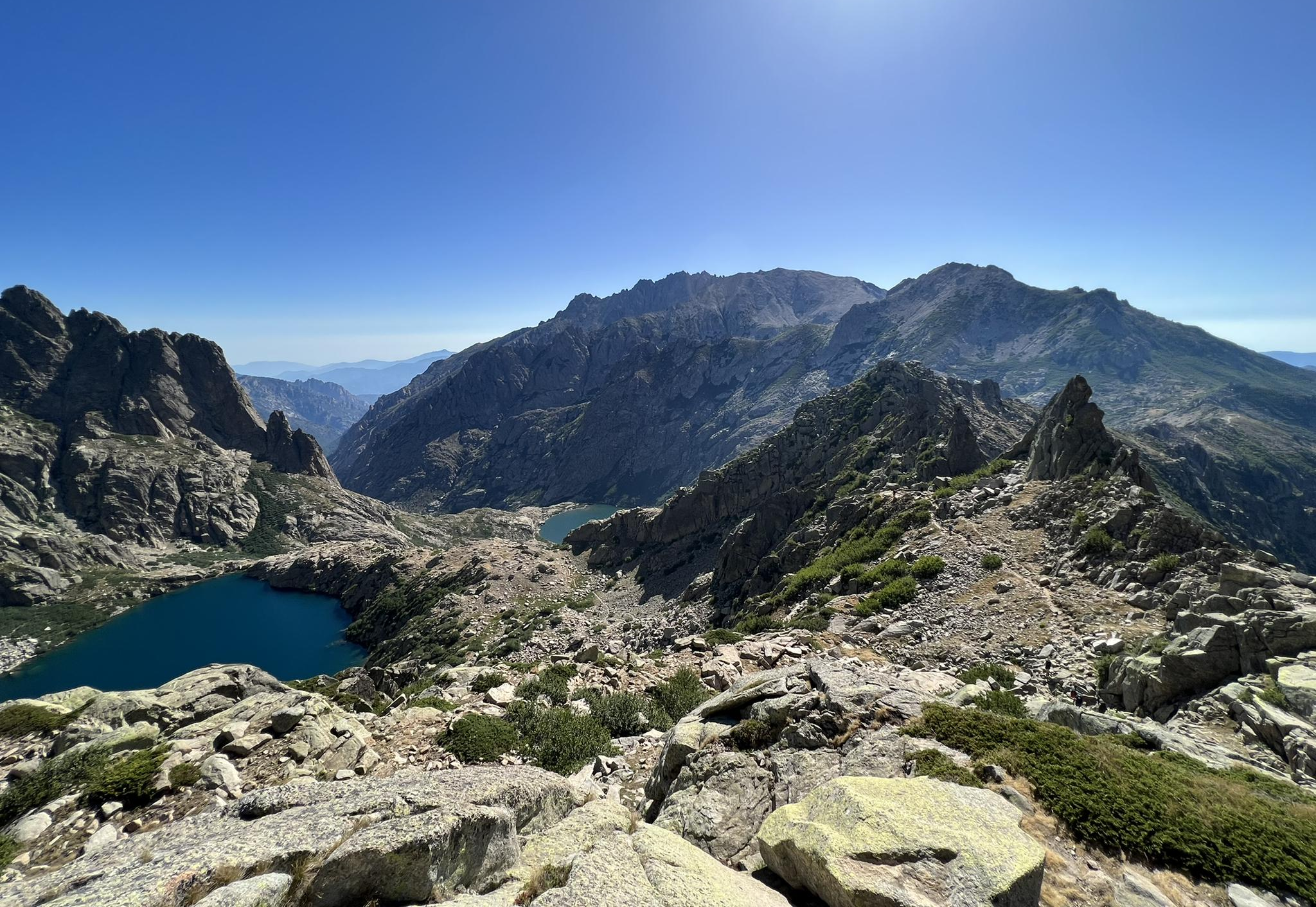
Great hikes of Corsica – Terre de nature
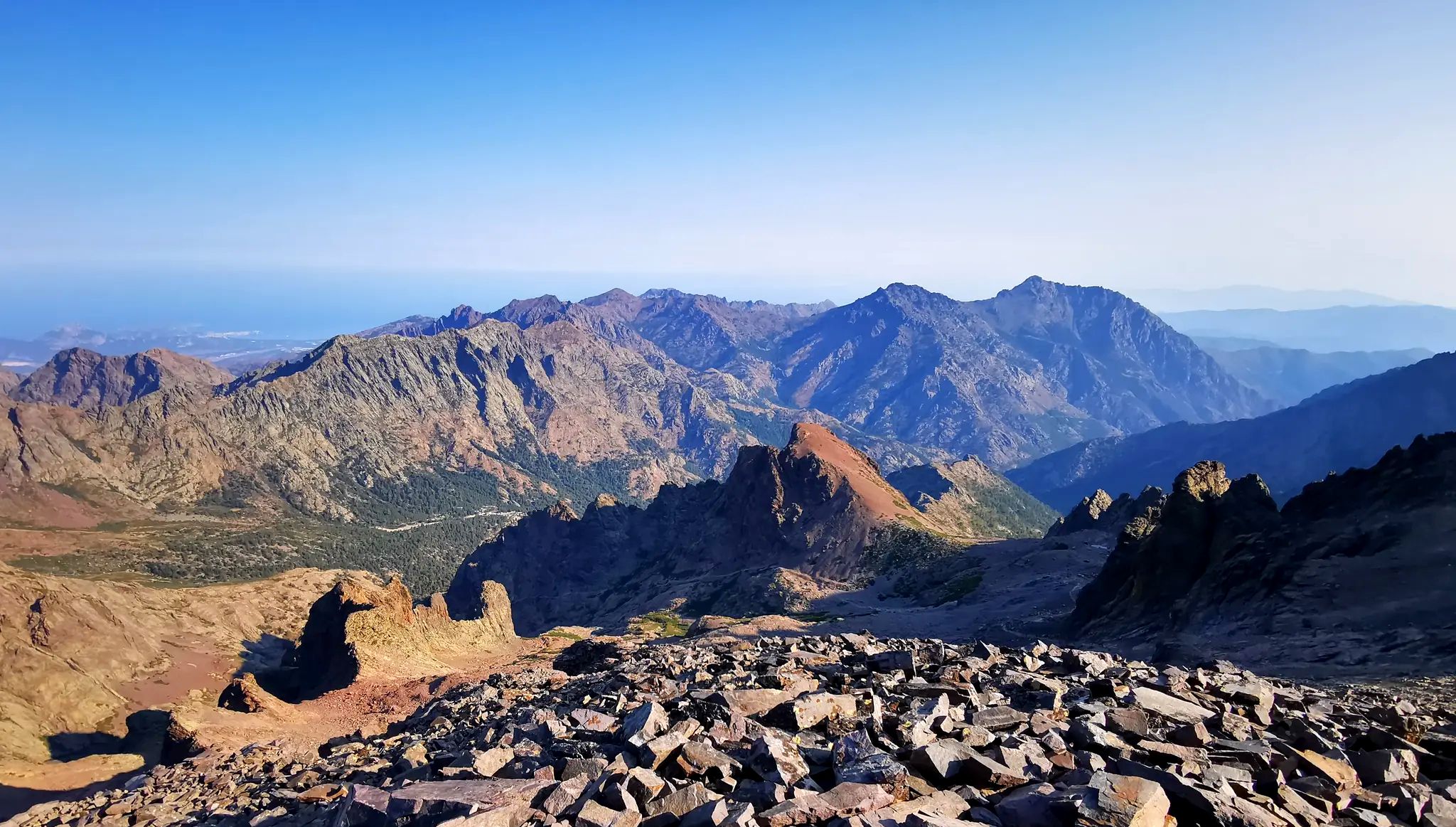
Hiking to the summits – France's highest points
Running the toughest trail in Europe – GR 20 in Corsica
In the footsteps of the Corsican shepherds – Sentier de la transhumance
Other adventures in Haute-Corse


Tips from the Community

The **Citadel of Corte**, also called the "Nid d'Aigle" (Eagle's Nest), is an impressive fortress towering high above the Corsican city. ### 🛡️ Brief description: * **Unique location and construction history:** The only major Genoese fortress in the island's interior, built on a rugged rocky outcrop – erected in 1419 by Vincentello d'Istria, and significantly expanded in the 18th century according to Vauban principles. * **Structure & Defense:** Three defensive levels with defensive walls, battlements, a castle ("Nid d'Aigle"), and barracks high above the confluence of the Tavignano and Restonica rivers. * **Historical significance:** Center of Corsican power under Pasquale Paoli (1755–1769), later a garrison, prison, and site of the Foreign Legion until 1983. * **Current use:** Since 1984 as the **Museum of Corsica** (art, history, and anthropology), headquarters of the FRAC CORSICA, tourist office, and multicultural center – open to the public, including barracks, prison, and outdoor facilities. * **Views & atmosphere:** Breathtaking panoramas over Corte and the river valleys beyond (Restonica, Tavignano), plus a step-by-step tour of impressive architecture. **In brief:** The Citadel of Corte – a historically significant fortified structure in the eagle's nest style, a unique site in the Corsican highlands. Today, it houses fascinating museums, diverse cultural offerings, and offers spectacular views. Ideal for those seeking to combine history, architecture, and landscape.
2
0
The Citadel of Saint-Florent is an impressive, historic fortress overlooking the city's picturesque harbor. Built in the 15th century (from 1440/39) by the Genoese under Giano Campofregoso, it was expanded in the 16th and 17th centuries with two round towers and a striking square tower structure. Architecture: The cylindrical main structure with two crescent-shaped towers and a square keep is striking – a masterpiece of military architecture. Strategic Location: It maintained a view and control over the Gulf of Saint-Florent and protected important trade routes, as well as Bastia in the background. Historical Significance: It played a central role in several sieges (1553–54), and was the site of Pascal Paoli's exile in 1795. It was later converted into a garrison and gendarmerie base. Damaged during World War II Today: Municipal property since 1986, protected as a historic monument since 1991/94; serves as a cultural space with summer exhibitions and music festivals, with magnificent panoramic views. In brief: The Citadel of Saint-Florent is a massive, circular Genoese fortress with three towers, strategically located above the town. It reflects centuries of turbulent Corsican history and today offers cultural uses as well as spectacular views of the harbor and gulf.
1
0


Beautiful view over the bay of St. Florent
0
0

Calvi is located 95 km from Bastia and 24 km from L'Île-Rousse on the Gulf of Calvi. The city consists of the lower town, where the town hall, the market square and the important marina are located, and the upper town, dominated by the governor's palace and the citadel. Corsica has seven ports served by transport ships or ferries from the French (Marseille, Toulon, Nice) or Italian (Savona, Genoa, La Spezia, Livorno, Piombino) coasts and from Sardinia (Santa Teresa di Gallura, Porto Torres, Palau). These are L'Île-Rousse, Calvi, Propriano, Ajaccio, Bonifacio, Bastia and Porto-Vecchio. Ferry services in Calvi have since been suspended.
1
0
Calvi is a French port city on the northwest coast of Corsica and the capital of the Balagne region. With 5,746 inhabitants, it is the fifth largest municipality in Corsica.
1
0
Although malaria raged devastatingly, the town was fiercely fought over by the French, Genoese and Corsicans in the 16th century. However, little remains of the fortress built in 1439, apart from the round keep. The fortress itself was demolished in the 17th century when Genoa's rule seemed secure and Saint-Florent no longer had any strategic importance. The town experienced a new growth spurt after Napoleon III ordered the draining of the swamps, thus eradicating the cause of malaria.
1
0
Saint-Florent dates back to a small settlement that once arose in the protection area of the Genoese round fortress. The citadel was built by the Genoese in 1440 and served as the seat of the Bishop of Nebbio and the governor's palace until the 18th century. The small Pianese church from the 12th century, Santa Maria Assunta, was built as a cathedral for the then diocese of Nebbio.
1
0
Frequently Asked Questions
What historical significance do the fortified structures in Haute-Corse hold?
The fortified structures in Haute-Corse, often citadels or towers, are deeply rooted in the island's history, primarily serving as crucial defenses against invasions and pirate raids. They reflect centuries of Genoese influence, Corsican resistance, and strategic importance. For example, the Citadelle de Corte was the capital of independent Corsica under Pasquale Paoli, while the Citadelle de Bastia was founded by the Genoese in 1380 to protect the Old Port.
Which castles or citadels offer the best panoramic views?
Many of Haute-Corse's fortified sites are strategically positioned to offer breathtaking views. The Calvi Citadel provides impressive vistas of the town and the Mediterranean Sea. From the Citadelle de Corte, you can enjoy panoramic views of Corte and the Tavignano and Restonica valleys. The Tour de Nonza, perched on a 167-meter-high cliff, offers stunning views of the Gulf of Saint-Florent and the Cap Corse coastline.
Are there family-friendly castles to visit in Haute-Corse?
Yes, several sites are suitable for families. The Citadelle de Corte, which houses the Museum of Corsica, offers an engaging historical experience for all ages. Its accessible layout and cultural exhibits make it a great family destination. The Calvi Citadel, with its labyrinthine streets and historical architecture, also provides an interesting and explorable environment for families.
What is the best time of year to visit the castles in Haute-Corse?
The best time to visit is generally during the spring (April to June) and early autumn (September to October). During these periods, the weather is pleasant for exploring, and the crowds are typically smaller than in the peak summer months. Summer (July and August) can be very hot and busy, especially in coastal areas like Calvi and Bastia, though the inland Citadelle de Corte might offer slightly cooler temperatures.
What outdoor activities can I do near the castles in Haute-Corse?
Haute-Corse offers a variety of outdoor activities near its historical sites. You can find numerous hiking trails, such as those listed in the Easy hikes in Haute-Corse guide, which include routes like the 'Genoese Tower of Nonza – Punta Spano loop'. For cycling enthusiasts, there are MTB trails and gravel biking routes, as detailed in the MTB Trails in Haute-Corse and Gravel biking in Haute-Corse guides. Many of these routes offer scenic views and pass by or near historical landmarks.
Are there hiking trails to reach specific citadels?
While some citadels are easily accessible within towns, others are situated on elevated positions that can be reached via scenic walks. For instance, the Citadelle de Corte is located high above the town, and exploring its various levels involves walking up. The Tour de Nonza is perched on a cliff, offering a rewarding walk to its summit. Many local trails, such as those found in the Easy hikes in Haute-Corse guide, can lead you to viewpoints or directly to these historical sites.
Are any castles in Haute-Corse wheelchair accessible?
Accessibility can vary significantly between sites due to their historical nature and often rugged terrain. The Citadelle de Bastia, with its labyrinthine streets and steep sections, may present challenges. The Calvi Citadel also features narrow, cobbled streets. For specific accessibility information, it is recommended to check with the individual sites directly before your visit, as many older structures may have limited provisions for wheelchairs.
Can I bring my dog to the castles or nearby trails?
Policies regarding dogs can differ. While many outdoor trails and natural areas in Haute-Corse are generally dog-friendly, access to the interior of historical monuments, museums, or specific citadel areas might be restricted. It's best to check the specific rules for each site you plan to visit. For example, the Citadelle de Corte, which houses a museum, may have restrictions. Always keep dogs on a leash and clean up after them.
What are the parking options when visiting castles in Haute-Corse?
Parking availability varies by location. For urban citadels like Bastia and Calvi, you'll typically find paid parking lots or street parking in the vicinity, though it can be busy during peak season. For the Citadelle de Corte, parking is usually available in the town below, requiring a walk up to the citadel. For more remote sites like the Tour de Nonza, smaller parking areas might be available nearby. Public transport options are also available in larger towns.
Are there cafes or restaurants near the castles?
Yes, you'll find numerous dining options near the major citadels. The Citadelle de Bastia and Calvi Citadel are located within vibrant towns with a wide array of cafes, restaurants, and shops. The Citadelle de Corte is also situated above a town that offers various eateries. Even smaller villages like Nonza, home to the Tour de Nonza, often have charming local establishments where you can enjoy a meal or a drink.
Are there any lesser-known or 'hidden gem' fortified sites worth visiting?
Beyond the prominent citadels, Haute-Corse has several intriguing, lesser-known fortified sites. The Tour de Nonza, a distinctive square tower rebuilt by Pasquale Paoli, offers a unique architectural and historical experience with stunning views. While mostly ruins, the Castellu di Rustinu features two donjons overlooking the Golu valley and is a site of archaeological interest. These offer a glimpse into Corsica's past away from the main tourist hubs.
What do visitors enjoy most about the castles and citadels in Haute-Corse?
Visitors consistently praise the rich history, impressive architecture, and breathtaking panoramic views offered by these sites. The Calvi Citadel is loved for its old walls, charming alleys, and sea views. The Citadelle de Corte is appreciated for its historical significance as the former capital and its location amidst stunning natural landscapes. The unique atmosphere and the sense of stepping back in time are frequently highlighted by those who explore these fortified treasures.
Most popular routes in Haute-Corse
Most popular attractions in Haute-Corse

Get inspired with the komoot mobile app


Explore more
Looking for the best castles somewhere else? Discover other guides in Haute-Corse:
