Top 4 Caves in Pyrénées-Atlantiques
Caves in Pyrénées-Atlantiques offer a journey through a region rich in geological formations and prehistoric significance. Located in southwestern France, this area encompasses parts of the Pyrenees mountains and the Basque Country. The subterranean landscapes here provide insights into ancient human history and showcase impressive natural structures. Visitors can explore a variety of cave systems, from archaeological sites to vast underground chambers.
Best caves in Pyrénées-Atlantiques
- The most popular caves is Harpéa Cave, a cave known for its famous…
Last updated: June 29, 2026
Harpéa Cave
Highlight • Cave
Translated by Google •
Tip by

Sainte-Engrâce
Highlight • Settlement
Translated by Google •
Tip by

Sign up now to discover places like this
Get recommendations on the best single tracks, peaks, & plenty of other exciting outdoor places.
Sign up for free
Eaux-Chaudes Cave
Highlight • Cave
Translated by Google •
Tip by

Grotte aux Chaudes
Highlight • Cave
Translated by Google •
Tip by

Grotte d'Arpea
Highlight • Cave
Translated by Google •
Tip by

Start today with a free account
Your next adventure awaits.
Login or Signup
Popular around Pyrénées-Atlantiques
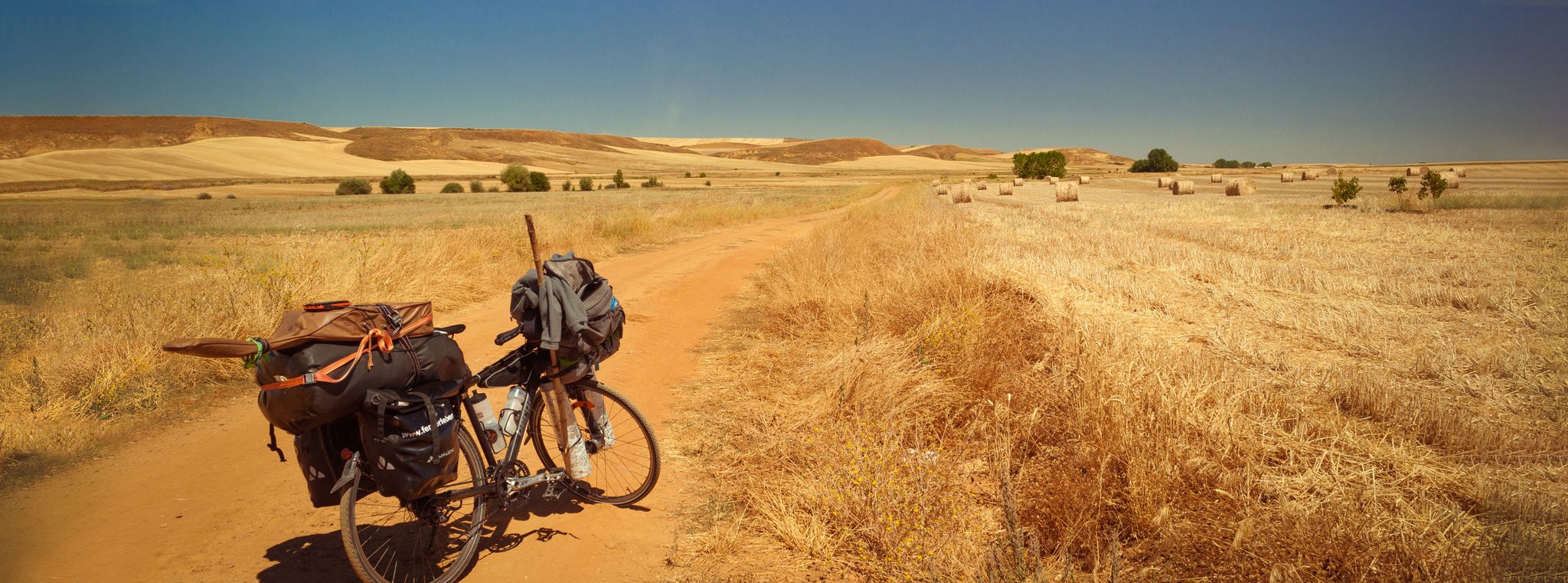
Camino Francés and Camino Finisterre – Cycling pilgrimages in Spain
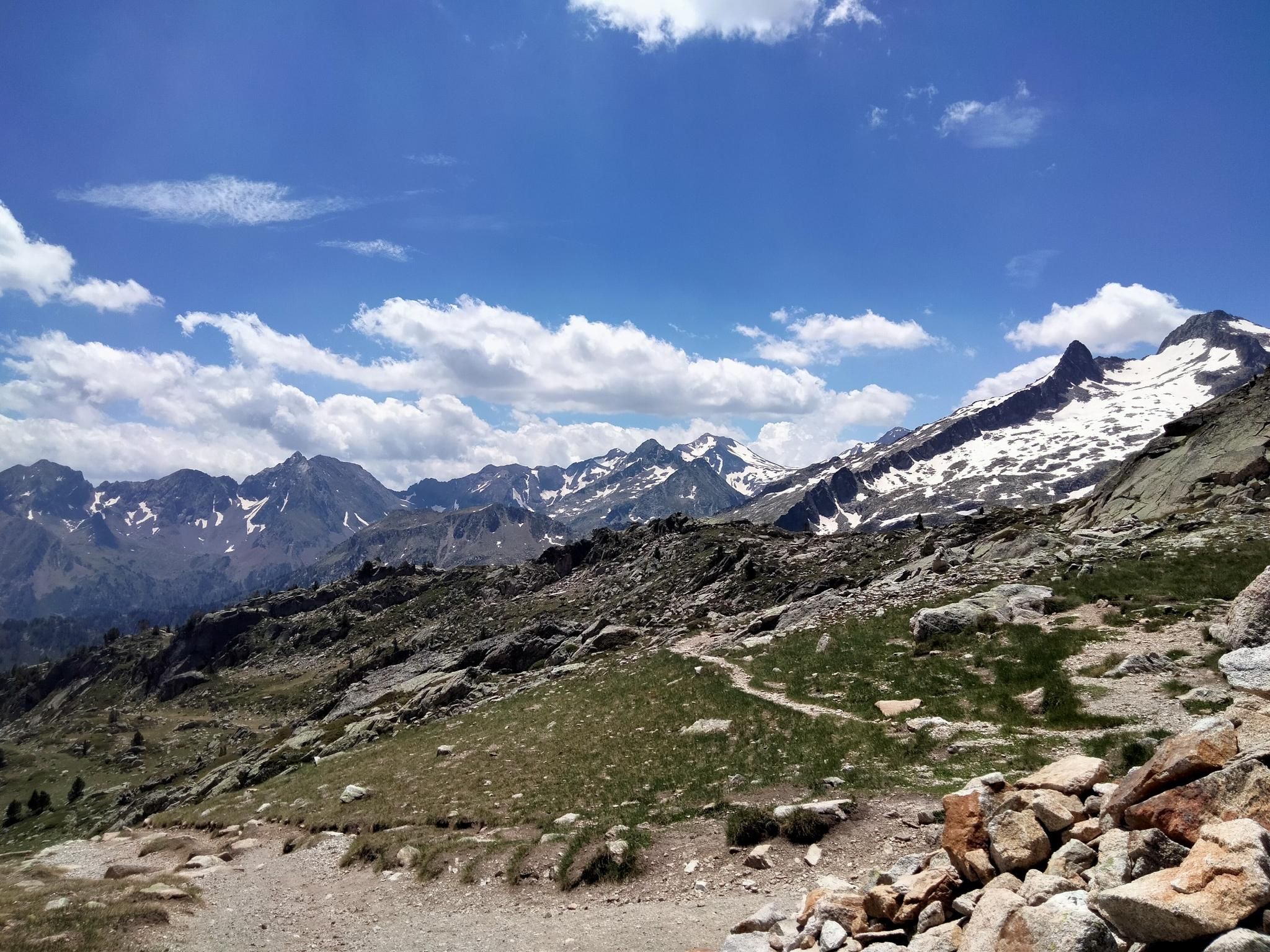
Hexatrek, the western and central Pyrenees – Between mountains and the ocean
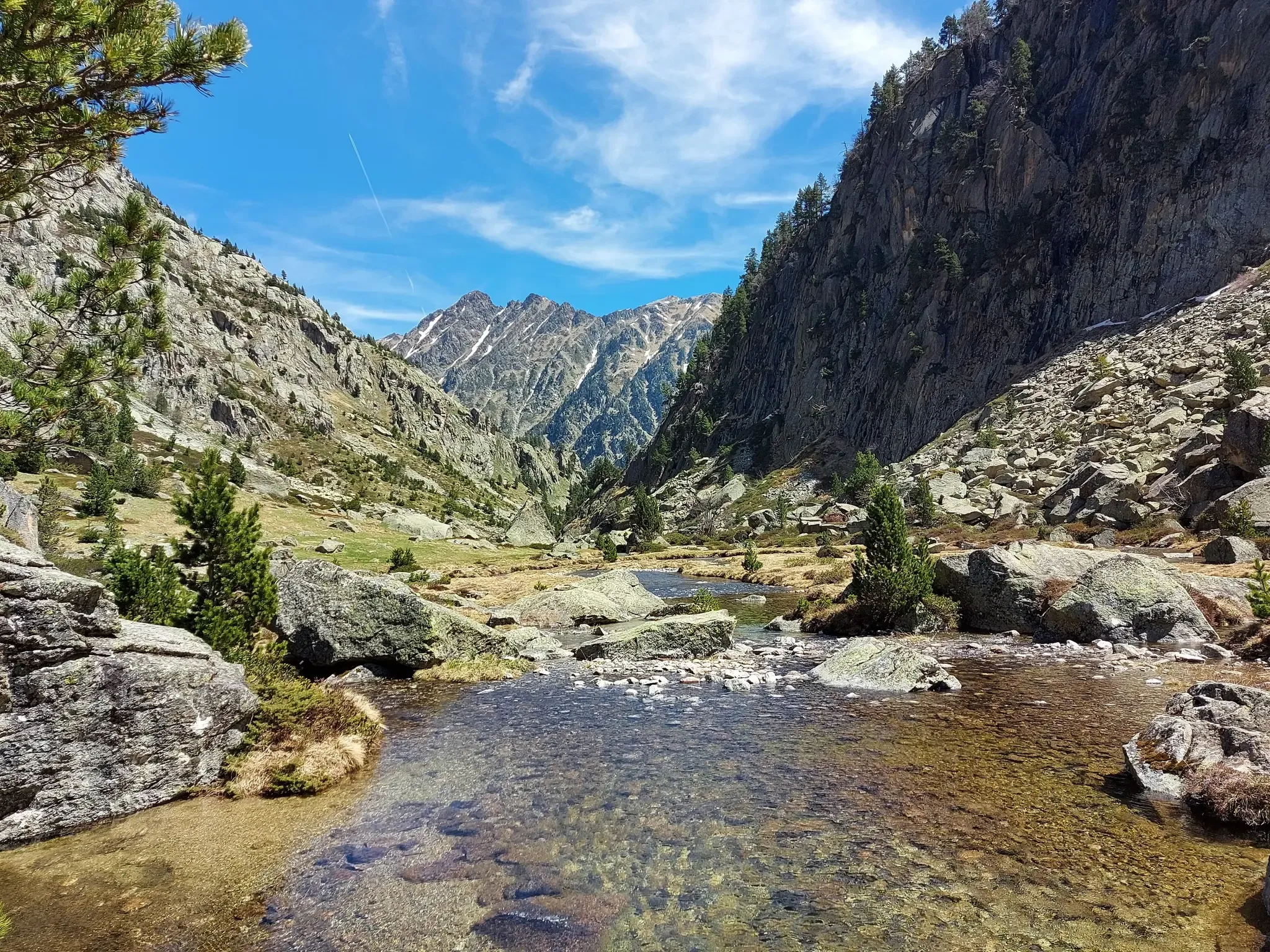
Tour of the Balaïtous – From passes to lakes
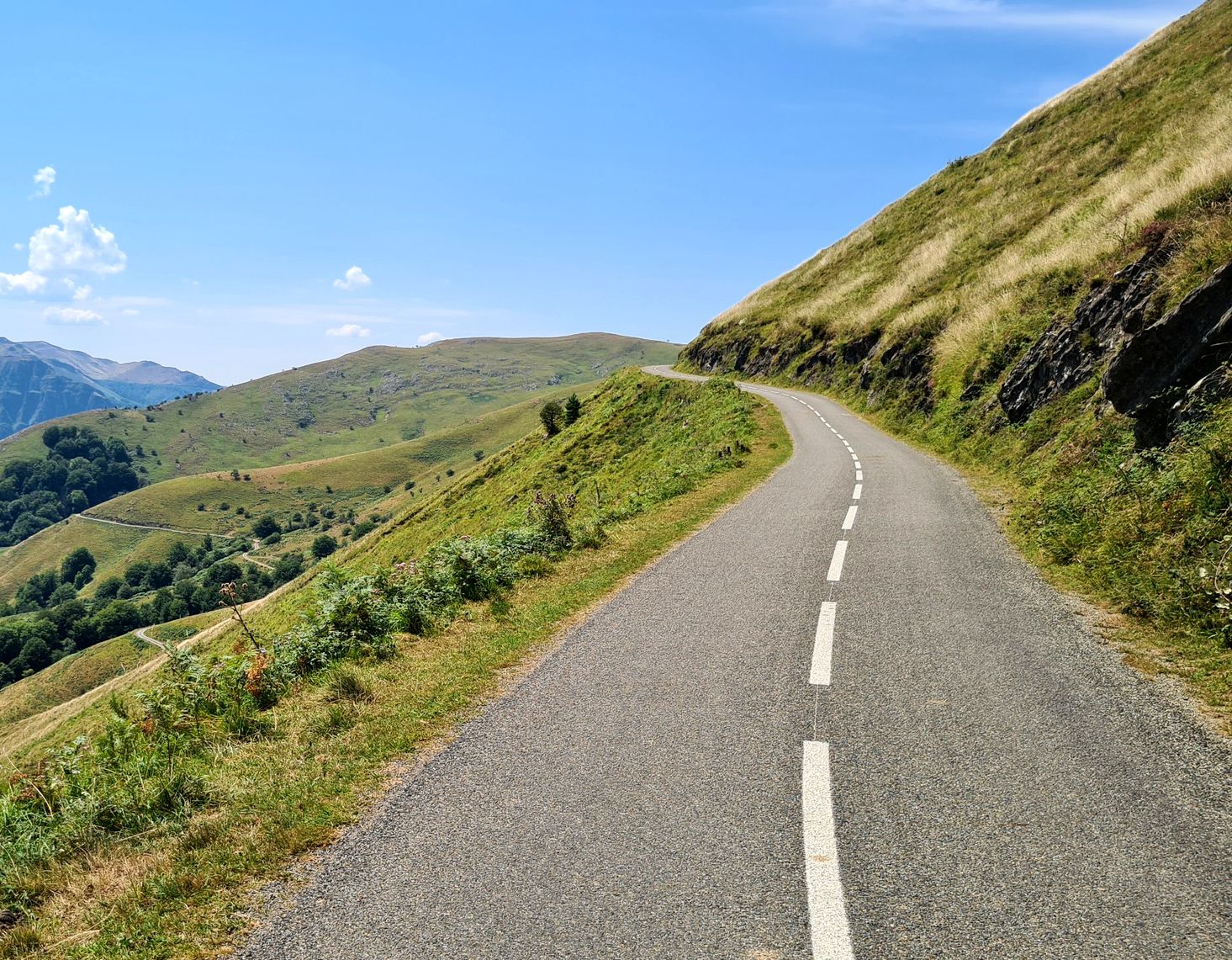
Basque Country mountain passes – Panorama rides
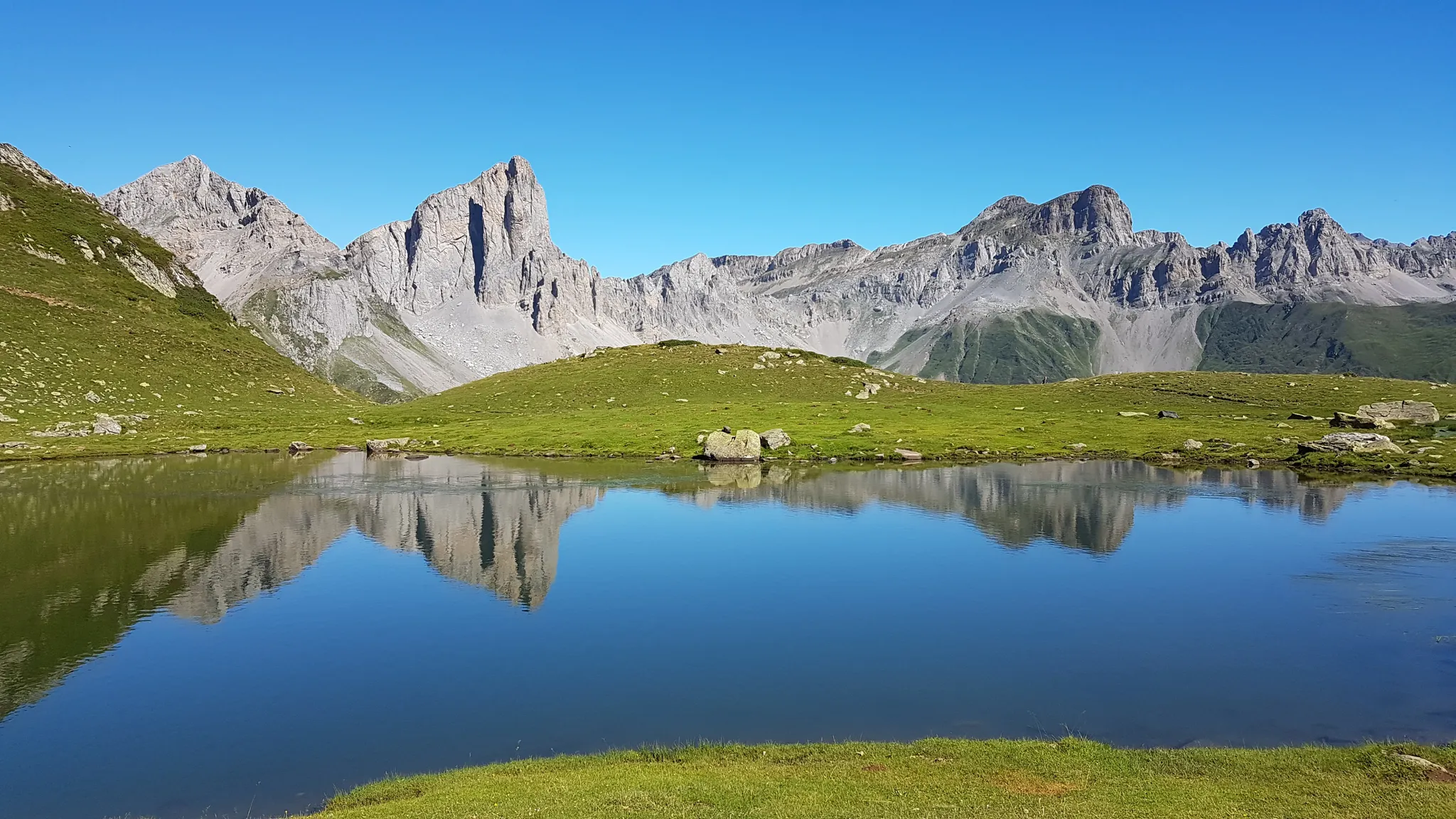
Hike the Aspe Valley – a jewel in the Pyrenees
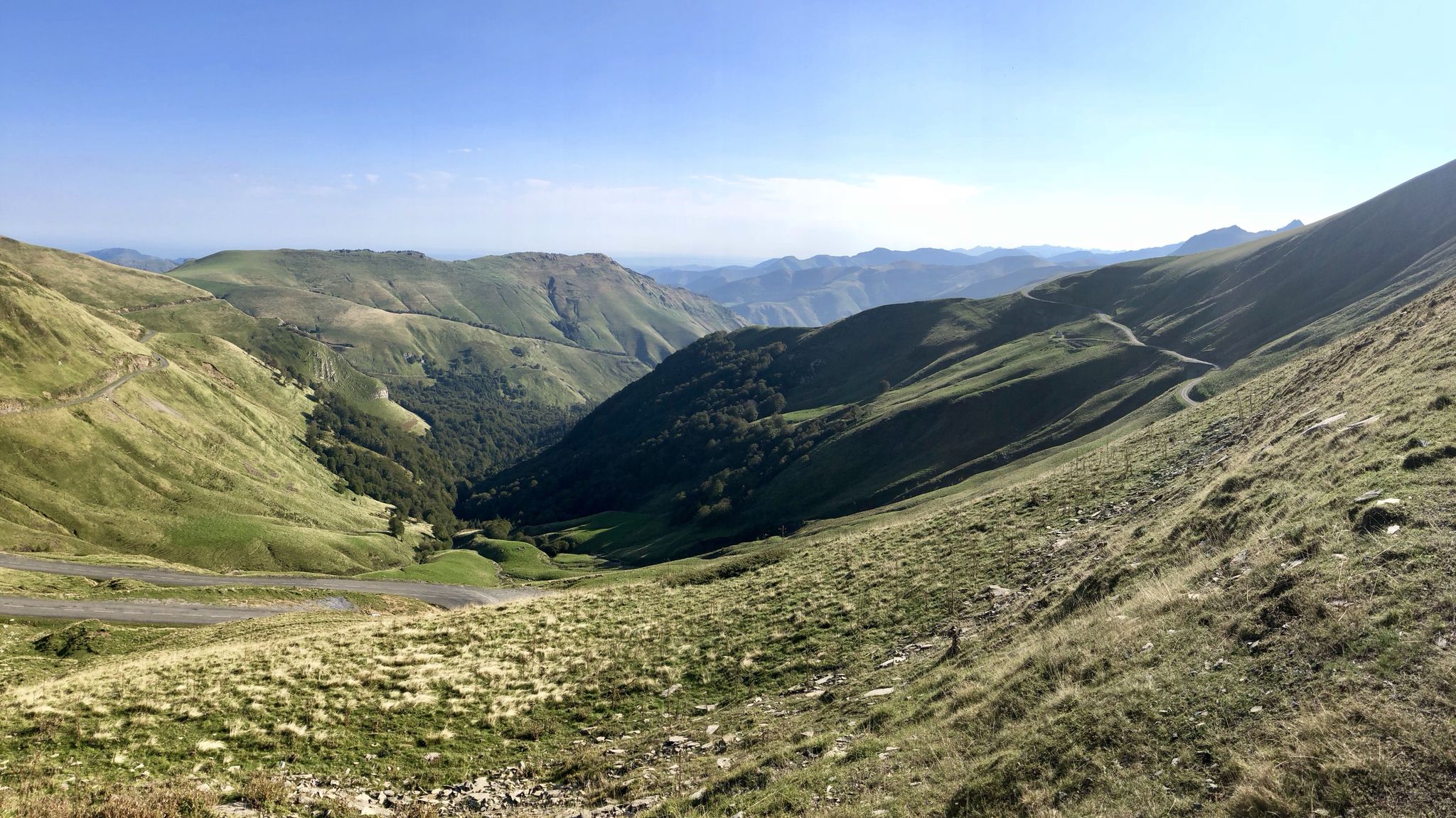
Euskal Herria footpath (GR 12) – The infinite mountain range
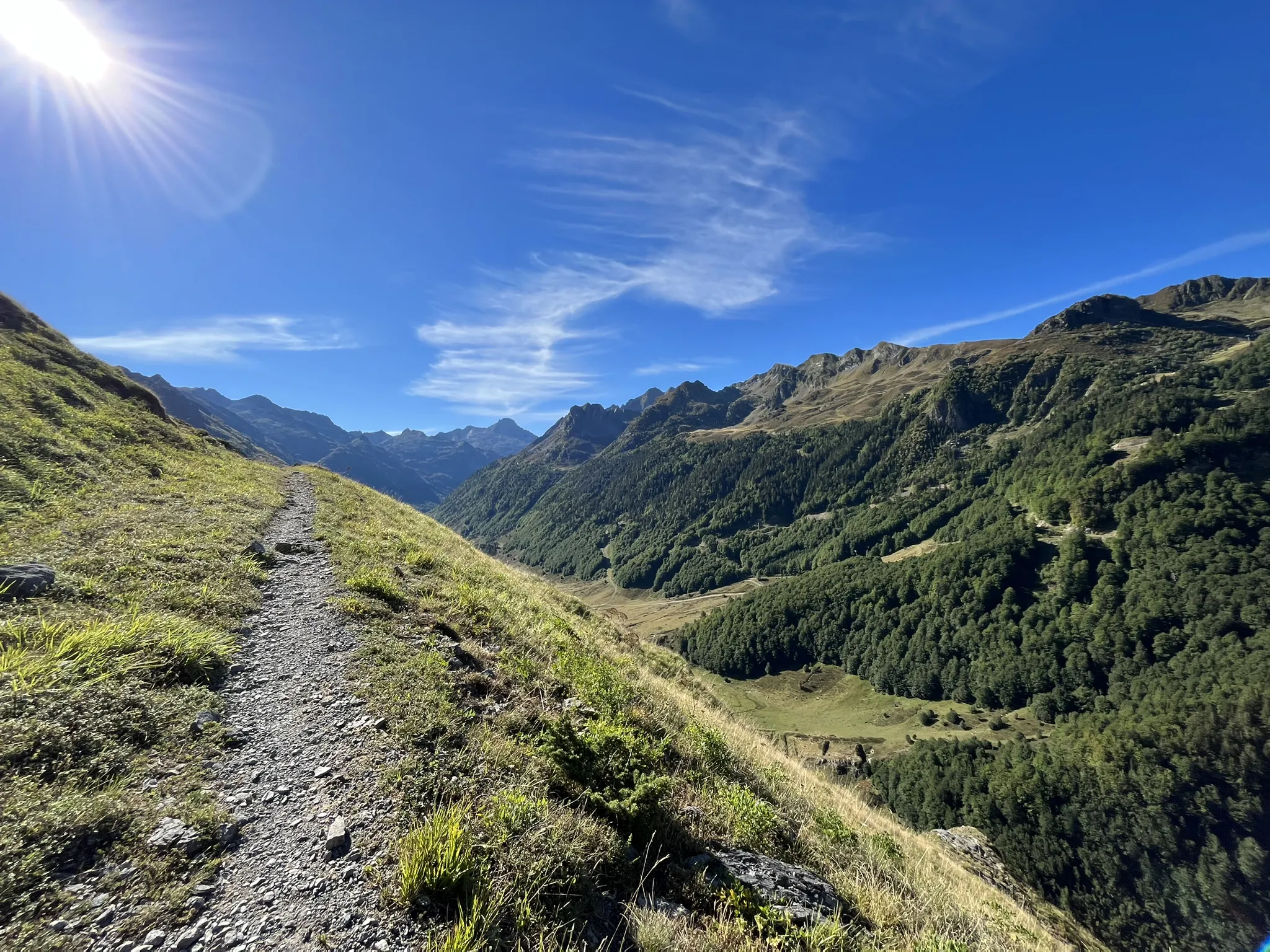
Plateaus, passes and lakes – running in the Ossau Valley
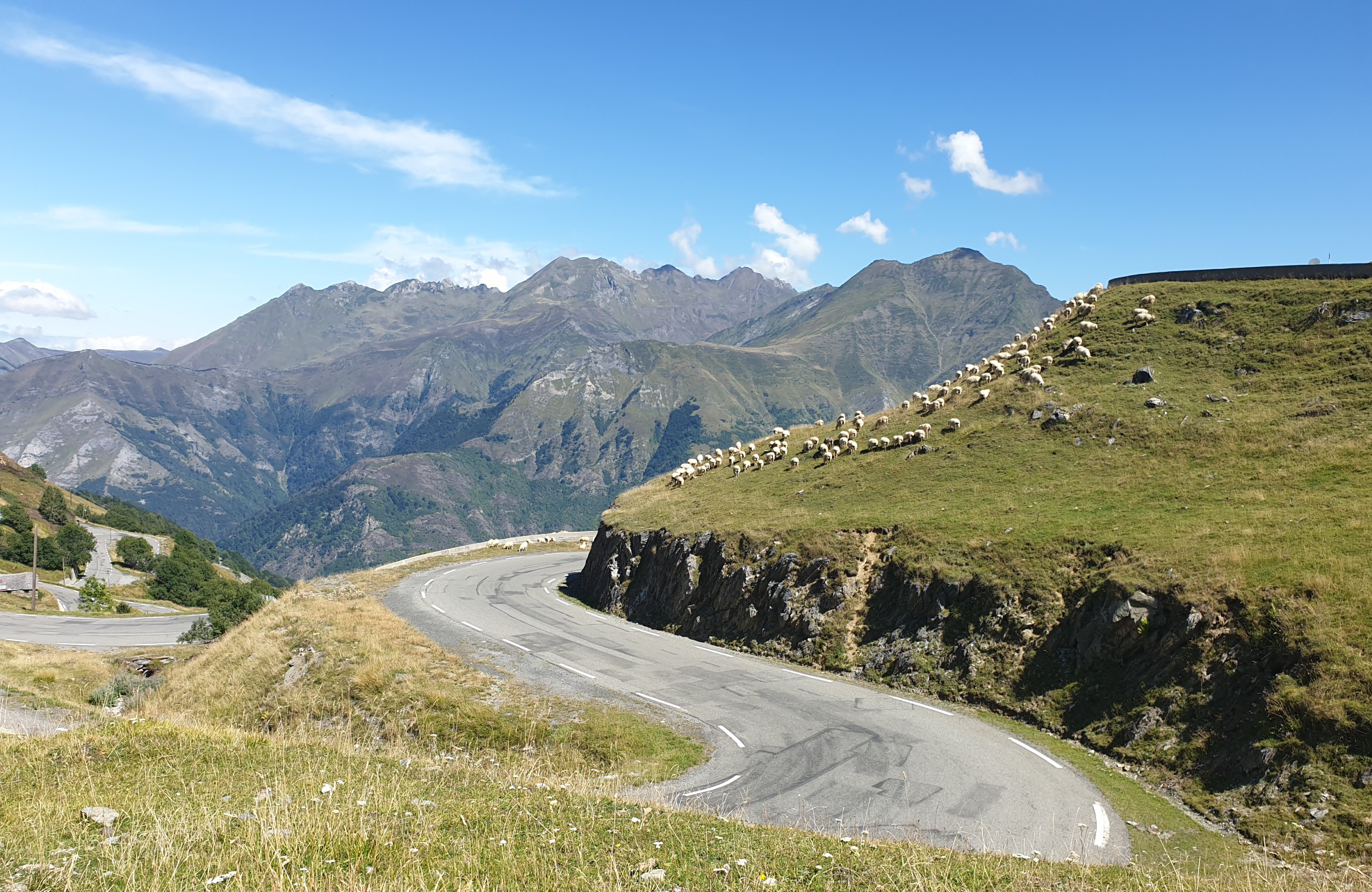
Between myths and legends – emblematic passes of the Pyrenees
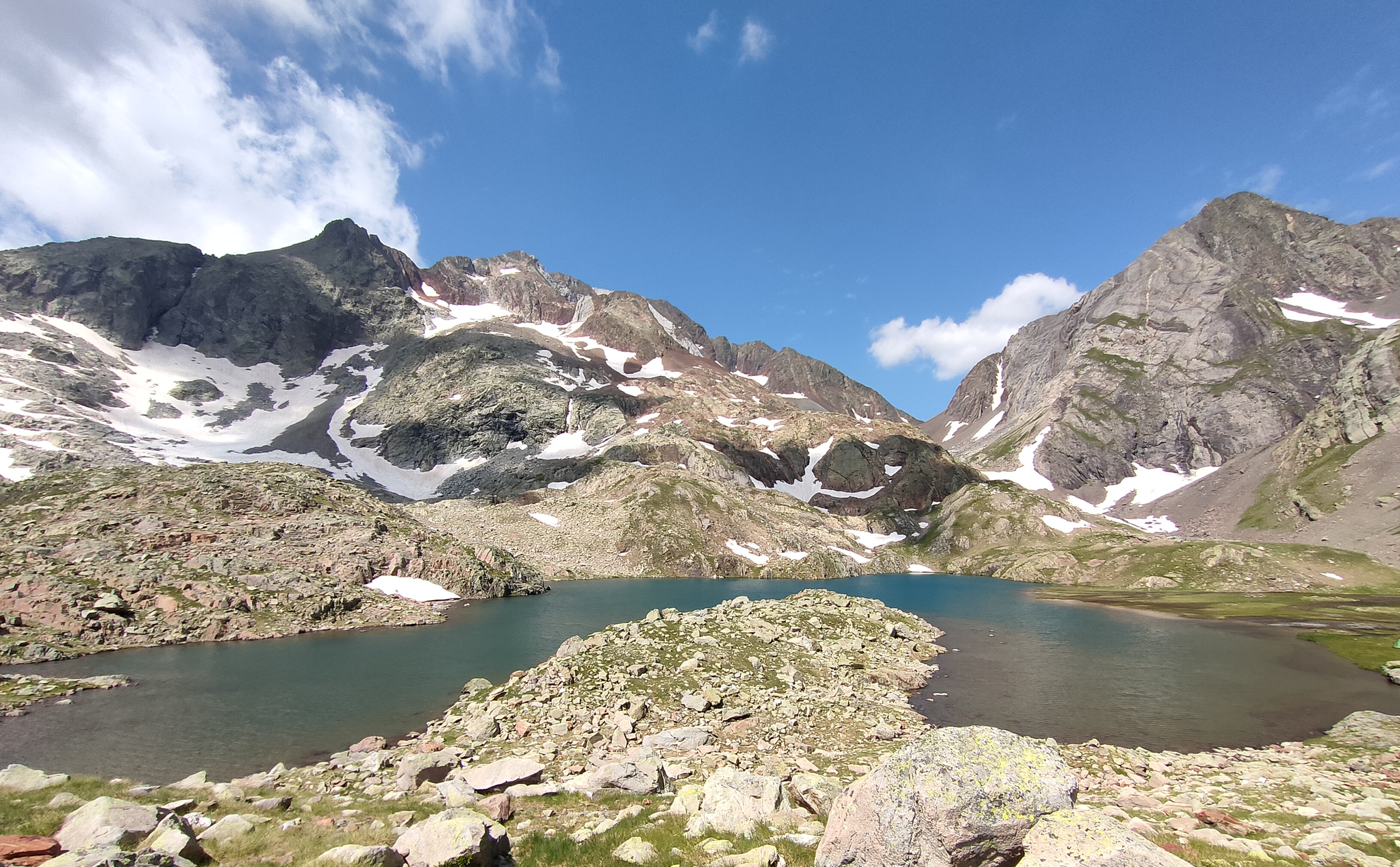
Panoramic Pyrenees – 15 hikers' peaks of over 3,000 metres
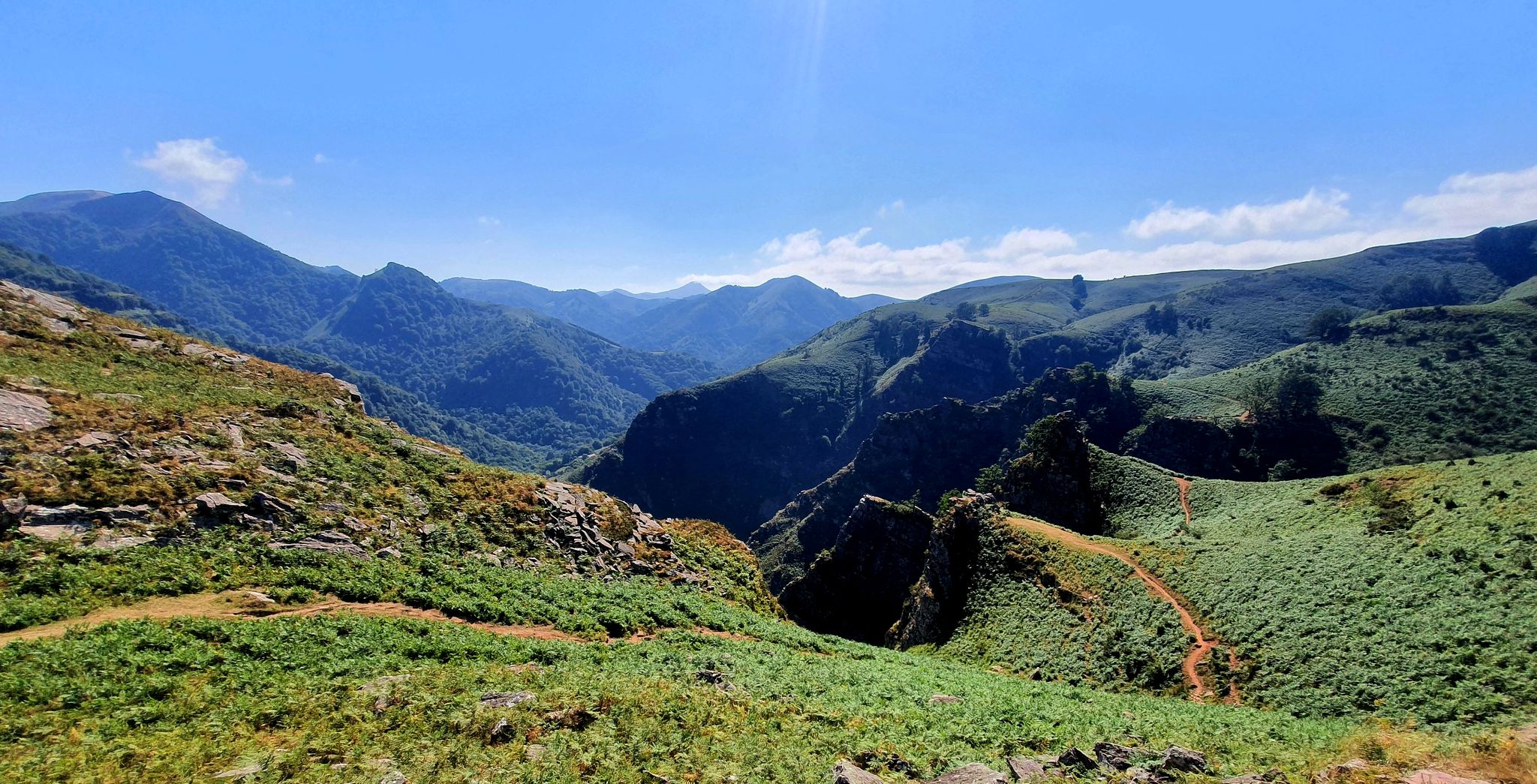
A land rich in character – running in the Basque Country
Other adventures in Pyrénées-Atlantiques


Tips from the Community

A really nice walk. Very pleasant in the undergrowth. A "mini cave" kicks things off, and then there's the Holy Grail. Wow. Be careful, there's no signal on site.
0
0

Located at an altitude of 630 meters, nestled in a green setting surrounded by gorges and peaks, the village of Sainte-Engrâce is a charming mountain village in the Basque Country. In addition to its 11th-century Romanesque church, don't miss the famous Kakuetta Gorges or the sublime Verna Cave.
0
0

With the photos you can already see the cave, there is not much to see at least by bike because the descent has no exit.
0
0

Consider bringing powerful headlamps to venture further into the cave. Be careful, it's slippery and dark.
0
0

This Romanesque church is lost in the middle of the mountains, more than 600 meters above sea level. Push the door, the interior is surprising!
0
0

By entering the caves of Eaux-Chaudes you can reach the underground banks of the bed of the river which passes in front of the entrance to the cave.
0
1

superb point of view in the middle of a wild landscape. To do from the parking lot of the Hotel des Sources de la Nive, spectacular.
3
0

Frequently Asked Questions
Which caves offer insights into prehistoric human history and art?
The Isturitz and Oxocelhaya Caves are among Europe's richest archaeological sites, with evidence of human occupation for 80,000 years, including cave paintings and ancient artifacts like bone flutes. The Grottes de Sare also served as a prehistoric dwelling and features a megalithic park and museum detailing human evolution.
Where can I see impressive geological formations in the region's caves?
The Oxocelhaya Cave, part of the Isturitz complex, is known as a 'mineral cathedral' for its monumental calcite concretions. The Grottes de Sare feature vast rooms with impressive stalactites, stalagmites, and a 'water mirror.' The Grotte de La Verna boasts the largest illuminated underground chamber accessible to the public, complete with an underground river and waterfall. The Gorges de Kakuetta culminates in the Grotte aux Lacs, adorned with stalactites and stalagmites.
Are there family-friendly cave experiences in Pyrénées-Atlantiques?
Yes, the Grottes de Sare offer a 45-minute guided tour with sound and light, making it an immersive experience suitable for all ages. The village of Sainte-Engrâce, a gateway to the Grotte de La Verna and Kakuetta Gorges, is also considered family-friendly.
What kind of adventurous or challenging cave tours are available?
The Grotte de La Verna offers varied tours, including more challenging 'sport exploration' and caving trips guided by speleologists. For a more rugged experience, the Grotte aux Chaudes is noted as challenging, requiring powerful headlamps due to its slippery and dark conditions.
What unique natural features can I expect to see in the caves?
You can witness the famous anticline at Harpéa Cave, a geological fold in rock layers. The Eaux-Chaudes Cave allows visitors to reach the underground banks of a river. The Grotte de La Verna features an immense chamber with a river cascading from halfway up its east wall. The Gorges de Kakuetta offers a dramatic canyon landscape with a 20-meter waterfall you can walk behind, leading to the Grotte aux Lacs.
Are there guided tours available for the caves?
Yes, most major caves offer guided tours. The Isturitz and Oxocelhaya Caves provide guided tours delving into prehistory, geology, and art, including special 'sound tours.' The Grottes de Sare offer a 45-minute guided tour with sound and light. The Grotte de La Verna has various guided options, from discovery tours to speleologist-led explorations.
What outdoor activities can I do near the caves in Pyrénées-Atlantiques?
Near many of the region's caves, you can find excellent opportunities for outdoor activities. For hiking, consider routes like the Holzarte footbridge or Hiking at lake Uzious, which can be found in the Waterfall hikes in Pyrénées-Atlantiques guide. Road cycling enthusiasts can explore routes like Aubisque-Soulor, detailed in the Road Cycling Routes in Pyrénées-Atlantiques guide. For mountain biking, trails such as Bizkarzun and Zuhalmendi Loop are available in the MTB Trails in Pyrénées-Atlantiques guide.
What is the best time to visit the caves in Pyrénées-Atlantiques?
Many caves in the Pyrénées-Atlantiques, like the Grotte de La Verna, maintain a constant cool temperature (around 5°C) year-round, making them a refreshing visit during warmer months. However, it's always advisable to check specific cave opening hours and seasonal availability, as some may have limited access during winter or require reservations.
What do visitors enjoy most about the caves in Pyrénées-Atlantiques?
Visitors frequently appreciate the blend of natural beauty and historical significance. The 'superb point of view in the middle of a wild landscape' at Harpéa Cave is often highlighted. The opportunity to reach 'the underground banks of a river' at Eaux-Chaudes Cave is also a popular draw. The region's caves are praised for offering a journey through time and impressive geological structures.
Are there any caves that are less crowded or offer a more wild experience?
While popular sites can draw crowds, some caves offer a more rugged or less developed experience. The Grotte aux Chaudes is described as challenging and requires personal equipment like powerful headlamps, suggesting a less commercialized visit. The Gorges de Kakuetta, leading to the Grotte aux Lacs, offers a hiking experience through a 'wild and mythical natural oasis,' which can feel less crowded than indoor cave tours, especially outside peak times.
What is the typical duration for exploring these caves?
The duration varies by cave and tour type. For instance, the guided tour at the Grottes de Sare lasts approximately 45 minutes. Larger sites like the Grotte de La Verna offer various tours, from discovery options to longer 'sport exploration' trips, which can take several hours. For caves like Harpéa Cave or Eaux-Chaudes Cave, the exploration time depends on how far you choose to venture and the associated walk to reach them.
Most popular routes in Pyrénées-Atlantiques
Most popular attractions in Pyrénées-Atlantiques

Get inspired with the komoot mobile app


Explore more
Extend your search for the best caves by checking out these guides of the top ones in Pyrénées-Atlantiques:
