Top 12 Castles in Tarn
Castles in Tarn, France, offer a journey through centuries of history within a diverse landscape. The department features a rich cultural heritage, with structures ranging from medieval fortresses to historical palaces. Tarn's geography includes vineyards, river valleys, and rocky promontories, providing varied settings for these historical sites. The region's castles reflect its past, including periods like the Cathar era and the Hundred Years' War.
Best castles in Tarn
- The most popular castles is Château de Penne, a castle that…
Last updated: May 1, 2026
Château de Penne
Highlight • Castle
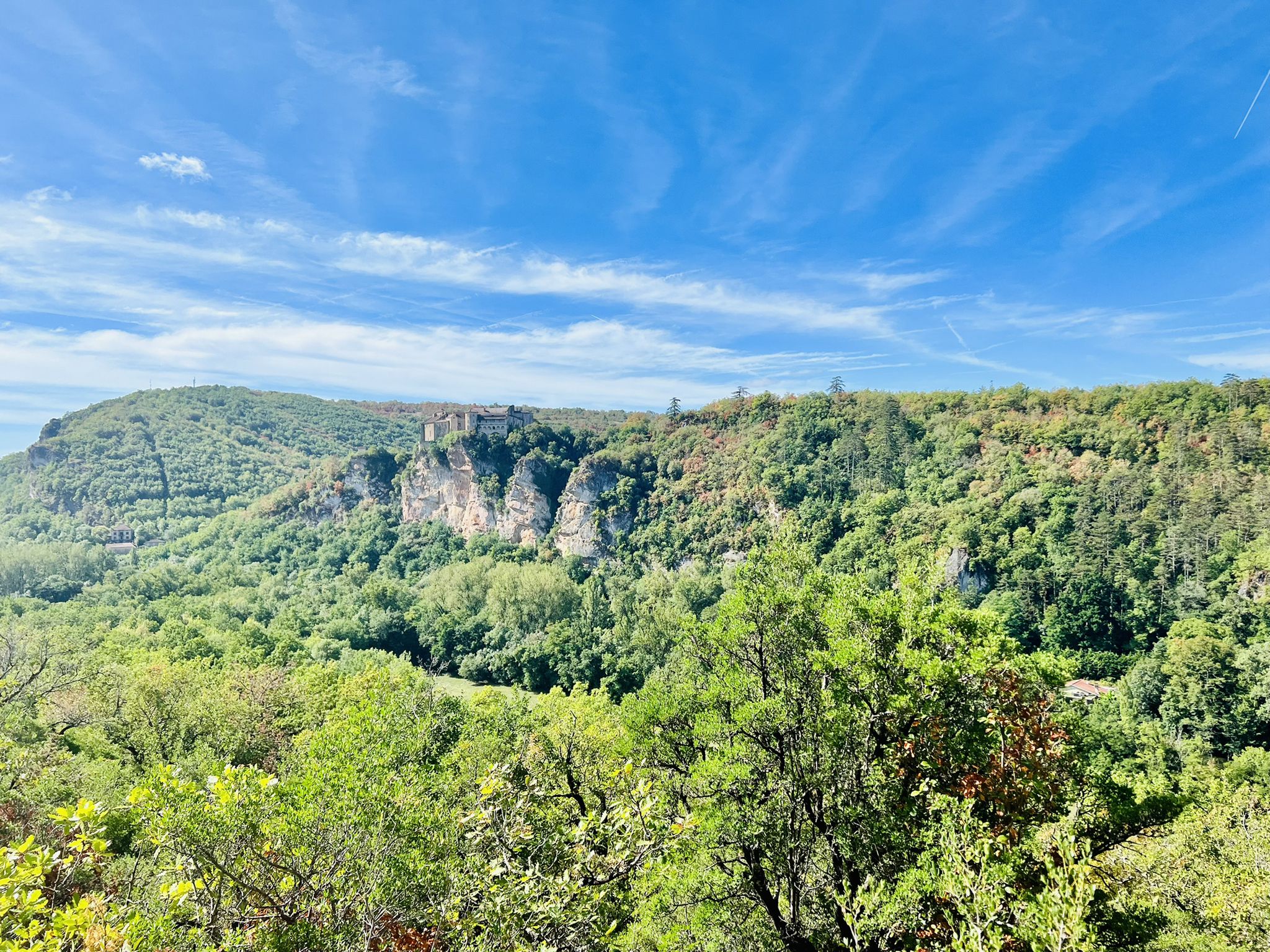
Built in the Merovingian era, it has seen many wars, especially during the Cathar era and during the Hundred Years War.
Translated by Google •
Tip by

Palais de la Berbie
Highlight • Castle
Translated by Google •
Tip by

Sign up now to discover places like this
Get recommendations on the best single tracks, peaks, & plenty of other exciting outdoor places.
Sign up for free
Laguépie Castle Ruins and River Swimming Spots
Highlight • Castle
Translated by Google •
Tip by

View of the Bruniquel castles
Highlight • Castle
Translated by Google •
Tip by

Thuriès Castle and Viaur Dam
Highlight • Castle
Much …
Translated by Google •
Tip by
Château de Mauriac
Highlight • Castle
Translated by Google •
Tip by

View of the Château de Grandval
Highlight • Viewpoint
Translated by Google •
Tip by

Montgey Castle
Highlight • Castle
Translated by Google •
Tip by
Château de Saint-Géry
Highlight • Castle
Translated by Google •
Tip by

Domaine du Buc
Highlight • Historical Site
Translated by Google •
Tip by

Sign up for free to discover even more castles in Tarn.
Sign up for free
Already have an account?
Start today with a free account
Your next adventure awaits.
Login or Signup
Popular around Tarn
GR 36 long-distance footpath – Cross France from the Channel to the Pyrenees
Hexatrek – The Cévennes to the Pyrenees between gorges and limestone plateau
Born to Ride 2020
Loops between Toulouse and Mazamet – the special liO bike train
GR 46 — The Truant School
The most beautiful bike rides in Occitanie
On the way to Compostela – Via Tolosana (Arles Way)
Loop of the bastides and the Gaillac vineyard – tastings and mountain biking
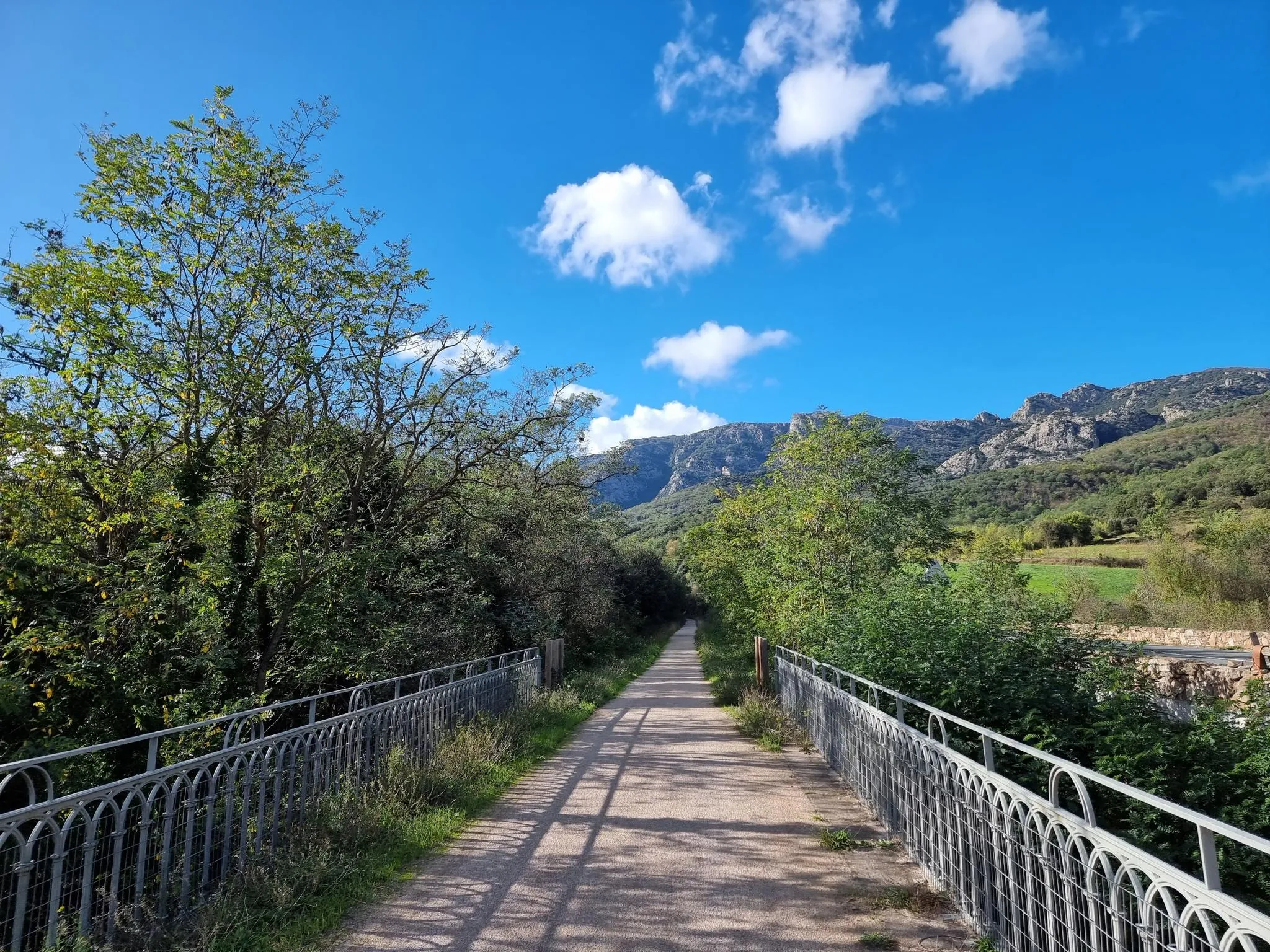
Under the sun of the Midi — La Véloccitanie
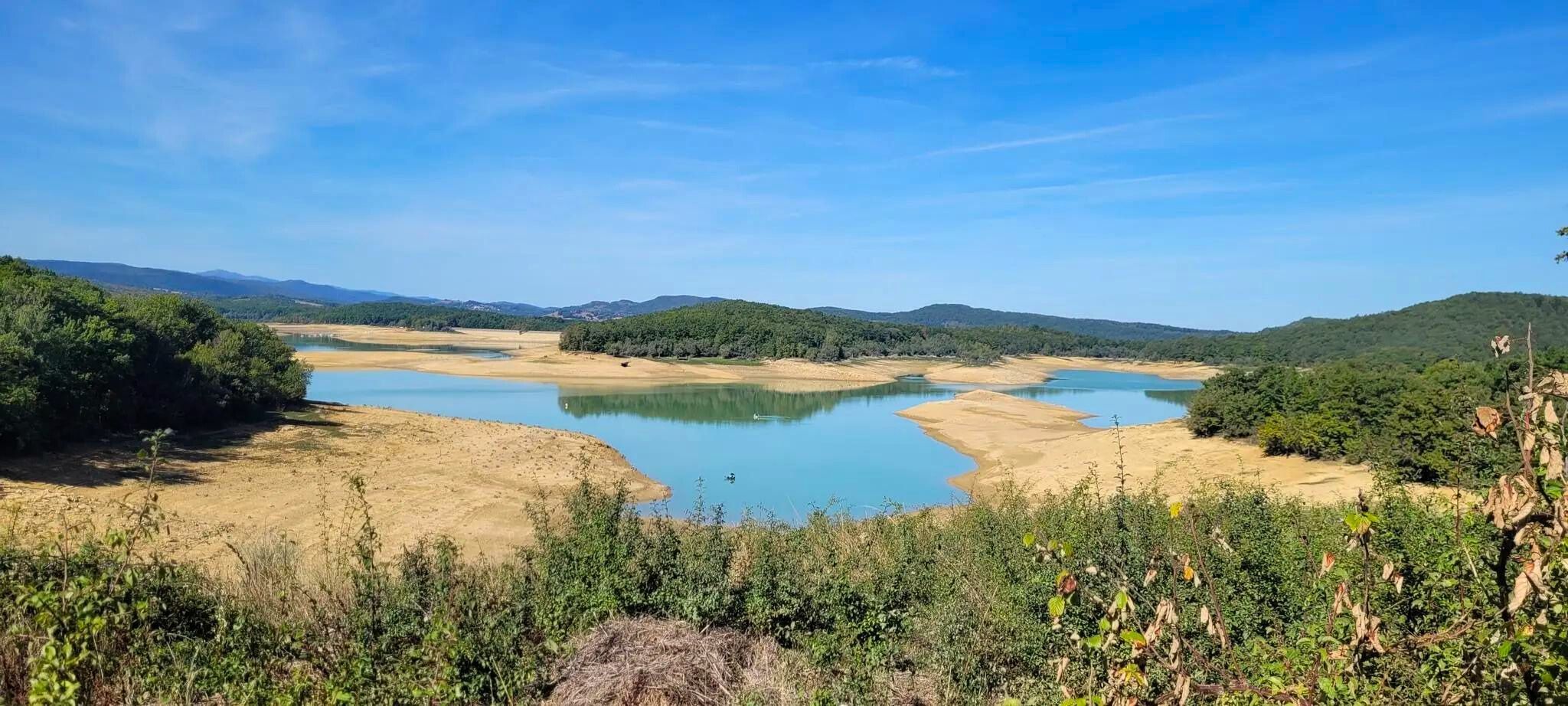
Plains, hills and mountains – GR 7 in the heart of France’s Occitania
Other adventures in Tarn


Tips from the Community

Sturdy footwear required! Beautiful tour!
0
0

The climb up Cabeou is accessible even with children, and the descent is also passable! The return is on the small, little-used road
0
0

Nice castle that I only saw from the outside but it was already not bad!
0
0


Magnificent castles dominating the valleys of Aveyron and Vère from its rocky spur. The village is classified among the most beautiful villages in France.
1
0

The palace, with its courtyard of honour and two towers, is still very well preserved. Built in the 13th century, the palace now houses the Toulouse-Lautrec Museum, which displays a large number of works by the famous artist, who was born in Albi: paintings from his youth, portraits, paintings of brothels, sketches of the world of the spectacle.
3
0

The Château de Saint-Géry, which dates from 1229 and which has been modified over the centuries, mixes medieval and Louis XIII styles. It survived the Revolution and was owned by only three families in six centuries. Today, the castle is distinguished by its classical facade, a 14th century tower and a rich collection of furniture from various periods.
0
0

This stunning hilltop village, with it's old castle literally balanced atop the rock dominates the area and Aveyron river below it. You can take guided visits of the Castle at the top, and the village itself has a few cafes among it's labyrinth of narrow streets.
0
0
Frequently Asked Questions
Which castles in Tarn are particularly family-friendly?
Several castles in Tarn offer engaging experiences for families. The Château de Mauriac, located in the Gaillac vineyard, provides guided tours and even overnight stays, making it an immersive historical experience. The Laguépie Castle Ruins are near river swimming spots with inflatable installations for children, perfect for a refreshing break. Additionally, the Palais de la Berbie in Albi, housing the Toulouse-Lautrec Museum, can be an enriching cultural visit for older children.
What kind of historical periods do the castles in Tarn represent?
The castles in Tarn span several significant historical periods. For instance, Château de Penne dates back to the Merovingian era and played a role during the Cathar period and the Hundred Years' War. The Palais de la Berbie is a well-preserved 13th-century episcopal palace. Thuriès Castle also has origins in the 13th century. These sites offer a journey through medieval architecture and the region's rich past.
Are there any castles in Tarn that offer unique natural viewpoints?
Yes, many castles in Tarn are situated in stunning natural settings. The Château de Penne is perched majestically on a rocky promontory overlooking the Aveyron Gorges, offering breathtaking views. Similarly, the View of the Bruniquel castles provides a magnificent panorama of castles dominating the valleys of Aveyron and Vère from their rocky spur. Thuriès Castle is also established on a formidable rocky outcrop carved by the Viaur river.
What outdoor activities can I do near the castles in Tarn?
The Tarn region offers various outdoor activities near its castles. You can find excellent opportunities for hiking, with trails like the Puycelsi Heritage Trail or the Perched Villages Trail. For those interested in cycling, there are gravel biking routes, including loops around the Voie Verte Passa Païs. Some castle locations, like the Laguépie Castle Ruins, are even close to river swimming spots.
Which castles in Tarn are known for their architectural significance?
Tarn is home to several architecturally significant castles. The Château de Mauriac is a medieval gem known for its imposing appearance and has received a Michelin Green Guide star. The Palais de la Berbie in Albi is a remarkably well-preserved 13th-century episcopal palace. The ruins of Château de Penne are a striking example of medieval defensive architecture, perched dramatically on a rocky promontory.
Are there any castles in Tarn that are also museums or cultural centers?
Yes, the Palais de la Berbie in Albi is a prime example. It houses the Toulouse-Lautrec Museum, dedicated to the famous artist born in Albi, exhibiting a diverse collection of his works. This makes it a significant cultural attraction within a historical setting. The Château de Mauriac also features a private collection of contemporary art that contrasts with its ancient walls.
What are some lesser-known but worthwhile castles to visit in Tarn?
Beyond the most prominent sites, Tarn offers several other noteworthy castles. While not always open for public tours, the fairy-tale architecture of Château de Grandval can be admired from viewpoints. Other significant castles in the region include Montgey Castle and Château de Saint-Géry, which contribute to the rich heritage of Tarn.
Can I find accommodation or dining options near the castles?
Yes, many castles are located near villages or towns that offer amenities. For example, the village of Penne, near Château de Penne, has cafes among its narrow streets. The Château de Mauriac even offers guest rooms for overnight stays. The larger city of Albi, home to the Palais de la Berbie, provides a wide range of dining and accommodation choices.
What makes the castles in Tarn unique compared to other regions?
The castles in Tarn are unique due to their integration with the region's diverse landscape, which includes vineyards, river valleys, and rocky promontories. Many, like Château de Penne and Thuriès Castle, are dramatically perched on natural rock formations. The region's history, including the Cathar era, has also shaped these structures, offering a distinct historical narrative. The presence of the Toulouse-Lautrec Museum within the Palais de la Berbie in Albi adds a unique cultural dimension.
Are there any castles in Tarn that are particularly well-preserved or restored?
The Palais de la Berbie in Albi is a remarkably well-preserved 13th-century palace. The Château de Mauriac has been totally renovated, allowing visitors to admire its architecture and explore its interiors. While Château de Penne consists of ruins, restoration efforts have allowed visitors to immerse themselves in its history since 1996.
What is the best time of year to visit the castles in Tarn?
The best time to visit the castles in Tarn is generally during the spring and autumn months when the weather is pleasant for exploring both the castles and their surrounding natural landscapes. Summer can also be a good time, especially for castles near rivers like Laguépie, where you can combine a visit with swimming. However, medieval animations are often held during the summer at sites like Château de Penne, adding to the experience.
Most popular routes in Tarn
Most popular attractions in Tarn

Get inspired with the komoot mobile app


Explore more
Looking for the best castles somewhere else? Discover other guides in Tarn:
