Top 9 Gorges in Seine-Maritime
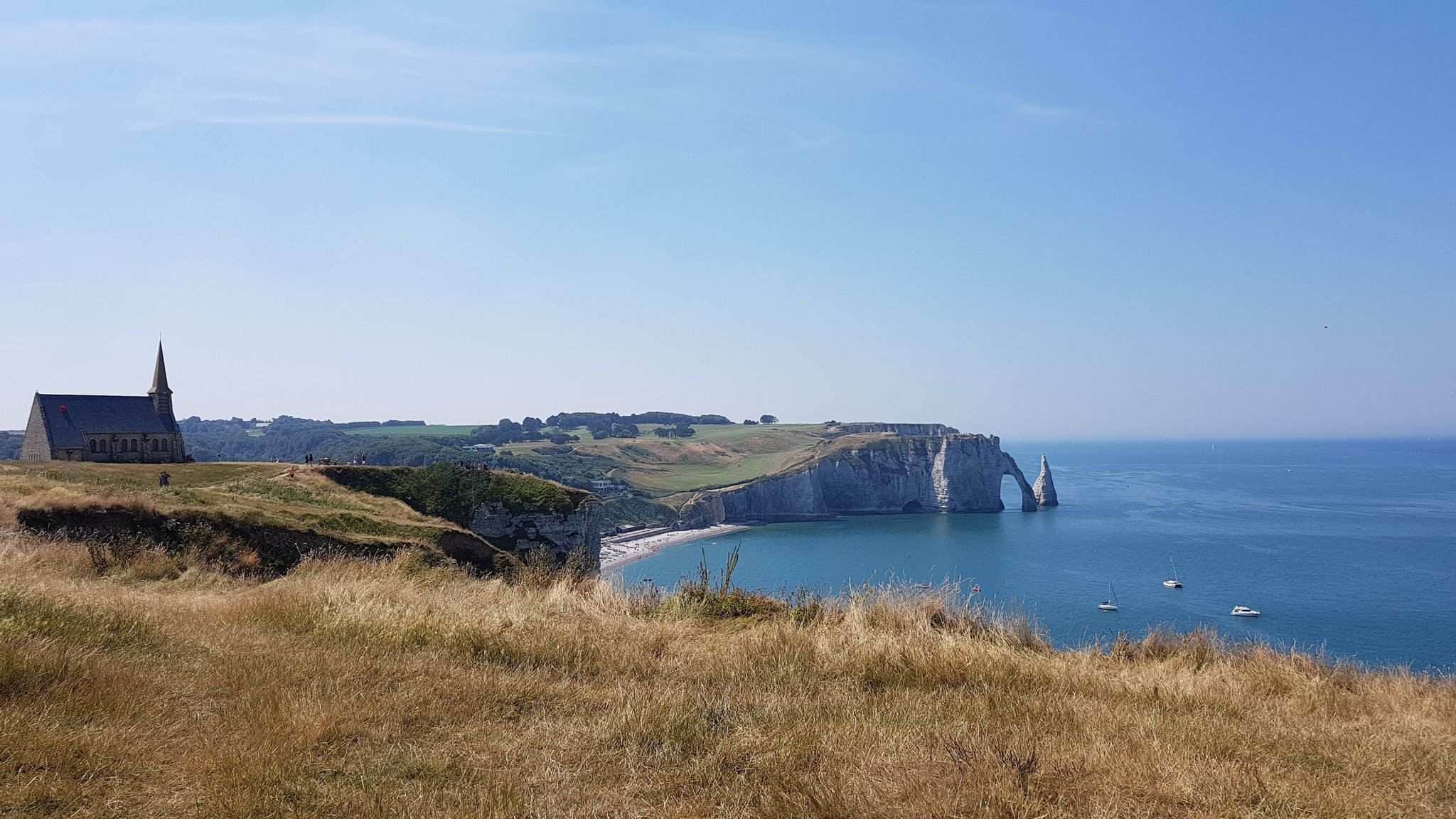
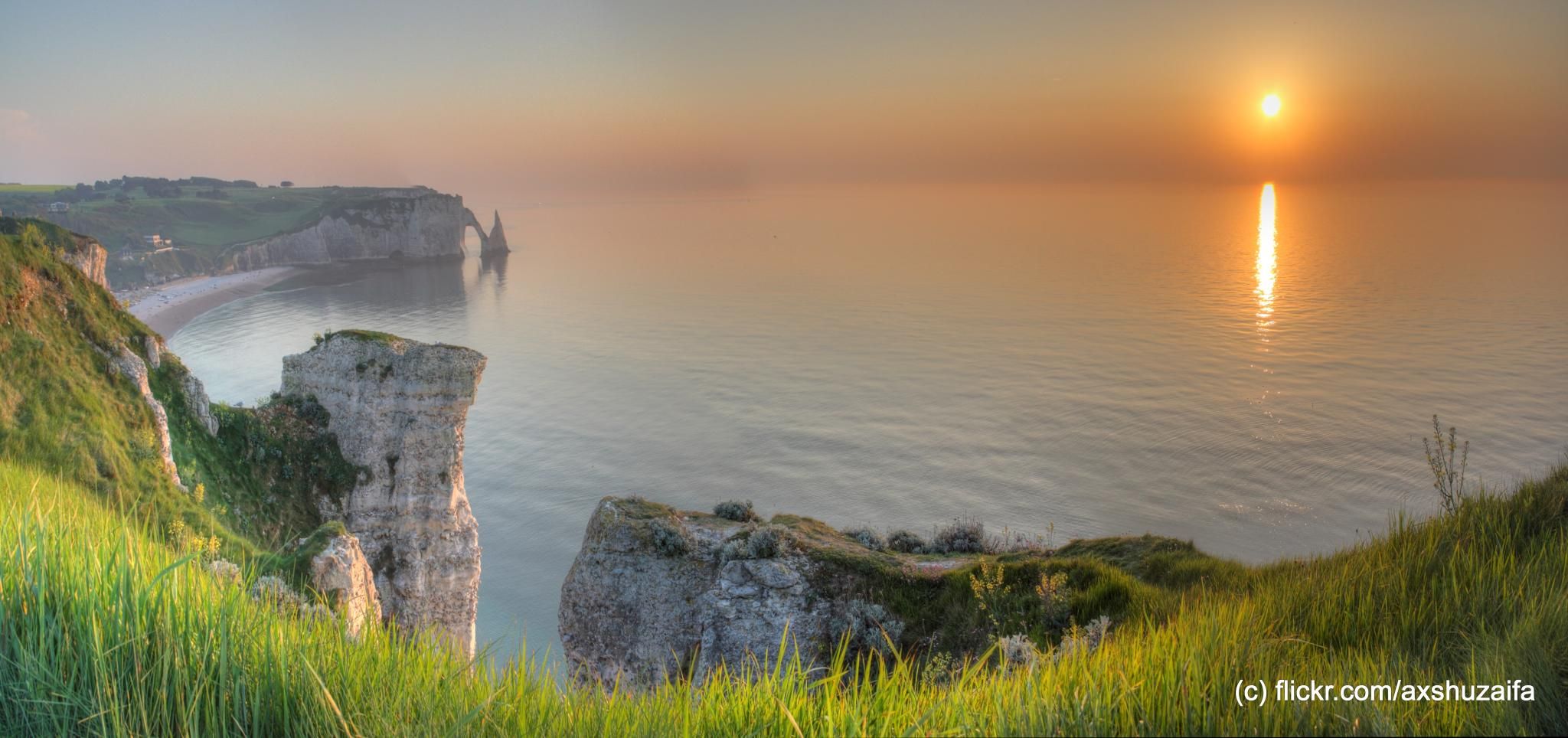
Best canyons in Seine-Maritime are characterized by the region's dramatic white chalk cliffs and unique geological formations known as valleuses. These valleuses are deep incisions carved by coastal rivers or streams, providing access to the sea and offering canyon-like landscapes. The area's coastline along the Côte d'Albâtre features impressive natural arches and towering rock formations. These sites represent significant natural environments shaped by millennia of erosion.
Best canyons in Seine-Maritime
- The most popular canyons is Moutiers Gorge, a gorge…
Last updated: June 29, 2026
Étretat to Vattetot-sur-Mer Coastal Path
Highlight (Segment) • Trail
Translated by Google •
Tip by

Moutiers Gorge
Highlight • Gorge
Translated by Google •
Tip by
Sign up now to discover places like this
Get recommendations on the best single tracks, peaks, & plenty of other exciting outdoor places.
Sign up for free
Orival Troglodyte Caves
Highlight • Cave
Translated by Google •
Tip by

White cliffs, the Roches d'Orival
Highlight • Historical Site
Translated by Google •
Tip by
Val-au-Prêtre valley
Highlight • Viewpoint
Translated by Google •
Tip by

Valleuse de Vasterival
Highlight • Gorge
Translated by Google •
Tip by
Normandy Cliffs Trail
Highlight • Trail
Translated by Google •
Tip by

Victor Hugo Cave and Veules-les-Roses Beach
Highlight • Cave
Translated by Google •
Tip by

Yport Trail – Valleuse d'Étigues
Highlight (Segment) • Trail
Translated by Google •
Tip by

Valleuse d'Életot
Highlight • Gorge
Translated by Google •
Tip by

Sign up for free to discover even more gorges in Seine-Maritime.
Sign up for free
Already have an account?
Start today with a free account
Your next adventure awaits.
Login or Signup
Popular around Seine-Maritime
The GR 21 from Le Havre to Le Tréport — Exploring the Normandy coast
Avenue Verte – Cycling a beautiful adventure from London to Paris
7 days on the tracks of the Impressionists in Normandy
Cycling in Normandy – The most beautiful station to station routes
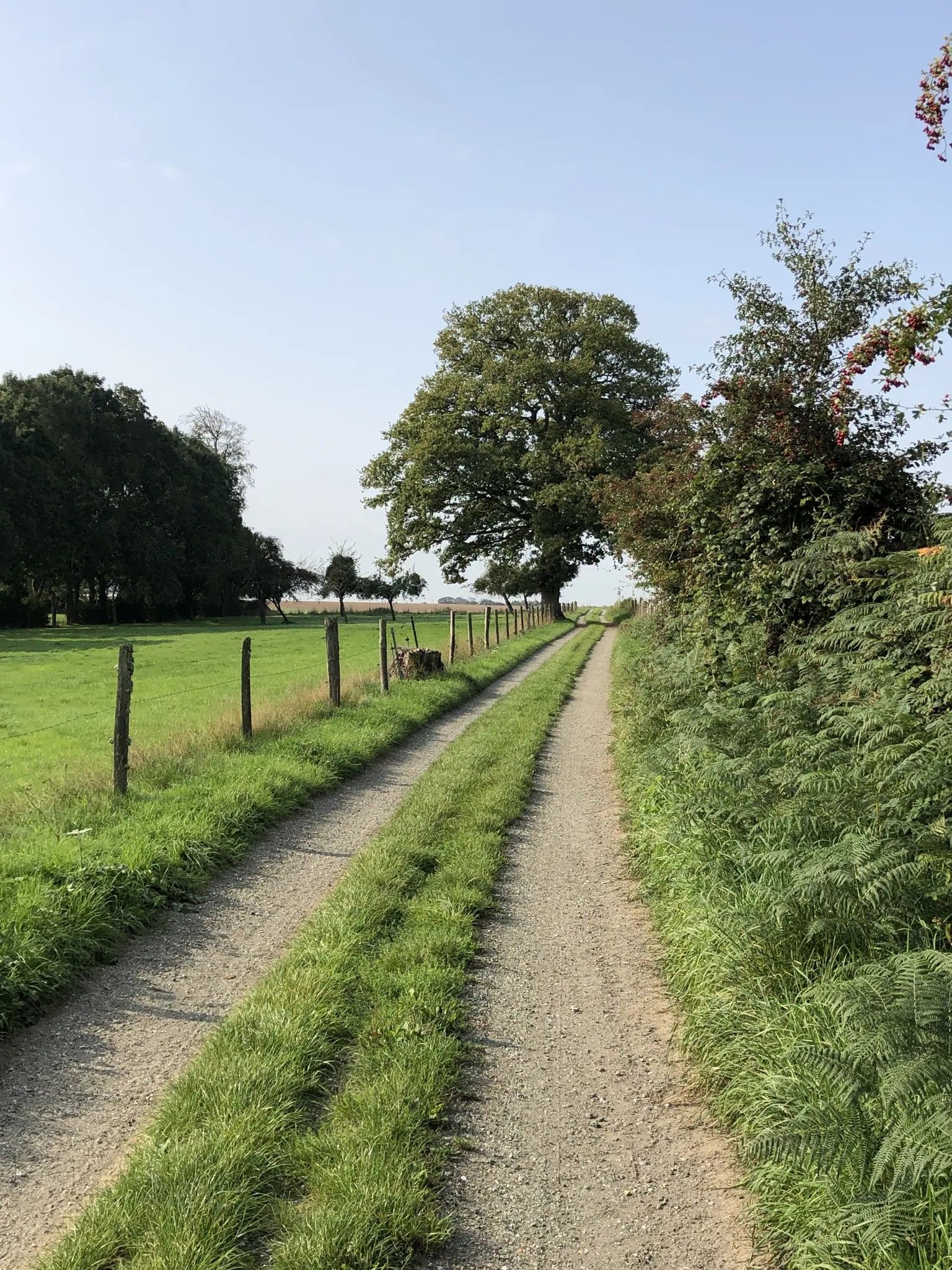
In the footsteps of the Chasse-Marée – Seine-Maritime on the GR 210
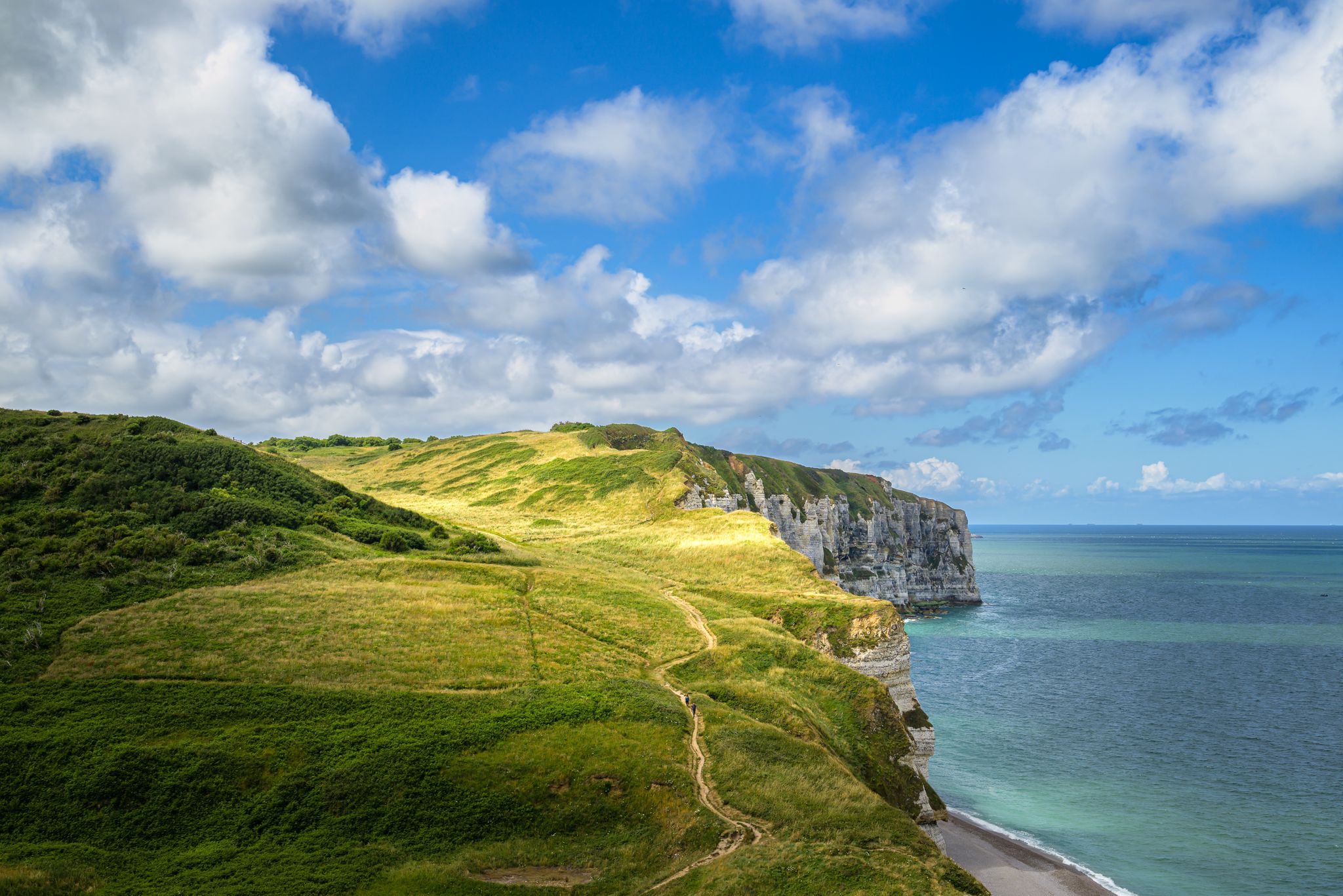
I will go see my Normandy again — Gravel ride on the Alabaster coast
Seine River Trail — A cycling adventure from Dijon to Le Havre
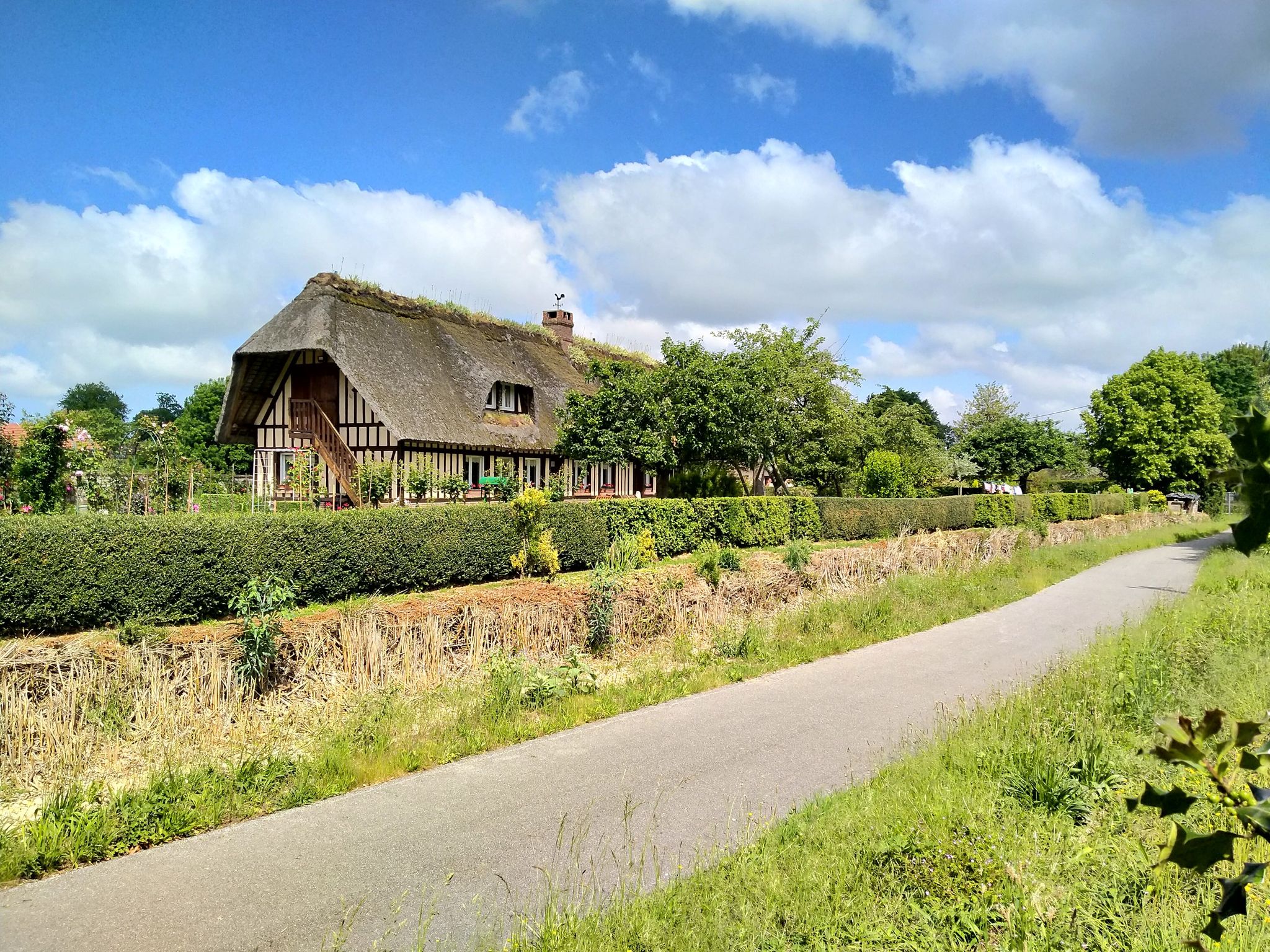
The little flower of Normandy — the Linen Cycle Route
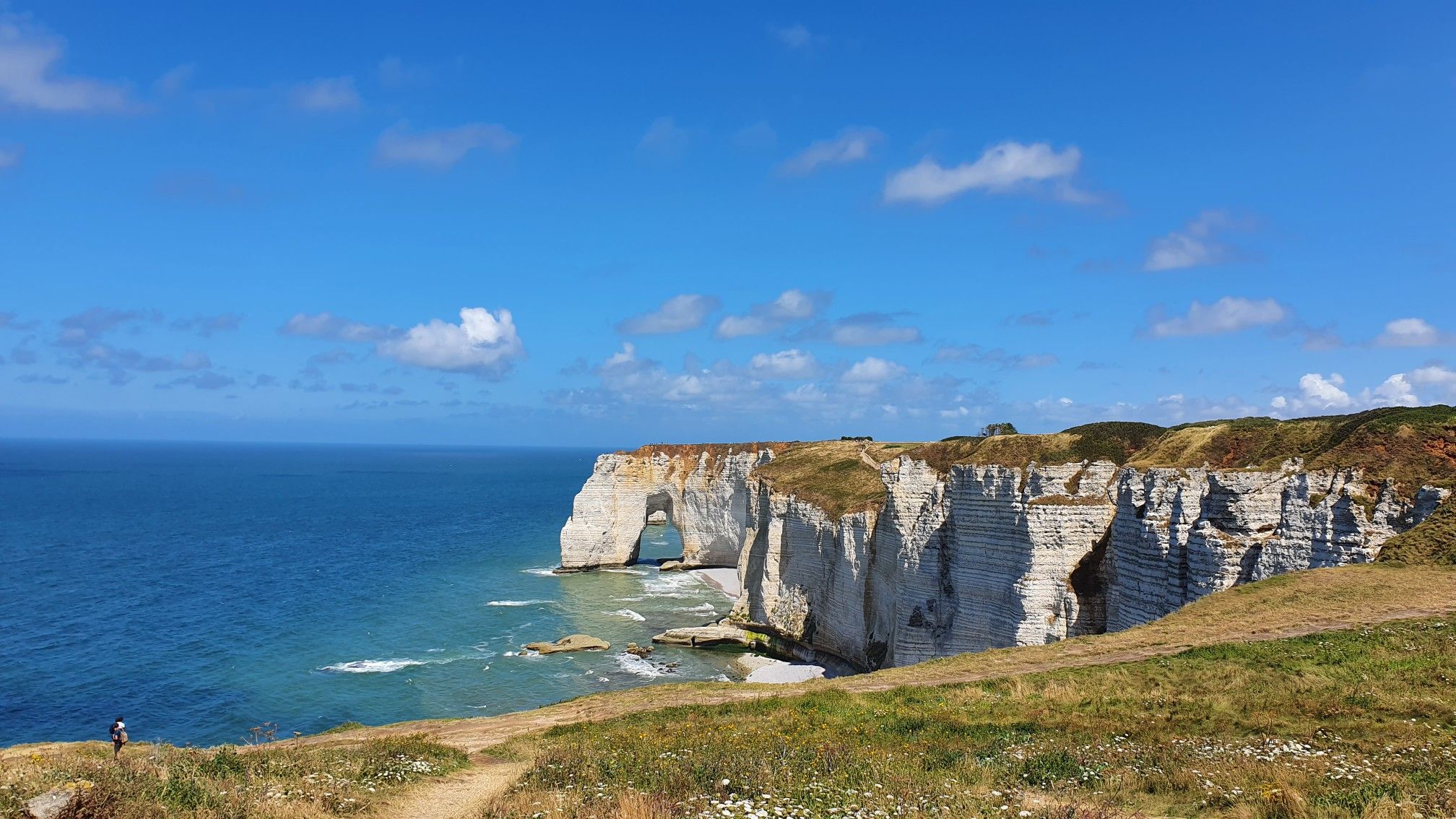
Hike the Sentier des Falaises along Normandy’s coastline – GR 21A
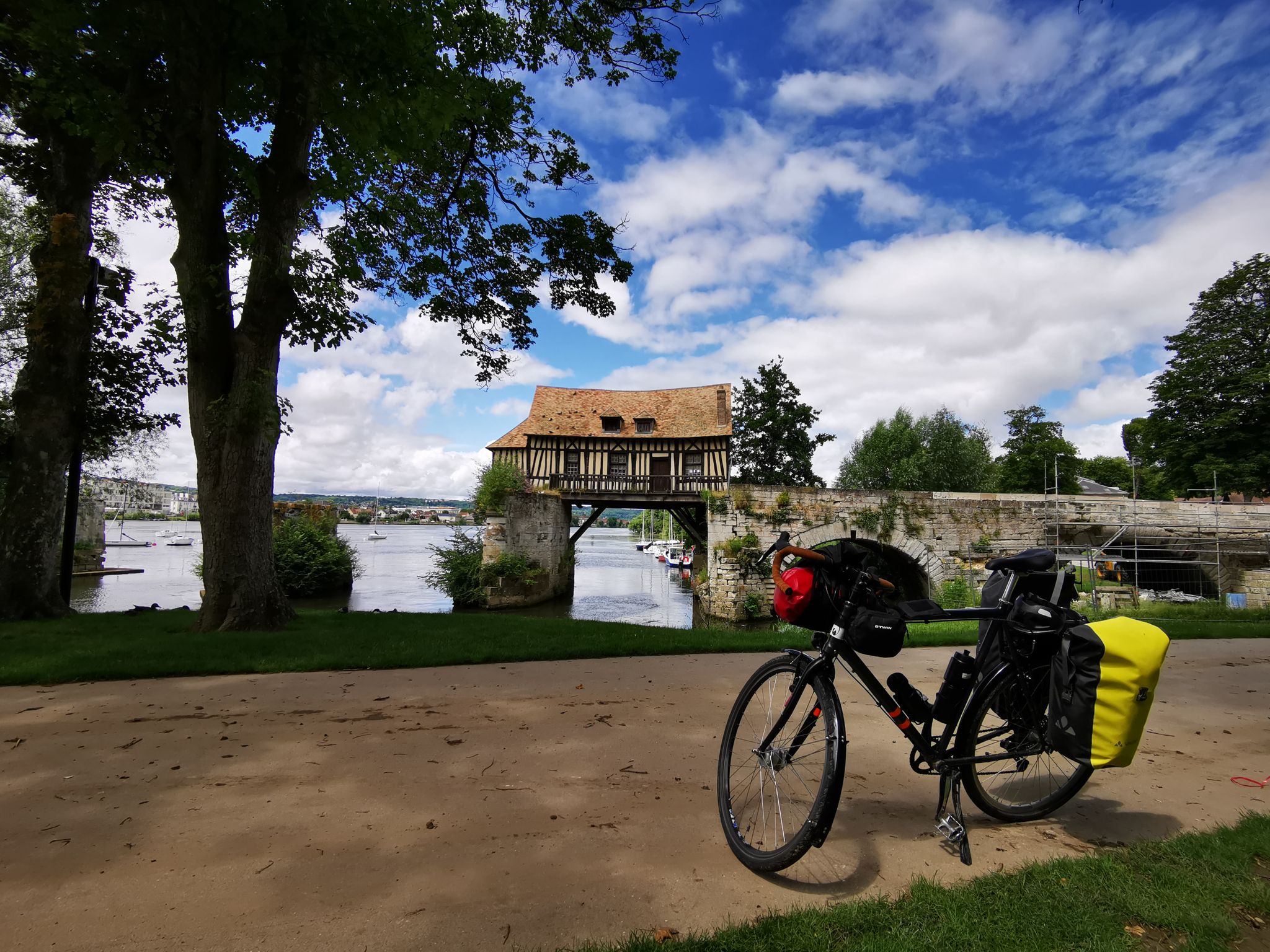
From Paris to Le Havre — the Seine by Bike
Other adventures in Seine-Maritime


Tips from the Community

A magnificent spot, offering breathtaking views. The two trails leading to the gorge are also very beautiful. Be careful on the descent; despite the improvements, it remains dangerous.
0
0


Immediately to the right of the church is a path leading down to the sea. The first section runs along a cow pasture, then it becomes very narrow, only two feet wide, and very steep. You pass under bushes, along slopes and precipices, along paths, and over steps. It's a steep descent, with railings not everywhere. Be careful: not all railings are stable, and in some places you're walking right along the precipice. The last stretch to the pebble beach is made up of rocks covered in algae, and it's slippery in places. The view is magnificent, and the hike a triumph, but not entirely without excitement or danger. The last stretch along the precipice is not suitable for children. When we were there, the wind was strong, force 5, with gusts of up to 6.7.
2
0

The cliffs are simply a dream. A highlight of a holiday in Normandy. I highly recommend a hike right along the cliffs. There's something for everyone, whether it's a short or long hike.
0
0
The cliffs are simply a dream. A highlight of a holiday in Normandy. I highly recommend a hike right along the cliffs. There's something for everyone, whether it's a short or long hike.
1
0

A beautiful path, with some very steep descents. Very beautiful
0
0

magnificent hike!!! breathtaking view!!
0
0

Frequently Asked Questions
What are the unique geological features of the 'canyons' in Seine-Maritime?
The 'canyons' in Seine-Maritime are primarily characterized by dramatic white chalk cliffs and unique geological formations known as 'valleuses'. These are deep incisions carved by coastal rivers or streams, providing access to the sea and offering impressive, canyon-like landscapes. Notable examples include the iconic cliffs of Étretat with their natural arches and needle-like formations, and the various valleuses along the Côte d'Albâtre.
Are there family-friendly options for exploring the valleuses and cliffs?
Many areas offer varied experiences suitable for families. While some paths can be challenging, others provide easier access. For instance, the Étretat to Vattetot-sur-Mer Coastal Path offers great hiking opportunities with stunning views. The Valleuse de Senneville-sur-Fécamp is easily accessible via a road and leads to a staircase to the sea, making it a peaceful spot for all ages. Always check specific trail conditions, as some descents, like at Moutiers Gorge, can be steep and not suitable for young children.
What kind of wildlife and nature can I observe in these areas?
The valleuses and cliffs are recognized as 'Sensitive Natural Environments' and are sanctuaries for diverse flora and fauna. You can observe seabirds, wild rabbits, and wall lizards. The White cliffs, the Roches d'Orival, for example, boast a remarkable diversity of flora and fauna, including orchids, butterflies, praying mantises, and green lizards. The lush green setting of the Vasterival Valley is also appealing to botanists and nature lovers.
What historical sites can be found near the canyon-like formations?
The region is rich in history. The Orival Troglodyte Caves feature dwellings from the 17th century carved into the rock. Near the White cliffs, the Roches d'Orival, you can find traces of a castle built by Richard Coeur de Lion in 1195, a fortified Roman camp, a Gallo-Roman temple, and 19th-century brick ovens. The Valleuse de Berneval-le-Grand also has a monument commemorating Operation Jubilee in 1942, blending natural beauty with historical significance.
What are some less-known 'hidden gems' among the valleuses?
Beyond the famous Étretat cliffs, several authentic valleuses offer a more secluded experience. The Valleuse de Senneville-sur-Fécamp is a verdant and peaceful spot. The Valleuse de Vasterival is known for its wild and isolated beach, accessible via a narrow path down the cliff. Further north, the Valleuse du Petit-Ailly is popular with fishermen and offers magnificent views over the Bay of Dieppe, perfect for a peaceful getaway.
What is the best time of year to visit the canyons and valleuses in Seine-Maritime?
The best time to visit is generally during spring, summer, and early autumn (April to October) when the weather is milder and more predictable for hiking and exploring. During these months, you can fully enjoy the coastal paths and beaches. Winter visits are possible, but be prepared for stronger winds, colder temperatures, and potentially slippery conditions on trails, especially those leading down to beaches.
Are there specific trails or routes recommended for hiking along the cliffs?
Yes, there are numerous trails offering stunning views. The Étretat to Vattetot-sur-Mer Coastal Path is a popular choice for its iconic scenery. The GR 21 route provides access to areas like Moutiers Gorge at low tide. For more hiking options, you can explore various routes in the region, such as those found in the Hiking in Seine-Maritime guide, which includes trails like the Porte d'Amont and Aiguille de Belval loop from Étretat.
What other outdoor activities can I do near these canyon-like formations?
Beyond hiking, Seine-Maritime offers a variety of outdoor activities. You can find numerous road cycling routes, such as the 'Route to discover the Normandy Cliffs' in the Road Cycling Routes in Seine-Maritime guide. Mountain biking enthusiasts can explore trails like the 'Bat Cave – Mogul terrain loop from La Londe' from the MTB Trails in Seine-Maritime guide. Many valleuses also lead to beaches, perfect for contemplation or observing marine life.
What are the parking and access considerations for visiting these sites?
Access varies by location. Popular sites like Étretat have designated parking areas, which can fill up quickly during peak season. Many valleuses, such as the Valleuse de Senneville-sur-Fécamp, are accessible via roads. For more secluded spots, access might involve walking along coastal paths or descending narrow trails. Always check local signage for parking regulations and accessibility, especially for trails that require specific conditions like low tide.
What makes the Falaises des Vaches Noires unique, and where are they located?
The Falaises des Vaches Noires (Black Cow Cliffs) are unique for their dramatic appearance, sometimes referred to as 'the little Norman canyon'. They are formed from marl and clay, with rocky outcrops resembling a herd of grazing cows. These cliffs are particularly known for their rich paleontological interest, offering a prime location for fossil hunting. While primarily located in Calvados, they represent a distinctive geological spectacle near the Seine-Maritime border.
How can I learn more about the ecological importance and preservation efforts in these areas?
Many of these sites are designated as 'Sensitive Natural Environments' (Espaces Naturels Sensibles), highlighting their ecological importance and the ongoing efforts to preserve them while allowing public access. You can find more information about these protected areas and their biodiversity on the official tourism website for Seine-Maritime: Sensitive Natural Areas.
Most popular routes in Seine-Maritime
Most popular attractions in Seine-Maritime

Get inspired with the komoot mobile app


Explore more
Already discovered everything in this region? See additional gorges in Seine-Maritime for your next adventure:
