Top 11 Gorges in Bouches-du-Rhône
Canyons in Bouches-du-Rhône are characterized by the region's limestone and granite rock formations, particularly within the Calanques National Park. This department in Provence-Alpes-Côte d'Azur offers a diverse landscape, from deep gorges carved by ancient rivers to impressive geological formations. Visitors can explore areas with significant natural beauty and opportunities for outdoor activities. The terrain often features steep valleys and coastal cliffs, providing varied experiences for hikers and explorers.
Best canyons in Bouches-du-Rhône
- The most popular canyons is En-Vau Calanque viewpoint…
Last updated: October 2, 2026
En-Vau Calanque viewpoint
Highlight • River
Translated by Google •
Tip by

En-Vau Beach
Highlight • Beach
Translated by Google •
Tip by

Sign up now to discover places like this
Get recommendations on the best single tracks, peaks, & plenty of other exciting outdoor places.
Panoramic Trail Between Morgiou and Sugiton (Calanques National Park)
Highlight (Segment) • Trail
Translated by Google •
Tip by

Devenson Cliffs
Highlight (Segment) • Gorge
Translated by Google •
Tip by

La Nerthe – Ravin de la Cloche and Vallon du Riaux
Highlight (Segment) • Trail
Translated by Google •
Tip by

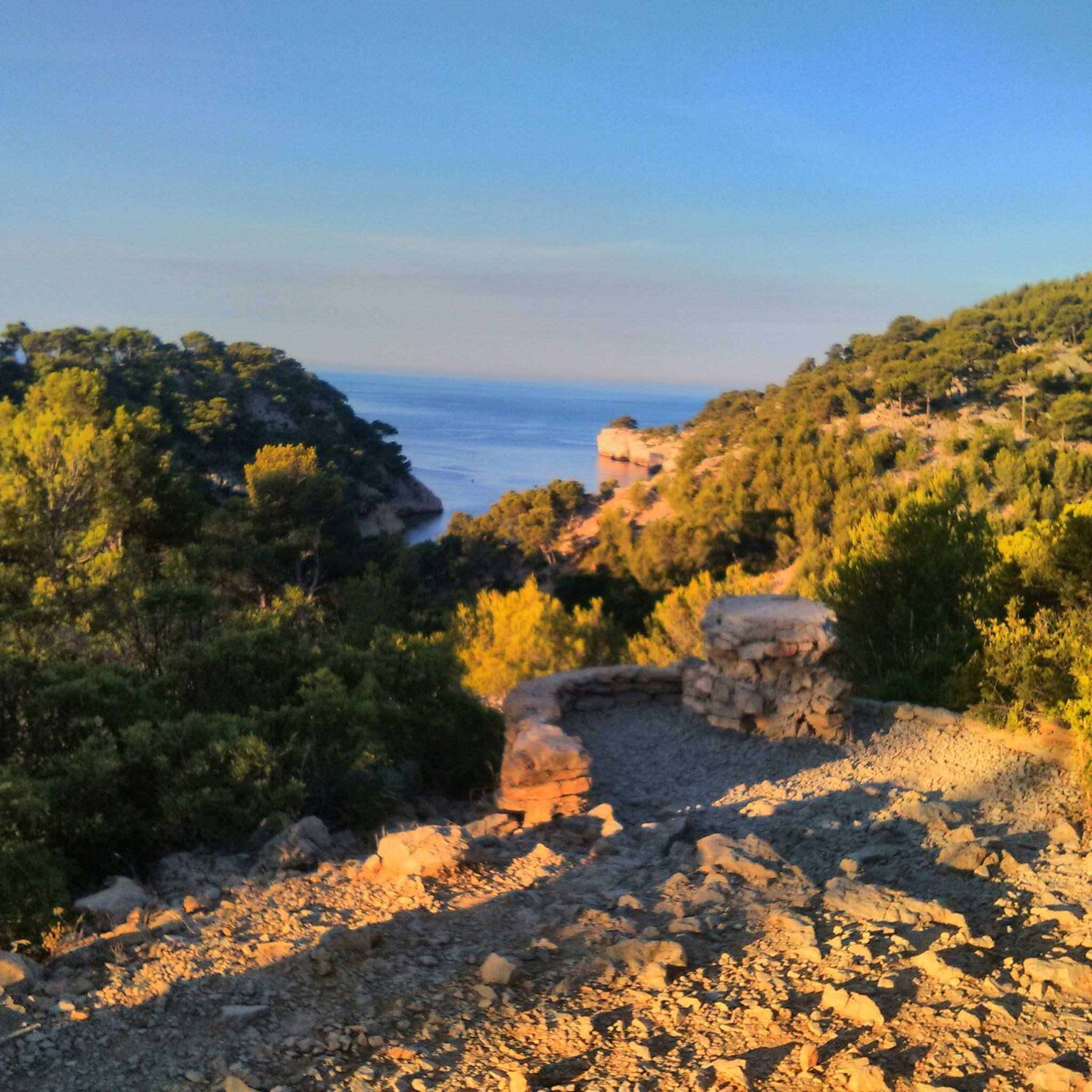
En Vau Viewpoint
Highlight • Viewpoint
Exceptional viewpoint over the Calanque d'En Vau ("in the valley" in Provençal), Cap Canaille opposite, the Riou archipelago and the Calanque de l'Oule on the right, Cap Sicié at the far end! Enjoy :)!
Translated by Google •
Tip by

Candelon Couloir
Highlight (Segment) • Gorge
Translated by Google •
Tip by
Entrance to the Calanques
Highlight (Segment) • Trail
The percentages are quite large on a few sections. So be careful, you will probably have to put your foot on the ground.
Translated by Google •
Tip by

Descent to the Bottom of the Valley
Highlight (Segment) • Trail
(FYI, don't go the other way)
Translated by Google •
Tip by

View of Calanque de Morgiou
Highlight • Viewpoint
Translated by Google •
Tip by

Sign up for free to discover even more gorges in Bouches-du-Rhône.
Already have an account?
Start today with a free account
Your next adventure awaits.
Popular around Bouches-du-Rhône
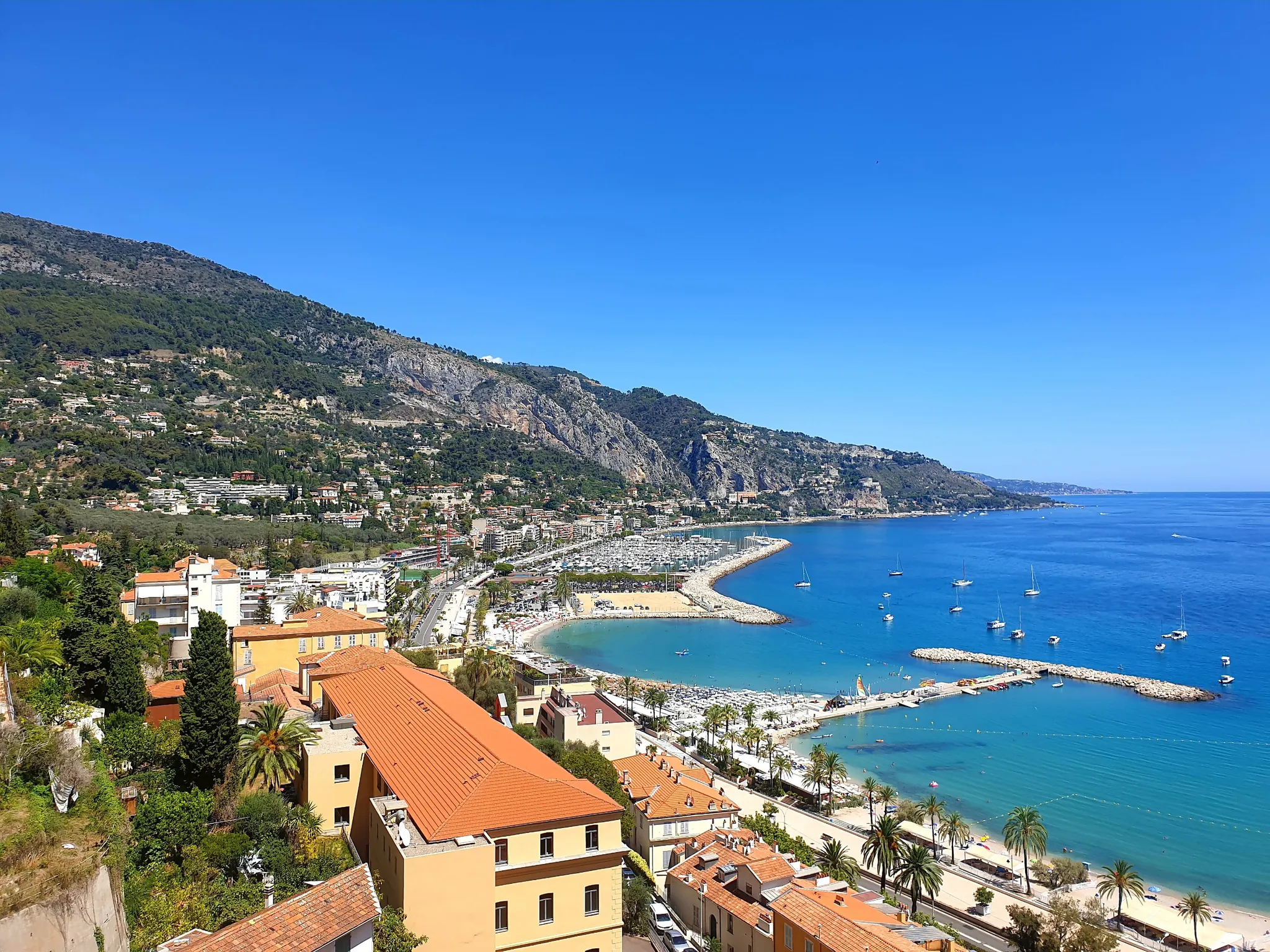
Between sea and mountains – other balcony of the Mediterranean
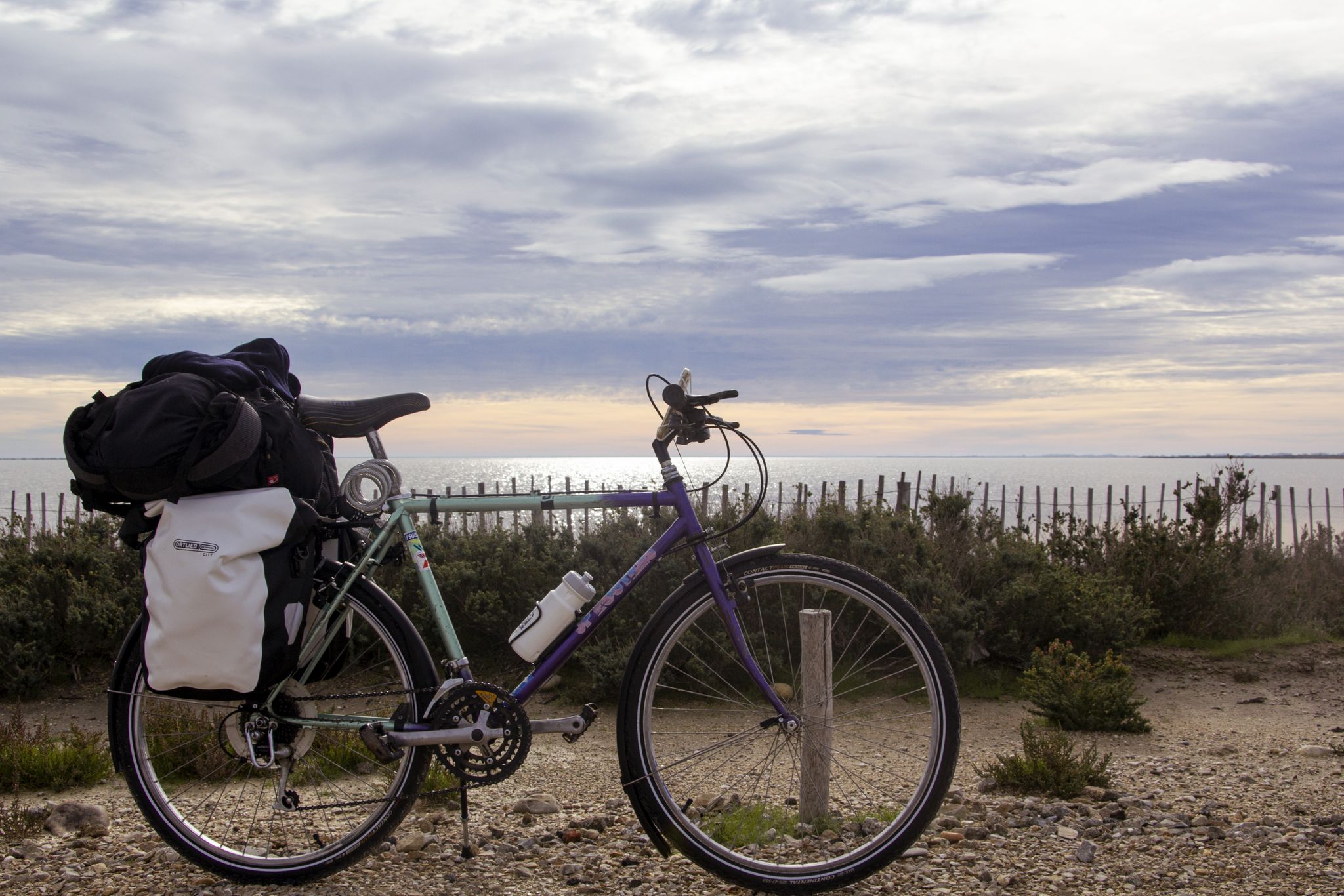
From Marseille to Montpellier — France's south coast by bike

Tarmac, trails and flow – Europe's best road to trail runs

Graffiti & Street Art Trails through Europe’s Coolest Cities
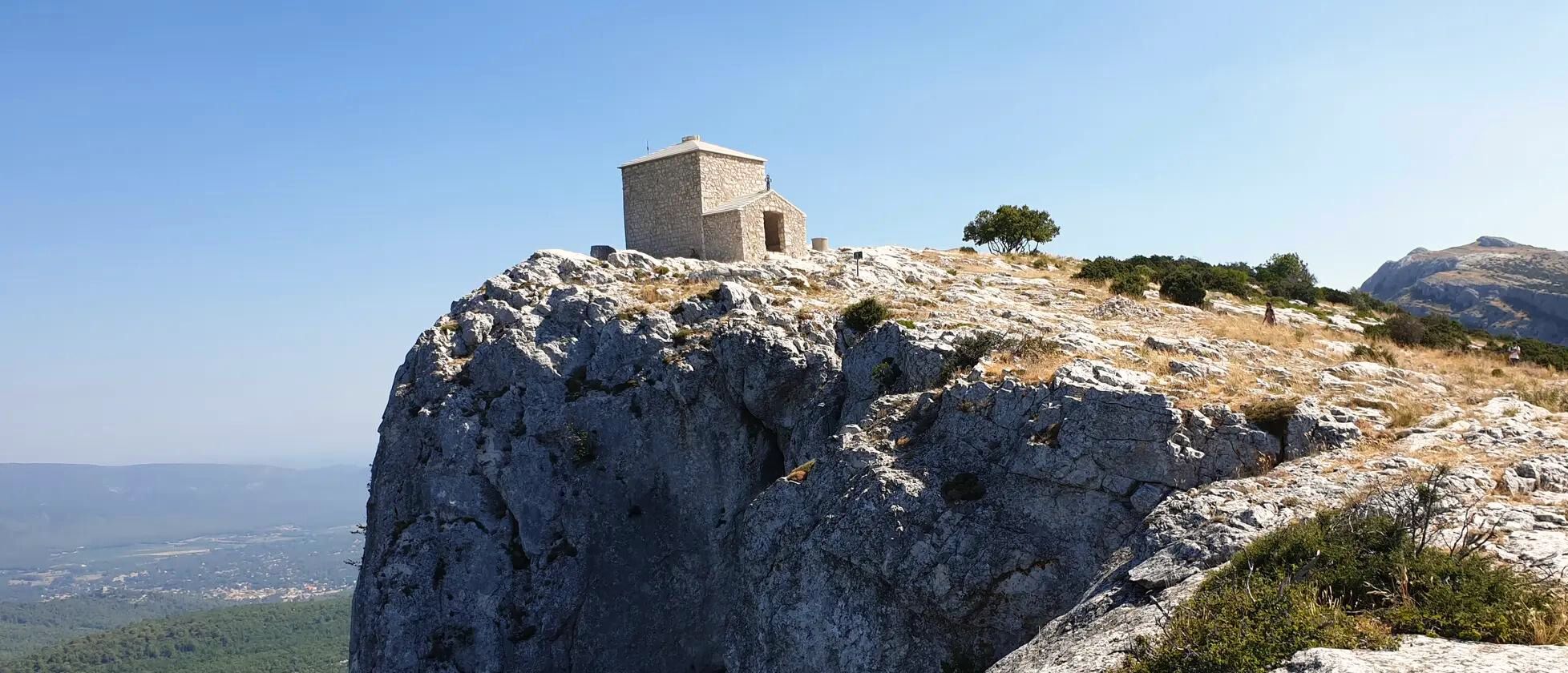
La Madrague to the Sainte-Baume – GR 98
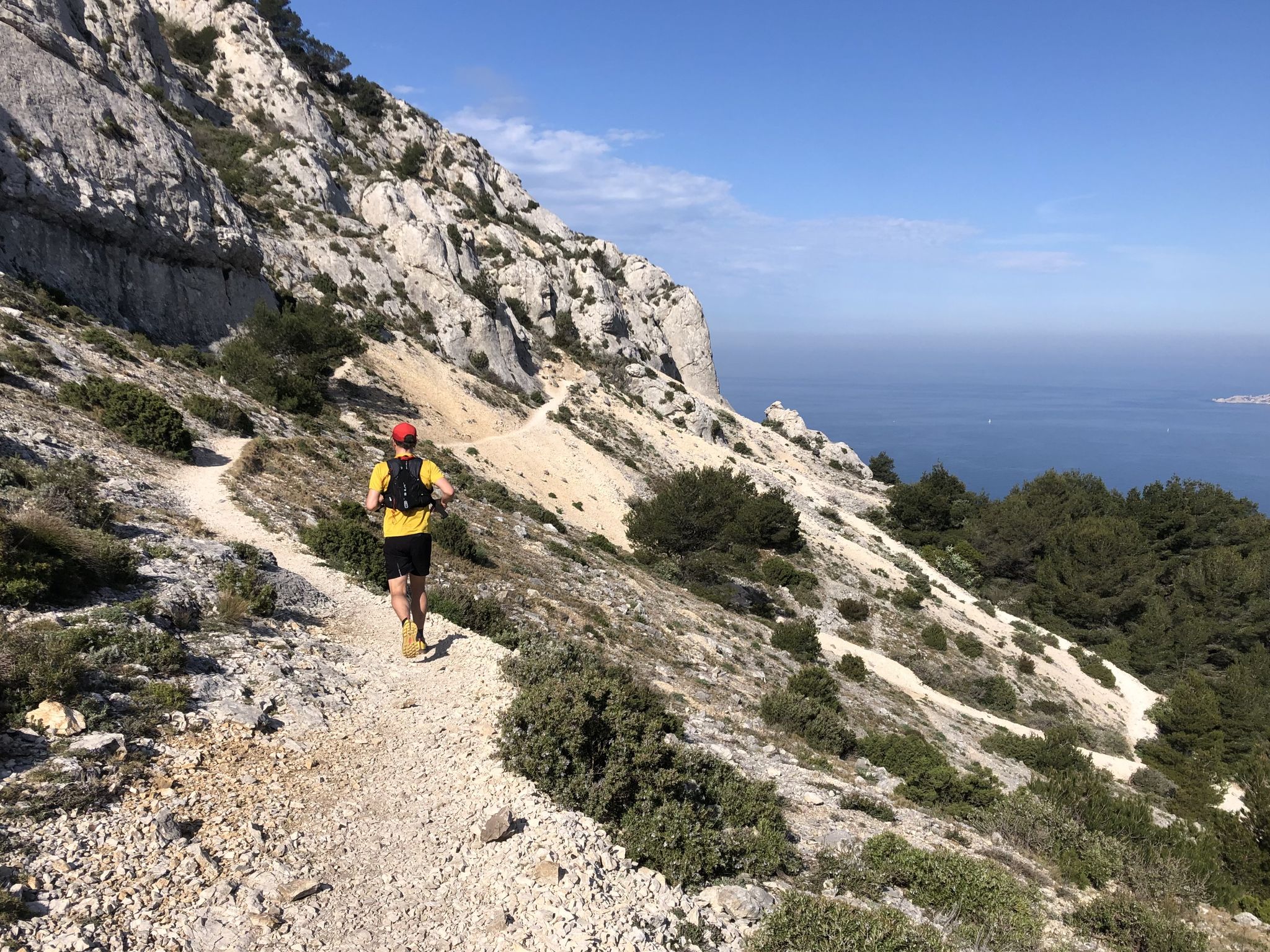
Cliffs, creeks and ridges – 10 sporty hikes in France’s Calanques
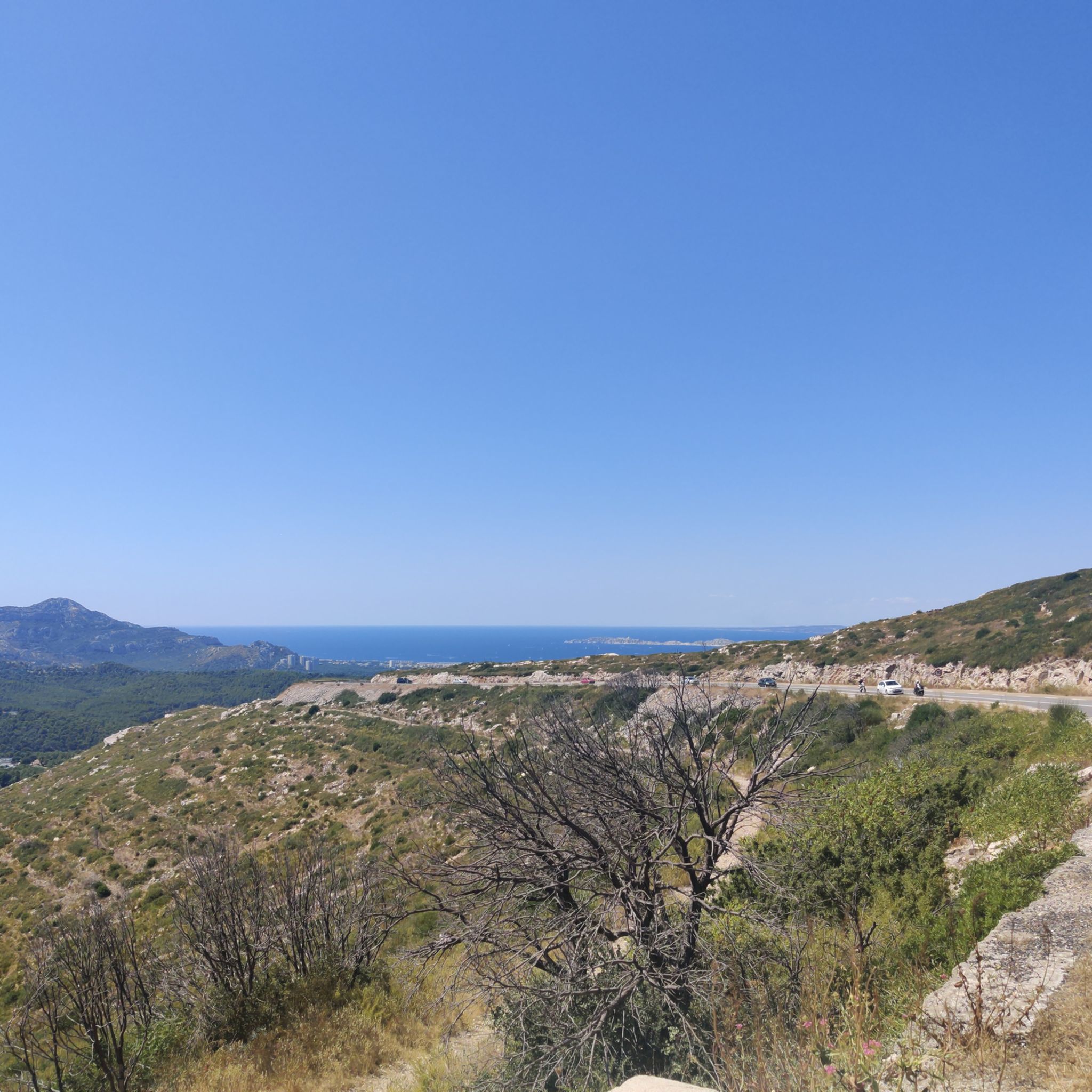
Hiking in Bouches-du-Rhône
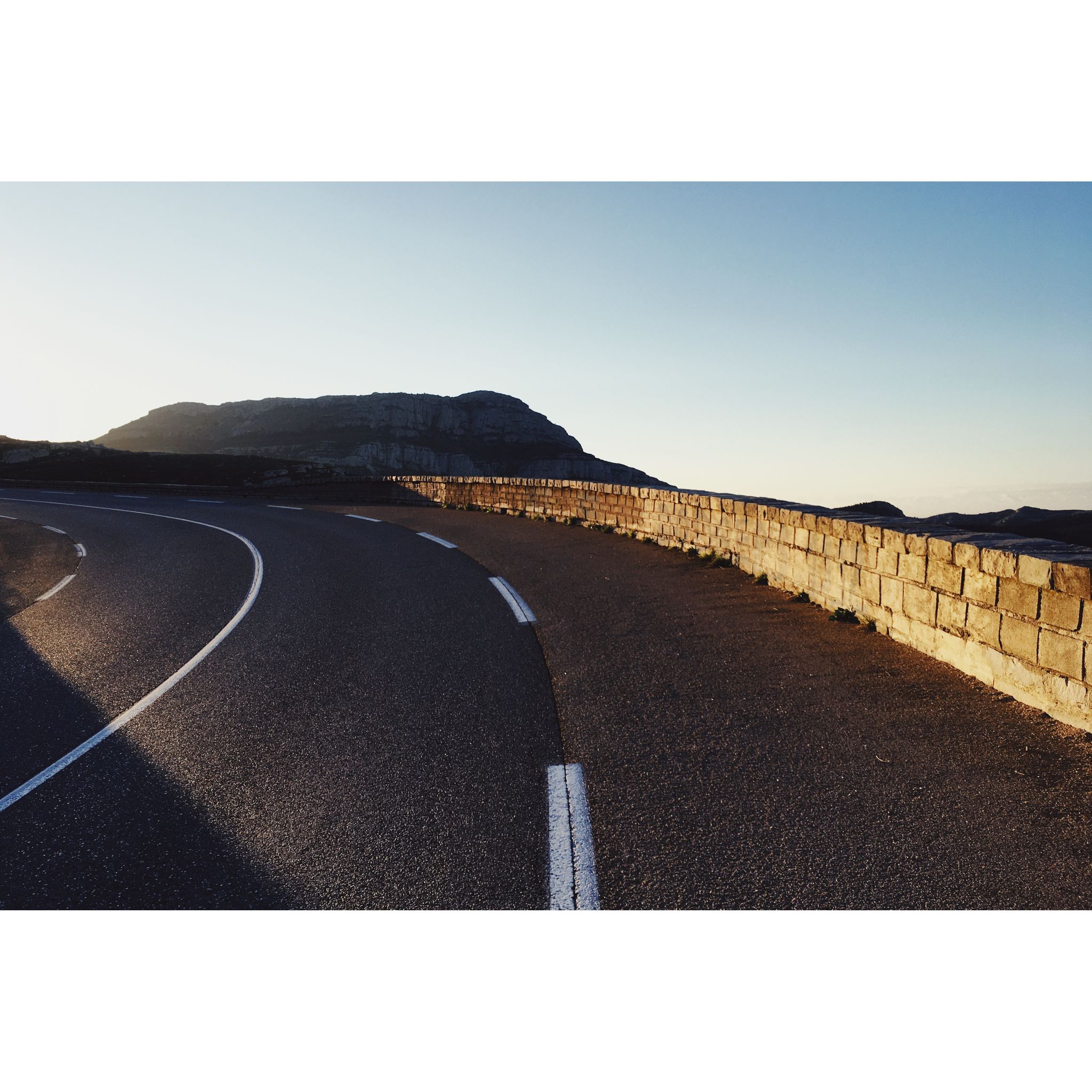
Road Cycling Routes in Bouches-du-Rhône
Cycling in Bouches-du-Rhône
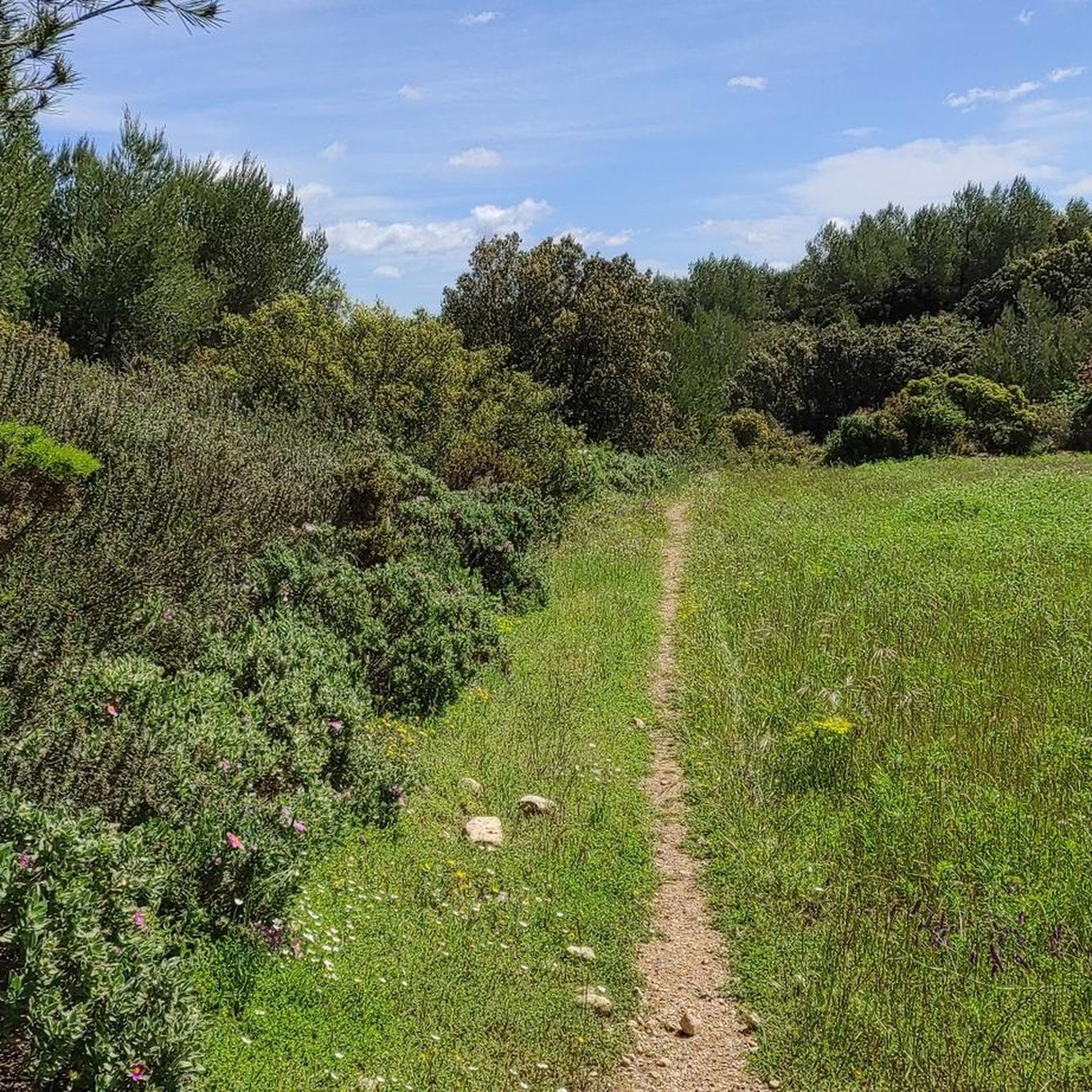
Running Trails in Bouches-du-Rhône
Other adventures in Bouches-du-Rhône


Tips from the Community

The rope for climbing the steep, smooth wall is gone! The route is still possible, but significantly harder.
0
0

The undergrowth has grown so much that it's becoming very difficult to get through. (FYI, don't go the other way)
0
0
Steep descent for 20 minutes, be careful
2
0

A journey that will amaze you
0
0

Rolling track with beautiful view and passage with a good radar!
0
0
In the later seasons, you shouldn't be there after 11 a.m. to start hiking. Otherwise it will be a problem with the darkness. The hike is also 1.6km x2 longer because the designated parking lot can no longer be used and has been on the main road for years.
2
0
Definitely hike from morgiou to Sugiton due to a demanding and dangerous scrambling for a smooth cliff. Good fitness and proper shoes required for steep and small gravel up and down.
1
0

Frequently Asked Questions
What kind of natural features can I expect to see in the canyons of Bouches-du-Rhône?
The canyons in Bouches-du-Rhône, particularly within the Calanques National Park, are characterized by impressive limestone and granite rock formations. You'll find deep coastal gorges, river-carved valleys, and stunning sea-level coves. Highlights like the En-Vau Calanque viewpoint offer grandiose views of these enclosed bays and dramatic cliffs.
Are there canyons suitable for traditional canyoning activities like abseiling and jumping near Bouches-du-Rhône?
While Bouches-du-Rhône itself features more hiking-oriented 'canyons' through geological formations, visitors seeking traditional canyoning with abseiling and jumps often head to nearby departments. The Val d'Angouire Canyon, located in Alpes-de-Haute-Provence near Moustiers-Sainte-Marie, is a popular choice accessible from Aix-en-Provence and Marseille. It offers medium-level canyoning with abseiling up to 20 meters, jumps, and slides amidst wild mineral landscapes.
What are some challenging canyon trails in Bouches-du-Rhône?
For those seeking a challenge, the Panoramic Trail Between Morgiou and Sugiton in the Calanques National Park is known for its via ferrata elements, including ladders, chains, and some unsecured climbs. Another adventurous option is the Candelon Couloir, which also involves climbing sections.
Are there family-friendly canyon walks in Bouches-du-Rhône?
Yes, for a more accessible and gentle exploration, consider the Canyon Provençal in Simiane-Collongue. This area offers a pleasant hiking circuit of about 8 km, allowing families to discover rich flora and fauna near the canyon walls. It's a great option for those seeking natural beauty and local history within Bouches-du-Rhône without extreme difficulty.
What is the best time to visit the canyons in Bouches-du-Rhône?
Spring and autumn are generally ideal for visiting the canyons in Bouches-du-Rhône, as the weather is milder and more comfortable for hiking and outdoor activities. For traditional canyoning in water-filled gorges like Val d'Angouire, spring is particularly enjoyable when water levels are higher. During summer, it's best to start early to avoid crowds and intense heat, especially in popular spots like En-Vau Beach.
Can I find historical landmarks or cultural sites near the canyons?
Yes, some canyon areas offer a blend of natural beauty and history. For instance, the Canyon Provençal in Simiane-Collongue allows hikers to see historical landmarks like the Clock Tower (an old 13th-century watchtower) and the 18th-century Saint-Pierre parish church. Further afield, the Gorges de Trévans (in Alpes-de-Haute-Provence) feature historical ruins such as the Saint-André monastery and the hamlet of Valbonnette along its paths.
What outdoor activities can I do near the canyons in Bouches-du-Rhône?
Beyond exploring the canyons themselves, Bouches-du-Rhône offers a variety of outdoor activities. You can find numerous hiking opportunities, including easy, moderate, and difficult trails. For example, you can explore hiking trails in the Calanques National Park or discover waterfall hikes. The region's rock formations also provide excellent spots for climbing.
Are there viewpoints offering panoramic vistas of the canyons?
Absolutely. Many areas provide breathtaking views. The En-Vau Calanque viewpoint offers a grandiose perspective of the bay below and over the ridge to the sea. The View of the cliffs and the Calanque d'En-Vau provides a deep bay view from above, almost bird's-eye. The Devenson Cliffs also feature a balcony path with exceptional viewpoints, though it's not ideal if you suffer from vertigo.
Can I swim in the canyon areas of Bouches-du-Rhône?
Yes, you can swim in certain areas, particularly in the Calanques. En-Vau Beach is a popular spot for swimming, though the water can be quite cold due to the narrow valley. It's recommended to arrive early to avoid crowds and enjoy the sunshine. Remember that staying overnight in the national park area is strictly forbidden.
What are some lesser-known or 'hidden gem' canyons in the region?
While the Calanques are well-known, areas like La Nerthe – Ravin de la Cloche and Vallon du Riaux offer beautiful trails through gorges. The Vallon des Piches is another gorge that provides a challenging yet rewarding experience away from the most crowded spots.
Are there any specific safety considerations for exploring the canyons?
Yes, safety is paramount. Trails like the 'black route' at Plage d'En-Vau are unofficial, very steep, and unsecured, making them extremely dangerous, especially in wet conditions. Always stick to marked paths. For challenging routes like the Panoramic Trail Between Morgiou and Sugiton, be prepared for climbing passages, some of which are unsecured. If you suffer from vertigo, certain cliff-edge paths like those at the Devenson Cliffs may not be suitable.
Most popular routes in Bouches-du-Rhône
Most popular attractions in Bouches-du-Rhône

Get inspired with the komoot mobile app


Explore more
Already discovered everything in this region? See additional gorges in Bouches-du-Rhône for your next adventure:
