Top 6 Caves in Normandy
Best caves in Normandy include a variety of natural and historical underground formations. The region features dramatic sea-carved formations along its coastline, prehistoric archaeological sites, and historical troglodyte dwellings. These sites offer insights into both geological processes and human history. Normandy provides diverse opportunities to explore unique underground environments.
Best caves in Normandy
- The most popular caves is Porte d'Aval Arch (Étretat), a natural monument known for its dramatic white chalk cliffs and natural arches, including sea caves. It is an iconic landmark of Normandy, offering opportunities for photography and scenic walks.
- Another must-see spot is Orival Troglodyte Caves, historical caves once inhabited by textile workers in the 17th century. Visitors can observe traces of their lives carved into the rock, integrated into a scenic outdoor experience.
- Visitors also love Fosse Arthour, a gorge featuring two legendary caves associated with King Arthur and Queen Guinevere. This site offers a superb panorama and a waterfall, making it a significant location for local legends and natural beauty.
- Normandy is known for its sea caves, historical troglodyte caves, and archaeological grottoes. The region offers a variety of underground experiences, from natural formations to sites with significant human history.
- The caves in Normandy are appreciated by the komoot community, with more than 990 upvotes and over 510 photos shared by visitors.
Last updated: October 16, 2026
Porte d'Aval Arch (Étretat)
Highlight • Natural Monument
Translated by Google •
Tip by

Orival Troglodyte Caves
Highlight • Cave
Translated by Google •
Tip by

Sign up now to discover places like this
Get recommendations on the best single tracks, peaks, & plenty of other exciting outdoor places.
Nez de Jobourg Parking
Highlight • Parking
Website: aladecouvertedelahague.fr
Costs: 5 euros adult, 2.50 euros children (10-16 years)
+ 0,50 Euro for possibly shoe rental
Reservation by phone is essential:
Tel .: 0233538612 [Yves Cottebrune]
Email: aladecouvertedelahague@gmail.com
Start at the kiosk "buvette de la Falaise" at the Nez de Jobourg
Date and time are dependent on the tide and can be found on the website
Duration: 5 - 5.5 hours
for those not suitable: children under 10 years and people with health restrictions
Translated by Google •
Tip by

Fosse Arthour
Highlight • Gorge
Translated by Google •
Tip by

Victor Hugo Cave and Veules-les-Roses Beach
Highlight • Cave
Translated by Google •
Tip by


The Marvelous Pit
Highlight • Cave
Translated by Google •
Tip by

Surtainville Grotto
Highlight • Natural
Translated by Google •
Tip by

Start today with a free account
Your next adventure awaits.
Popular around Normandy
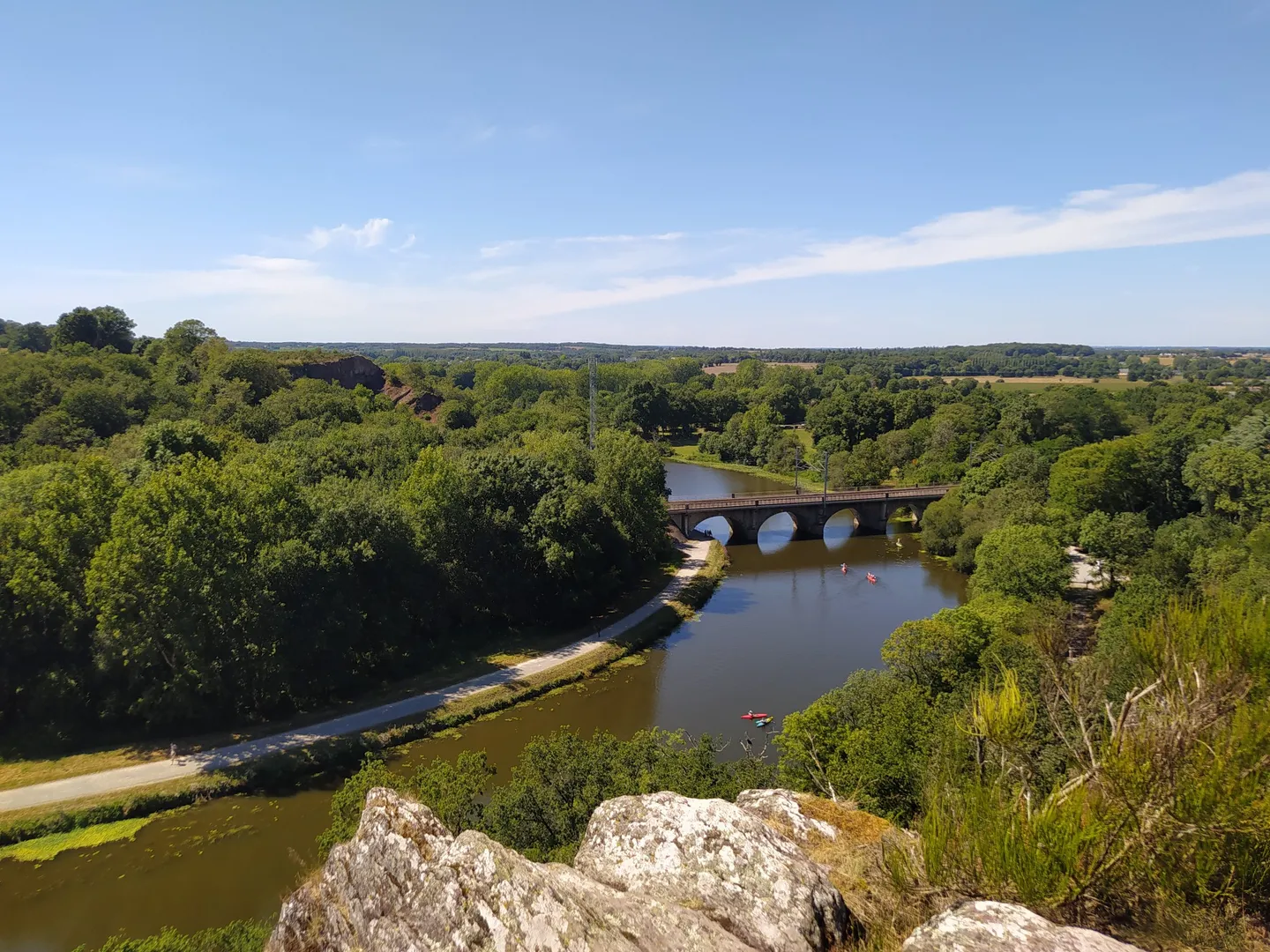
The GR 39 — On the historical traces of Brittany
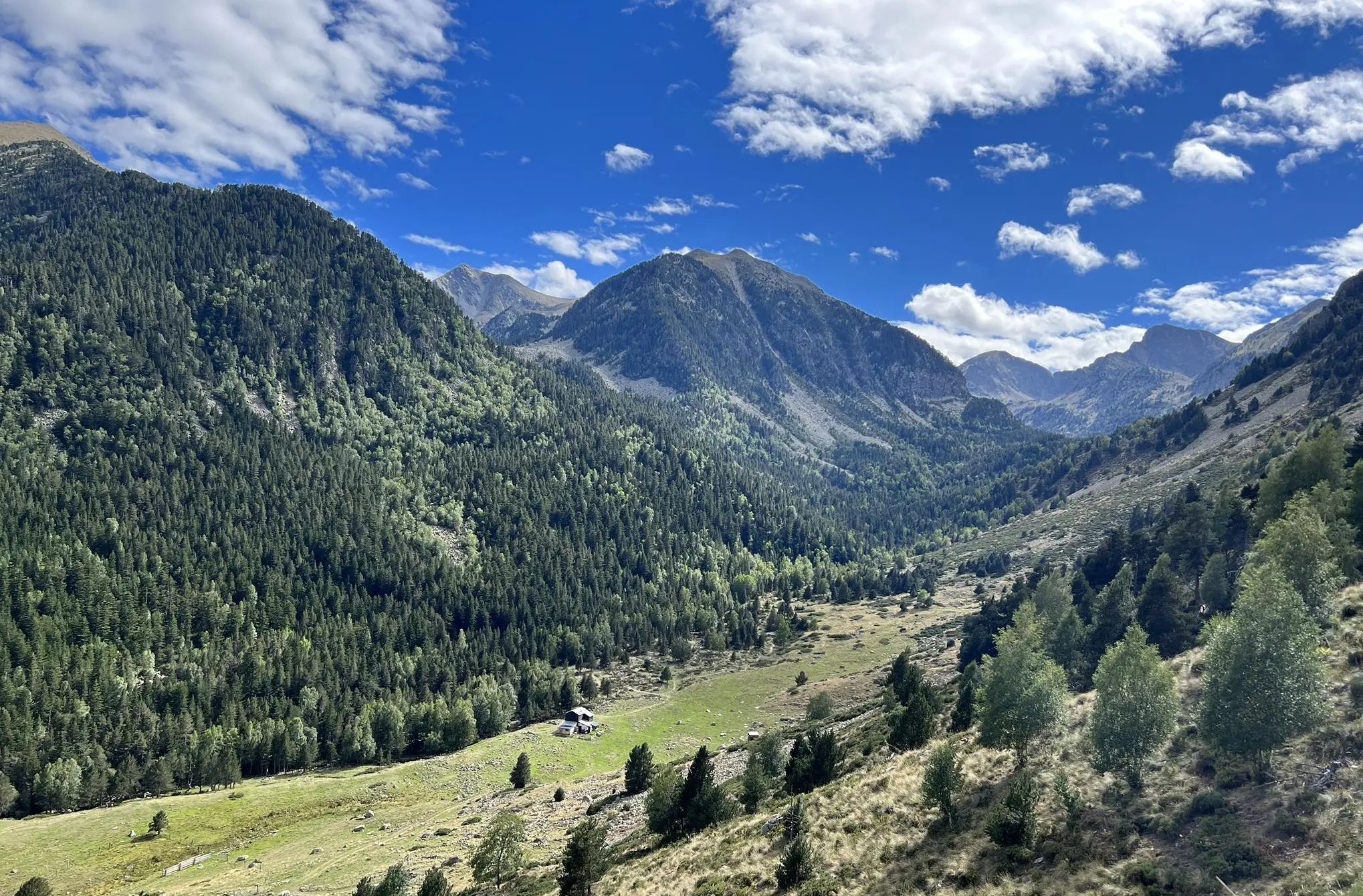
GR 36 long-distance footpath – Cross France from the Channel to the Pyrenees
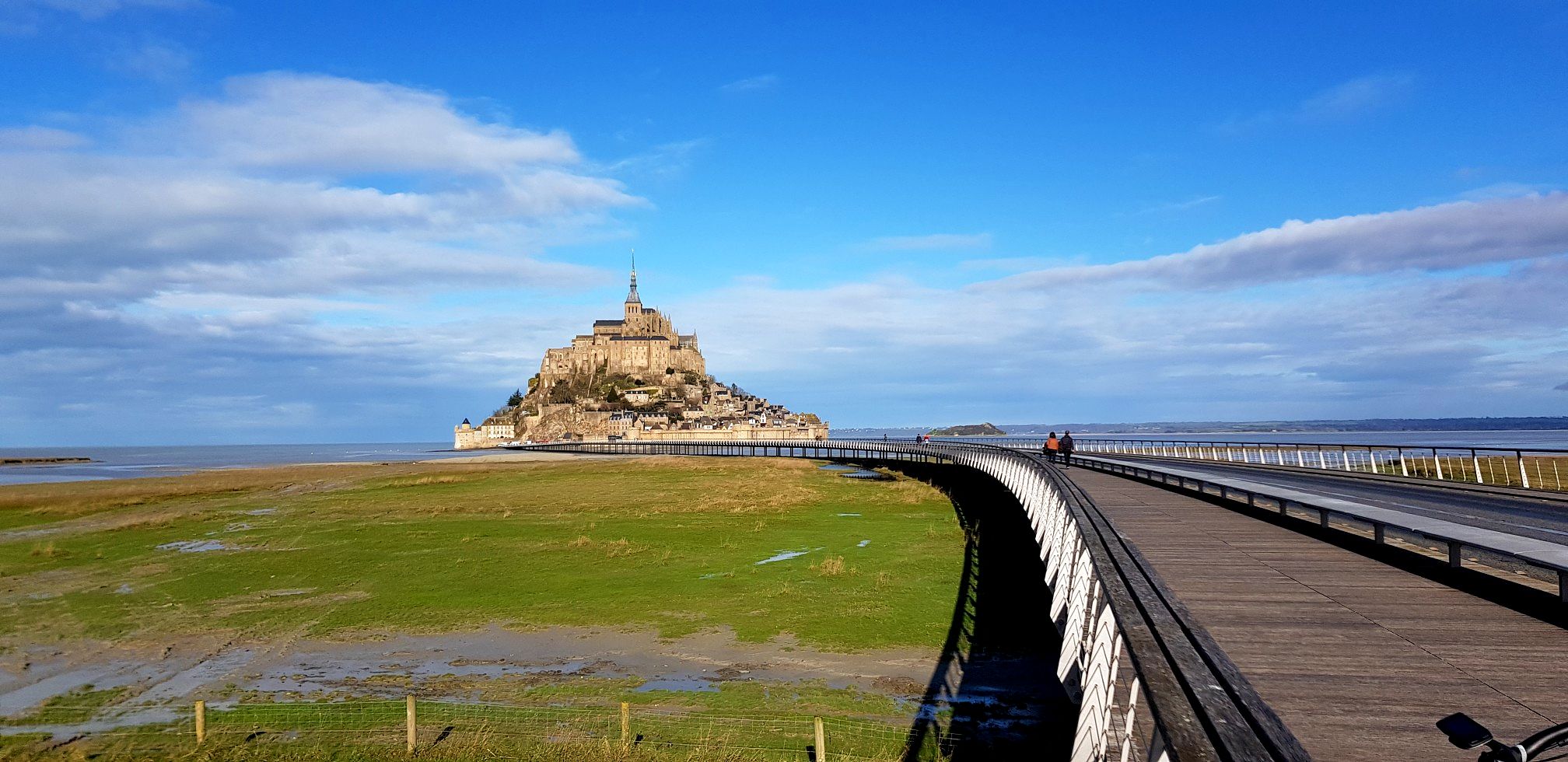
GR 22 to Mont-Saint-Michel – Miquelot's Walk
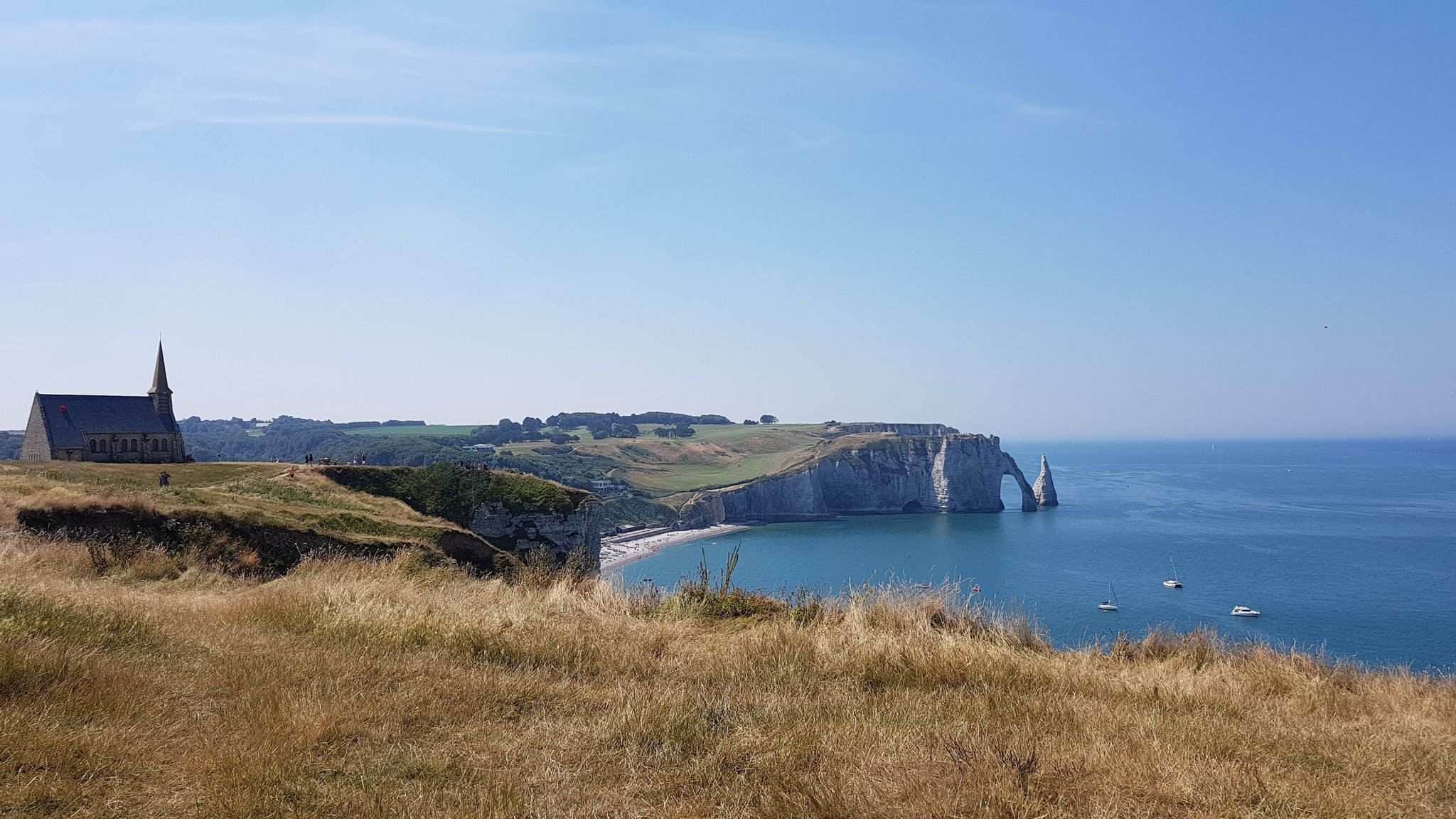
The GR 21 from Le Havre to Le Tréport — Exploring the Normandy coast
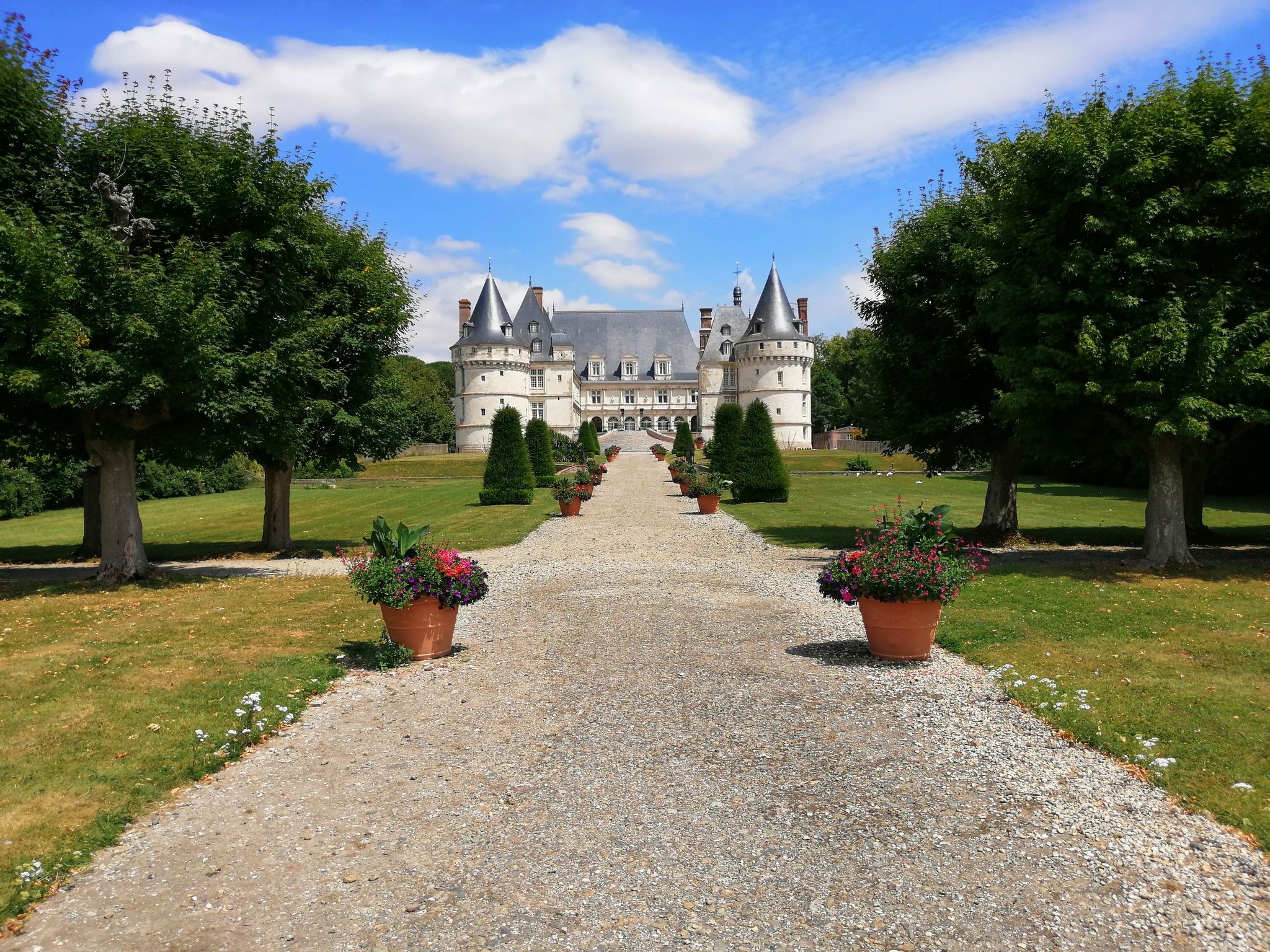
Avenue Verte – Cycling a beautiful adventure from London to Paris
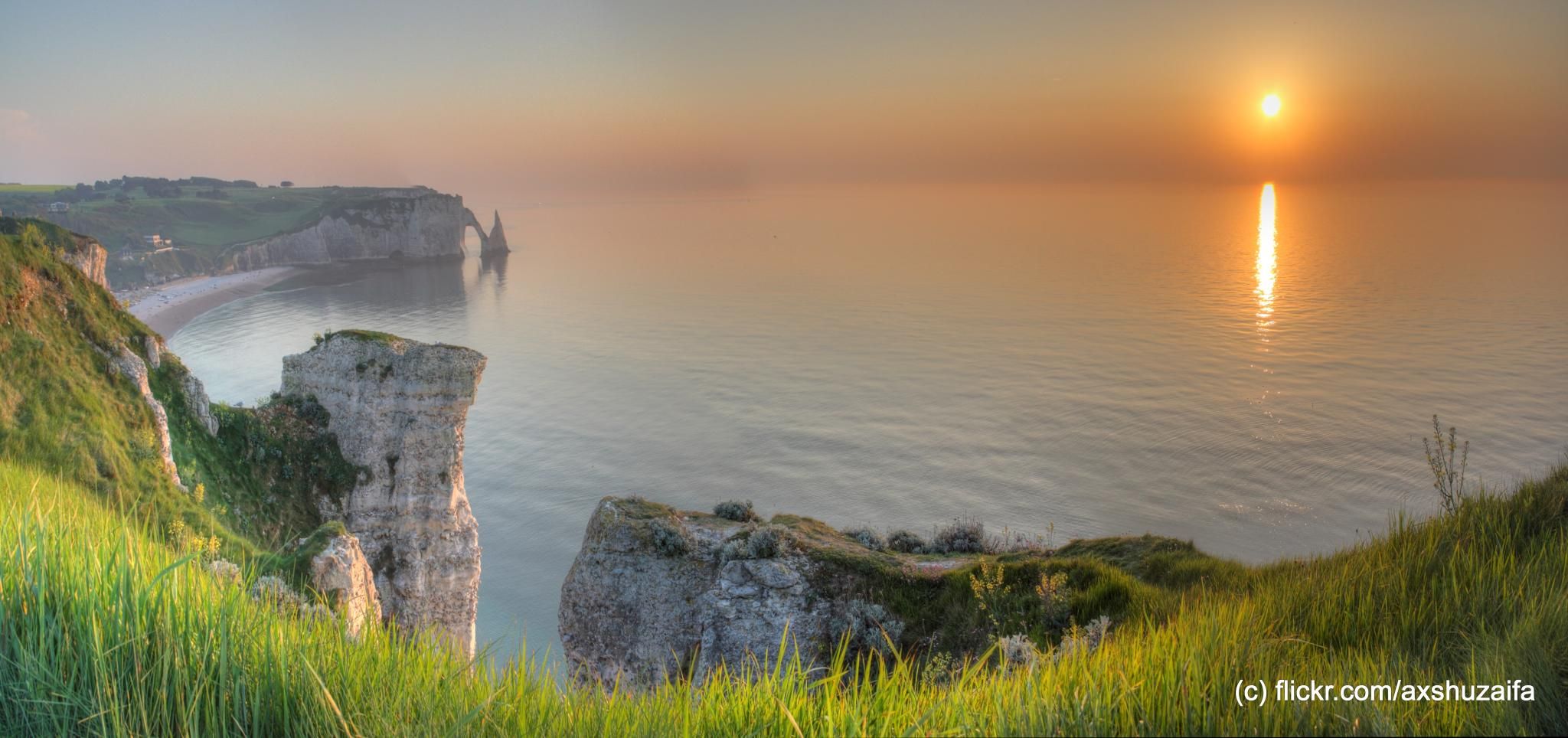
7 days on the tracks of the Impressionists in Normandy
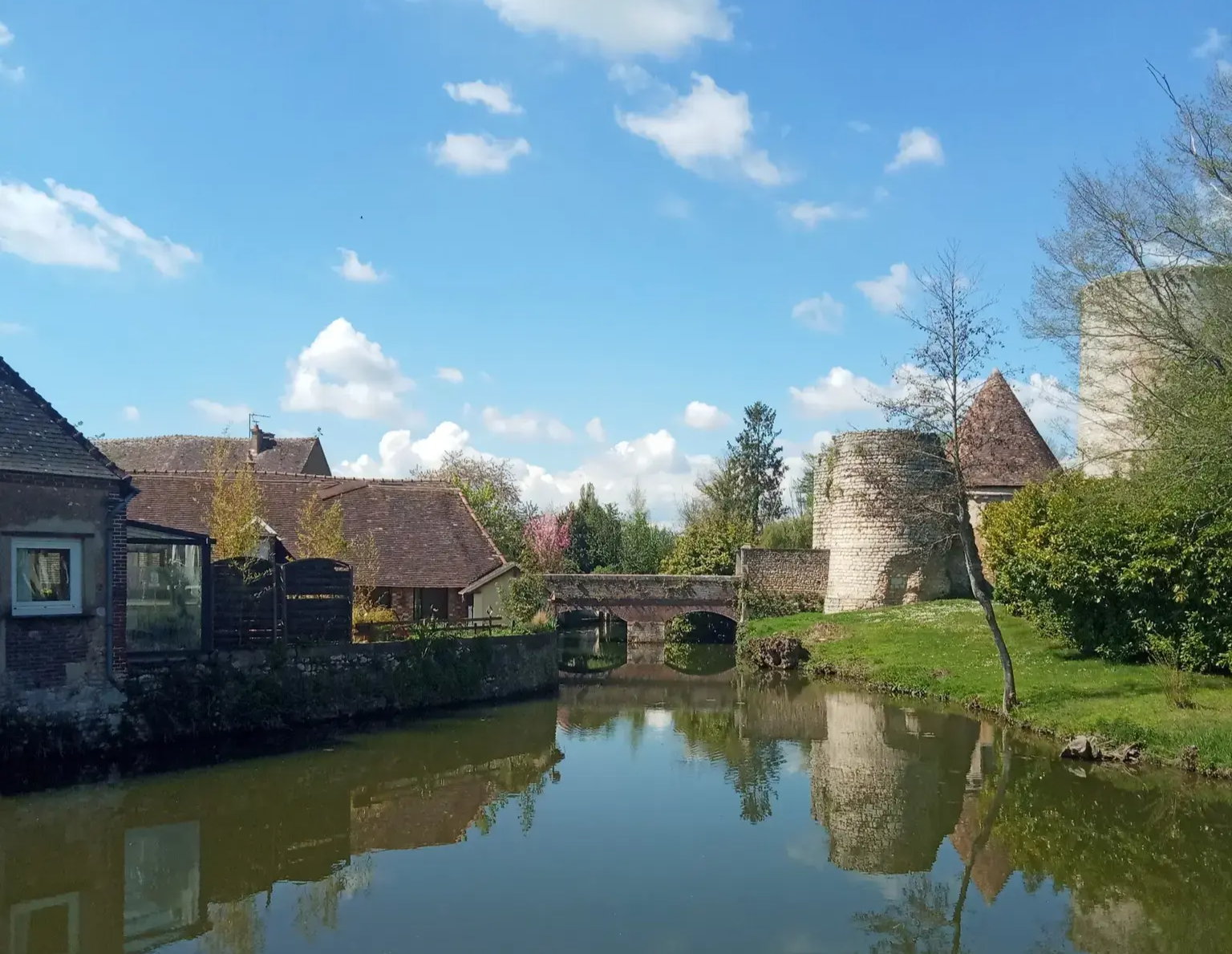
GR 35 — Walk from the Loir to the Loire
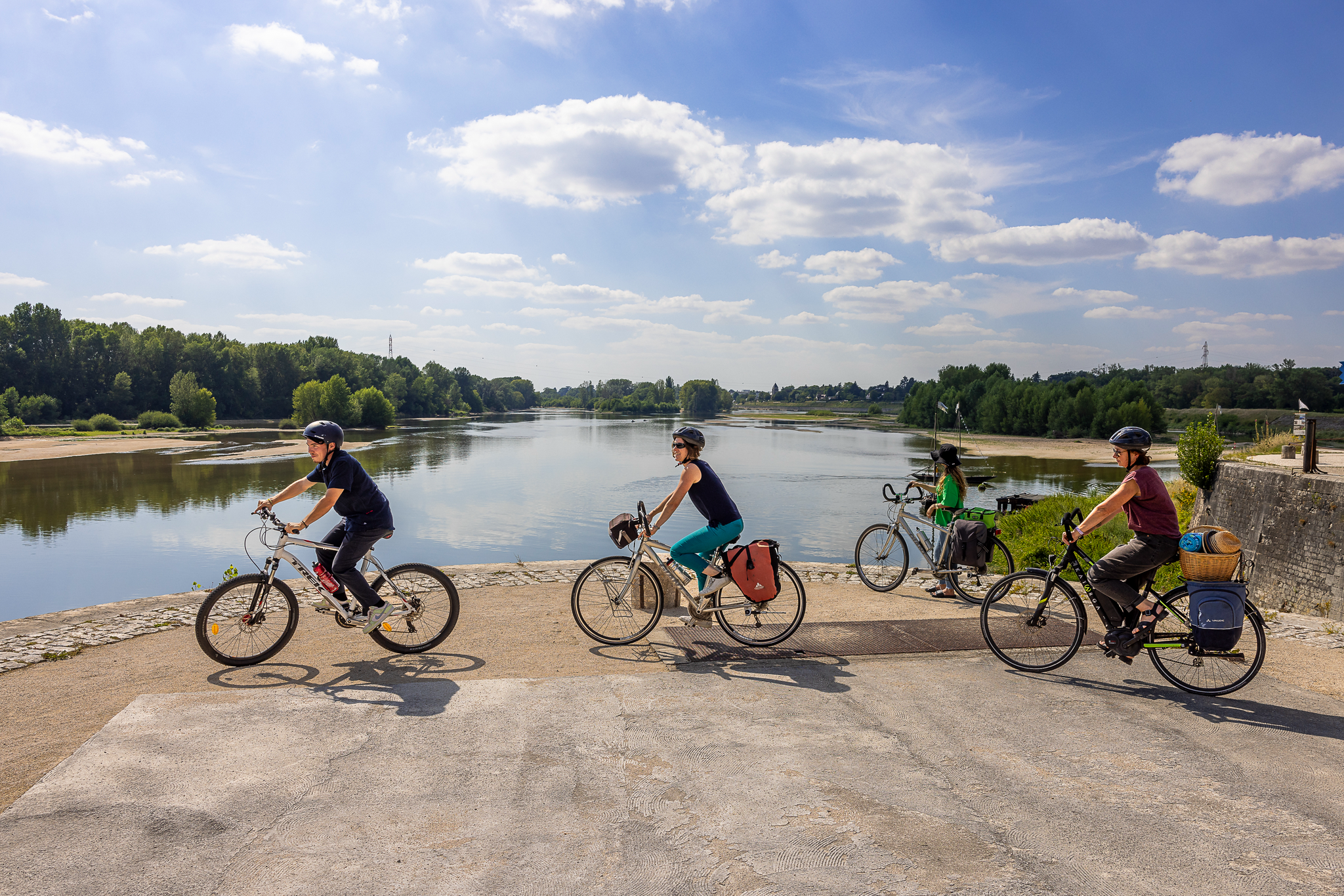
The most beautiful cycling routes in the Loire Valley
History and gastronomy - La Régalante
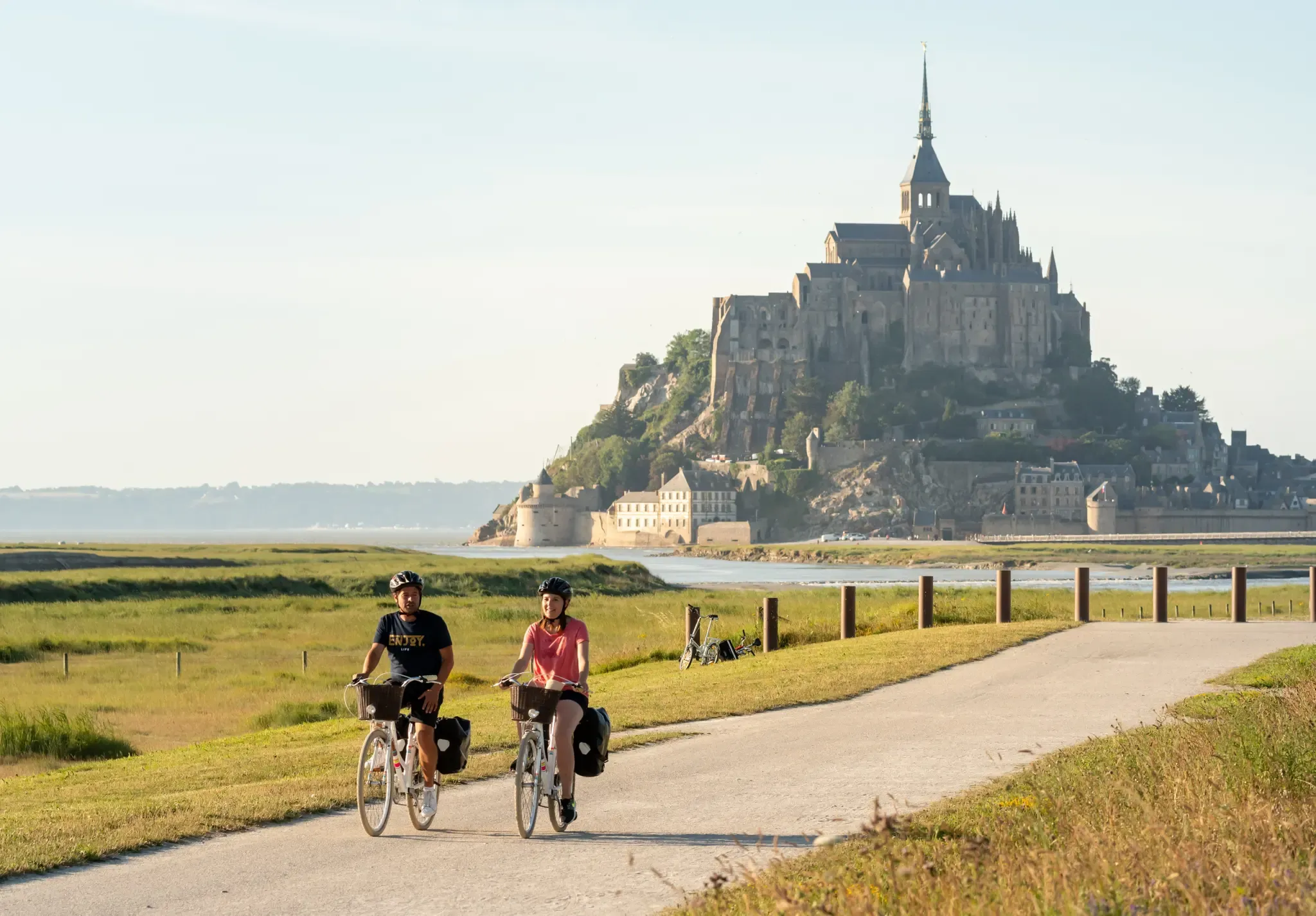
Cycling in Normandy – 7 station to station routes
Other adventures in Normandy


Tips from the Community


Many painters, including Monet, have immortalized these natural beauties.
5
0

beautiful lake that you can run around.
0
0

From here you have a great view of the Channel Islands
2
0
Large parking lot and starting point for various hikes.
2
0
This is probably one of the most popular motifs for photography and painting. It's amazing what nature creates.
9
0

beautiful rendering to achieve
0
0

Large free parking lot, also suitable for camper vans. There is an information board about the hike and even toilets on site.
0
0
Frequently Asked Questions
What types of caves can I explore in Normandy?
Normandy offers a diverse range of underground experiences, including dramatic sea-carved formations, prehistoric archaeological sites, and historical troglodyte dwellings. You can find natural arches, grottoes, and even former mines repurposed for exploration.
Are there any historical or man-made caves to visit in Normandy?
Yes, Normandy features several historical man-made caves. The Orival Troglodyte Caves, for instance, were once inhabited by 17th-century textile workers, with traces of their lives still visible. The Gouy Cave near Rouen is also significant for its Magdalenian parietal engravings, making it the northernmost decorated cave in Europe.
Where can I find sea caves or grottoes in Normandy?
The coastline of Normandy is known for its impressive sea-carved formations. The area around Porte d'Aval Arch (Étretat) features stunning natural arches and sea caves, particularly accessible at low tide. The Nez de Jobourg also has impressive grottoes with evocative names like Faerie or Lions Grotto, offering a rugged natural experience.
Are there any family-friendly caves or accessible options in Normandy?
While many cave experiences in Normandy involve natural terrain, the Surtainville Grotto is noted as family-friendly. For other sites, it's advisable to check specific accessibility details, as some, like the Nez de Jobourg caves, are not designed for mass tourism and require a certain level of physical fitness.
What unique caving experiences are available in Normandy?
For a unique geological experience, the Grotte des Petites-Dalles is the longest karst chalk cave in Seine-Maritime and the only show cave in Normandy, often visited by appointment or during the annual Cave Festival. The La Mansonnière Cave, originally a disused chalk mine, offers a more adventurous caving experience for speleologists due to its labyrinthine passages.
What outdoor activities can I do near the caves in Normandy?
Many caves in Normandy are situated in areas rich with outdoor activities. You can find numerous hiking trails, such as the challenging troglodyte trail near Orival or scenic routes around Étretat and Nez de Jobourg. There are also opportunities for cycling and mountain biking in the wider Normandy region.
What is the best time of year to visit caves in Normandy?
The best time to visit depends on the type of cave. Coastal sea caves are often best explored at low tide, which can occur at any time of year. For historical or archaeological sites, spring and autumn offer pleasant weather for exploring the surrounding landscapes. Some specialized caves, like the Grotte des Petites-Dalles, may have specific visiting seasons or require appointments.
Are there any caves in Normandy associated with local legends?
Yes, Fosse Arthour is a notable site featuring two legendary caves associated with King Arthur and Queen Guinevere. The Nez de Jobourg caves also have local legends, with some grottos rumored to have served as hiding places for smugglers.
What should I wear when visiting caves in Normandy?
For most cave visits, especially those involving natural formations or trails, sturdy walking shoes or hiking boots are recommended. Layers of clothing are also advisable as cave temperatures can be cooler than outside. If you plan a more adventurous caving experience, specialized gear might be necessary, and this would typically be provided or specified by the tour operator.
Can I find hidden or less-known caves in Normandy?
While some caves are well-known, Normandy's diverse landscape means there are many smaller, less-explored formations. The region's cliffs and coastal areas, like those near Étretat, often hide smaller sea caves accessible at low tide. Exploring local trails and engaging with regional guides can sometimes lead to discovering these hidden gems.
What do visitors enjoy most about the caves in Normandy?
Visitors appreciate the unique blend of natural beauty and rich history. Many enjoy the dramatic coastal landscapes, the insights into prehistoric life, and the historical human occupation found in troglodyte dwellings. The opportunity for scenic walks and photography, especially around iconic sites like Étretat, is also highly valued.
Most popular routes in Normandy
Most popular attractions in Normandy

Get inspired with the komoot mobile app


Didn’t find what you were looking for?
Discover more caves in Normandy region by region:
Explore more
Extend your search for the best caves by checking out these guides of the top ones in Normandy:
