Top 4 Caves in North Brabant
Best caves in North Brabant are predominantly man-made structures, as the region is not known for extensive natural geological cave systems. North Brabant features a landscape rich in historical sites, national parks, and cultural attractions. The underground attractions here include religious grottoes and historical shelters, offering insights into local history and spiritual practices. These sites reflect the region's heritage and provide unique exploration opportunities.
Best caves in North Brabant
- The most popular caves is Lourdes Grotto Mariahout 👼, a…
Last updated: June 29, 2026
Lourdes Grotto Mariahout 👼
Highlight • Religious Site
Tip by

Shelter in the Loonse en Drunense Duinen
Highlight • Historical Site
Translated by Google •
Tip by

Sign up now to discover places like this
Get recommendations on the best single tracks, peaks, & plenty of other exciting outdoor places.
Sign up for free
Mary's Grotto in Mariahout
Highlight • Religious Site
Translated by Google •
Tip by

Bat cellars
Highlight • Cave
Translated by Google •
Tip by

Lourdes Grotto
Highlight • Religious Site
Translated by Google •
Tip by

Start today with a free account
Your next adventure awaits.
Login or Signup
Popular around North Brabant
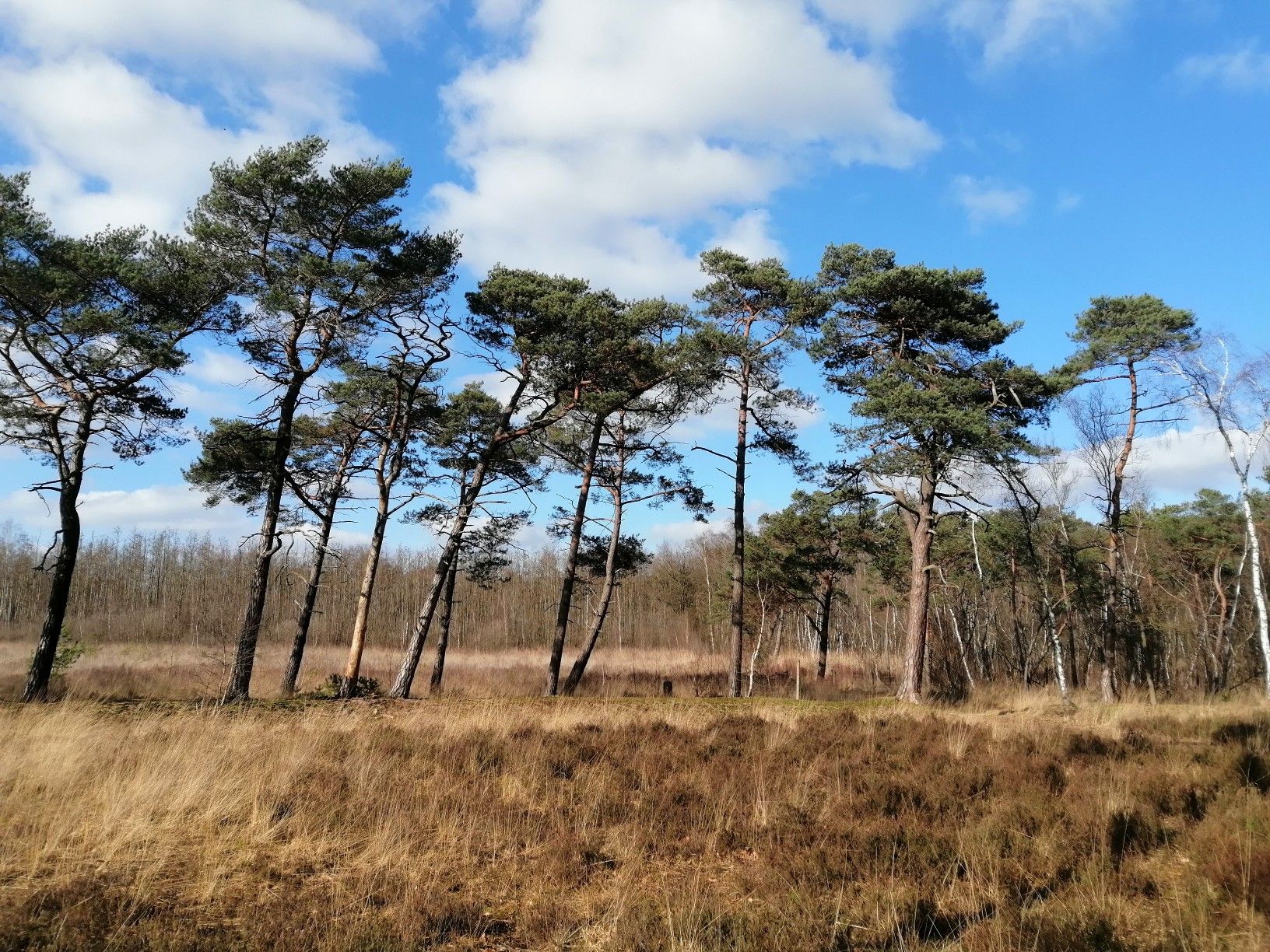
From Flanders to the Ardennes — GR 5 in Belgium
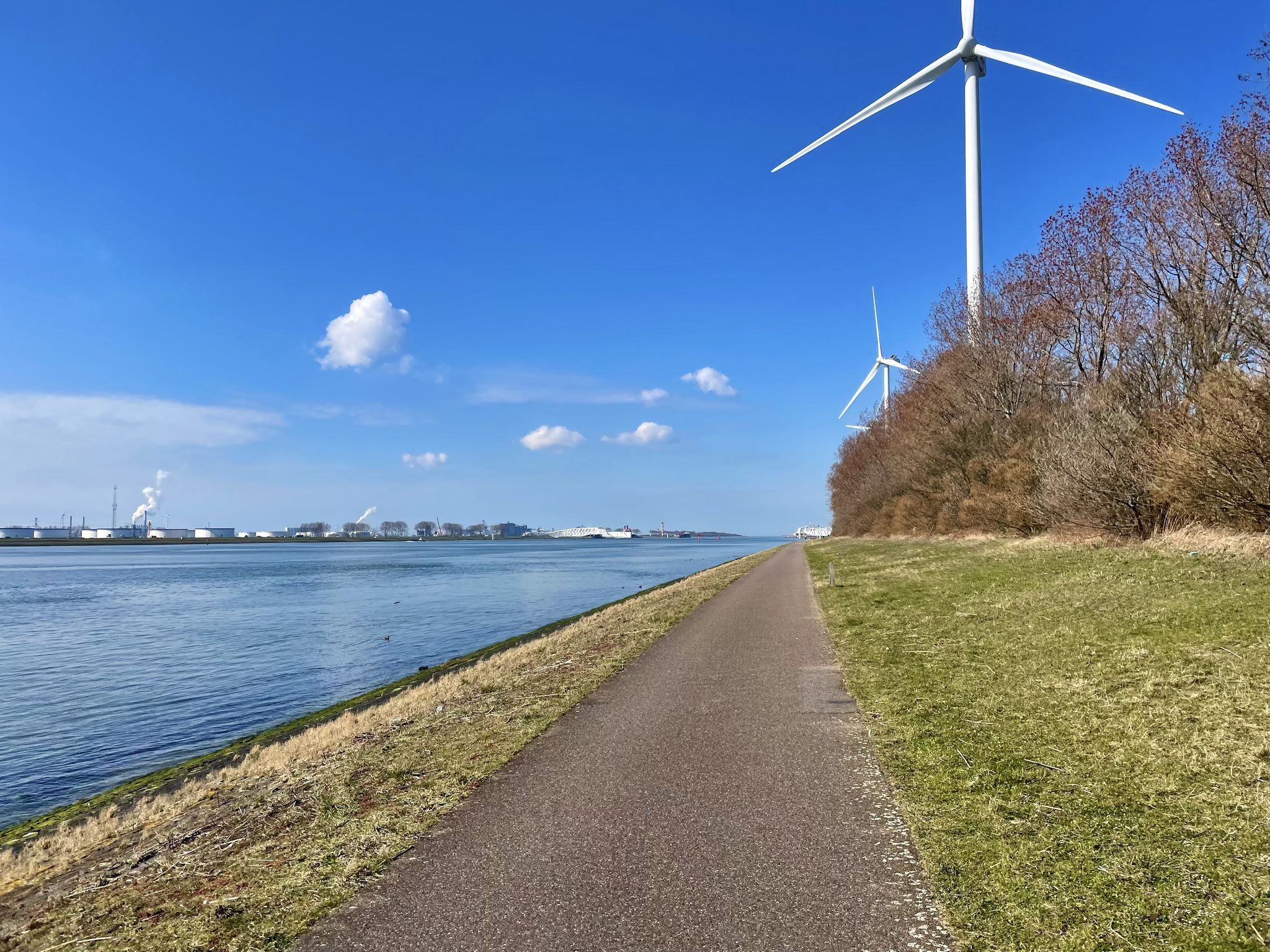
The Meuse Cycle Route - Follow the Meuse from the hills to the harbor
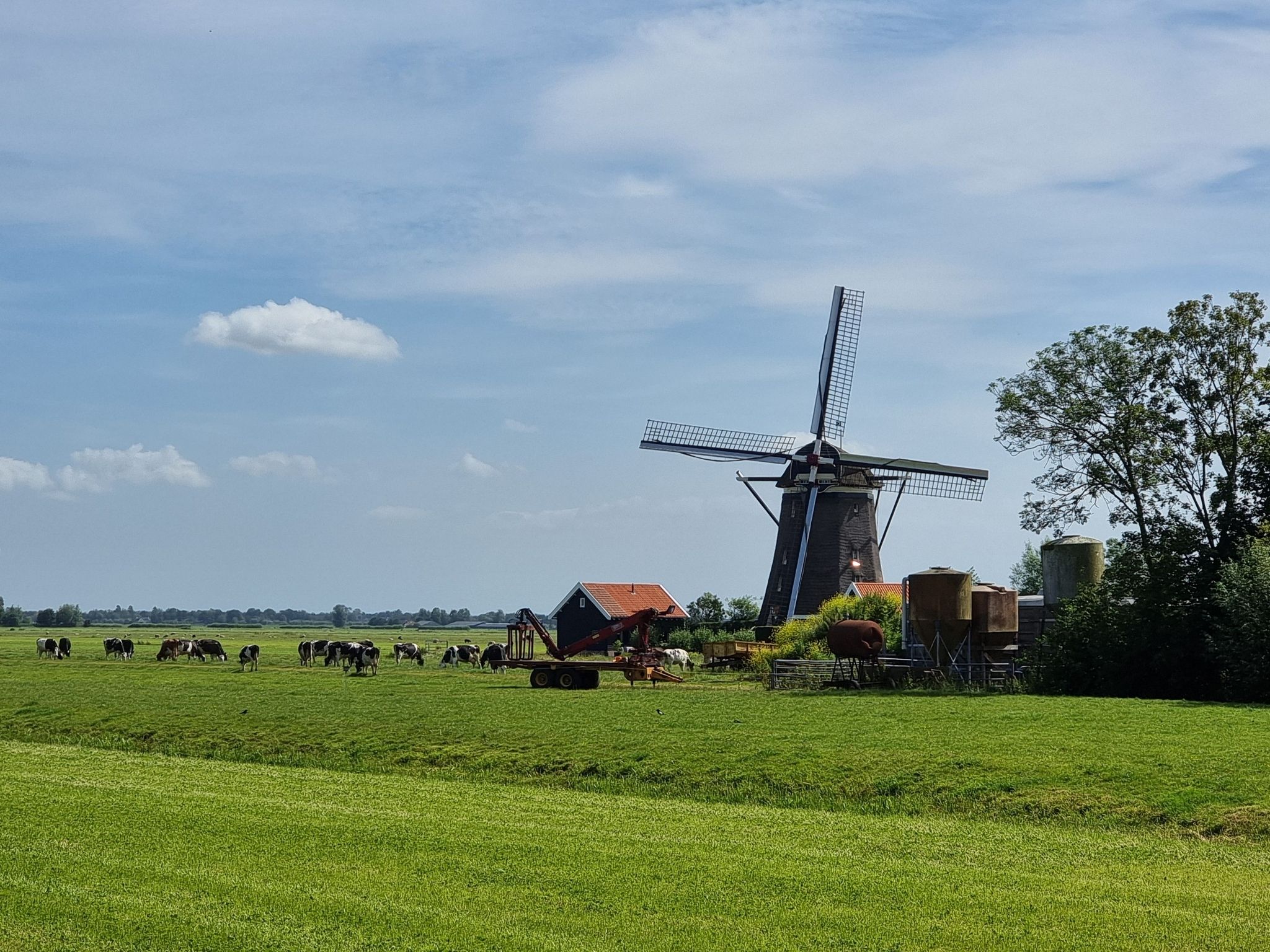
Pilgrim Trail (LAW 7-1) - Through idyllic villages and vast polders
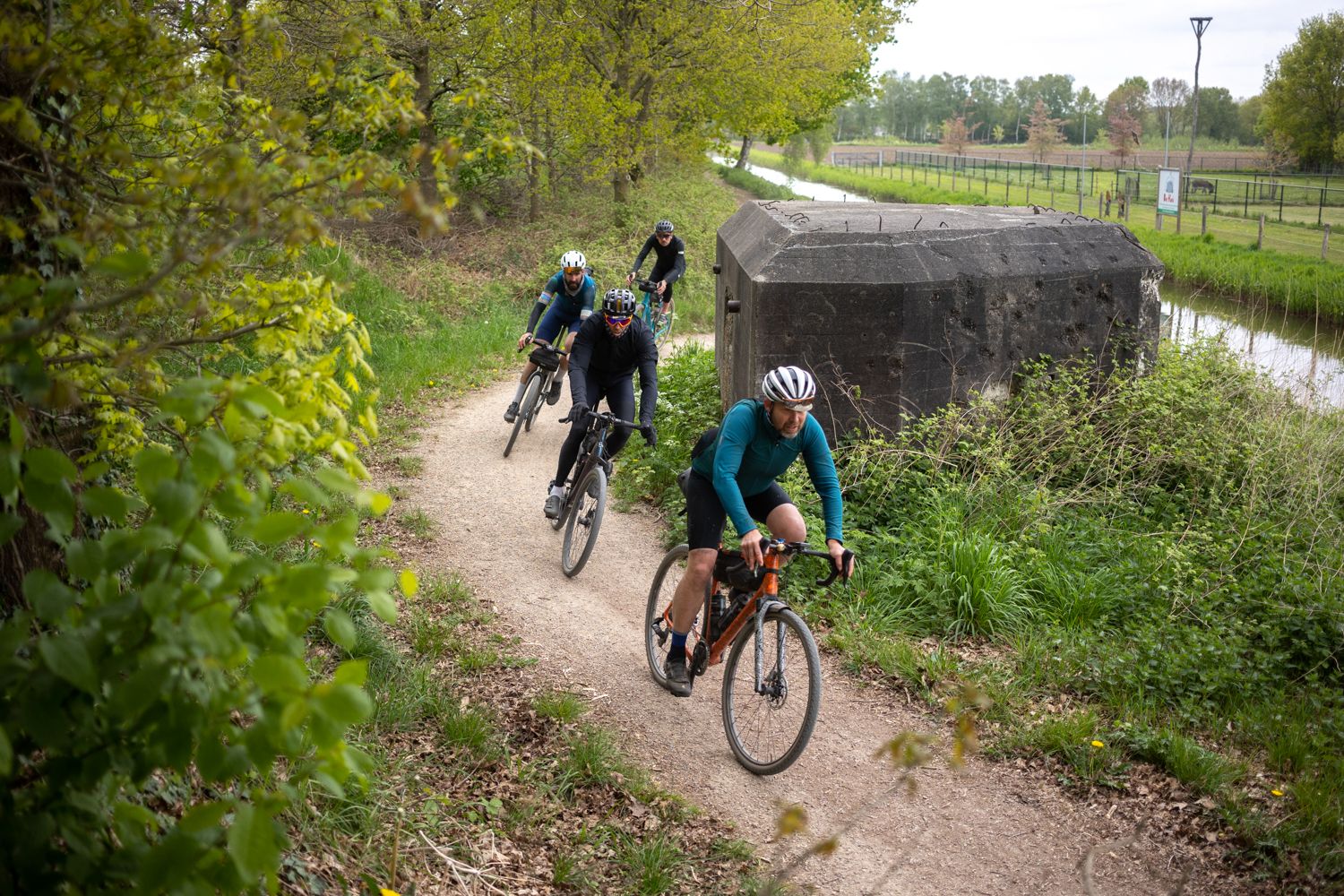
Liberation Divide | Straight through North Brabant
Pilgrim's Way part 2 — s-Hertogenbosch to Maastricht
Naples to North Cape — Two friends, one purpose and many scoops of ice-cream
Zuiderwaterlinie – history, culture, cobbles & gravel
Maarten van Rossumpad – hiking from 's-Hertogenbosch to Steenwijk
LF Maasroute – From Maastricht to Rotterdam along the Meuse River

Graffiti & Street Art Trails through Europe’s Coolest Cities
Other adventures in North Brabant


Tips from the Community

On May 30, 1999 (exactly 64 years after the first blessing), the new grotto was ready to be blessed.
1
0
Implementing this plan would cost nearly half a million guilders, assuming everything would be outsourced. This amount could not be raised. At the end of 1997, an entrepreneur took the initiative to rebuild the grotto with volunteers. A working group began motivating volunteers to participate in the grotto reconstruction in order to reduce costs. Over 60 volunteers participated, each providing their expertise free of charge. Companies in various sectors also pledged to contribute their resources free of charge. It was February 1998 when the first work actually began on the reconstruction of the Lourdes grotto. First, the ruins of the original grotto were completely cleared. Construction began in accordance with the professional plan, with the aim of creating a grotto that would last longer than the first grotto. Over 7,000 volunteer hours were dedicated to the project.
1
0
On May 30, 1935, the grotto was blessed. The structure was approximately 10 meters high and 25 meters wide, constructed of rebar covered with a thin layer of concrete. The entire structure, including its inventory, was as faithful a replica as possible of the Lourdes grotto. In the early 1990s, there were repeated calls from the community to do something with the dilapidated grotto. In 1991, the parish council made the decision in principle to rebuild the Lourdes grotto. Professional plans were drawn up, and a bank account was opened. A model was created, which served as a model for the design and served as a basis for various discussions and activities. After several contractors had submitted plans and ideas, no one was willing to guarantee the construction. However, the final plan (1997) seemed sound and was fully developed. A budget was drawn up for this.
1
0
It all began in a grotto in Lourdes, in the south of France. There, in 1858, the Blessed Virgin Mary appeared eighteen times to the simple peasant girl Bernadette Soubirous. This marked the beginning of the devotion to Our Lady of Lourdes, which would later evolve. On August 15, 1932, the parish of Our Lady of Lourdes was founded in Ginderdoor, later called Mariahout, in the municipality of Lieshout. With the great dedication of the residents of the new village, under the leadership of Father Jacques van Eijndhoven, a church was built quickly during that time of crisis. The church was completed on July 10, 1933, and consecrated by Bishop Diepen. Father van Eijndhoven, a devotee of Mary, had promised Mary upon his appointment as pastor of Mariahout that he would build a Lourdes grotto there as soon as possible (after the church was completed). “A church dedicated to Our Lady of Lourdes also has a Lourdes grotto,” wrote the pastor.
1
0

From early November 1944, the villages on Langstraat lay directly behind the front line formed by the Bergsche Maas River. Due to persistent German bombardment, some residents of Kaatsheuvel made a drastic decision. Peat excavation in the 17th and 18th centuries created a large amount of drifting sand around the Loonse and Moerse agricultural areas, threatening agriculture in the area. The farmers planted oak walls to keep the drifting sand off their land, and successfully so. In these drifting dunes, a family from Tilburg built a cellar in 1943 for, among other things, the storage of (smuggled) products. This cellar, built of Tilburg stone, was given a different purpose at the end of 1944, as an air raid shelter for various families from Kaatsheuvel and elsewhere. The families originally lived on Marktstraat in Kaatsheuvel, but due to persistent German bombardment from across the Maas River, they decided to seek safer shelter. Sometimes as many as twenty people would shelter there at a time. The cellar is furnished with straw beds and a small stove. During the day, the children go to school, their parents to work, and everyone returns in the evening. From the stories of a woman who used this space for extended periods as a young girl, we know it must have been a perilous undertaking at times. The bitterly cold winter of 1944-1945 didn't help matters, and it was truly grueling at times. The shelter is exceptionally sturdy; it's made entirely of stone, with vaults and iron beams. The entrance is designed so that you can't shoot directly inside: it has a bend and a steel door. Furthermore, it's built into a dune and therefore difficult to spot. Historical and archaeological research shows that there are several such shelters in the Netherlands. What's unique about this one is that it's still in its original state.
0
0

Beautiful place for a break and reflection.
0
0
Beautiful place for a break and reflection
0
0

The Lourdes Grotto was built in 1934, with permission from Bishop Diepen. The statue of Our Lady of Lourdes, which is housed in the grotto, is 1.80m tall and stands 4.50m above ground level. The grotto was consecrated on May 30, 1935, and attracted thousands of pilgrims. The polyphonic hymns were played through loudspeakers. The Lourdes Grotto in Mariahout was built in 1936-1937 by Father Van Eindhoven. By the end of the twentieth century, the grotto had fallen into serious disrepair. In 1998, it was completely rebuilt. Many volunteers from Mariahout contributed to the project. On May 30, 1999, the grotto was blessed again. Many people come to pray and light a candle. Especially in 2008, when the pilgrimage site of Lourdes celebrated its 150th anniversary. Moreover, the parish also celebrated its 75th anniversary that year. (Source: https://www.landvandepeel.nl/nl/locaties/3681105334/lourdesgrot-mariahout-laarbeek)
0
0
Frequently Asked Questions
Are there natural caves in North Brabant?
North Brabant is not known for natural geological cave systems. The 'caves' in this region are predominantly man-made structures, such as historical shelters and religious grottoes. For extensive natural cave systems, you would need to visit other regions like Limburg, which features the famous marl caves.
What kind of underground attractions can I expect to find in North Brabant?
In North Brabant, you'll discover unique man-made underground attractions. These include historical sites like the Shelter in the Loonse en Drunense Duinen, which served as an air raid shelter during WWII, and religious grottoes such as the Lourdes Grotto Mariahout 👼, a faithful replica of the Cave of Massabielle in Lourdes, France.
What are the most popular underground sites in North Brabant?
The most popular underground attraction is the Lourdes Grotto Mariahout 👼, a significant religious building. Another highly regarded site is the Shelter in the Loonse en Drunense Duinen, a historical WWII air raid shelter.
Is the Lourdes Grotto Mariahout family-friendly?
Yes, the Lourdes Grotto Mariahout 👼 is considered family-friendly. It offers a unique spiritual and historical experience that can be appreciated by visitors of all ages.
What is the historical significance of the Shelter in the Loonse en Drunense Duinen?
The Shelter in the Loonse en Drunense Duinen was originally built in 1943 for storage but gained significant historical importance when it was used as an air raid shelter for families from Kaatsheuvel during the persistent German bombardments of WWII. It remains in its original state, offering a tangible link to the region's wartime past.
Can I visit the Bat cellars in North Brabant?
The Bat cellars are recognized as a natural monument. Staatsbosbeheer is currently redesigning the site, and not all trails may be accessible. Cyclists and dog owners are specifically restricted in this area. It's advisable to check local information before planning a visit.
Are there any other historical grottoes besides Mariahout?
Yes, there is also the Lourdes Grotto, built by a construction chaplain in 1887. This older grotto also attracted pilgrims from across the country for processions and services, offering another site for reflection and historical interest.
What outdoor activities can I do near these underground sites?
North Brabant offers various outdoor activities. You can find numerous hiking opportunities, such as the moderate Biesboschpad: Jantjesplaat Loop. For mountain biking enthusiasts, there are trails like the The Resting Hunter loop from Drunen. Explore more options on the respective guide pages.
Are there hiking trails near the Lourdes Grotto Mariahout?
While the Lourdes Grotto Mariahout itself is a site for reflection, the surrounding region of North Brabant offers many hiking opportunities. You can explore various trails, including those listed in the Hiking in North Brabant guide, which features routes like the TeVoet Hiking Route Jantjesplaat.
What is the best time to visit the underground attractions in North Brabant?
The man-made underground attractions in North Brabant, such as grottoes and shelters, are generally accessible year-round. However, for sites like the Bat cellars, it's best to check for current accessibility and any seasonal restrictions, especially during redesign periods or bat hibernation seasons.
Are the underground sites in North Brabant accessible for people with mobility issues?
Accessibility varies by site. The Lourdes Grotto Mariahout 👼 is generally accessible, but for historical sites like the Shelter in the Loonse en Drunense Duinen, which is built into a dune, access might be more challenging due to uneven terrain or confined spaces. It's recommended to check specific visitor information for each location.
Can I bring my dog to the underground attractions?
Dog policies differ per location. While some outdoor areas might be dog-friendly, specific underground sites or sensitive natural monuments like the Bat cellars may have restrictions, with dogs explicitly banned in certain areas. Always check local signage or visitor information before bringing your pet.
Most popular routes in North Brabant
Most popular attractions in North Brabant

Get inspired with the komoot mobile app


Explore more
Extend your search for the best caves by checking out these guides of the top ones in North Brabant:
