Top 20 Natural Monuments in South Carolina
Best natural monuments in South Carolina encompass a diverse range of landscapes, from ancient forests and expansive swamps to unique geological formations and pristine barrier islands. Many sites hold the National Natural Landmark designation, recognizing their ecological or geological value. The state's natural features include significant old-growth forests, extensive wetlands, and coastal ecosystems. These areas offer opportunities to observe unique flora and fauna in their natural habitats.
Best natural monuments in South Carolina
- The most popular natural monuments is Congaree…
Last updated: October 13, 2026
Congaree National Park Boardwalk
Highlight (Segment) • Trail
Tip by

Liberty Bridge at Falls Park
Highlight • Bridge
Translated by Google •
Tip by

Sign up now to discover places like this
Get recommendations on the best single tracks, peaks, & plenty of other exciting outdoor places.
Weston Lake
Highlight • Lake
Tip by

Lake Placid
Highlight • Lake
Tip by

Lake Conestee
Highlight • Lake
Tip by
Falls Park
Highlight • Waterfall
Tip by
North Lake
Highlight • Lake
Tip by
Charleston Light (Sullivan's Island Lighthouse)
Highlight • Monument
Tip by

Conestee Nature Preserve Viewpoint
Highlight • Viewpoint
Tip by
Marion Square
Highlight • Natural Monument
Tip by

Sign up for free to discover even more natural monuments in South Carolina.
Already have an account?
Start today with a free account
Your next adventure awaits.
Popular around South Carolina
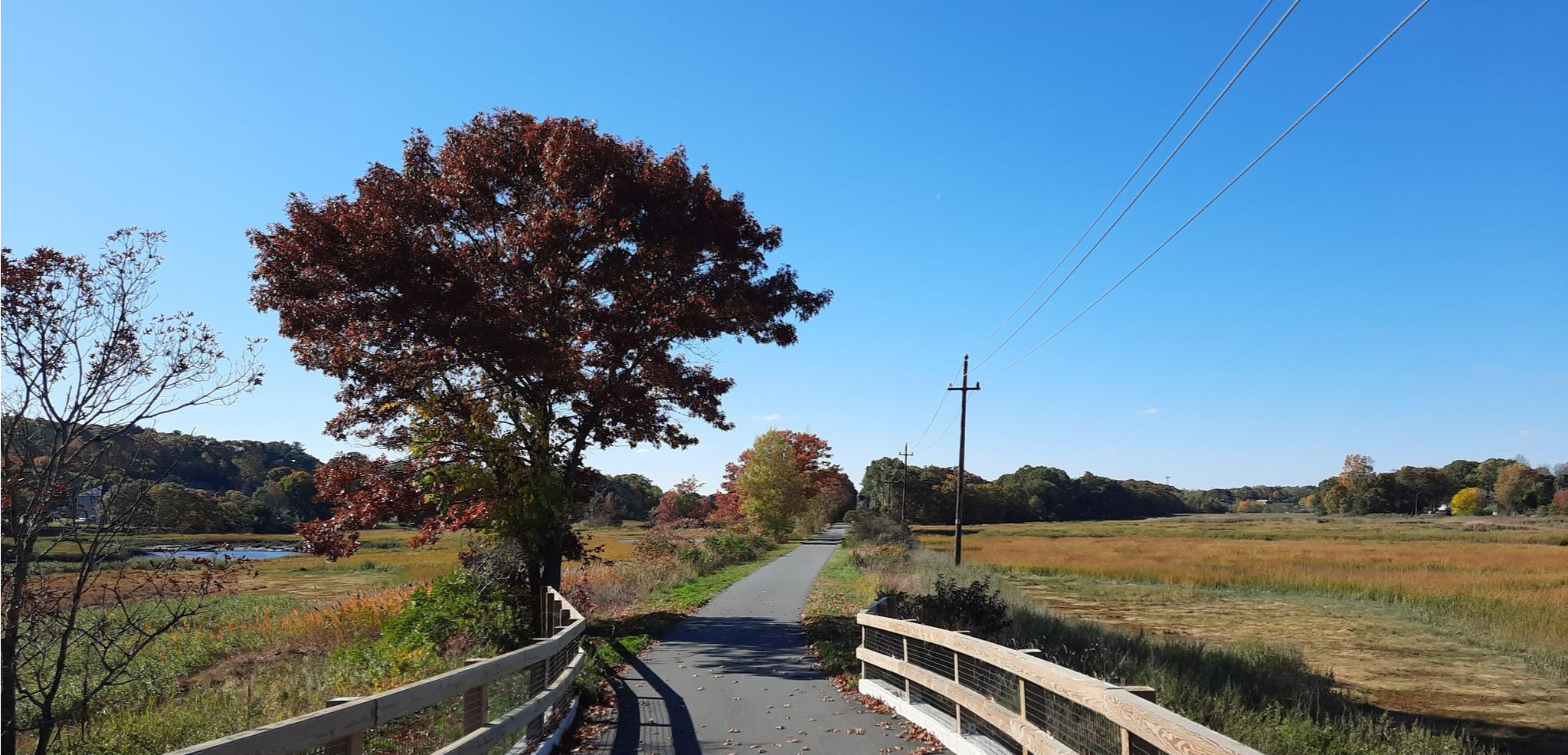
East Coast Greenway — An unforgettable ride along the Atlantic Seaboard
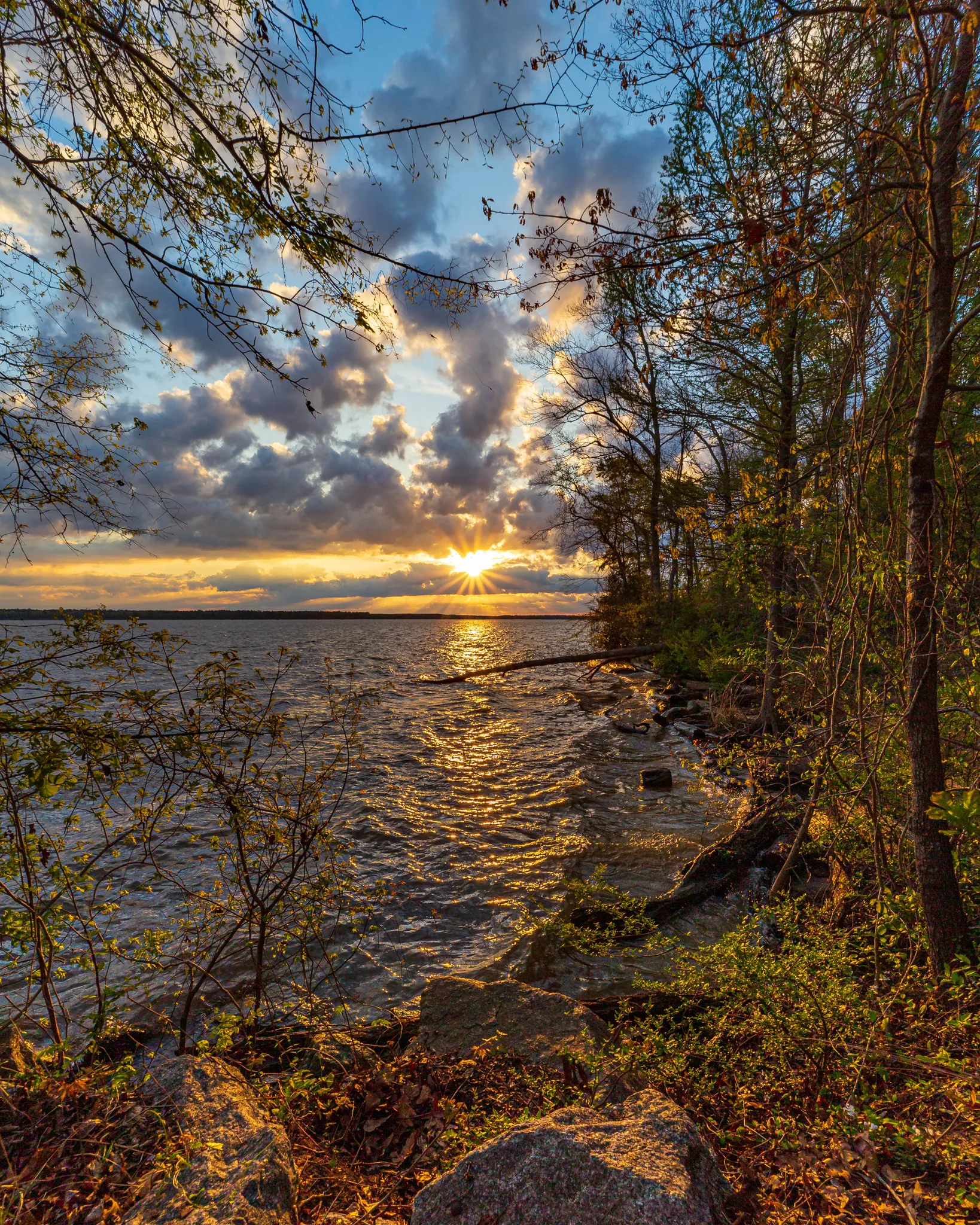
Palmetto Trail — Riding the mountains and marshes of South Carolina
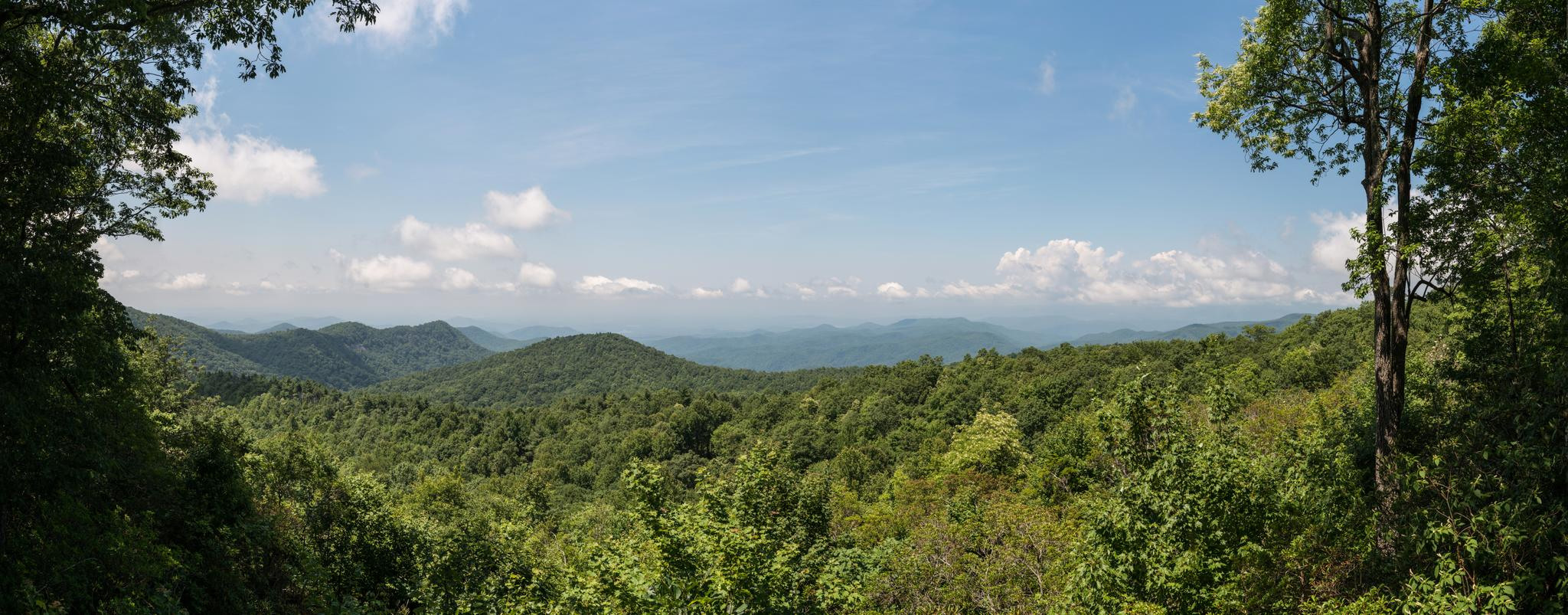
The Foothills Trail — Waterfalls, Forests & Appalachian Wilderness
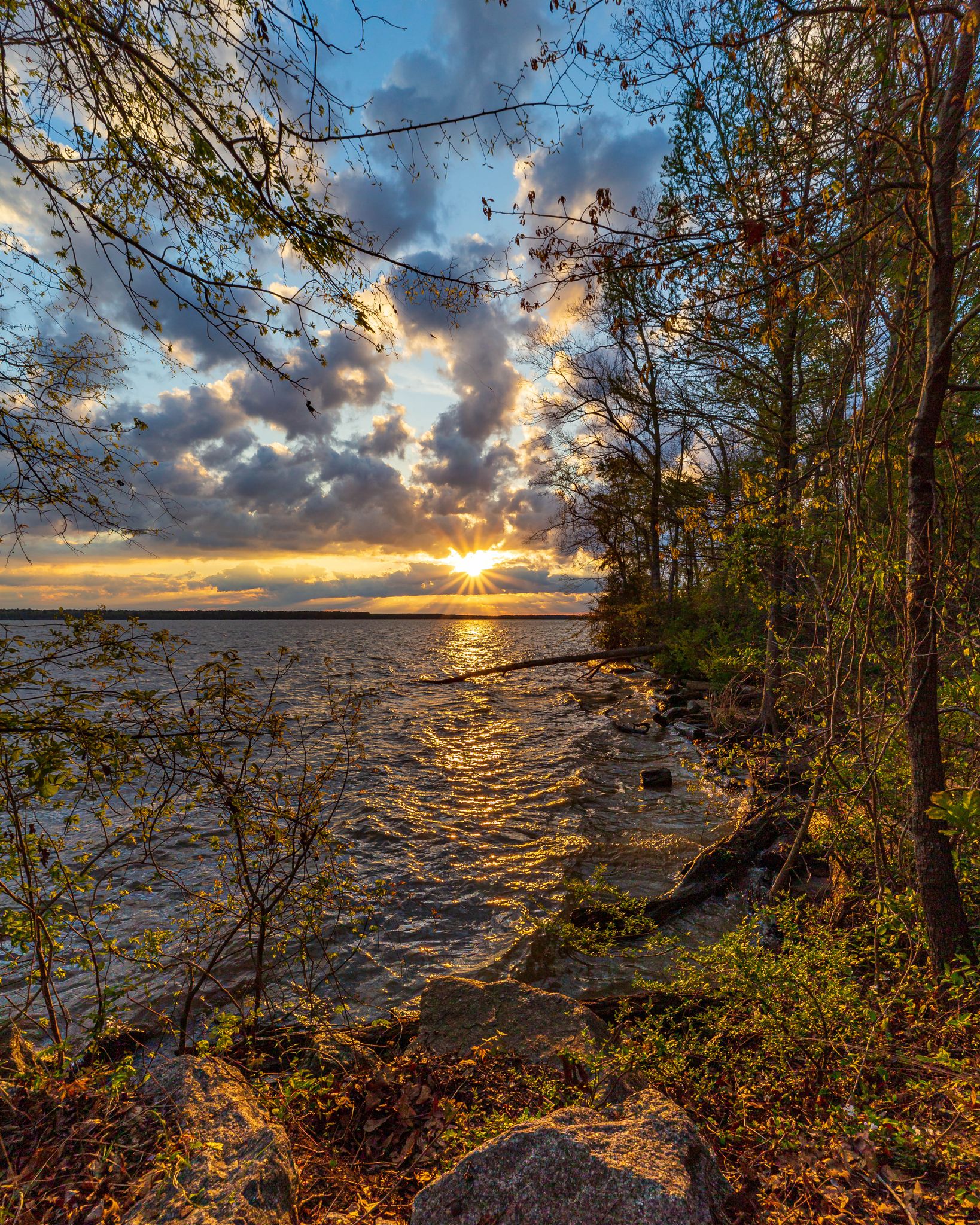
Five days on the Palmetto Trail — A Lowcountry adventure
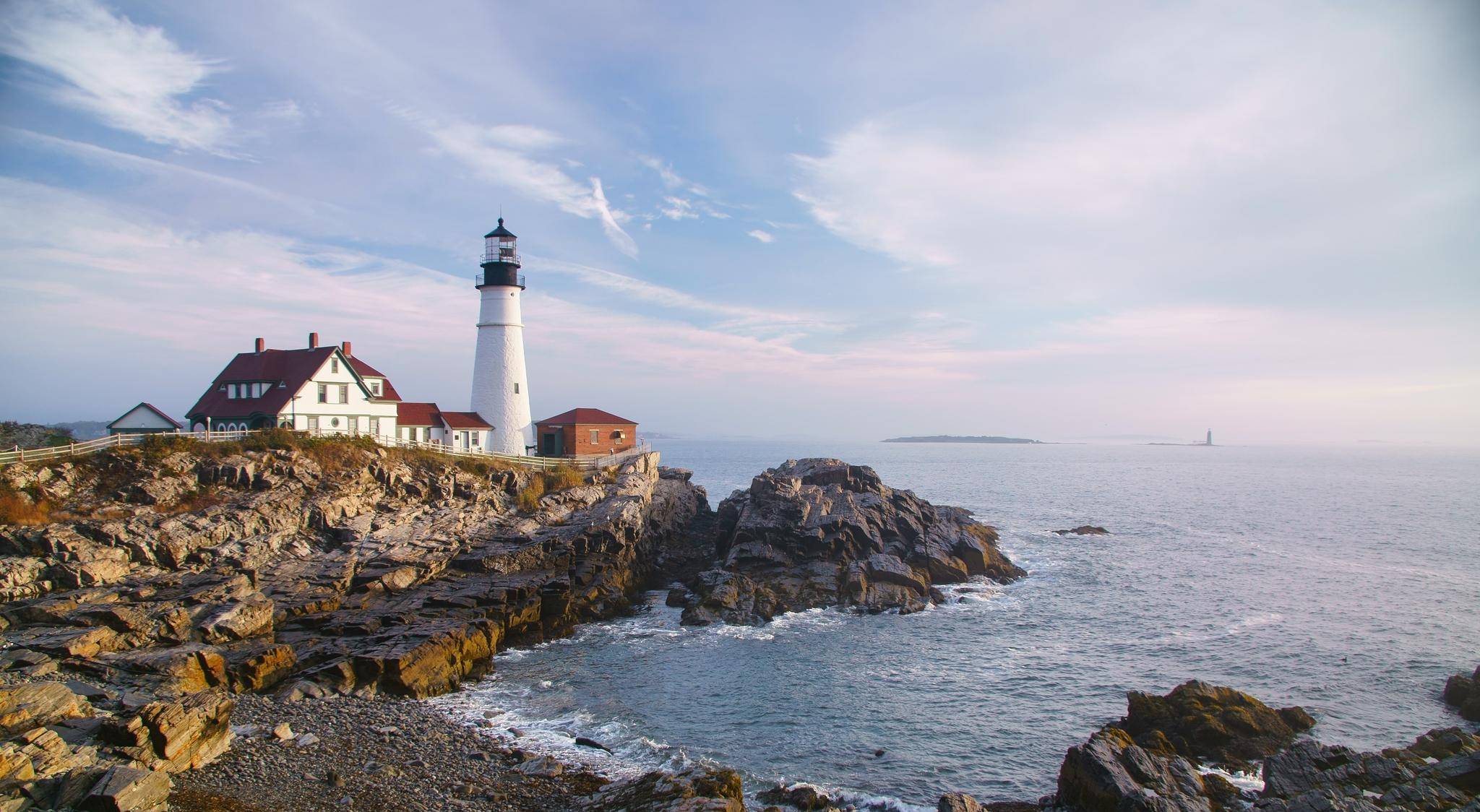
On the trail of the Pilgrim Fathers – road trip along the Atlantic coast
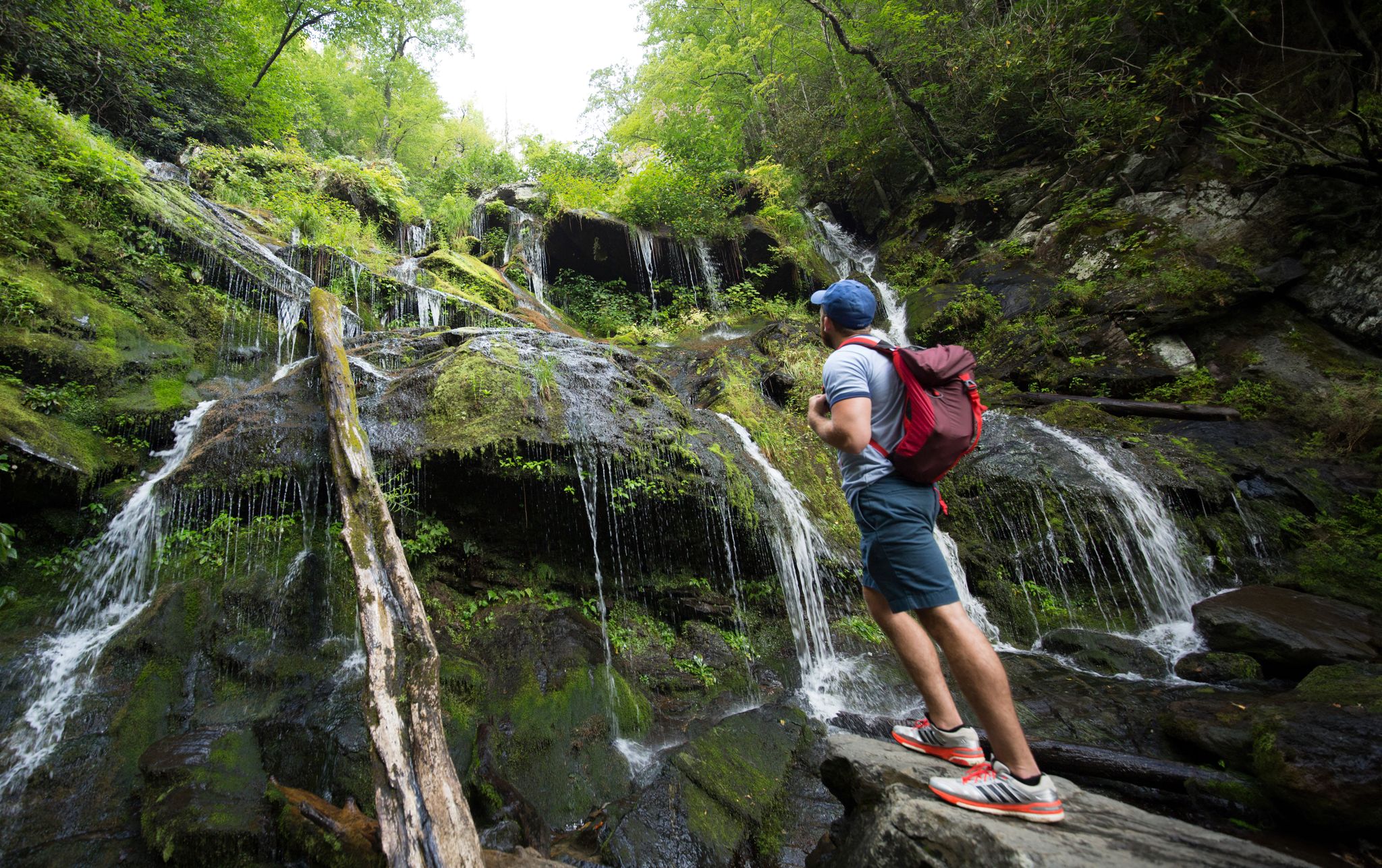
Pure variety on the coast and mountains of the American South
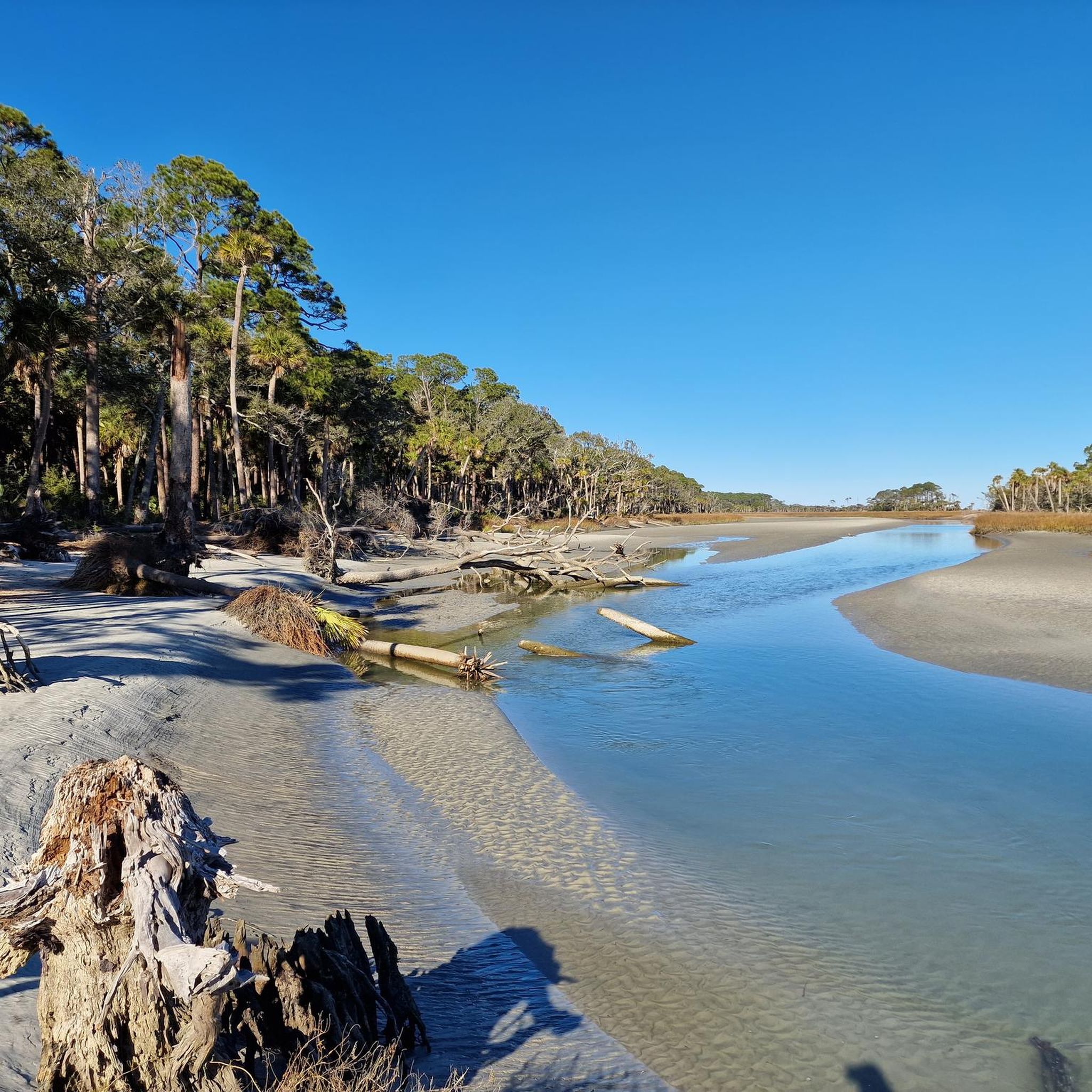
Hiking in South Carolina
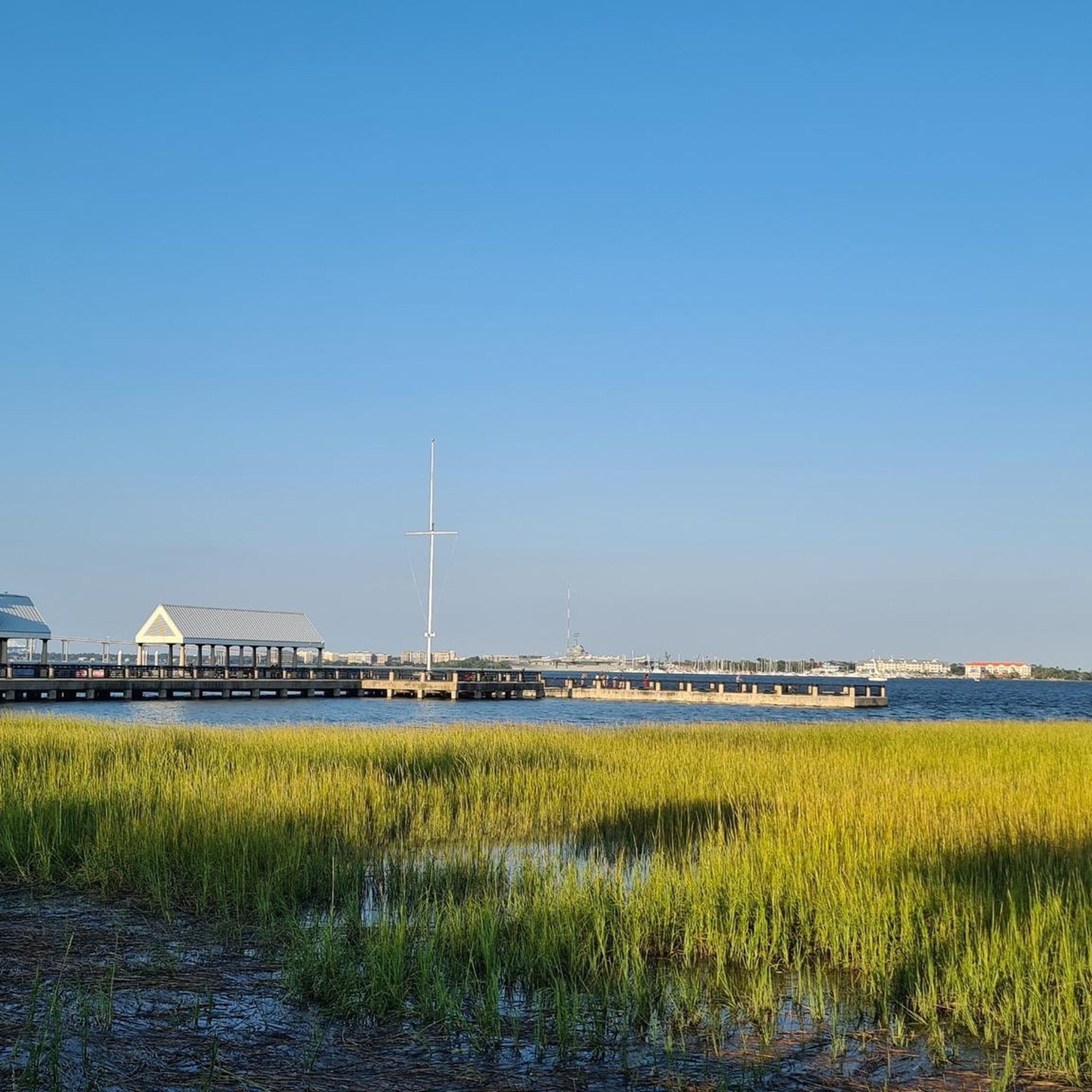
Road Cycling Routes in South Carolina
MTB Trails in South Carolina
Cycling in South Carolina
Other adventures in South Carolina


Tips from the Community

Marion Square in Charleston is a historic park hosting farmers markets, events, and the annual Spoleto Festival. It features a grand statue of John C. Calhoun and vibrant, lush green spaces.
3
0

Charleston Light, also known as Sullivan's Island Lighthouse, is on Sullivan's Island, South Carolina, and marks the northern gateway to Charleston Harbor. Constructed in 1960, this 140-foot tall structure replaced the eroding Morris Island Light. Its triangular, steel frame can withstand winds of 125 mph. The unique lighthouse has been in operation since1962 and boasts an elevator and air conditioning. It is also the last federally-built onshore manned beacon. Despite its current role in the Coast Guard Historic District, structural issues prevent public access. Visitors can, however, explore the scenic surroundings and nearby public beach.
1
0

Charleston Light, or otherwise known as Sullivan’s Island Lighthouse, has guided mariners into the harbor since 1962. It is a very distinctive lighthouse with an unusual design. It is part of the United States Coast Guard Historic District that includes historic buildings dating back to 1894. It is still a working lighthouse but it is surrounded by a fence. However, members of the public are more than welcome to walk around the perimeter as the lighthouse is a favorite photo opportunity location.
1
0

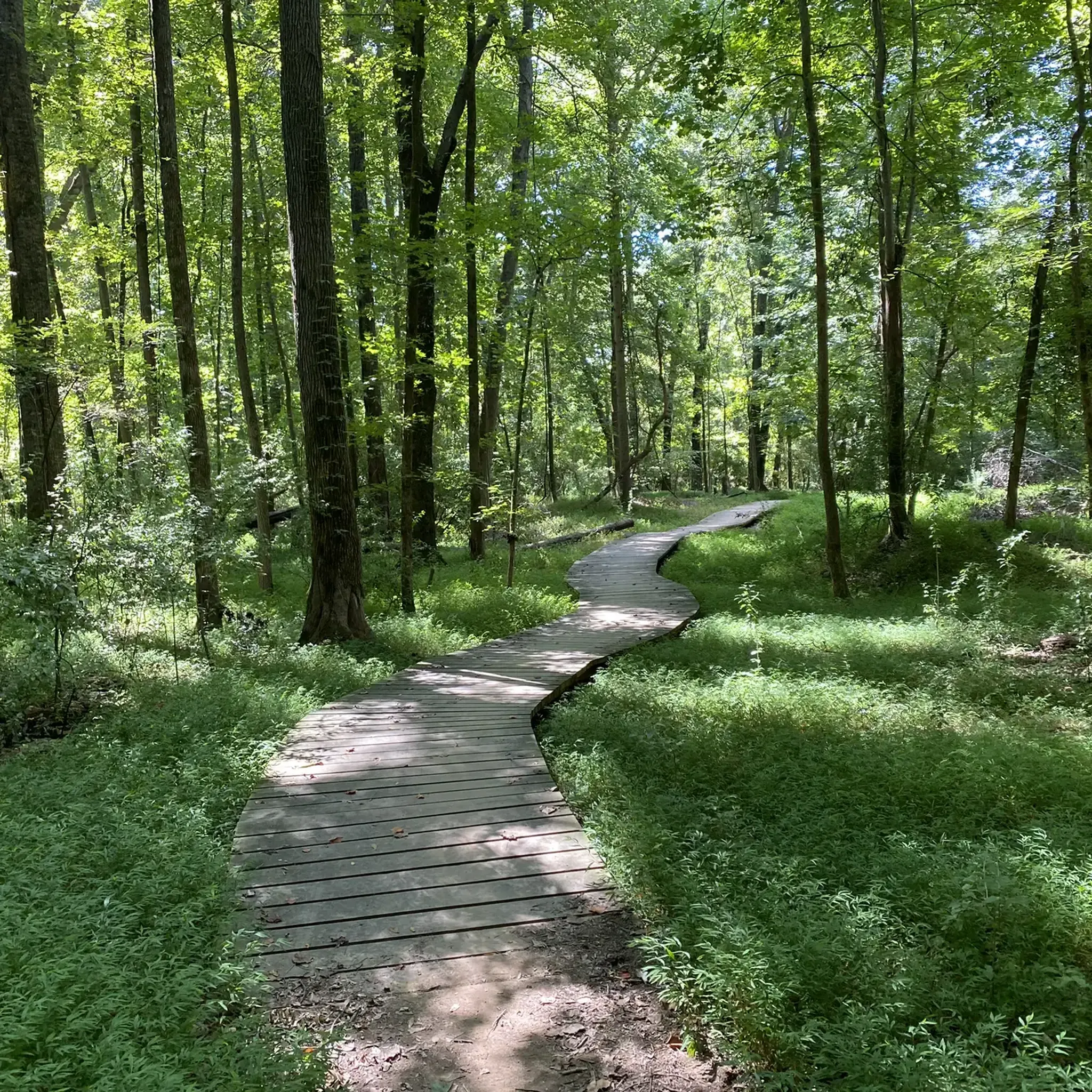
Weston Lake is situated within Congaree National Park. There is a loop trail (primarily on an elevated boardwalk) that passes by the lake and through the wetland areas surrounding the water. The reservoir is home to a bunch of different plants and animals, and there are several areas with great views of the water.
0
0

In the heart of Greenville, the Reedy River descends in a stunning waterfall. Once an industrial hub, it became “Falls Park on the Reedy” in the '60s. The elegant Liberty Bridge arches over the river, offering a breathtaking view of this natural wonder.
0
0
Weston Lake is situated within Congaree National Park. There is a loop trail (primarily on an elevated boardwalk) that passes by the lake and through the wetland areas surrounding the water. The reservoir is home to a bunch of different plants and animals, and there are several areas with great views of the water.
1
0
Lake Placid is a 13-acre lake located in Paris Mountain State Park in Greenville, it is in a mountainous setting and has a great trail around it. The lake was built in the 1930s by the Civilian Conservation Corps.
0
0
Falls Park on the Reedy, in Greenville's Historic West End, is more than nature's delight—it's a cherished city gem. A versatile haven for all ages, where people gather to thrive and celebrate life.
1
0
Frequently Asked Questions
What unique natural features can I explore in South Carolina's natural monuments?
South Carolina offers a diverse range of natural features. You can explore the largest intact expanse of old-growth bottomland hardwood forest in the southeastern United States at Congaree National Park, or witness the largest virgin cypress-tupelo swamp forest globally at Francis Beidler Forest. The state also features unique geological formations like the granitic flat-rock outcrop at Flat Creek Natural Area and Forty Acre Rock, and pristine barrier islands such as St. Phillips Island.
Are there family-friendly natural monuments in South Carolina?
Yes, many natural monuments in South Carolina are family-friendly. For instance, the Congaree National Park Boardwalk and Weston Lake within Congaree National Park offer accessible boardwalk trails suitable for all ages. Liberty Bridge at Falls Park in Greenville provides scenic views of the Reedy River waterfall in an urban park setting. Other family-friendly options include the Conestee Nature Preserve Viewpoint and Liberty Oak.
Where can I experience South Carolina's ancient forests and unique swamp ecosystems?
For ancient forests and swamp ecosystems, Congaree National Park is a prime destination, home to some of the tallest temperate hardwood trees in the world and a vast bottomland hardwood forest. Another exceptional site is Francis Beidler Forest, which preserves the largest virgin cypress-tupelo swamp forest globally. Both offer boardwalks for easy exploration, and Congaree also features the 15-mile Cedar Creek Canoe Trail for a unique perspective.
What outdoor activities can I do near these natural monuments?
South Carolina's natural monuments are often surrounded by opportunities for outdoor activities. You can find excellent options for gravel biking, road cycling, and running. For example, you can explore routes like the McQueen's Island Historic Trail for gravel biking, the Prisma Health Swamp Rabbit Trail for road cycling, or the Three Rivers Greenway for running. You can find more details on these and other routes in the respective guides for Gravel biking in South Carolina, Road Cycling Routes in South Carolina, and Running Trails in South Carolina.
Are there any natural monuments with significant geological features?
Yes, the Flat Creek Natural Area and Forty Acre Rock is a notable site where the Sandhills meet the Piedmont. It contains the largest remaining undisturbed granitic flat-rock outcrop in the Carolina Piedmont, with the 'Forty Acre Rock' itself spanning approximately 14 acres. This area is also home to rare, threatened, or endangered plant species.
When is the best time to visit natural monuments in South Carolina?
The best time to visit South Carolina's natural monuments often depends on the specific site and your preferred activities. Spring and fall generally offer pleasant temperatures for hiking and exploring. Spring brings blooming wildflowers, while fall showcases vibrant foliage. For swamp areas like Congaree National Park, cooler months can be more comfortable, and late spring is ideal for witnessing the synchronous fireflies display.
Can I find any untouched barrier islands in South Carolina?
Yes, St. Phillips Island stands out as a virtually untouched and undeveloped barrier island, a rarity along the Atlantic coast. It features ancient sand dune ridges unique to the entire Atlantic coast and is preserved under a conservation easement, offering a glimpse into the natural coastal landscape.
What kind of wildlife can I expect to see at these natural sites?
South Carolina's natural monuments are rich in wildlife. At Congaree National Park, you might spot deer, various bird species, and aquatic life in the blackwater swamp. Francis Beidler Forest is a haven for birds, including Prothonotary warblers. The ACE Basin is a critical habitat for diverse wildlife, including endangered species like bald eagles and loggerhead sea turtles, while Jocassee Gorges is known for its high salamander diversity.
Are there any natural monuments that are also historically significant?
Some natural monuments in South Carolina also hold historical significance. The John de la Howe Forest, for example, is an old-growth stand of oak-pine forest protected since 1797, offering insight into historical forest ecosystems. Additionally, sites like Marion Square and the Charleston Light (Sullivan's Island Lighthouse), while also man-made, are often considered within the context of the region's natural and historical landscape.
What are some less-known natural gems in South Carolina?
Beyond the more prominent sites, South Carolina has several less-known natural gems. Stevens Creek Natural Area is recognized for its Pleistocene relict ecosystem, harboring a unique combination of plants unusual for its southern location. The John de la Howe Forest is another example, preserving an old-growth oak-pine forest since 1797. These sites offer unique ecological insights and a quieter experience.
Are there any natural monuments with impressive waterfalls?
Yes, South Carolina is home to impressive waterfalls. Raven Cliff Falls, located in Caesars Head State Park, is the state's tallest waterfall, cascading approximately 420 feet. An observation platform provides dramatic views. Additionally, Table Rock State Park features waterfalls alongside its prominent Table Rock Mountain, and the Liberty Bridge at Falls Park offers views of the Reedy River waterfall in Greenville.
What makes the Angel Oak a significant natural monument?
The Angel Oak, located on Johns Island, is a truly majestic natural monument. Estimated to be at least 400 years old, this massive live oak tree is considered the largest east of the Mississippi River. Its sprawling branches create an impressive canopy covering approximately 17,000 square feet, making it a breathtaking sight and a testament to the region's ancient flora.
Most popular routes in South Carolina
Most popular attractions in South Carolina

Get inspired with the komoot mobile app


Didn’t find what you were looking for?
Find even more amazing natural monuments in South Carolina by checking out the top Highlights region by region:
Explore more
Extend your search for the best caves by checking out these guides of the top ones in South Carolina:
