Top 6 Caves around Spabrücken
Caves around Spabrücken offer a diverse range of underground experiences, primarily featuring historical and man-made structures rather than natural cave systems. The region, situated in the Soonwald-Nahe Nature Park, is characterized by its forested hills and valleys. These sites provide insights into local history, including mining, wartime shelters, and even legendary hideouts. Exploring these locations often involves traversing scenic hiking trails within the natural landscape surrounding Spabrücken.
Best caves around Spabrücken
- The most popular caves is Schinderhannes Cave, a…
Last updated: June 29, 2026
Schinderhannes Cave
Highlight • Cave
Translated by Google •
Tip by

Former air-raid shelter at Stromberg
Highlight • Structure
Source: Sign at the entrance to the shelter
Translated by Google •
Tip by

Sign up now to discover places like this
Get recommendations on the best single tracks, peaks, & plenty of other exciting outdoor places.
Sign up for free
Brühlbach tunnel
Highlight • Cave
Translated by Google •
Tip by

Kahlenberg Mine
Highlight • Cave
Translated by Google •
Tip by
Marienhoffnung gallery
Highlight • Cave
Translated by Google •
Tip by
Start today with a free account
Your next adventure awaits.
Login or Signup
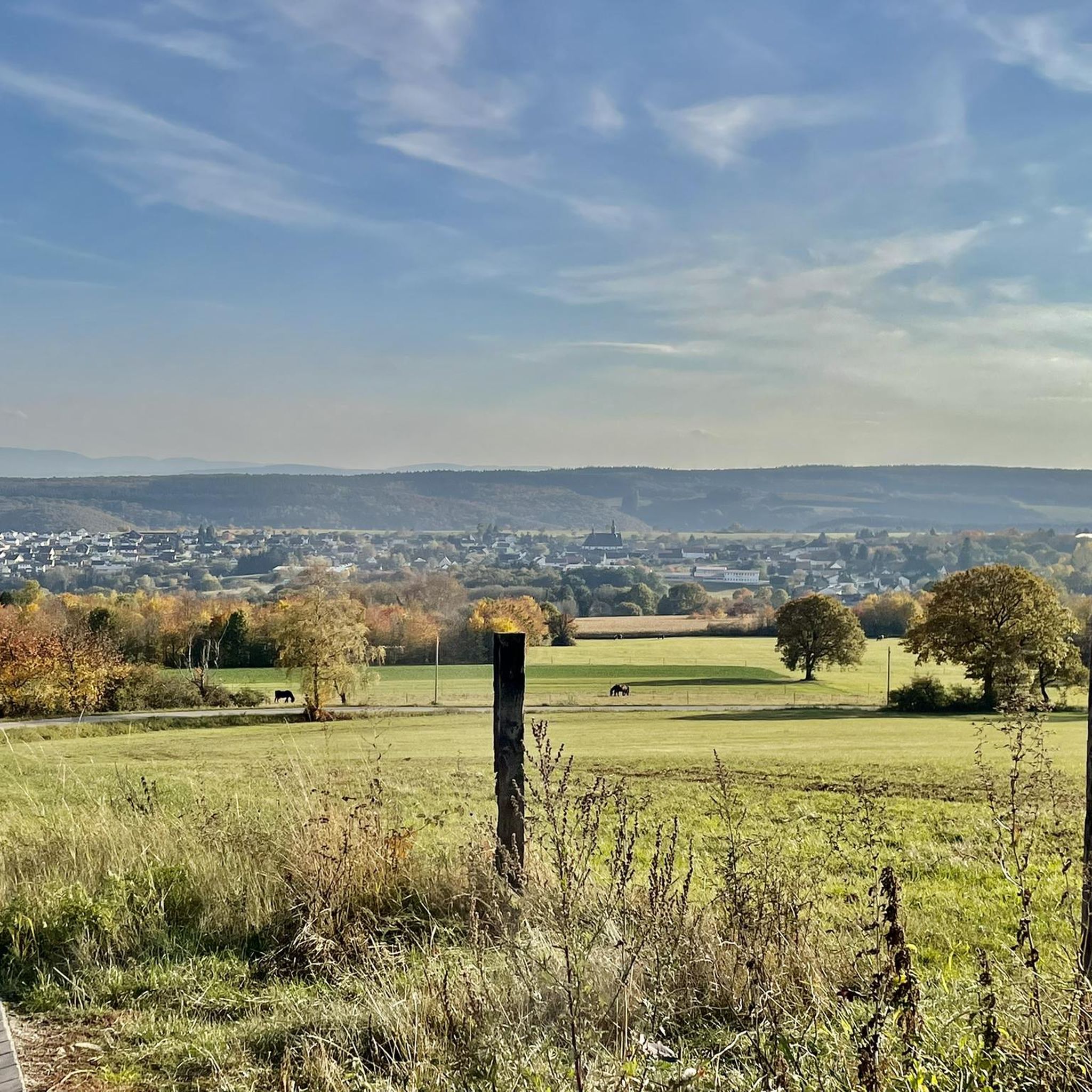
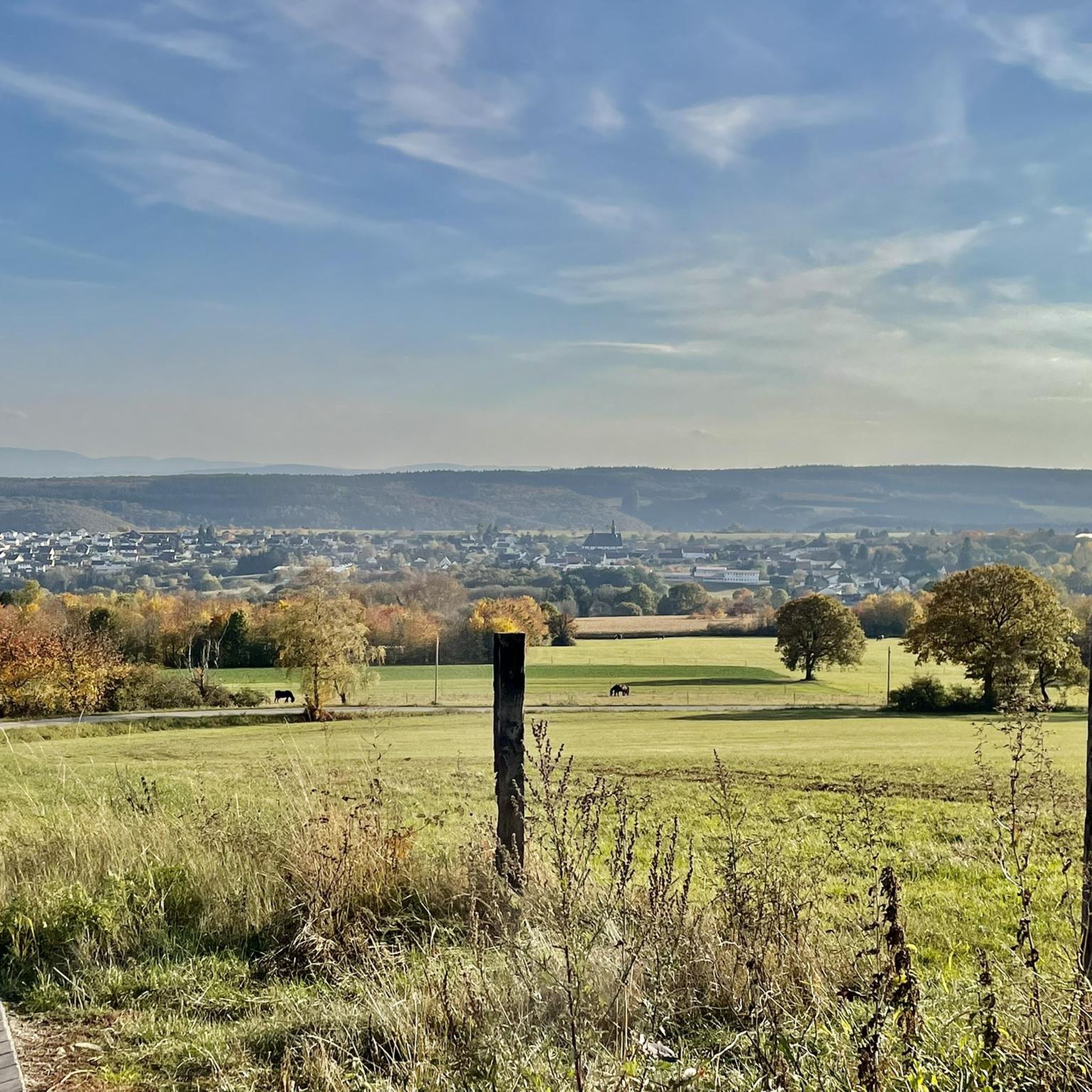
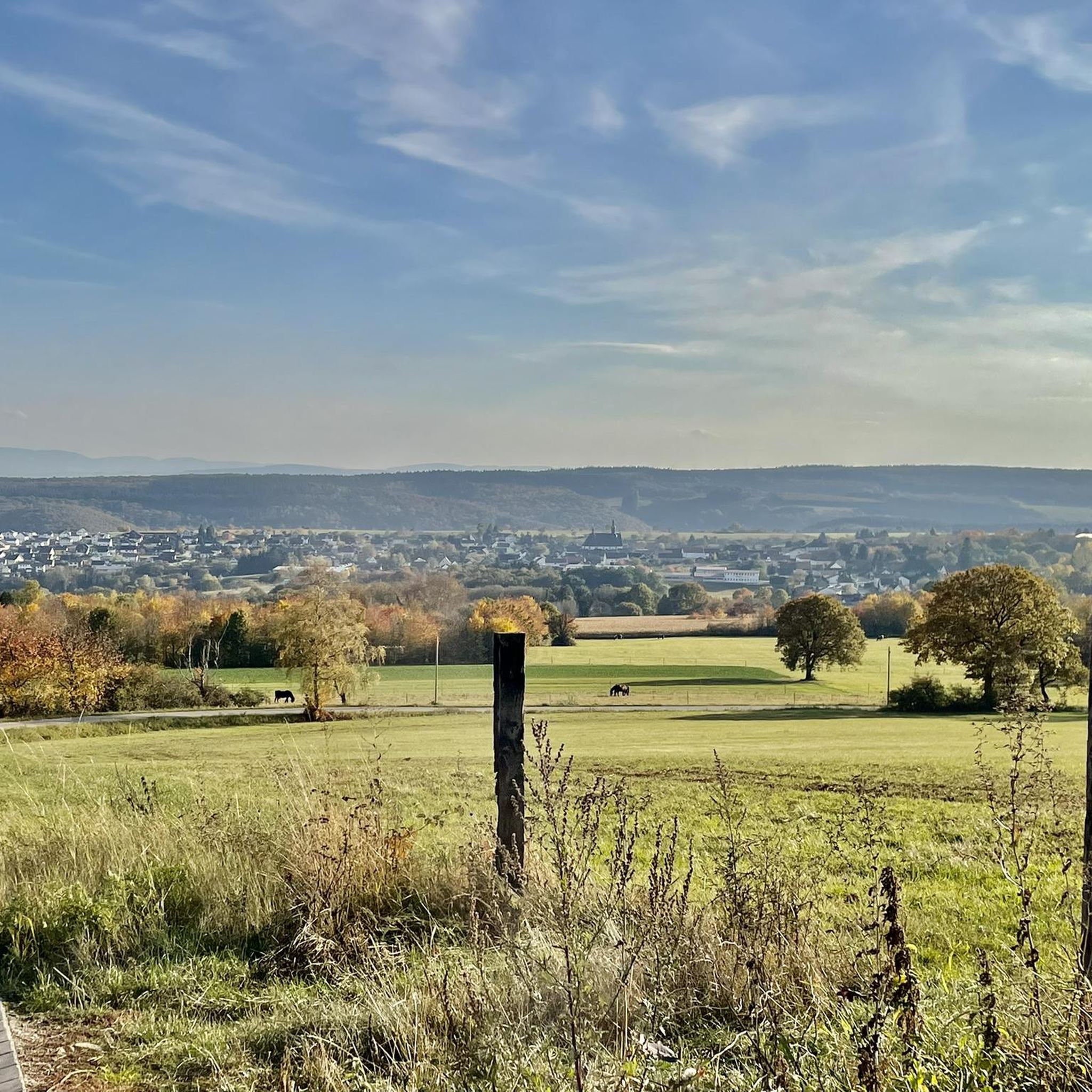
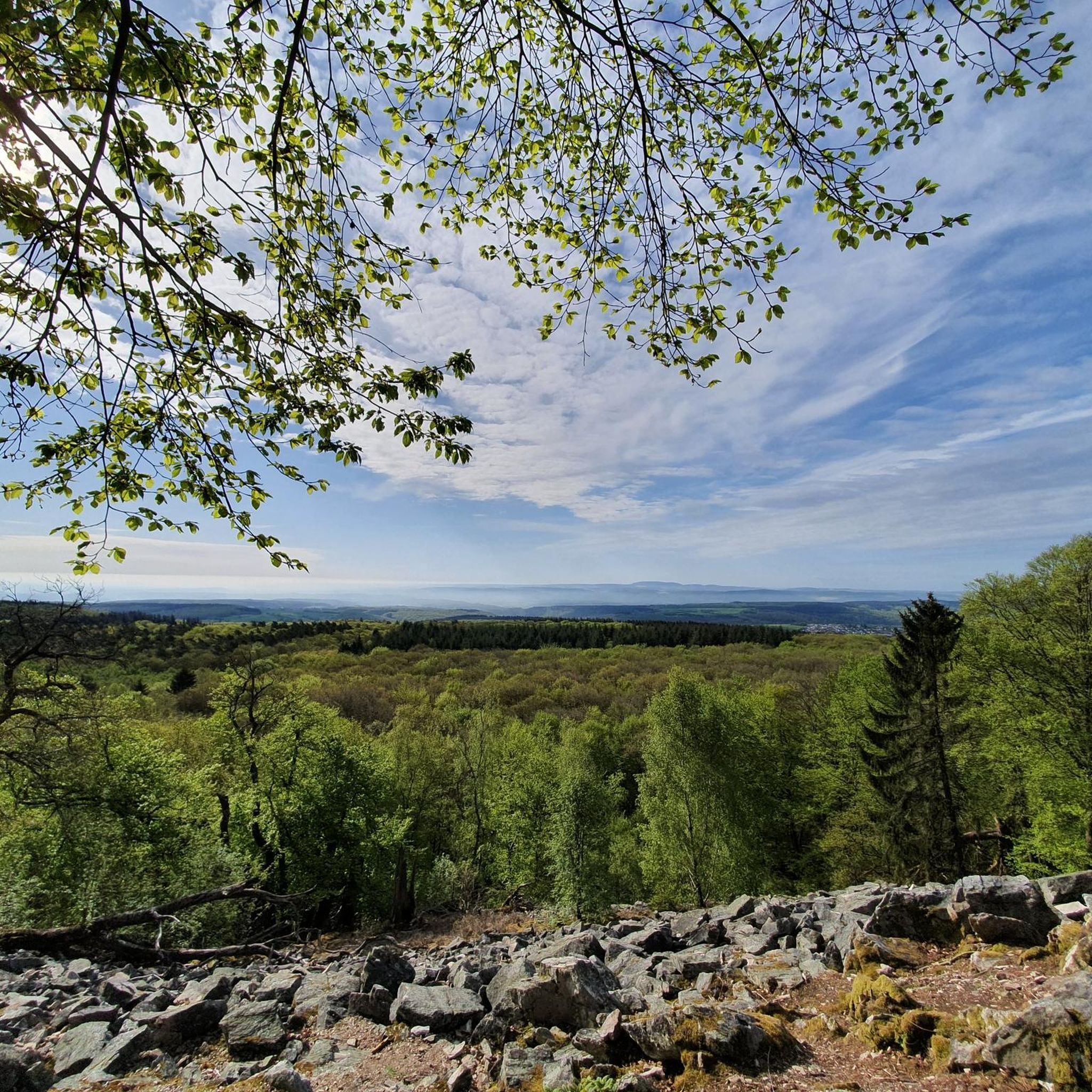
Tips from the Community

Former air raid shelter built by Stromberg residents during the war years 1943-44 in the Schlossberg. Source: Sign at the entrance to the shelter
0
0

The tunnel mouth, located directly on the L108, leads - partly filled with water and the remains of a railway track - for approx. 50 meters straight into the mountain.
0
0
Above the district of Layenkaul (= digging for stones) there is a former pit with 2 tunnels on the slope of the Kahlenberg. Above the large heap of rubble there are still a few foundation walls of the mine buildings.
1
0
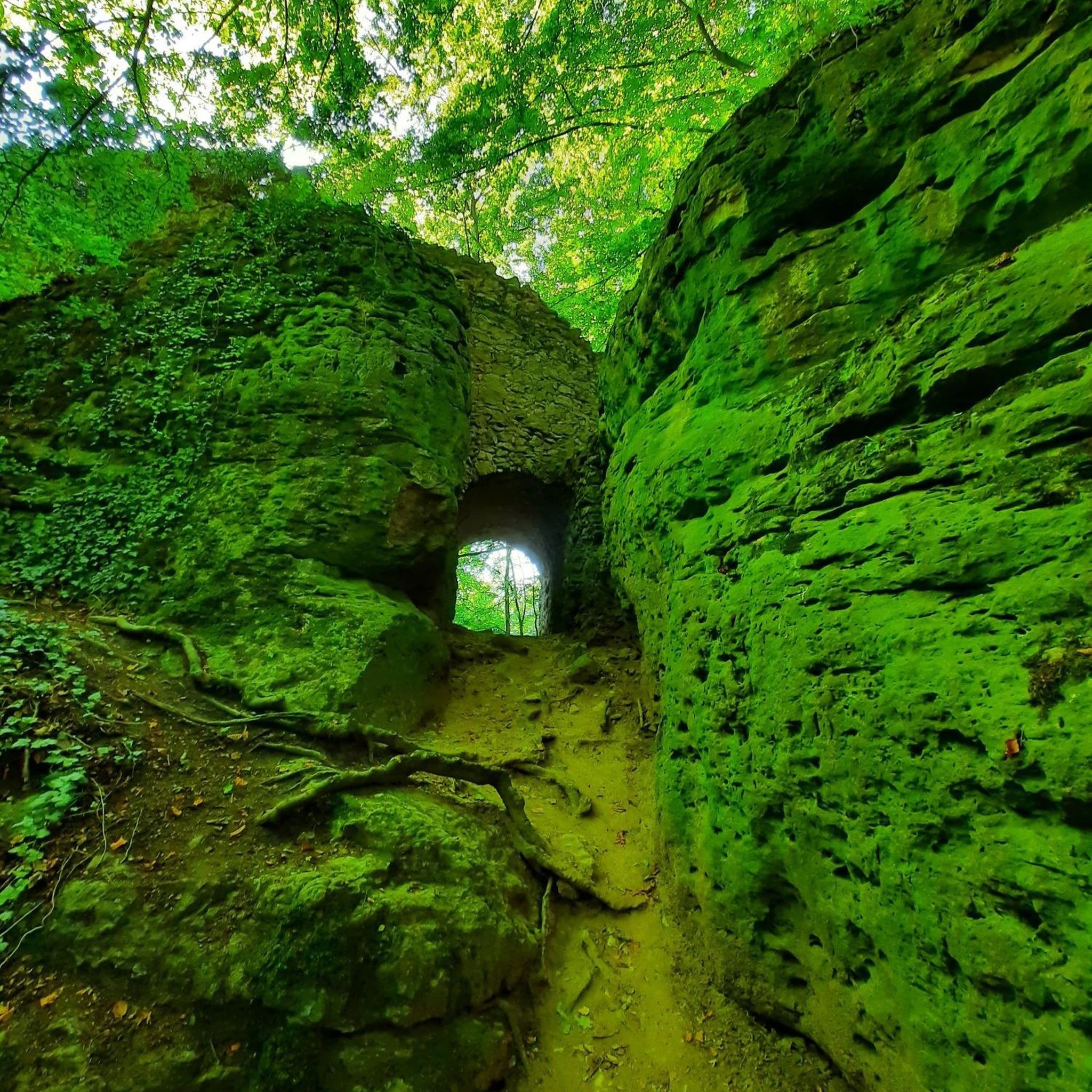
From the paved bike path you can see the entrance to the tunnel, which you can easily reach through a ford a little further down the stream. The tunnel leads about 60 meters into the mountain.
1
0

So my daughter was a bit disappointed with the "cave". Even as a child, it was difficult to crawl a few meters into the tunnel. But a flashlight helps with the Schinderhannes Cave adventure. In front of the cave there is a small stream and picnic tables that invite you to linger.
1
1

The cave can only be reached on step stones over the Hoxbach. And besides, only to explore on all fours and with the muddy ground, I preferred to do without it.
2
0

So we didn't want to get in on our knees, but at least we dared to walk on the stones across the stream and take a look inside. And we stopped here, beautiful with the sun shining through the trees
1
0
The only 13m long cave in the valley of the Kieselbach was probably used by the Schinderhannes as a hiding place for some time during his many raids in the Hunsrück. Read more: https://de.wikipedia.org/wiki/Schinderhannesh%C3%B6hle_(Pferdsfeld)
2
0
Frequently Asked Questions
What kind of 'caves' can I expect to find around Spabrücken?
The 'caves' around Spabrücken are primarily historical and man-made structures, rather than natural cave systems. These include former mines, tunnels, and shelters that offer insights into the region's history and industry. For example, you can explore the legendary Schinderhannes Cave, a former robber's hideout, or the Former air-raid shelter at Stromberg.
Are there any natural caves in the immediate vicinity of Spabrücken?
Based on available information, there are no significant natural cave systems located directly within Spabrücken. The attractions referred to as 'caves' in this region are mostly man-made or historically significant underground structures.
What historical significance do these underground sites hold?
Many of the sites around Spabrücken offer a glimpse into local history. The Schinderhannes Cave is famous as a hideout for the robber Schinderhannes. The Former air-raid shelter at Stromberg was constructed by residents during World War II. Other sites, like the Kahlenberg Mine and Marienhoffnung gallery, highlight the region's industrial past.
Are the caves around Spabrücken suitable for families with children?
Many of these sites are accessible and can be interesting for families, especially those with an interest in history or unique outdoor experiences. The Schinderhannes Cave, for instance, has tables and benches for resting, making it a good stop during a family hike. Always check the specific access details for each location.
What outdoor activities can I combine with a visit to these caves?
The region around Spabrücken, part of the Soonwald-Nahe Nature Park, is excellent for outdoor activities. You can find numerous hiking trails, such as the 'Spabrücken Panorama Trail' or the 'Wildcat Trail (Wildkatzenpfad)'. There are also options for mountain biking and cycling routes that pass near some of these historical sites. For more hiking options, explore hiking around Spabrücken.
How long does it typically take to explore these sites?
The time required varies by site. The Schinderhannes Cave is relatively small at 13 meters, while the Brühlbach tunnel extends about 60 meters. Many of these are short explorations, often integrated into longer hiking or cycling tours, allowing you to spend anywhere from a few minutes to an hour at each location.
Are there any unique geological features to observe in the region?
While Spabrücken itself doesn't feature traditional natural caves, the broader region of Regionalverband Saarbrücken offers unique geological phenomena. For example, the 'Burning Mountain' (Brennender Berg) is a natural monument where coal seams have been burning underground for centuries, creating fissures and hot cavities. This highlights the geological diversity of the wider area.
What do visitors particularly enjoy about the caves and underground sites near Spabrücken?
Visitors appreciate the blend of history and nature. The opportunity to explore sites like the Schinderhannes Cave, with its intriguing past, combined with scenic trails through the forest, is a popular draw. The historical context of places like the air-raid shelter and old mines also provides a unique educational experience.
Is it possible to access these sites by public transport?
While Spabrücken is a rural area, some hiking and cycling routes that lead to these sites might be accessible via public transport connections to nearby towns. However, direct public transport to every individual cave entrance may be limited. Planning your route in advance, especially for parking and public transport, is recommended.
Are there any specific safety considerations when visiting these historical underground structures?
When visiting historical underground structures, it's always advisable to be cautious. Some sites, like the Marienhoffnung gallery, may have water or uneven terrain. Always wear appropriate footwear, carry a light source if venturing into darker sections, and respect any posted safety warnings or closures.
Can I bring my dog to these cave sites?
Generally, outdoor historical sites and trails in the Soonwald-Nahe Nature Park are dog-friendly. However, specific rules might apply to entering enclosed structures or mines. It's best to keep dogs on a leash and ensure they are well-behaved, especially if other visitors are present. Always check for specific signage at each location.
What is the best time of year to visit the caves around Spabrücken?
The best time to visit these sites often aligns with good hiking weather, as many are accessed via trails. Spring and autumn offer pleasant temperatures and beautiful scenery. Summer can also be enjoyable, especially if you combine your visit with shaded forest walks. Winter visits are possible, but some paths might be slippery or less accessible.
Most popular routes around Spabrücken
Most popular attractions around Spabrücken

Get inspired with the komoot mobile app


Explore more
Extend your search for the best caves by checking out these guides of the top ones around Spabrücken:
