Top 5 Caves around Schwarzach bei Nabburg
Best caves around Schwarzach bei Nabburg offers a collection of unique underground sites, primarily consisting of grottoes and historical rock cellars. The region, situated in Bavaria, Germany, features a landscape shaped by both natural processes and historical human activity. While traditional natural caves are not prominent, these man-made and adapted natural features provide insight into local history and culture. Schwarzach bei Nabburg is known for these notable landmarks, which are often integrated into local hiking trails.
Best caves around Schwarzach…
Last updated: October 15, 2026
Railway Workers' Grotto
Highlight • Cave
Translated by Google •
Tip by

Historical Rock Cellars of Schwandorf
Highlight • Historical Site
Translated by Google •
Tip by

Sign up now to discover places like this
Get recommendations on the best single tracks, peaks, & plenty of other exciting outdoor places.
Lourdes Grotto and Brünnl in the St. Laurentius Chapel in Schwarzach
Highlight • Religious Site
The Brünnl Grotto is located in the basement. On the side wall there …
Translated by Google •
Tip by

Kocherstollen
Highlight • Cave
Translated by Google •
Tip by

Start today with a free account
Your next adventure awaits.
Popular around Schwarzach bei Nabburg
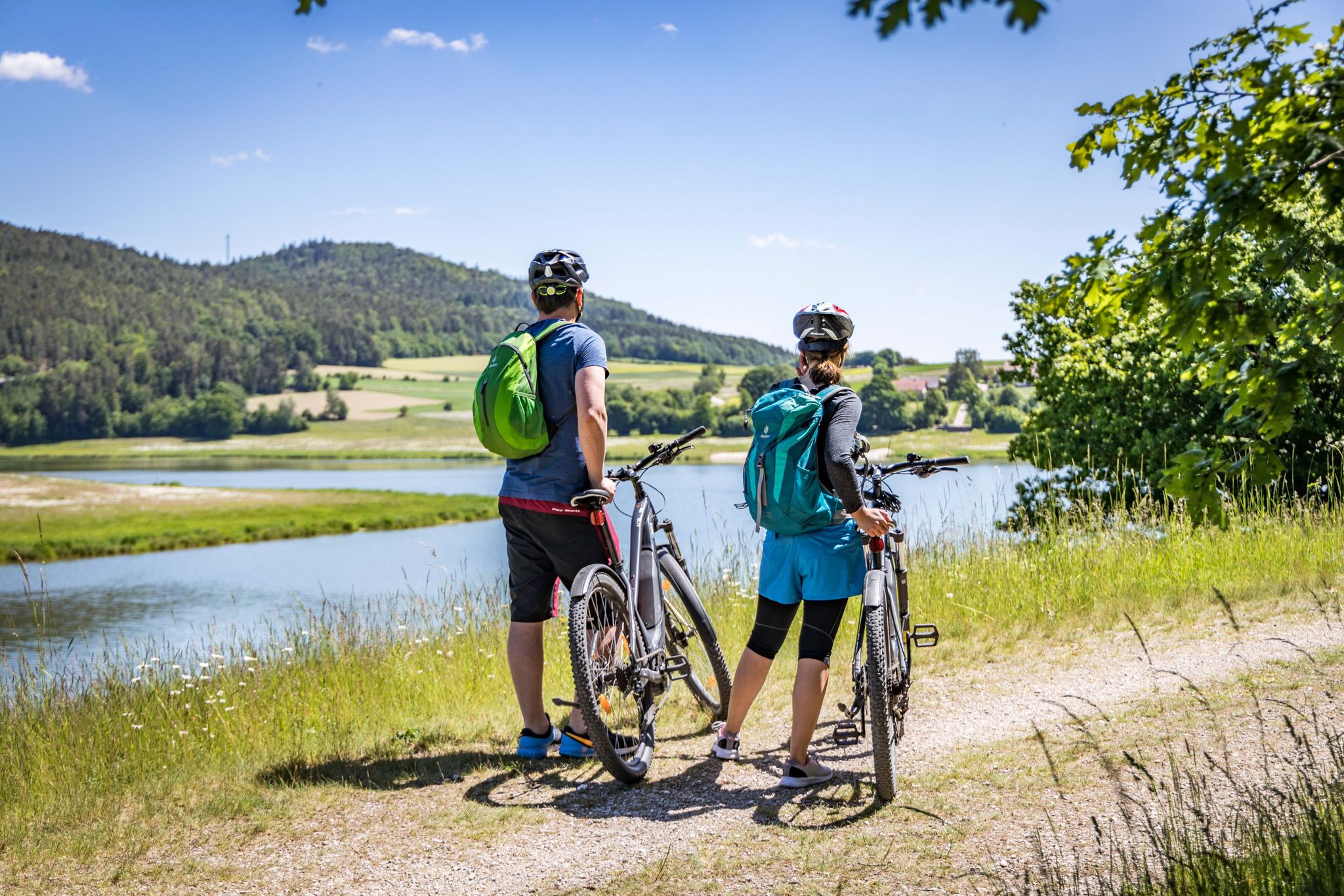
Cycling by the water in the Upper Palatinate Forest
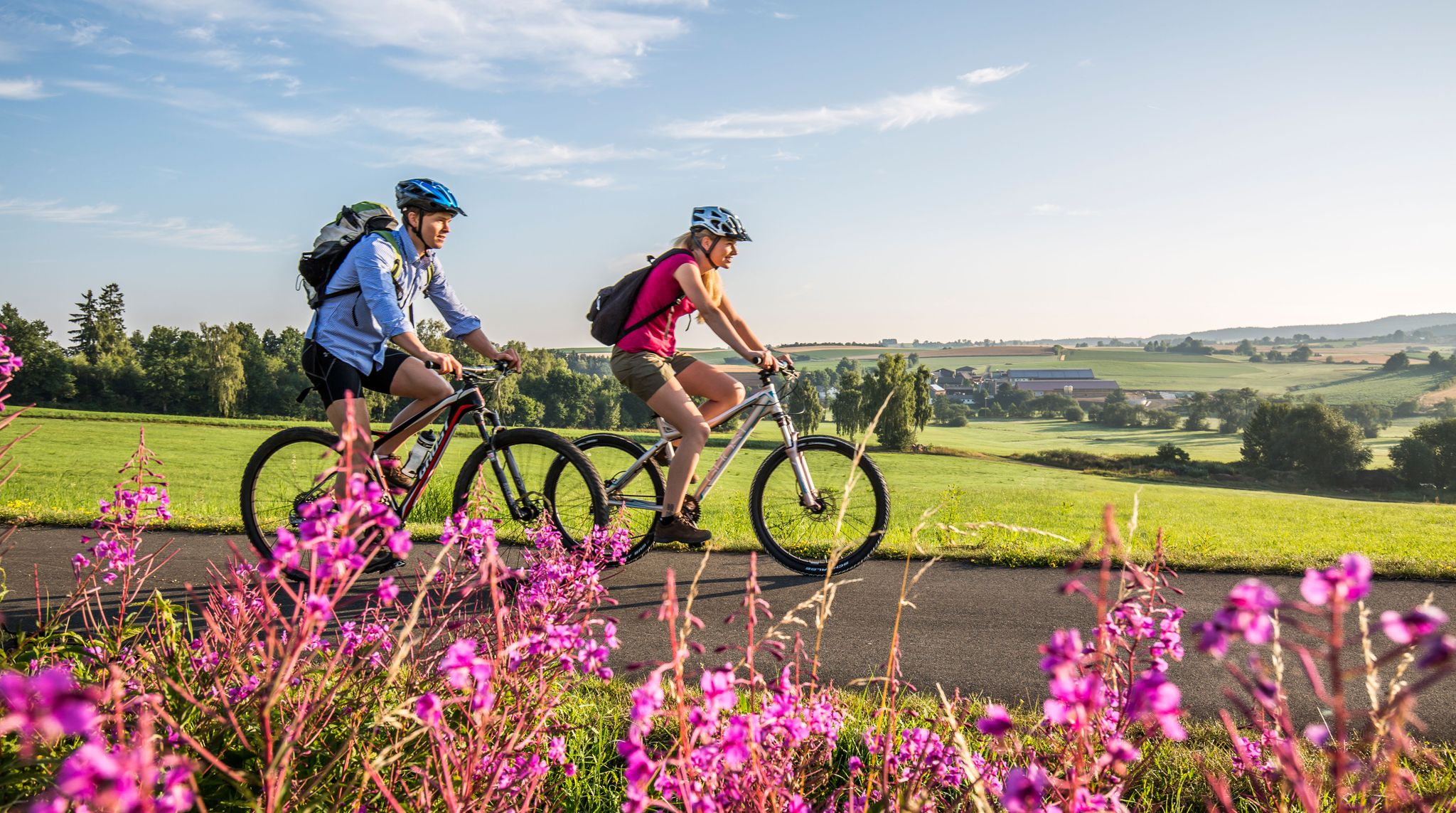
Nature and Culture — Cycling in the Upper Palatinate Forest
MTB Trails around Schwarzach bei Nabburg
Road Cycling Routes around Schwarzach bei Nabburg
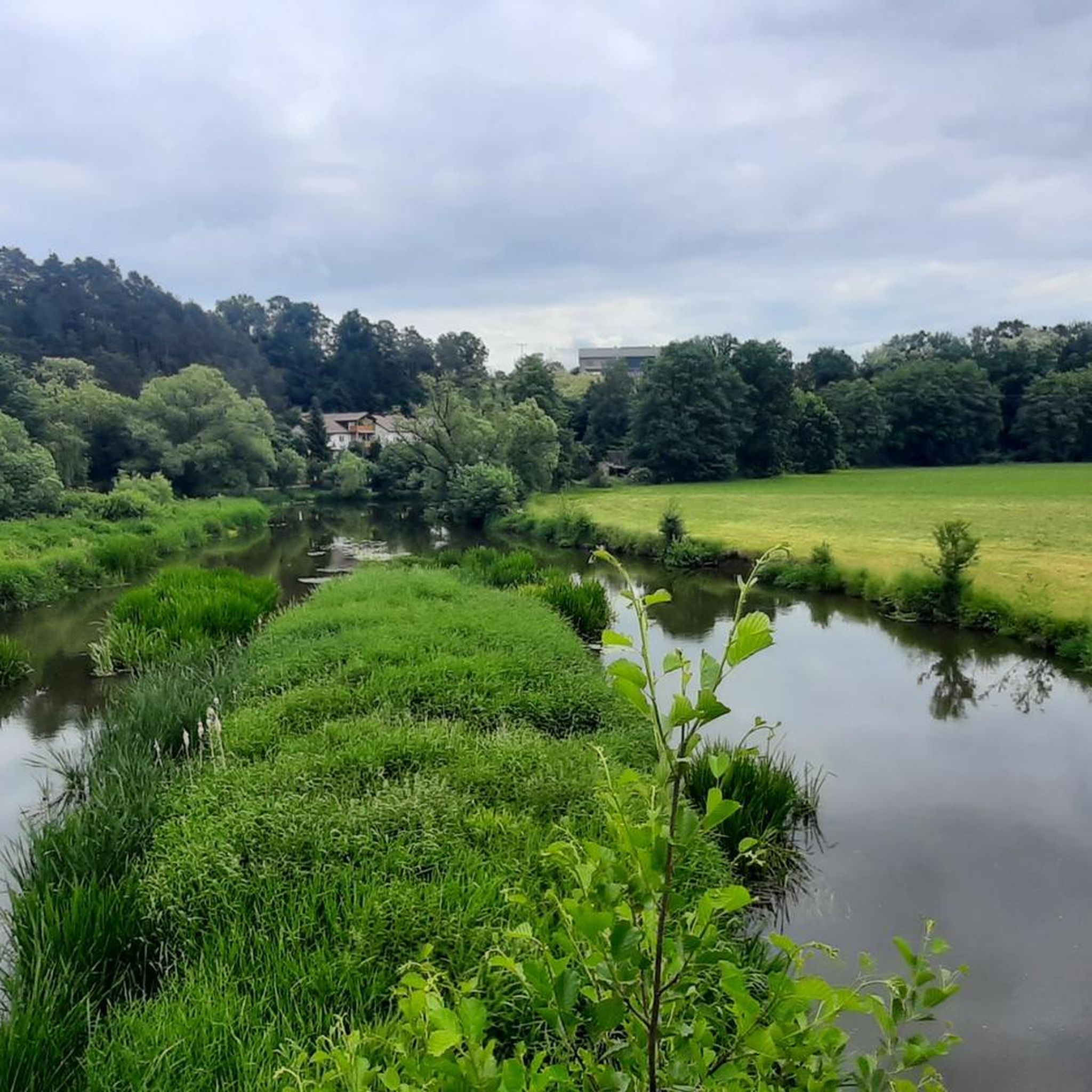
Cycling around Schwarzach bei Nabburg
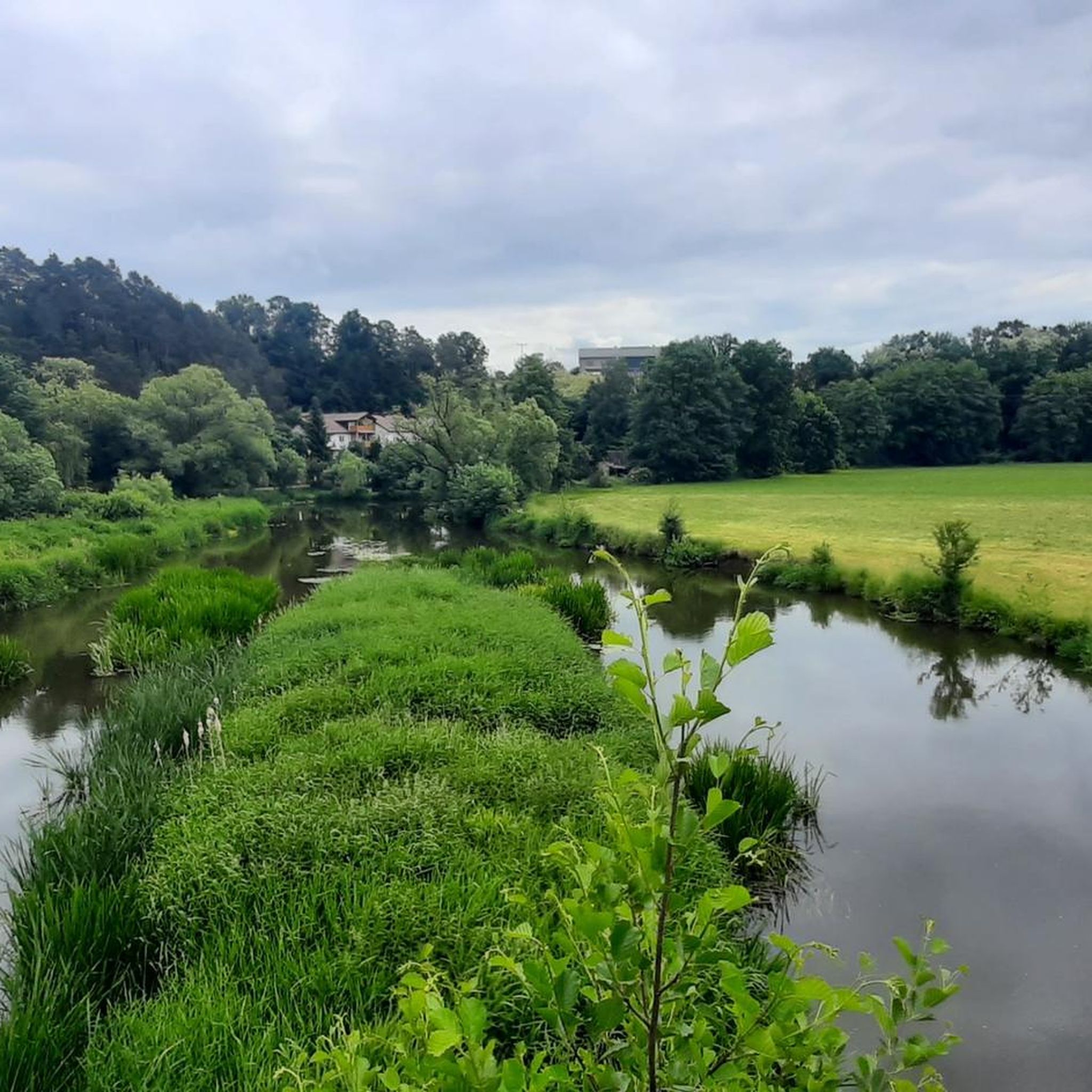
Hiking around Schwarzach bei Nabburg

Gravel biking around Schwarzach bei Nabburg
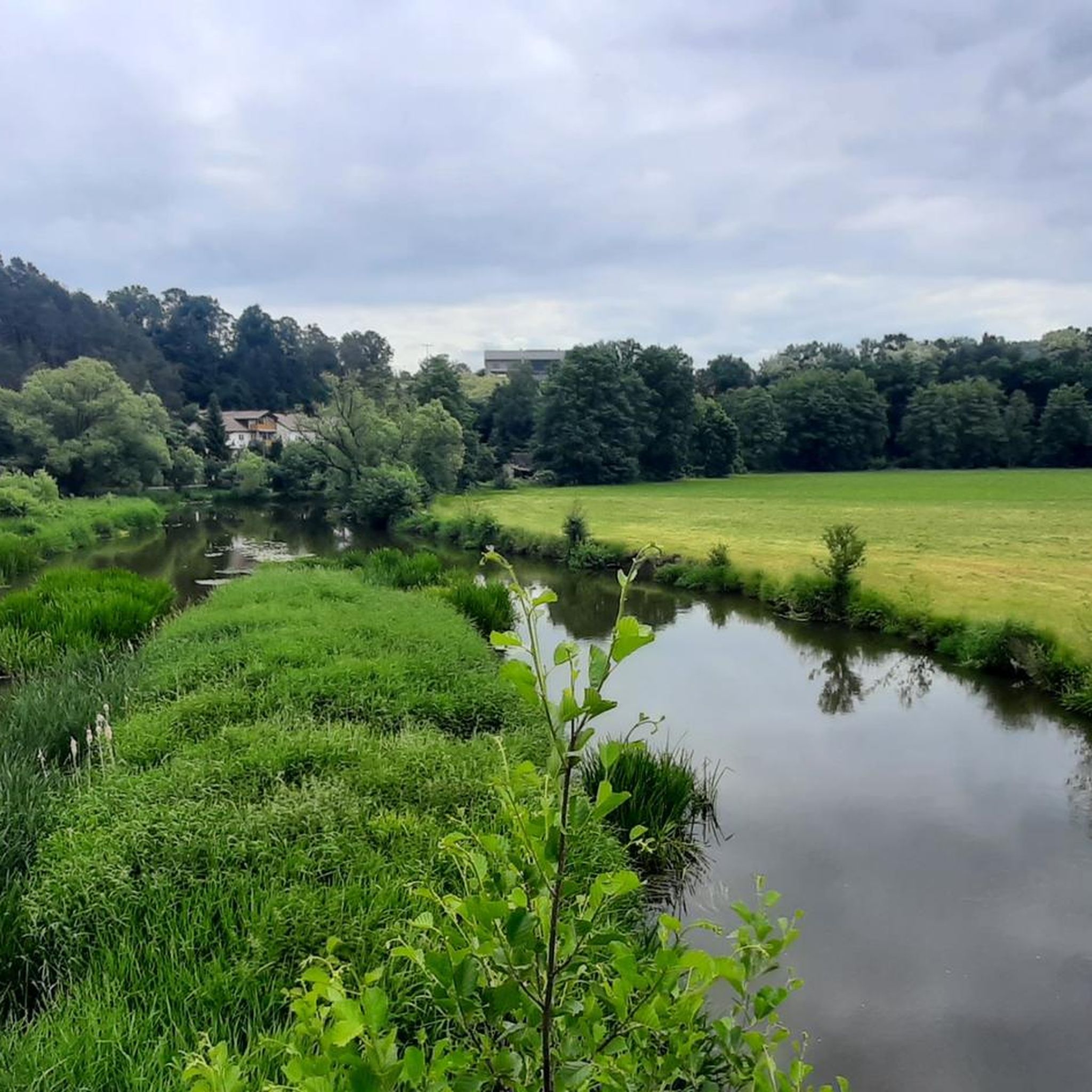
Running Trails around Schwarzach bei Nabburg
Other adventures around Schwarzach bei Nabburg

Tips from the Community

Meanwhile, the whole area has been nicely tidied up! The mine access has been cleared again, but the mine itself is now walled up. Directly at the mine entrance, there is now a nice seating area with a table. The mine railway, which was rusting away, is no longer on site; it has been refurbished/conserved and is now located down in the village at the former train station. Very beautiful view, very quietly located, a nice place to take a break during a bike/hiking tour.
0
0

The first stop on the Tanzacker circular trail. Fascinating and so beautiful to look at!
0
0


In the basement of the St. Laurentius Chapel next to the Church of St. Ulrich in Schwarzach is the so-called "Brünnl" with a Lourdes grotto. This was built in 1894. The pilgrimage dates back to 1726. The blind Georg Rottmayr from Schwarzach regained his sight that year when he washed his eyes with the well water and then prayed and worshipped in the church. The Church of St. Ulrich already contained the miraculous image of the Holy Mother of God, which now stands on the main altar. This gave rise to the pilgrimage, which flourished from 1728 onwards. From 1791 onwards the well was expanded and converted into a Lourdes grotto and consecrated in 1794. After secularization in 1803, the pilgrimage became quieter and with the erection of the Iron Curtain during the two world wars it slowly died down. Today, August 15th and the Sunday after October 7th are still pilgrimage days. Schwarzach is located on the Bohemian-Bavarian Brünnl pilgrimage route, which also includes the pilgrimage site "Dobrá Voda" near Pocinovice, the twin town of Schwarzach b. Nabburg. Text from the website of the municipality of Schwarzach: https://www.schwarzach-bei-nabburg.de/freizeit-kultur-tourismus/kultur-tourismus/sehenswuerdigkeiten/st-ulrich-kirche-schwarzach-b-nabburg
0
0

Italian railway workers built this grotto in honor of the Holy Mother of God directly on the railway line.
1
0


You should take a look, the small grotto is part of the Tanzacker circular route. It was built in the steep rocky slope by Italian railway construction workers around 1904 during the construction of the "Royal Bavarian State Railway". There is a figure of the Lourdes Madonna in it. Also known as “Bräugrotte”.
5
0

The chapel of St. Laurentius is located east of the St. Ulrich church in Schwarzach near Nabburg. The Brünnl Grotto is located in the basement. On the side wall there is a votive painting on a semicircular wooden board depicting the church and chapel from the 18th century. Over a small climb, the Brünnlsteig, you reach the chapel with the grotto, which is well worth seeing. Unfortunately, I think the Brünnl with the healing water has dried up.
1
0
Frequently Asked Questions
What kind of 'caves' can I expect to find around Schwarzach bei Nabburg?
The region primarily features grottoes and historical rock cellars, rather than traditional natural caves. These sites offer a glimpse into local history and culture, often integrated into hiking trails.
Are there any historical sites among the caves?
Yes, several sites are rich in history. The Railway Workers' Grotto was built by Italian railway construction workers around 1904. The Old Rock Cellar on the Pfreimd and the Historical Rock Cellars of Schwandorf were historically used for storage, with the latter dating back to at least the 16th century for beer production.
Can I take a guided tour of any of these historical cellars?
Yes, the Historical Rock Cellars of Schwandorf offer guided tours through approximately 60 of their over 130 carved cellars, providing an exciting journey through the underworld.
Are there any religious or spiritual sites among the grottoes?
Yes, the Railway Workers' Grotto contains a figure of the Lourdes Madonna. Additionally, the Lourdes Grotto and Brünnl in the St. Laurentius Chapel in Schwarzach is a historical pilgrimage site with a grotto built in 1894, known for a legend of healing water.
Are the caves around Schwarzach bei Nabburg suitable for families?
The Historical Rock Cellars of Schwandorf are categorized as family-friendly, especially with their guided tours offering an engaging experience for all ages.
What outdoor activities can I do near these grottoes and cellars?
The area around Schwarzach bei Nabburg offers various outdoor activities. You can find numerous hiking trails, including routes like the 'Hofcafé Müllnerhof – Schwarzach Floodplains loop'. There are also running trails and road cycling routes available.
What is the best way to explore the grottoes and cellars?
Many of these sites are integrated into local hiking trails, making them accessible as part of a walk or hike. For example, the Railway Workers' Grotto is part of the Tanzacker circular route.
Are there any natural monuments or unique geological features to see?
While the region is not known for traditional natural caves with extensive geological formations, the Railway Workers' Grotto is considered a natural monument. The Historical Rock Cellars of Schwandorf are carved into Dogger sandstone, showcasing how human activity has interacted with the local geology.
What do visitors particularly enjoy about the caves and grottoes here?
Visitors appreciate the historical significance and the unique nature of these man-made and adapted natural features. The Railway Workers' Grotto is often highlighted for its historical context and the Lourdes Madonna figure, while the guided tours of the Historical Rock Cellars of Schwandorf are popular for their immersive experience.
Is there a specific time of year recommended for visiting?
The grottoes and rock cellars can generally be visited year-round. However, if you plan to combine your visit with hiking or cycling, spring to autumn offers the most pleasant weather conditions for outdoor activities in the region.
Are there any former mining sites in the area that can be explored?
Schwarzach bei Nabburg has a history of fluorite mining, with several former sites like the Marienschacht Mine and Johannesschacht Mine. However, these former mining sites are not currently accessible as tourist 'caves' or attractions with public access or guided tours.
Most popular routes around Schwarzach bei Nabburg
Most popular attractions around Schwarzach bei Nabburg

Get inspired with the komoot mobile app


Explore more
Extend your search for the best caves by checking out these guides of the top ones around Schwarzach bei Nabburg:
