Top 6 Caves in Albania
Caves in Albania are found across its diverse terrain, including limestone mountains, river canyons, and coastal cliffs. These subterranean formations offer a combination of natural beauty, historical significance, and opportunities for exploration. Many caves have served as shelters for ancient civilizations and continue to be sites for scientific research and tourism. Albania's geological makeup provides a rich environment for a variety of cave systems.
Best caves in Albania
- The most popular caves is Pellumbas Cave, a cave that is a natural monument. It is recommended to bring a flashlight, which can be borrowed from the info center. This cave is known for its stalactite and stalagmite formations and is an important prehistoric site.
- Another must-see spot is Cave with stalactites and stalagmites, a cave and natural monument. Visitors can expect to navigate rocky terrain and occasional mud, requiring sturdy shoes and a flashlight. This cave features intricate formations within its chambers.
- Visitors also love Ice cave, a cave and natural monument. This deep crevice is known for its icy wind, which blows upwards even when the outside air is hot. It is located approximately 1100 meters below the border to Montenegro.
- Albania is known for its diverse cave types, including marine caves, ice caves, and those with significant archaeological findings. These subterranean wonders offer a range of experiences, from challenging explorations to sites of historical importance.
- The caves in Albania are appreciated by the komoot community, with more than 60 upvotes and over 40 photos shared across the highlights.
Last updated: October 14, 2026
Sari Salltiku Temple and Cave
Highlight • Religious Site
Showing Translation
Tip by

Pellumbas Cave
Highlight • Cave
Translated by Google •
Tip by

Sign up now to discover places like this
Get recommendations on the best single tracks, peaks, & plenty of other exciting outdoor places.
Ice cave
Highlight • Cave
Translated by Google •
Tip by

Cave with stalactites and stalagmites
Highlight • Cave
Translated by Google •
Tip by
Bunker complex and underground tunnels at Apollonia
Highlight • Monument
Translated by Google •
Tip by

Droja River Canyon
Highlight • Canyon
Showing Translation
Tip by

Black Water
Highlight • Cave
Translated by Google •
Tip by

Velcë Cave
Highlight • Cave
Translated by Google •
Tip by

Start today with a free account
Your next adventure awaits.
Popular around Albania
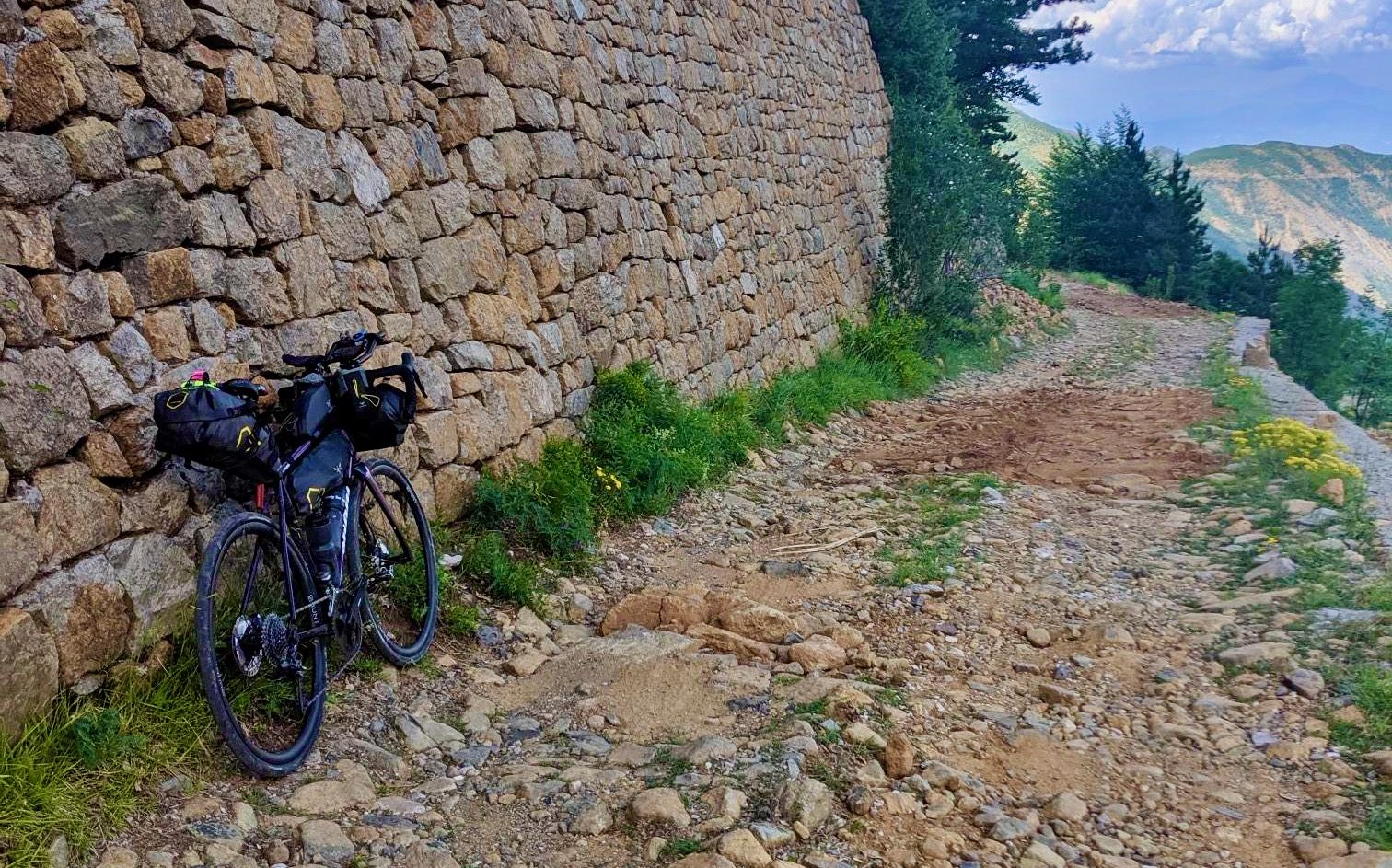
Traversing the Dinaric Alps — bikepacking from the mountains to the sea
Transcontinental Race No9 2023
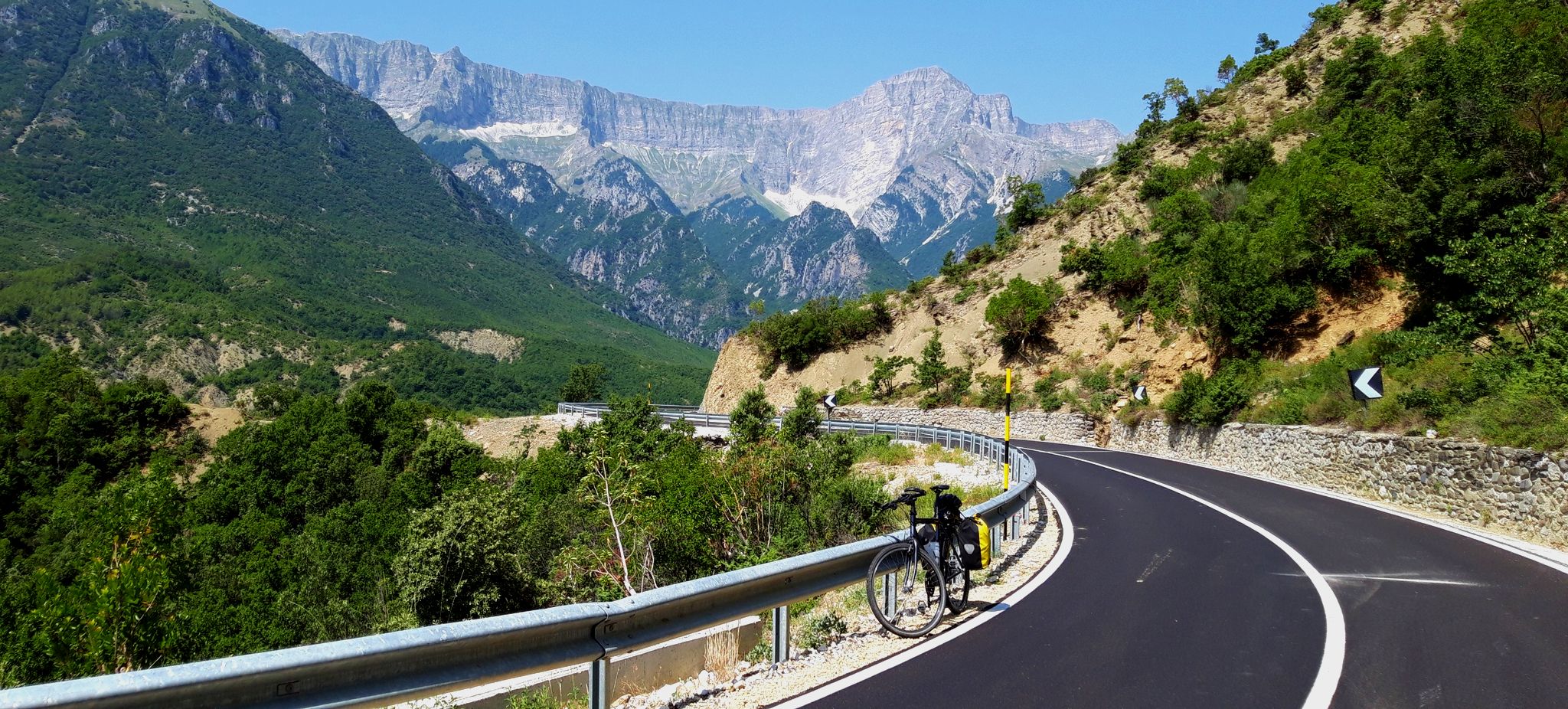
Balkan cycling adventure – Dubrovnik to Corfu
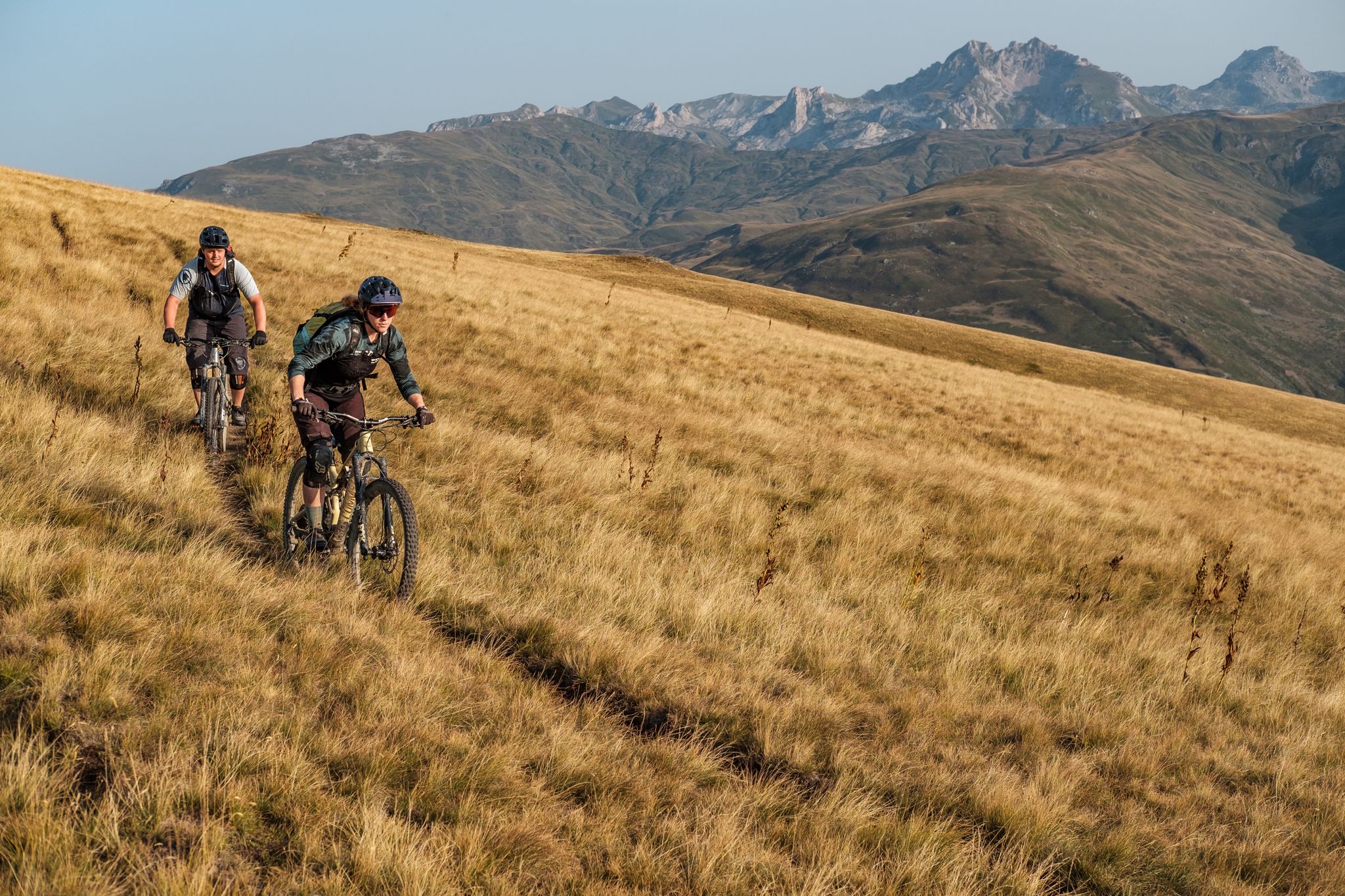
Explorer Trip through Kosovo and Albania
As we wrote history – the Transcontinental Race #TCRN06
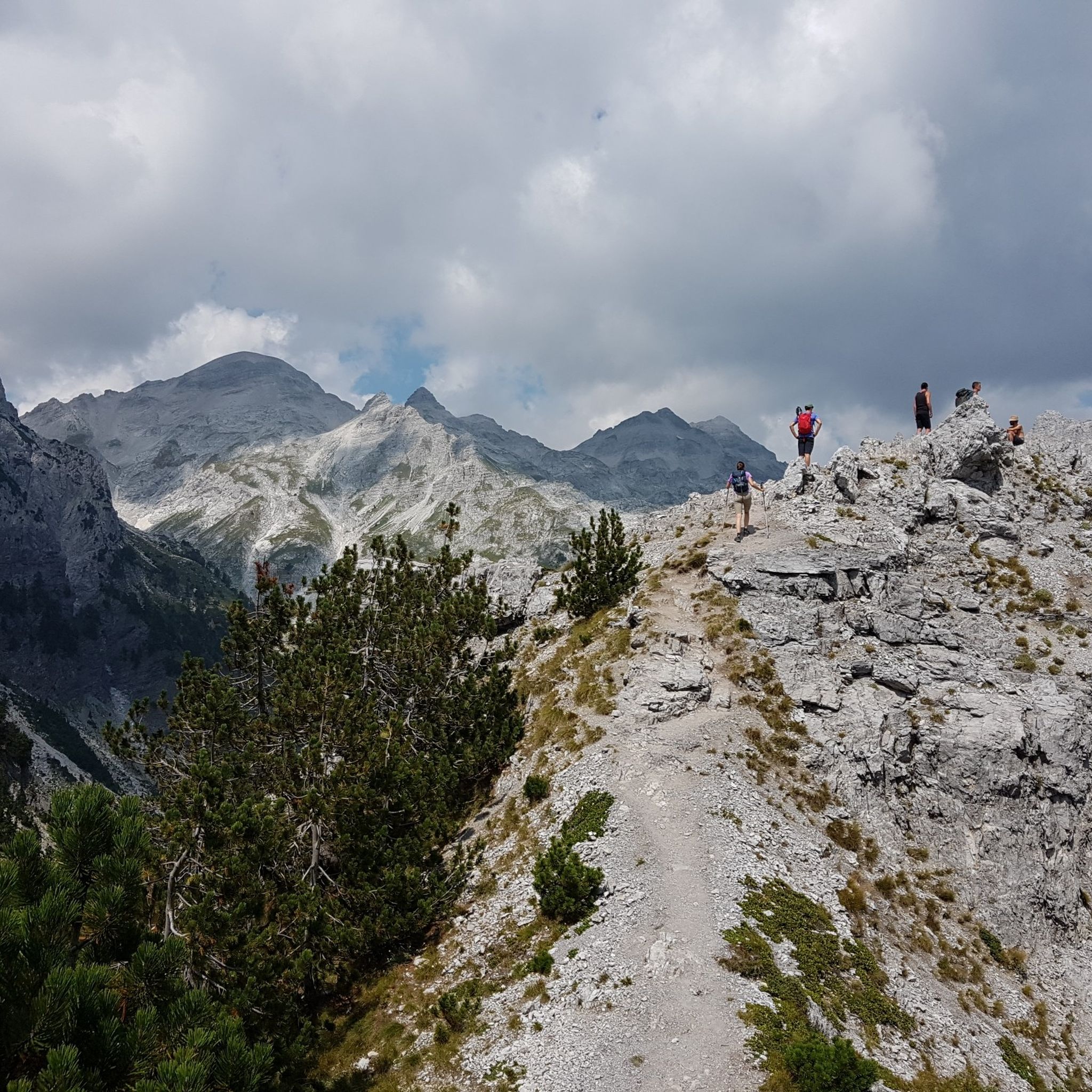
Hiking in Albania
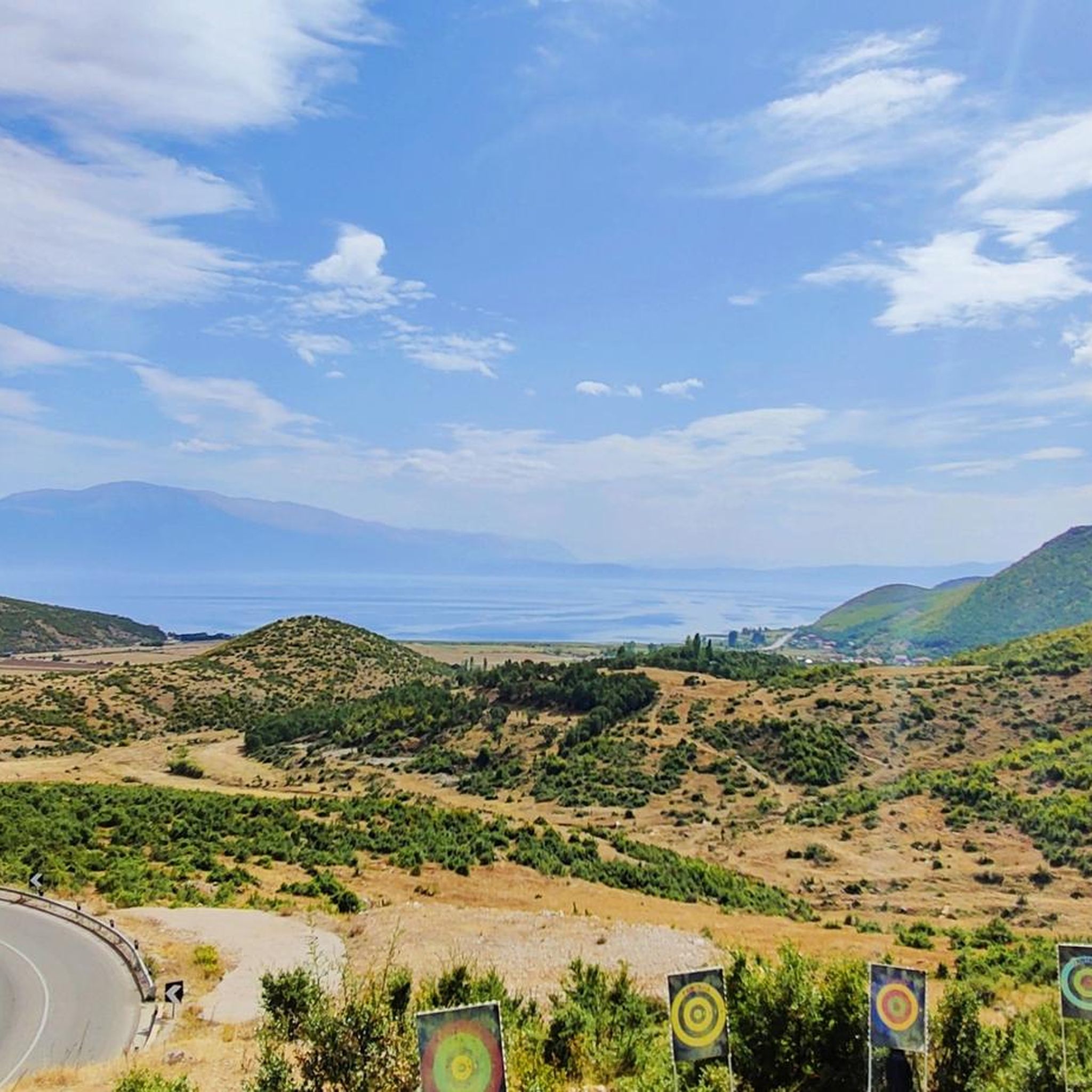
Cycling in Albania
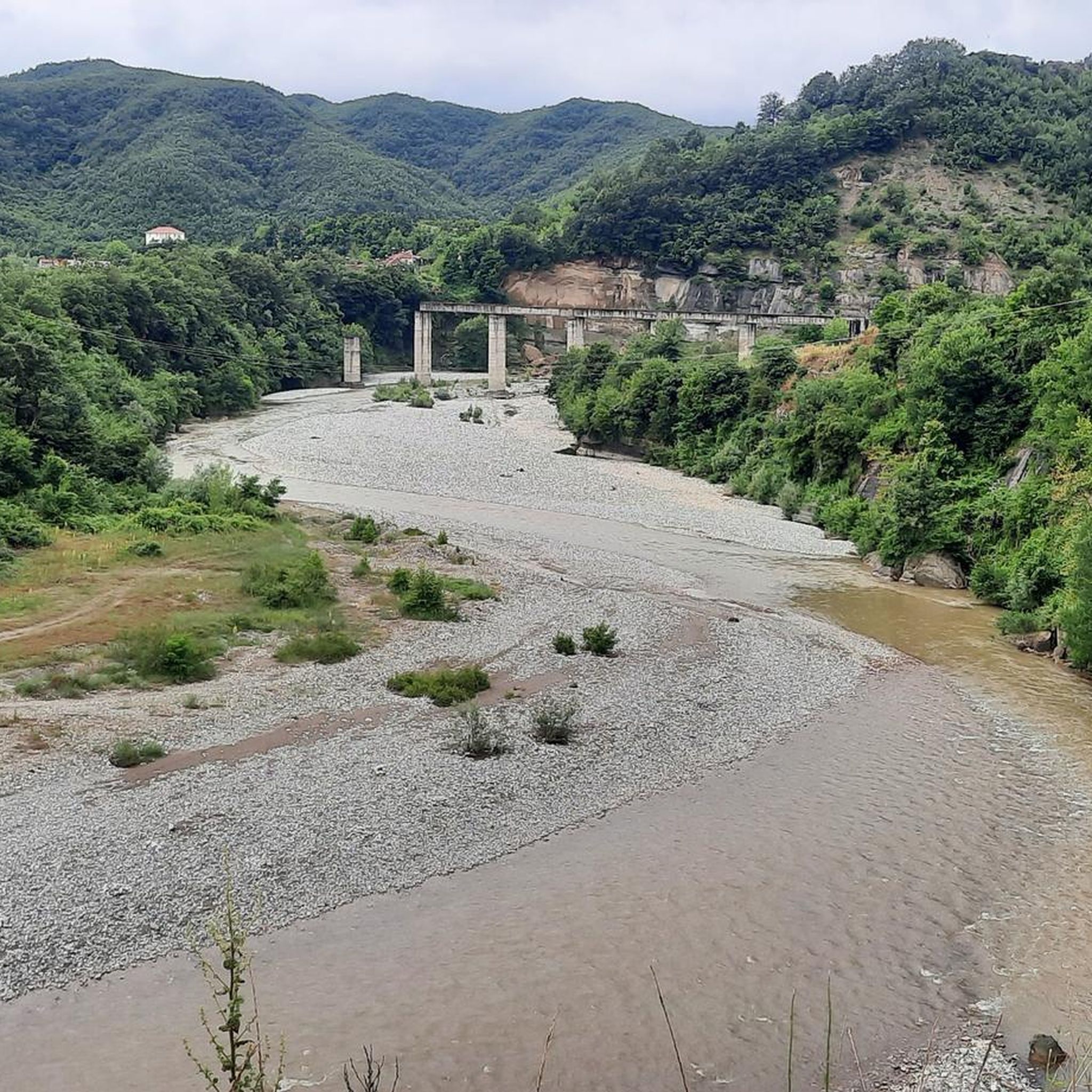
Running Trails in Albania
Road Cycling Routes in Albania
MTB Trails in Albania
Other adventures in Albania


Tips from the Community

Bektashi shrine on the plateau of Mali i Krujës, dedicated to Sari Salltiku, a wandering 13th-century dervish revered as a saint in Albania. According to tradition, he resided in the cave next to the current temple, where he retreated for prayer and meditation. The complex, at 1,150 m, forms the spiritual endpoint of the climb above Krujë, with open views over the valleys.
5
0

Stopping by bike at these places is a great viewpoint with a panorama of the deep, green Droja river valley. The route from Krujë towards Qafë Shtamë National Park offers spectacular mountain landscapes, although it requires attention due to the switchbacks and the terrain's incline.
0
0
Deep within the canyon lies an underground cave system approximately 3 km long, which has not yet been fully explored. The canyon also hides an old stone bridge carved into the rock, which is one of the most interesting points for exploring this place. Additionally, traces of old steps or paths are visible on the cliff walls.
0
0
A 1.5 km long canyon section has been officially declared a natural monument. The surrounding environment remains largely untouched by human activity and preserved in excellent condition. The area is characterized by typical Mediterranean vegetation, where evergreen scrub, poppies, lavenders, wild olives, heathers and other species predominate. The Droja River forms numerous waterfalls, cascades and natural pools here.
0
0
The canyon is located about 4 km north of the historic town of Kruja (Krujë), right next to the national road leading towards the Qafë Shtamë pass. It lies in a picturesque setting between Mount Kruja and Mount Brreti. The route in these areas is famous for its beautiful, but also demanding, cycling climbs and descents.
0
0

Insider tip. Spring in a cave on the other side of the Vjosa. Unfortunately, today, due to heavy rains, it was hidden by the turbulent waters of the Vjosa. Fording the Vjosa was also impossible. Otherwise, great sounds from the river and a very enjoyable swim. Short walk down from the gas station.
0
0

Be sure to buy water from the friendly host, especially in summer. The hike can be strenuous in summer, but the view and the cave make up for it.
0
0

A few steps down, you'll find a small cave where candles are lit. Further down, ice-cold water flows directly from the mountain. It's not particularly spectacular, but it's still very unexpected and definitely worth the detour.
1
0
Frequently Asked Questions
What are some of the most historically significant caves in Albania?
Albania's caves hold deep historical importance. The Pellumbas Cave, also known as the Black Cave, is a significant prehistoric site with evidence of human activity dating back hundreds of thousands of years and remains of the cave bear. Similarly, the Cave of Treni near Lake Prespa and Gajtan Cave near Shkodër are crucial archaeological sites, revealing pottery fragments, tools, and the earliest records of human activity in the region.
Are there any marine caves in Albania, and how can I visit them?
Yes, Albania features impressive marine caves. The Cave of Haxhi Aliu, located on the Cape of Gjuhëza in the Karaburun Peninsula, is the largest marine cave in Albania. It's accessible only by boat, often as part of a boat trip, offering stunning views and opportunities for swimming and snorkeling. Dafina Cave, in the Southern Riviera, is another beautiful partly submerged cave, also typically reached by boat.
What kind of natural formations can I expect to see in Albanian caves?
Many Albanian caves are rich in geological formations. You can expect to see fascinating stalactites and stalagmites in caves like Pellumbas Cave and the Cave with stalactites and stalagmites. The Cave of Pirro Goshit is notable for its intricate formations, narrow galleries, and water ponds, while the Cave of Kabash features a complex system of tunnels and active stalactite and stalagmite growth.
What should I bring when visiting caves in Albania?
For many caves, a flashlight is highly recommended, and sometimes essential, as mentioned for Pellumbas Cave where you can often borrow one from the info center. Sturdy shoes are also advisable, especially for caves with rocky or muddy terrain like the Cave with stalactites and stalagmites. Bringing water, especially during summer hikes, is also a good idea.
Are there any unique or unusual caves to explore in Albania?
Albania offers several unique cave experiences. The Ice cave is a deep crevice known for its icy wind that blows upwards, even on hot days, located about 1100 meters below the border to Montenegro. Another unique spot is Black Water, a spring located inside a cave on the Vjosa River, offering a distinct natural phenomenon.
What is the difficulty level for exploring caves in Albania?
The difficulty varies greatly depending on the cave. Some, like Pellumbas Cave, involve an invigorating hike to reach, while others like the Cave with stalactites and stalagmites may have rocky and muddy terrain inside. Many caves are categorized as intermediate or challenging, suggesting a reasonable level of fitness and appropriate gear are beneficial for exploration.
What outdoor activities can I do near the caves in Albania?
The diverse terrain around Albania's caves offers various outdoor activities. You can find numerous road cycling routes, such as the Porto Palermo Bay loop or the Tirana Grand Mosque loop, detailed in the Road Cycling Routes in Albania guide. Running trails are also popular, with options like the Lake view loop from Tirana, available in the Running Trails in Albania guide. For off-road adventures, consider gravel biking routes like the View of Lake Bovilla loop, found in the Gravel biking in Albania guide.
Are there any caves in Albania that are known for their surrounding natural beauty?
Many caves in Albania are nestled within stunning natural landscapes. The journey to Pellumbas Cave offers spectacular views of the Erzen River canyon. The Cave of Haxhi Aliu is surrounded by the crystal-clear Ionian Sea waters, making it ideal for boat trips. The Cave of Pirro Goshit provides stunning views of the magnificent Gradec canyon, the Radesh waterfall, and dense vegetation, while the Cave of Kabash is a popular stop for trekkers in the Albanian Alps.
What is the best time of year to visit caves in Albania?
While specific seasonal recommendations vary by cave, generally, the warmer months are ideal for accessing marine caves by boat and for enjoying the hikes to inland caves. However, some caves, like the Ice cave, offer a unique experience with their cold air even during hot weather. Always check local conditions, especially regarding river levels for caves like Black Water, which can be affected by heavy rains.
Are there any caves in Albania that are part of larger historical or archaeological sites?
Yes, some caves are integrated into broader historical contexts. The Bunker complex and underground tunnels at Apollonia, for instance, are man-made structures that function similarly to caves, connecting defensive positions around an ancient archaeological site. Gajtan Cave is also significant for its proximity to ruins of an old Illyrian fortification, highlighting a sophisticated ancient society.
What do visitors particularly enjoy about exploring caves in Albania?
Visitors often appreciate the blend of natural beauty and historical significance. The adventure of reaching caves through scenic hikes, the awe-inspiring stalactite and stalagmite formations, and the unique geological features like the icy wind of the Ice cave are frequently highlighted. The opportunity to connect with ancient history and experience untouched natural gems also contributes to a memorable visit.
Most popular routes in Albania
Most popular attractions in Albania

Get inspired with the komoot mobile app


Explore more
Extend your search for the best caves by checking out these guides of the top ones in Albania:
