Top 6 Gorges in Vietnam
Best canyons in Vietnam include geological formations and areas known for adventure sports. The country features diverse landscapes, from northern mountains with deep canyons to central regions with karst formations and waterways. These areas offer opportunities to explore natural monuments and river systems. Vietnam's terrain elevation difficulty levels vary, providing options for different activity preferences.
Best canyons in Vietnam
- The most popular canyons is Trang An Scenic Landscape Complex, a natural monument known for its unusual landscape composition with…
Last updated: October 14, 2026
Trang An Scenic Landscape Complex
Highlight • Natural Monument
Translated by Google •
Tip by

Dry Halong Bay
Highlight • River
Tip by

Sign up now to discover places like this
Get recommendations on the best single tracks, peaks, & plenty of other exciting outdoor places.
View of the Limestone Cliffs and Waterways of Tam Coc
Highlight • Viewpoint
Translated by Google •
Tip by

Pink Limestone Cliffs of Phong Nha
Highlight • Natural Monument
Tip by

Waterfall and Metal Bridge at Nam Cang
Highlight • Waterfall
Tip by

View of the Rocky Cliffs
Highlight • Viewpoint
Translated by Google •
Tip by

Start today with a free account
Your next adventure awaits.
Tips from the Community

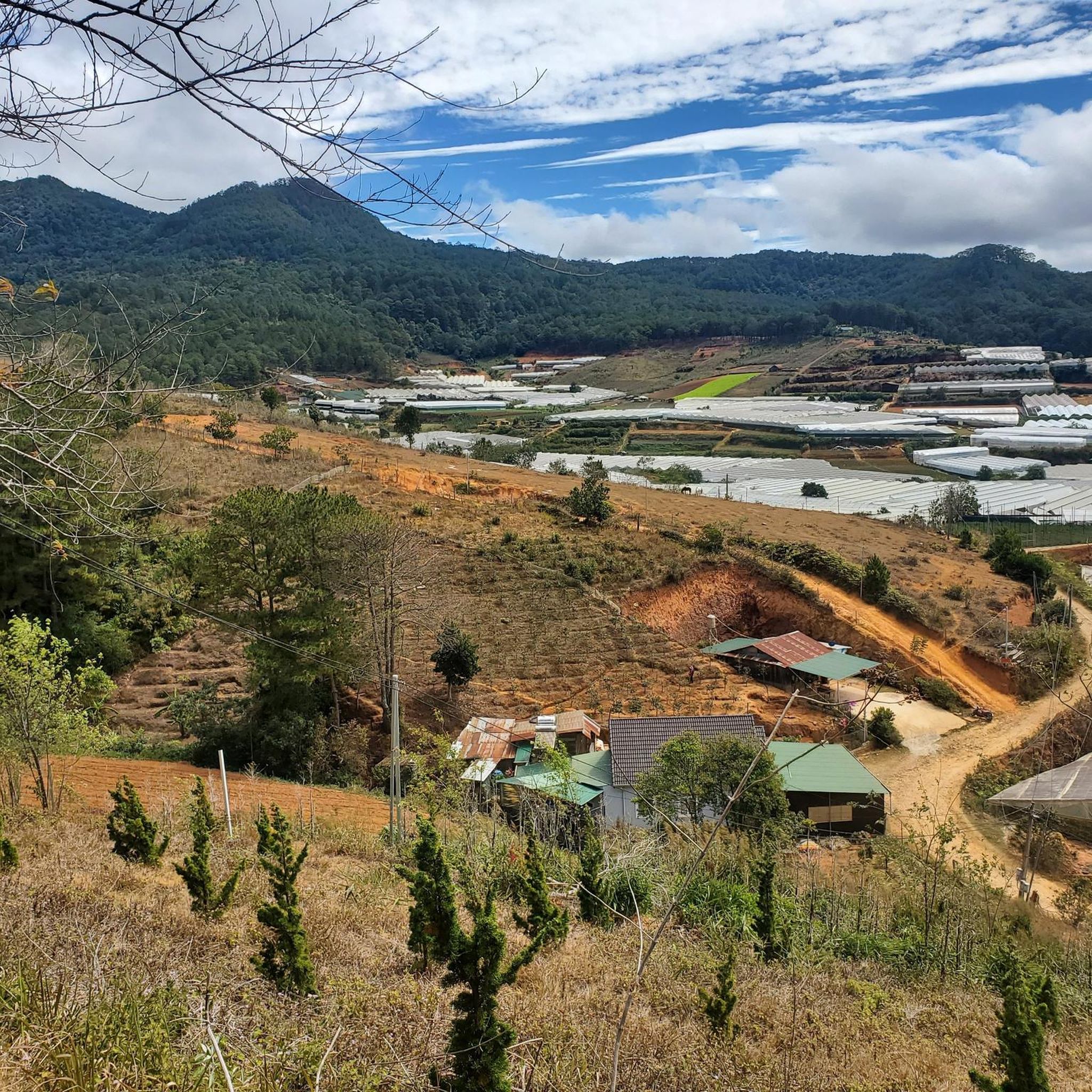
Very beautiful road! I recommend passing along here if you get to Phong Nha, just mind the elevation 😀
1
0

Water and limestone cliffs – what a magnificent backdrop for a cycling tour through the so-called dry Halong Bay
0
0

Nice waterfall with dam between. Path is nice, partially beton way. Metal bridge over river. Bellow of cascade is nice gorge, walley with large stones.
0
0

You can climb the mountain using ladders and stone steps. The view is worth it. You can also stop for a bite to eat at the foot of the mountain
2
0

A nice boat ride into the "Dry Halong Bay", serene and through a beautiful landscape. Best to do it in the early morning as it will be less busy and the light is very nice before the sun reaches the zenith. The price per person is 250k VND, a maximum of two foreigners per boat are allowed (operating 7:30 - 17:00). Be prepared that the boat person will very boldly remind you several times to give a tip.
2
0

Unusual landscape composition with steep karst rocks, flooded valleys and very low/narrow "wet" caves. Everything can be experienced during a 3-hour rowing boat tour. The World Heritage title has been awarded here for good reason.
0
0

The highlight of the Ninh Binh province in north-central Vietnam is the dry Halong Bay. Like its famous sister in North Vietnam, the landscape of Dry Halong Bay is shaped by steep karst rocks. Except that they don't rise out of the sea, but are part of a mountainous landscape with caves, valleys, lush green rice fields and a widely branched river system. There is no question of it being dry, the bay is a marvel of nature and has therefore been a UNESCO World Heritage Site since 2014. When the weather is nice, this one and a half hour rowing boat trip with a sampan is certainly a dream. Unfortunately, when it rains, you cannot see the beautiful karst mountains very well. The boatmen row their sampans with their feet. What at first glance looks like comfortable cycling while lying down is in fact a strenuous and sweaty affair in the heat and since they are rowing several kilometers. There are boat docks in Tam Coc, Trang Ang and Van Long.
2
1

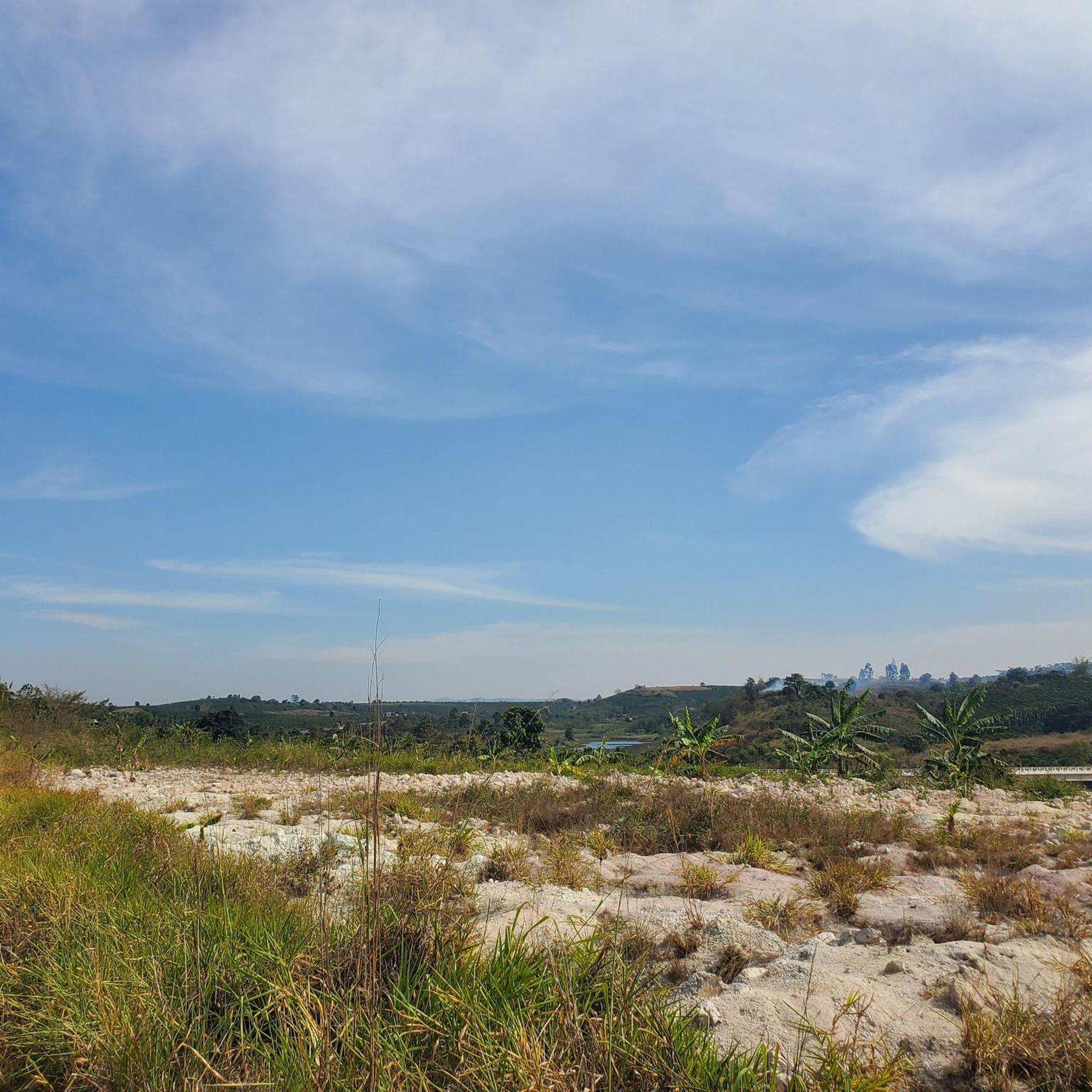
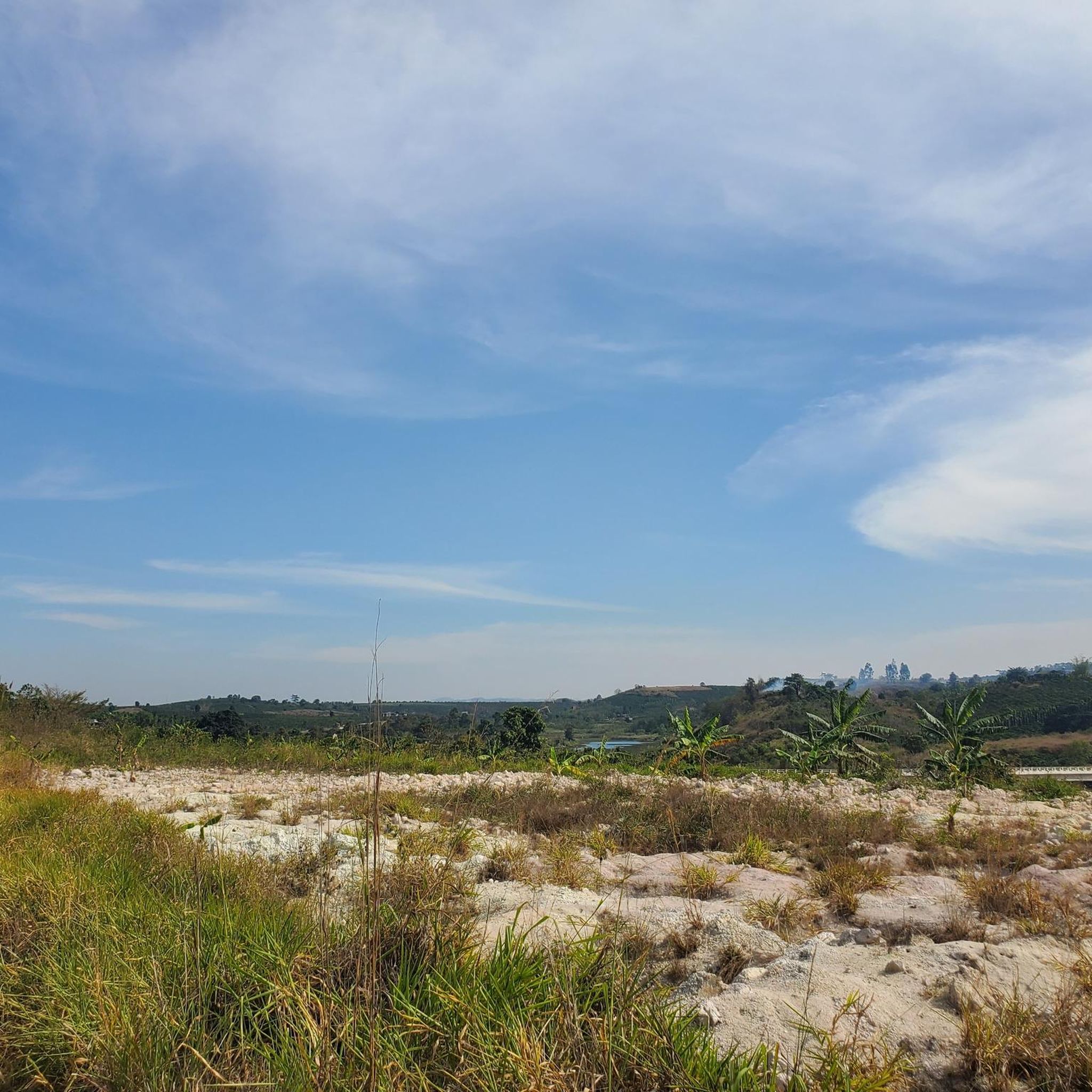
Great views through this downhill section.
0
0
Frequently Asked Questions
What unique natural features can I expect to see in Vietnam's canyons?
Vietnam's canyons showcase diverse natural wonders. You can find areas with steep karst rocks, flooded valleys, and wet caves, as seen in the Trang An Scenic Landscape Complex. Other regions feature towering limestone cliffs, winding rivers like the Nho Que, and unique rock structures, including the Pink Limestone Cliffs of Phong Nha. The country is also home to geological marvels like Tu San Canyon, recognized as the deepest canyon in Southeast Asia, with cliffs plunging up to 1,000 meters deep.
Are there opportunities for adventure sports like canyoning in Vietnam?
Yes, for those seeking adventure, Datanla Waterfalls in Da Lat is a premier destination for canyoning. Here, you can experience activities such as rappelling down waterfalls, zip-lining, natural water slides, and cliff jumping. Certified guides ensure safety, making it accessible even for those without prior experience.
What is the deepest canyon in Vietnam?
The Tu San Canyon in Ha Giang is widely recognized as the deepest canyon in Southeast Asia. It stretches approximately 1.7 kilometers long and plunges up to 1,000 meters deep, with cliffs rising between 700 to 800 meters. The emerald-green Nho Que River flows through its base, creating a dramatic landscape.
Can I explore the canyons by boat?
Absolutely. Boat tours are a popular way to experience several of Vietnam's canyons. For instance, the Trang An Scenic Landscape Complex offers 3-hour rowing boat tours through its unique environment. Similarly, the Dry Halong Bay area provides serene boat rides through its landscape of steep karst rocks. In Tu San Canyon, visitors can take boat trips or kayak along the Nho Que River, gliding between colossal cliffs.
What makes the 'Dry Halong Bay' area special?
The 'Dry Halong Bay' area, encompassing locations like Tam Coc, Trang An, and Van Long, is a UNESCO World Heritage Site known for its stunning landscape of steep karst rocks, lush green rice fields, and a widely branched river system. It offers a similar dramatic scenery to the famous Halong Bay, but inland. A boat ride here, especially in the early morning, provides a serene experience through a beautiful natural monument.
Are there family-friendly canyon experiences in Vietnam?
Yes, several canyon areas in Vietnam are suitable for families. The Trang An Scenic Landscape Complex, Dry Halong Bay, and View of the Limestone Cliffs and Waterways of Tam Coc are all categorized as family-friendly, offering gentle boat tours and scenic viewpoints that can be enjoyed by all ages.
What is the best time of year to visit Vietnam's canyons?
While specific conditions can vary by region, visiting during the dry season (generally from November to April) is often recommended for the best experience. This period typically offers more stable weather, lower water levels for activities like canyoning, and clearer views for sightseeing. However, some areas like the 'Dry Halong Bay' can still be beautiful even on rainy days, though views might be obscured.
What outdoor activities can I do near these canyons?
Near many of Vietnam's canyons, you can find various outdoor activities. For example, the area around Tam Coc and Trang An is excellent for cycling, with routes like the 'Tam Coc Scenic Area – Trang An Scenic Landscape loop'. You can find more cycling options in the Cycling in Vietnam guide. Hiking is also popular, with trails ranging from easy to difficult, such as those found in the Easy hikes in Vietnam guide and the Hiking in Vietnam guide.
Are there viewpoints to admire the canyon landscapes?
Yes, Vietnam offers stunning viewpoints for its canyons. The View of the Limestone Cliffs and Waterways of Tam Coc provides a magnificent backdrop of water and limestone cliffs. For a truly grand perspective, the Ma Pi Leng Pass offers breathtaking panoramic views of the colossal Tu San Canyon in Ha Giang.
What kind of tours are available for exploring the canyons?
Tours vary depending on the canyon. For the Trang An Scenic Landscape Complex and Dry Halong Bay, guided rowing boat tours are the primary way to explore the waterways and karst formations. For Datanla Waterfalls, guided canyoning tours are available, including rappelling and other adventure activities. In Tu San Canyon, boat trips and kayaking on the Nho Que River are popular options.
What are some notable geological formations in Vietnam's canyons?
Vietnam's canyons are rich in geological formations. The karst topography, characterized by steep limestone cliffs and caves, is prominent in areas like Trang An and the 'Dry Halong Bay'. Tu San Canyon, part of the Dong Van Global Geopark, is a prime example of a deep geological canyon formed by millions of years of tectonic activity and water erosion, showcasing significant paleontological and stratigraphic value.
What do visitors enjoy most about Vietnam's canyons?
Visitors frequently praise the stunning natural beauty and the unique experiences offered. Many appreciate the serene boat rides through landscapes like Trang An and the 'Dry Halong Bay', describing them as 'beautiful' and 'a marvel of nature'. For adventure seekers, the adrenaline rush of canyoning at Datanla Waterfalls in a lush jungle environment is a major draw. The breathtaking panoramic views, especially from spots like Ma Pi Leng Pass overlooking Tu San Canyon, are also highly valued.
Most popular attractions in Vietnam

Get inspired with the komoot mobile app


Explore more
Already discovered everything in this region? See additional gorges in Vietnam for your next adventure:
