Top 4 Waterfalls in Iran
Waterfalls in Iran offer diverse landscapes, from lush forests to mountainous regions, despite the country's arid perception. These natural attractions are found across various provinces, showcasing Iran's rich geographical features. Many waterfalls are significant natural monuments, providing opportunities for outdoor activities. The terrain often includes gorges, forests, and rocky mountains, making these sites notable for exploration.
Best waterfalls in Iran
- The most popular waterfalls is Darband Waterfalls and Trail Entrance, a trail that serves as a starting point for climbing Mt. Tochal. This area features a narrow gorge with a mountain stream and offers hiking opportunities on the outskirts of Tehran.
- Another must-see spot is Shirpala Shelter and Waterfall, a hut accessible via a trail starting from Darband. The route to this location involves some scrambling and takes approximately 2.5 to 3 hours.
- Visitors also love Asiab Kharabe Waterfall, a waterfall and picnic spot. This location is popular with families and groups, though it requires a steep 4 km journey from the main road.
- Iran is known for its diverse waterfall types, including those emerging from caves, cascading through moss-covered rocks, and even frozen waterfalls. Visitors can explore a variety of natural settings, from forest trails to high-altitude mountain environments.
- The waterfalls in Iran are appreciated by the komoot community, with 17 upvotes and 13 photos shared across 5 highlights.
Last updated: August 21, 2026
Darband Waterfalls and Trail Entrance
Highlight (Segment) • Trail
The first km through the narrow gorge with the roaring mountain stream is lined with restaurants and snack bars. Quite funny to watch.....
After a few hundred meters of altitude, peace returns
Translated by Google •
Tip by

Shirpala Shelter and Waterfall
Highlight • Mountain Hut
تو مسیر دو فرعی هست که یکی سمت اوسون میره و یکی سمت پناهگاه شروین
اما این مسیر ابتدا با یه شیب ملایم تا ایستگاه امداد کوهستان میره و از اونجا دست به سنگ ها شروع میشه
البته که دست به سنگ های عجیبی نداره و مشکل ساز نیست
بعد از دست به سنگ ها هم میرسین به پناهگاه
حدودا ۲.۵ تا ۳ ساعت مسیره کلا
Tip by

Sign up now to discover places like this
Get recommendations on the best single tracks, peaks, & plenty of other exciting outdoor places.
Sign up for free
Asiab Kharabe Waterfall
Highlight • Waterfall
Very steep 4km from the main road to reach it.
There is an entrance ticket but we hadn't changed money yet and they allowed us in. I don't know the price.
We asked to camp there and they made us sleep in the praying room. Water and toilets.
Tip by

Karmozd Waterfall and Scenic Dirt Road
Highlight (Segment) • Waterfall
The route is divided into three sections: downhill, uphill and downhill
At kilometer 19, on the left side of the waterfall, there is a beautiful staircase that is the best choice for resting
A kilometer later, the waterfall will reach the stone quarry, where you should continue at the left fork.
The route is not particularly challenging
The difficulty of the route is 4 out of 10
The best time is recommended in mid-spring and on cloudy and partly cloudy days
Translated by Google •
Tip by

Sardab Waterfall
Highlight • Waterfall
Translated by Google •
Tip by

Start today with a free account
Your next adventure awaits.
Login or Signup
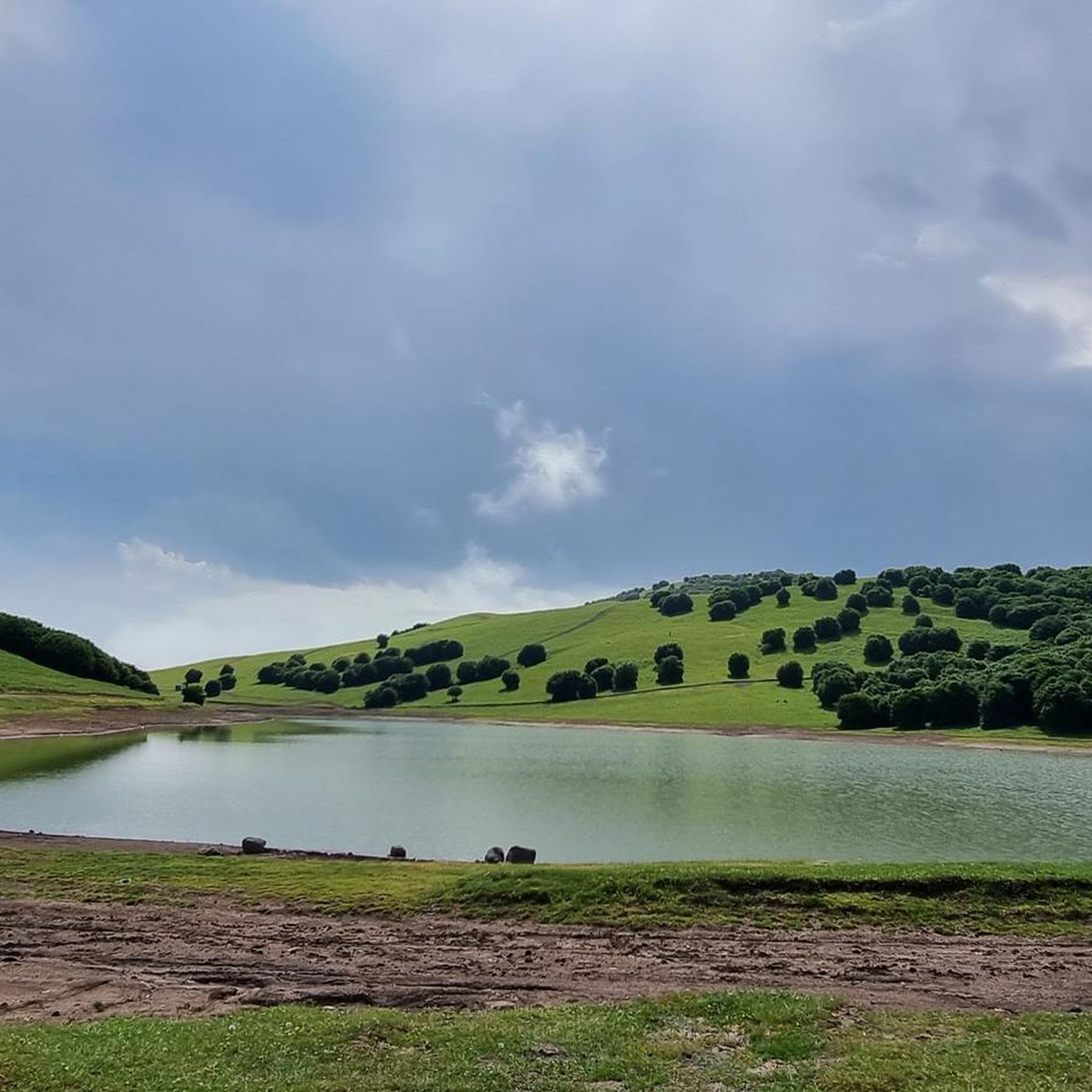
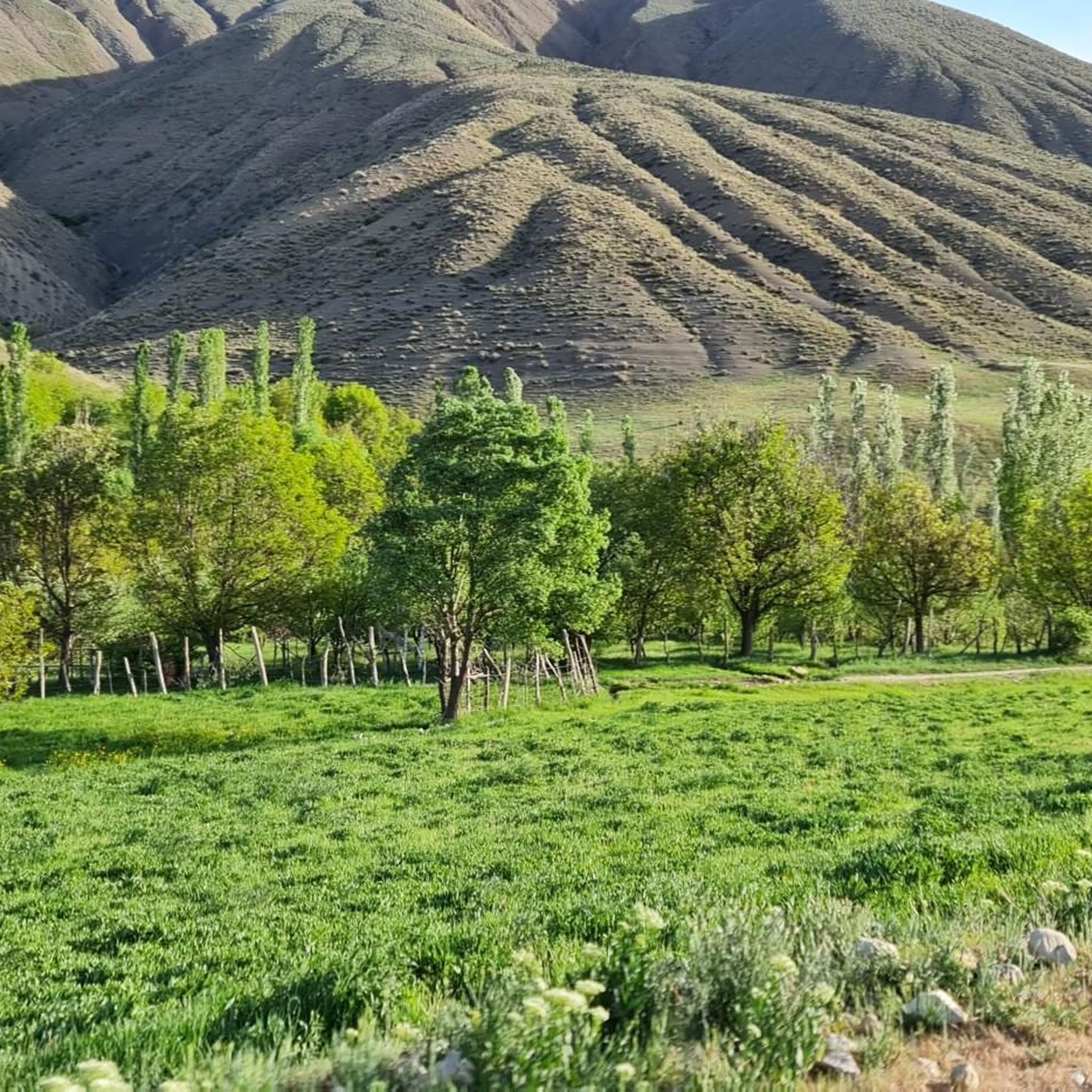
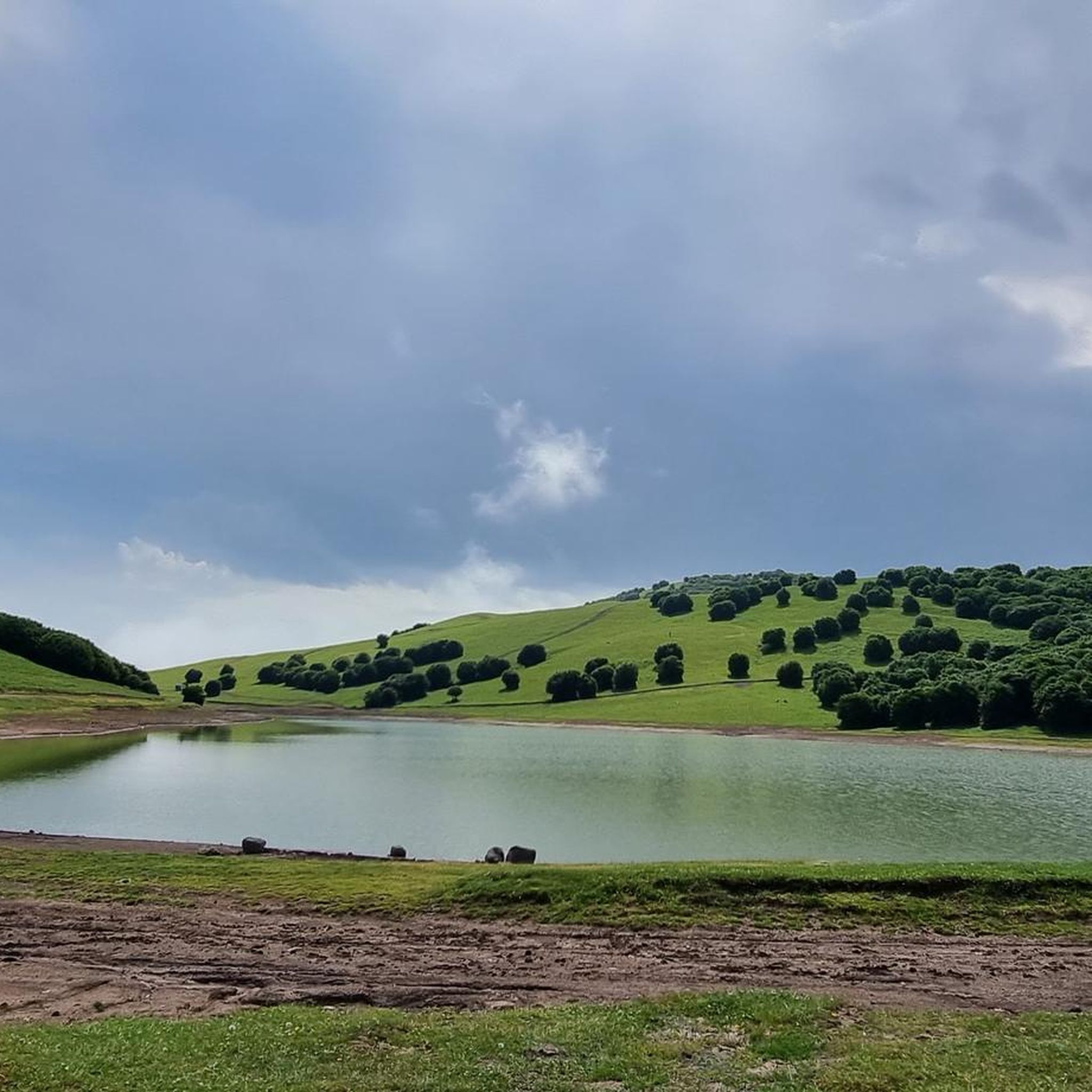

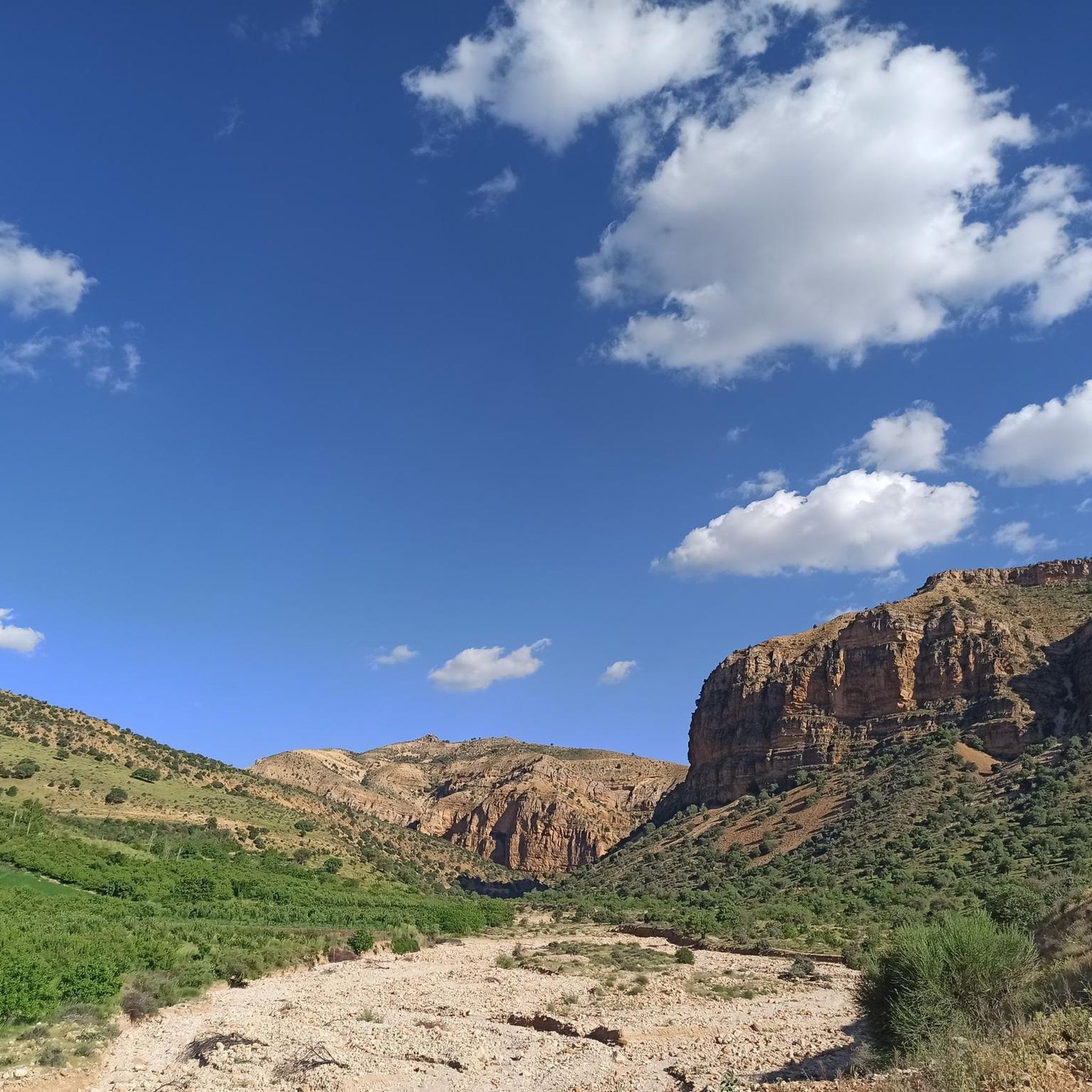


Tips from the Community

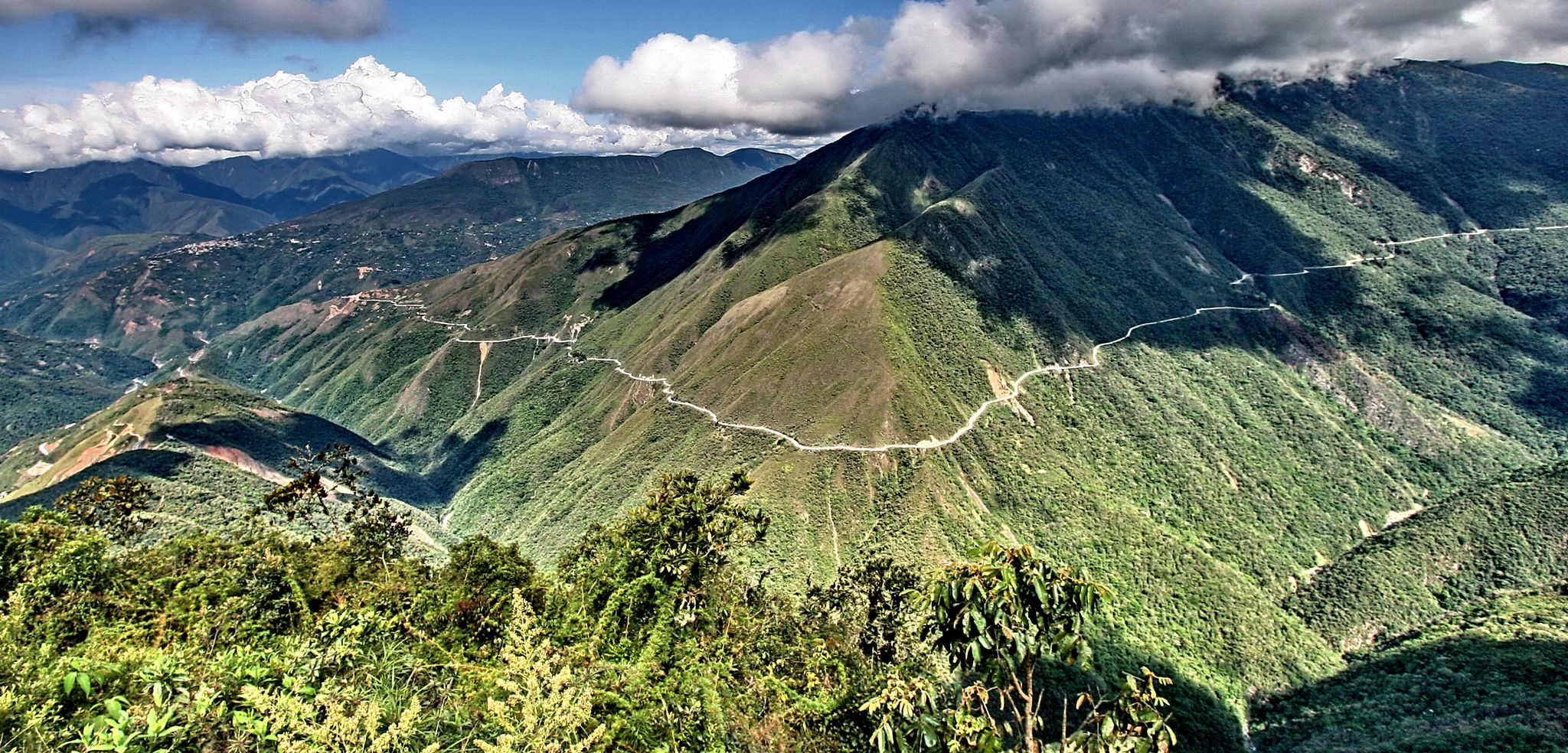
مسیر از میدان مجسمه دربند شروع میشه تو مسیر دو فرعی هست که یکی سمت اوسون میره و یکی سمت پناهگاه شروین اما این مسیر ابتدا با یه شیب ملایم تا ایستگاه امداد کوهستان میره و از اونجا دست به سنگ ها شروع میشه البته که دست به سنگ های عجیبی نداره و مشکل ساز نیست بعد از دست به سنگ ها هم میرسین به پناهگاه حدودا ۲.۵ تا ۳ ساعت مسیره کلا
0
0

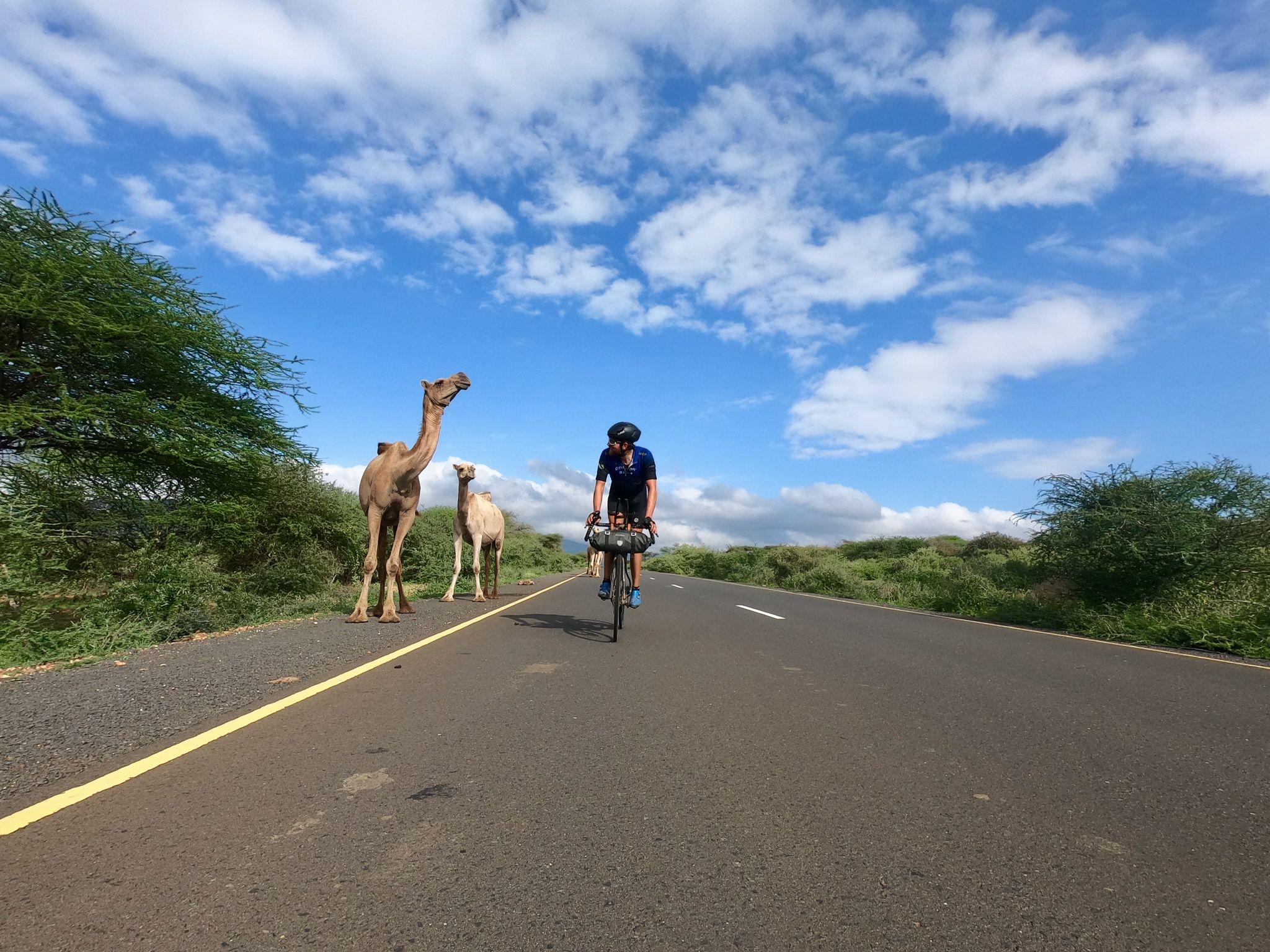
The cycling route is completely dirt and road The route is divided into three sections: downhill, uphill and downhill At kilometer 19, on the left side of the waterfall, there is a beautiful staircase that is the best choice for resting A kilometer later, the waterfall will reach the stone quarry, where you should continue at the left fork. The route is not particularly challenging The difficulty of the route is 4 out of 10 The best time is recommended in mid-spring and on cloudy and partly cloudy days
0
0

wow amazing post. https://downloadgbapps.pk/
0
0

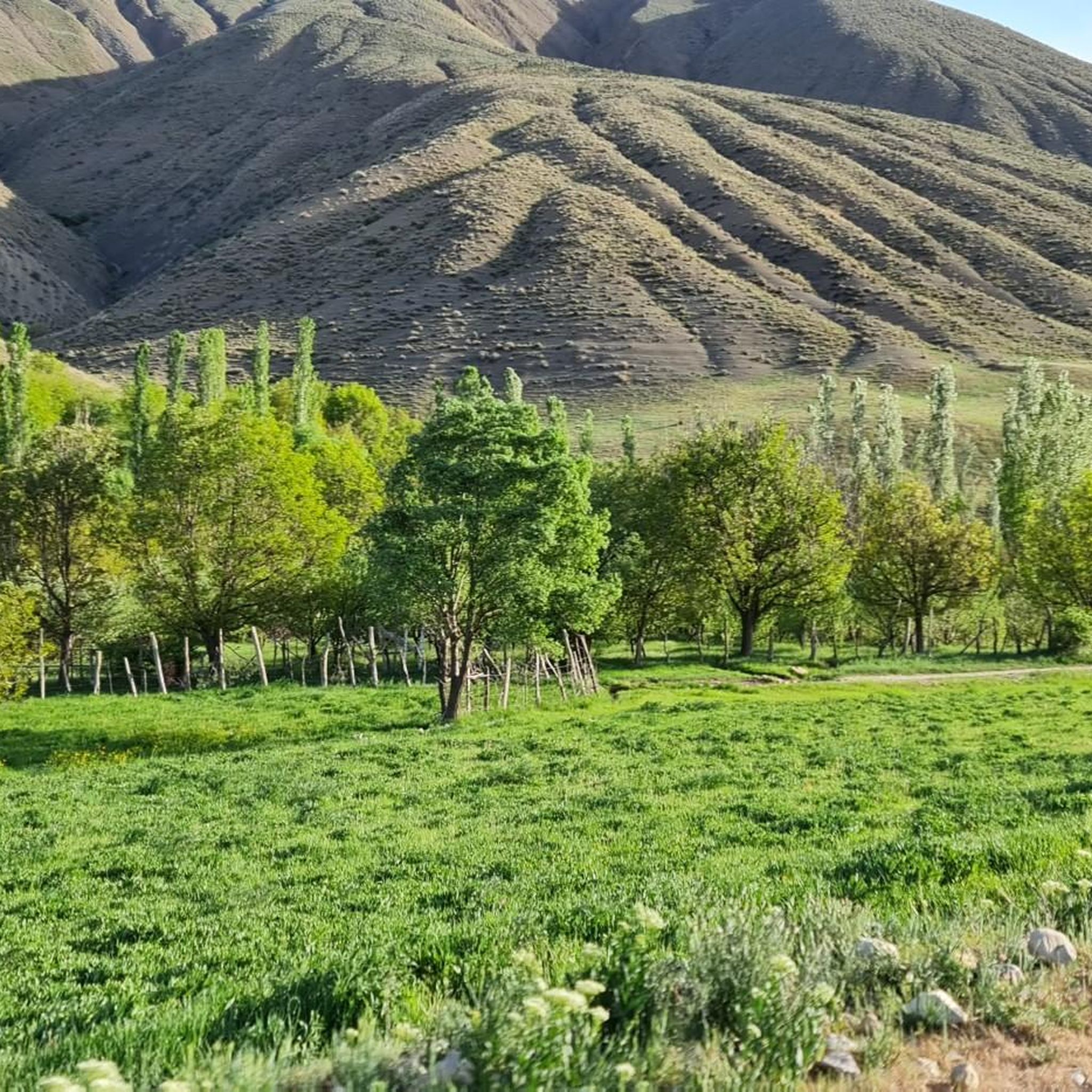
Waterfalls and picnic spot. Many families and groups during the weekend. Very steep 4km from the main road to reach it. There is an entrance ticket but we hadn't changed money yet and they allowed us in. I don't know the price. We asked to camp there and they made us sleep in the praying room. Water and toilets.
0
0

The way to the waterfall is very bad!
0
0
Imposing waterfall! The climb is worth it. Also a nice place for a night in the tent.
0
0

Frequently Asked Questions
What are some of the most beautiful waterfalls to visit in Iran?
Iran offers a diverse range of stunning waterfalls. Beyond those near Tehran, consider exploring the majestic Laton Waterfall in Gilan Province, known as Iran's highest, or the captivating Margoon Waterfall in Fars Province, famous for its width and unique appearance. For a truly unique experience, the Asiab Kharabe Waterfall in East Azarbaijan Province, meaning "ruined mill," offers a distinctive multi-tiered cascade and a popular picnic spot.
Are there any waterfalls near Tehran that are good for hiking?
Yes, the area around Tehran provides excellent opportunities for waterfall hikes. The Darband Waterfalls and Trail Entrance is a popular starting point for exploring the mountains, with trails leading through a gorge lined with restaurants. Further up, you can reach the Shirpala Shelter and Waterfall, which offers a rewarding hike with beautiful views.
What is the best time of year to visit waterfalls in Iran?
Spring and summer are generally the best seasons to visit most waterfalls in Iran, when the weather is pleasant and the water flow is strong. For instance, Laton Waterfall is particularly enjoyable in spring and summer due to the verdant trees and mild climate. Semirom Waterfall in Isfahan Province is best visited in early spring for peak water volume. However, some, like Shahandasht Waterfall, flow continuously even in winter, and the unique Yakhi Waterfall on Mount Damavand remains frozen year-round, offering a spectacular icy sight.
Are there family-friendly waterfalls in Iran?
Many waterfalls in Iran are suitable for families, especially those with accessible paths and nearby amenities. Kaboud-Val Waterfall in Golestan Province is a great option, requiring a pleasant 2-kilometer walk through a forest and offering tourist facilities. The area around Asiab Kharabe Waterfall is also a popular picnic spot for families, though the final 4km road can be steep.
What kind of outdoor activities can I do near waterfalls in Iran?
Beyond hiking directly to the waterfalls, the surrounding regions offer various outdoor activities. For mountain biking enthusiasts, there are numerous trails, such as the Karmozd Loop or Yas Dirt Road loop, which can be explored via the MTB Trails in Iran guide. For those preferring a more relaxed pace, traffic-free bike rides are available, including routes near Lar Dam, detailed in the Traffic-free bike rides in Iran guide.
Are there any waterfalls in Iran known for unique natural features or geology?
Absolutely. Iran boasts several waterfalls with distinct natural characteristics. Kaboud-Val Waterfall in Golestan Province is notable as Iran's largest full-moss waterfall, flowing through a lush environment. Ab Sefid Waterfall in Lorestan Province, meaning "white water," uniquely emerges from the heart of a rocky mountain through a tunnel. The Yakhi Waterfall on Mount Damavand is remarkable for being almost entirely frozen throughout the year, forming a massive ice stalagmite.
Which waterfalls in Iran are considered significant natural monuments?
Shevi Waterfall in Khuzestan Province, also known as Tale Zang Waterfall, is considered one of Iran's most beautiful waterfalls and is a registered national monument. It emerges dramatically from a cave and cascades down a high defile in the Zagros Mountains. The Asiab Kharabe Waterfall is also categorized as a natural monument.
Can I find waterfalls in Iran that are less crowded or considered 'hidden gems'?
While many waterfalls are popular, some offer a more secluded experience. The Karmozd Waterfall, accessed via a scenic dirt road, provides a beautiful natural setting that can feel more off the beaten path. Similarly, the challenging trek to Sardab Waterfall rewards visitors with an imposing and less frequented natural wonder.
What should I wear or bring when visiting waterfalls in Iran?
When visiting waterfalls, especially if you plan to hike, it's advisable to wear comfortable, sturdy shoes suitable for uneven terrain. Layers of clothing are recommended as temperatures can vary, and a waterproof jacket might be useful due to spray. For longer treks, bring sufficient water, snacks, and sun protection. If visiting in cooler months or higher altitudes, be prepared for colder conditions, as some areas like Margoon Waterfall can freeze in winter.
Are there any waterfalls in Iran with historical significance or nearby landmarks?
Yes, some waterfalls are situated near historical sites. Shahandasht Waterfall in Mazandaran Province, Iran's second-highest, cascades down beside the historic Malek Bahman castle, offering a blend of natural beauty and cultural heritage. Bisheh Waterfall in Lorestan Province is located near Bisheh village and an Oak forest, providing a glimpse into local life and nature.
Which regions in Iran are particularly rich in waterfalls?
Lorestan Province is often referred to as the "province of waterfalls" due to its abundance of cascades, including Bisheh Waterfall, Ab Sefid Waterfall, Nozhian Waterfall, and Afrineh Waterfall. Gilan and Mazandaran Provinces, located in the lush northern regions, also host numerous impressive waterfalls like Laton and Shahandasht, benefiting from the Alborz mountain range's climate.
Most popular attractions in Iran

Get inspired with the komoot mobile app


Explore more
Happy to travel a little further afield? Then browse these guides for the best waterfalls in Iran:
