Top 5 Castles around Bad Ischl
Castles around Bad Ischl offer a glimpse into imperial history and medieval times within the picturesque Salzkammergut region. The area is characterized by its mountainous landscape, including the Katrin mountain, and the Traun river valley. These historical estates are set amidst natural features, providing both cultural insight and scenic viewpoints. Bad Ischl's surroundings combine historical significance with natural beauty.
Best castles around Bad Ischl
- The most popular castles is Kaiservilla, a historical site that served as the summer residence…
Last updated: October 14, 2026
Villa Castiglioni
Highlight • Castle
Translated by Google •
Tip by

Kaiservilla
Highlight • Historical Site
Showing Translation
Tip by

Sign up now to discover places like this
Get recommendations on the best single tracks, peaks, & plenty of other exciting outdoor places.
Wildenstein Castle Ruins
Highlight • Castle
Translated by Google •
Tip by

Pflindsberg Castle Ruins and Lookout Tower
Highlight • Castle
Translated by Google •
Tip by

Marmorschlössl
Highlight • Historical Site
Translated by Google •
Tip by

Sign up for free to discover even more castles around Bad Ischl.
Already have an account?
Start today with a free account
Your next adventure awaits.
Popular around Bad Ischl
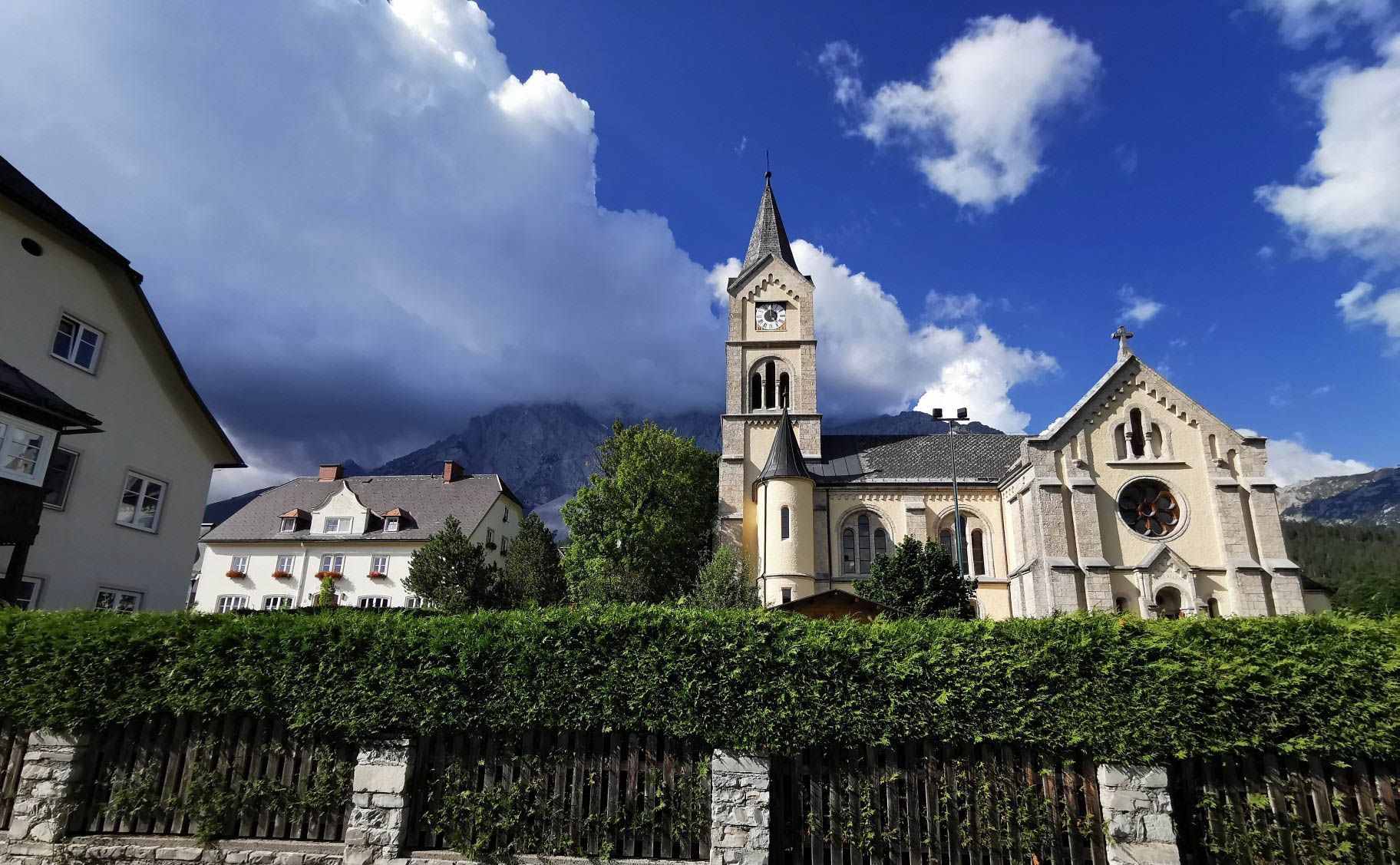
Way of the Book – Hike in the footsteps of the Bible smugglers in Austria
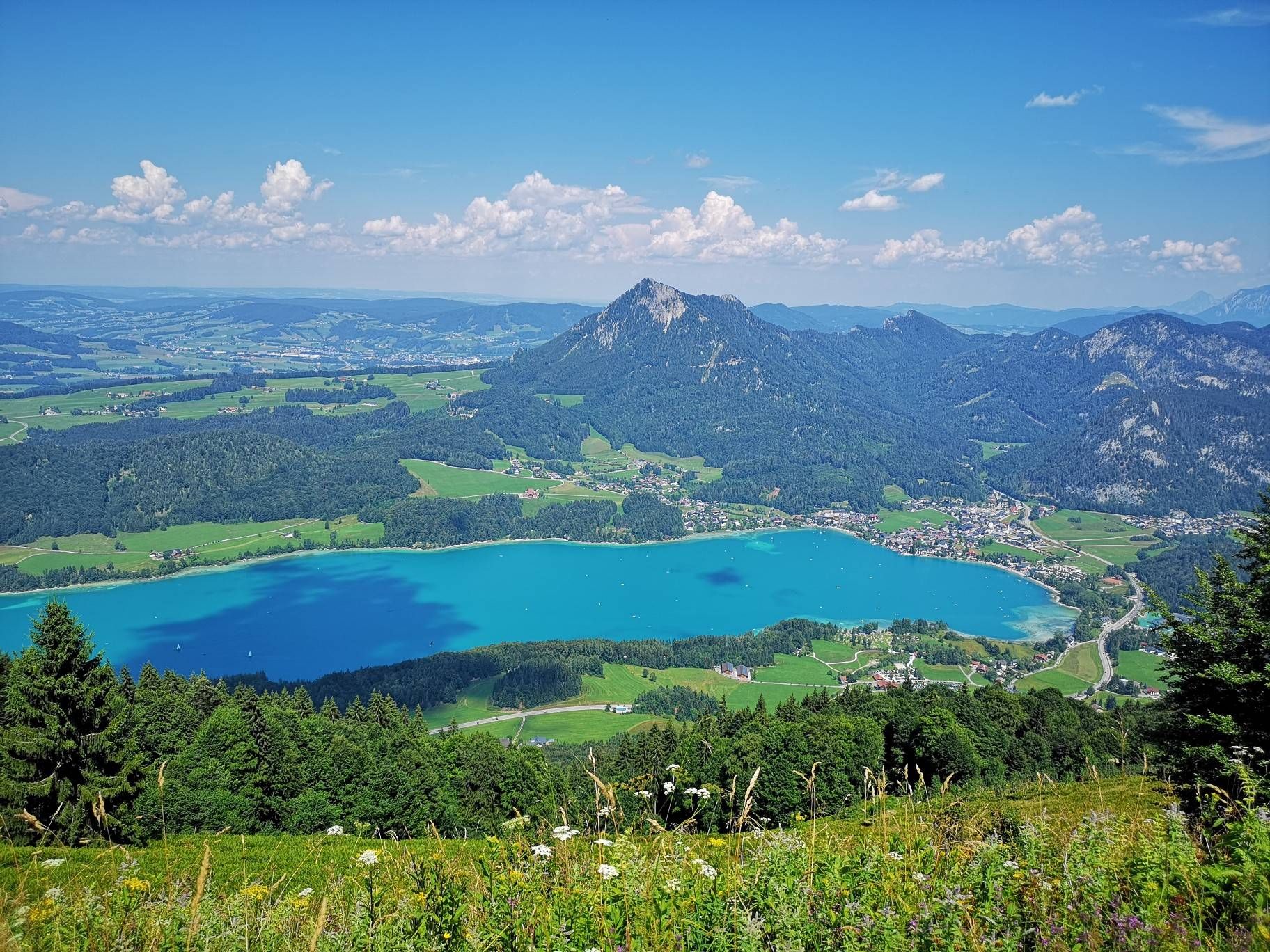
BergeSeen Trail – Long distance hiking in Austria's Salzkammergut with mountains and lakes galore
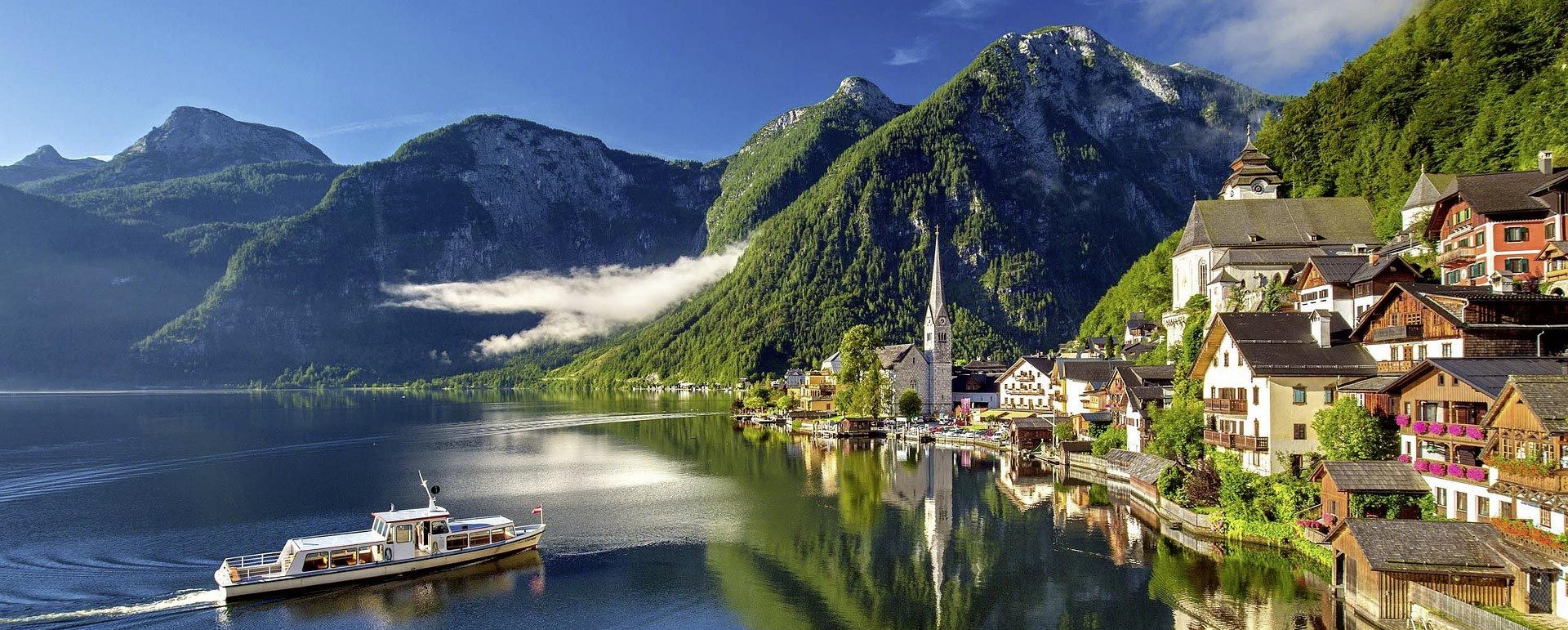
Cycling like a Kaiser – From lake to lake in Austria's Salzkammergut
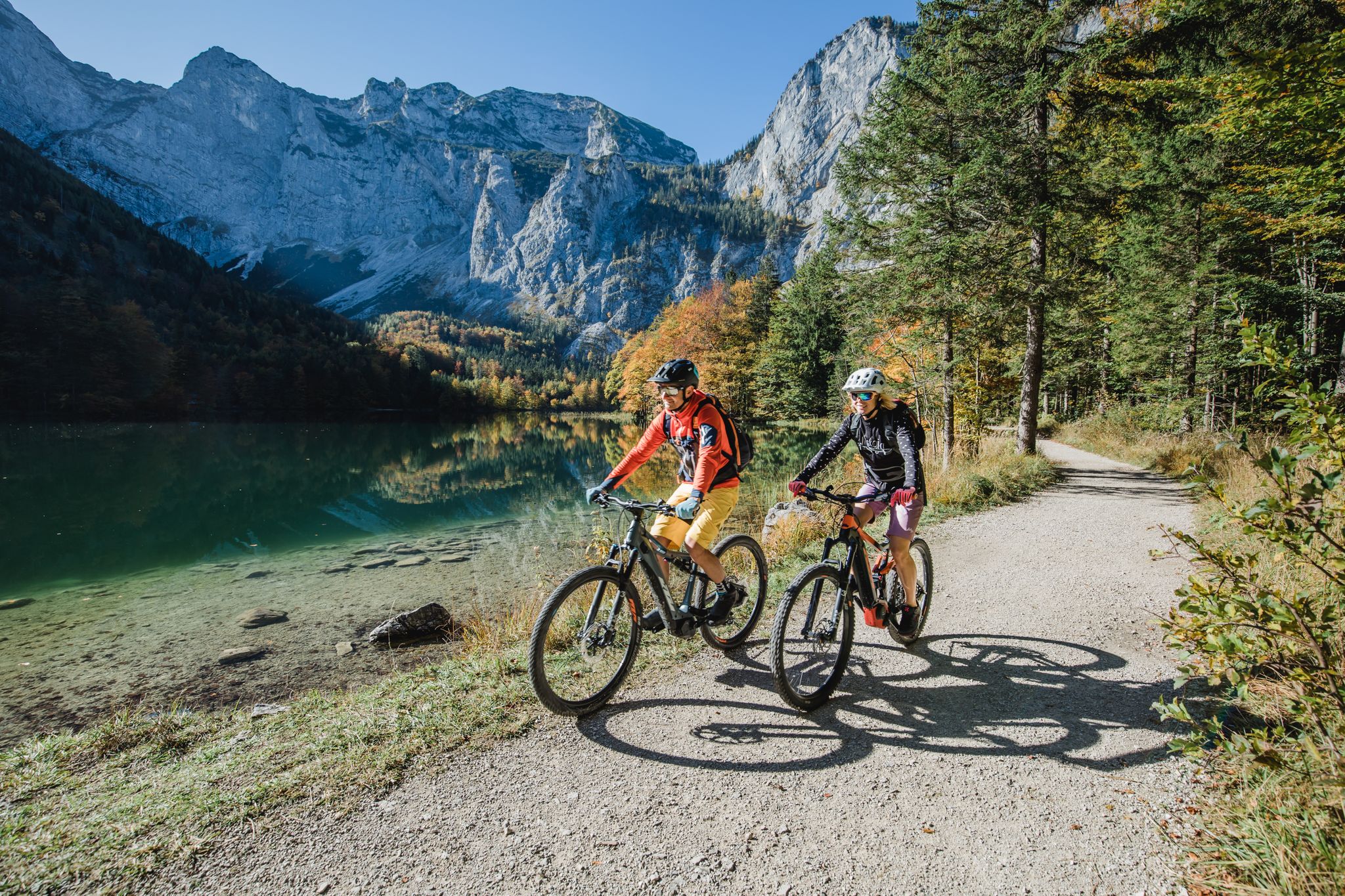
Between mountains and lakes – MTB in Salzkammergut
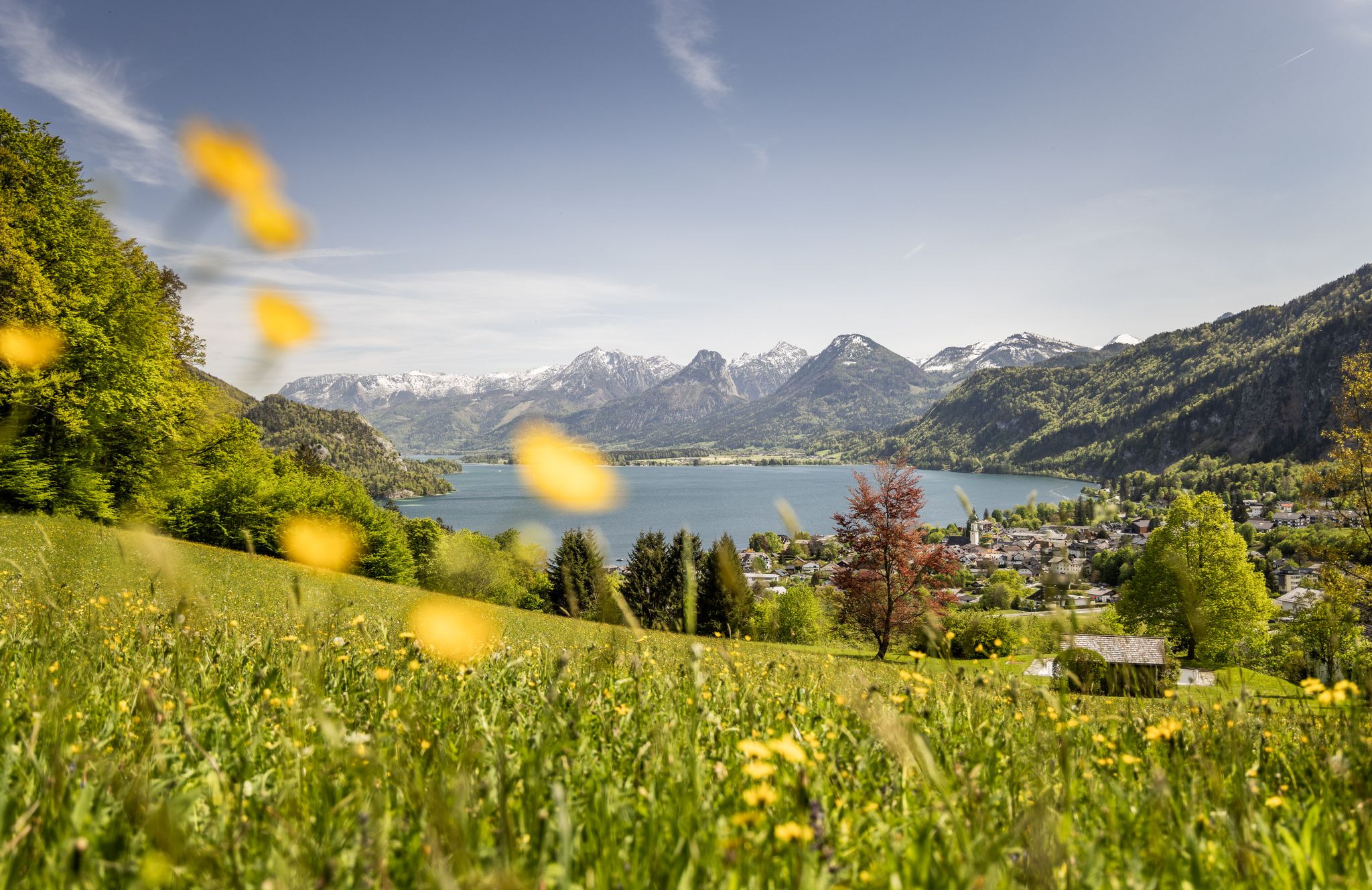
Between water and rock – hiking in Salzkammergut
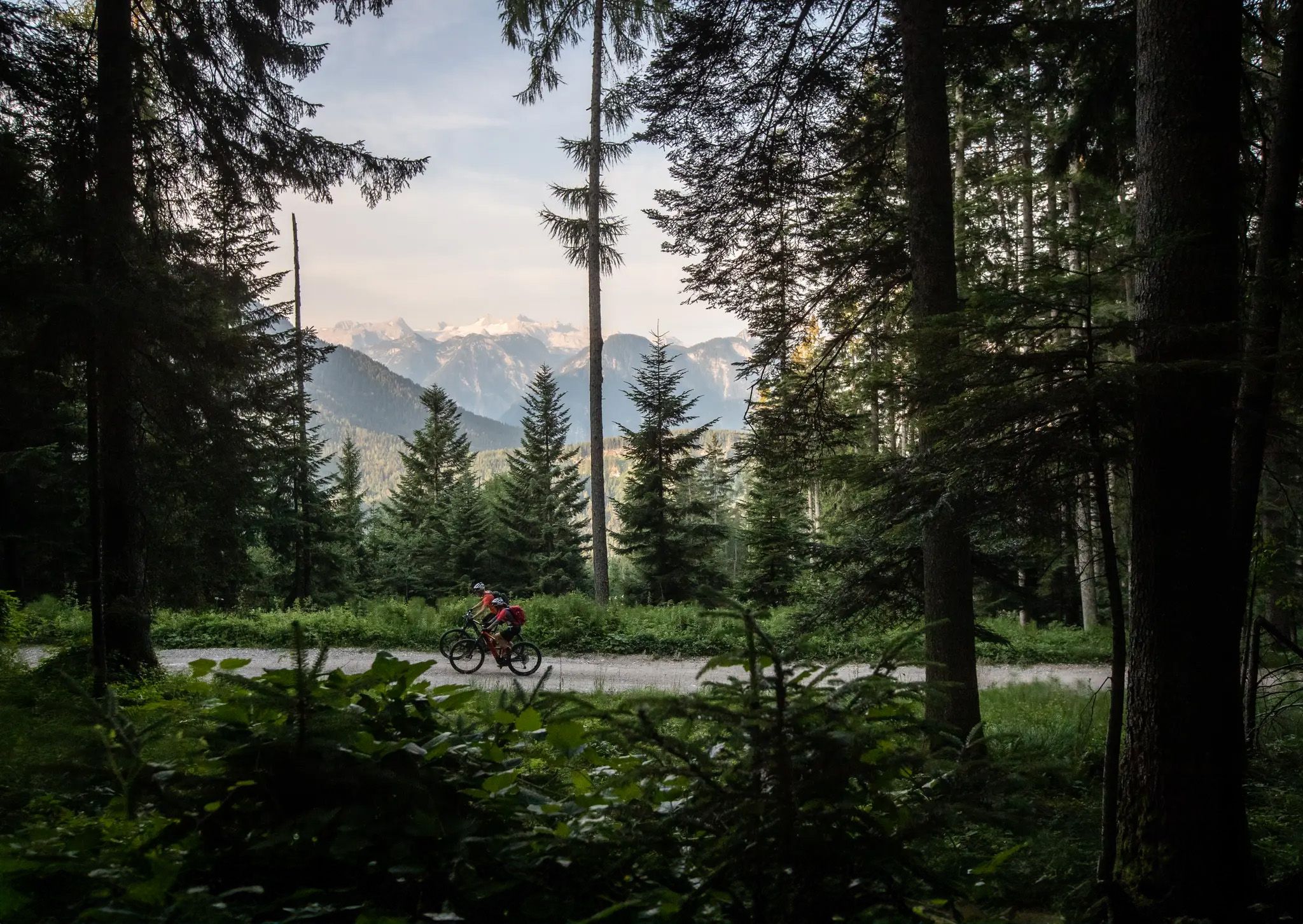
Mountain bike tours in the Dachstein Salzkammergut
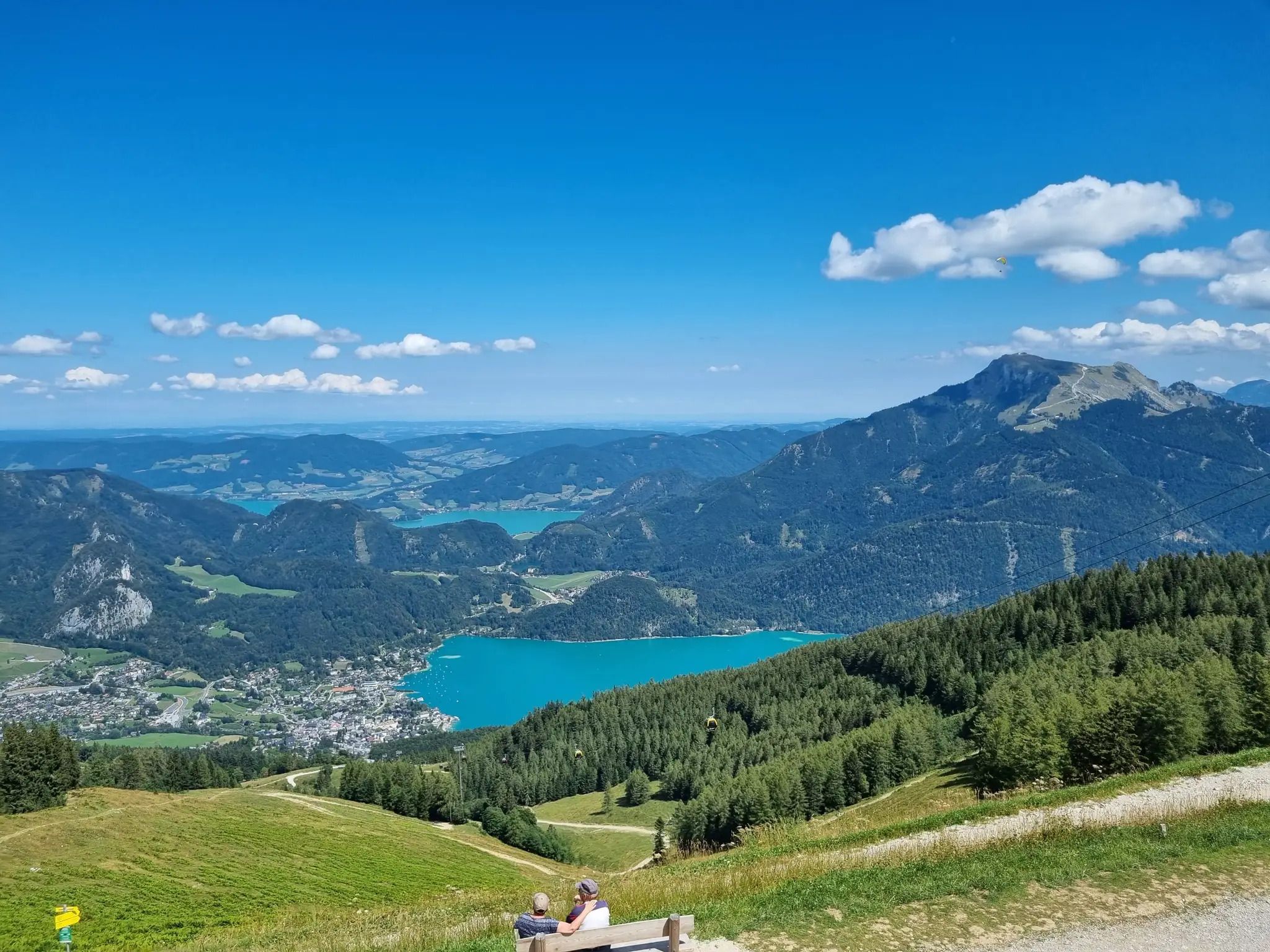
E-biking in the Salzkammergut in Austria on the BergeSeen eTrail
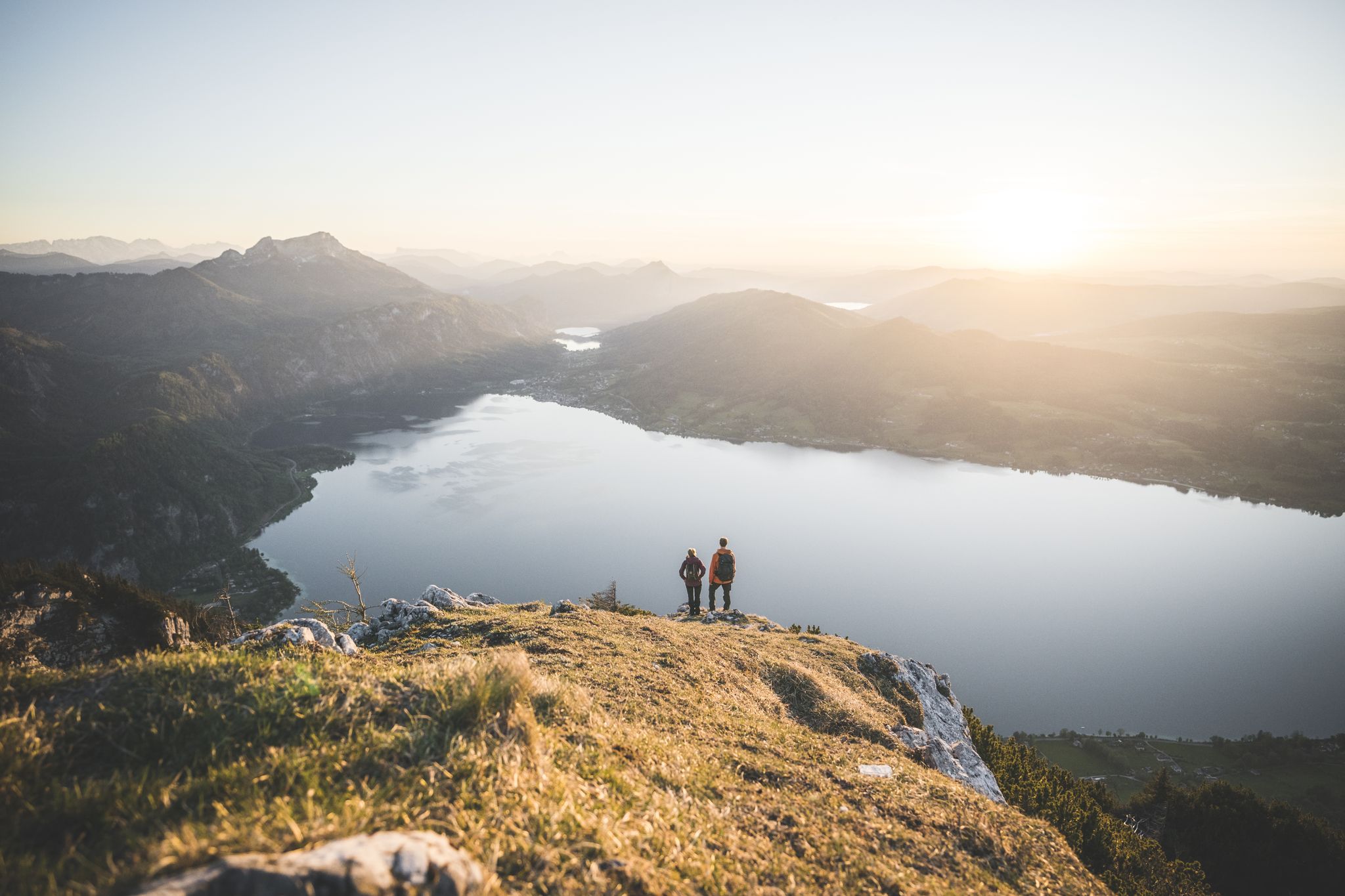
Explore the Salzkammergut on the BergeSeen Trail
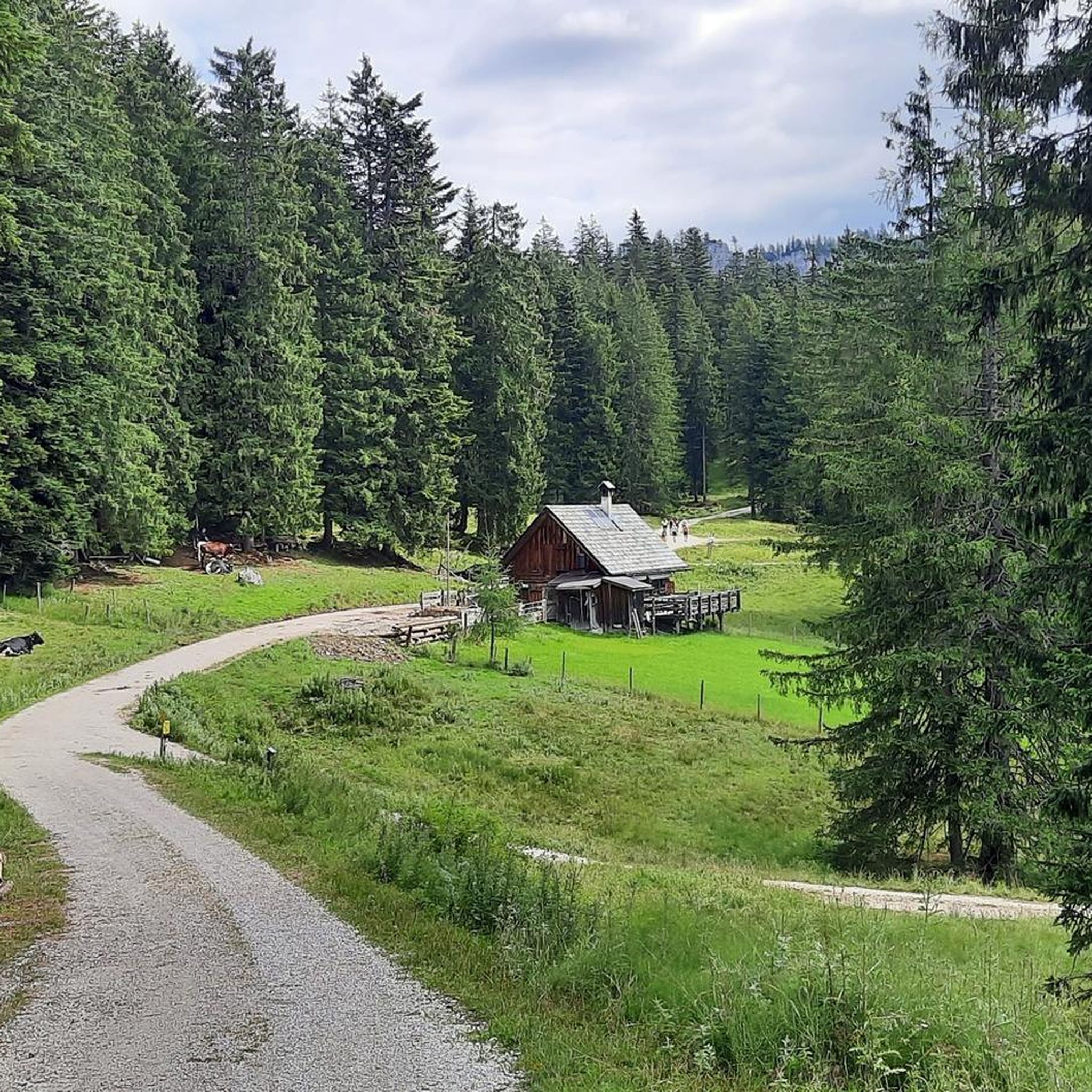
Hiking around Bad Ischl
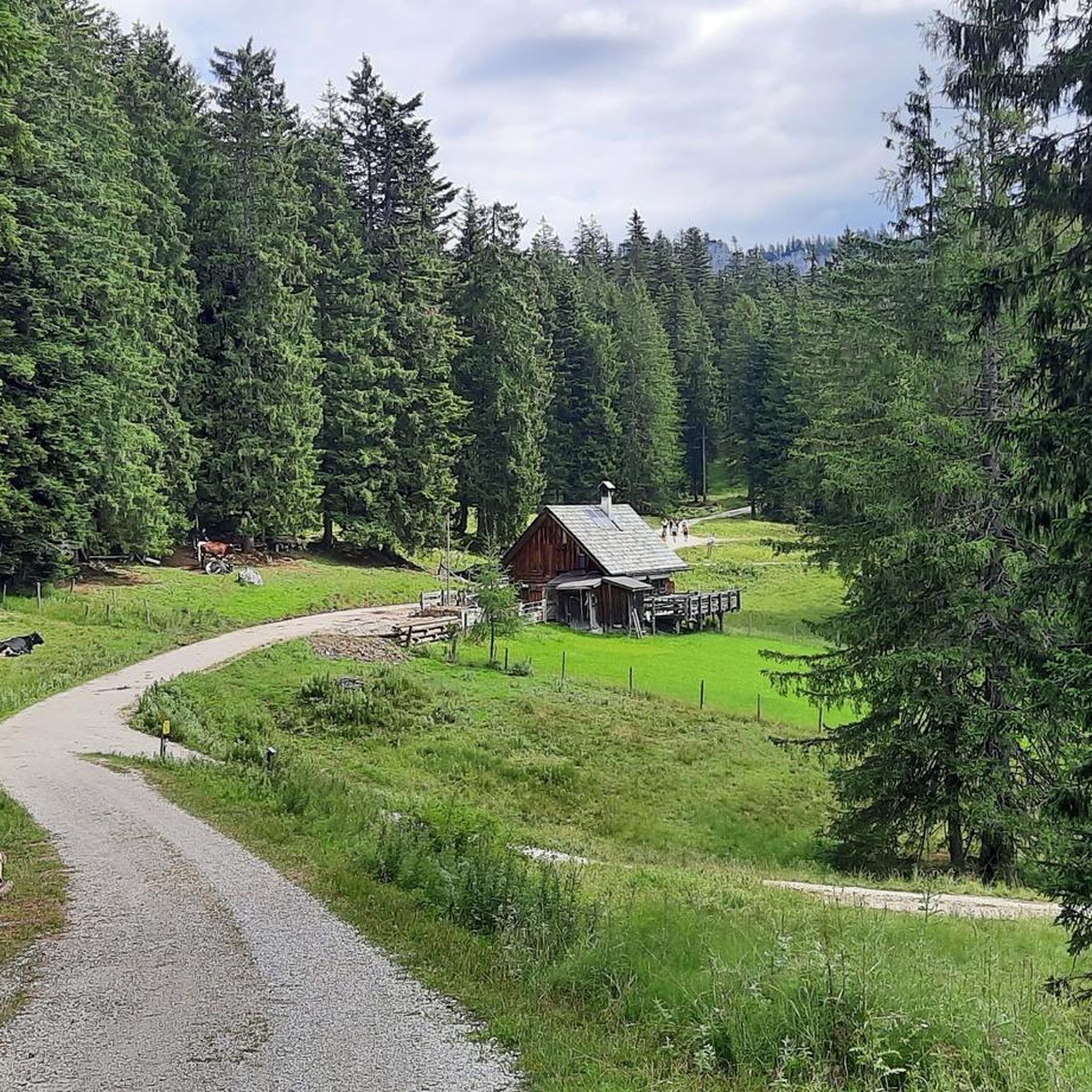
Cycling around Bad Ischl
Other adventures around Bad Ischl


Tips from the Community

beautiful, but completely overcrowded
0
0

From the castle walls you have a perfect view of Bad Ischl and in the west, at the back, of the Schafberg peak
0
0

Exciting manageable castle ruin with a great view.
0
0

The entrance fee (2024) for the park and Kaiservilla with guided tour is € 23.00 - Pensioners 60+ € 21.00
1
0

As part of the European Capital of Culture 2024, the remarkable Ai Weiwei exhibition can be seen in the Marmorschlössl.
1
0

From 1879 to 1883, the Viennese industrialist Jean Roth built a villa on Lake Grundlsee based on the plans of his brother and architect Franz Roth, which he used as a hunting lodge. After Austria was annexed by Hitler's Germany, the Nazi propaganda minister Joseph Goebbels and his family used the castle. Bloody tragedy On the night of September 4th to 5th, 1939, two shots were fired in the house. The castle actor Attila Hörbiger, who also lived in the villa, broke into the rooms where the shots had been fired after breaking a window and found two bodies there. The victims of the tragedy were the son of the owner of the villa, 23-year-old Dr. Georg Roth and his 22-year-old bride Trude Kuntner. Dr. Roth first shot his bride and then took his own life with a shot in the head. No suicide notes were found The villa is privately owned and can therefore only be viewed from the outside.
0
0

The historic Marmorschlössl is now home to Austria's first photography museum. Changing exhibitions take place. You can find all the information here: https://www.ooekultur.at/location-detail/marmorschl%C3%B6ssl-bad-ischl.
0
1
The miniature version of the magnificent buildings, such as Schönbrunn, was a refuge for the Habsburg family members for a long time. For example, Emperor Franz kept coming here after Empress Sissi was killed in an assassination attempt. You can find information about opening times and visits here: https://www.kaiservilla.at/index.php/de/.
0
0
Frequently Asked Questions
What historical significance do the castles around Bad Ischl hold?
The castles in the Bad Ischl area offer a rich glimpse into history. The Kaiservilla was the summer residence of Emperor Franz Joseph I and Empress Elisabeth, and it was here that Franz Joseph signed the declaration of war that led to World War I. Wildenstein Castle Ruins, a medieval fortress from the 13th century, was crucial for overseeing salt production in the region, holding significant economic influence.
Are there family-friendly castles to visit near Bad Ischl?
Yes, several sites are suitable for families. The Kaiservilla offers a large English-style park perfect for leisurely strolls, and the Marmorschlössl within its grounds houses a photo museum. The Pflindsberg Castle Ruins and Lookout Tower is also considered family-friendly, providing a scenic destination with a great view after a walk.
What kind of views can I expect from the castle ruins?
From the Wildenstein Castle Ruins, you can enjoy wonderful, expansive views of the Ischl valley. The location on a rock spur of Bad Ischl's local mountain, Katrin, provides a strategic vantage point along the Traun river valley. The Pflindsberg Castle Ruins and Lookout Tower also features a platform offering a great panoramic view.
Can I explore the interiors of the castles?
At the Kaiservilla, you can take a guided tour to see the originally preserved chambers and furnishings, offering a captivating journey into the world of Austrian royalty. The Marmorschlössl, also part of the Kaiservilla estate, now houses a photo museum. However, sites like Wildenstein Castle Ruins and Pflindsberg Castle Ruins are primarily outdoor ruins with remnants of walls and towers, offering historical exploration rather than preserved interiors.
Are there hiking trails leading to the castles?
Yes, the Wildenstein Castle Ruins are accessible year-round via hiking trails from Bad Ischl, though the path can be steep and demanding. For more extensive hiking options in the area, you can explore various Mountain Hikes around Bad Ischl.
What outdoor activities can I do near these castles?
Beyond visiting the castles, the Bad Ischl region offers numerous outdoor activities. You can find various Mountain Hikes, Road Cycling Routes, and MTB Trails around Bad Ischl. Many of these routes offer scenic views of the surrounding mountainous landscape and the Traun river valley.
What is the best time to visit the castles around Bad Ischl?
The castles and their surrounding parks can be enjoyed year-round. The Kaiservilla and its park are beautiful in spring and summer with blooming gardens, and in autumn with vibrant foliage. The hiking trails to Wildenstein Castle Ruins are accessible year-round, offering different scenic experiences depending on the season.
Is there parking available at the castles?
Parking is generally available near the main attractions. For the Kaiservilla, there is dedicated parking for visitors. For castle ruins like Wildenstein, you would typically park in Bad Ischl and then hike to the site.
Can I bring my dog to the castle grounds?
The Imperial Park surrounding the Kaiservilla is generally dog-friendly, though specific rules may apply to certain areas or buildings. Hiking trails to castle ruins like Wildenstein Castle Ruins are typically suitable for dogs, provided they are kept on a leash.
What is the Marmorschlössl and how far is it from the Kaiservilla?
The Marmorschlössl (Marble Palace) is a charming building located within the large English-style park of the Kaiservilla. It was originally built as a private retreat and tea house for Empress Elisabeth and now houses a photo museum. It's a pleasant walk through the Imperial Park from the main villa.
What do visitors enjoy most about the castles in Bad Ischl?
Visitors particularly enjoy the blend of imperial history and natural beauty. The Kaiservilla offers a unique glimpse into royal life and its beautiful park. The Wildenstein Castle Ruins are appreciated for their historical significance and the rewarding views after a hike. The scenic viewpoints and the opportunity to explore ancient fortifications amidst nature are frequently highlighted.
Most popular routes around Bad Ischl
Most popular attractions around Bad Ischl

Get inspired with the komoot mobile app


Explore more
Looking for the best castles somewhere else? Discover other guides around Bad Ischl:
