Top 4 Caves around Hornbach
Best caves around Hornbach are found within the scenic region of Rhineland-Palatinate, Germany. This area is characterized by its diverse geological formations, including sandstone structures and natural rock shelters. Hornbach itself is a historic town, providing a base for exploring the surrounding natural and man-made subterranean features. The landscape offers opportunities to discover various types of caves, from ancient natural formations to historical man-made excavations.
Best caves around Hornbach
- The most popular caves is Bliesdalheim Ice Cellar, a man-made…
Last updated: June 28, 2026
Schlangenhöhlen (Snake Caves)
Highlight • Cave
Translated by Google •
Tip by

Bliesdalheim Ice Cellar
Highlight • Structure
Translated by Google •
Tip by

Sign up now to discover places like this
Get recommendations on the best single tracks, peaks, & plenty of other exciting outdoor places.
Sign up for free
Höchental Caves
Highlight • Cave
Entrances are walled and closed with sandstone. But in a cave gate there is a spring. All in all, a backdrop that has something of an abandoned dwarf mine.
Translated by Google •
Tip by

Brizet Cave
Highlight • Cave
To avoid being arrested …
Translated by Google •
Tip by

Start today with a free account
Your next adventure awaits.
Login or Signup
Popular around Hornbach
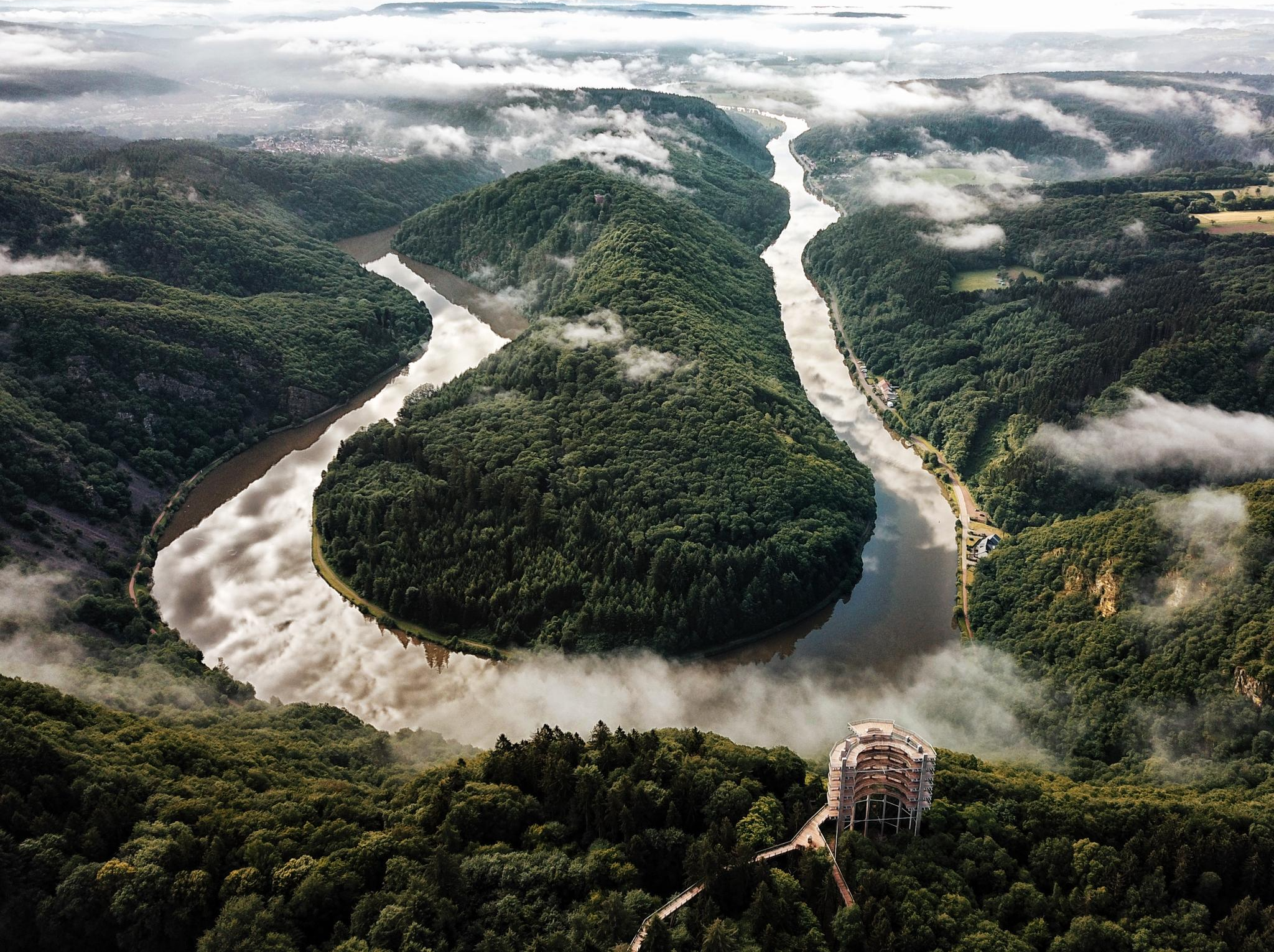
Forests, vineyards and plenty of culture – borderless cycling in Saarland
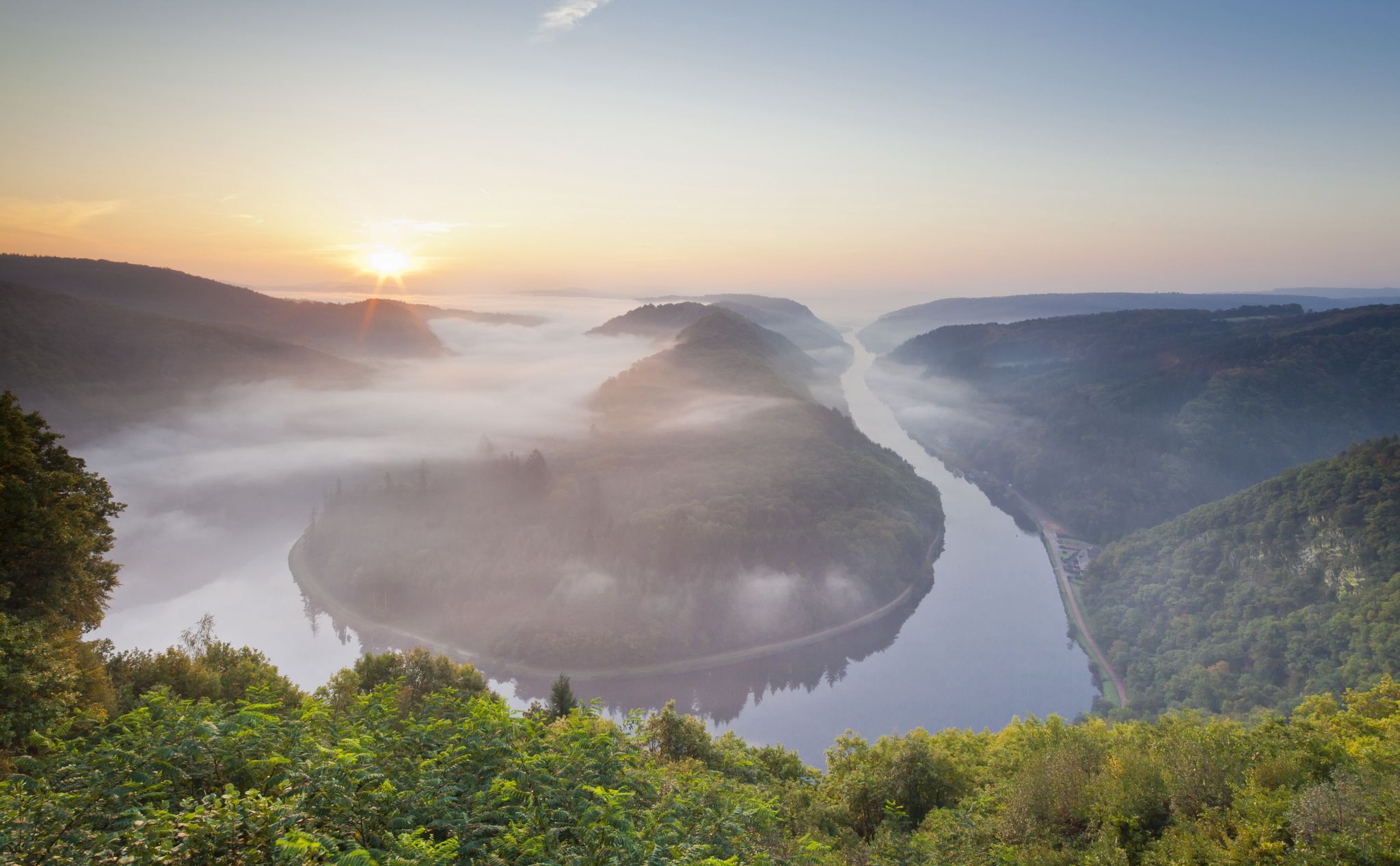
Cycling without borders in Saarland
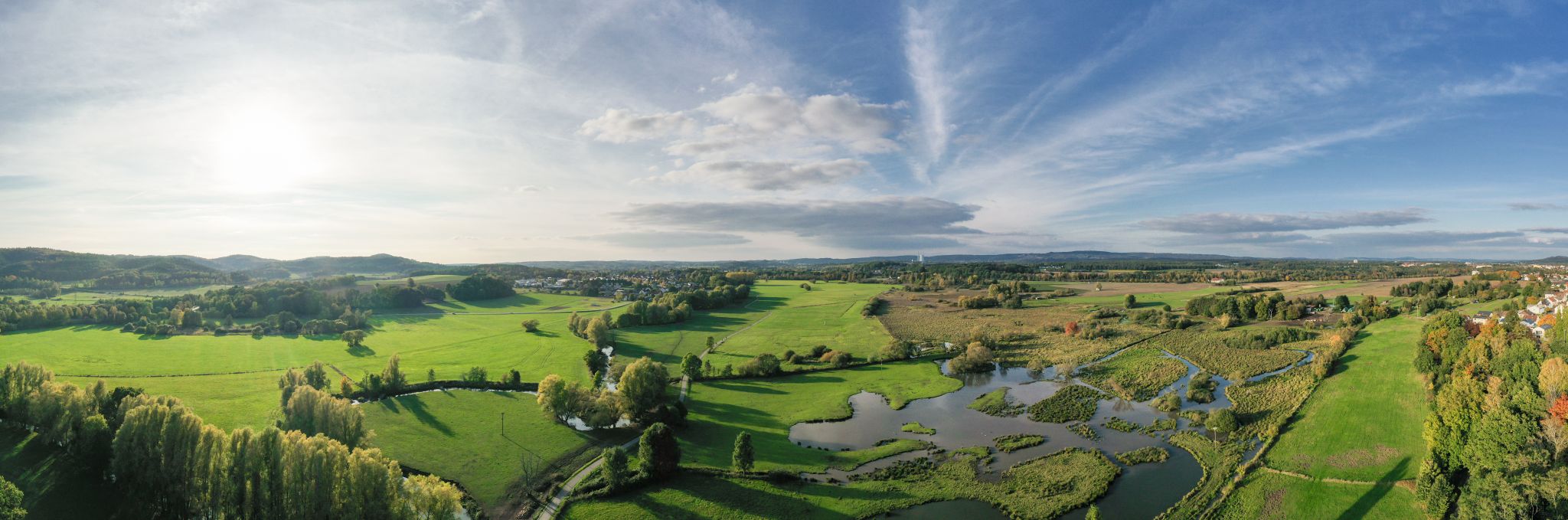
Water, meadows and forests – cycling in the Bliesgau Biosphere Reserve in Germany
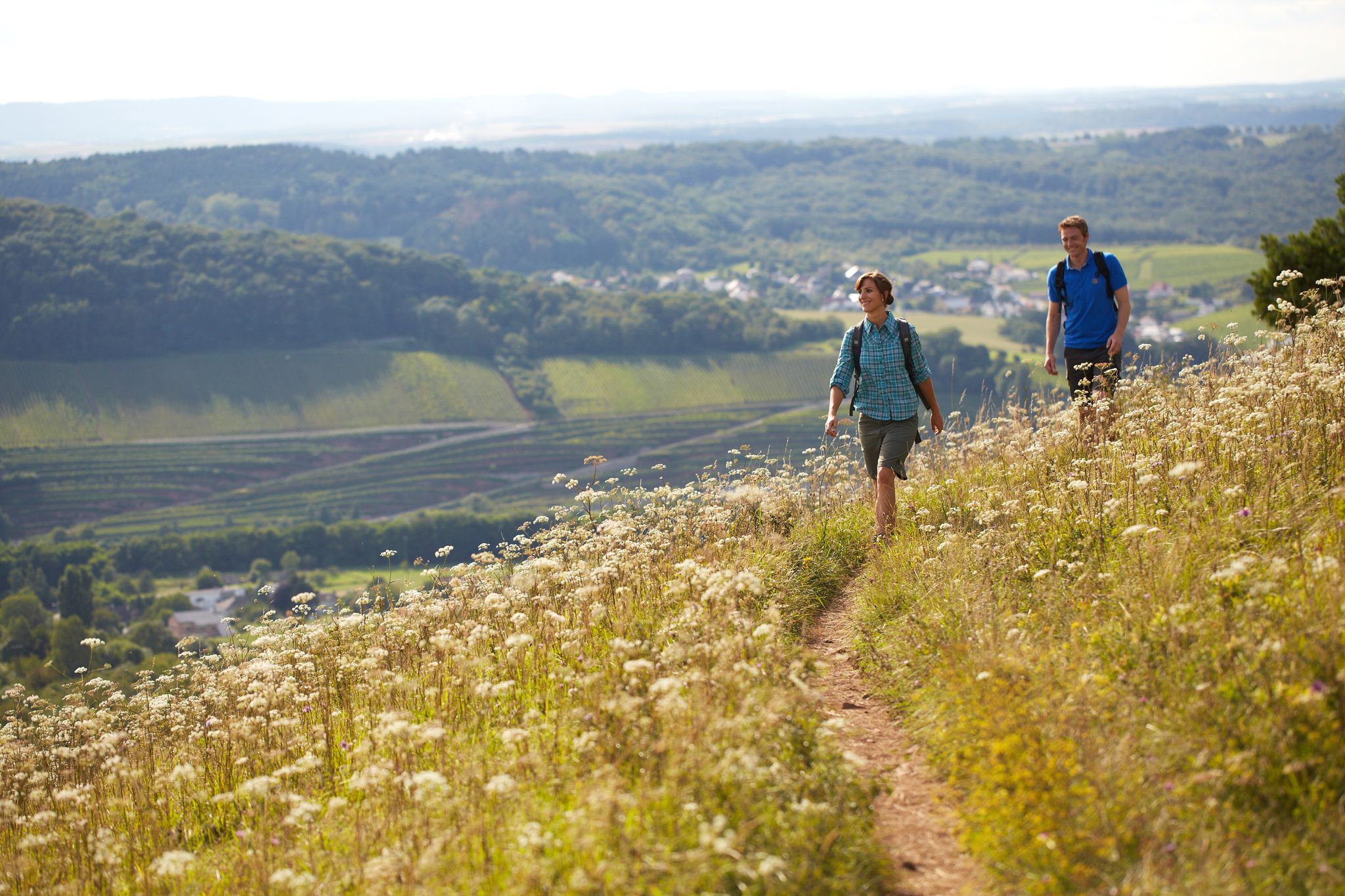
The ten most beautiful hiking trails through Saarland in Germany
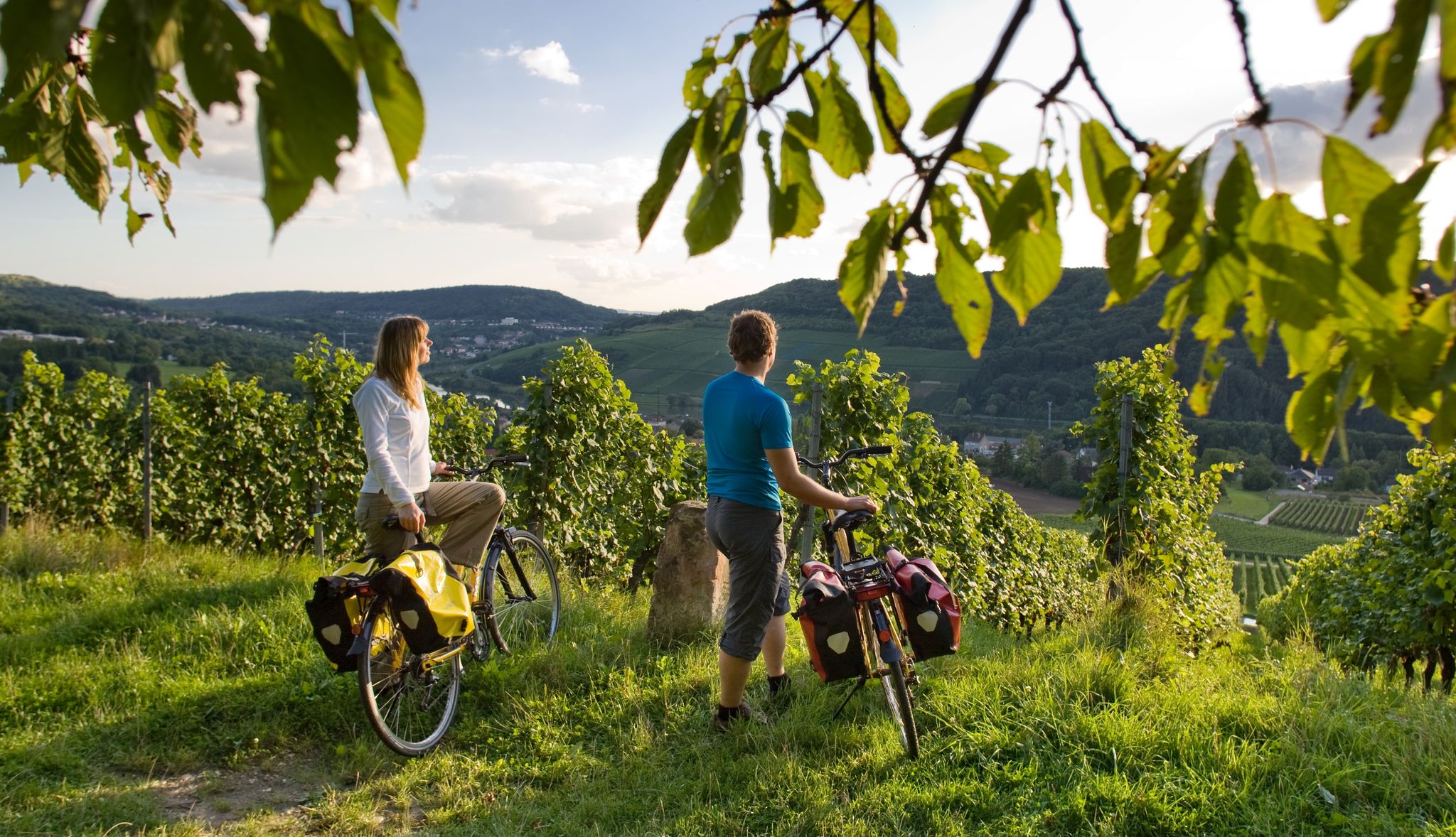
Boundless cycling in Saarland
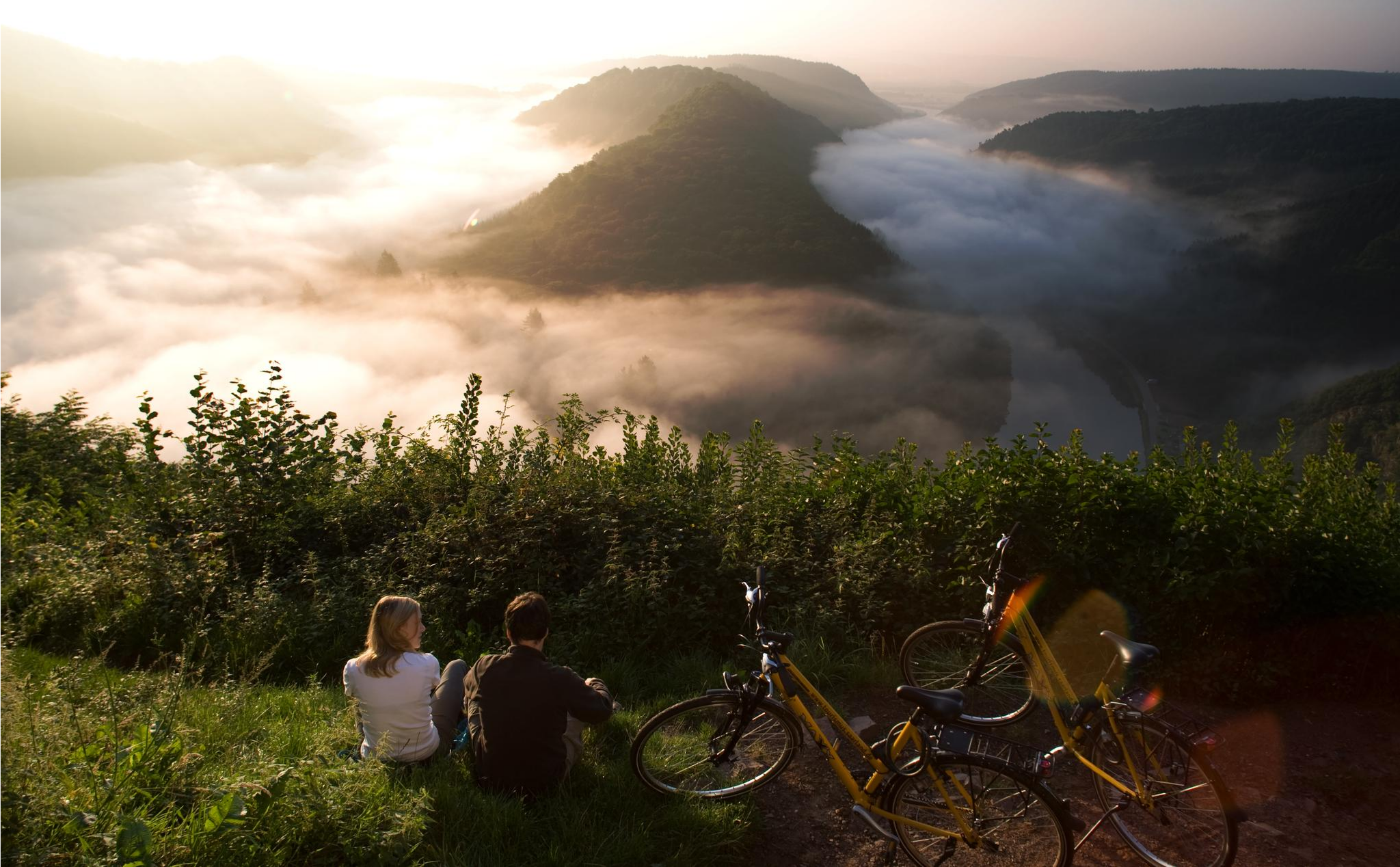
Von Saarbrücken bis zur Mosel – Radwege im Saarland
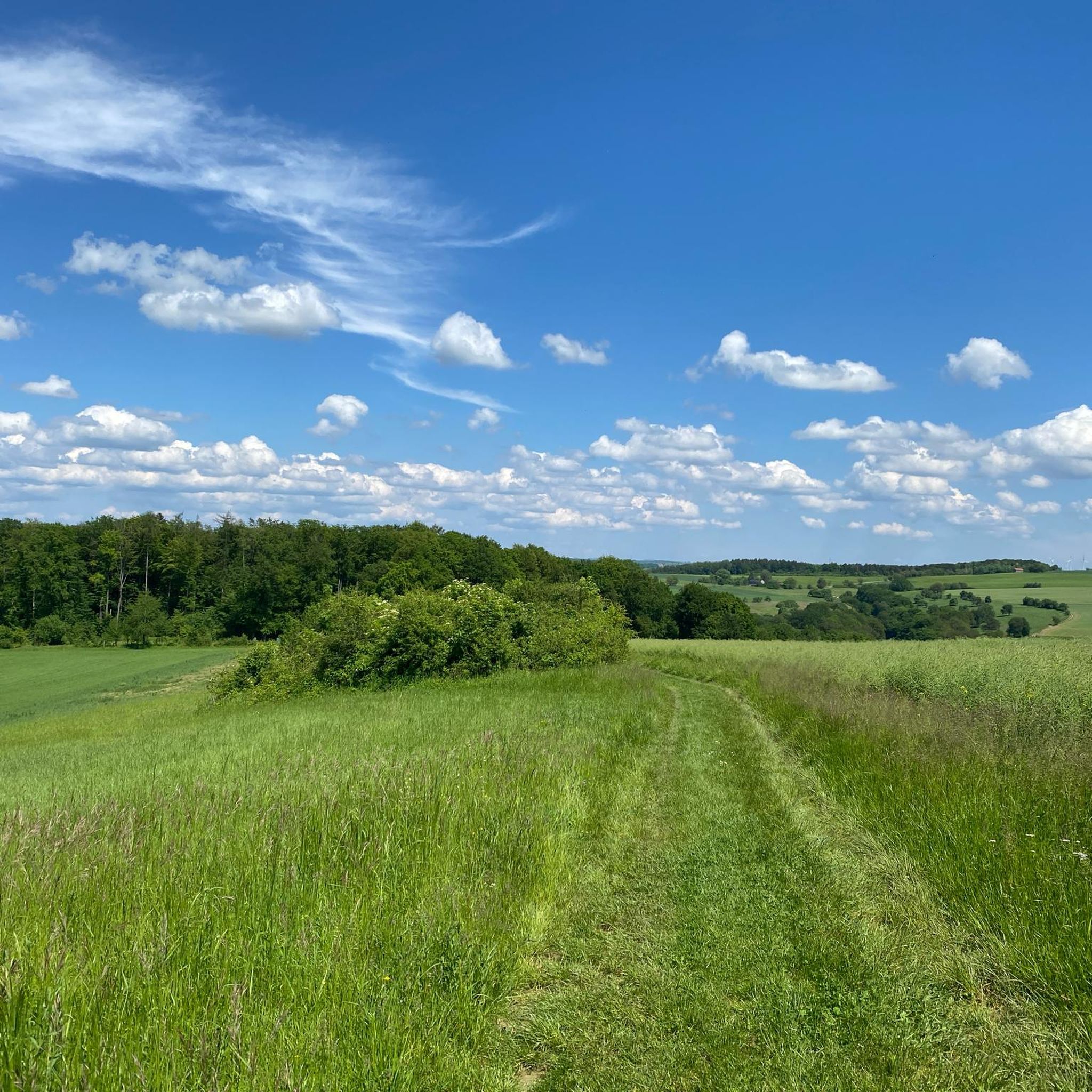
Cycling around Hornbach
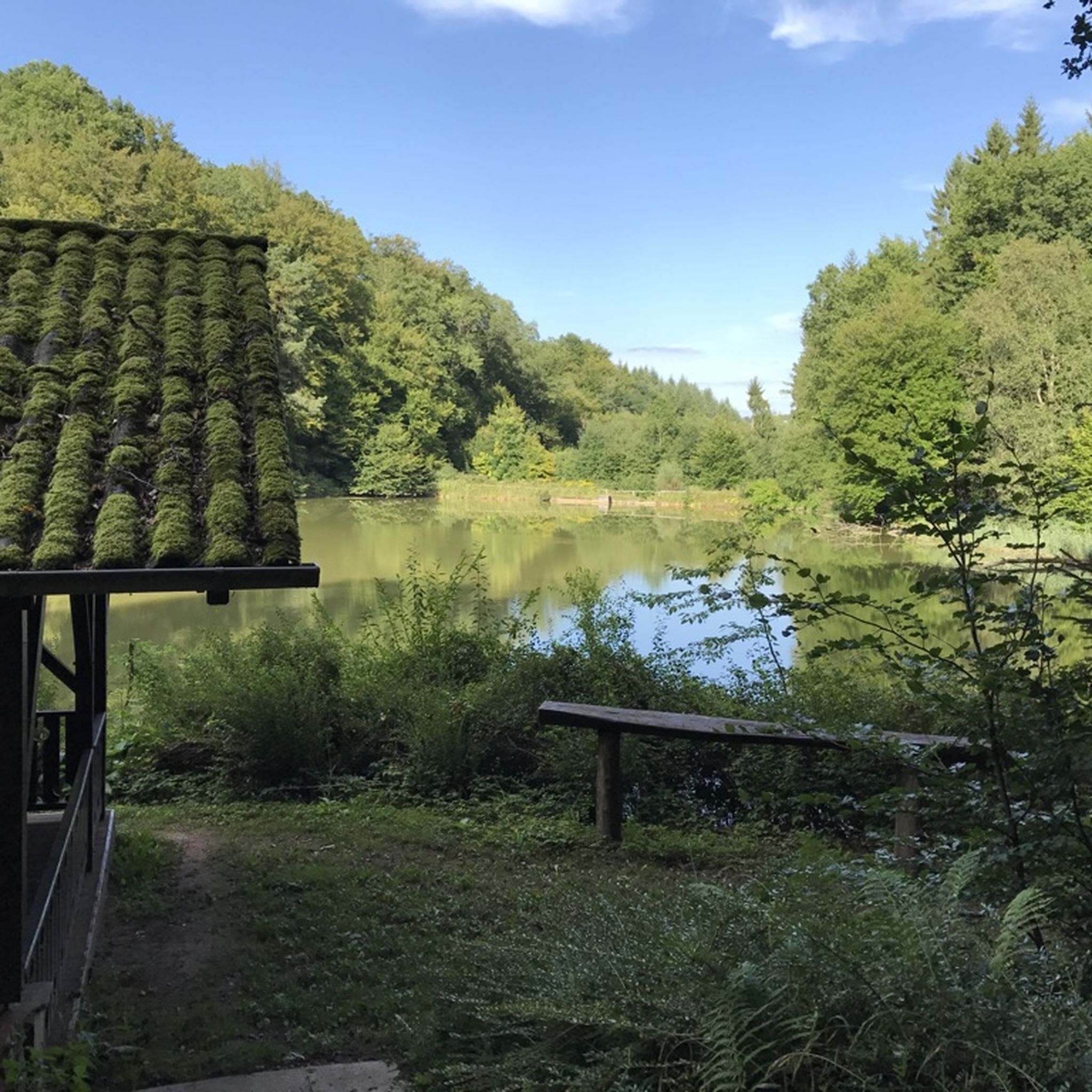
Hiking around Hornbach
Road Cycling Routes around Hornbach
MTB Trails around Hornbach
Other adventures around Hornbach


Tips from the Community

The cave is named after Father Jean-Gabriel Brizet, who was born in Bitche on August 17, 1747. He was ordained a priest on September 18, 1773. To avoid being arrested in 1797, he went underground. He found refuge in a cave that was difficult to access to say mass and administer some sacraments. He died on January 21, 1814. The cave had become a place of pilgrimage that had fallen into oblivion and was restored during the bicentenary of the church of Lengelsheim in May 2004.
2
0

You can still visit the front part of the cave. Unfortunately, teenagers also seem to party here more often and smash their bottles
0
0

The ice cellar is a little off the Bliestal leisure path
3
0

A somewhat adventurous climb on wild paths leads to the grotto, which is more of a rock overhang. A small stream also rises here and forms a beautiful gorge.
1
0

Stand in front of the entrance and you will feel the icy cold.
4
0

Unfortunately, the snake caves are partially walled up and buried. Only in the entrance area, which is closed off by a lattice, can you guess anything about the large cave system that led to the Einöd ski and hiking hut... It's a pity that these great federal sandstone caves can no longer be visited!
3
0

The snake caves were created artificially by underground sand extraction. The caves are about 300 years old. They were a crowd puller in the 1950s, but then had to be walled up for security reasons - only the entrance area can still be entered (until the grating is repaired...) In the
4
0

Remote small lake with various ancient cave entrances around. the Entrances are walled and closed with sandstone. But in a cave gate there is a spring. All in all, a backdrop that has something of an abandoned dwarf mine. The path is very close to the Bachaue and is therefore muddy in places and generally overgrown. Bring tick repellent and waterproof shoes.
3
0
Frequently Asked Questions
What types of caves can I explore around Hornbach?
The region around Hornbach offers a mix of natural and man-made subterranean features. You can find ancient natural formations like the Höchental Caves, as well as historical man-made excavations such as the Schlangenhöhlen (Snake Caves), which were created from underground sand extraction, and the Bliesdalheim Ice Cellar.
Are there any historical caves to visit near Hornbach?
Yes, several caves in the area have historical significance. The Schlangenhöhlen (Snake Caves) are artificially created caves from underground sand extraction, dating back about 300 years. The Bliesdalheim Ice Cellar is another man-made historical site. Further afield, the Schlossberghöhlen in Homburg are sandstone caves historically linked to the Homburg Castle ruins.
What are some unique natural features found in the caves around Hornbach?
The Höchental Caves are a natural monument featuring a remote small lake surrounded by ancient cave entrances. Some of these entrances are walled and closed with sandstone, and one even has a spring. The Brizet Cave, more of a rock overhang, is notable for a small stream that rises there, forming a beautiful gorge.
Are there family-friendly caves to explore near Hornbach?
While specific 'family-friendly' designations are not always available, many of the accessible cave entrances and historical sites like the Bliesdalheim Ice Cellar or the entrance area of the Schlangenhöhlen (Snake Caves) can be interesting for families. For more adventurous families, the Höchental Caves offer a natural exploration experience, though paths can be muddy.
What should I wear when exploring caves in the Hornbach area?
Given that some cave areas, like the Höchental Caves, can have muddy and overgrown paths, waterproof shoes are highly recommended. For the Bliesdalheim Ice Cellar, be prepared for icy cold temperatures even at the entrance. Generally, comfortable clothing suitable for outdoor exploration and varying temperatures is advisable.
What outdoor activities can I combine with a visit to the caves?
The Hornbach region is excellent for outdoor activities. You can find numerous cycling routes, such as the European Mill Cycle Route or the Rimschweiler cycle path. There are also many hiking trails, including those around Hornbach Abbey and along the border. For more details on routes, explore the Hiking around Hornbach or Cycling around Hornbach guides.
Are there any caves that are particularly challenging to access?
The Brizet Cave involves a somewhat adventurous climb on wild paths to reach what is described as more of a rock overhang. This might be considered challenging for some visitors.
What is the best time to visit the caves around Hornbach?
While specific seasonal recommendations for each cave are not provided, general outdoor exploration in the Rhineland-Palatinate region is often pleasant during spring, summer, and early autumn. Be aware that paths to natural caves like Höchental Caves can be muddy, especially after rain, so consider drier periods or prepare accordingly.
What do visitors say about the <a href="https://www.komoot.com/highlight/5817844" target="_blank" rel="noopener">Bliesdalheim Ice Cellar</a>?
Visitors often highlight the striking cold temperature at the entrance of the Bliesdalheim Ice Cellar, noting that you can feel the icy air even before entering. It's described as a unique experience, sometimes with a slightly eerie atmosphere.
Can I explore the entire <a href="https://www.komoot.com/highlight/683134" target="_blank" rel="noopener">Schlangenhöhlen (Snake Caves)</a> system?
Currently, only the entrance area of the Schlangenhöhlen (Snake Caves) is accessible. The larger cave system, which was once a popular attraction, had to be walled up for security reasons. Visitors can still get a sense of the extensive system from the accessible entrance.
Are there any caves that are particularly remote or offer a sense of discovery?
The Höchental Caves are described as being in a remote location, featuring a small lake and ancient cave entrances. The path to them can be overgrown and muddy, adding to a sense of discovering an abandoned, almost dwarven mine-like backdrop.
Most popular routes around Hornbach
Most popular attractions around Hornbach

Get inspired with the komoot mobile app


Explore more
Extend your search for the best caves by checking out these guides of the top ones around Hornbach:
