Top 4 Caves in the Giant Mountains
Caves in the Giant Mountains offer a glimpse into the region's complex geological history, characterized by ancient marine basins and tectonic activity. This mountain range, straddling the Czech Republic and Poland, is known for its alpine landscapes and rock formations. While not a primary karst region, the area contains notable underground attractions. These caves and underground structures provide insights into both natural geological processes and historical human activity.
Best caves in the Giant Mountains
- The most popular caves is Stachelberg…
Last updated: June 27, 2026
Stachelberg Artillery Fortress
Highlight • Historical Site
Translated by Google •
Tip by

Red Cave (Czerwona Jama)
Highlight • Cave
Translated by Google •
Tip by

Sign up now to discover places like this
Get recommendations on the best single tracks, peaks, & plenty of other exciting outdoor places.
Sign up for free
Amphitheater Grotto
Highlight • Cave
Translated by Google •
Tip by

Horní Albeřická Cave
Highlight • Cave
Translated by Google •
Tip by

Limestone Quarry and Museum at Krkonošský National Park
Highlight • Structure
Translated by Google •
Tip by
Adit / Former Water Intake
Highlight • Structure
Showing Translation
Tip by

Start today with a free account
Your next adventure awaits.
Login or Signup
Popular around Giant Mountains
The Main Sudeten Route – a great Polish mountain adventure
The Elbe Cycle Path — cross-border cycling pleasure
Discover Germany's diversity on enchanting cycling routes
Diverse Poland — explore five regions by mountain bike
As we wrote history – the Transcontinental Race #TCRN06
Hiking in the Giant Mountains
MTB Trails in the Giant Mountains
Road Cycling Routes in the Giant Mountains
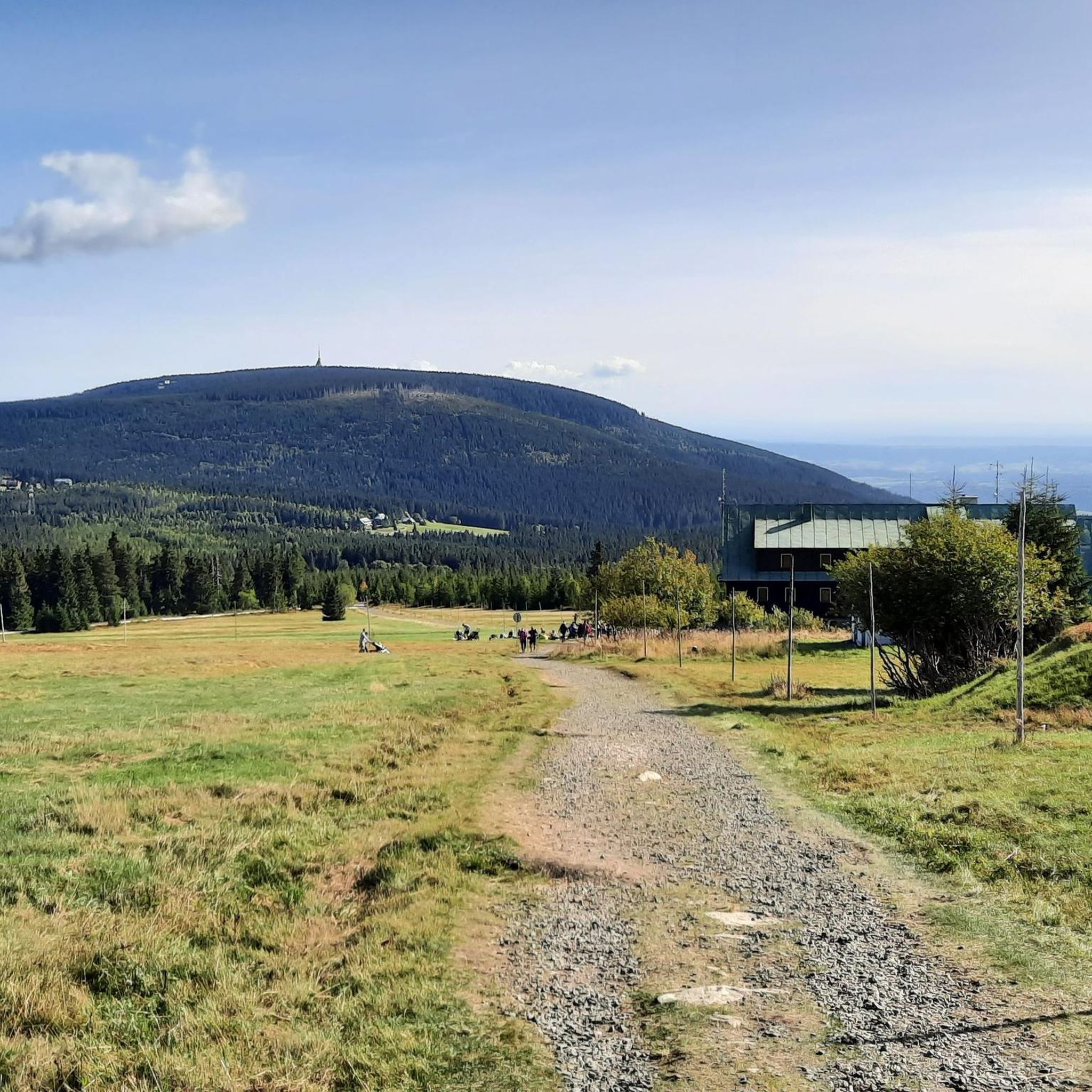
Cycling in the Giant Mountains
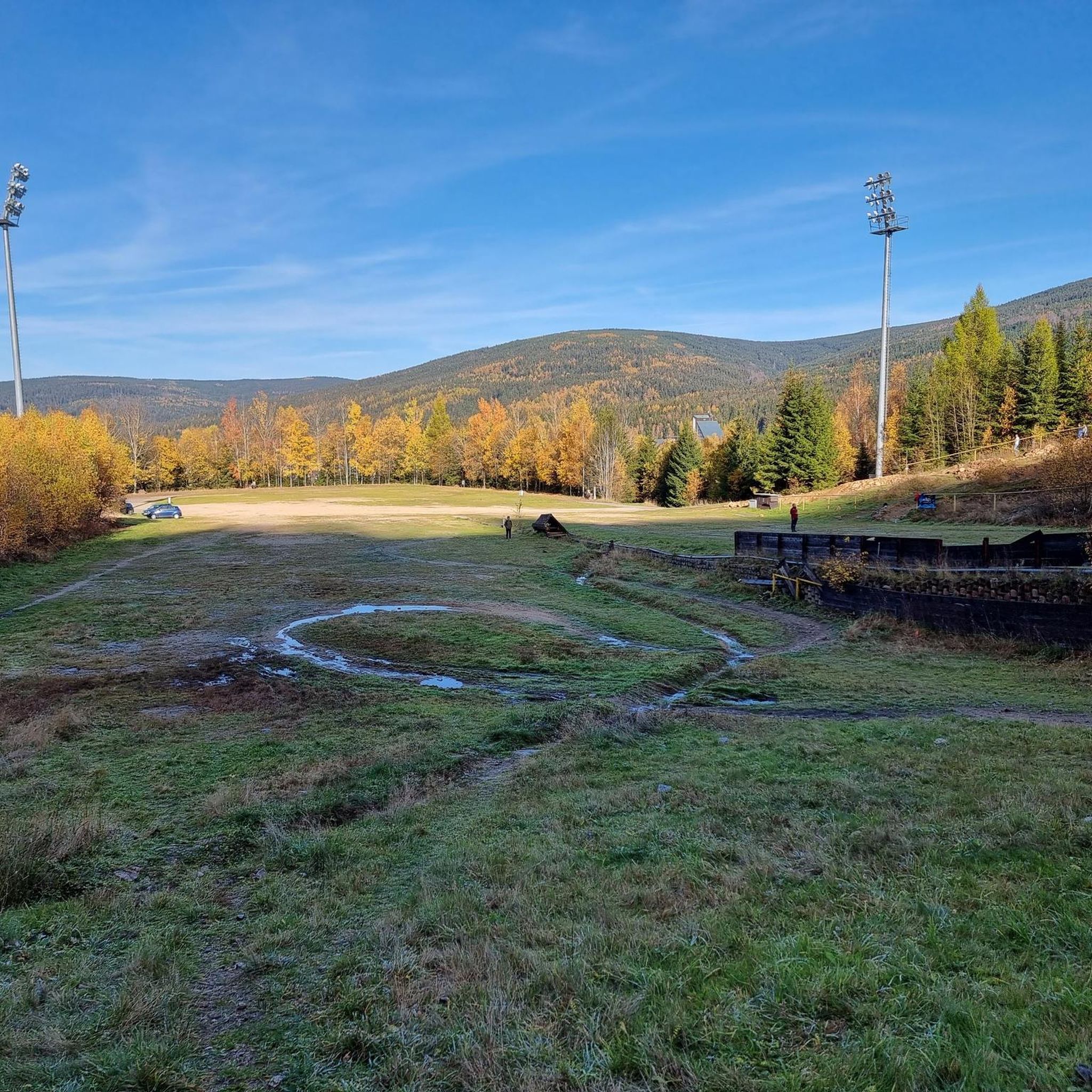
Running Trails in the Giant Mountains
Other adventures in the Giant Mountains


Tips from the Community

From here you have to look carefully, but it is still a bit off the path. Here in the photo it looks very close and that is not the case.
0
0

The mine is safe to explore for everyone. All you need is a flashlight/headlamp and you need to watch your step and your head. Length about 30m
0
0


According to the sign, the rocky area of the amphitheater, the so-called grotto, is maintained by the high mountain association in Lubin. Please note the usage and danger warnings regarding rockfall, no climbing, etc.
1
0

Impressive cave that is a bit off the path. Definitely worth seeing.
5
0

Beautiful tourist attraction. The old limestone where there is a small museum. There is a lot of information and interactive elements for children. You can pick up the key at the information center for a refundable deposit of NOK 500. Not far from the limestone there is a quarry with a cave. I'm giving mine one star because the museum could use some maintenance.
5
0
On the slopes near the state border is the largest karst area in the Giant Mountains. The Hornoalbeřická cave is more than 100 m long, the Krakonošova jeskyně cave 50 m long. Limestone was mined here in the past. The quarries are now a protected monument and are called Albeřické lomy.
5
0
enter the path before the green trail just past the bridge over Szklarska Street and then go back up the path
1
0
Frequently Asked Questions
What types of caves can I explore in the Giant Mountains region?
The Giant Mountains region offers a variety of underground experiences. While the mountains themselves contain smaller karst formations like the Horní Albeřická Cave, known for rare stalactites and an underground lake, the wider area is home to more extensive systems. The most famous are the Bozkov Dolomite Caves, characterized by unique dolomite formations, quartz ledges, and crystal-clear blue-green underground lakes. You can also find historical sites like the Stachelberg Artillery Fortress, which includes accessible underground barracks and tunnels.
Are there any family-friendly caves or underground attractions in the Giant Mountains?
Yes, several options are suitable for families. The Adit / Former Water Intake is a safe, short mine (about 30m) that can be explored with a flashlight, making it an accessible adventure for children. Additionally, the Limestone Quarry and Museum at Krkonošský National Park offers interactive elements for children within its small museum, alongside an old limestone quarry with a cave.
What historical underground sites can I visit in the Giant Mountains?
The Stachelberg Artillery Fortress is a significant historical site. It represents the largest artillery fortress built in pre-war Czechoslovakia, with a part of its extensive underground system, including five sixty-meter barrack halls, open to visitors. Guided tours of the underground take about 60 minutes and include a visit to a reconstructed trench system and other fortifications.
What should I wear when visiting caves in the Giant Mountains?
Caves typically maintain a cool, constant temperature regardless of the outside weather, and can be damp. It's advisable to wear layers of clothing, including a light jacket or sweater. Sturdy, closed-toe shoes with good grip are essential for navigating uneven and potentially slippery surfaces. For some less developed sites like the Adit / Former Water Intake, a flashlight or headlamp is also recommended.
Are there any caves in the Giant Mountains that require special permits or appointments to visit?
Yes, some of the more natural and less developed caves, such as the Albeřické Caves (which include Horní Albeřická Cave), are accessible to the public by appointment only. This ensures a more intimate and adventurous caving experience while protecting their delicate formations and bat habitats. For publicly accessible attractions like the Stachelberg Fortress, standard entry tickets are usually required.
What natural features can I expect to see in the caves of the Giant Mountains?
The caves in the Giant Mountains and surrounding areas showcase diverse natural beauty. The Bozkov Dolomite Caves are famous for their unique dolomite formations, quartz ledges, and stunning blue-green underground lakes. Within the Giant Mountains themselves, caves like Horní Albeřická Cave feature rare stalactite formations and underground lakes. These caves also provide habitats for various bat species and calcicolous plants.
What outdoor activities can I do near the caves in the Giant Mountains?
The Giant Mountains offer a wide range of outdoor activities. You can find numerous hiking trails, from easy city hikes to challenging mountain routes. For example, explore hiking trails in the Giant Mountains, including difficult routes like the Szklarska Poręba - Śnieżne Kotły Trail. Cycling is also popular, with options for traffic-free bike rides and mountain biking, such as the Izera Loop. Many trails offer stunning views of the surrounding landscapes.
Is there parking available near the cave attractions?
For popular attractions like the Stachelberg Artillery Fortress, parking facilities are typically available nearby. For smaller or less developed sites, parking might be more limited, requiring a short walk from a designated area. It's always best to check specific visitor information for each cave or attraction before your visit to confirm parking availability.
Are there any caves in the Giant Mountains that are wheelchair accessible?
While many natural caves in mountainous terrain present accessibility challenges due to uneven surfaces and narrow passages, some historical or developed sites may offer better access. For specific information on wheelchair accessibility, it is recommended to contact the individual attraction directly, such as the Stachelberg Artillery Fortress, to inquire about their facilities and tour routes.
What do visitors enjoy most about the underground sites in the Giant Mountains?
Visitors frequently highlight the unique geological formations, especially the rare stalactites and underground lakes found in natural caves like Horní Albeřická Cave. The historical significance and immersive experience of exploring the underground barracks of the Stachelberg Artillery Fortress are also highly praised. The interactive elements at the Limestone Quarry and Museum are particularly popular with families.
Can I explore any hidden or less-known caves in the Giant Mountains?
The Giant Mountains do contain over twenty smaller caves, predominantly on their eastern and southern fringes. While some, like the Albeřické Caves, are accessible by appointment, others may be less known or require specialized caving experience and equipment. Trucovna Cave is noted for having more significant speleothems compared to other smaller caves in the mountains. Always prioritize safety and respect natural environments when considering exploring less-known areas.
Most popular routes in the Giant Mountains
Most popular attractions in the Giant Mountains

Get inspired with the komoot mobile app


