Top 2 Caves in Holstein Switzerland
Caves in Holstein Switzerland are found within a region characterized by rolling hills and numerous lakes. The area features a blend of natural monuments, historical sites, and man-made grottoes. These underground attractions serve as habitats for various animal species, including bats and salamanders. The region offers unique geological formations and archaeological sites for exploration.
Best caves in Holstein Switzerland
- The most popular caves is Kalkberg, Bad Segeberg, a natural monument that features a distinctive rock mountain with an extensive underground cave system. It offers panoramic views and is a critical habitat for bats.
- Another must-see spot is Noctalis Bat Centre Bad Segeberg, an other man-made attraction. Visitors can learn about bats and their habitats, with guided tours available through the accessible Kalkberg cave.
- Visitors also love Kalkberg and Noctalis Bat Centre, a natural monument that combines the geological feature with the educational center. Around 800 bats use the Kalkberg cave as summer quarters.
- Holstein Switzerland is known for natural monuments, archaeological sites, and man-made grottoes. The region offers a variety of underground structures, from ancient megalithic tombs to artificial grottoes housing historical artifacts.
- The caves in Holstein Switzerland are appreciated by the komoot community, with more than 400 upvotes and over 600 photos shared by visitors.
Last updated: June 27, 2026
Kalkberg, Bad Segeberg
Highlight • Natural Monument
The view in good weather is fantastic.
And it is the only rock mountain in the big circle! The next one should be in the Harz ☺️
By the anhydrite or gypsum mining, from which the mountain actually exists, he lost his former height of about 110m and 9/10 of its mass.
Translated by Google •
Tip by

Noctalis Bat Centre Bad Segeberg
Highlight • Structure
Translated by Google •
Tip by

Sign up now to discover places like this
Get recommendations on the best single tracks, peaks, & plenty of other exciting outdoor places.
Sign up for free
View of Segeberger Kalkberg
Highlight • Natural Monument
Translated by Google •
Tip by

Kalkberg and Noctalis Bat Centre
Highlight (Segment) • Natural Monument
Around 800 bats use the Kalkberg cave as summer quarters.
Translated by Google •
Tip by

Bat Cave
Highlight • Cave
Showing Translation
Tip by

Start today with a free account
Your next adventure awaits.
Login or Signup
Popular around Holstein Switzerland
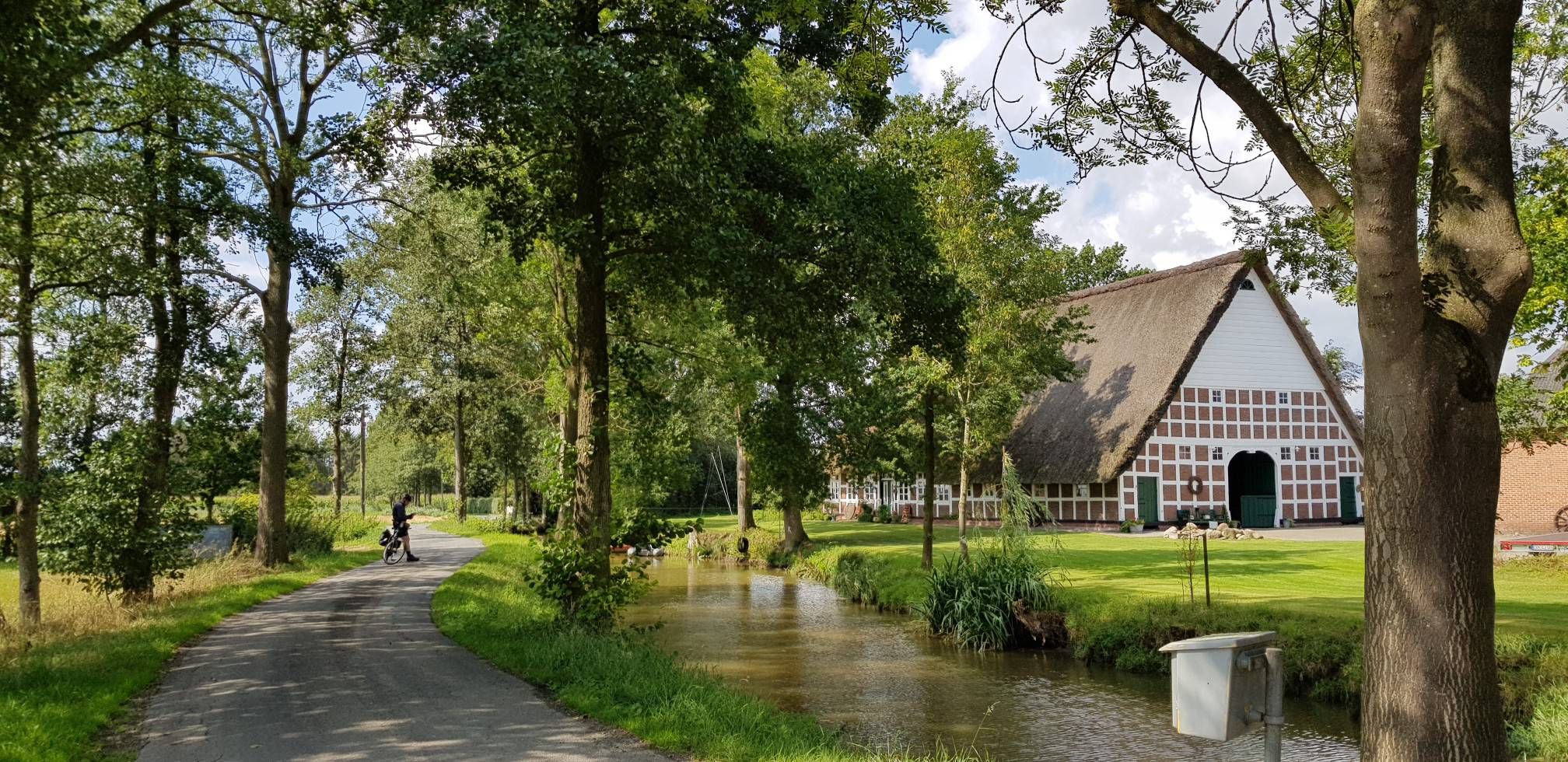
The Monks' Trail – From Bremen to the Baltic Sea
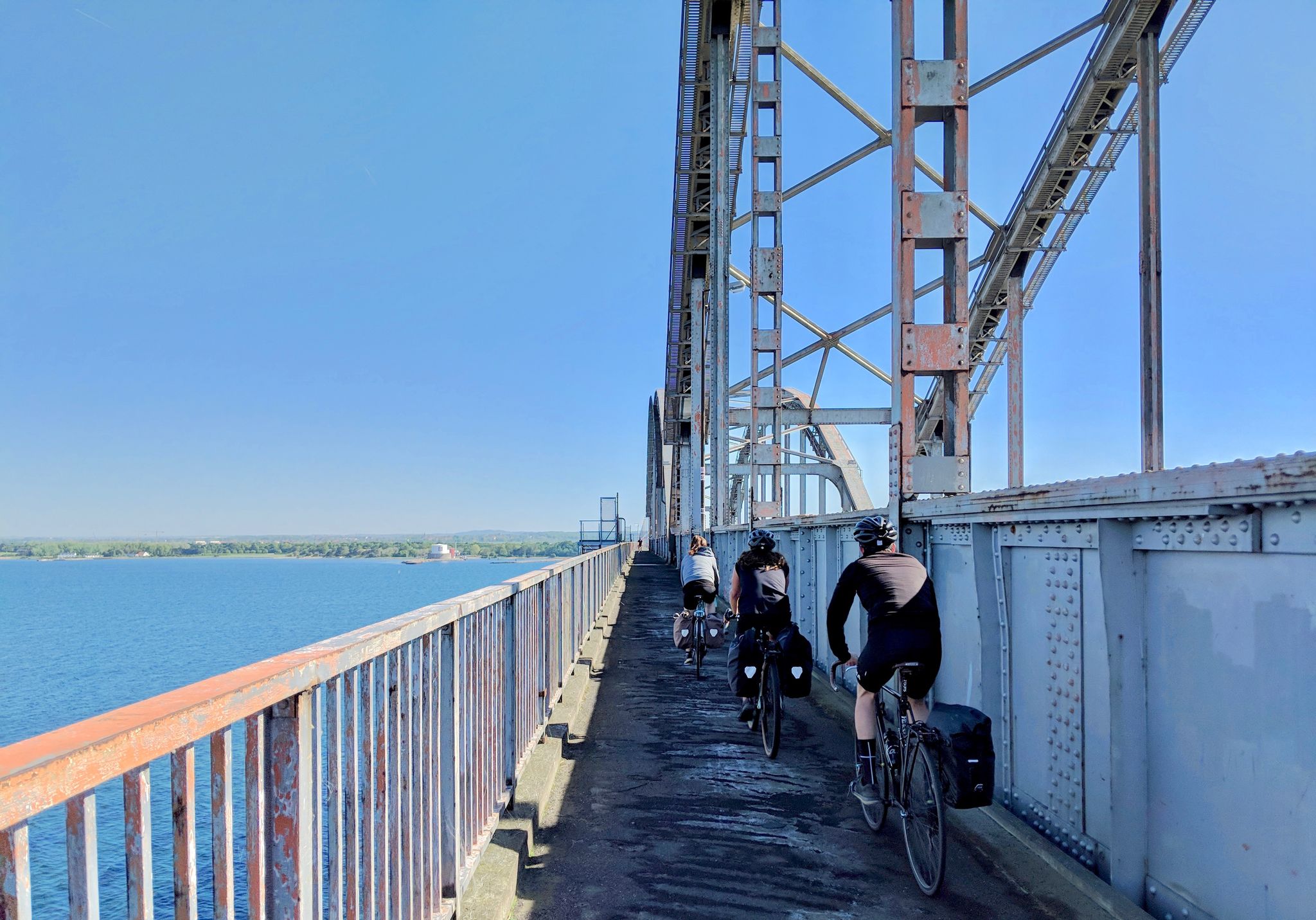
Cycling from Hamburg to Copenhagen – salty air included
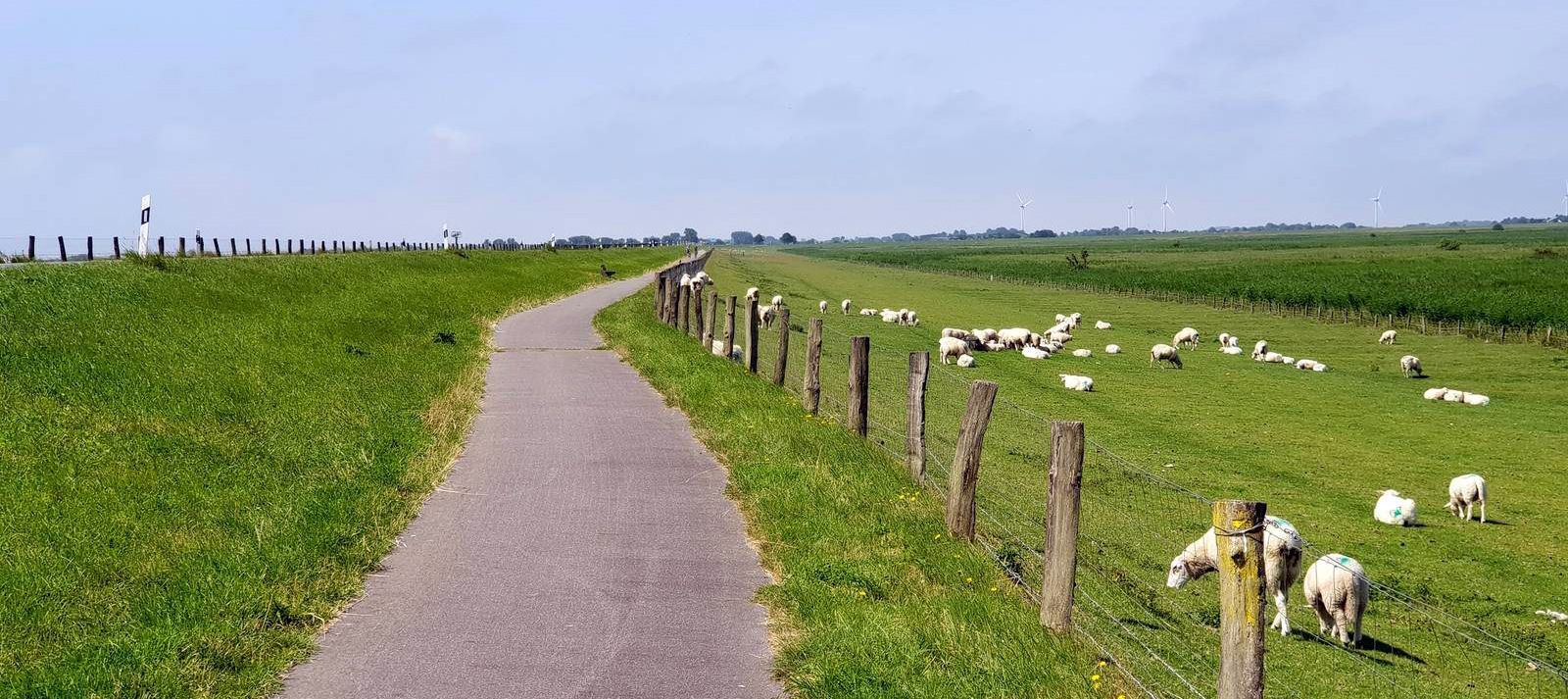
The Schleswig-Holstein Cheese Road in 8 stages
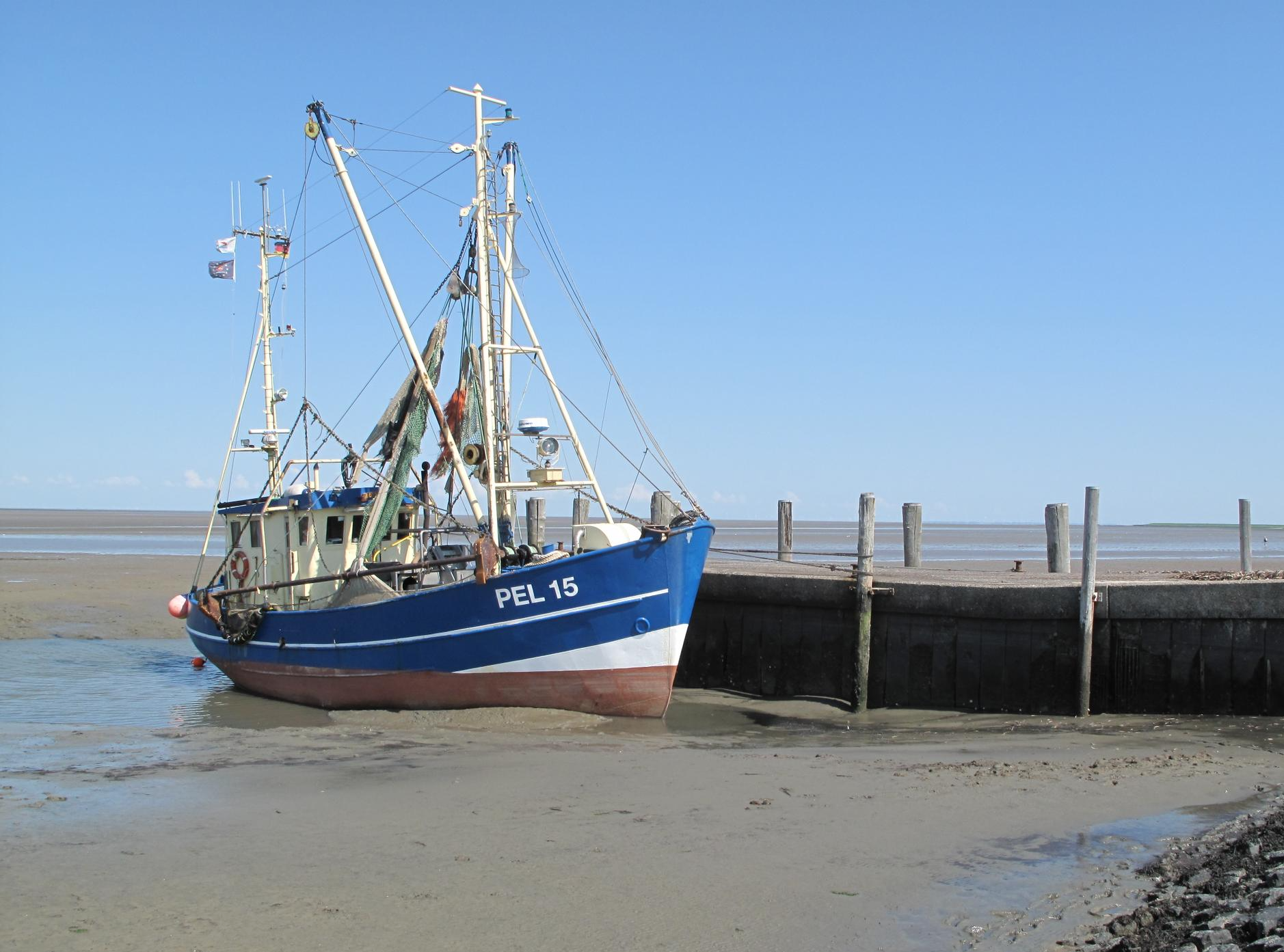
The National Natural Landscapes in Schleswig-Holstein
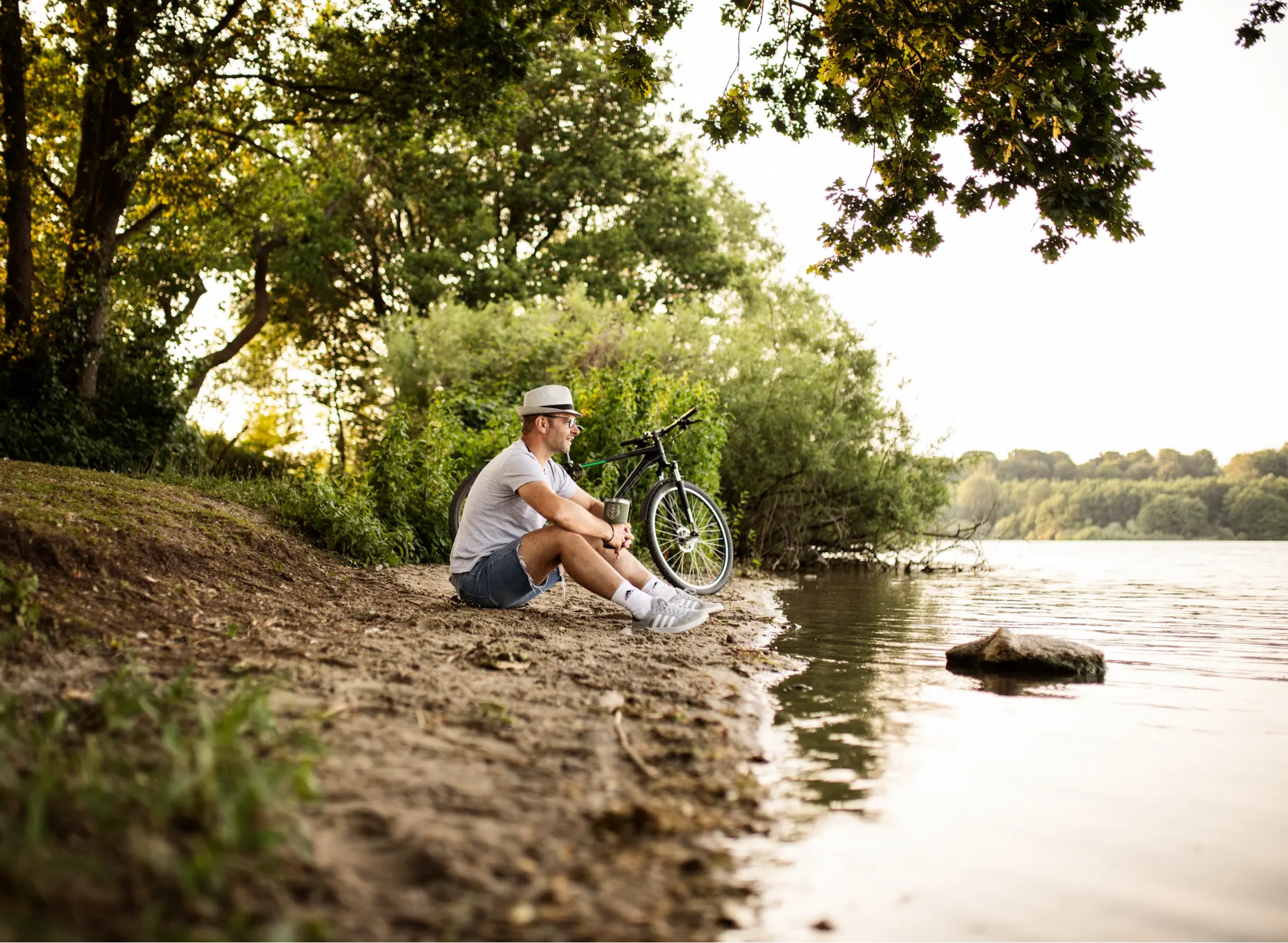
Enjoy nature and culture – Holsteinische-Schweiz Cycle Tour
2,919 kilometres of adventure – cycling trails in Schleswig-Holstein
Culinary cycle tours on Germany’s Baltic coast
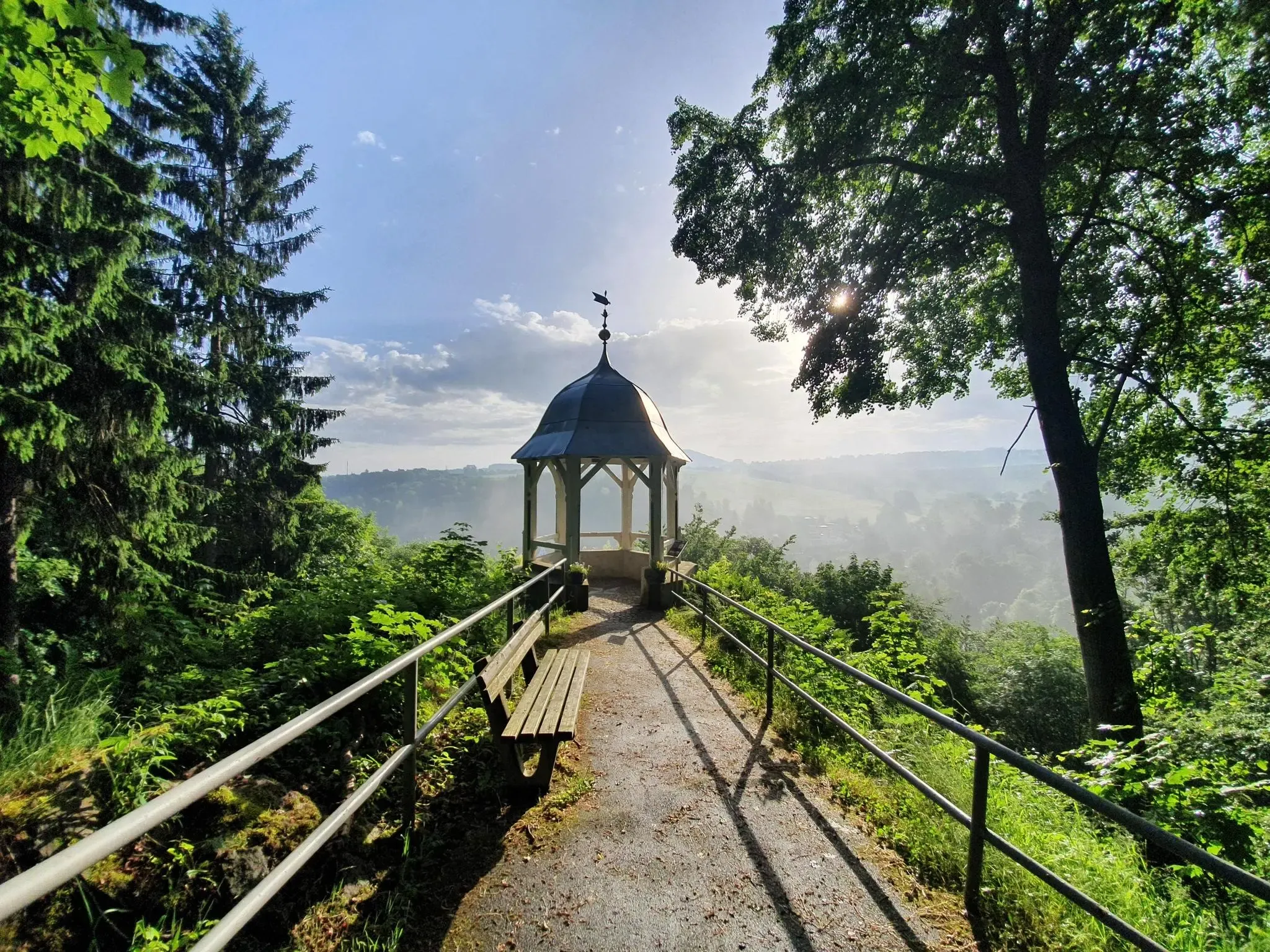
#GoFurther – discover the views of Germany!
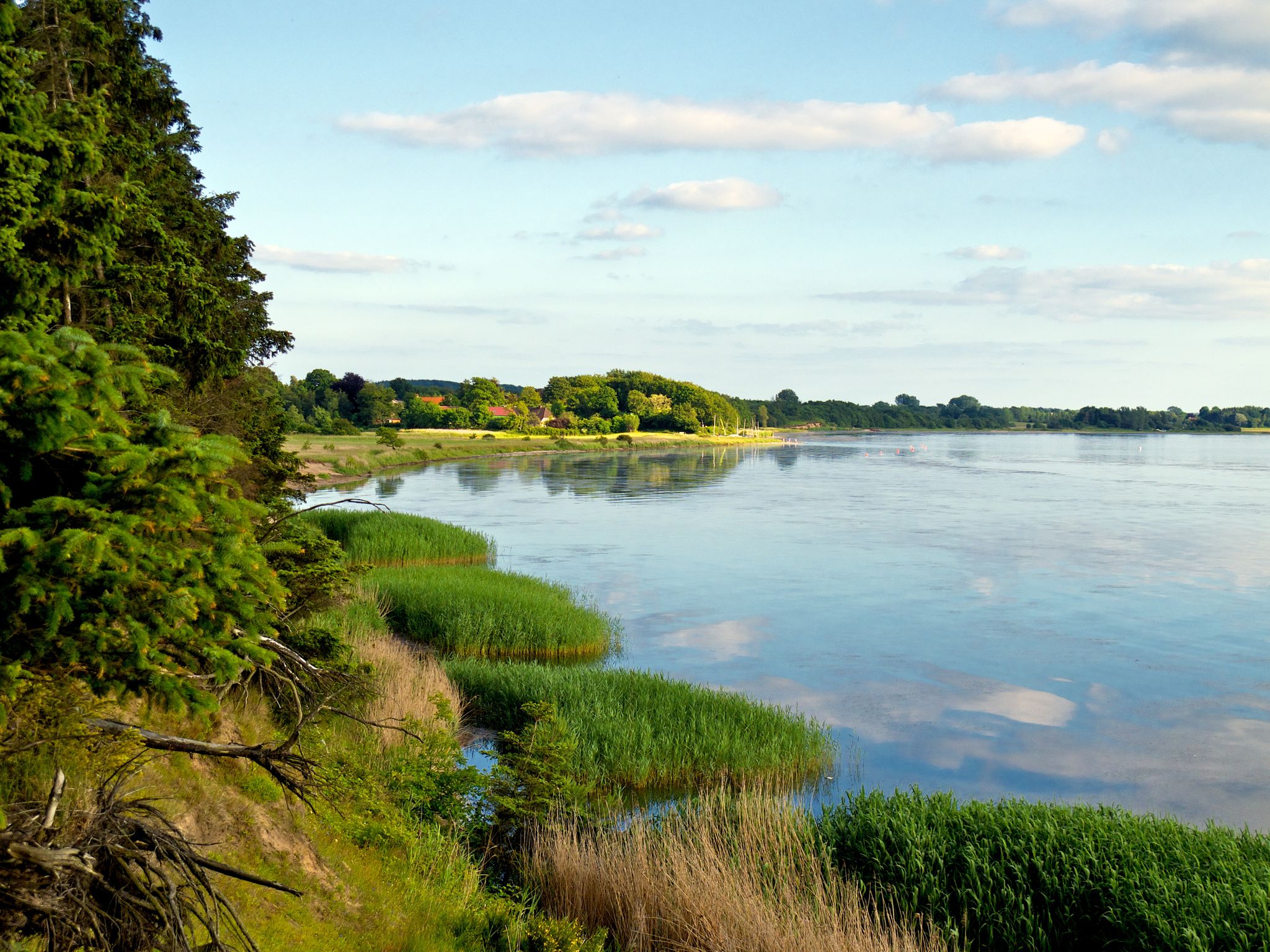
Germany’s blossoming inland — marsh, lakes and fjords in spring
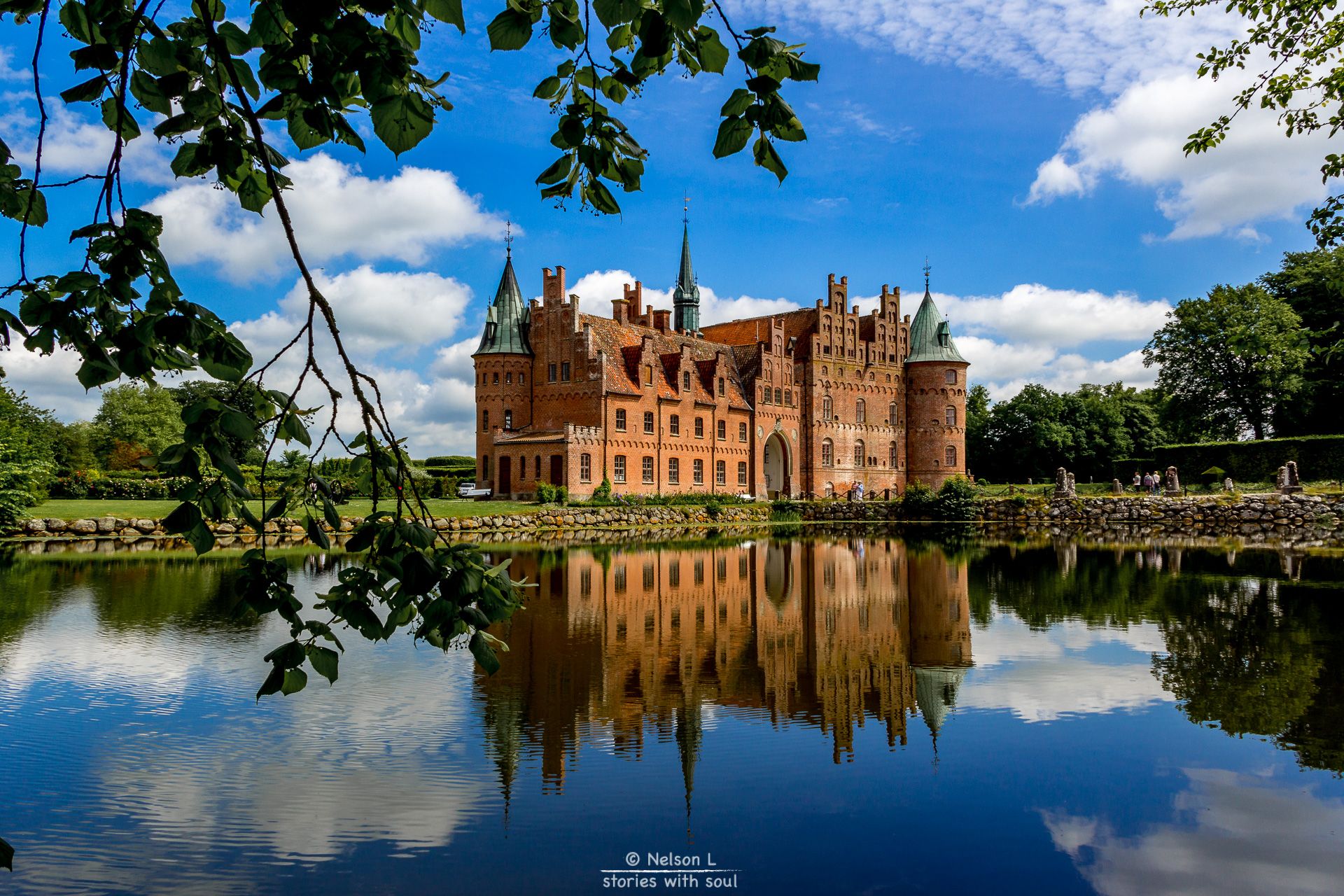
Magic Moments — 6 magical places in Germany and Denmark
Other adventures in Holstein Switzerland


Tips from the Community

Exploring the cave is only possible as part of a guided tour.
3
0
The cave is open to visitors in summer. In winter (from October to March), absolute
3
0
The famous Bat Cave (Kalkberghöhle) in Bad Segeberg is the largest natural winter roost for bats in Central Europe. It is located directly beneath the Segeberger Kalkberg.
4
0

The bat cave with the attached exhibition -Noctalis- is definitely worth a visit for young and old alike. The best time is in April, as some bats are still flying around in the cave. In summer, they have left their winter quarters and return in autumn. Please check the opening hours on the website.
0
0

Unfortunately, the now visible part of the Kalkberg is only a sad remnant of the once imposing hill, upon which once stood one of the few hilltop castles in Northern Germany. How different would the town's (tourist) development have been if there had been no intensive limestone mining and gypsum extraction, no Thingstätte (place of worship), and no Karl May Festival? A local historian and Hamburg's Hafencity University have undertaken a joint project on the Kalkberg and the Siegesburg castle on it, taking a virtual journey back in time to the era before both disappeared. A foretaste of the impressive result of this collaboration can be seen here: https://www.kreismuseum-segeberg.de/se1644/.
2
0

Wild West feeling in the north. Saloons, restaurants, souvenirs.
0
0

Tip: The evening Karl May events end with fireworks.
7
0
Tip: The 91 m high limestone mountain is not made of lime (calcium carbonate) but of gypsum (calcium sulphate).
7
0
Frequently Asked Questions
What are the main types of 'caves' to explore in Holstein Switzerland?
Holstein Switzerland offers a unique blend of natural monuments with underground systems, archaeological sites, and man-made grottoes. The most prominent natural cave system is beneath the Kalkberg in Bad Segeberg, known for its significant bat population. You can also find ancient megalithic tombs, like the Idstedt Robber's Cave, and historical curiosities such as the Mumiengrotte in Christiansenpark.
Are there any family-friendly caves in Holstein Switzerland?
Yes, the Kalkberg in Bad Segeberg and the associated Noctalis Bat Centre are highly recommended for families. The Noctalis offers educational opportunities about bats, and guided tours of the Kalkberg caves are available during the summer months, providing an engaging experience for all ages.
What is the best time to visit the caves in Holstein Switzerland?
For the Kalkberg caves, the best time to visit is during the summer half-year when they are accessible with a guide. The caves are closed in winter for bat hibernation. April is particularly good for seeing some bats still flying around before they leave their winter quarters. Always check the specific opening hours for the Noctalis Bat Centre and cave tours.
What unique natural features can I expect to see at the Kalkberg caves?
The Kalkberg itself is a distinctive rock mountain, the only one of its kind in the wider area, offering fantastic views of Bad Segeberg and Lake Segeberg. Beneath it lies an extensive cave system that serves as a critical habitat for an estimated 20,000 bats, making it a site of significant ecological interest.
Are there historical sites related to caves in Holstein Switzerland?
Yes, the Idstedt Robber's Cave (Idstedt Räuberhöhle) is a Neolithic megalithic tomb dating back to 3,500-2,800 BC. It's one of the few well-preserved passage graves in Schleswig-Holstein, offering a direct connection to ancient history and prehistoric burial practices. Additionally, the Kalkberg area has historical significance, including the former Siegesburg.
What kind of wildlife can be found in the caves of Holstein Switzerland?
The caves, particularly the system beneath the Kalkberg in Bad Segeberg, are renowned for their large bat populations. They serve as crucial winter hibernation quarters for thousands of bats and summer quarters for around 800 bats. The Noctalis Bat Centre provides an excellent opportunity to learn about these fascinating creatures.
Are there any accessible caves for tourists in Holstein Switzerland?
While many natural cave systems in Holstein Switzerland are not widely accessible due to their role as animal habitats, the Kalkberg caves are accessible via guided tours during the warmer months. The Idstedt Robber's Cave, a megalithic tomb, also features an accessible chamber for visitors to experience its interior.
What outdoor activities can I do near the caves in Holstein Switzerland?
The region around the caves offers various outdoor activities. You can find numerous road cycling routes, traffic-free bike rides, and dog-friendly hikes. Popular options include cycling around the Kellersee and Plöner See, or hiking trails like 'Around the Kellersee and Ukleisee lakes'.
What do visitors enjoy most about the Kalkberg in Bad Segeberg?
Visitors frequently praise the fantastic views from the Kalkberg, especially on clear days, overlooking Bad Segeberg and the surrounding lake district. The unique geological formation as the only rock mountain in the area, combined with the educational experience at the Noctalis Bat Centre and the impressive cave tours, are also highly valued.
Are there any man-made grottoes or artificial caves in the region?
Yes, the Mumiengrotte (Mummy Grotto) in Christiansenpark is a notable man-made grotto created around 1800. It houses a unique human-shaped Phoenician sarcophagus from ancient times, offering a blend of historical artifact and artificial cave-like structure.
Can I bring my dog to the caves or nearby areas?
While specific cave access for dogs might be restricted, especially in sensitive habitats like the Kalkberg caves, Holstein Switzerland offers many dog-friendly hiking routes in the surrounding nature. Always check local regulations for specific attractions.
Most popular routes in Holstein Switzerland
Most popular attractions in Holstein Switzerland

Get inspired with the komoot mobile app


