Top 20 Mountain Passes around Gsteig
Mountain passes around Gsteig offer access to the Swiss Alps, providing routes through alpine landscapes. Gsteig, a village in the Bernese Oberland, serves as a starting point for exploring these passes. The region is characterized by its mountainous terrain, connecting different cantons and offering opportunities for various outdoor activities. These passes are notable for their historical significance and panoramic views.
Best mountain passes around Gsteig
- The most popular mountain passes is Col de Jable, a mountain pass that connects…
Last updated: August 20, 2026
Trütlisberg Pass
Highlight • Mountain Pass
Showing Translation
Tip by

Col de Jable
Highlight • Mountain Pass
Translated by Google •
Tip by

Sign up now to discover places like this
Get recommendations on the best single tracks, peaks, & plenty of other exciting outdoor places.
Sign up for free
Türli Pass (1,986 m)
Highlight • Mountain Pass
Translated by Google •
Tip by

Sanetsch Pass from Sion
Highlight (Segment) • Mountain Pass
Translated by Google •
Tip by

Col des Mosses
Highlight • Mountain Pass
Translated by Google •
Tip by

Sign up for free to discover even more mountain passes around Gsteig.
Sign up for free
Already have an account?
Start today with a free account
Your next adventure awaits.
Login or Signup
Popular around Gsteig
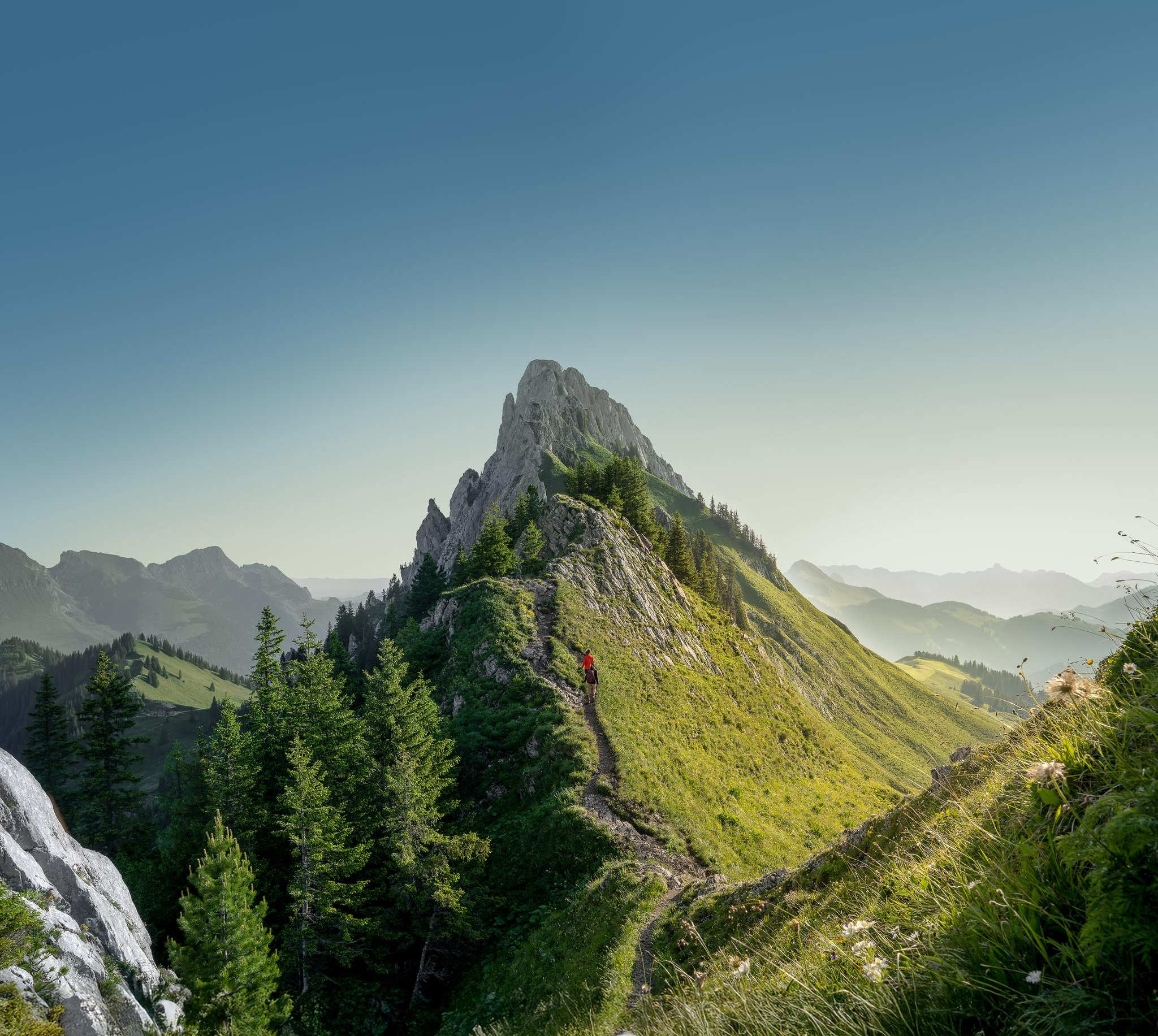
Zeit für mehr WANDERN – unsere 10 Highlights
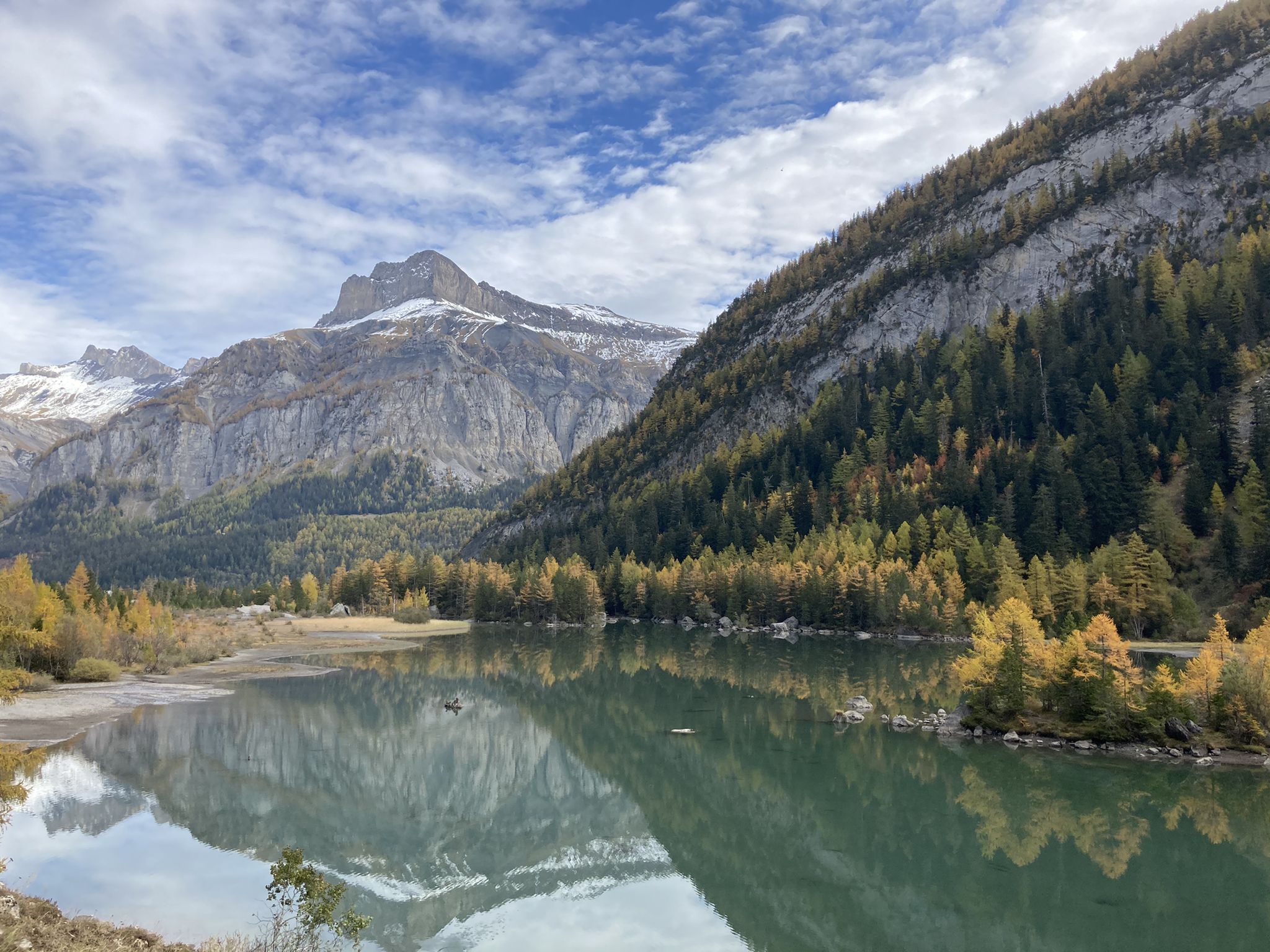
Mighty mountains and idyllic lakes – Sanetsch-Muveran-Weg hiking trail
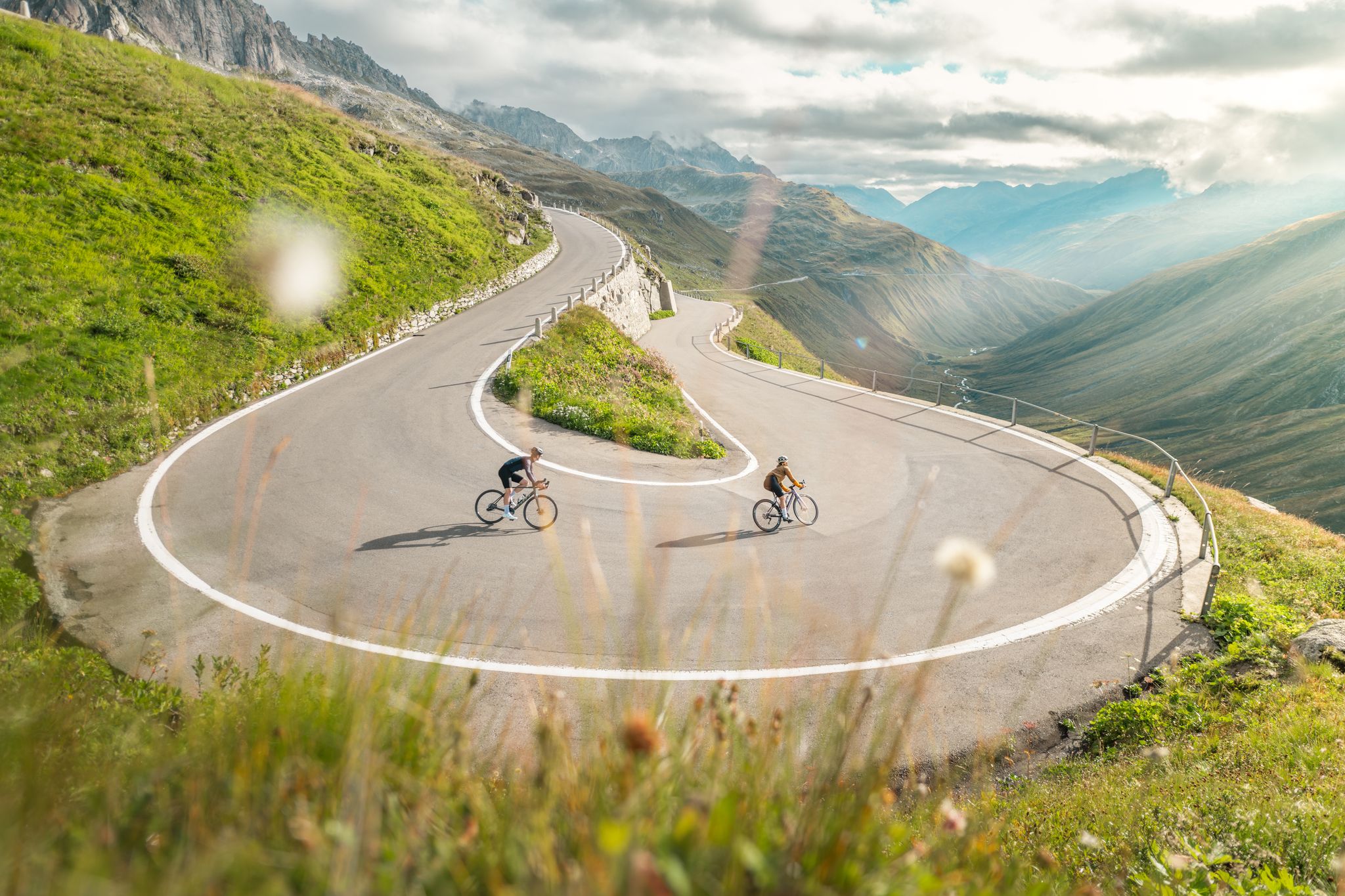
Asphaltglück und Gaumenfreude – Grand Gourmet Rides durch die Schweiz
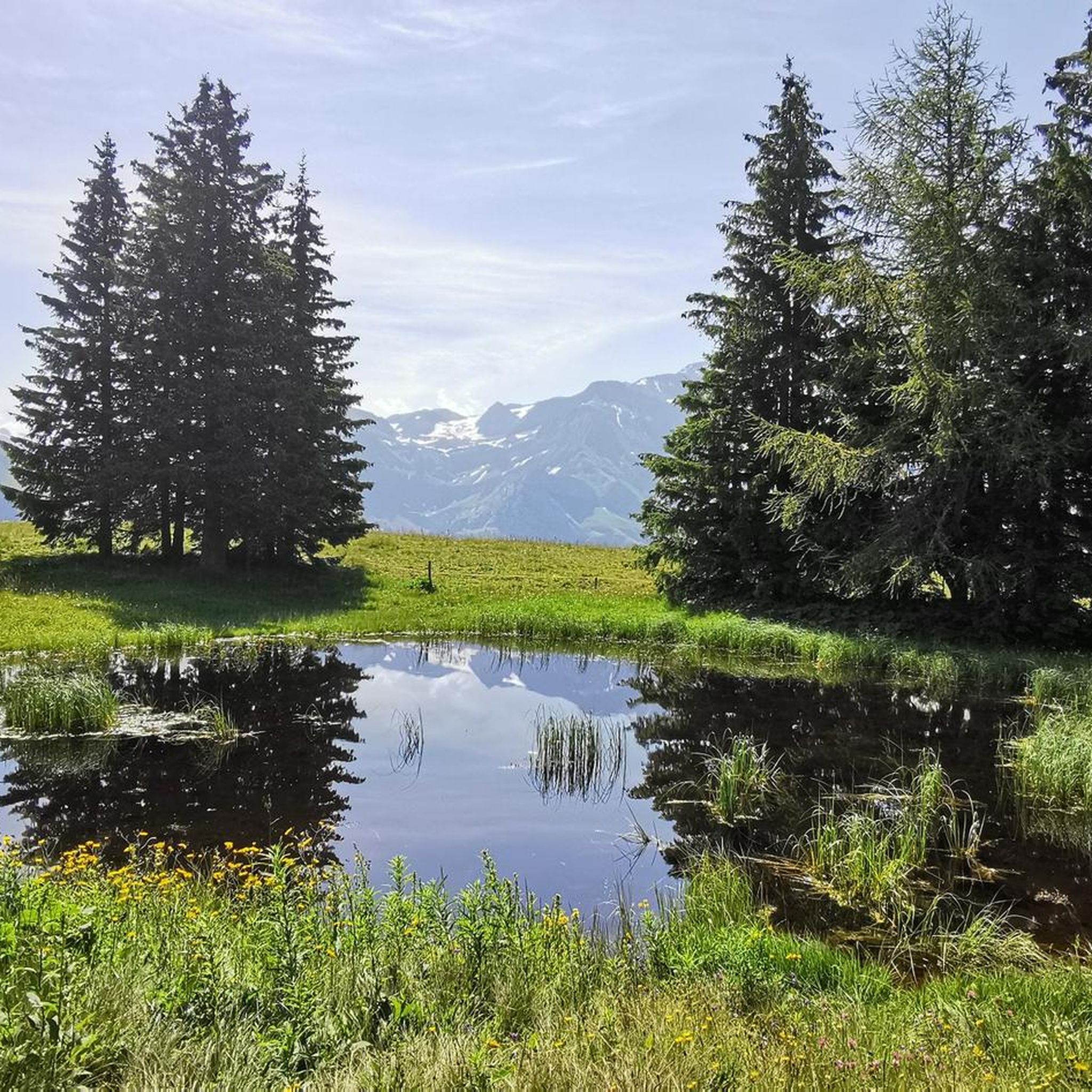
Hiking around Gsteig
Road Cycling Routes around Gsteig
MTB Trails around Gsteig
Cycling around Gsteig
Running Trails around Gsteig
Gravel biking around Gsteig
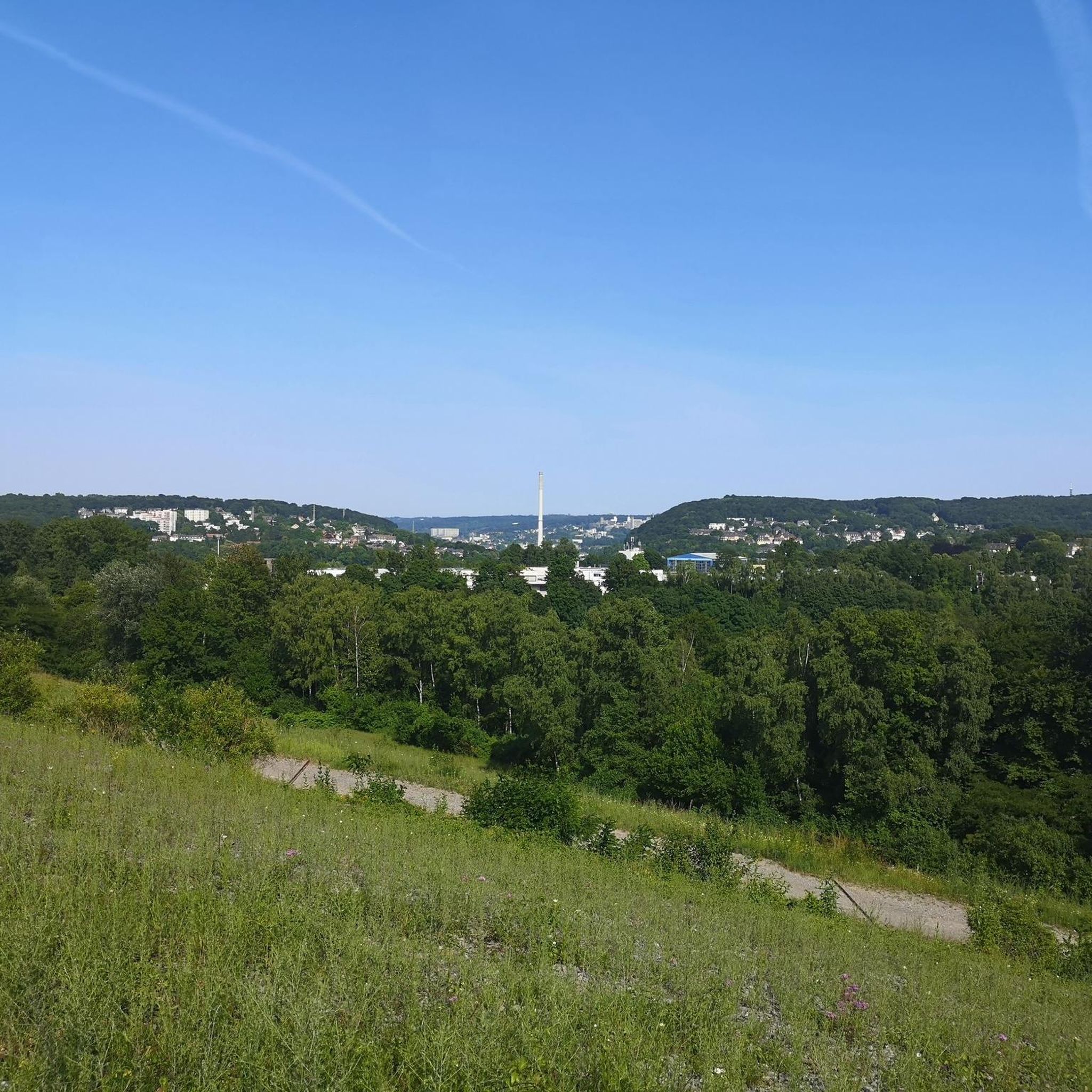
Mountain Hikes around Gsteig
Other adventures around Gsteig


Tips from the Community

The Col des Mosses is a mountain pass in the canton of Vaud. It connects Chateau d'Oex with Aigle and is a popular destination for both mountain bikers and road cyclists.
0
0

The Col is located on the Via Alpina and must be crossed on the stage between Gstaad and L'Etivaz.
0
0


Some of the trails are quite narrow, and walking in the deep cow paths is often difficult
1
0
Beautiful ascent through the Turbachtal to the Trütlisberg
0
0

Here you can choose which direction you want to go.
0
0
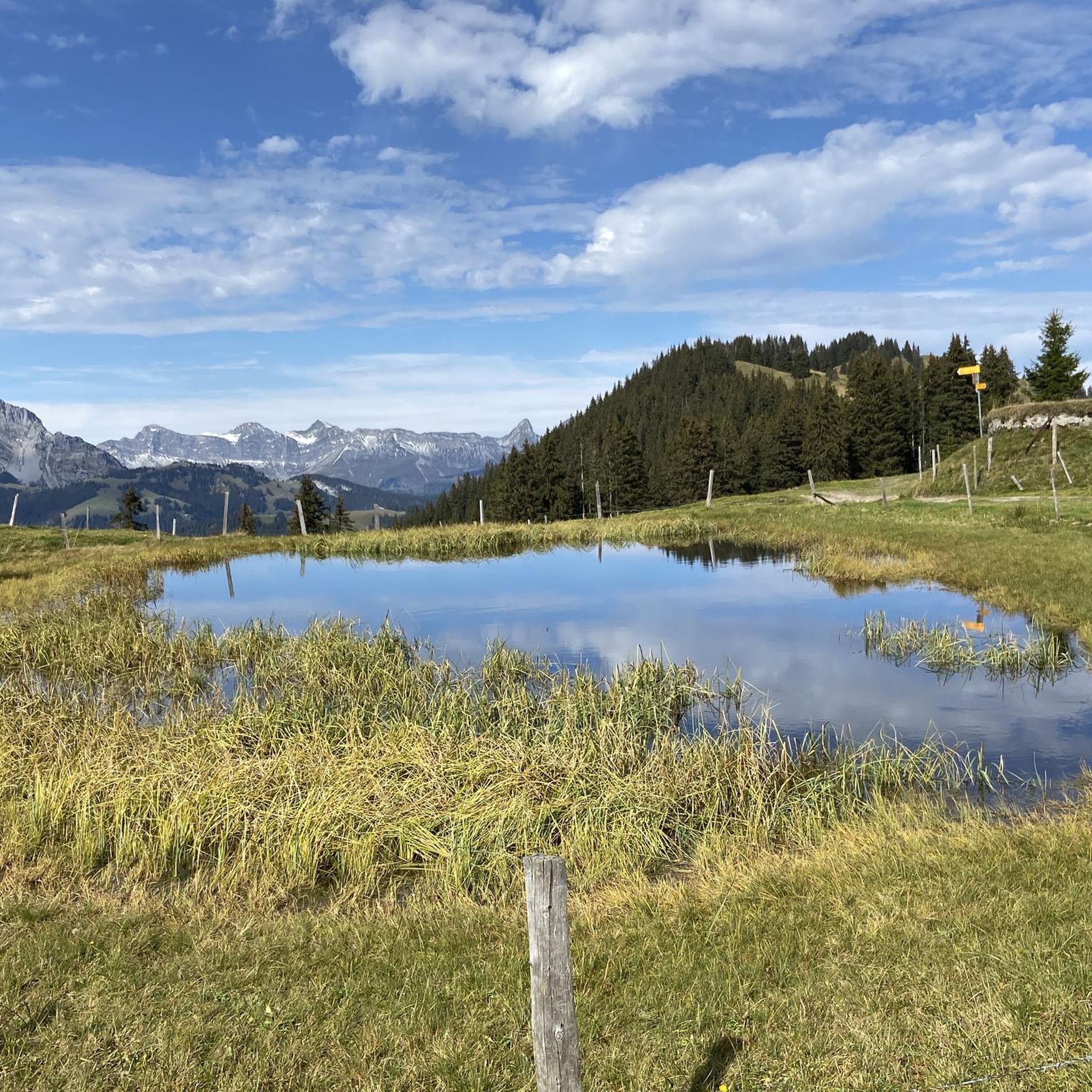
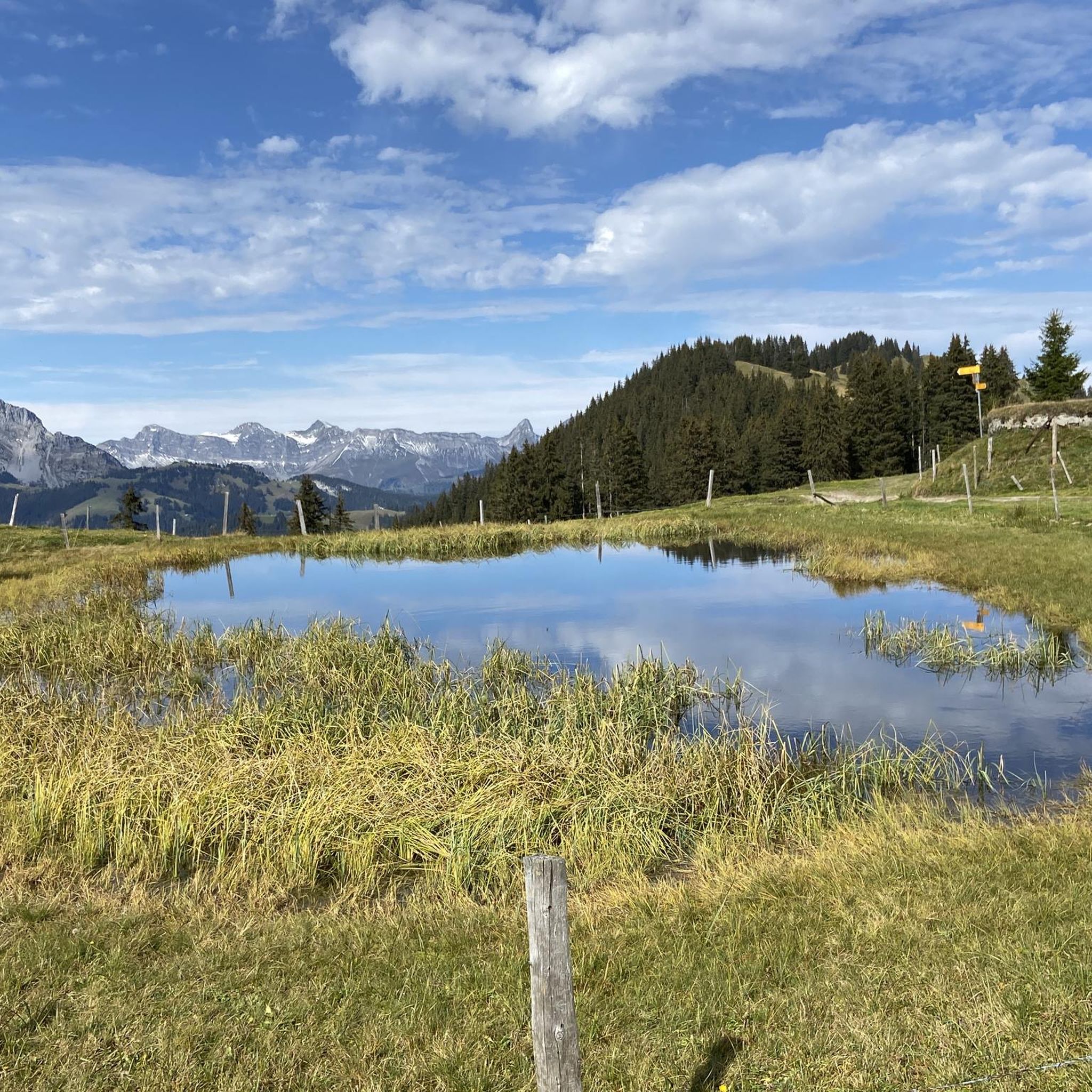
Great panorama in all directions!
0
1

The most beautiful climb you have never heard of.
3
2
Frequently Asked Questions
Which mountain passes around Gsteig have historical significance?
Several mountain passes in the Gsteig region are steeped in history. The Sanetsch Pass, for instance, was an old pack mule trail connecting the Bernese Oberland with Canton Valais. Similarly, the Col du Rawil has been utilized since Roman times and served as a crucial link during the Middle Ages. These passes offer a journey through time, allowing visitors to experience routes that have been important for centuries.
What natural features and viewpoints can I expect to see on the mountain passes near Gsteig?
The mountain passes around Gsteig offer breathtaking natural beauty. On the Sanetsch Pass, you can discover the stunning Sanetsch waterfall and the serene Sanetsch reservoir. The Türli Pass (1,986 m) provides a wide panorama stretching from Glacier 3000 to Vanil Noir. The Col de Jable, situated between the Gummfluh and the Wittenberghorn, also offers impressive views. Many passes, like the Trütlisberg Pass, feature scenic viewpoints perfect for a break.
How can I access the mountain passes around Gsteig, especially for those less keen on strenuous hikes?
Accessibility varies by pass. For the Sanetsch Pass, a cableway connects Gsteig to the Sanetsch region, providing easier access to its elevated vistas. There's also a daily postbus route from Canton Valais. The Col du Pillon is a key access point, with a cableway transporting visitors up to nearly 3000 meters for winter sports and panoramic views. While many passes involve hiking, these options provide alternative ways to enjoy the alpine scenery.
Are there challenging hiking trails associated with the mountain passes near Gsteig?
Yes, the region offers a variety of challenging routes. The Sanetsch Pass is popular with hikers and mountain bikers, featuring rugged mountain landscapes. The mule track over the Col du Rawil involves winding paths through a rock face, including sections blasted out in the 18th century. The Türli Pass (1,986 m) is known for its challenging climbs and exhilarating descents, and serves as a starting point for reaching the Trütlisberg Pass via a hiking trail.
What cycling or other outdoor activities are available near the mountain passes around Gsteig?
Beyond hiking, the Gsteig region is excellent for various outdoor activities. You can find numerous road cycling routes, gravel biking trails, and mountain biking trails. For road cycling, consider routes like the 'Gstaad Village – Gstaad loop from Gsteig b. Gstaad'. Gravel biking offers options such as the 'Lake Retaud – Col du Pillon loop from Les Diablerets'. Mountain bikers can explore trails like the 'View of Arnensee – Arnensee Lake Loop from Gsteig b. Gstaad'. You can find more details on these activities in the Road Cycling Routes around Gsteig, Gravel biking around Gsteig, and MTB Trails around Gsteig guides.
When is the best time of year to visit the mountain passes around Gsteig?
The best time to visit largely depends on the activities you plan. For hiking and cycling, late spring (May/June) through early autumn (September/October) generally offers the most favorable conditions with less snow and pleasant temperatures. However, some higher passes might still have snow early in the season. For winter sports, the areas accessible via the Col du Pillon cableway provide snow-guaranteed altitudes from late autumn through spring.
Are there family-friendly options among the mountain passes near Gsteig?
While many passes involve strenuous activity, some areas offer more accessible experiences. The cableway access to the Sanetsch region or from the Col du Pillon to higher alpine areas can provide family-friendly ways to enjoy the views without extensive hiking. For specific family-friendly trails, it's advisable to check local tourism information for shorter, less challenging routes or those with amenities like playgrounds.
What makes the Sanetsch Pass a unique destination?
The Sanetsch Pass is unique for its blend of history, natural beauty, and varied accessibility. It was once a vital pack mule trail and now offers scenic trails for hikers and mountain bikers. Its natural features include a stunning waterfall and a reservoir. What truly sets it apart is the option to access it via a cableway from Gsteig, making its elevated vistas available to a wider range of visitors, and its rugged terrain is popular with climbers.
What is special about the Col du Rawil?
The Col du Rawil is special due to its ancient history, having been used since Roman times, and its preserved natural charm. Despite plans for a railway and later a road and tunnel, popular initiatives ensured its mountain idyll remained intact. Visitors can experience a pass steeped in historical travel, with magnificent views along its mule track, which includes serpentines blasted out in the 18th century.
How does the Col du Pillon contribute to accessing the alpine regions around Gsteig?
The Col du Pillon is strategically important as an access point to higher alpine regions. While not a pass for traversing on foot in the same way as others, it features a cableway that transports skiers and sightseers up to nearly 3000 meters. This provides crucial access to winter sports facilities and offers panoramic views of 24 peaks of 4000 meters and higher visible from the glacier, making it a gateway to high-altitude experiences.
What can you tell me about the Blattipass near Gsteig?
The Blattipass is another notable mountain pass situated directly in Gsteig bei Gstaad. While specific detailed features are not extensively documented, its presence highlights the typical Swiss alpine scenery surrounding Gsteig. It suggests opportunities for hiking and enjoying the natural alpine landscapes characteristic of the region, making it a part of the diverse mountainous terrain.
What can I expect when visiting the <a href="https://www.komoot.com/highlight/908675" target="_blank" rel="noopener">Trütlisberg Pass</a>?
The Trütlisberg Pass is a mountain pass in the Bernese Alps, connecting Lauenen and Lenk at an altitude of 2033 meters. It is part of a historic mule track, a popular hiking trail, and the Via Alpina. Visitors often find a small barbecue area and a wooden bench, inviting them to linger and enjoy the views. It's a great spot for a break, though strong winds can sometimes be expected.
Most popular routes around Gsteig
Most popular attractions around Gsteig

Get inspired with the komoot mobile app


Explore more
See even more epic mountain passes by checking out these guides around Gsteig:
