Top 5 Caves in Pinar Del Río
Best caves in Pinar Del Río are found within a region renowned for its karst landscapes, particularly around the Viñales Valley, a UNESCO World Heritage site. This area is characterized by impressive limestone formations and an abundance of cave systems. These natural features offer a blend of geological interest and historical significance. The caves provide opportunities for exploration and insight into the region's natural and cultural heritage.
Best caves in Pinar Del Río
- The most popular caves is Cueva de…
Last updated: October 9, 2026
Cueva de la Vaca
Highlight • Cave
Tip by

Beautiful stalactites in Cueva del Indio
Highlight • Cave
Translated by Google •
Tip by

Sign up now to discover places like this
Get recommendations on the best single tracks, peaks, & plenty of other exciting outdoor places.
Palenque de los Cimarrones Cave
Highlight • Cave
Translated by Google •
Tip by

Cueva de Santo Tomás
Highlight • Cave
Translated by Google •
Tip by

Cueva de Santo Tomás
Highlight • Cave
Translated by Google •
Tip by

Cueva del Indio Cave Exit
Highlight • Cave
Translated by Google •
Tip by
View from the Cave in Viñales National Park
Highlight (Segment) • Cave
Translated by Google •
Tip by

Start today with a free account
Your next adventure awaits.
Popular around Pinar Del Río
Tips from the Community

A short cave through the Mongotes, which is also home to bats.
2
0
The cave itself is very short and unspectacular, but it offers a brief moment of cooling off in the heat. Bats are sometimes present.
1
0
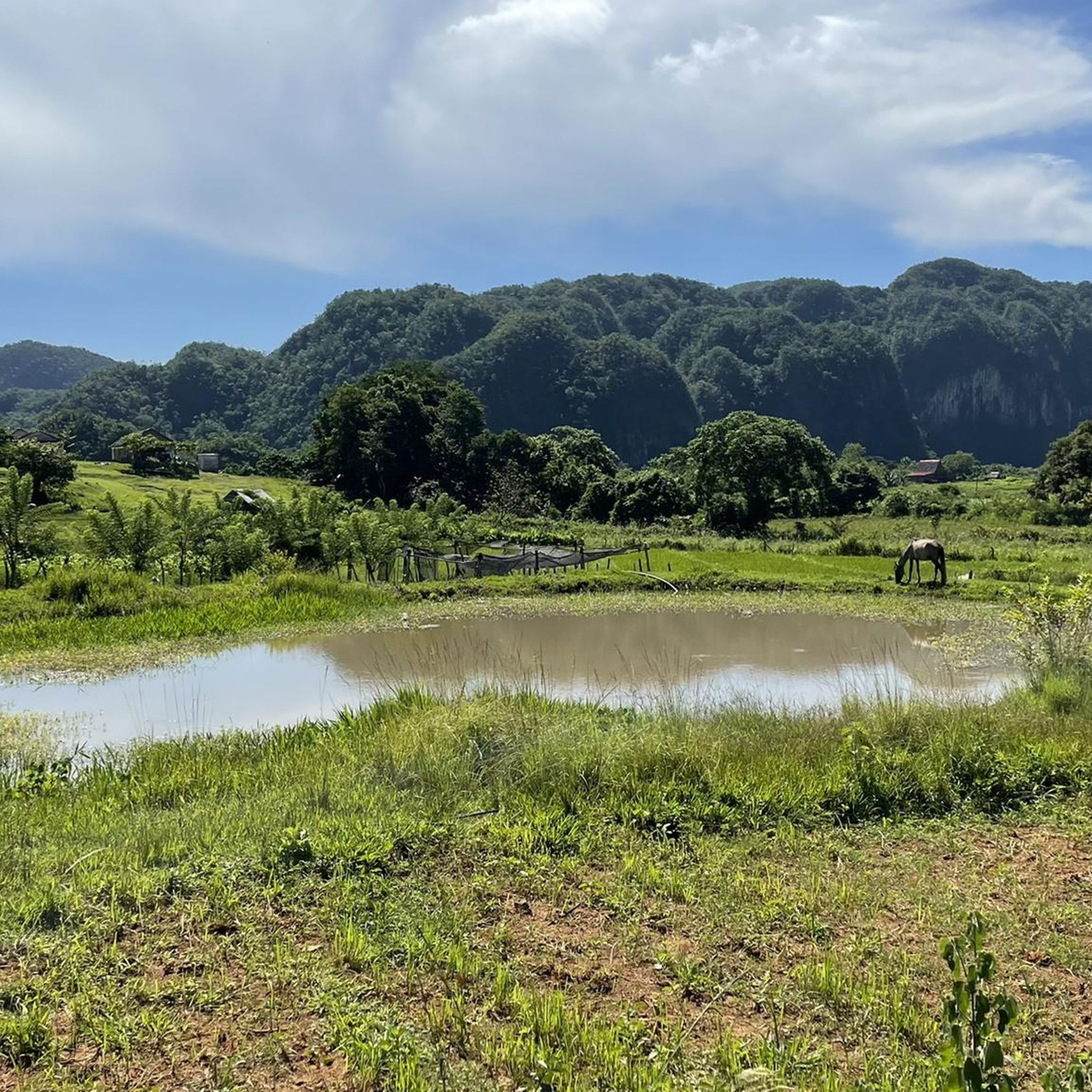
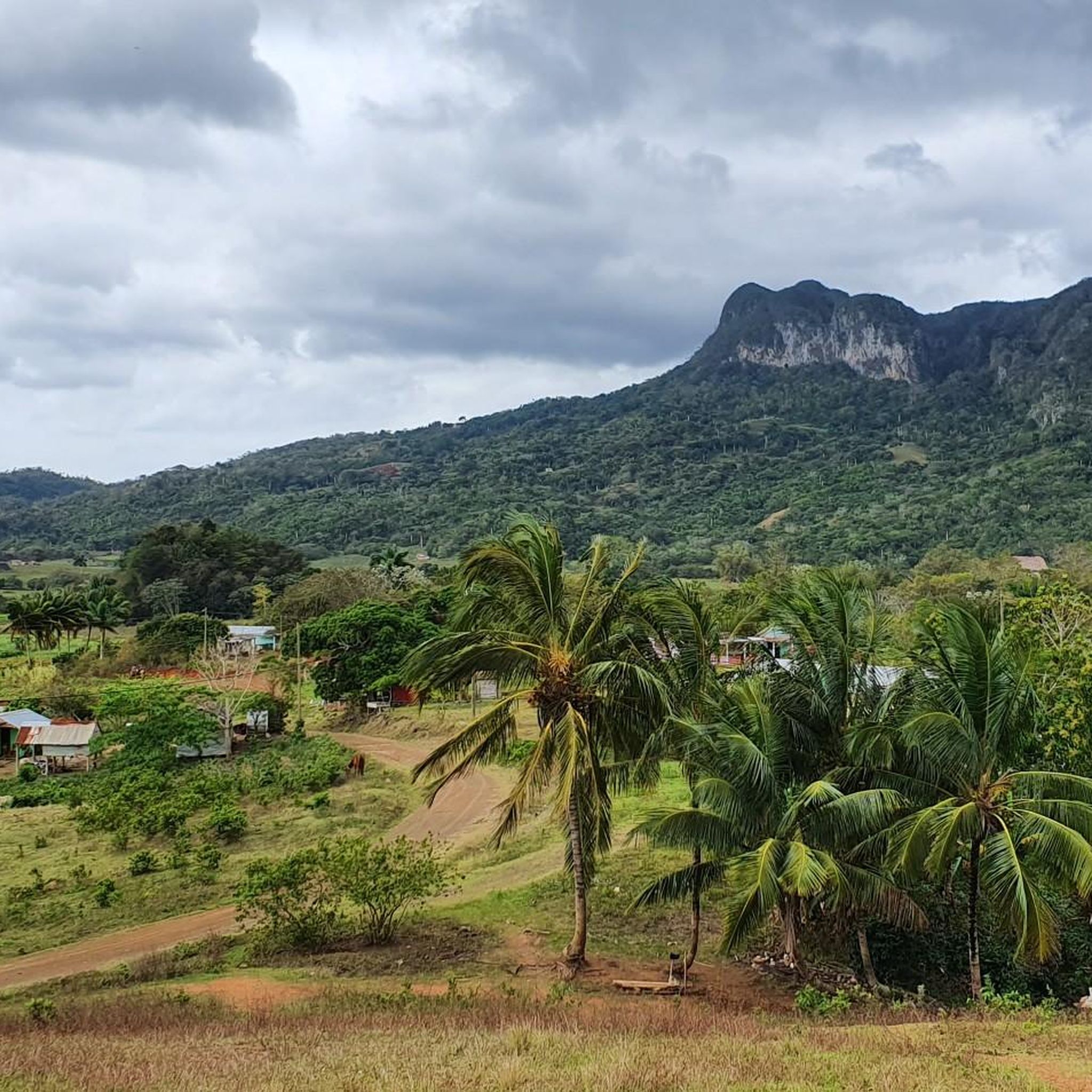
From the entrance of the cave you have a beautiful view of the valley
1
0
Attracted by local guides, this stone monitor lizard or dinosaur lies in wait for unsuspecting "fresh tourists," as the guides cheerfully call through the cave
1
0
The Cueva del Indio has beautiful limestone formations on the ceiling
1
0
Most of the travel in the Cueva del Indio is done by small boat. Unfortunately, this boat has a gasoline engine, which makes it extremely loud and fills the entire cave with a stink.
1
0
A park-like area adorns the entrance area of the cave, which also houses a café.
1
0
When hiking in the Vinales Valley in Cuba, you pass through the Cueva de la Vaca (cave), which is reached via a steep climb.
2
0
Frequently Asked Questions
Which caves in Pinar Del Río are suitable for families?
For a family-friendly experience, consider Beautiful stalactites in Cueva del Indio. It features illuminated sections and a motorboat ride along a subterranean river, making it accessible and engaging for all ages. The Palenque de los Cimarrones Cave also offers a unique cultural experience combined with a cave visit, which can be interesting for families.
Are there accessible caves in Pinar Del Río for visitors with limited mobility?
The Cueva del Indio is generally considered accessible, featuring illuminated paths and handrails in its walking sections. The boat ride also provides an easy way to experience the underground river. While specific accessibility features vary, its design aims for broad visitor access.
What kind of historical and cultural experiences can I find in the caves of Pinar Del Río?
The region's caves offer rich historical and cultural insights. The Palenque de los Cimarrones Cave is a significant site, recreating a community of runaway slaves (cimarrones) and offering Afro-Cuban thematic dramatizations. The Gran Caverna de Santo Tomás also holds historical importance as a refuge for cimarrones and contains aboriginal pictographs.
What unique natural features can I expect to see in Pinar Del Río's caves?
Pinar del Río's caves are known for impressive karst formations. In Cueva del Indio, you'll find richly colored stalactites and stalagmites, along with an underground river. The Gran Caverna de Santo Tomás, Cuba's largest cave system, boasts remarkable speleological formations including stalactites, stalagmites, helictites, cave pearls, and underground lakes.
Are there opportunities for more adventurous caving or speleology in the region?
Yes, the Gran Caverna de Santo Tomás is ideal for those seeking a more adventurous caving experience. As the largest cave system in Cuba, it offers extensive galleries. Guided tours, often led by speleologists, allow exploration of its levels, providing equipment like helmets and headlamps for a deeper dive into speleology.
What outdoor activities or hiking trails are available near the caves?
Many caves are located within or near areas with excellent outdoor activities. For example, Cueva de la Vaca can be integrated into a round trip through the valley near Viñales, offering a steep climb. You can find various hiking and cycling routes in the broader Pinar Del Río region. Explore options like easy hikes or longer hiking tours in Easy hikes in Pinar Del Río or Hiking in Pinar Del Río.
What is the best time of year to visit the caves in Pinar Del Río?
The dry season, typically from November to April, is generally the most comfortable time to visit Pinar del Río's caves. During this period, you'll experience less rain and more moderate temperatures, making exploration and outdoor activities around the caves more enjoyable.
What should I wear when exploring caves in Pinar Del Río?
When visiting caves, it's advisable to wear comfortable clothing and sturdy, closed-toe shoes with good grip, as paths can be uneven or wet. Some caves, like Gran Caverna de Santo Tomás, may provide helmets and headlamps. A light jacket might be useful as cave temperatures can be cooler than outside.
Are there cafes or dining options near the caves?
Yes, some cave sites offer amenities. For instance, Cueva de Santo Tomás has a park-like entrance area that includes a café. The Palenque de los Cimarrones also features an on-site restaurant where visitors can enjoy traditional Cuban cuisine.
Do I need a permit to explore caves in Pinar Del Río?
Generally, for popular tourist caves like Cueva del Indio or Gran Caverna de Santo Tomás, you do not need a separate permit beyond the entrance fee for guided tours. These tours are typically managed by local operators. For more extensive or undeveloped cave systems, it's best to inquire locally or with a specialized caving guide.
What do visitors enjoy most about the caves in Pinar Del Río?
Visitors frequently appreciate the blend of natural beauty and cultural immersion. The unique experience of a boat ride through an underground river at Cueva del Indio is a highlight, as are the impressive geological formations. The historical narratives and cultural dramatizations at Palenque de los Cimarrones also receive high praise for their educational and engaging nature.
Can I find wildlife inside the caves of Pinar Del Río?
While not always prominently featured, caves are ecosystems that can host various forms of wildlife, including bats, insects, and unique cave-dwelling species. The region's karst landscapes are rich in biodiversity, and while direct encounters with large animals inside the caves are rare, smaller creatures are part of the cave environment.
Most popular attractions in Pinar Del Río

Get inspired with the komoot mobile app


Didn’t find what you were looking for?
Discover more caves in Pinar Del Río region by region:
Explore more
Extend your search for the best caves by checking out these guides of the top ones in Pinar Del Río:
