Top 3 Caves in Sierra De Los Órganos
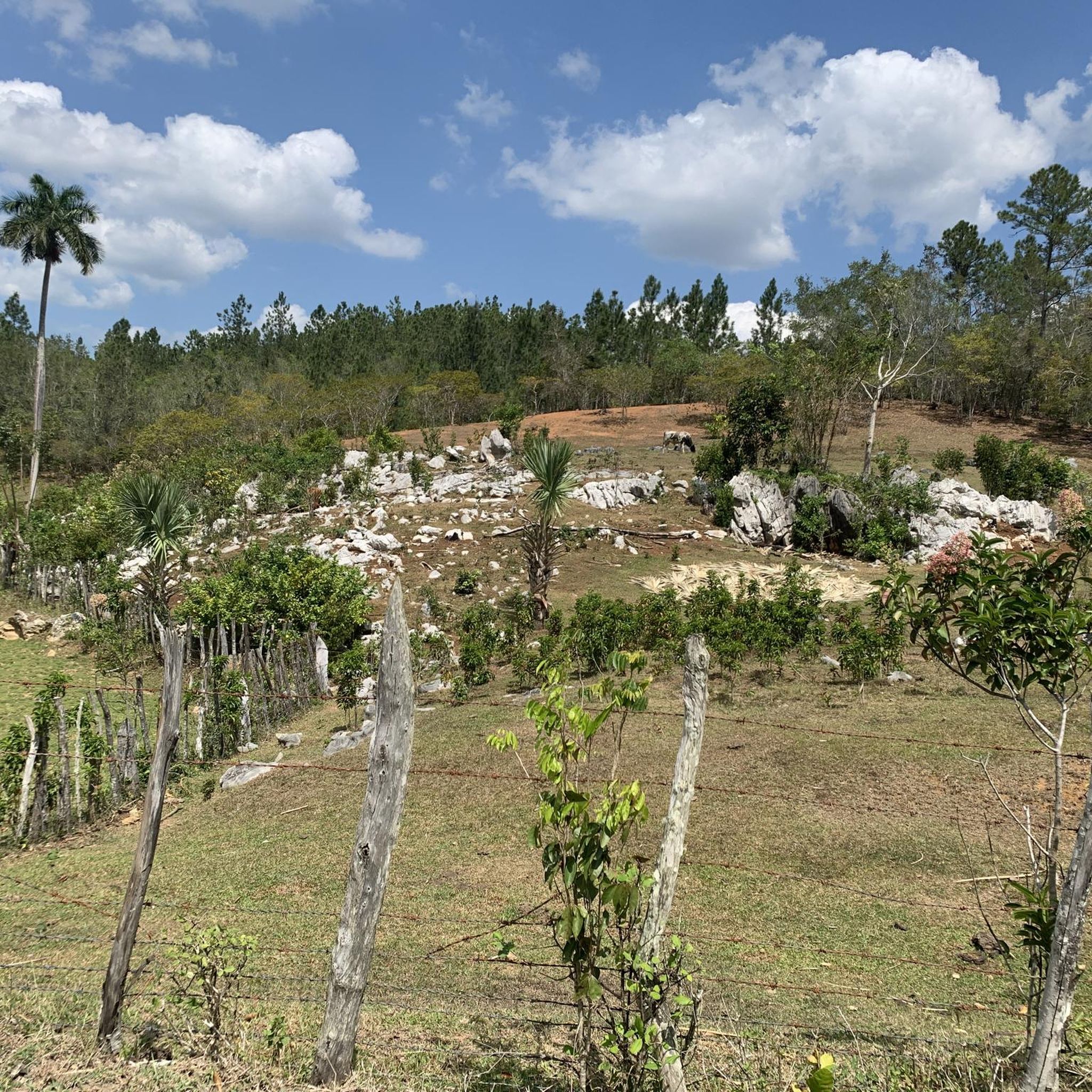
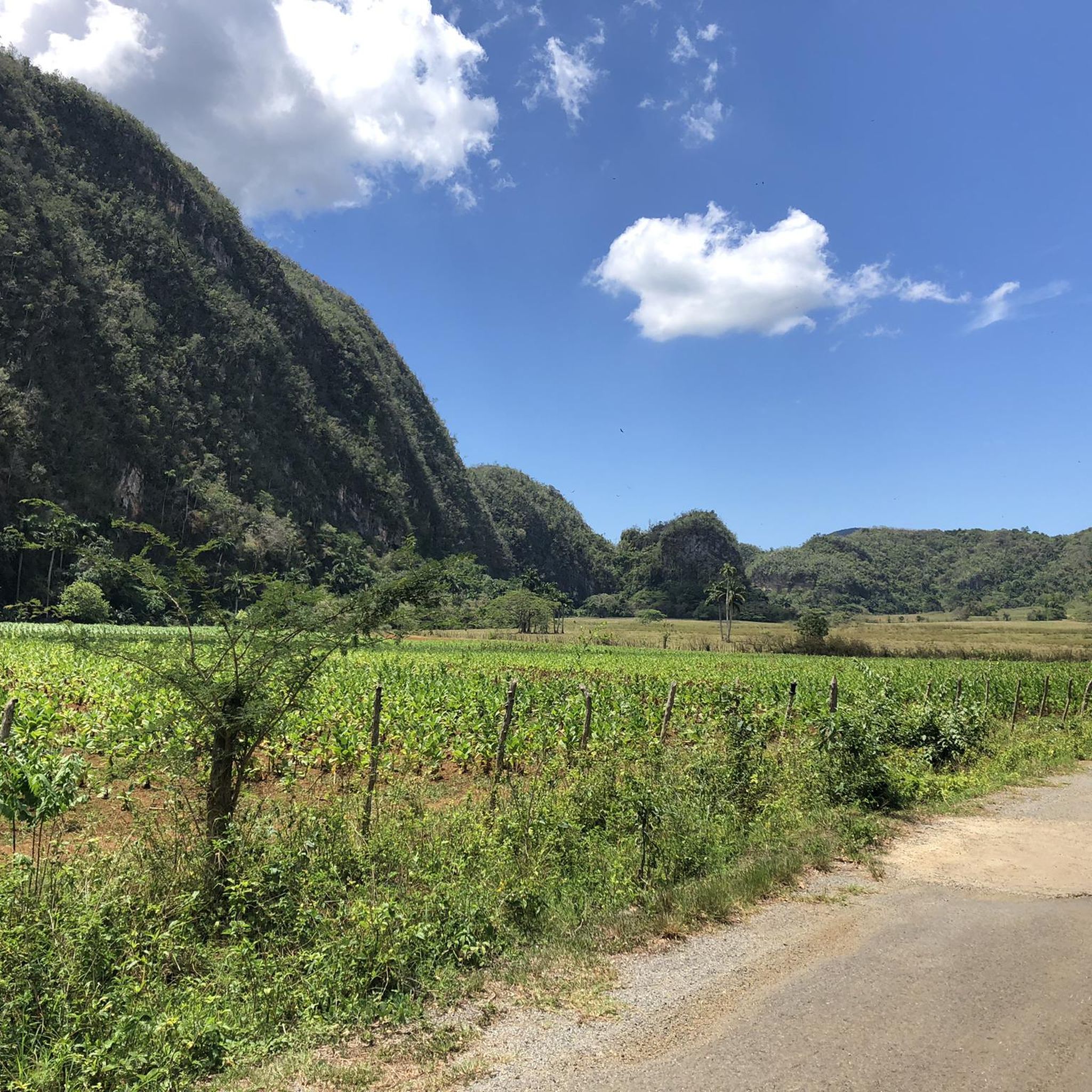
Best caves in Sierra De Los Órganos are found within a dramatic karst landscape, characterized by unique "mogotes" (steep-sided limestone hills). This region, encompassing the UNESCO World Heritage-listed Viñales Valley, features intricate underground networks shaped by millennia of erosion. The caves offer diverse experiences, from extensive systems with historical significance to accessible show caves. Exploring these natural features provides insight into the geological and cultural tapestry of western Cuba.
Best caves in Sierra De Los Órganos
- The most popular caves…
Last updated: July 4, 2026
Beautiful stalactites in Cueva del Indio
Highlight • Cave
Translated by Google •
Tip by

Palenque de los Cimarrones Cave
Highlight • Cave
Translated by Google •
Tip by

Sign up now to discover places like this
Get recommendations on the best single tracks, peaks, & plenty of other exciting outdoor places.
Sign up for free
Cueva de Santo Tomás
Highlight • Cave
Translated by Google •
Tip by

Cueva de Santo Tomás
Highlight • Cave
Translated by Google •
Tip by

Cueva del Indio Cave Exit
Highlight • Cave
Translated by Google •
Tip by
Start today with a free account
Your next adventure awaits.
Login or Signup
Popular around Sierra De Los Órganos
Tips from the Community

From the entrance of the cave you have a beautiful view of the valley
1
0
Attracted by local guides, this stone monitor lizard or dinosaur lies in wait for unsuspecting "fresh tourists," as the guides cheerfully call through the cave
1
0
The Cueva del Indio has beautiful limestone formations on the ceiling
1
0
Most of the travel in the Cueva del Indio is done by small boat. Unfortunately, this boat has a gasoline engine, which makes it extremely loud and fills the entire cave with a stink.
1
0
A park-like area adorns the entrance area of the cave, which also houses a café.
1
0
Huge caverns in the St. Tomas Cave near Vinales, Cuba.
0
0
This cavern of the second largest cave in South America, the St. Tomas Cave near Vinales in Cuba, has extremely deep crevices and should definitely be visited.
1
0
At the end of the tour, you will take a boat through this cave exit of the Cueva del Indigo to the outside.
0
0
Frequently Asked Questions
What are the most significant caves to visit in Sierra de los Órganos?
The Sierra de los Órganos is home to several remarkable cave systems. The Gran Caverna de Santo Tomás is Cuba's largest cave system, offering extensive galleries and an authentic exploration experience. Cueva del Indio is popular for its unique boat ride through an underground river and indigenous petroglyphs. Other notable caves include Cueva de San Miguel, known as a show cave, and Cueva de José Miguel, which is easily accessible.
Are there family-friendly cave options in Sierra de los Órganos?
Yes, Cueva del Indio is particularly suitable for families. It features a unique motorboat ride through an underground river, and is partially lit with handrails, making it relatively accessible. Cueva de San Miguel, as a show cave, also likely offers a more developed and accessible experience for a wider range of visitors.
What unique geological features can I expect to see in the caves of Sierra de los Órganos?
The caves in Sierra de los Órganos, shaped by the region's dramatic karst landscape and 'mogotes' (steep-sided limestone hills), feature intricate underground networks. You can expect to see numerous stalactites and stalagmites, underground pools, and rivers. The Cueva del Indio is notable for its underground river, while the Gran Caverna de Santo Tomás boasts extensive galleries and diverse rock formations.
Do any caves in the region have historical or cultural significance?
Absolutely. The Gran Caverna de Santo Tomás holds significant cultural heritage, having served as a settlement for escaped enslaved people from sugar plantations. It also features a replica of an ancient Indian mural. Cueva del Indio is significant for its cave paintings and numerous petroglyphs made by the Taíno people, offering a tangible connection to the island's pre-colonial history. Cueva de los Portales is also known for its historical connection to Che Guevara.
What should I wear when exploring caves in Sierra de los Órganos?
For caves like the Gran Caverna de Santo Tomás, which are largely undeveloped and require helmets and headlamps, comfortable clothing that can get dirty and sturdy, closed-toe shoes with good grip are recommended. The cave maintains a relatively cool temperature, offering a respite from the Cuban climate. For more accessible caves like Cueva del Indio, comfortable walking shoes are sufficient.
What outdoor activities can I do near the caves in Sierra de los Órganos?
The Sierra de los Órganos region, including the Viñales Valley, offers a variety of outdoor activities. You can find numerous hiking trails, such as the easy Mural of Prehistory loop or the moderate Cueva de la Vaca loop. Cycling is also popular, with routes like the Viñales Valley loop available for various skill levels.
Are there any easy caving routes for beginners in Sierra de los Órganos?
For beginners or those seeking a less strenuous experience, Cueva del Indio offers an accessible boat tour through its underground river. Cueva de José Miguel is also described as easily approachable, making it suitable for a relaxed outing without the need for a steep hike. Cueva de San Miguel, as a show cave, is likely designed for easier access.
What is the best time to explore the caves in Sierra de los Órganos?
The caves maintain a relatively consistent cool temperature year-round, making them a pleasant escape from the heat at any time. However, the dry season (typically November to April) is generally considered the best time to visit the region for outdoor activities, as rainfall is lower, ensuring easier access to cave entrances and surrounding trails.
Are there cafes or amenities near the caves?
Yes, some caves offer amenities. For instance, the entrance area of Cueva de Santo Tomás features a park-like area and a café. Cueva del Indio also has facilities nearby, including parking and often local vendors. The Viñales Valley, where many of these caves are located, has various cafes, restaurants, and accommodation options.
What makes the Gran Caverna de Santo Tomás a unique experience?
The Gran Caverna de Santo Tomás stands out as the largest cave system in Cuba and the second largest in the Americas, with over 46 km of galleries. Its uniqueness comes from its largely undeveloped nature; visitors explore about 1 km with helmets and headlamps, providing an authentic and immersive adventure into its natural beauty and historical significance as a refuge for maroons. It is also a National Monument.
Can I find any hidden or less-known caves in the region?
While the main caves like Santo Tomás and Indio are well-known, the Sierra de los Órganos is rich in karst formations, suggesting many smaller or less-explored caves exist. Cueva de la Vaca, for example, offers easy walks and views of the Viñales Valley, providing a more relaxed and perhaps less crowded experience compared to the major attractions.
Is there parking available at the popular caves?
Yes, parking is generally available at the more popular cave attractions. For Cueva del Indio, there is a parking lot opposite the entrance where you can securely leave vehicles, including bicycles. Major sites like Cueva de Santo Tomás also have designated parking areas for visitors.
Most popular attractions in Sierra De Los Órganos

Get inspired with the komoot mobile app


Explore more
Extend your search for the best caves by checking out these guides of the top ones in Sierra De Los Órganos:
