Top 5 Caves in Bergwerk Fell
Caves in Bergwerk Fell primarily consist of former slate mines, offering a unique insight into the region's industrial heritage. The area is characterized by its historical mining landscape, including interconnected pits and tunnels. These sites provide an authentic experience of slate extraction from the Middle Ages to the 20th century. The underground environment maintains a constant temperature of 12 to 13 degrees Celsius.
Best caves in Bergwerk Fell
- The most popular caves is Grube Barbara Mine, a historical site…
Last updated: July 4, 2026
Mertesnaf Mine
Highlight • Structure
Translated by Google •
Tip by

Friedrichstollen Thomm
Highlight • Cave
Translated by Google •
Tip by
Sign up now to discover places like this
Get recommendations on the best single tracks, peaks, & plenty of other exciting outdoor places.
Sign up for free
Barbara-Hoffnung Slate Mine in Thomm
Highlight • Cave
Translated by Google •
Tip by
Grube Barbara Mine
Highlight • Historical Site
Translated by Google •
Tip by

Margaretha Tunnel in Brasilienberg, Thomm
Highlight • Cave
Translated by Google •
Tip by

Start today with a free account
Your next adventure awaits.
Login or Signup

Tips from the Community

This is where you come out after the tour through the visitor mine.
2
0

A real highlight in midsummer. When you pass, you get a good breeze of cold air. Almost a forest air conditioner.
0
0

Simply an experience for young and old. Visit the mine!
1
0

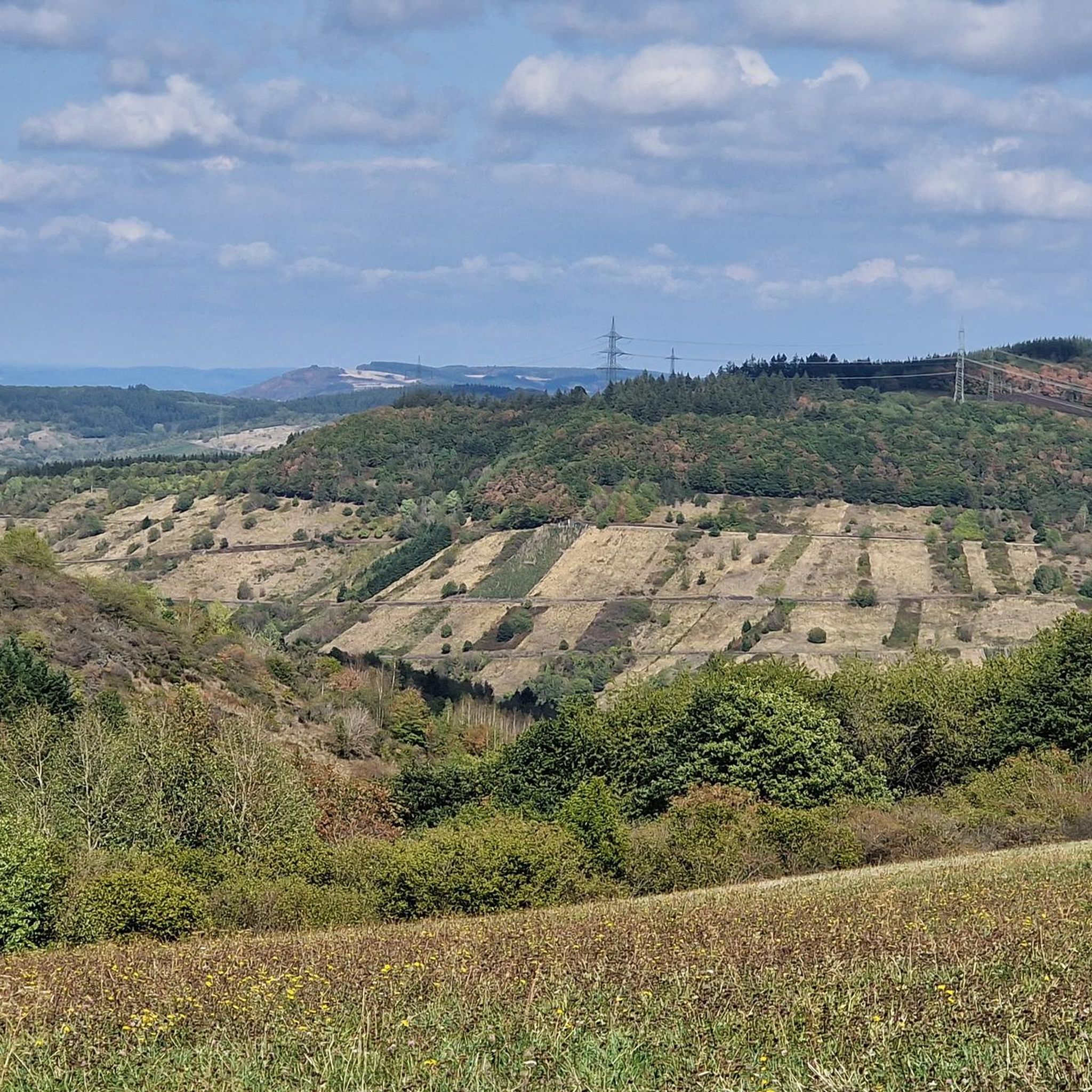
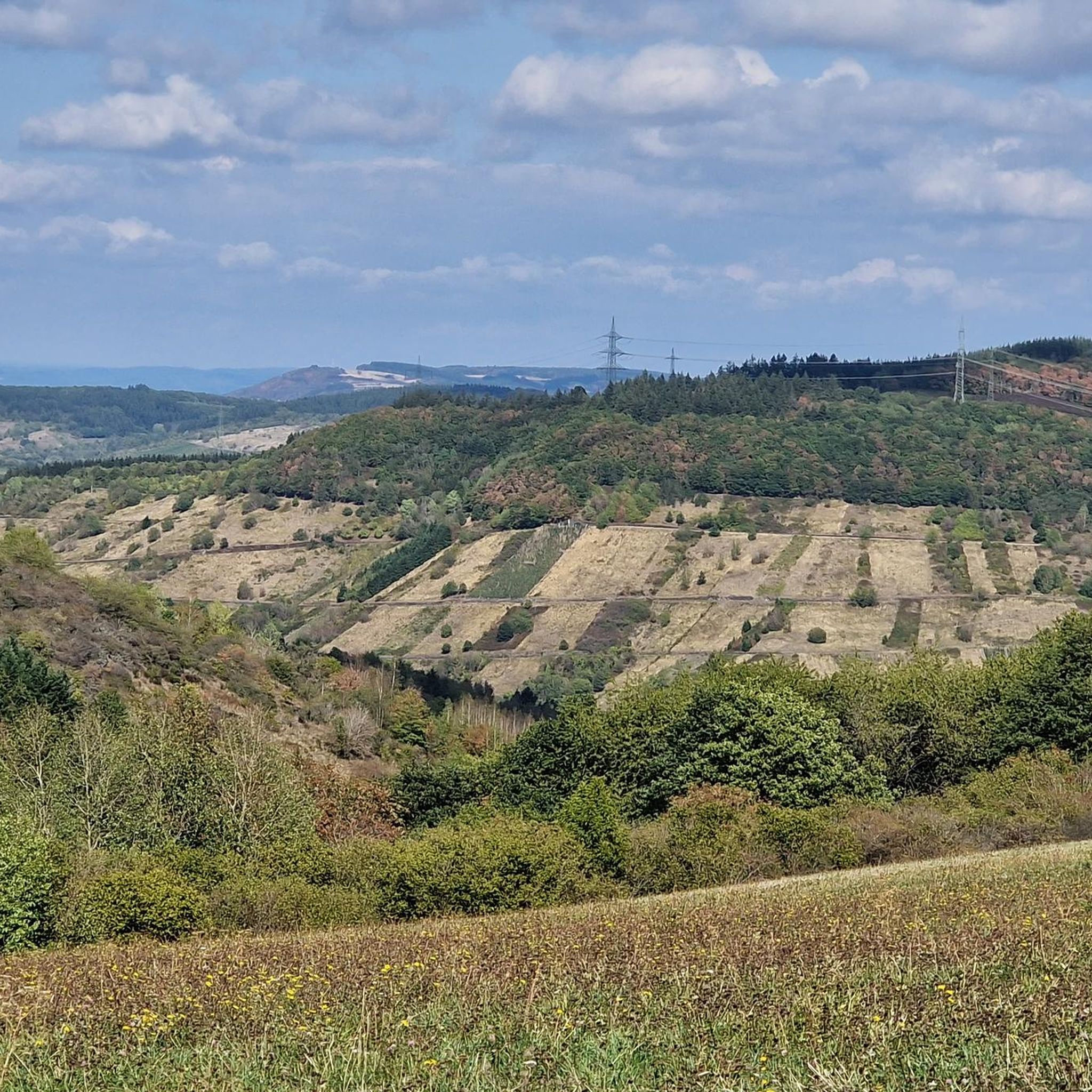
From a topological point of view, the Thommen mining area is very homogeneous, since the mining areas did not develop depending on the epoch, but the mining centers remained topologically the same over the entire funding period. The origins of Thommen slate mining can be found in the area of the Sattelberg. At least since the end of the 17th century, two main mining areas were important for Thommen slate mining. On the one hand the districts "Heckenberg" and "Hesselnbüsch" bordering on the district "Sattelberg" and the adjacent district "An der Köpp", on the other hand the actual "Thomerberg" with the adjacent district "Brasilienberg". Until the commercial restructuring of mining in 1863, these areas remained the main extraction areas. After 1863, Thommen slate mining concentrated almost exclusively on the "Thomerberg" and the adjoining "Brasilienberg" with the various large mines. Little changed in this constellation until shortly before the First World War. The most productive pits by far, such as the pits "Mertesnaf I", "Mertesnaf II", "Neue Mertesnaf", "Mertesnafergraben" and "Alte Graebenkaul" were located on the natural border between Thommerberg and Brazil Mountain, the so-called "Mertesnafgraben". .
4
0
From a topological point of view, the Thommen mining area is very homogeneous, since the mining areas did not develop depending on the epoch, but the mining centers remained topologically the same over the entire funding period. The origins of Thommen slate mining can be found in the area of the Sattelberg. At least since the end of the 17th century, two main mining areas were important for Thommen slate mining. On the one hand the districts "Heckenberg" and "Hesselnbüsch" bordering on the district "Sattelberg" and the adjacent district "An der Köpp", on the other hand the actual "Thomerberg" with the adjacent district "Brasilienberg". Until the commercial restructuring of mining in 1863, these areas remained the main mining areas. After 1863, Thommen slate mining concentrated almost exclusively on the "Thomerberg" and the adjoining "Brasilienberg" with the various large mines. Little changed in this constellation until shortly before the First World War. The most productive pits by far, such as the pits "Mertesnaf I", "Mertesnaf II", "Neue Mertesnaf", "Mertesnafergraben" and "Alte Graebenkaul" were located on the natural border between Thommerberg and Brazil Mountain, the so-called "Mertesnafgraben". .
4
0
The historical roofing slate mine Barbara-Hoffnung in the Nossern valley between Fell and Thomm consists of two typical roofing slate pits (mines) from the turn of the century, one on top of the other, which are connected by a 100 m long stairwell.
1
0

The entrance to the gallery is accessible
1
0
Frequently Asked Questions
How can I learn about the history of slate mining in Bergwerk Fell?
The Besucherbergwerk Fell (Fell Visitor Mine), which includes the Barbara Pit and Grube Hoffnung, offers a deep dive into the region's slate mining history. Inside the mines, life-sized figures depict the daily life and work of the "Leyenbrecher" (slate breakers). An information center and mining museum at the entrance further enrich the educational experience, covering the history of slate mining, slate formation, and local bat species. You can also explore the Barbara-Hoffnung Slate Mine in Thomm, which showcases turn-of-the-century mining techniques.
Are the mines in Bergwerk Fell suitable for families with children?
Yes, the mines are family-friendly. The Grube Barbara Mine is highlighted as an experience for all ages. Beyond the underground tour, the "Lehrpfad Schieferbergbau" (Slate Mining Trail) offers a "mine hunt" for children, making the visit engaging for younger explorers.
What is the temperature like inside the mines, and what should I wear?
The underground tour maintains a constant temperature of 12 to 13 degrees Celsius (53-55°F) year-round. It is advisable to bring a jacket or warm clothing, even during warmer months, to ensure comfort during your visit.
What unique features can I see inside the Bergwerk Fell mines?
Visitors can explore "the Dome," the highest chamber in the mine system, which also houses an exhibition of historic mining lorries. You'll marvel at long tunnels and passages, underground waste heaps ("Prass"), imposing "Bergmauern" (mountain walls), and powerful slate deposits. The Margaretha Tunnel in Brasilienberg, Thomm, is also known for its refreshing cool breeze, especially in summer.
Are the mines in Bergwerk Fell accessible for everyone?
The site itself is generally accessible, with parking available and a paved, signposted path to the information center and mine entrance, suitable for strollers. However, the mine interior is not wheelchair accessible due to the nature of the underground passages and stairwells.
Are there guided tours available at the Bergwerk Fell mines?
Yes, guided tours are available and typically last about an hour. These tours explain the techniques of slate mining and the processing of slate into roofing tiles, providing valuable insights into the historical operations.
What outdoor activities can I do near the caves in Bergwerk Fell?
The region around Bergwerk Fell offers various outdoor activities. You can find numerous hiking trails, such as the "Lehrpfad Schieferbergbau" (Slate Mining Trail) which passes by old mine entrances. There are also many road cycling routes and cycling tours available in the area, allowing you to explore the scenic surroundings.
Is parking available at the Bergwerk Fell visitor mine?
Yes, parking is available at the Besucherbergwerk Fell. There is a paved, signposted path from the parking area to the information center and mine entrance.
What is the significance of the Barbara Pit and Grube Hoffnung?
The Barbara Pit and Grube Hoffnung (Hope Pit) are two interconnected former slate mines that form the Besucherbergwerk Fell. The Grube Hoffnung is located 25 meters higher than the Barbara Pit, and they are connected by a 100-meter-long staircase shaft. The Barbara Pit is named after Saint Barbara, the patron saint of miners, highlighting the historical and cultural importance of these sites.
Are there other historical mining sites to explore in the area besides the main visitor mine?
Yes, the region is rich in mining history. You can find other historical sites like the Mertesnaf Mine and the Friedrichstollen Thomm, which are part of the extensive Thommen mining area. These sites offer further glimpses into the region's industrial past.
What kind of geological features can be observed in the Bergwerk Fell mines?
While primarily man-made, the mines showcase impressive slate deposits and the powerful "Bergmauern" (mountain walls) formed by the slate. The underground landscape reveals the geological structure of the region, demonstrating how slate was extracted from these natural formations.
Most popular routes in Bergwerk Fell
Most popular attractions in Bergwerk Fell

Get inspired with the komoot mobile app


Explore more
Extend your search for the best caves by checking out these guides of the top ones in Bergwerk Fell:
