Top 5 Caves around Bovec
Best caves around Bovec are found within a dramatic karst landscape, characterized by unique geological formations and intricate passages. This region in Slovenia offers a range of subterranean experiences. Visitors can explore various cave systems, from those with historical significance to deep, complex networks. The area's geology provides opportunities to discover ancient fossils and diverse underground environments.
Best caves around Bovec
- The most popular caves is Source of the Soča (Isonzo) River, a natural monument that involves a challenging path to reach. The effort to navigate the cable-insured section to the source is considered worthwhile by visitors.
- Another must-see spot is Passage Trench (Trincea di Passaggio), a historical site with a cave system. This dark ditch and cave system is noted as absolutely worth seeing, with a flashlight recommended for exploration.
- Visitors also love Cave near Fort Kluže, a small cave located right next to the Flitscher Klause fortress. A flashlight or headlamp is recommended for exploring this cave.
- Bovec is known for its natural caves, historical cave systems, and deep subterranean networks. The region offers a variety of caves to see and explore, from accessible natural monuments to complex systems for experienced cavers.
- The caves around Bovec are appreciated by the komoot community, with more than 740 upvotes and over 510 photos shared across 7 highlights.
Last updated: October 7, 2026
Source of the Soča (Isonzo) River
Highlight • River
Translated by Google •
Tip by

Cave near Fort Kluže
Highlight • Cave
Translated by Google •
Tip by

Sign up now to discover places like this
Get recommendations on the best single tracks, peaks, & plenty of other exciting outdoor places.
Passage Trench (Trincea di Passaggio)
Highlight • Historical Site
Translated by Google •
Tip by

World War I Fortifications in Triglav National Park
Highlight • Historical Site
Translated by Google •
Tip by

Kaiser Franz Josef I Auxiliary Tunnel
Highlight • Historical Site
Translated by Google •
Tip by

Officers' Cavern Open-Air Museum
Highlight • Historical Site
This open-air museum was maintained, so you get a glimpse of the bad war of yore.
A History Tour 1914-1918.
Translated by Google •
Tip by
Karst Cave with Water Pool
Highlight • Cave
Translated by Google •
Tip by

Start today with a free account
Your next adventure awaits.
Popular around Bovec
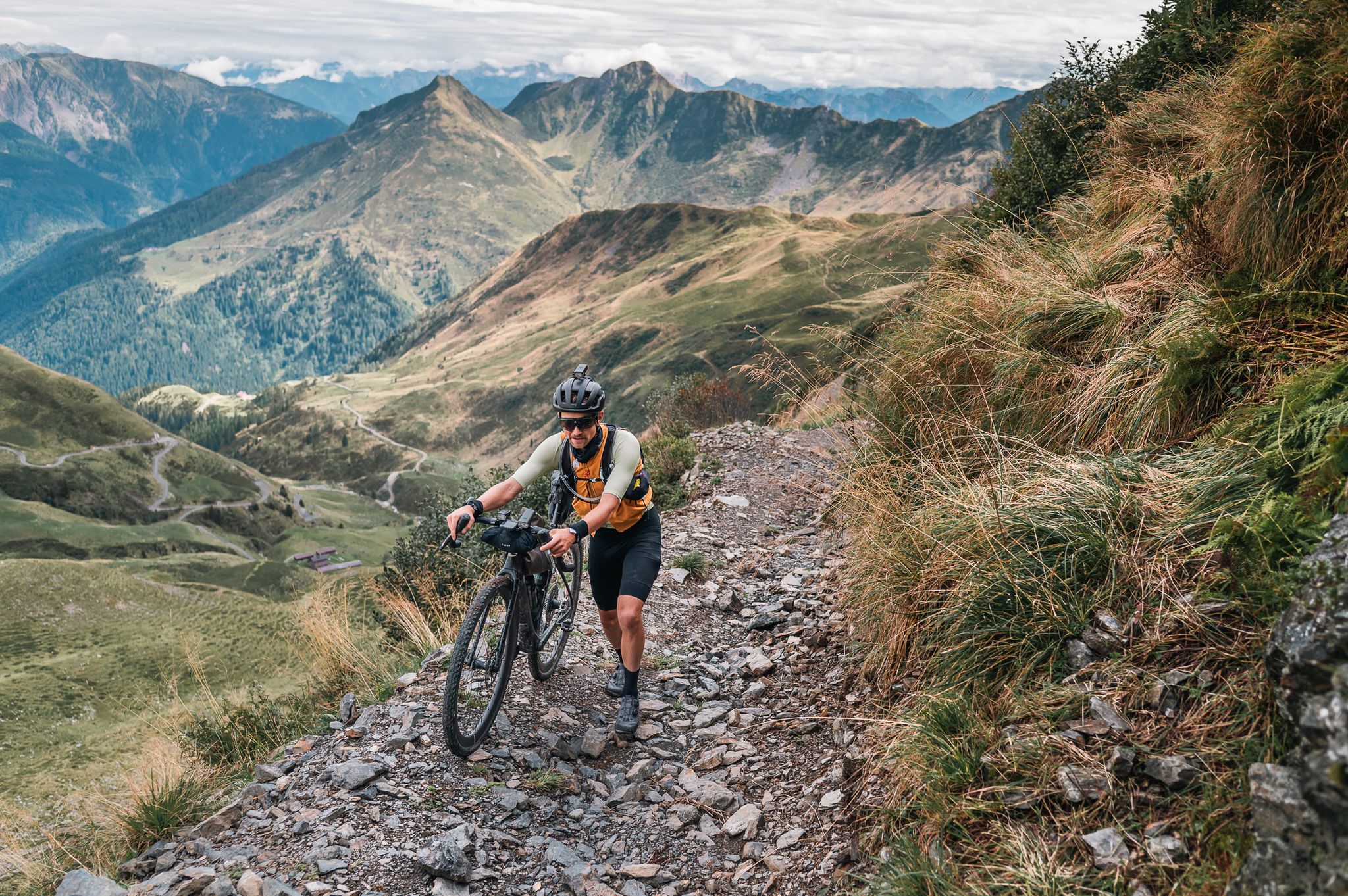
Sneak Peaks ADVENTURE 🥇
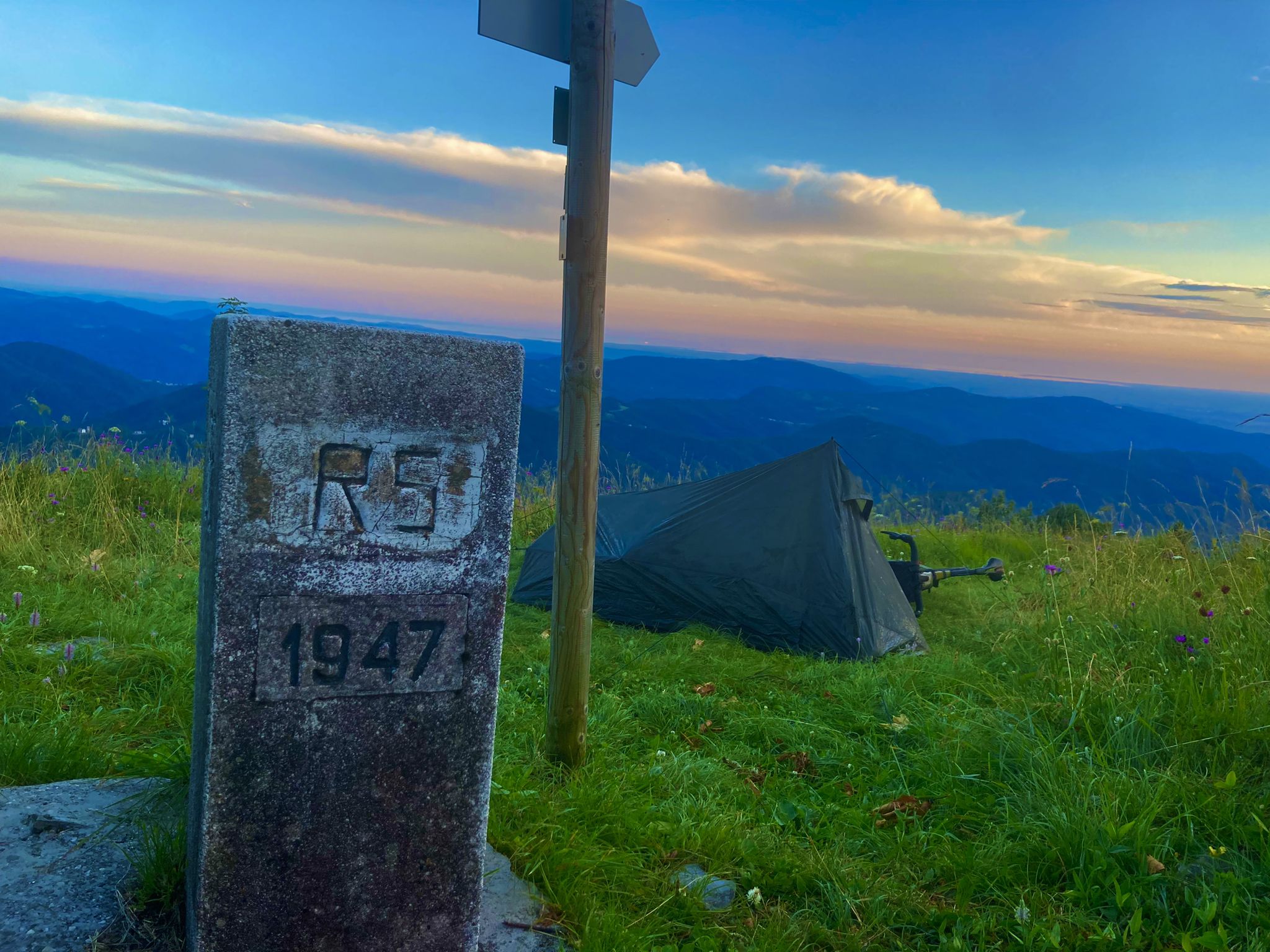
From Bavaria to the Adriatic - My Bikepacking Adventure to Croatia 2023
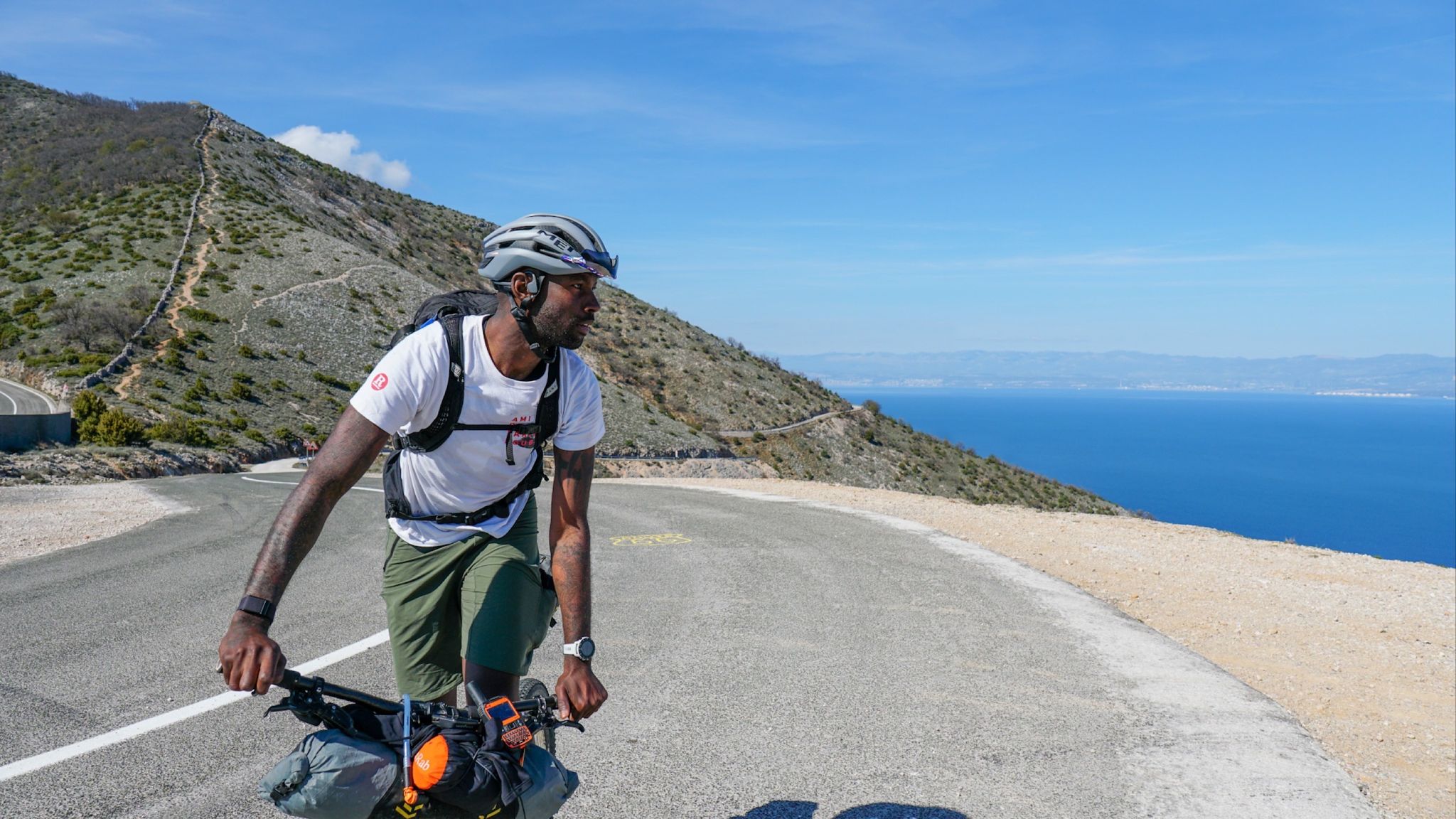
Slovenian mountains to island hopping around the Adriatic Crest
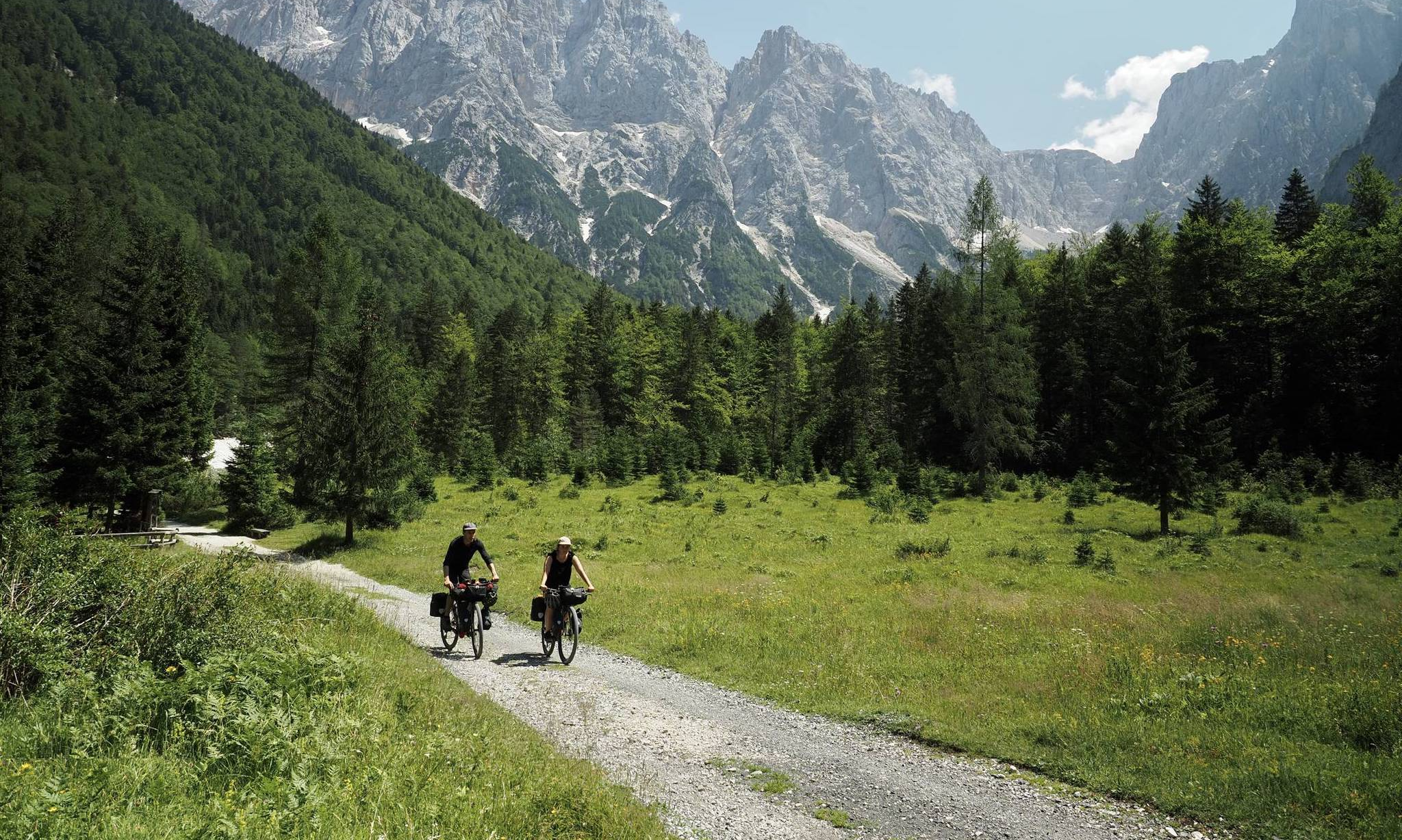
Slovenia West Loop (Soča Variation) – Bikepacking
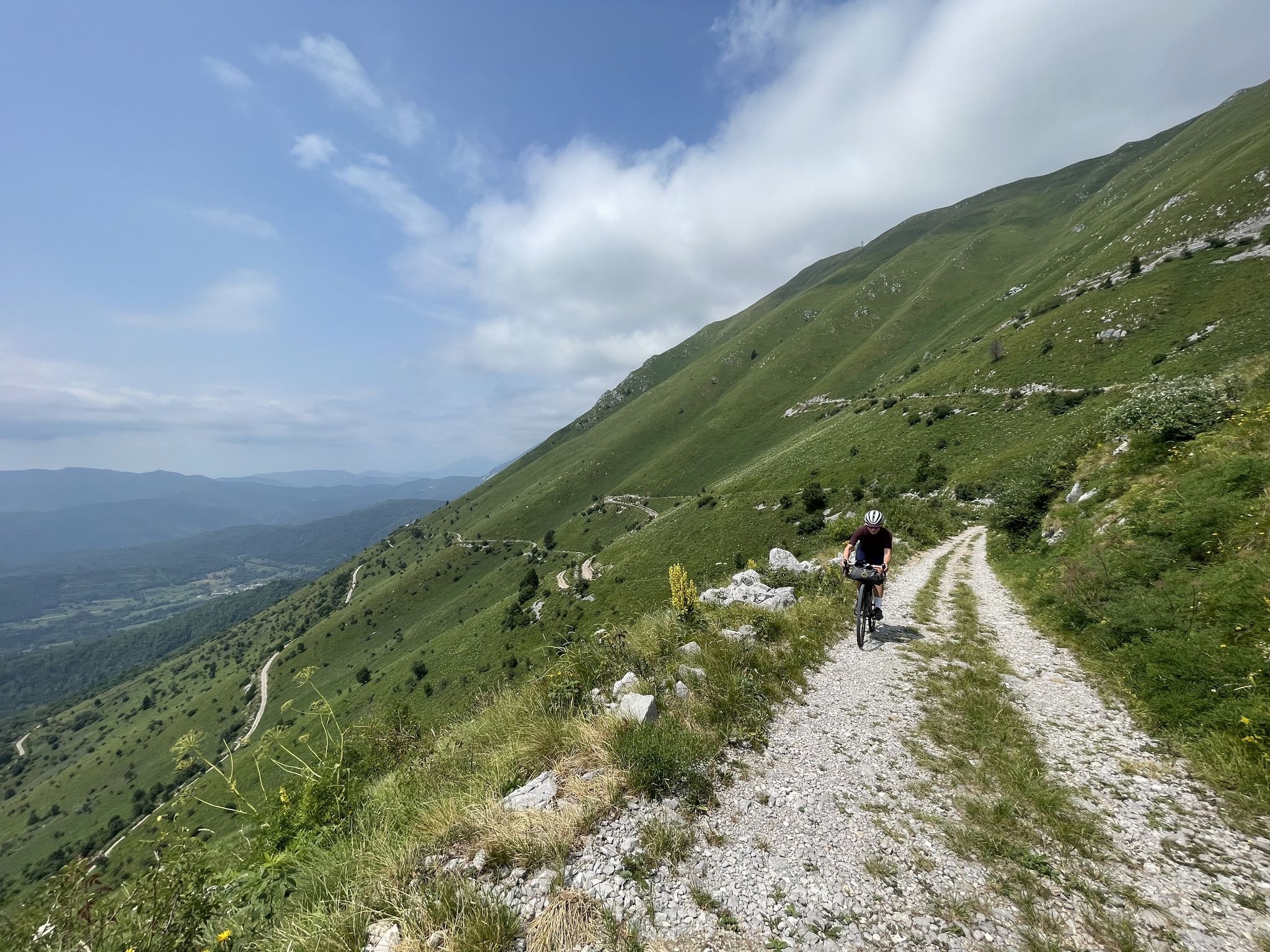
The West Loop — Bikepacking Slovenia in five days
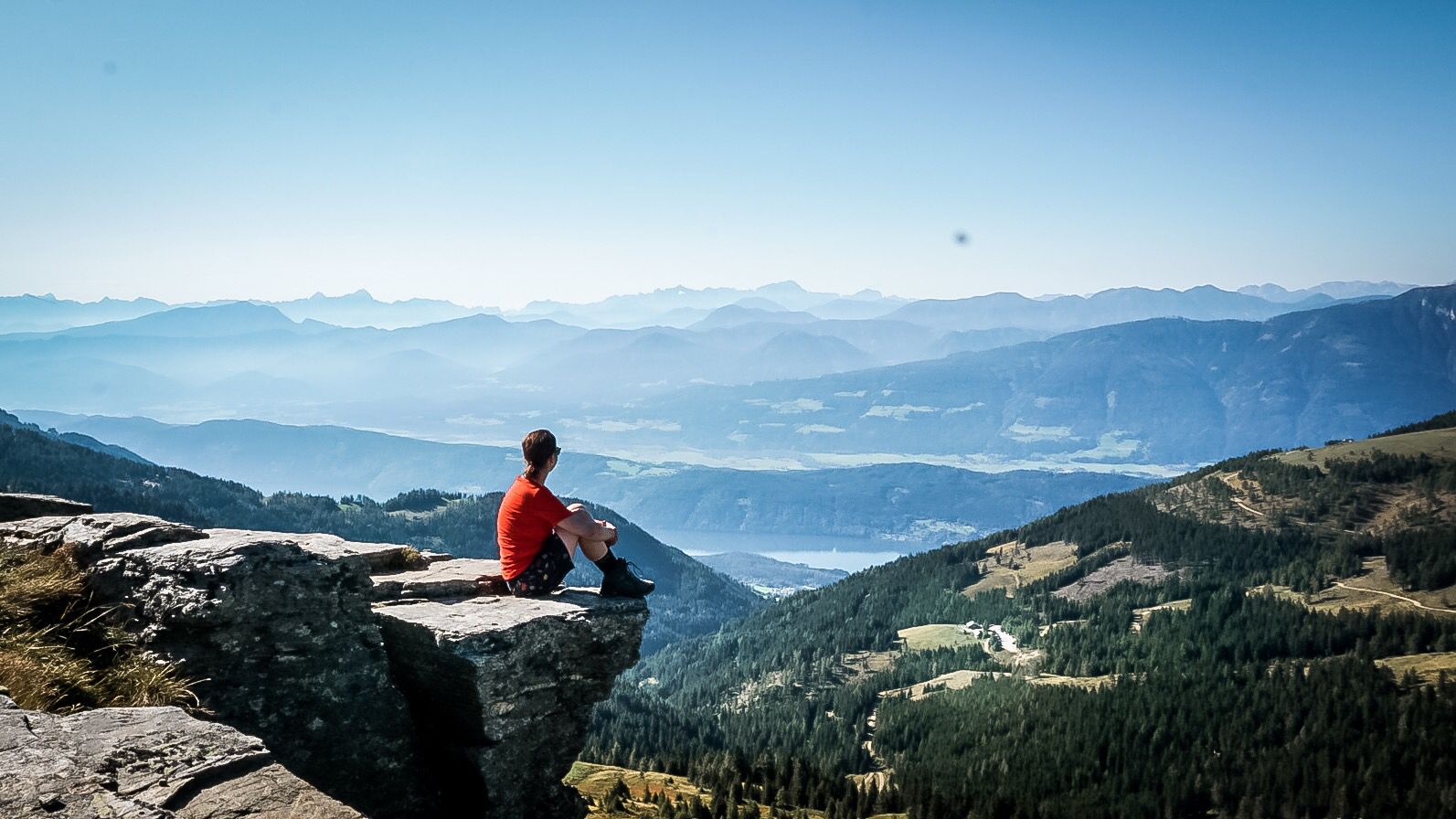
Alpe-Adria-Trail: My long-distance hike from the glacier to the sea
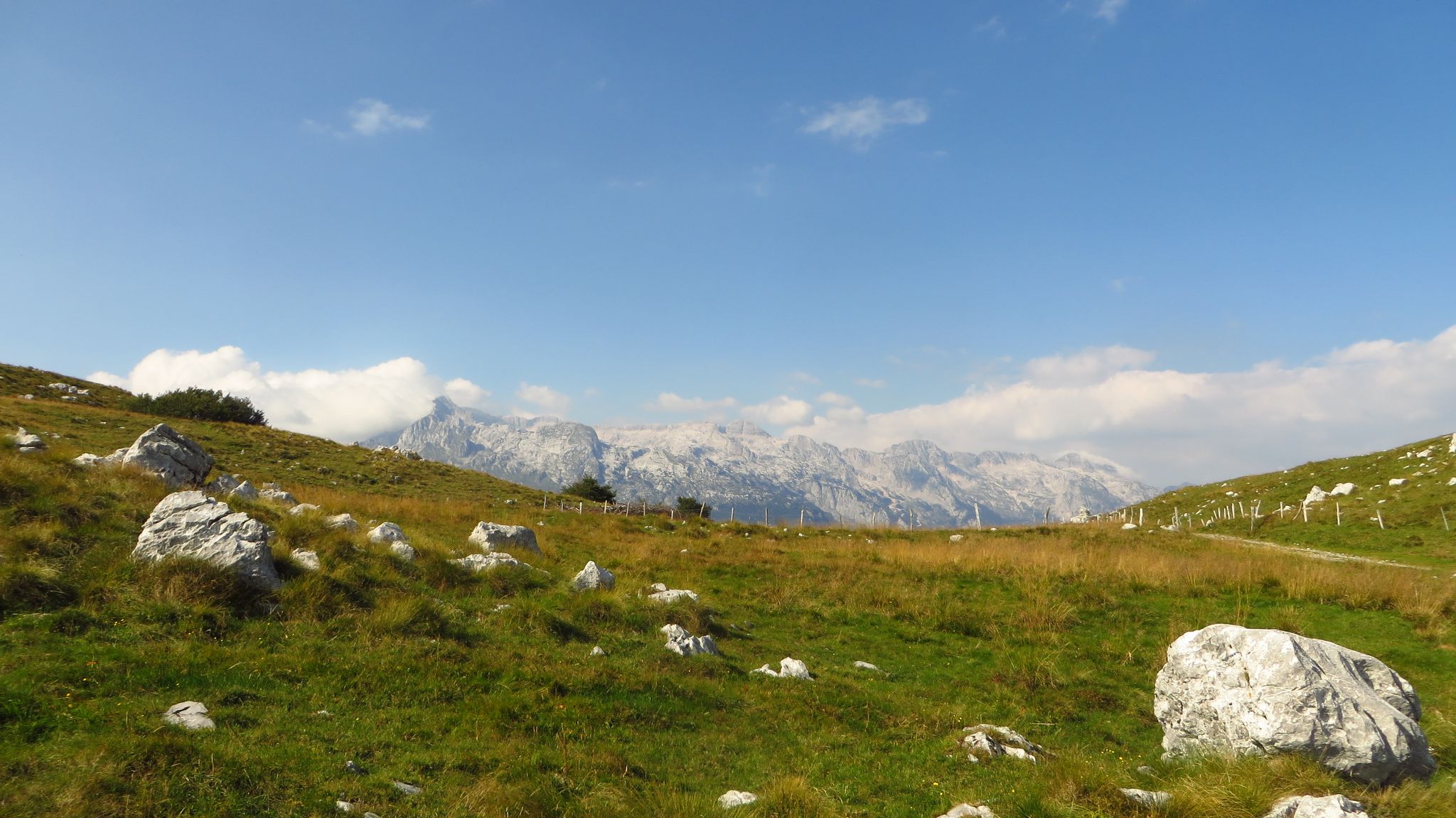
Alpe Adria – MTB Transalp through Slovenia to the Mediterranean Sea
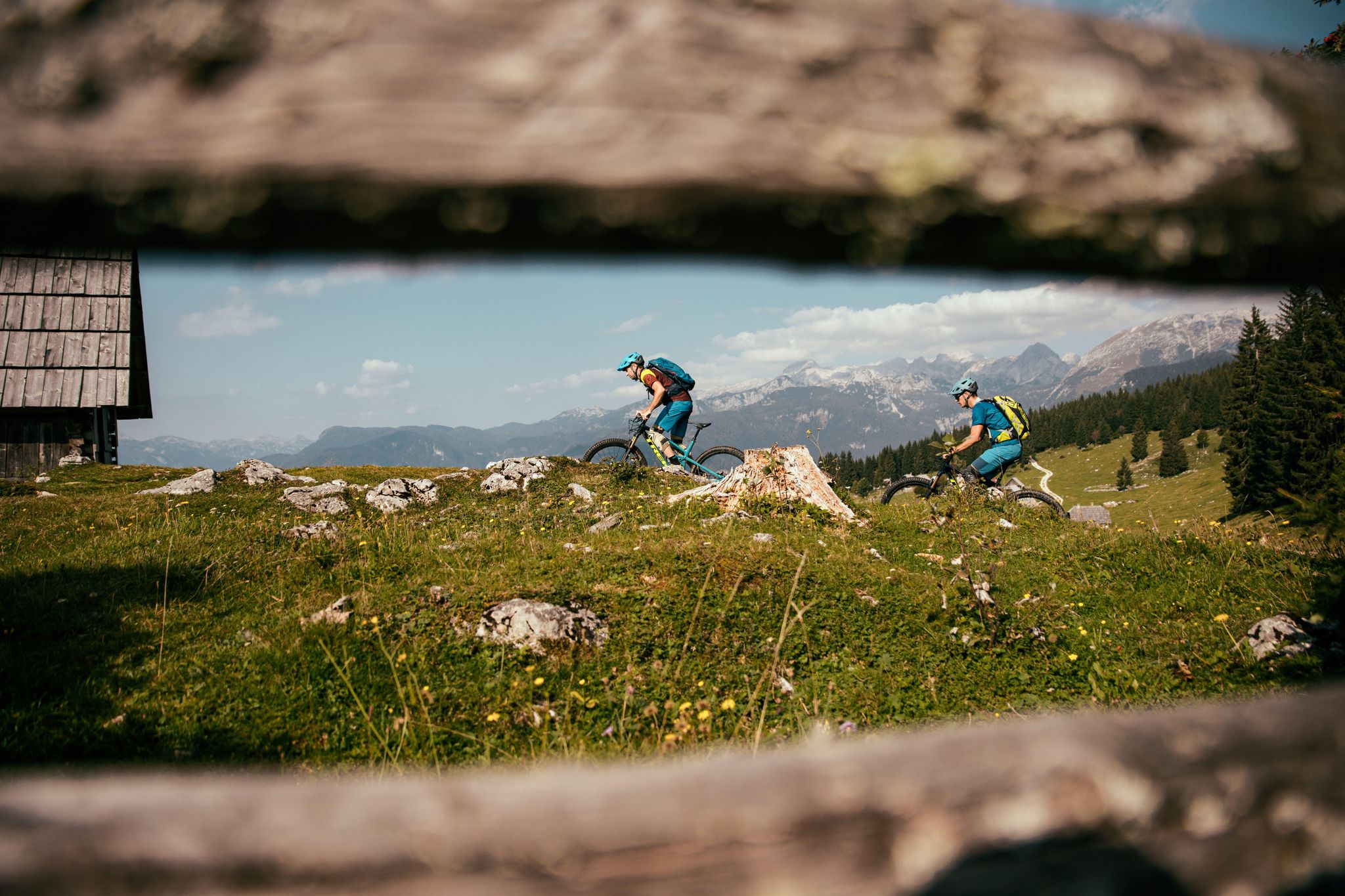
A 1,800 km MTB adventure – the Slovenian mountainbike route (STKP)
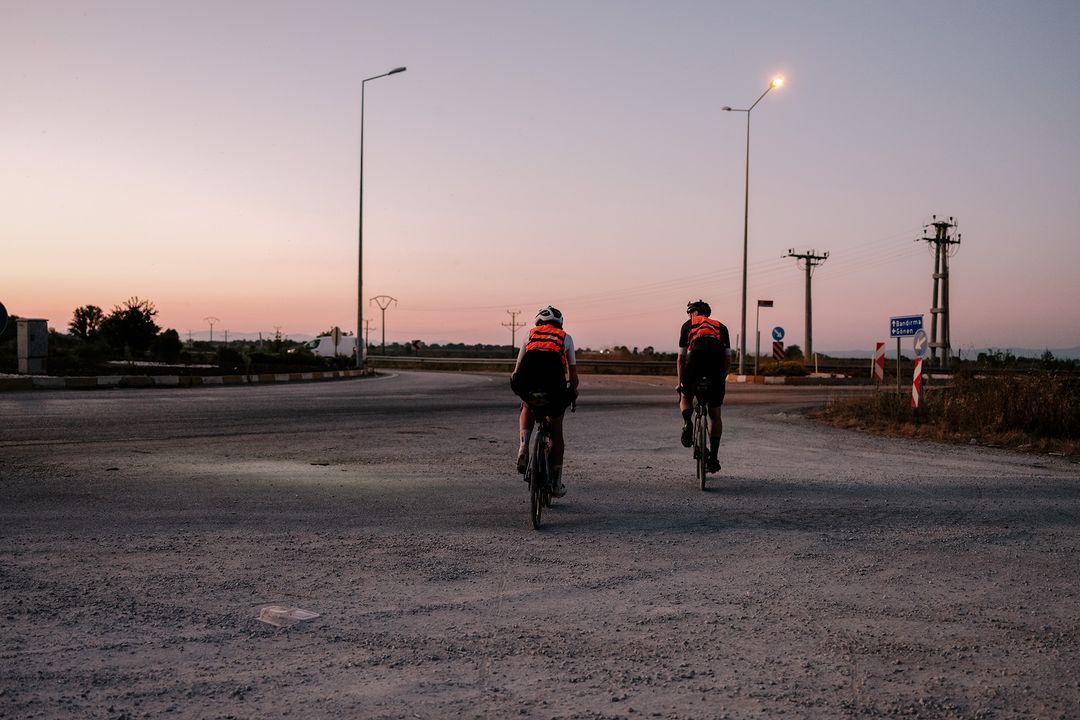
Transcontinental Race No10: crossing Europe from France to Turkey
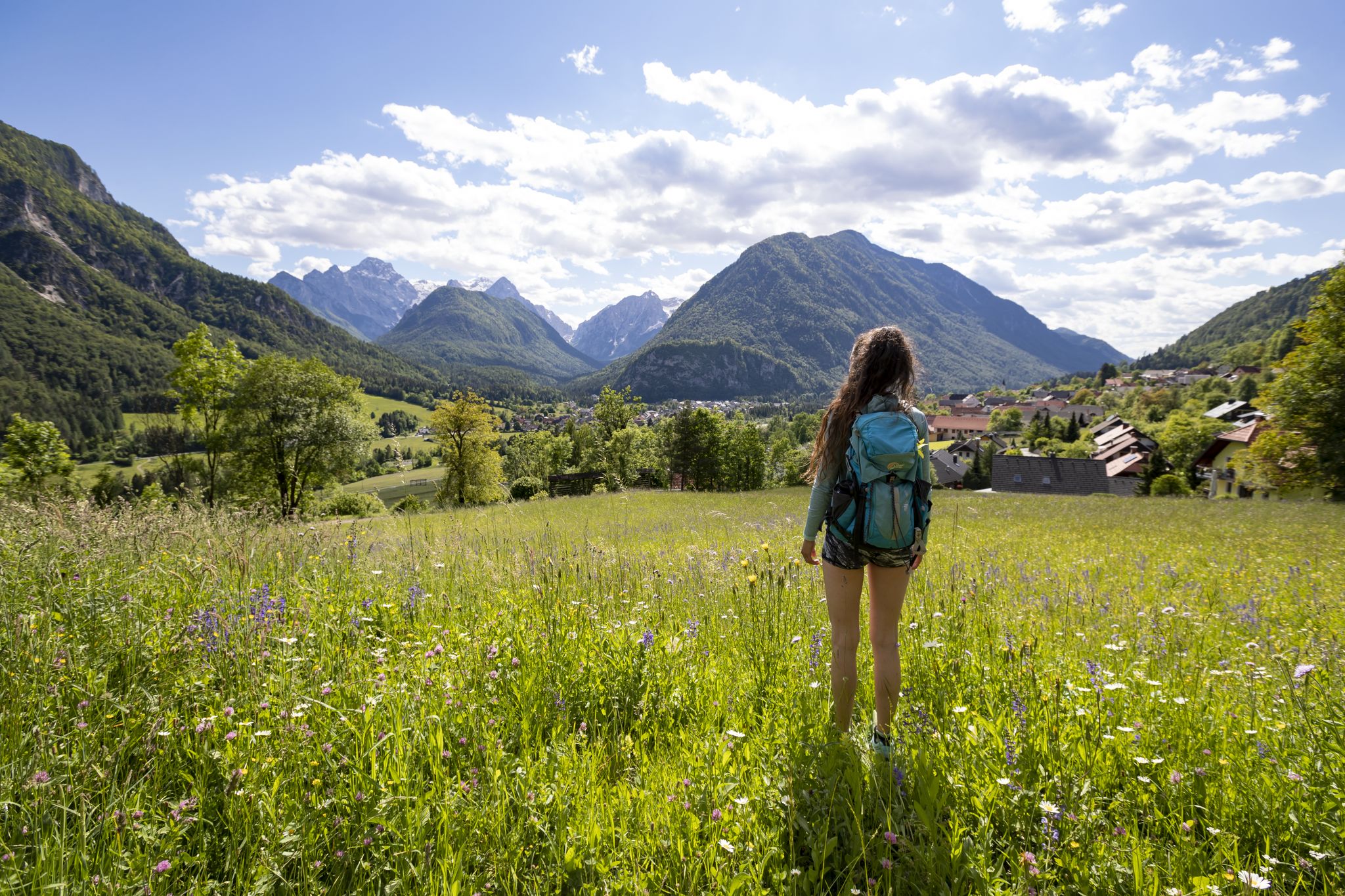
Uniquely secluded - long-distance hiking on Slovenia's Juliana Trail
Other adventures around Bovec


Tips from the Community

...from the karst cave. The cave is located about 5 meters from the trail and is slightly overgrown. Inside is a small cavity, with water dripping from the rock, forming a puddle.
1
0

Small cave at the beginning of the climb to Fort Hermann. But I didn't find anything special.
5
0

Important: Headlamp and shoes with good soles for loose ground
1
0

This tunnel, originally designed as a mining tunnel, was used to transport tens of thousands of tons of material and hundreds of thousands of soldiers during the First World War. There is a boundary stone in the middle of the tunnel.
0
0

Cave right next to the Flitscher Klause fortress.
2
0

My God, a dream, definitely go there and enjoy. What a view from the source 🙏🏻 But the way there should not be underestimated
3
0

A flashlight should be included. The ditch and cave system is very dark but absolutely worth seeing
1
0

Sturdy shoes are important! A great view!
4
0
Frequently Asked Questions
Which caves in the Bovec region offer guided tours for visitors?
For those seeking a guided experience, Srnica Cave provides guided tours that combine exploration with physical activity, including a 20-meter rappel on exit. A section of the extensive Mala Boka Cave System is also accessible through guided caving tours organized by local sports companies, offering a unique opportunity to explore this significant underground world.
Are there any historical caves or sites with underground elements in the Bovec area?
Yes, the Bovec region has several historical sites with cave features. You can explore Passage Trench (Trincea di Passaggio), a dark ditch and cave system from World War I. Another option is Kaiser Franz Josef I Auxiliary Tunnel, originally a mining tunnel used for transport during the First World War. Additionally, World War I Fortifications in Triglav National Park also feature caves and walls from that period. Zadlaška Jama, also known as Dante's Cave, is another historical site near the village of Zadlaz, famously associated with the poet Dante Alighieri.
What kind of geological formations can be found in the caves around Bovec?
The caves in the Bovec region, part of a dramatic karst landscape, are known for unique geological formations. For instance, Srnica Cave features mighty stalagmites, stalactites, and pillars, along with fossilized heart-shaped mussels. The region's subterranean worlds often reveal ancient fossils and intricate passages, showcasing the area's geological history.
Are there any caves suitable for families or beginners in the Bovec region?
While many caves in Bovec require a good level of fitness or experience, some options are more accessible. Cave near Fort Kluže is a small cave right next to the fortress, which can be explored with a flashlight. For guided experiences, Srnica Cave tours are suitable for those with basic physical fitness and an adventurous spirit, though not recommended for individuals with severe claustrophobia or pregnant women.
What should I wear or bring when visiting caves in Bovec?
When exploring caves in Bovec, it's highly recommended to bring a flashlight or headlamp, as many areas are dark. For example, a flashlight is essential for Passage Trench (Trincea di Passaggio) and Cave near Fort Kluže. For more adventurous caving tours, appropriate footwear and clothing suitable for cool, damp conditions are necessary, as the average temperature inside some caves like Mala Boka is around 8°C.
What outdoor activities can I combine with a visit to the Bovec caves?
The Bovec region offers numerous outdoor activities that can be combined with cave exploration. You can find various hiking routes, including challenging waterfall hikes like those around Boka Waterfall. For cycling enthusiasts, there are extensive road cycling routes around Bovec, including loops over Vršič Pass or to Lake Predil. Gravel biking is also popular, with routes through the Soča Gorge. You can find more details on these activities in the waterfall hikes around Bovec, road cycling routes around Bovec, and gravel biking around Bovec guides.
Are there any very deep or challenging cave systems in the Bovec area for experienced cavers?
Yes, the Bovec region is home to some of the world's deepest and most challenging cave systems. Čehi 2, located on Rombonski podi, is the deepest cave in Slovenia and among the top 10 globally, with an estimated depth of 1502 meters. The Mala Boka Cave System is also one of the deepest in the world, measuring 1319 meters deep and over 8 kilometers long. The MIG System is the longest researched cave system in Slovenia. These complex systems are primarily recommended for very experienced and well-equipped cavers.
What do visitors particularly enjoy about the caves and surrounding area in Bovec?
Visitors frequently praise the stunning natural beauty and the adventurous spirit of the Bovec caves. For example, the Source of the Soča (Isonzo) River is highly regarded for its challenging path and the fantastic clarity of its water, with many finding the effort worthwhile. The historical cave systems, like the Passage Trench, are noted as 'absolutely worth seeing' for their unique atmosphere.
Is there a cave related to the poet Dante Alighieri in the Bovec region?
Yes, Zadlaška Jama, also known as Dante's Cave, is located near the village of Zadlaz. This cave complex is famously associated with the poet Dante Alighieri, who is said to have visited it in the early 14th century, inspiring elements of his 'Inferno.' Its historical connection and interesting geological formations make it a compelling site for those interested in both nature and cultural heritage.
What is the best time to visit the caves in Bovec?
The best time to visit caves in Bovec can depend on the specific cave and your activity. Some caves, like Srnica Cave, can fill with water during prolonged or heavy rainfall, forming a temporary waterfall at its upper entrance, which might affect accessibility or experience. Generally, the warmer, drier months offer more stable conditions for exploration, though the internal cave temperatures remain consistently cool year-round.
Are there any caves in Bovec that are part of World War I fortifications?
Yes, the Bovec region has several caves integrated into World War I fortifications. Besides Passage Trench (Trincea di Passaggio) and Kaiser Franz Josef I Auxiliary Tunnel, you can also find World War I Fortifications in Triglav National Park, which include caves and structures used by the Austrian army. Another example is the Officers' Cavern Open-Air Museum, which also features cave elements from that period.
Most popular routes around Bovec
Most popular attractions around Bovec

Get inspired with the komoot mobile app


Explore more
Extend your search for the best caves by checking out these guides of the top ones around Bovec:
