Top 5 Castles around Crato E Mártires
Best castles around Crato E Mártires are situated in a region with significant historical landmarks and a rich past. The area is characterized by its medieval fortresses and strategic locations, offering wide views over the Alentejo region. Crato E Mártires served as a historical center for the Order of Malta, with its main castle undergoing architectural transformations over centuries. The landscape combines historical sites with the charm of traditional Alentejo villages.
Best castles around Crato E Mártires
- The most popular…
Last updated: June 19, 2026
Alter do Chão Castle
Highlight • Castle
It is classified as a National Monument.
Translated by Google •
Tip by

Portalegre Castle
Highlight • Castle
Translated by Google •
Tip by

Sign up now to discover places like this
Get recommendations on the best single tracks, peaks, & plenty of other exciting outdoor places.
Sign up for free
Flor da Rosa Monastery
Highlight • Religious Site
Translated by Google •
Tip by

View of Castelo de Vide
Highlight (Segment) • Viewpoint
Translated by Google •
Tip by

View of Castelo de Vide
Highlight (Segment) • Viewpoint
Translated by Google •
Tip by

Start today with a free account
Your next adventure awaits.
Login or Signup
Tips from the Community

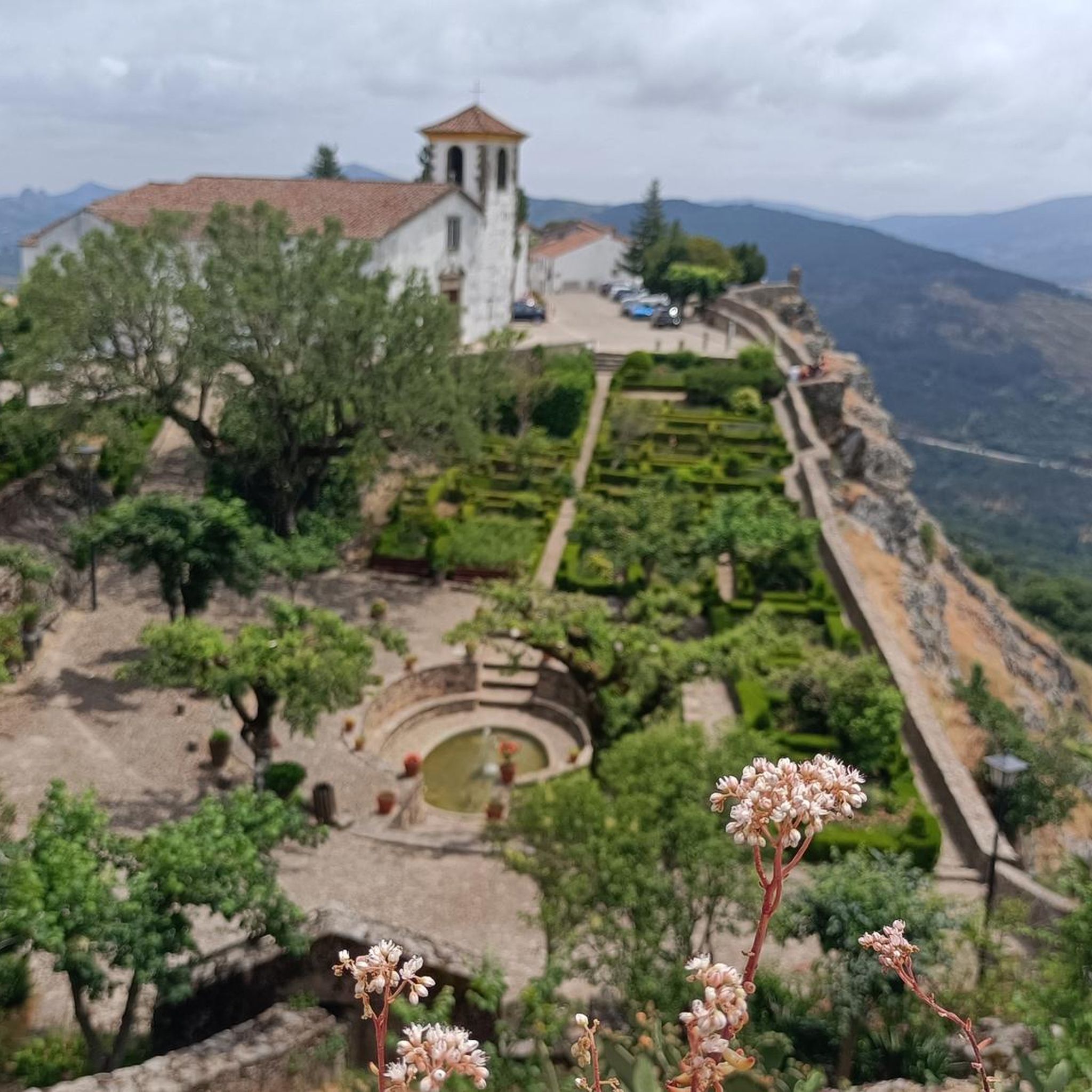
The castle was founded by King D. Dinis in 1290, with the aim of defending the Alentejo border. Originally, it had an imposing structure with a double ring of walls, twelve towers and eight gates. Over the centuries, it lost part of its structure to the growth of the city, but it remains a National Monument. The Keep is the best-preserved part of the original complex. Inside, there is a museum that you can visit.
1
0

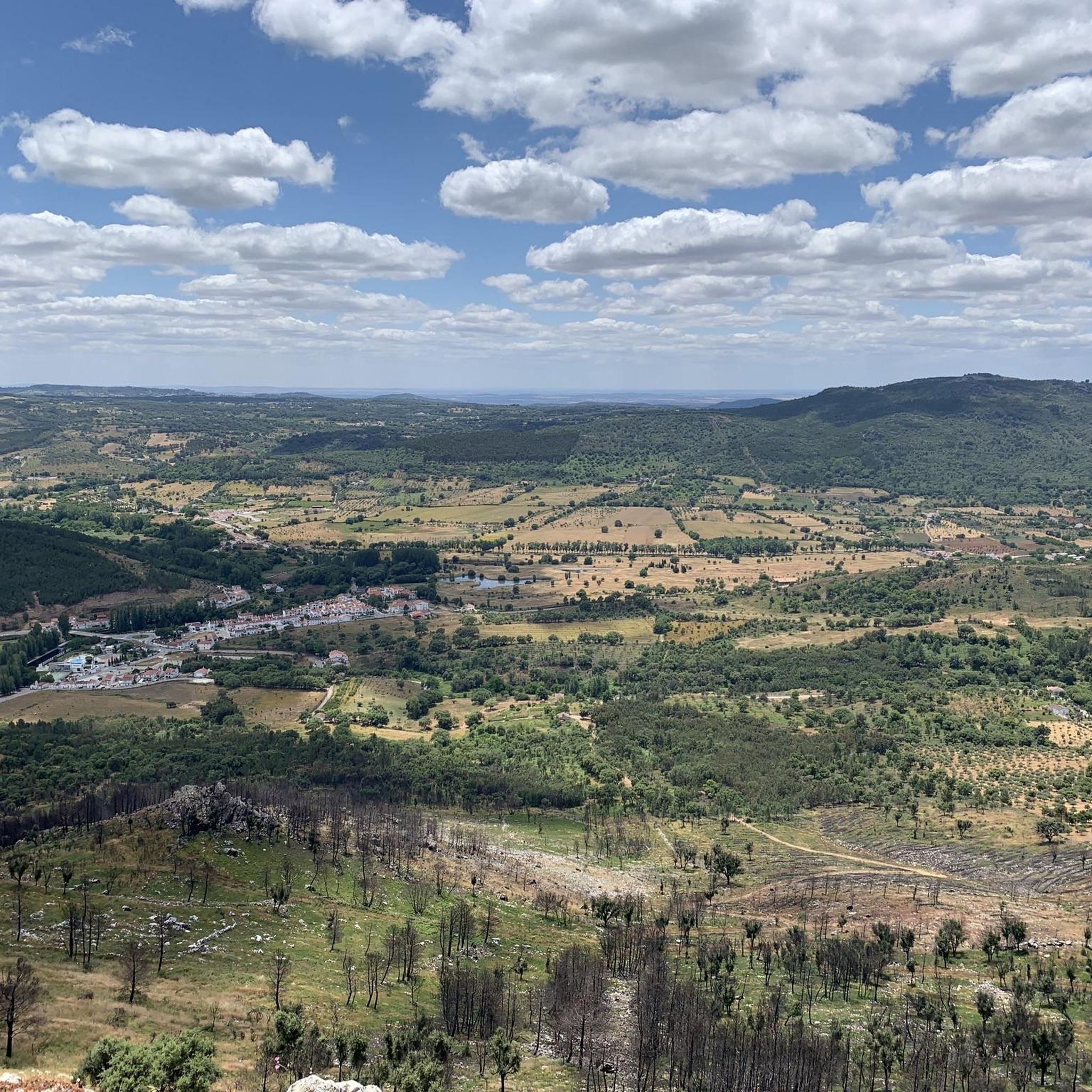
Castelo de Vide is a small village that rises on gentle green hills. The fortress stands out among the cluster of white houses to stand out in the surrounding landscape. From here you can enjoy a great view from the saddle of your bike.
1
0

Between walls and legends of tragic love, the fields around Flor da Rosa hold memories that can be felt at every step. The Monastery, founded in 1356 by D. Álvaro Pereira, stands out as one of the most unique examples of Portuguese Gothic: a fusion of fortress and temple, a living legacy of the Order of the Hospital.
2
0

The Castle of Alter do Chão, in Alentejo, is located in the parish of Alter do Chão, in the town and municipality of the same name, district of Portalegre, in Portugal. In the historic center of the town, this castle is representative of 16th century medieval architecture, when it cooperated with the neighboring Castle of Alter Pedroso in the defense of this region. Alter do Chão Castle has been classified as a National Monument since 1910.
6
0

Magnificent medieval castle which was reconquered from the Arabs during the reign of D. Afonso II. It is classified as a National Monument.
18
0

Short but hard asphalt climb. Ramps around 10%. During the climb there are unbeatable views of the town and it ends at a Roman road.
2
0
Great view of Castelo de Vide
0
0
Frequently Asked Questions
What is the historical significance of Crato Castle?
Crato Castle, also known as Azinheiro Castle, holds significant historical importance. Its construction began in the 13th century by the Order of the Hospitallers and later became the headquarters for the Sovereign Military Order of Malta in Portugal. It witnessed key events like royal weddings and underwent architectural transformations, including bastioned fortifications in the 17th century. Though partially in ruins, it's a site central to Portuguese history. You can learn more about its history on Wikipedia.
What unique architectural features does the Flor da Rosa Monastery offer?
The Flor da Rosa Monastery, founded in 1356 by D. Álvaro Pereira, is a unique example of Portuguese Gothic architecture. It stands out as a fusion of fortress and temple, reflecting the living legacy of the Order of the Hospital.
Are there other notable castles to visit in the broader Crato E Mártires region?
Yes, beyond Crato Castle, you can explore other significant historical sites. The Alter do Chão Castle is a magnificent medieval fortress classified as a National Monument, reconquered from the Arabs during the reign of D. Afonso II. Another is Portalegre Castle, founded in 1290 to defend the Alentejo border, where its Keep remains the best-preserved part of the original complex.
What kind of outdoor activities can I do near these castles?
The region around Crato E Mártires offers various outdoor activities. You can find numerous routes for hiking, mountain biking, and running. For instance, there are hiking trails like the 'Historical Route of Flor da Rosa' or easier loops around Flor da Rosa Monastery. If you prefer cycling, explore MTB trails such as the 'Gáfete Fountain – Flor da Rosa Monastery loop from Crato'.
Are there family-friendly options when visiting castles in Crato E Mártires?
Many castles in the region, including Alter do Chão Castle, are considered family-friendly. Exploring these historical sites offers an educational and engaging experience for all ages. The charming towns surrounding the castles, like Crato village, also provide pleasant environments for families to explore.
What are the best viewpoints near the castles in Crato E Mártires?
Crato Castle itself offers wide panoramic views over the Alentejo region from its elevated position. Additionally, there are excellent viewpoints like View of Castelo de Vide, which provides unbeatable vistas of the town and surrounding landscape, especially after a short climb.
What is the best time of year to visit the castles and explore the area?
The Alentejo region, where Crato E Mártires is located, generally experiences hot summers. Therefore, the best time to visit the castles and enjoy outdoor activities like hiking is typically during the spring (March to May) and autumn (September to November). During these seasons, the weather is milder and more pleasant for exploration.
Are there any archaeological sites or museums to complement a castle visit?
Yes, the area around Crato has a rich archaeological heritage. Beyond the castles, you can find traces of prehistoric peoples, including notable megalithic monuments like Anta da Tapada and Anta da Espadaneira. The Municipal Museum in Crato, housed in an 18th-century Baroque palace, also offers a display of prehistoric and Roman artifacts, providing deeper insight into the region's past.
What do visitors enjoy most about the castles around Crato E Mártires?
Visitors appreciate the deep historical immersion offered by these sites, exploring fortresses that were central to powerful military-religious orders and witnessed key moments in Portuguese history. The architectural evolution of structures like Crato Castle and the unique fusion of fortress and temple at Flor da Rosa Monastery are also highly valued. Many also enjoy the panoramic views and the charm of the surrounding traditional Alentejo villages.
Is public transport available to reach the castles in Crato E Mártires?
While specific public transport routes directly to every castle might be limited, the town of Crato serves as a central point. From there, local transport or taxis may be available to reach some of the nearby castles. For more remote sites, driving or cycling might be the most convenient options.
Are there cafes or pubs near the castles for refreshments?
The charming village of Crato, which hosts Crato Castle, has local cafes and establishments where you can find refreshments. Similarly, towns like Alter do Chão and Portalegre, home to their respective castles, offer various dining options and cafes for visitors.
Most popular attractions around Crato E Mártires

Get inspired with the komoot mobile app


Explore more
Looking for the best castles somewhere else? Discover other guides around Crato E Mártires:
