Top 5 Castles around Encarnação
Best castles around Encarnação offer a glimpse into Portugal's rich history and architectural heritage. While Encarnação itself may not host prominent castles, the surrounding region features several significant historical sites. These structures provide insights into past eras, from medieval fortifications to grand palaces. Visitors can explore these historical landmarks within a reasonable distance.
Best castles around Encarnação
- The most popular castles is Mafra National Palace, a historical site that is Portugal's largest monastery and was designed by a German…
Last updated: October 6, 2026
Mafra National Palace
Highlight • Historical Site
Translated by Google •
Tip by

Castelo de Torres Vedras
Highlight • Castle
Translated by Google •
Tip by

Sign up now to discover places like this
Get recommendations on the best single tracks, peaks, & plenty of other exciting outdoor places.
Fort of São Vicente
Highlight • Historical Site
Tip by

Fort of Passo
Highlight • Historical Site
Tip by

Start today with a free account
Your next adventure awaits.
Tips from the Community

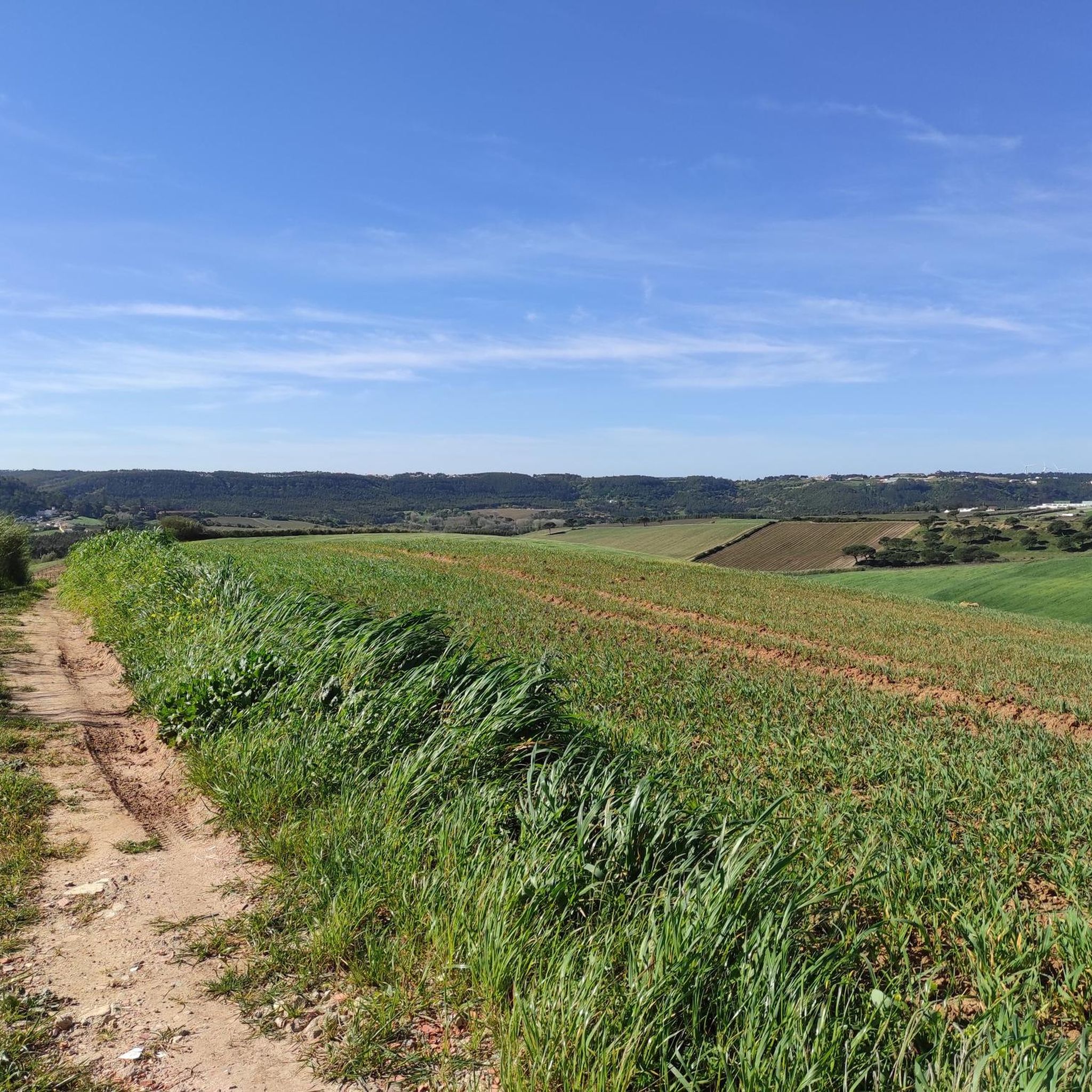
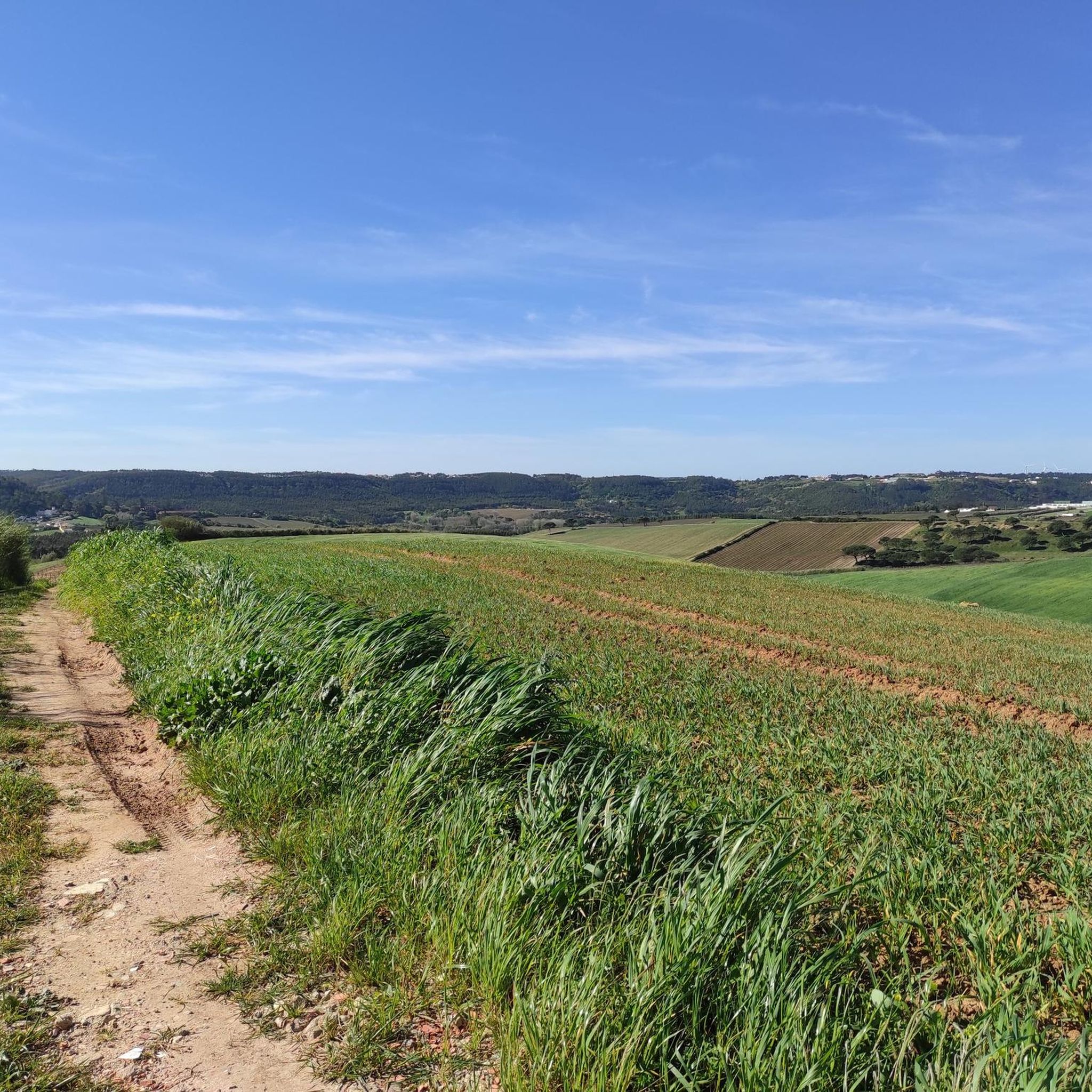
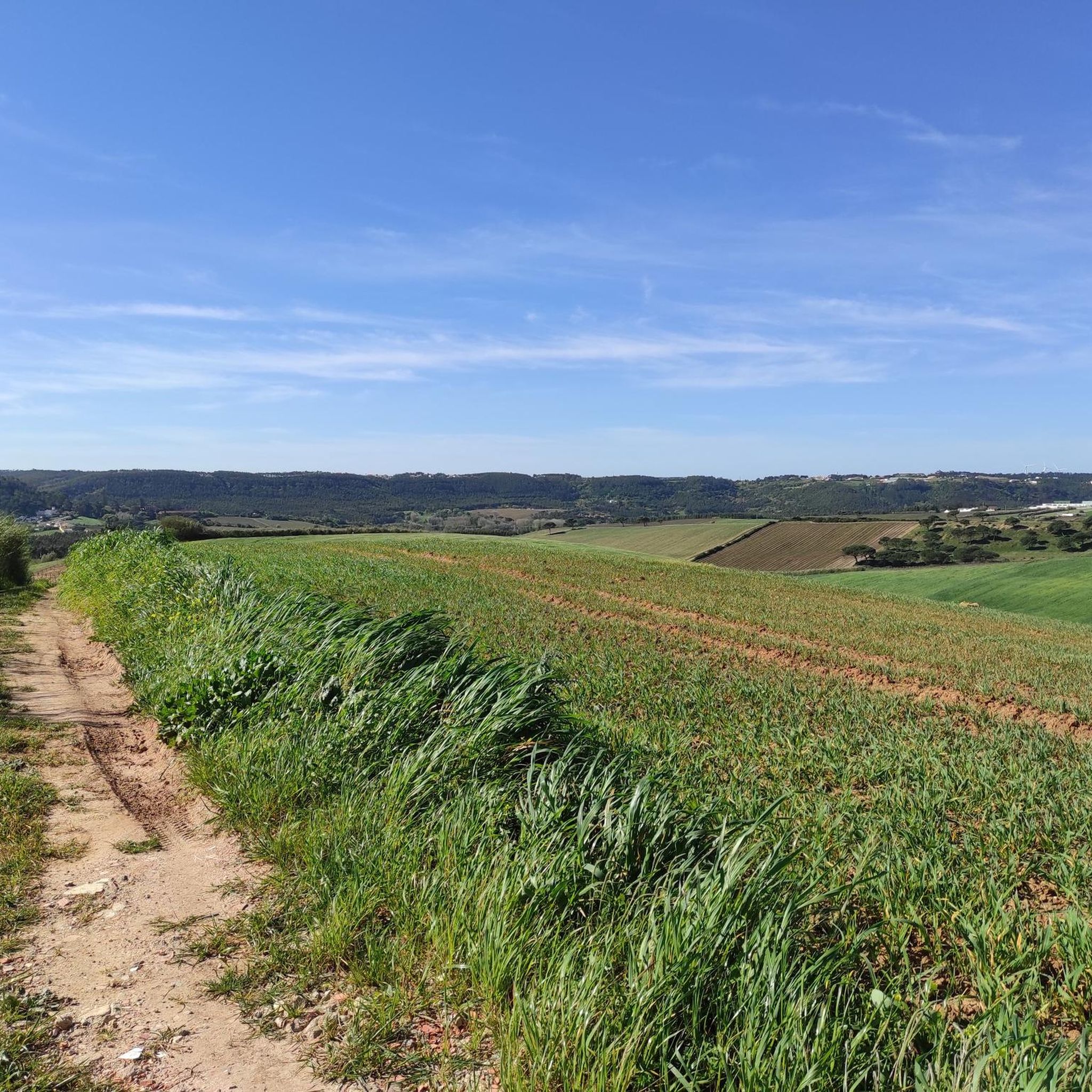
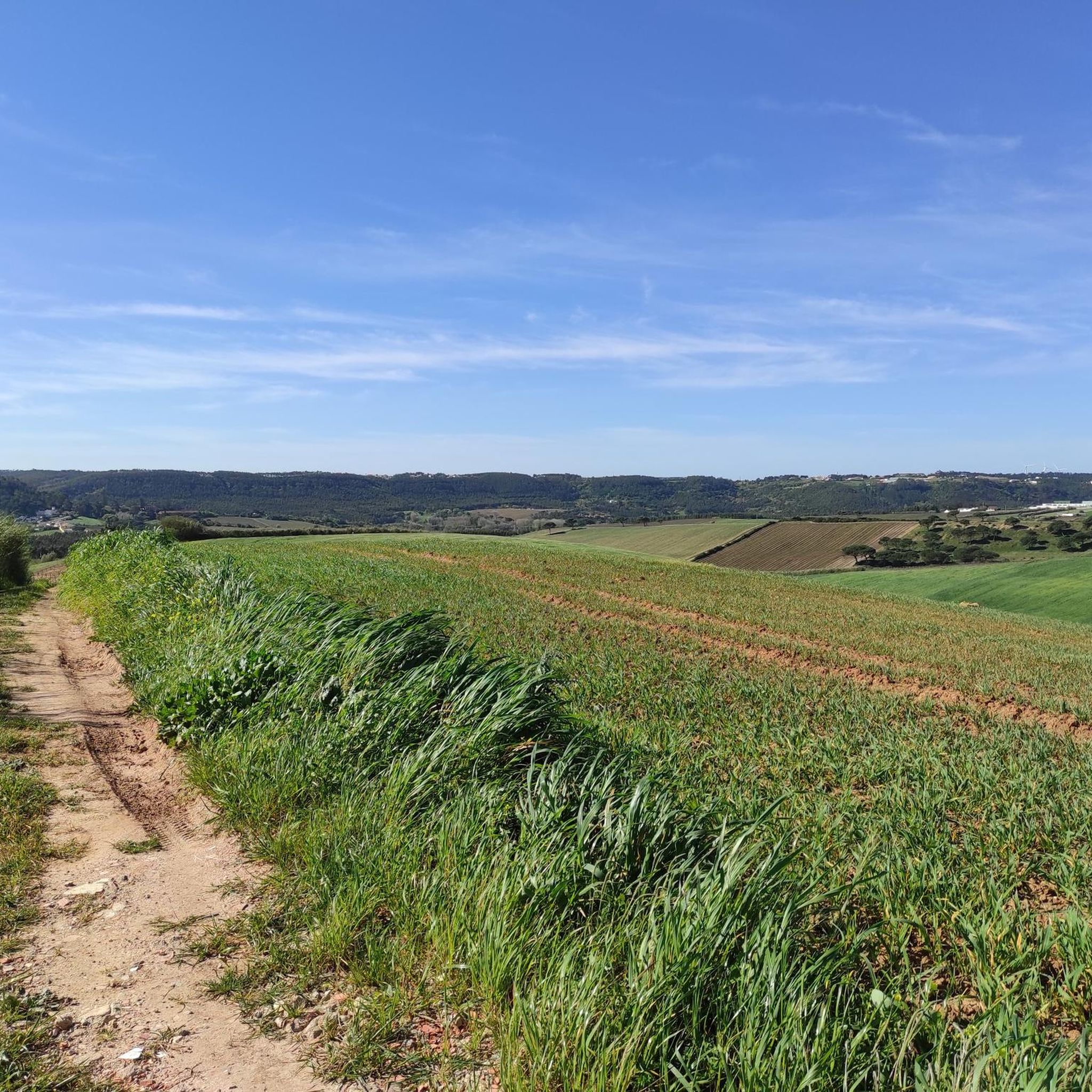
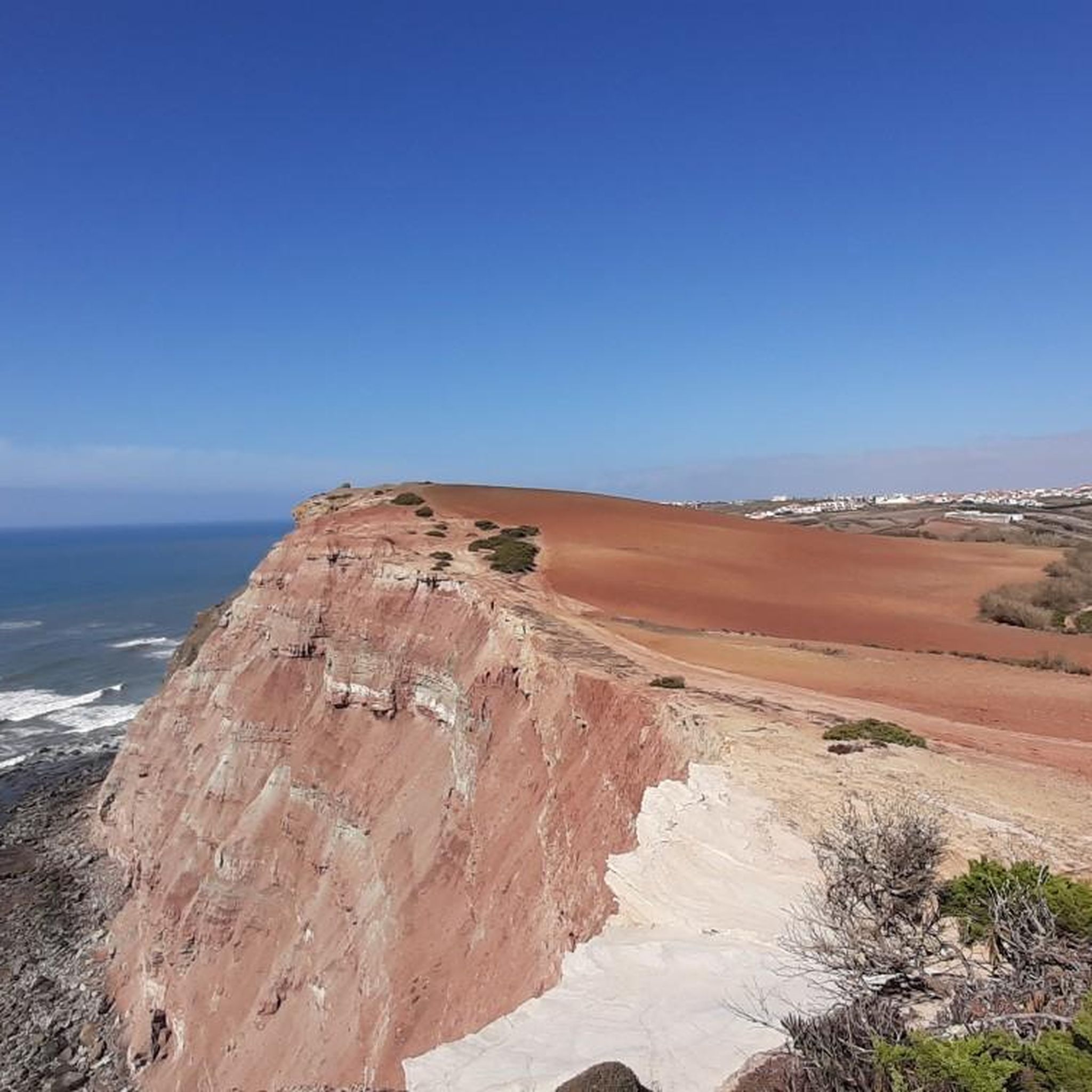
This fort was part of the Linhas de Torres Vedras defensive line built in 1810 to withhold the French Invasion ordered by Napoleon. From here you have a wonderful view of the Sizandro Valley with the ocean in sight already
0
0

The National Palace of Mafra, located in the town of Mafra, Portugal, is a monumental complex that includes a palace, a convent, a basilica, and the Tapada de Mafra (hunting grounds). Construction began in 1717, commissioned by King John V of Portugal in fulfillment of a vow for the succession of his wife, and it is the most important monument of Portuguese Baroque. Since 2019, the Palace has been a UNESCO World Heritage Site.
2
0

The castle of Torres Vedras is an important part of Portuguese history. It was a strategic point in the fight against the Moors and later against Napoleon. The castle was conquered in 1147 by Afonso Henriques, the first king of Portugal.
2
0
Today I was lucky and was able to visit the ruins as well.
2
0

Castelo de Torres Vedras is an imposing medieval fortress, with a history that dates back to Roman times and a significant role in the Napoleonic Wars (as part of the Lines of Torres Vedras). The castle represents an important historical heritage. If you want to stop here for a break you can explore its ancient walls and enjoy panoramic views of the city and the surrounding landscape.
0
0

Baroque architectural complex comprising a Palace, a Basilica and a Convent, together with gardens and a vast Tapada, forming a historical heritage complex covering over 1,200 hectares, inscribed on the UNESCO World Heritage List in 2019. Built by order of King João V in fulfilment of a succession vow, Mafra Palace is one of the most important Baroque monuments in Portugal and one of the largest in Europe, occupying a construction area of 38,000 m2, with around 1,200 rooms, 5,200 doors and windows and 156 staircases. UNESCO has recognised this monument as a feat of architecture, engineering and human genius. Based on designs by Filippo Juvarra, its final design was carried out by the German Johann Friedrich Ludwig (João Frederico Ludovice) and construction was led by the kingdom's chief engineer, Custódio Vieira. The first stone was laid on 17 November 1717 and the Basilica was consecrated on 22 October 1730. The Basilica, inspired by the great churches of Rome, has one of the most significant collections of Italian sculpture of its time, with 58 statues, a large crucifix with archangels in adoration and three high reliefs, as well as an important collection of paintings, representing some of the most famous painters active in Italy and France in the early 1730s. The collection of vestments and liturgical implements is also very significant, due to its quality and rarity. The Palace Library is one of the most iconic spaces in the monument. With a refined selection of around 30,000 volumes, it is one of the exponents of Enlightenment knowledge representative of the court culture of the first half of the 18th century. Also noteworthy is the bell ringing ensemble, with 120 bells, which include two of the largest carillons of the 18th century, cast in Antwerp and Liège in the workshops of Willem Witlockx and Nicolas Levache, respectively. The bells are accompanied by two clocks dating from the first half of the 18th century, as well as four automatons for automatic music. Inside the Basilica is a set of pipe organs, unique in the world, consisting of six instruments designed to play together, built between 1792 and 1807 by the Portuguese organ builders António Machado e Cerveira and Joaquim Peres Fontanes. The Mafra Palace has been a member of the Association of European Royal Residences since 2009.
5
0
The castle is not that great
4
0
Castle complex was closed, I would have liked to have seen it
4
0
Frequently Asked Questions
What are the main historical sites and castles to visit around Encarnação?
While Encarnação itself may not host prominent castles, the surrounding region offers significant historical sites. Key attractions include Mafra National Palace, a UNESCO World Heritage Site known for its immense size and architectural significance. You can also explore Castelo de Torres Vedras, which provides great views, and the Fort of São Vicente, a crucial part of the Lines of Torres Vedras during the Peninsular War.
Are there any family-friendly castles or historical sites near Encarnação?
Yes, Mafra National Palace is categorized as family-friendly. Its grand scale and historical importance make it an engaging visit for all ages, offering plenty of space to explore and learn about Portuguese history.
What kind of views can I expect from the castles in the Encarnação area?
From Castelo de Torres Vedras, visitors consistently praise the 'great view of the valley' and the 'beautiful' vistas from above. These castles often sit on elevated positions, offering panoramic perspectives of the surrounding landscape.
What outdoor activities can I do near the castles around Encarnação?
The region around Encarnação offers various outdoor activities. You can find numerous cycling routes, including options like the 'Eco Caminho Bridge – Castelo de Torres Vedras loop' or the 'Traditional Windmills – Barril model windmills loop'. For hikers, there are easy and moderate trails such as the 'Cliffs of São Lourenço' or 'Praia dos Coxos' loops. You can find more details on these routes in the cycling guide and hiking guides for Encarnação.
What is the historical significance of the Fort of São Vicente?
The Fort of São Vicente, located in Torres Vedras, was a critical part of the Lines of Torres Vedras. These defensive lines were designed by the Duke of Wellington in 1809 to protect Lisbon from French invasion during the Peninsular War. It is considered one of the most important fortresses constructed for this purpose.
Are there any UNESCO World Heritage Sites among the castles near Encarnação?
Yes, Mafra National Palace is a UNESCO World Heritage Site. It is recognized for its impressive size as Portugal's largest monastery and its significant architectural design.
What do visitors particularly enjoy about the castles and historical sites in this region?
Visitors are often deeply impressed by the sheer scale and historical depth of sites like Mafra National Palace. The 'great view of the valley' from Castelo de Torres Vedras is also a highlight, along with the overall 'impressive castle complex' and the historical experience it provides.
Can I find hiking trails that pass by or near these historical sites?
Yes, there are hiking opportunities in the vicinity. While specific trails directly through the castles might vary, routes like the 'Eco Caminho Bridge – Chapel of Saint John the Baptist loop' for cycling or various hiking trails around Encarnação offer ways to explore the natural and historical landscape. Check the hiking guide for more options.
What is unique about Mafra National Palace?
Mafra National Palace stands out as Portugal's largest monastery, designed by a German architect in the 18th century. Its monumental size and status as a UNESCO World Heritage Site make it a truly unique and awe-inspiring historical landmark.
Are there any castles in the Encarnação area that are particularly good for photography?
Given the 'great view of the valley' from Castelo de Torres Vedras and the 'impressive size' of Mafra National Palace, both locations offer excellent photographic opportunities. The panoramic vistas and grand architecture provide compelling subjects for photographers.
How many photos and upvotes have these castles received from the komoot community?
The castles around Encarnação are well-regarded by the komoot community, with more than 90 upvotes and over 115 photos shared by visitors, indicating their popularity and scenic appeal.
Most popular attractions around Encarnação

Get inspired with the komoot mobile app


Explore more
Looking for the best castles somewhere else? Discover other guides around Encarnação:
