Top 5 Lakes around São Miguel
Best lakes around São Miguel are primarily located within volcanic craters, defining the island's landscape. São Miguel, known as the "green island" of the Azores, features a diverse natural environment shaped by its volcanic origins. The island's geography includes lush vegetation, dramatic calderas, and numerous freshwater bodies. These natural features contribute to its appeal for outdoor activities and exploration.
Best lakes around São Miguel
- The most popular lakes include Montes Claros Garden, an other natural area with a centrally…
Last updated: July 3, 2026
Gulbenkian Garden
Highlight • Forest
Translated by Google •
Tip by

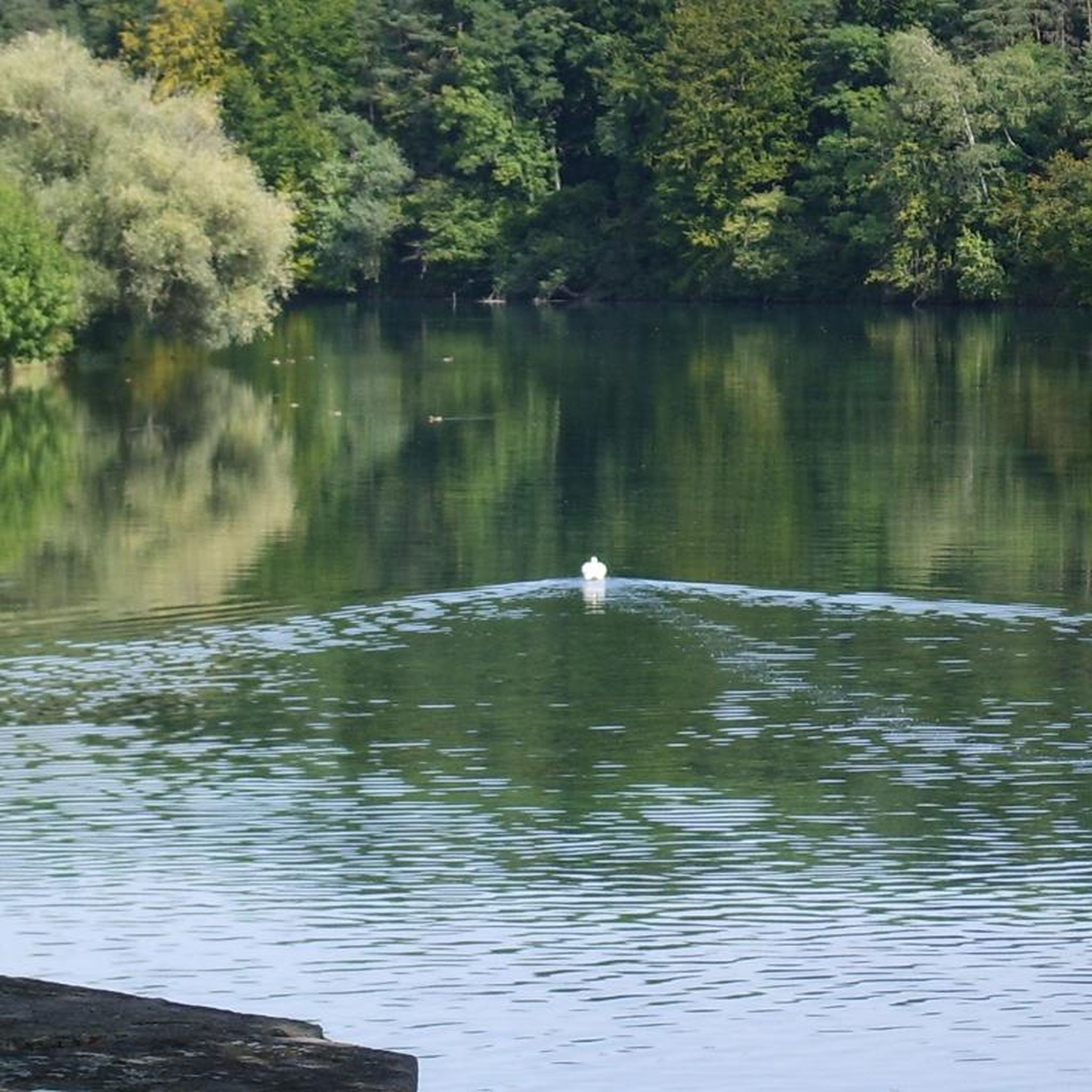
Lake of Parque da Paz
Highlight • Lake
Translated by Google •
Tip by

Sign up now to discover places like this
Get recommendations on the best single tracks, peaks, & plenty of other exciting outdoor places.
Sign up for free
Amália Rodrigues Garden Lake
Highlight • Lake
Tip by

Lake Garden, Monsanto Forest Park
Highlight • Lake
Translated by Google •
Tip by

Pond and statue outside Estufa Fria
Highlight • Structure
Translated by Google •
Tip by

Sign up for free to discover even more lakes around São Miguel.
Sign up for free
Already have an account?
Start today with a free account
Your next adventure awaits.
Login or Signup

Tips from the Community

Great place to take a break...
0
0

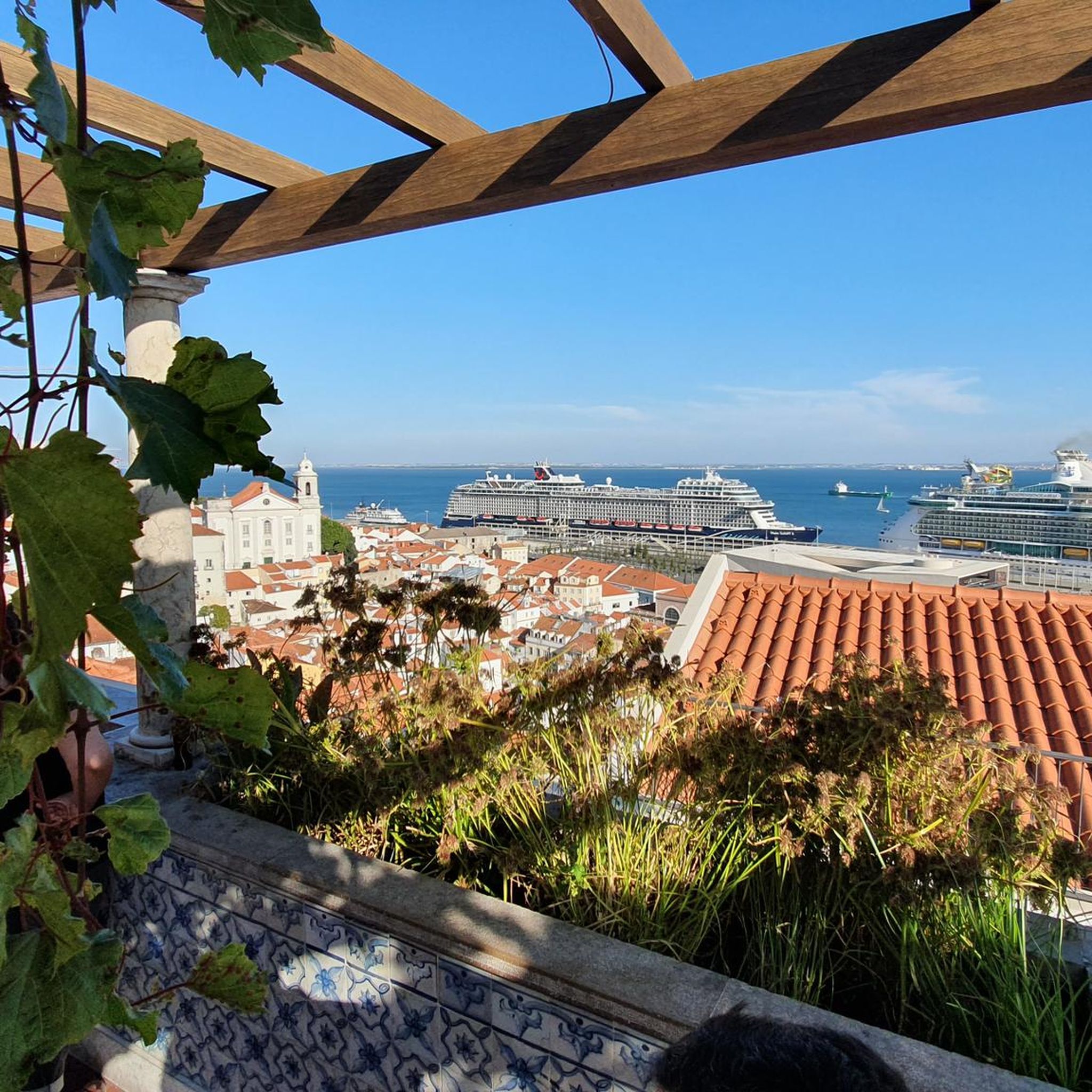
The pond with the statue in front of the Estufa Fria is a tranquil, green spot in the heart of Parque Eduardo VII. Surrounded by water, plants, and the figure in the pool, you can take a breather and forget the city for a moment. It's ideal for a short break or a photo before continuing your exploration of the park or heading down into the city center.
2
0

The Gulbenkian Garden, located in the center of Lisbon next to the Calouste Gulbenkian Foundation, is one of the most emblematic green spaces of modern Portuguese urbanism. It was designed in the 1960s by landscape architects Gonçalo Ribeiro Telles and António Viana Barreto and inaugurated in 1969.
5
0

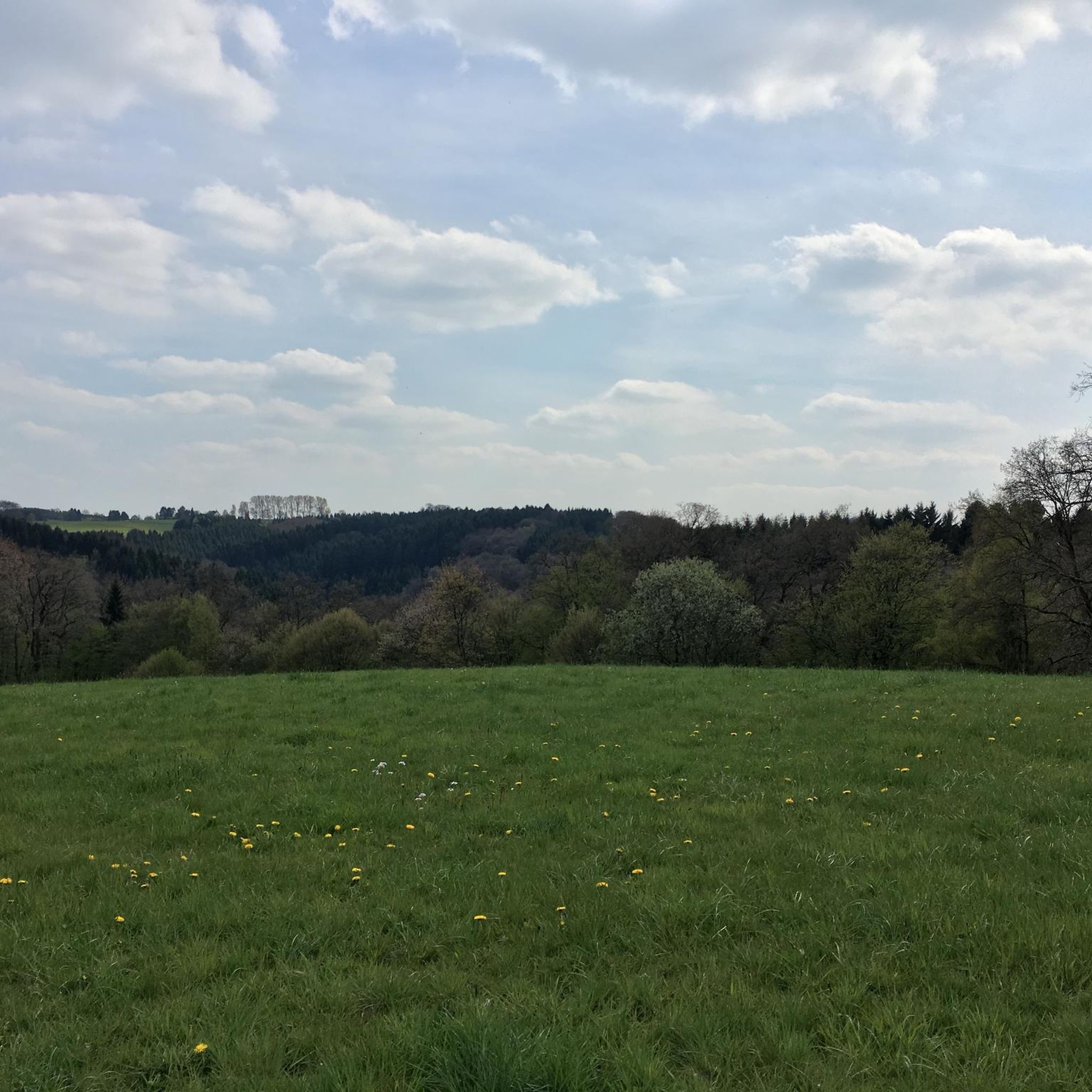
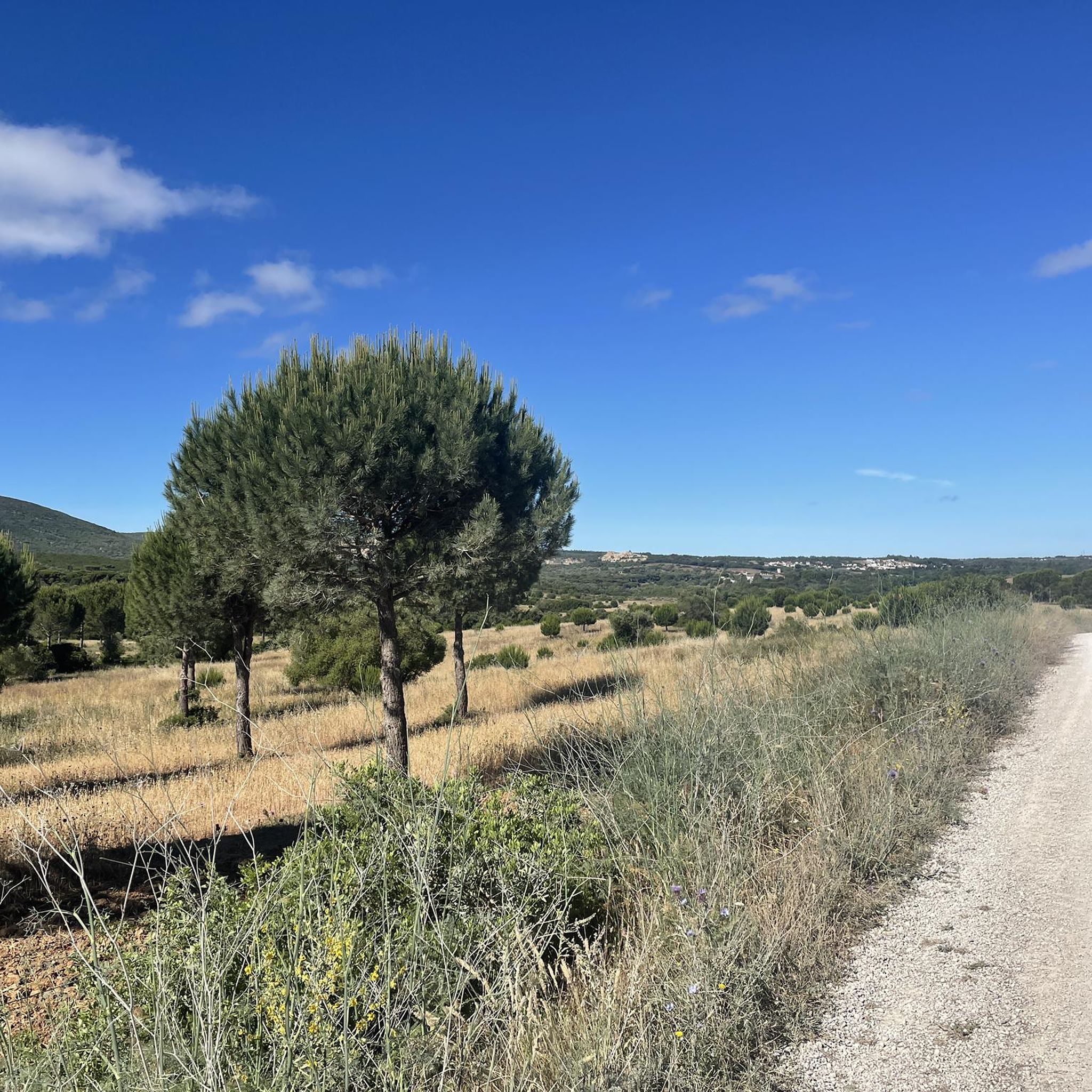
A very relaxing place with access to fun trails of some technical difficulty.
1
0

The Gulbenkian Garden is an oasis of nature and peacefulness in the city of Lisbon, the perfect place to escape from the hustle and bustle of the city. The garden's history goes back several centuries: it began as a recreational farm (in the 18th century), became Santa Gertrudes Park (in the 19th century) and, years later, became Lisbon's first Zoo. In the 20th century, the Zoo became a local fair, and later the venue was acquired by the Gulbenkian Foundation. Thus, was born the Gulbenkian Garden, a project by landscape architects António Viana Barreto and Gonçalo Ribeiro Telles.
1
1
The largest urban park in the municipality of Almada (50 hectares), with an extensive network of paths; a lake that is a natural habitat for diverse fauna; ponds; a vast wooded area interspersed with clearings; a Biodiversity Station trail; public toilets; a kiosk; bicycle parking; and an electric vehicle charging station. Surrounded by the urban fabric of the city of Almada, the Parque da Paz is a leisure space that appeals to the stillness of the senses.
6
0

At the top ☝️
0
0

Frequently Asked Questions
What are the most iconic lakes to visit in São Miguel?
São Miguel is home to several iconic crater lakes. The most famous is Lagoa das Sete Cidades, a twin lake system with distinct blue and green hues, best viewed from Vista do Rei. Another must-see is Lagoa do Fogo, a pristine crater lake known for its wild beauty and tranquility. Lagoa das Furnas offers a unique experience with its geothermal activity and traditional stew cooked in volcanic ground.
Are there any less-known or 'hidden gem' lakes worth exploring?
Yes, beyond the main attractions, São Miguel has several beautiful, quieter lakes. Lagoa do Congro is considered a hidden gem, accessed via a dirt road and a descent through thick vegetation, offering a serene atmosphere. Lagoa de Santiago, located near Sete Cidades, is another green lake in a volcanic crater, surrounded by dense vegetation.
What unique natural features can I expect at São Miguel's lakes?
The lakes of São Miguel are primarily volcanic crater lakes, offering unique geological formations. You'll find fumaroles and hot springs around Lagoa das Furnas, distinct blue and green waters at Lagoa das Sete Cidades, and pristine, untouched nature at Lagoa do Fogo, which is a natural reserve. Many lakes are surrounded by lush forests and offer stunning reflections of the landscape.
What is the best time of year to visit the lakes for hiking?
The best time to visit São Miguel's lakes for hiking is generally during the spring (April to June) and early autumn (September to October). During these periods, the weather is typically mild, and there's less chance of the lakes being shrouded in clouds, especially at higher elevations like Lagoa do Fogo. Summer can also be good, but it's the peak tourist season.
Are there family-friendly activities or walks around the lakes?
Many areas around São Miguel's lakes are suitable for families. For instance, the village of Sete Cidades, nestled within the crater of Lagoa das Sete Cidades, offers pleasant walks and activities like kayaking. While the guide does not list specific family-friendly highlights directly at the lakes, the Lake of Parque da Paz and Amália Rodrigues Garden Lake are noted as family-friendly options in other areas, suggesting similar gentle paths might be found around the main lakes.
Can I bring my dog to the lakes and on hiking trails?
While many outdoor areas in São Miguel are generally dog-friendly, specific regulations can vary for protected natural reserves like Lagoa do Fogo. It's always best to check local signage or official park websites for the most current rules regarding pets, especially concerning leash requirements and waste disposal, to ensure a pleasant experience for everyone and protect the local wildlife.
What kind of outdoor activities can I do near the lakes?
The areas around São Miguel's lakes are perfect for various outdoor activities. You can enjoy hiking, biking, kayaking, and stand-up paddleboarding, especially on Lagoa das Sete Cidades. For more structured routes, you can explore easy hikes around São Miguel, or for cycling enthusiasts, there are road cycling routes and MTB trails available in the wider region.
Are there hiking trails around the lakes, and what are their difficulty levels?
Yes, there are numerous hiking trails around the lakes, catering to various difficulty levels. For example, hiking around Lagoa do Fogo offers spectacular views, though some trails can be challenging due to terrain and weather. Lagoa das Sete Cidades also has extensive hiking and biking paths. You can find a range of options from easy walks to more demanding routes, with details often available on local tourism sites or komoot's hiking guides.
How can I access the lakes, and is parking available?
Access to the main lakes like Lagoa das Sete Cidades, Lagoa do Fogo, and Lagoa das Furnas is generally by car, with parking available at designated viewpoints and trailheads. Public transport options might be limited, especially to more remote spots. For Lagoa do Fogo, clear weather is recommended for driving and hiking, as it can often be covered in clouds.
What amenities can I find near the major lakes like Sete Cidades and Furnas?
Near Lagoa das Sete Cidades, the charming village of Sete Cidades offers cafes and basic services. Around Lagoa das Furnas, you'll find the town of Furnas, known for its geothermal activity, restaurants where you can try the 'Cozido das Furnas,' and accommodations. Lagoa do Fogo, being a natural reserve, has minimal human intervention, so amenities are scarce, emphasizing its wild beauty.
What makes Lagoa do Fogo a unique destination?
Lagoa do Fogo, or 'Lake of Fire,' is unique for its wild, untouched beauty and tranquility. It's the second-largest lake on São Miguel and the highest in the Azores, situated within a stratovolcano. Classified as a natural reserve, it boasts pristine flora and fauna, with its crystalline blue waters reflecting the sky, making it ideal for nature lovers seeking solitude.
Can I experience local cuisine near the lakes?
Absolutely! Near Lagoa das Furnas, you can indulge in a unique culinary experience: the 'Cozido das Furnas.' This traditional stew is cooked in volcanic underground holes using the earth's natural heat, offering a distinct taste of the island's geothermal activity. Many restaurants in the town of Furnas serve this dish.
Most popular attractions around São Miguel

Get inspired with the komoot mobile app


Explore more
Still not found your perfect lake around São Miguel? Check out the guides of these regions to see even more beautiful places.
