Top 6 Lakes around São Mamede
Lakes around São Mamede offer a variety of urban green spaces featuring water bodies. These areas provide opportunities for relaxation and recreation within city environments. The region's parks and gardens often include lakes or ponds, contributing to local biodiversity and offering scenic spots. Visitors can find diverse habitats, from landscaped gardens to more naturalized park settings.
Top lakes around São Mamede
- The most popular lakes is Amália Rodrigues Garden Lake, a lake that is a pleasant park located north…
Last updated: June 19, 2026
Gulbenkian Garden
Highlight • Forest
Translated by Google •
Tip by

Lake of Parque da Paz
Highlight • Lake
Translated by Google •
Tip by

Sign up now to discover places like this
Get recommendations on the best single tracks, peaks, & plenty of other exciting outdoor places.
Sign up for free
Amália Rodrigues Garden Lake
Highlight • Lake
Tip by

Pond and statue outside Estufa Fria
Highlight • Structure
Translated by Google •
Tip by

Montes Claros Garden
Highlight • Natural
Translated by Google •
Tip by

Sign up for free to discover even more lakes around São Mamede.
Sign up for free
Already have an account?
Start today with a free account
Your next adventure awaits.
Login or Signup
Tips from the Community

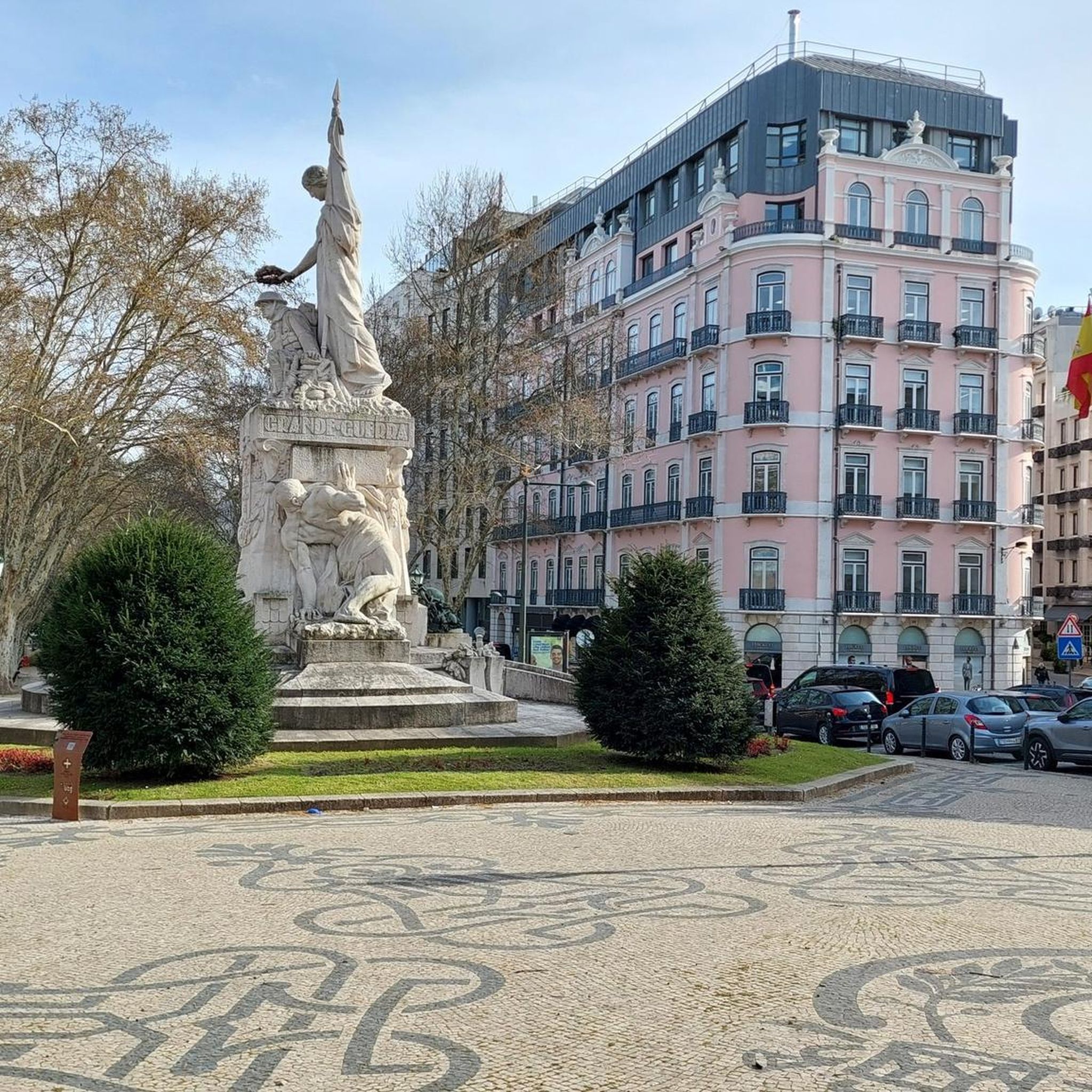
The pond with the statue in front of the Estufa Fria is a tranquil, green spot in the heart of Parque Eduardo VII. Surrounded by water, plants, and the figure in the pool, you can take a breather and forget the city for a moment. It's ideal for a short break or a photo before continuing your exploration of the park or heading down into the city center.
2
0

The Gulbenkian Garden, located in the center of Lisbon next to the Calouste Gulbenkian Foundation, is one of the most emblematic green spaces of modern Portuguese urbanism. It was designed in the 1960s by landscape architects Gonçalo Ribeiro Telles and António Viana Barreto and inaugurated in 1969.
5
0

The Gulbenkian Garden is an oasis of nature and peacefulness in the city of Lisbon, the perfect place to escape from the hustle and bustle of the city. The garden's history goes back several centuries: it began as a recreational farm (in the 18th century), became Santa Gertrudes Park (in the 19th century) and, years later, became Lisbon's first Zoo. In the 20th century, the Zoo became a local fair, and later the venue was acquired by the Gulbenkian Foundation. Thus, was born the Gulbenkian Garden, a project by landscape architects António Viana Barreto and Gonçalo Ribeiro Telles.
1
1
The largest urban park in the municipality of Almada (50 hectares), with an extensive network of paths; a lake that is a natural habitat for diverse fauna; ponds; a vast wooded area interspersed with clearings; a Biodiversity Station trail; public toilets; a kiosk; bicycle parking; and an electric vehicle charging station. Surrounded by the urban fabric of the city of Almada, the Parque da Paz is a leisure space that appeals to the stillness of the senses.
6
0


This is a wonderful place to linger and unwind
2
0

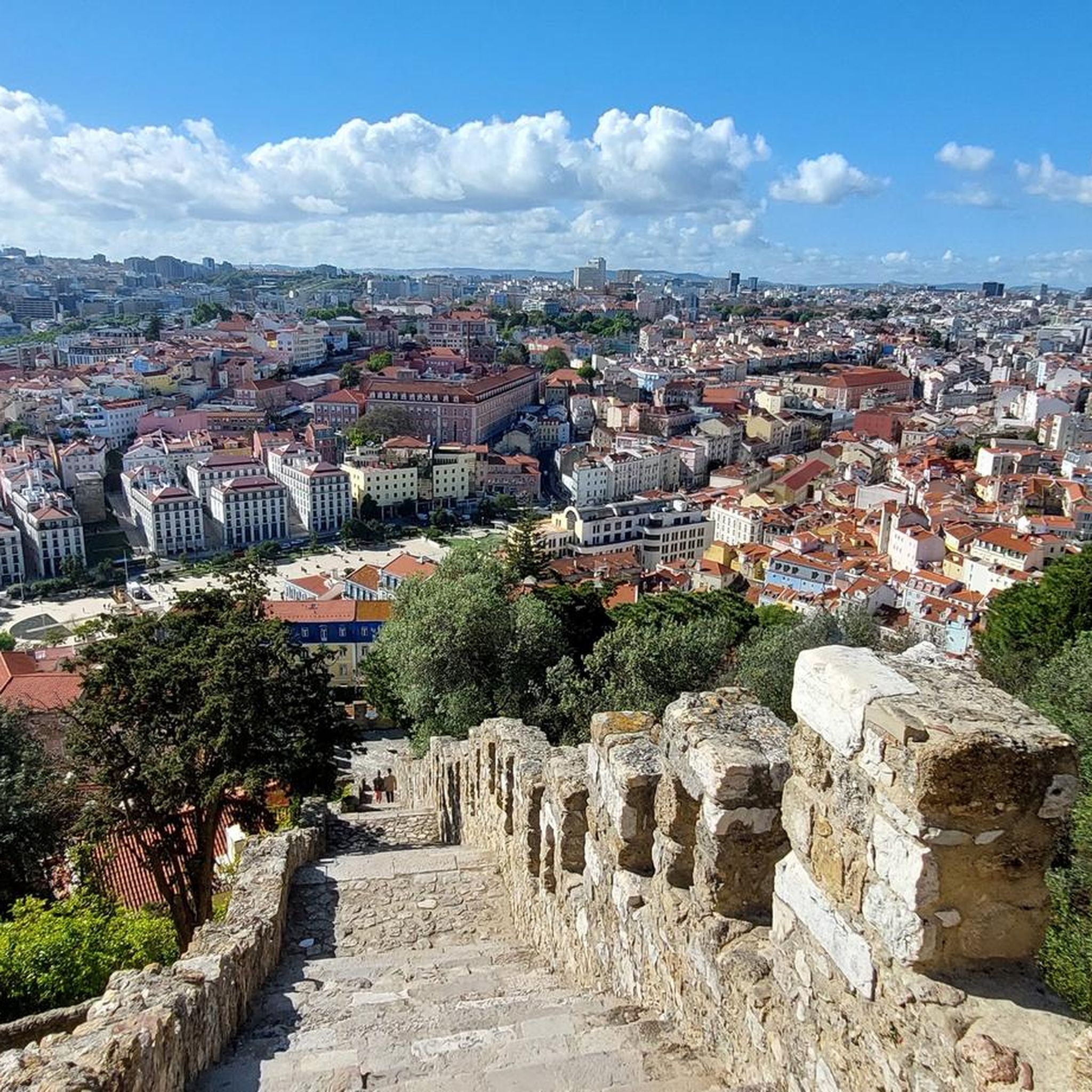
The Jardim Amália Rodrigues is a pleasant park located just north of Parque Eduardo VII and the Estufa Fria. It opened in 1996. The garden, which consists of a grassy hillock and a lake, was named in 2000 after the famous fado singer, Amália Rodrigues (1920-1999). The area is one of the highest points in the city and has excellent views
3
0

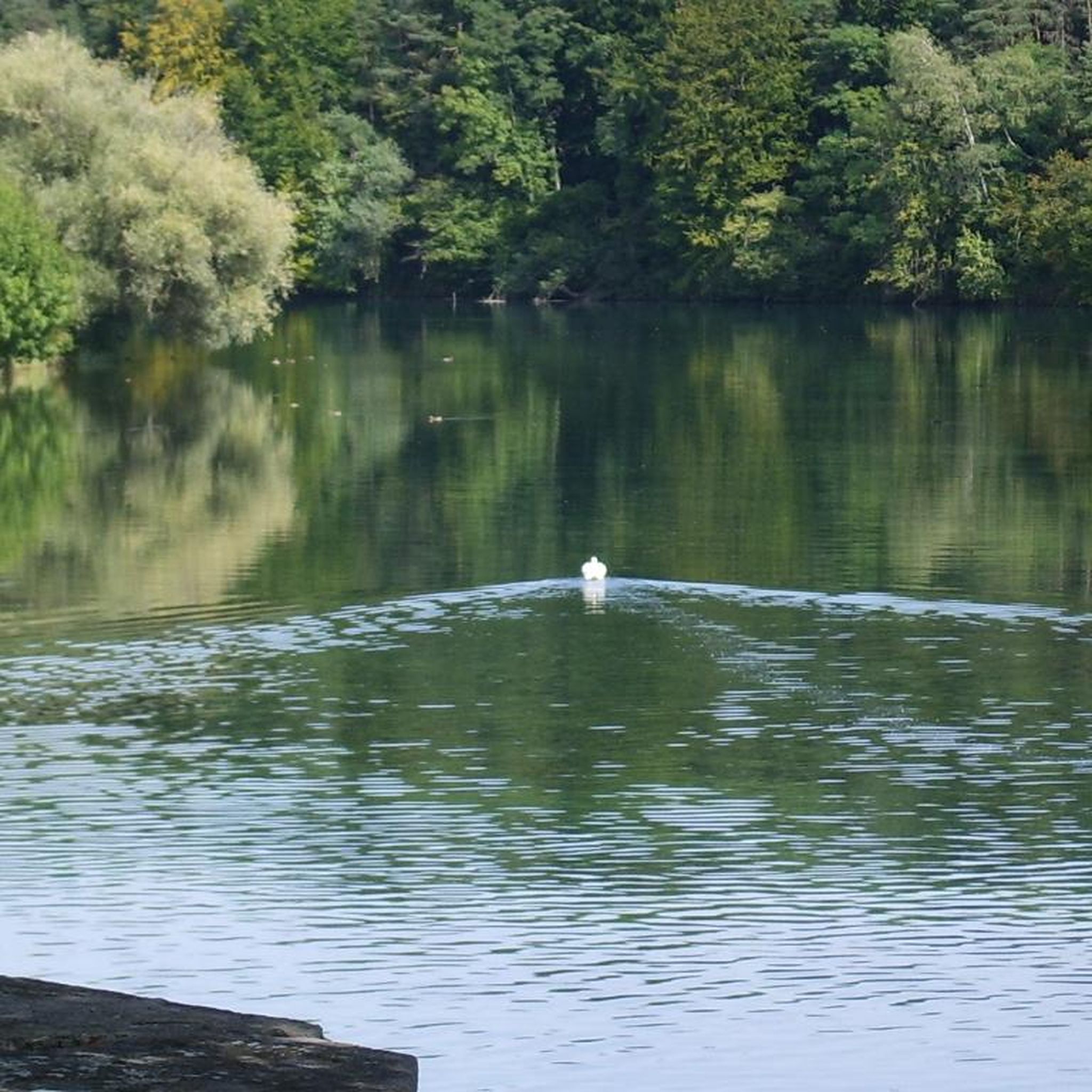
Beautiful little garden with shady benches, green meadows and ducks in the centrally landscaped body of water!
3
1
Frequently Asked Questions
What are the most popular lakes to visit around São Mamede?
Visitors frequently enjoy the urban green spaces featuring water bodies. Among the most popular are Amália Rodrigues Garden Lake, known for its pleasant park and excellent city views, and Montes Claros Garden, which offers shady benches and a tranquil lake with ducks. The Lake of Parque da Paz is also highly appreciated for its extensive paths and diverse fauna.
Are there family-friendly lakes and parks in the São Mamede area?
Yes, several lakes and parks are ideal for families. Amália Rodrigues Garden Lake, Montes Claros Garden, and the Lake of Parque da Paz are all categorized as family-friendly. Additionally, Quinta das Conchas and Lilases Park offers large lawns for play, picnic areas, and diverse natural habitats, making it a great choice for all ages.
What kind of natural features can I expect to see at these lakes?
The lakes around São Mamede are primarily urban green spaces. You'll find landscaped gardens, ponds with ducks, fish, and turtles, and wooded areas. For instance, Gulbenkian Garden is an oasis with small ponds, while Quinta das Conchas and Lilases Park features a large lake, olive groves, eucalyptus trees, and a denser forest area with diverse tree species.
Are there good places for easy walks around the lakes?
Absolutely. The Lake of Parque da Paz boasts an extensive network of paths suitable for leisurely strolls. Gulbenkian Garden also has tiny paths around its ponds, perfect for a peaceful walk. Quinta das Conchas and Lilases Park offers large lawns and pathways, inviting visitors to explore its varied landscapes.
What outdoor activities can I do near the lakes in São Mamede?
Beyond enjoying the lakes themselves, the surrounding area offers various outdoor activities. You can find numerous routes for gravel biking, road cycling, and easy hikes. These routes often pass through parks and offer scenic views, complementing a visit to the lakes.
Can I find viewpoints near the lakes?
Yes, several lake locations offer excellent viewpoints. Amália Rodrigues Garden Lake is situated on one of the city's highest points, providing superb views. Montes Claros Garden and Quinta das Conchas and Lilases Park also feature areas with good vistas.
What do visitors enjoy most about the lakes around São Mamede?
Visitors particularly appreciate the tranquility and natural beauty these urban lakes offer as an escape from city life. Many enjoy the scenic views, the presence of diverse wildlife like ducks, fish, and turtles, and the well-maintained paths for walking and relaxation. The parks are often described as peaceful oases perfect for unwinding.
Are there any historical or cultural aspects associated with these lake parks?
Yes, some parks have interesting histories. For example, Gulbenkian Garden is an emblematic green space of modern Portuguese urbanism, designed in the 1960s, and its history dates back to an 18th-century recreational farm. Quinta das Conchas and Lilases Park was once two large quintas (country estates) from the 16th century, inhabited by prosperous families before becoming a public park.
Is there a specific lake known for its biodiversity?
The Lake of Parque da Paz is noted as a natural habitat for diverse fauna within its extensive urban park. Similarly, Quinta das Conchas and Lilases Park is recognized for its diverse habitats, supporting a higher number of species than typical urban green spaces, including various bird species.
Can I go canoeing or engage in water sports at any of these lakes?
The lakes mentioned in this guide are primarily urban park features, designed for scenic enjoyment and passive recreation like walking and picnicking. They are generally not set up for canoeing or other active water sports. For such activities, you might need to look for larger reservoirs or coastal areas outside the immediate urban park context.
Are there any cafes or facilities near the lakes?
Many of these urban parks are located within city environments, meaning cafes and other facilities are often nearby or within walking distance. For example, the Lake of Parque da Paz includes public toilets, a kiosk, and bicycle parking, indicating some amenities are available on-site.
What is the best time of year to visit the lakes around São Mamede?
The urban lakes and parks around São Mamede can be enjoyed year-round. Spring and autumn offer pleasant temperatures for walking and exploring the gardens. Summer is ideal for enjoying the shade and green spaces, while winter provides a quieter, often mild, experience. Always check local weather conditions before your visit.
Most popular routes around São Mamede
Most popular attractions around São Mamede

Get inspired with the komoot mobile app


Explore more
Still not found your perfect lake around São Mamede? Check out the guides of these regions to see even more beautiful places.
