Top 11 Castles around Alandroal (Nossa Senhora Da Conceição)
Best castles around Alandroal (Nossa Senhora Da Conceição) are found in a municipality recognized for its historical and cultural heritage, including a defensive triangle of historic castles. The area features a landscape with structures offering insights into Portugal's past. These sites showcase various architectural styles and historical roles, from medieval fortresses to adaptations for 17th-century artillery. The region provides a tangible link to medieval Portugal and its strategic importance.
Best castles around Alandroal (Nossa Senhora Da Conceição)
- The most popular…
Last updated: October 20, 2026
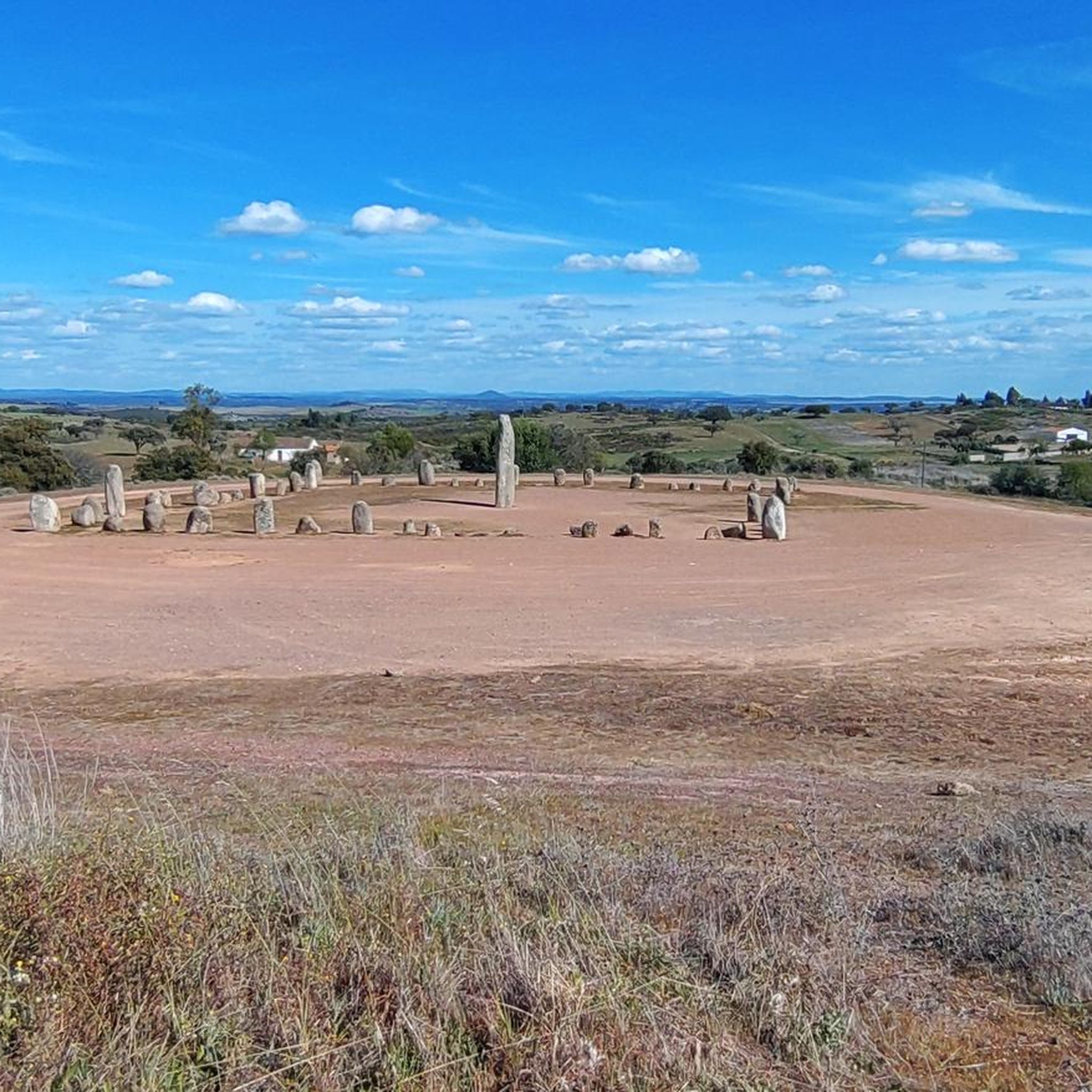
Alandroal town centre
Highlight • Settlement
Translated by Google •
Tip by

Redondo Castle
Highlight • Castle
Tip by

Sign up now to discover places like this
Get recommendations on the best single tracks, peaks, & plenty of other exciting outdoor places.
Vila Viçosa Castle
Highlight (Segment) • Castle
Translated by Google •
Tip by

Porta de Olivença (West Gate)
Highlight • Historical Site
Translated by Google •
Tip by
Castelo de Terena
Highlight • Castle
Translated by Google •
Tip by

Sign up for free to discover even more castles around Alandroal (Nossa Senhora Da Conceição).
Already have an account?
Start today with a free account
Your next adventure awaits.
Popular around Alandroal (Nossa Senhora Da Conceição)

Tips from the Community

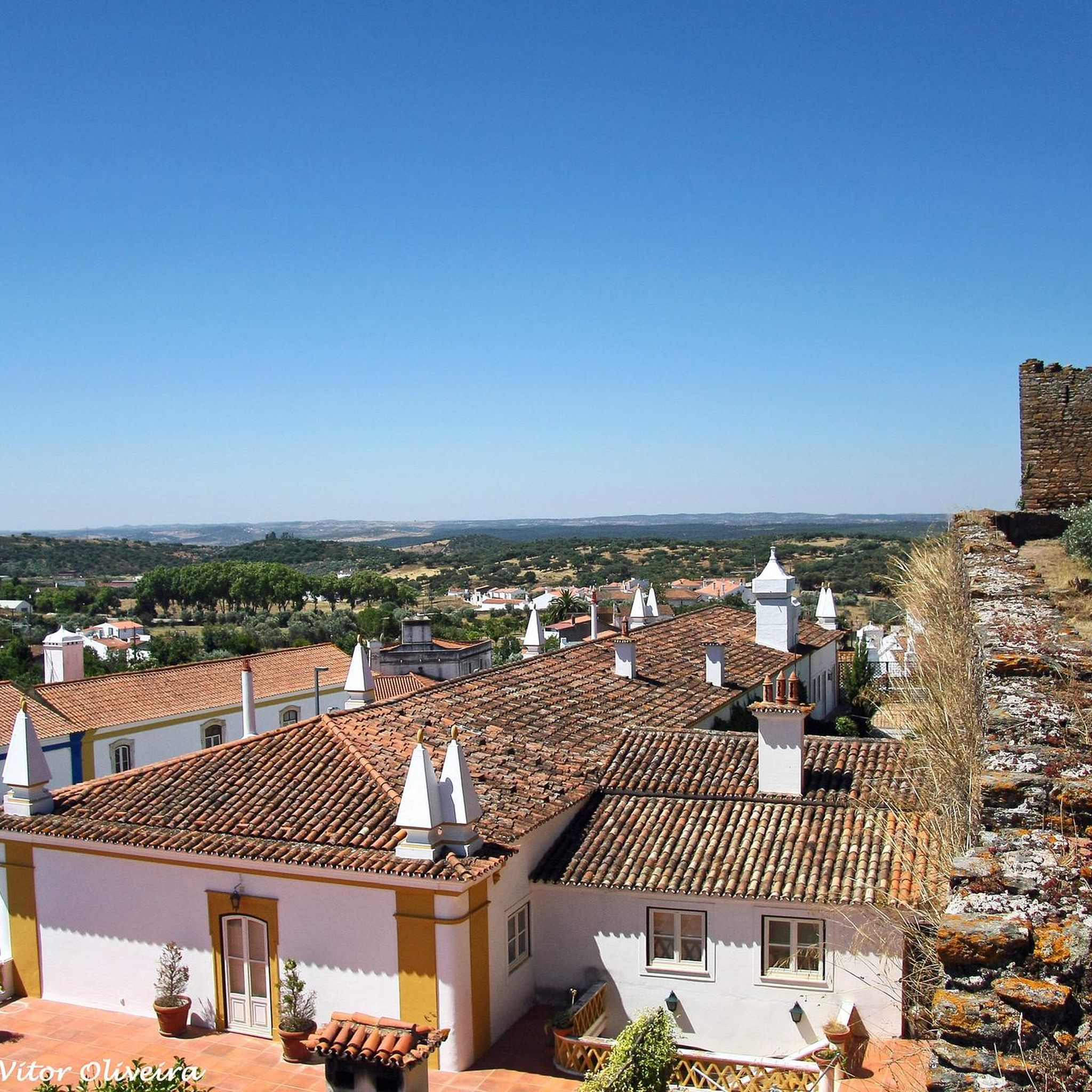
Castelo de Redondo is a medieval fortress built in the 13th century by order of King D. Dinis. The castle played a crucial defensive role in the region. Although today, the only things that remain are the perimeter walls, with an irregular perimeter and several quadrangular towers, and part of the old Torre de Menagem (Keep).
0
0

Vila Viçosa is known as the "Marble City" and often referred to as the "Royal City." It is located in the heart of the Alentejo region. This charming town is known for its magnificent palaces, marble production, and rich history. Vila Viçosa is a place to relax and discover the region's cultural treasures. A real highlight of Vila Viçosa is the Paço Ducal, the Ducal Palace. This magnificent 16th-century palace was once the residence of the Dukes of Bragança and is a true highlight of Portuguese Renaissance architecture. The palace is surrounded by extensive gardens and houses an impressive collection of works of art, furniture, and historical artifacts. Visitors can explore the palace's magnificent interiors and opulent furnishings, giving them a glimpse into the lives of Portuguese noble families. The Igreja de Nossa Senhora da Conceição is one of the city's most important churches and a truly impressive building. Also known as the "Marble Sanctuary," the church was built from Vila Viçosa's famous marble. It is particularly noted for its elaborate altarpieces and richly decorated interiors. The church is an important place of pilgrimage and a place for reflection and prayer. Vila Viçosa also has a Carriage Museum, the Museu Nacional dos Coches. The museum houses one of the most important collections of historic carriages and coaches in Portugal. The exhibition features magnificent state carriages, hunting carriages, and ceremonial coaches. This provides a wonderful insight into the history and culture of royal journeys and processions. The old town of Vila Viçosa is characterized by narrow, cobblestone streets and white houses with flower-decorated balconies.
2
0
The municipality is known for its significant historical and cultural heritage, which includes the Alandroal Castle (its most emblematic monument), historic churches and Roman remains. Alandroal is also part of the Alentejo of wine, with quality wine production. You can stop for a break and enjoy its tranquility and the authenticity of its traditions.
1
0
Castelo de Redondo is a medieval fortress built in the 13th century by order of King D. Dinis. The castle played a crucial defensive role in the region. Although today, the only things that remain are the perimeter walls, with an irregular perimeter and several quadrangular towers, and part of the old Torre de Menagem (Keep).
1
0
Among the original entrances to the fortress, the western gate, known as the Porta de Olivenza, stands out. This monumental, west-facing gate was one of the main entrances to the walled village. Its strategic location was crucial for communication and defense. The Olivenza Gate is a testament to the splendor of the military engineering of the time, robust and difficult to cross, with defensive elements that ensured the security of the entrances and exits, as well as the fortress itself.
5
0

In 1250, a foral (charter) attributed to King D. Afonso III was issued to Redondo. At the same time, the king ordered the construction of a castle over the ruins of the ancient Roman fortress. The castle was part of the northern Alentejo fortifications restructured by King D. Dinis that were donated to members of the nobility during the late medieval epoch, representing significant alterations during the Manueline era. By order of King D. Dinis, in 1312, the castle was reconstructed, during the same epoch as the erection of the keep tower and the fortification wall and towers. On 27 April 1318, the foral was reconfirmed by King D. Dinis. In 1418, King D. John conceded privileges to the castle and obligated that travellers between Alandroal and Vila Viçosa pass through the settlement, as a way of expanding commercial activities in the town.
5
0

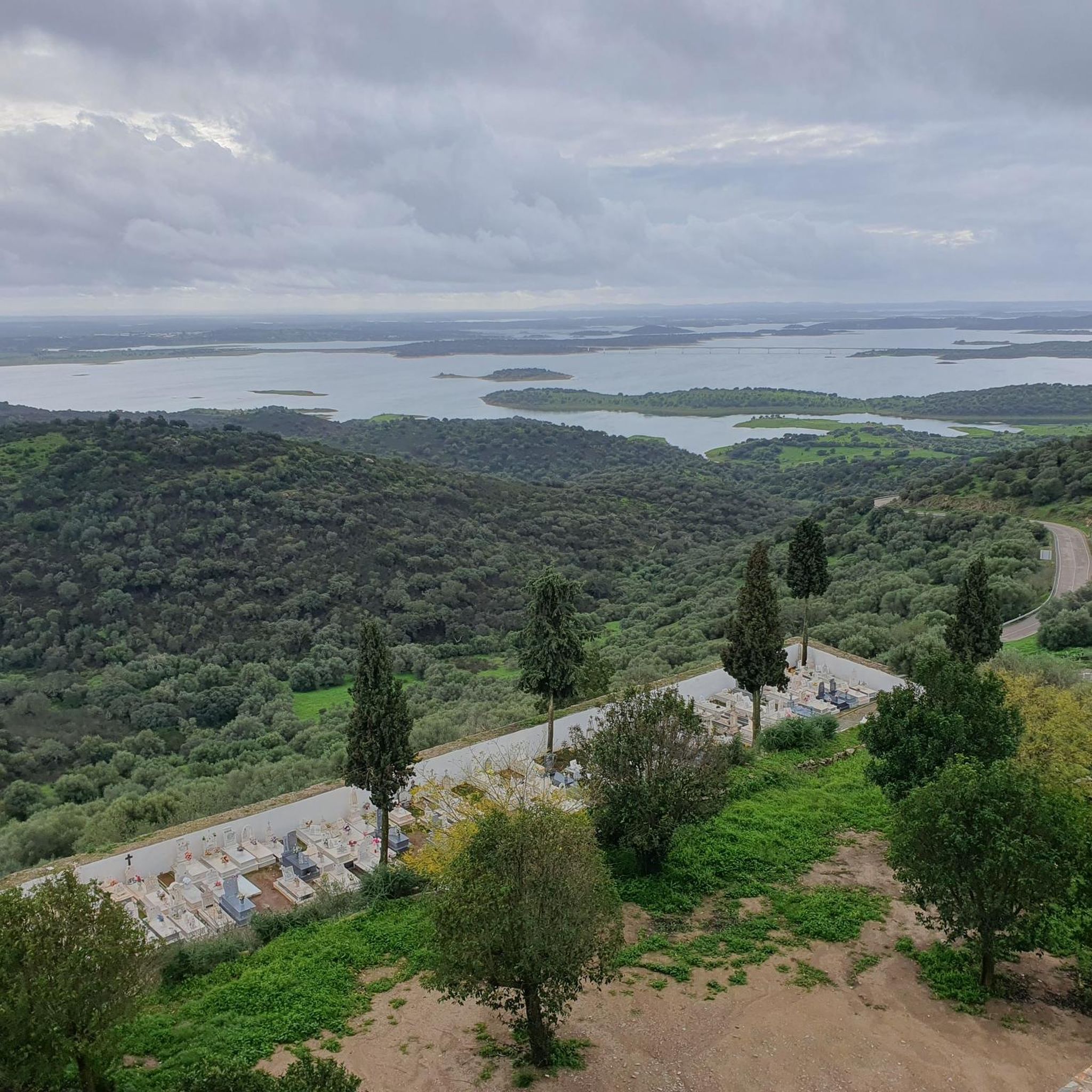
Castelo de Tereno offers a great view over the picturesque town and the surrounding landscape from the wall (actually not to be climbed = at your own risk...). Admission free (the Castelo doesn't have much else to offer apart from its walls. The old part of the village between the Castelo and the church is exceptionally pretty and definitely worth the steep climb!
0
0
Frequently Asked Questions
What are the most historically significant castles in the Alandroal region?
The region boasts several historically significant castles. The Castle of Alandroal, a National Monument, showcases a unique Gothic-Mudéjar architectural style from the late 13th century. The Castle of Redondo, also from the 13th century, played a crucial defensive role. Further afield, the Fortress of Juromenha offers a journey through Roman, Visigothic, and Islamic periods, with adaptations for 17th-century artillery.
Are there any family-friendly castles to visit in the area?
Yes, several castles are suitable for family visits. The Vila Viçosa Castle is listed as family-friendly and offers a glimpse into Portuguese history. The Alandroal town centre, with its castle, also provides a pleasant environment for families to explore historical and cultural heritage.
What kind of outdoor activities can I do near the castles?
The Alandroal region offers various outdoor activities. You can find numerous hiking routes, such as the 'Eremitas da Serra D'Ossa (PR 4)' or 'Os Segredos de Ferreira (PR 6)'. For mountain biking enthusiasts, there are trails like the 'Loop from Rio de Mohinos'. Running trails are also available, including a 'Running loop from Vila Viçosa'. You can explore these and more on the dedicated guides for Hiking, MTB, and Running around Alandroal (Nossa Senhora Da Conceição).
Which castles offer the best scenic viewpoints?
The Castle of Terena provides panoramic views of the surrounding Alentejo plains. The Fortress of Juromenha, known as the 'Guadiana sentry,' offers breathtaking views of the Guadiana River and the Spanish landscape due to its strategic location on a high hill. The Vila Viçosa Castle is also noted for its viewpoints.
What is the best time of year to visit the castles in Alandroal?
While specific seasonal considerations for castle visits are not detailed, the Alentejo region generally experiences hot, dry summers and mild winters. Spring (March to May) and autumn (September to November) are often ideal, offering pleasant temperatures for exploring the outdoor sites and enjoying the scenic landscapes without extreme heat.
Are there any unique architectural features to look for in the castles?
Absolutely. The Castle of Alandroal is notable for its Gothic-Mudéjar architectural style, featuring elements like a horseshoe-shaped window and construction techniques similar to Almohad walls. The Castle of Terena includes a Manueline portal, indicating later stylistic influences, and is near the unique fortress-temple Church of Nossa Senhora da Boa Nova. The Fortress of Juromenha showcases adaptations for 17th-century artillery with a polygonal plan and military Islamic rammed earth techniques.
Can I find any hidden historical sites or lesser-known gems in the Alandroal area?
Beyond the main castles, the region is rich in history. The Fortress of Juromenha, for instance, contains remnants of an old town, including two churches, a jail, and a deep cistern within its walls. The nearby Church of Nossa Senhora da Boa Nova, a fortress temple near Terena, is considered a gem of medieval military architecture and is worth exploring for its unique design.
What should I wear when visiting the castles?
Comfortable walking shoes are highly recommended, as many castles involve walking on uneven terrain, cobblestones, and climbing stairs. Layers of clothing are advisable, especially during spring and autumn, to adapt to changing temperatures. During summer, light clothing, a hat, and sunscreen are essential due to the strong sun.
Are there opportunities for stargazing near the castles?
Yes, the Fortress of Juromenha is located within the Dark Sky Alqueva Reserve, making it an exceptional location for stargazing. The site has carefully designed lighting to minimize light pollution, offering a unique opportunity to combine historical exploration with astronomical observation.
What are some of the local dining options near the castles?
The Alandroal town centre, being a settlement known for its heritage, offers local establishments where you can enjoy authentic Alentejo cuisine. Similarly, towns like Redondo and Vila Viçosa, home to other significant castles, provide various restaurants and cafes where visitors can experience regional specialties and local wines.
How long should I plan for a visit to one of the castles?
The duration of your visit can vary depending on the castle and your interest. For a comprehensive exploration of a major site like the Castle of Alandroal or the Fortress of Juromenha, including walking the walls and exploring interiors, you might want to allocate 1.5 to 2 hours. Smaller castles or those with fewer accessible areas, like the remaining parts of Redondo Castle, might take 45 minutes to an hour. Consider additional time if you plan to combine your visit with nearby attractions or local dining.
Most popular routes around Alandroal (Nossa Senhora Da Conceição)
Most popular attractions around Alandroal (Nossa Senhora Da Conceição)

Get inspired with the komoot mobile app


Explore more
Looking for the best castles somewhere else? Discover other guides around Alandroal (Nossa Senhora Da Conceição):
