Top 6 Castles around Sande (São Lourenço)
Best castles around Sande (São Lourenço) are found in the municipality of Guimarães, offering access to significant historical fortifications. The area provides a blend of historical and archaeological sites, including well-preserved medieval castles and ancient fortified villages. These locations are situated near the city of Guimarães and the Esposende coastline, providing historical exploration.
Best castles around Sande (São Lourenço)
- The most popular castles is Palace of the Dukes of Braganza, a castle that is an imposing medieval estate and…
Last updated: July 3, 2026
Palace of the Dukes of Braganza
Highlight • Castle
Tip by

Guimarães Castle Park
Highlight • Castle
Translated by Google •
Tip by

Sign up now to discover places like this
Get recommendations on the best single tracks, peaks, & plenty of other exciting outdoor places.
Sign up for free
Church of São Miguel do Castelo
Highlight • Religious Site
Translated by Google •
Tip by

Portugal Was Born Here (Guimarães City Walls)
Highlight • Historical Site
Translated by Google •
Tip by
Médaillon of D. Afonso Henriques at the castle of Guimarães
Highlight • Monument
Translated by Google •
Tip by

Sign up for free to discover even more castles around Sande (São Lourenço).
Sign up for free
Already have an account?
Start today with a free account
Your next adventure awaits.
Login or Signup

Tips from the Community

A site well worth seeing. It looks more impressive from a distance than up close.
1
0

A detailed plan of the complex with explanations can be found here: https://campanha.cmjornal.pt/portugal-monumental/
1
0
Bronze sculpture, was placed on this rock on the occasion of the 700th anniversary of his victorious liberation battle of Sao Mamede (1128).
0
0
"Aquí nasceu Portugal" - "Here Portugal was born" - is emblazoned in large letters on the old city wall. Afonso Henriques is said to have come from this small town. He courageously broke away from Spain in 1139, proclaiming himself the first king of Portugal and making Guimarães its first capital.
2
0
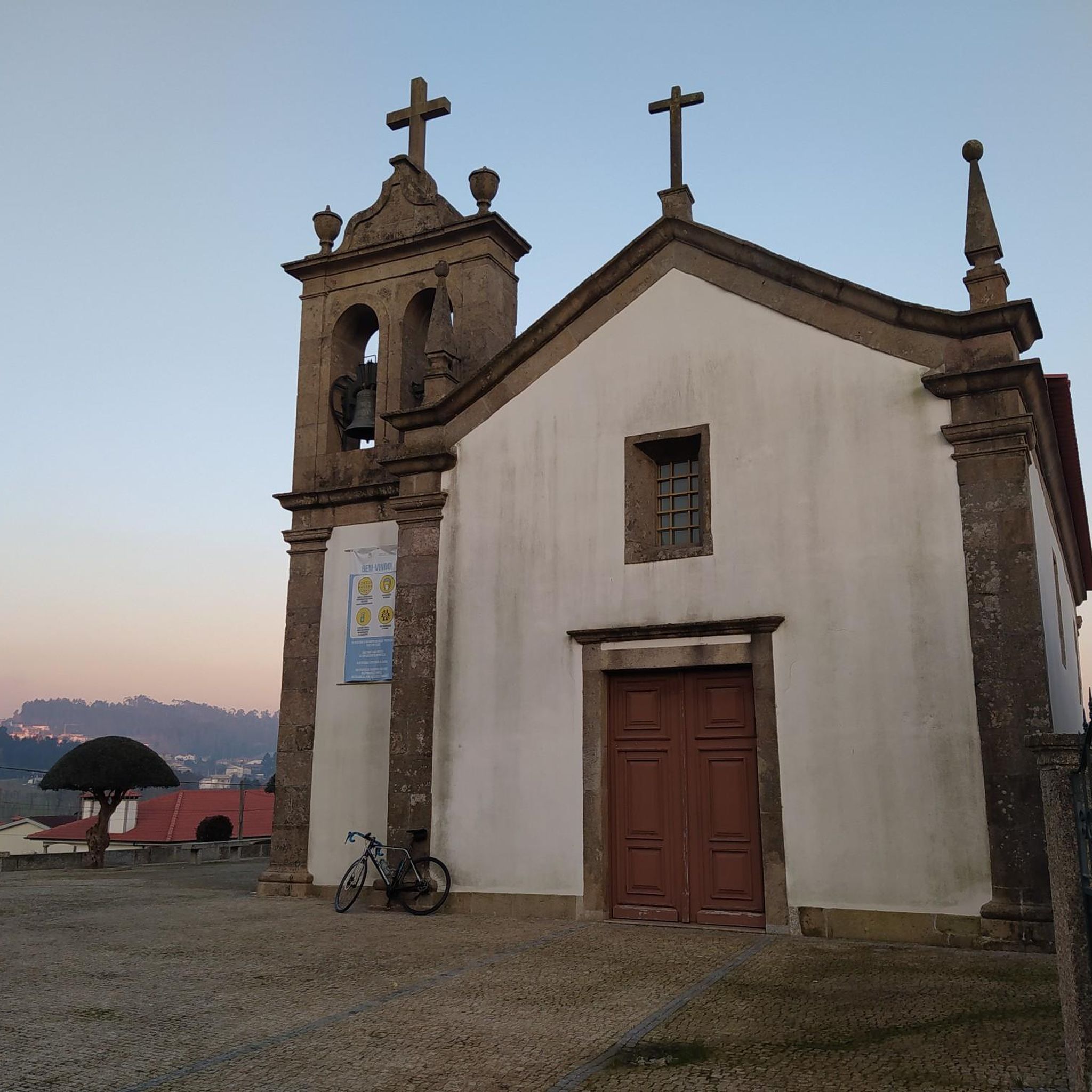
The Church of São Miguel do Castelo, also known as the Chapel of S'o Miguel Castle, was built in 1239 by the Foundation of Our Lady of the Olive Tree. Legend has it that the first king of Portugal, D. Afonso Henriques, was baptized here. Over the centuries, it gradually fell into ruin, reaching a state of disrepair in the mid-19th century when the Martins Sarmento Society decided to restore it. https://pt.wikipedia.org/wiki/Igreja_de_S%C3%A3o_Miguel_do_Castelo
2
0

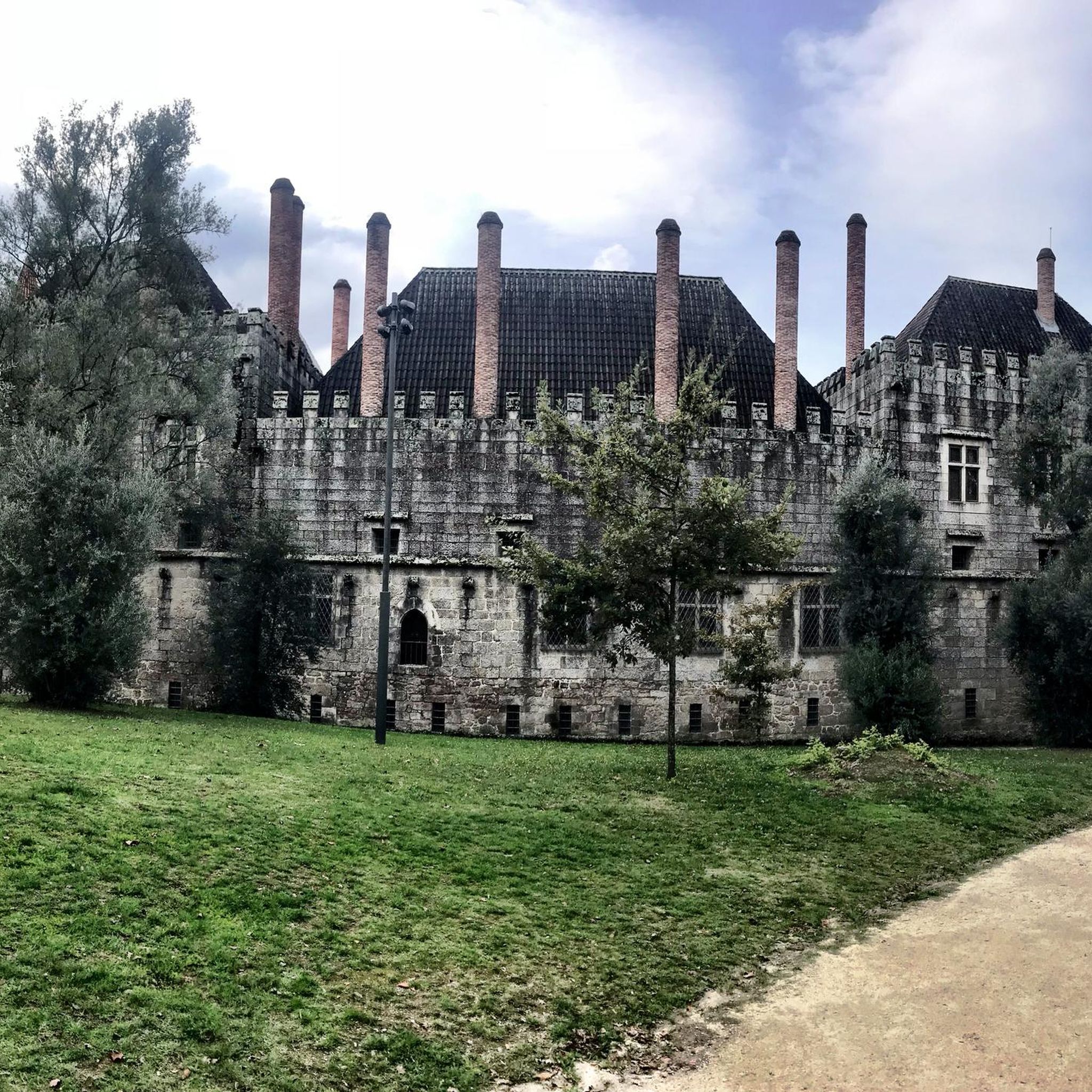
The Palace of the Dukes of Braganza was commissioned by Dom Afonso around 1420—the year of his second marriage to Constança de Noronha. Dom Afonso was the illegitimate son of King João I and acquired the titles of 8th Count of Barcelos, 2nd Count of Neiva, and 1st Duke of Braganza! It is considered a unique architectural example on the Iberian Peninsula!
2
0
Guimarães Castle is the most visited medieval castle in Portugal and one of the most beautiful and important castles in the country. It has been recognized as a National Monument since 1881, a UNESCO World Heritage Site since 2001, and one of the 7 Wonders of Portugal since 2007!
1
0

Very beautiful and pleasant historic center/medieval village and very well-preserved castle. Medieval atmosphere/festivities a few days before the June 24th celebration (date of the founding of Portugal)
2
1
Frequently Asked Questions
What is the historical significance of castles in the region around Sande (São Lourenço)?
The region is rich in history, particularly with the Castelo de Guimarães, often called the 'cradle of the Portuguese nation'. It's believed to be the birthplace of Afonso Henriques, Portugal's first king, and played a crucial role in the defense of the region. Additionally, sites like Castro São Lourenço offer insights into ancient fortified settlements dating back to the 4th century BC.
Are there family-friendly castles to visit near Sande (São Lourenço)?
Yes, several castles and historical sites are suitable for families. The Palace of the Dukes of Braganza and Guimarães Castle Park are both listed as family-friendly. Exploring the castle walls and grounds offers an engaging experience for all ages.
What kind of views can I expect from the castles?
From the Castelo de Guimarães, you can enjoy panoramic views of the surrounding countryside. Castro São Lourenço, while not a traditional castle, offers breathtaking views of the Atlantic Ocean and the Esposende coastline due to its privileged hilltop location.
What outdoor activities can I do near these castles?
The area around Sande (São Lourenço) offers various outdoor activities. You can find numerous hiking routes, such as the 'Bom Jesus Park – Bom Jesus do Monte Funicular loop', or explore road cycling and mountain biking trails. For more details on routes, visit the hiking guide, road cycling guide, or MTB trails guide for the region.
What is the best time of year to visit the castles around Sande (São Lourenço)?
Visiting during spring (April-June) or early autumn (September-October) is ideal. The weather is generally pleasant for exploring historical sites and walking around, avoiding the peak heat of summer and the colder, wetter months of winter.
How long should I plan for a visit to the main castles?
For the Castelo de Guimarães and the nearby Palace of the Dukes of Braganza, you should allocate at least half a day to comfortably explore both, including walking along the walls and visiting the interiors. Castro São Lourenço might take 2-3 hours, especially if you enjoy archaeological sites and scenic views.
Is there parking available at the castles?
Yes, parking is generally available near the main attractions in Guimarães, including the castle and palace. For Castro São Lourenço, there are also designated parking areas for visitors.
Are the castles wheelchair accessible?
Accessibility can vary. While some areas of the castle grounds and museums might be accessible, medieval castles often have uneven terrain, stairs, and narrow passages that can be challenging for wheelchair users. It's advisable to check specific accessibility details with the individual sites before your visit.
Can I bring my dog to the castles or nearby areas?
Policies regarding pets inside historical monuments like castles can vary. Generally, dogs are not permitted inside the buildings themselves. However, many outdoor areas, parks, and hiking trails around the castles and in the wider region are often dog-friendly. Always check local regulations or signage at each specific location.
What unique historical sites, beyond traditional castles, can I explore?
Beyond the medieval castles, you can explore the archaeological site of Castro São Lourenço in Vila Chã, Esposende. This fortified village offers a unique journey through time, with relics dating back to the 4th century BC and defensive systems that evolved over millennia. You can see reconstructed houses and enjoy views of the Atlantic Ocean. More information can be found on Visite Esposende.
What is the significance of the Church of São Miguel do Castelo?
The Church of São Miguel do Castelo is a significant religious and historical site located near the Castelo de Guimarães. It is particularly known for its baptismal font, where the first king of Portugal, Afonso Henriques, is said to have been baptized, making it a place of profound national importance.
Where can I find information about the birth of Portugal in Guimarães?
The phrase 'Aqui nasceu Portugal' ('Portugal Was Born Here') is emblazoned on the old city walls of Guimarães, marking its historical significance as the birthplace of the nation. You can see this at the Guimarães City Walls, which commemorate Afonso Henriques, the first king of Portugal, who is said to have been born in this town.
Most popular attractions around Sande (São Lourenço)

Get inspired with the komoot mobile app


Explore more
Looking for the best castles somewhere else? Discover other guides around Sande (São Lourenço):
