Top 5 Caves around gmina gmina Czarny Dunajec
Best caves around gmina gmina Czarny Dunajec are primarily found within the broader Podhale region, particularly in the nearby Tatra Mountains. The area is characterized by its mountainous terrain, with dolomite rock formations and valleys. While the gmina itself features historical sites like Kmietowicz Rock with its small natural shelters, more extensive cave systems are accessible in adjacent areas. This region offers a mix of geological features and natural attractions for exploration.
Best caves around gmina gmina Czarny Dunajec
- The…
Last updated: July 2, 2026
Valley of the Little Meadow
Highlight (Segment) • Gorge
It lies at …
Translated by Google •
Tip by

Kmietowicz Rock
Highlight • Natural Monument
Translated by Google •
Tip by

Sign up now to discover places like this
Get recommendations on the best single tracks, peaks, & plenty of other exciting outdoor places.
Sign up for free
Mroźna Cave
Highlight • Cave
Translated by Google •
Tip by

Dziura Cave
Highlight • Cave
Translated by Google •
Tip by

Raptawicka Cave
Highlight • Cave
... but the cave itself? Well, not for me. But "you do you"
Translated by Google •
Tip by

Sign up for free to discover even more caves around gmina gmina Czarny Dunajec.
Sign up for free
Already have an account?
Start today with a free account
Your next adventure awaits.
Login or Signup
Popular around gmina gmina Czarny Dunajec
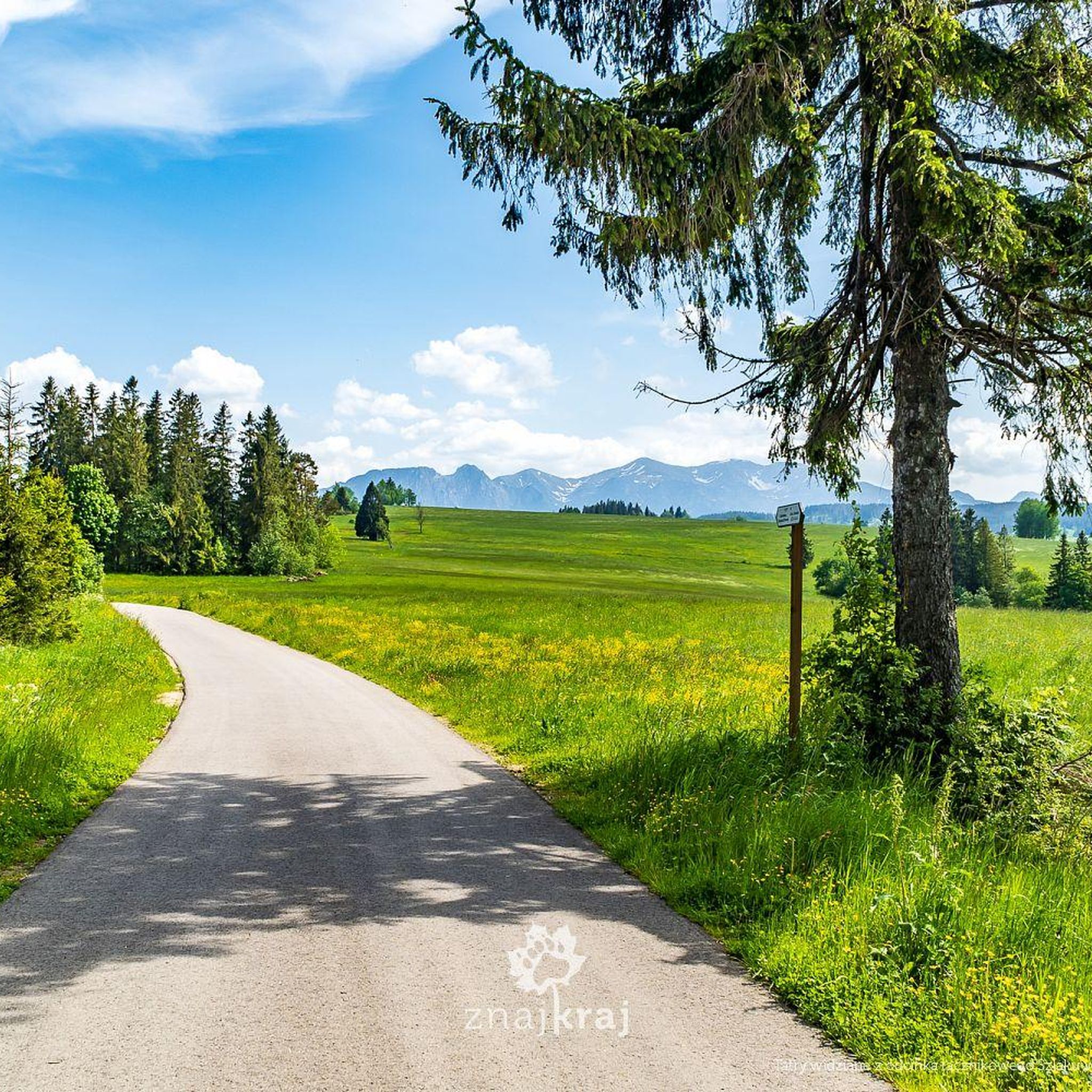
Cycling around gmina gmina Czarny Dunajec
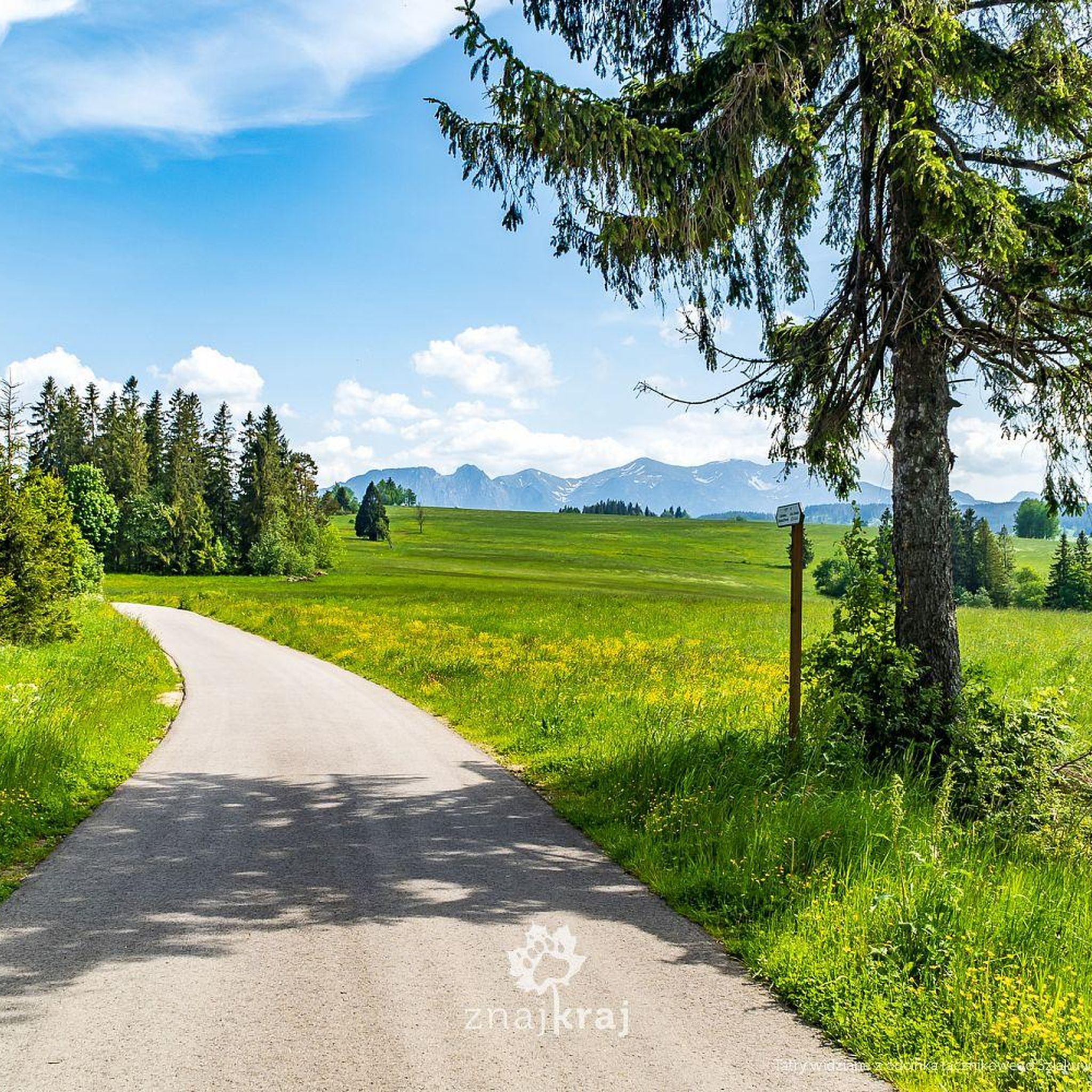
Road Cycling Routes around gmina gmina Czarny Dunajec

Mountain Hikes around gmina gmina Czarny Dunajec
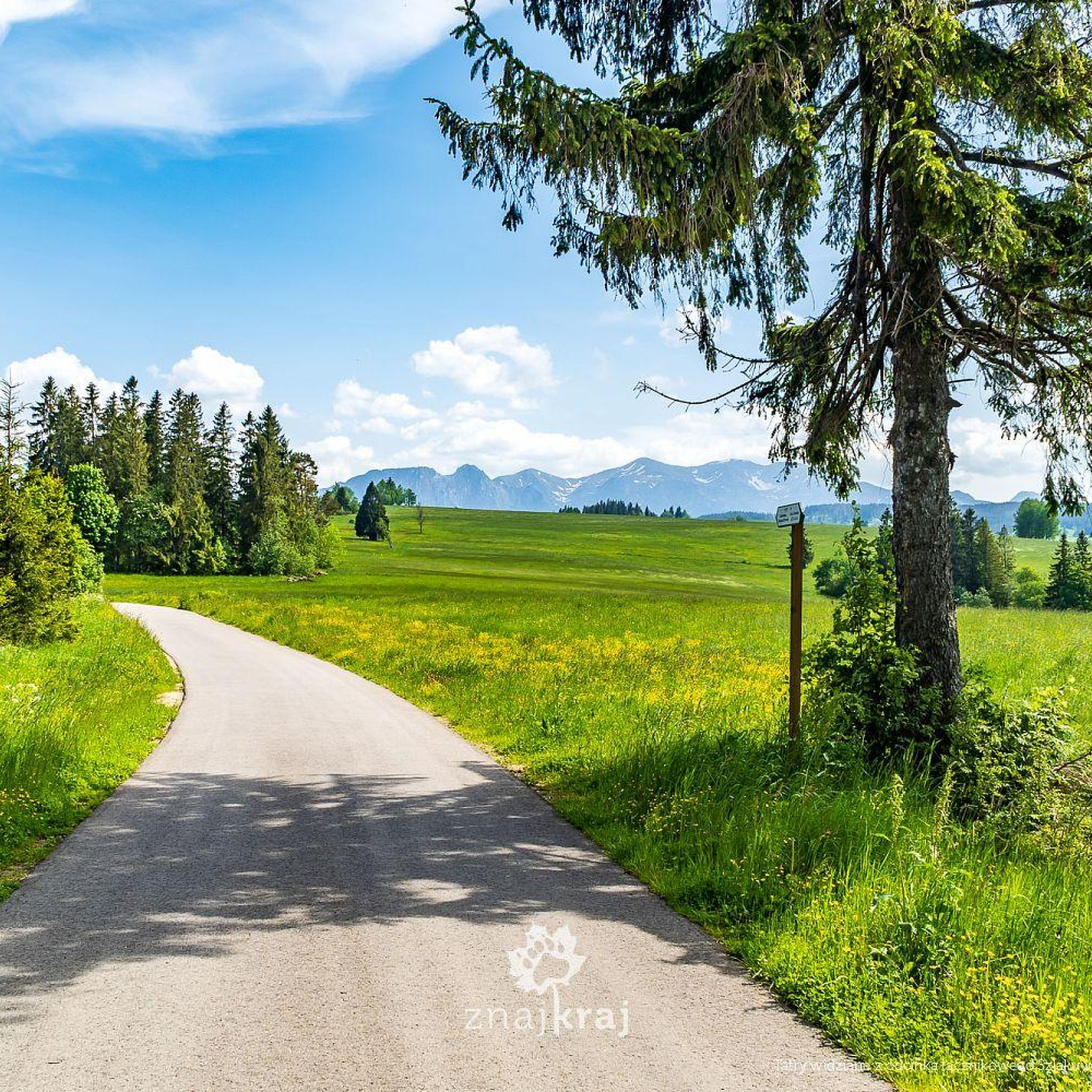
Hiking around gmina gmina Czarny Dunajec
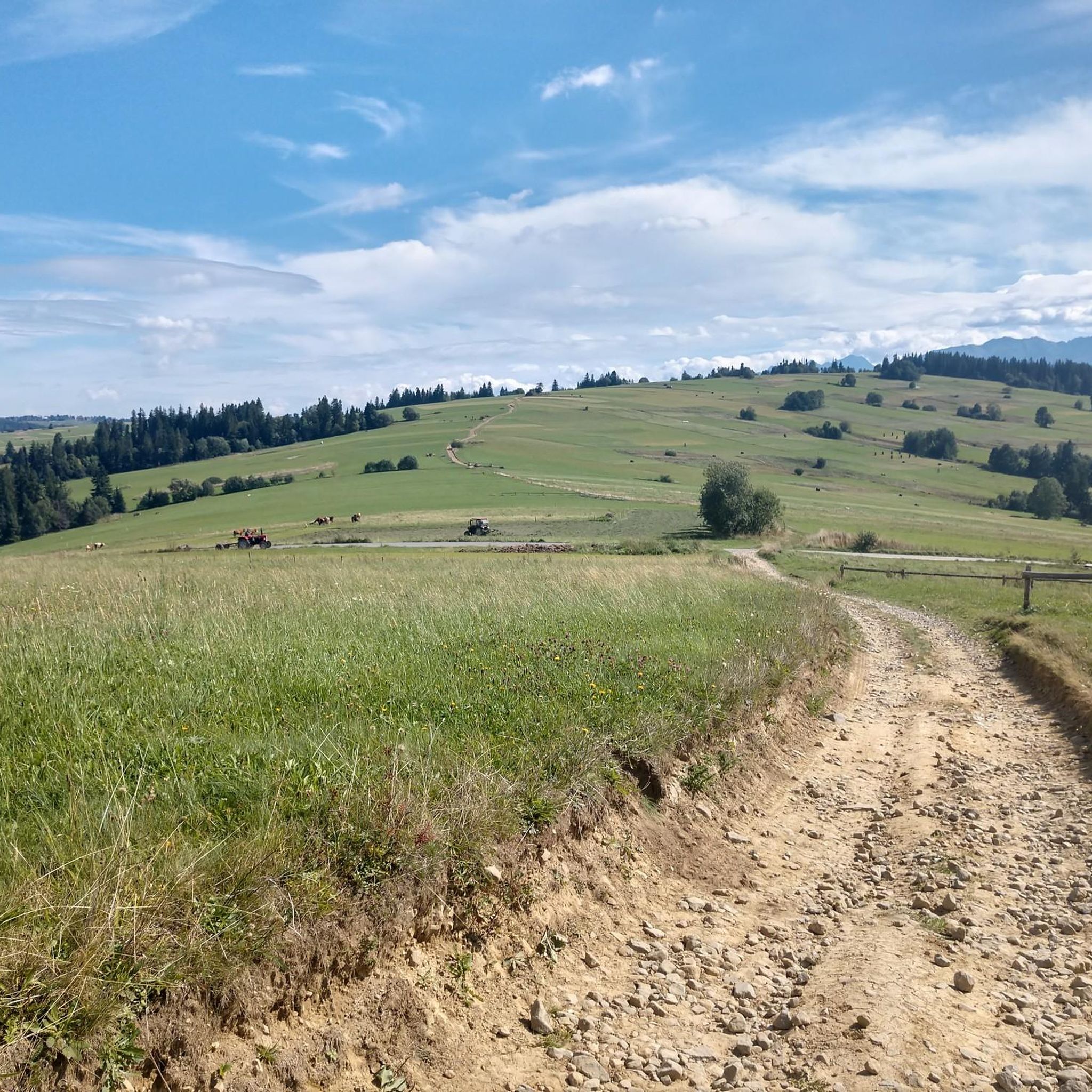
Running Trails around gmina gmina Czarny Dunajec
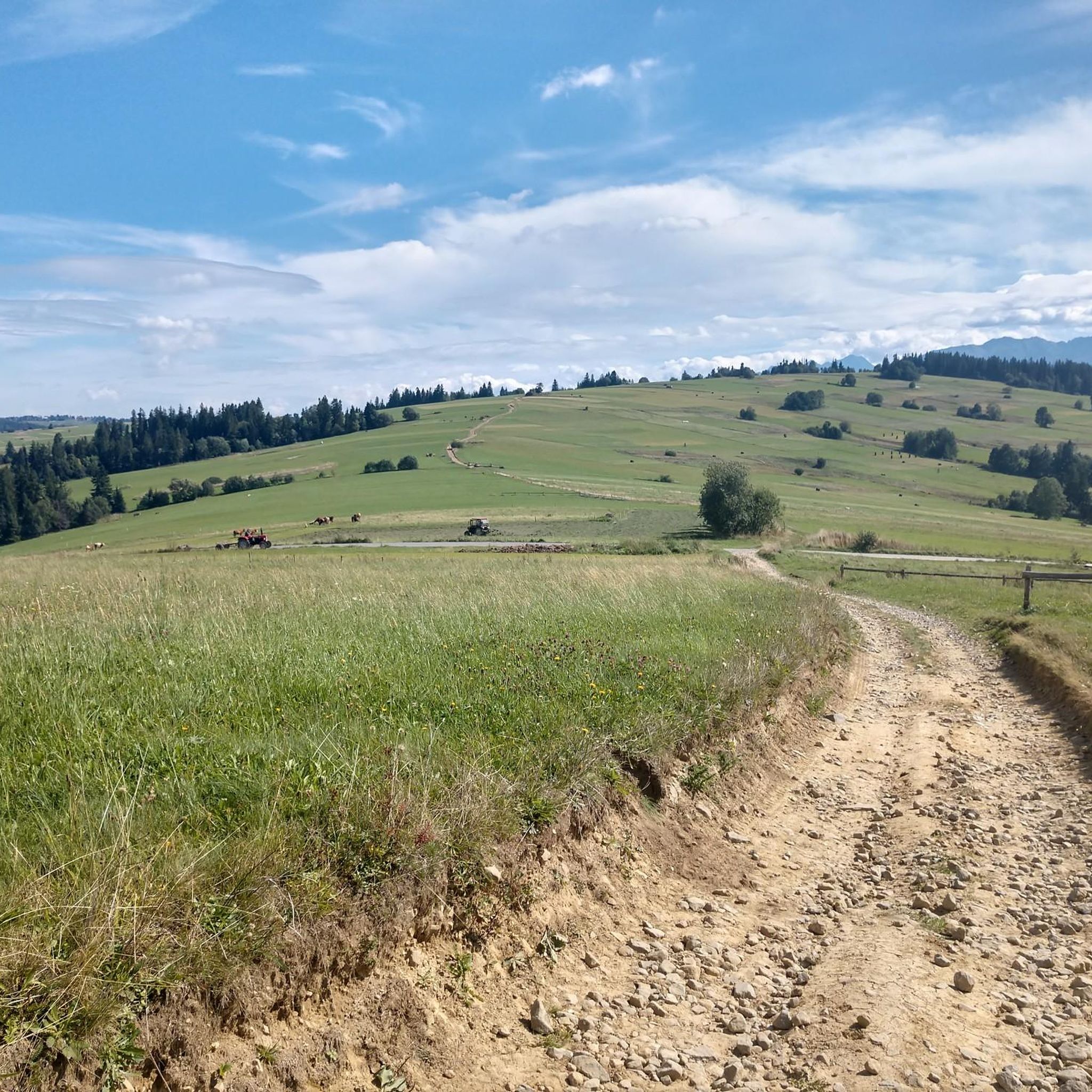
MTB Trails around gmina gmina Czarny Dunajec
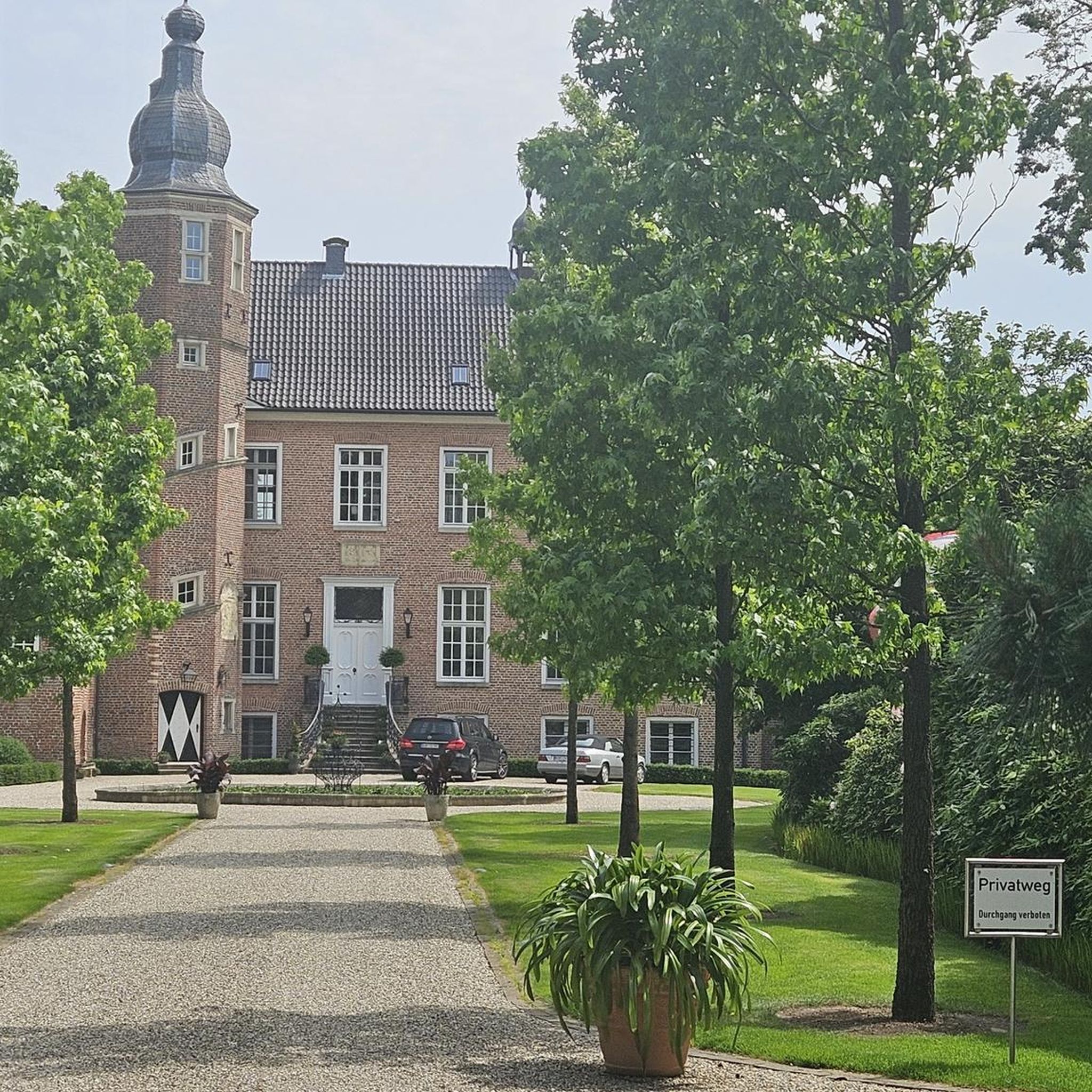
Gravel biking around gmina gmina Czarny Dunajec
Tips from the Community

A beautiful rock, it makes an amazing impression on the way back from the clearing
0
0

Wielka Polana Małołącka is a mountain clearing in the Mała Łąka Valley. It lies at an altitude of 1,170–1,200 m. It was formed on the site of a former glacial lake, which eventually filled with erosion sediments carried down from the mountains by flowing waters. It is known for its panoramic views and the view of Giewont.
2
0

This rock at an altitude of 987m above sea level is made of dolomite. There are two small caves in the rock, called "shelters". The rock was named after Father Józef Leopold Kmietowicz, the leader of the Chochołów Uprising of 1846. You will also find a commemorative plaque here commemorating all the participants of that uprising. There are a few rocks here worth seeing. It is worth leaving your bike somewhere and taking a closer look.
0
0
This rock at an altitude of 987m above sea level is made of dolomite. There are two small caves in the rock, called "shelters". The rock was named after Father Józef Leopold Kmietowicz, the leader of the Chochołów Uprising of 1846. You will also find a commemorative plaque here commemorating all the participants of this uprising.
0
0

Own lighting required. Headlamp recommended.
0
0


Before the establishment of the Tatra National Park in 1954, the valley with its high mountain climate was used for alpine farming.
6
1
The valley contains the longest and deepest caves in Poland, the more than 23 km long Jaskinia Wielka Śnieżna and the more than 13 km long Śnieżna Studnia.
6
1
Frequently Asked Questions
What are the most accessible caves for general visitors near Gmina Czarny Dunajec?
For general visitors, Dziura Cave is a small cave with two entrances, located at the end of the 'Ku Dziurze' valley. Another option is Mroźna Cave, which features a tourist path approximately 511 meters long. Both require visitors to bring their own light source for exploration.
Are there any family-friendly cave experiences in the region?
While many caves in the broader Tatra Mountains require specific equipment and caution, the Valley of the Little Meadow is considered family-friendly. This glacially formed valley, surrounded by mountains, offers a natural setting where you can appreciate the landscape that contains some of Poland's longest and deepest caves, even if direct exploration of those specific deep caves is not for families.
What equipment should I bring when visiting caves near Gmina Czarny Dunajec?
For most accessible caves like Dziura Cave and Mroźna Cave, you must bring your own light source, such as a headlamp or flashlight. For more adventurous caves like Raptawicka Cave, good shoes with grip are essential due to potentially slippery conditions, and robust, warm clothing is recommended as cave temperatures remain cool year-round.
What is the best time of year to explore caves in this area?
Mroźna Cave is typically open from the beginning of May to the end of October. While other caves like Raptawicka Cave are accessible year-round, conditions can be more challenging in winter due to ice and snow, making spring through autumn generally the most comfortable and safest times for exploration.
Are there any caves with historical significance in Gmina Czarny Dunajec?
Yes, Kmietowicz Rock, located at 987 meters above sea level, contains two small natural formations referred to as 'shelters.' This dolomite rock is a natural monument and holds historical importance, named after Father Józef Leopold Kmietowicz, a leader of the 1846 Chochołów Uprising. A commemorative plaque honors the participants of this uprising.
What are the more challenging or adventurous caving options nearby?
For a more adventurous experience, Raptawicka Cave in Dolina Kościeliska is known for its challenging access, involving chains and a 4-meter steel ladder to descend into its spacious chambers. It requires good physical condition and appropriate gear, including your own lighting.
What are the typical temperatures inside the caves?
Caves in the region, such as Raptawicka Cave, maintain a cool temperature of approximately 6-7°C almost year-round. It is advisable to wear warm clothing even during summer visits.
Are there any permits or fees required to visit caves?
Access to caves within the Tatra National Park, such as Mroźna Cave and Dziura Cave, typically requires an entrance fee to the park. Specific permits for more advanced caving in undeveloped systems might be necessary, but for tourist-accessible caves, the park entrance fee usually covers access.
What other outdoor activities can I do near the caves in Gmina Czarny Dunajec?
The region around Gmina Czarny Dunajec offers various outdoor activities. You can find numerous cycling routes, including easy and moderate options like the 'View of the Tatra Mountains – Bridge over the Czarny Dunajec loop from gmina Czarny Dunajec'. For hikers, there are easy trails such as the 'Cows Grazing in a Foggy Field loop from Chochołów', as well as more challenging mountain hikes in the broader Tatra Mountains. You can explore more routes in the Cycling around gmina gmina Czarny Dunajec and Easy hikes around gmina gmina Czarny Dunajec guides.
How long does it typically take to explore a cave like Raptawicka Cave?
Exploring Raptawicka Cave typically takes about 30 minutes. This allows time to navigate the descent via the steel ladder, explore its spacious chambers, and appreciate its unique features.
Are there any unique geological features to observe in the caves or surrounding area?
The region is characterized by dolomite rock formations, as seen in Kmietowicz Rock. The Valley of the Little Meadow is a prime example of a glacially formed valley, showcasing the powerful geological processes that shaped the landscape and led to the formation of extensive cave systems within the Tatra Mountains.
Most popular routes around gmina gmina Czarny Dunajec
Most popular attractions around gmina gmina Czarny Dunajec

Get inspired with the komoot mobile app


