Top 8 Castles around gmina Jordanów Śląski
Best castles around gmina Jordanów Śląski include several historical palaces, offering insights into the region's past. While traditional medieval castles are not present, the area features various historical sites, including palaces that have undergone transformations over centuries. Many of these structures are privately owned or in various states of preservation, ranging from ruins to renovated buildings. These historical sites around gmina Jordanów Śląski provide a glimpse into the architectural heritage of the region.
Best castles around gmina Jordanów Śląski
- The…
Last updated: July 2, 2026
Krzyżowice Palace
Highlight • Historical Site
Translated by Google •
Tip by

Palace in Mańczyce
Highlight • Castle
Translated by Google •
Tip by

Sign up now to discover places like this
Get recommendations on the best single tracks, peaks, & plenty of other exciting outdoor places.
Sign up for free
Górka Castle
Highlight • Castle
Translated by Google •
Tip by

Kobierzyce Commune Office (Former Kobierzyce Palace)
Highlight • Castle
Translated by Google •
Tip by

Gola Dzierżoniowska Castle
Highlight • Castle
Translated by Google •
Tip by

Sign up for free to discover even more castles around gmina Jordanów Śląski.
Sign up for free
Already have an account?
Start today with a free account
Your next adventure awaits.
Login or Signup
Popular around gmina Jordanów Śląski

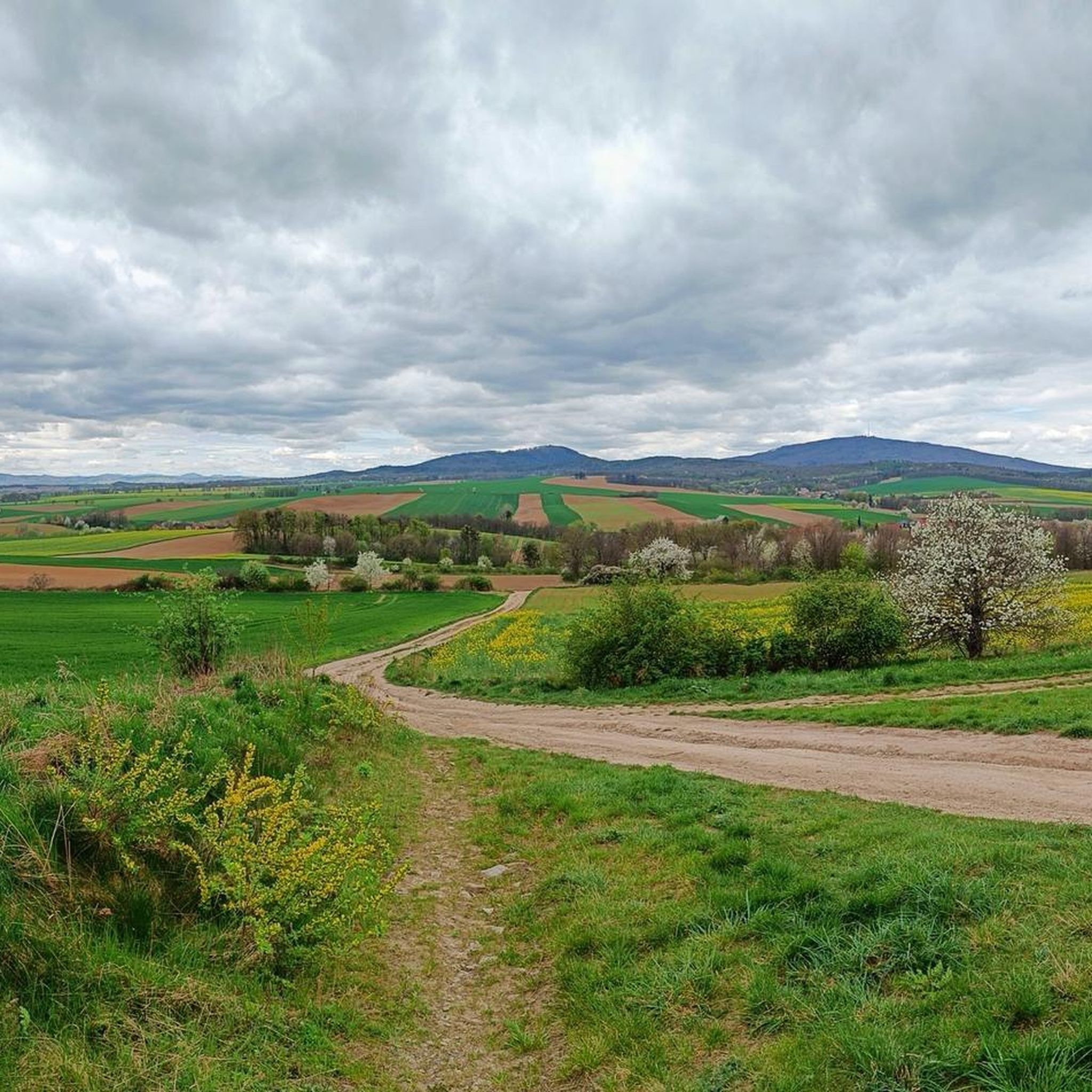
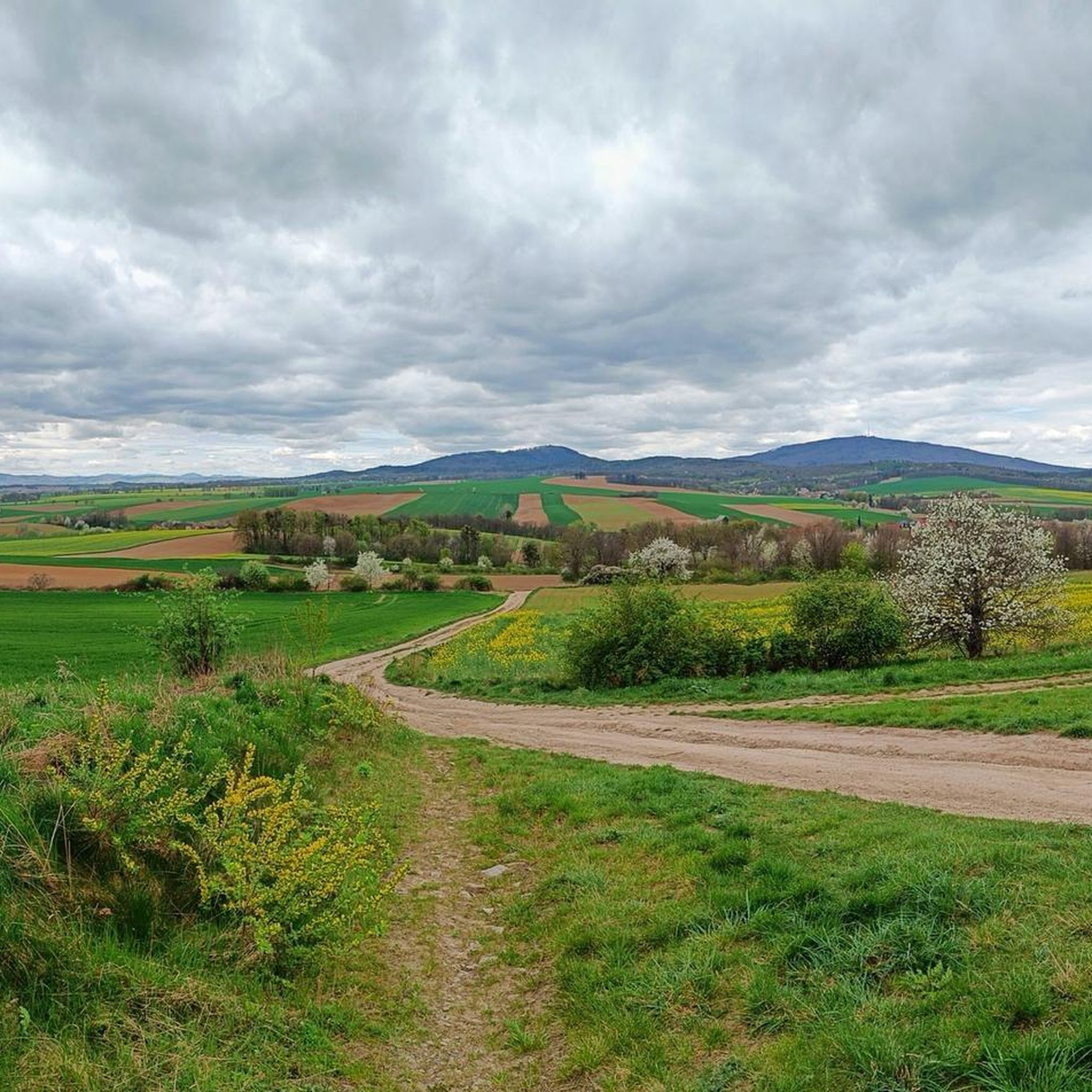
Tips from the Community

The castle in Gola Dzierżoniowska, picturesquely situated between the Krzyżowe and Gumińskie Hills, is a valuable Renaissance monument. Currently, after reconstruction started in 2000 and lasting 13 years, it houses Uroczysko Siedmiu Stawów Luxury Hotel & Spa by L'Occitane. This ecological and exclusive place of rest for exceptional Guests delights with the unique atmosphere of a 16th-century Renaissance castle, in which the historic interiors are decorated in a modern style.
0
0

The palace complex is accessible. Wikipedia: After 1550, the Barons von Reichell owned the estate. In 1713, they had a Baroque manor house, a side wing, and a servants' quarters built south of the existing knight's residence. Starting in 1854, Benno von Tschirschky-Reichell had the ensemble expanded into a three-wing complex by connecting the servants' quarters. After a fire, the main wing was restored in a blend of Neo-Baroque and Neo-Renaissance styles. At the same time, two new staircases, a pedestal bay window, and a prestigious main portal were built. From 1908 to 1945, the Counts of Eulenburg owned the estate. In May 1945, Marie-Antoinette fled to Eulenburg, but soon returned and resumed operations. After Schlanz, along with almost all of Silesia, fell to Poland in 1945 as a result of the Second World War, the Schlanz estate was transferred to the University of Breslau as an agricultural teaching and experimental estate. Since 1989, the castle has housed a
0
0
The municipality has its "office" in the former Kobierzyce Castle. It's very beautiful, with a large park.
0
0
A former monastery. Converted into a Neo-Renaissance castle at the end of the 19th century. Apparently a hotel today. When I arrived, it was firmly locked and there was no indication of this.
0
0

Unfortunately, this is private land and you cannot approach the palace itself.
2
0

A historic castle built in 1580.
0
0

This commune cares about cyclists.
1
0

Most likely, in the 17th century there was a manor house here belonging to the von Gfug family. After the heirless death of the last owner from this family, Count Karl Christian von Gfug, the estate was inherited by the widow, Eleonora Carolina née Countess von Hochberg. When she died in 1737, the village became the property of the Hochberg family, the von Posadowsky family. In 1778, Mańczyce was bought by Adam Bohuslav von Sandreczky und Sandraschütz. In the 1830s, the estate was bought by Georg Count von Stosch and this family owned it until the beginning of the 20th century. They also remodeled it in 1887, during which the palace acquired its present appearance. At the beginning of the 20th century, the estate passed into the hands of the von Rohr family, and the last owner was Kurt von Rohr. After World War II, the palace was the seat of the PGR Combine in Strzelin. Currently, since 1997, it is privately owned.
1
0
Frequently Asked Questions
What kind of historical sites can I expect to find in Gmina Jordanów Śląski?
In Gmina Jordanów Śląski, you'll primarily discover historical palaces rather than traditional medieval castles. Many of these structures reflect different eras of construction and transformation, ranging from significant ruins to renovated buildings. They offer a glimpse into the region's aristocratic past and architectural heritage.
Which historical palaces in Gmina Jordanów Śląski are accessible to visitors?
While many historical palaces in the region are privately owned or in various states of disrepair, some offer accessibility. The grounds of Krzyżowice Palace are accessible, showcasing its Neo-Baroque and Neo-Renaissance styles. The Kobierzyce Commune Office (Former Kobierzyce Palace), which houses the local commune office, is also accessible and features a large park. Gola Dzierżoniowska Castle, now a luxury hotel and spa, is open to guests and visitors of its facilities.
Are there any significant castle ruins to explore in the region?
Yes, the Pałac w Piotrówku (Palace in Piotrówek) offers a poignant view of a once-grand estate. Although it is currently in ruins, it provides a tangible connection to the region's aristocratic past and architectural styles. You can explore the remnants of its former glory, including elements of its landscape park and the adapted tomb chapel.
What is the history behind Górka Castle?
Górka Castle has a rich history, originally serving as a monastery owned by the Order of Saint Augustine, with parts dating back to the 12th century. It was later converted into a Neo-Renaissance castle at the end of the 19th century. While it has served various purposes, including a hotel, it is currently closed, but its historical architecture and Romanesque elements can still be viewed from outside.
Can I visit the Palace in Mańczyce?
The Palace in Mańczyce is unfortunately located on private land and is not approachable for public viewing. It has been privately owned since 1997, so visitors cannot access the palace itself.
Are there family-friendly historical sites around Gmina Jordanów Śląski?
Yes, the Kobierzyce Commune Office (Former Kobierzyce Palace) is considered family-friendly, featuring beautiful architecture and a large park that can be enjoyed by all ages. Gola Dzierżoniowska Castle, now a luxury hotel, also offers a welcoming environment for families visiting its facilities.
What outdoor activities can I do near these historical sites?
The region around Gmina Jordanów Śląski offers various outdoor activities. You can explore mountain hikes, such as those around Mount Ślęża, with routes like the 'PTTK Tourist House on Mount Ślęża – Bismarck Tower on Mount Ślęża loop from Sobótka'. There are also extensive MTB Trails and Gravel biking routes, including loops around Tąpadła Pass and Sulistrowice Reservoir. For more details, check out the Mountain Hikes around gmina Jordanów Śląski guide.
What do visitors enjoy most about the historical sites in this region?
Visitors appreciate the architectural beauty and historical significance of the palaces. The large park at the Kobierzyce Commune Office (Former Kobierzyce Palace) is particularly popular. The opportunity to witness the transformation of these sites, from ancient monasteries to Neo-Renaissance castles like Górka Castle, also captivates many.
Are there any historical sites that are currently used for other purposes?
Yes, the Former Kobierzyce Palace now serves as the Kobierzyce Commune Office. Similarly, Gola Dzierżoniowska Castle, a valuable Renaissance monument, has been reconstructed and now houses a luxury hotel and spa.
Can I visit the Palace in Karolina?
The Palace in Karolina is privately owned and unfortunately not accessible for public viewing. While it underwent a major renovation in 1972, the grounds currently house an equestrian center, and the palace itself is not open to visitors.
Are there any viewpoints with good views of the historical sites?
While specific viewpoints for the palaces are not highlighted, the region around Gmina Jordanów Śląski, particularly near Mount Ślęża, offers various scenic spots. Exploring the nearby hiking trails could lead to elevated positions providing broader views of the landscape, potentially including glimpses of some historical structures from a distance.
What is the best time to visit the historical sites in Gmina Jordanów Śląski?
The best time to visit is generally during spring, summer, or early autumn when the weather is pleasant for exploring the grounds and viewing the exteriors of the palaces. Autumn also offers beautiful colors in the surrounding landscape, enhancing the experience of visiting historical ruins like Pałac w Piotrówek.
Most popular routes around gmina Jordanów Śląski
Most popular attractions around gmina Jordanów Śląski

Get inspired with the komoot mobile app


Explore more
Looking for the best castles somewhere else? Discover other guides around gmina Jordanów Śląski:
