The 5 Most Amazing Peaks around Marcinowice
Mountain peaks near Marcinowice Poland are situated within the broader Sudetes Foreland, a region known for its distinct geological features. The area is characterized by solitary granite massifs that rise from the surrounding plains, offering notable elevations despite their moderate absolute height. This geographical setting provides a backdrop for outdoor activities and features sites of historical and cultural significance. The most prominent peak, Mount Ślęża, is easily accessible and forms a central part of the landscape.
Best mountain peaks around…
Last updated: June 18, 2026
Church of the Visitation of the Blessed Virgin Mary on Mount Ślęża
Highlight • Religious Site
Translated by Google •
Tip by

Mount Ślęża
Highlight • Summit
Translated by Google •
Tip by

Sign up now to discover places like this
Get recommendations on the best single tracks, peaks, & plenty of other exciting outdoor places.
Sign up for free
PTTK Tourist House on Mount Ślęża
Highlight • Mountain Hut
Translated by Google •
Tip by

Radunia Summit
Highlight • Summit
Translated by Google •
Tip by
Skalna Perć Trail
Highlight • Trail
Translated by Google •
Tip by
Sign up for free to discover even more peaks around Marcinowice.
Sign up for free
Already have an account?
Start today with a free account
Your next adventure awaits.
Login or Signup

Tips from the Community

The yellow trail, for everyone :)
0
0

A historic tourist facility located at the summit of Mount Ślęża at 718 meters above sea level, named after Roman Zmorski and listed as a historical monument since 1988. The current stone building was constructed in 1907-1908 under the patronage of the Zobten Mountain Society, replacing earlier wooden structures that had served hikers since 1837. Originally featuring a richly decorated "Zobten Hermitage" hall where mountain society members gathered among hunting trophies, the building now operates as a tourist house providing only catering services due to water supply issues that prevent overnight accommodation!!!
1
0
built on the ruins of a medieval Piast castle whose fragments can still be seen in the church's underground crypt. Originally founded in the 12th century by Palatine Piotr Włostowic who brought Augustinian canons from Flanders, the current neo-Romanesque structure dates from 1852 after the previous chapel was destroyed by lightning in 1834.
1
0
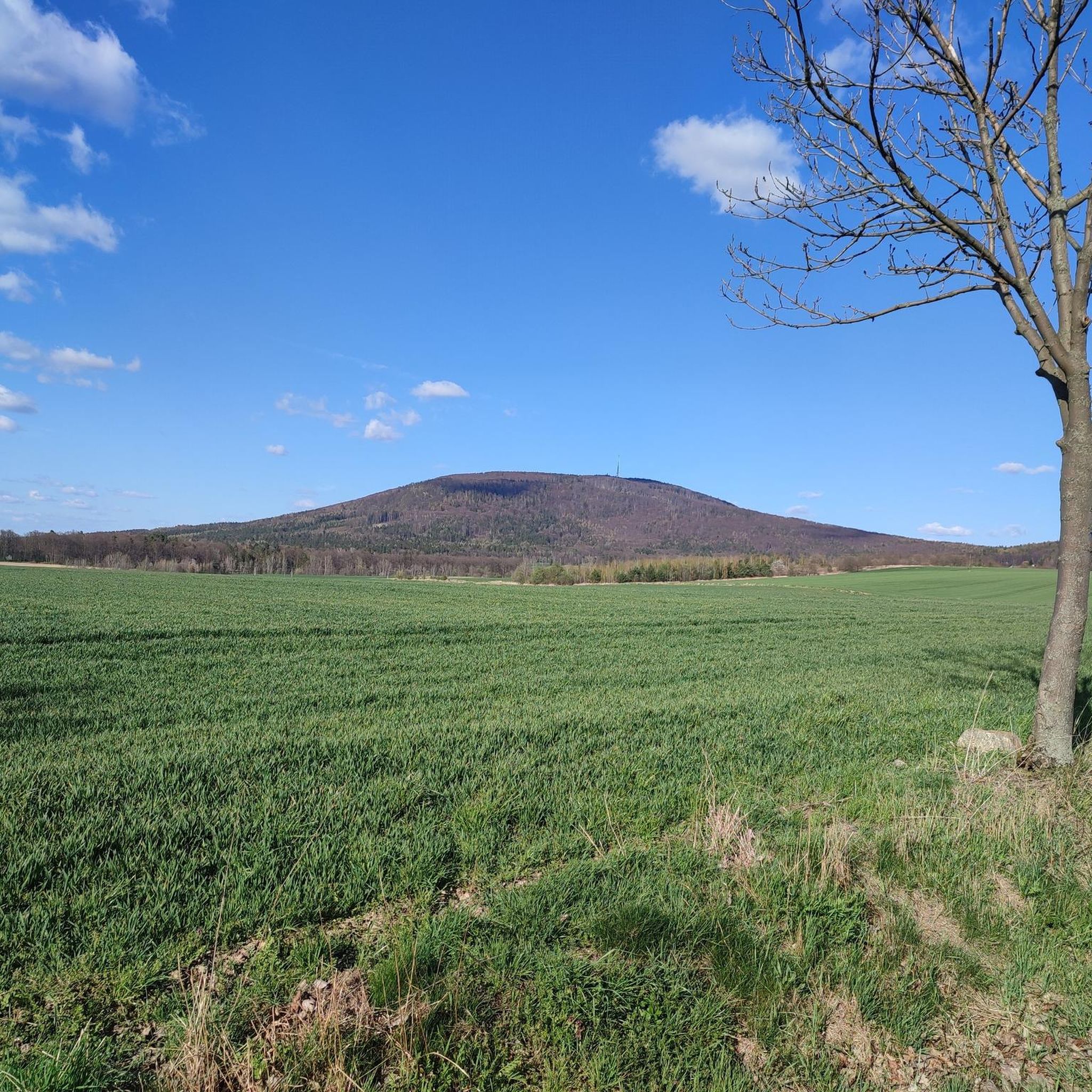
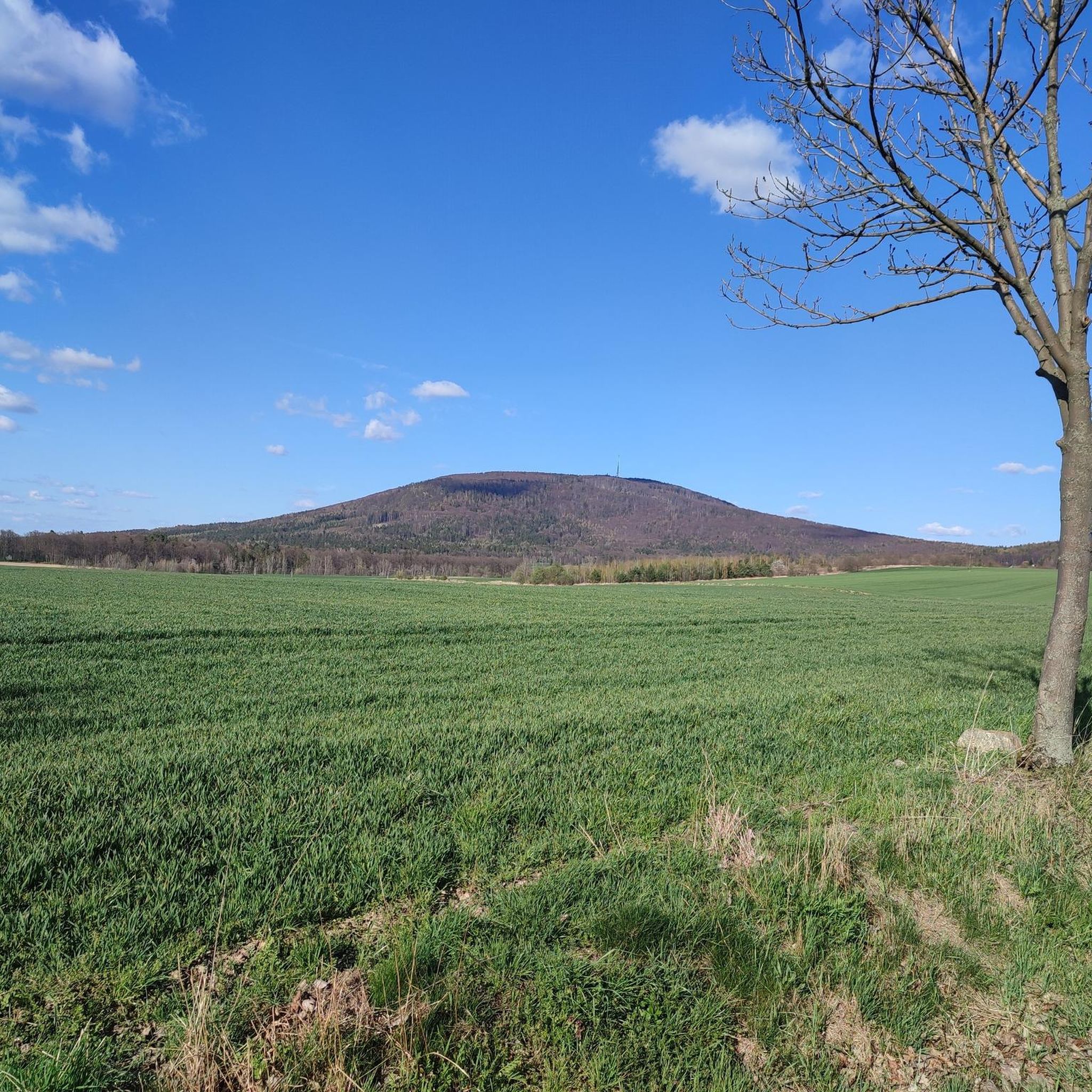
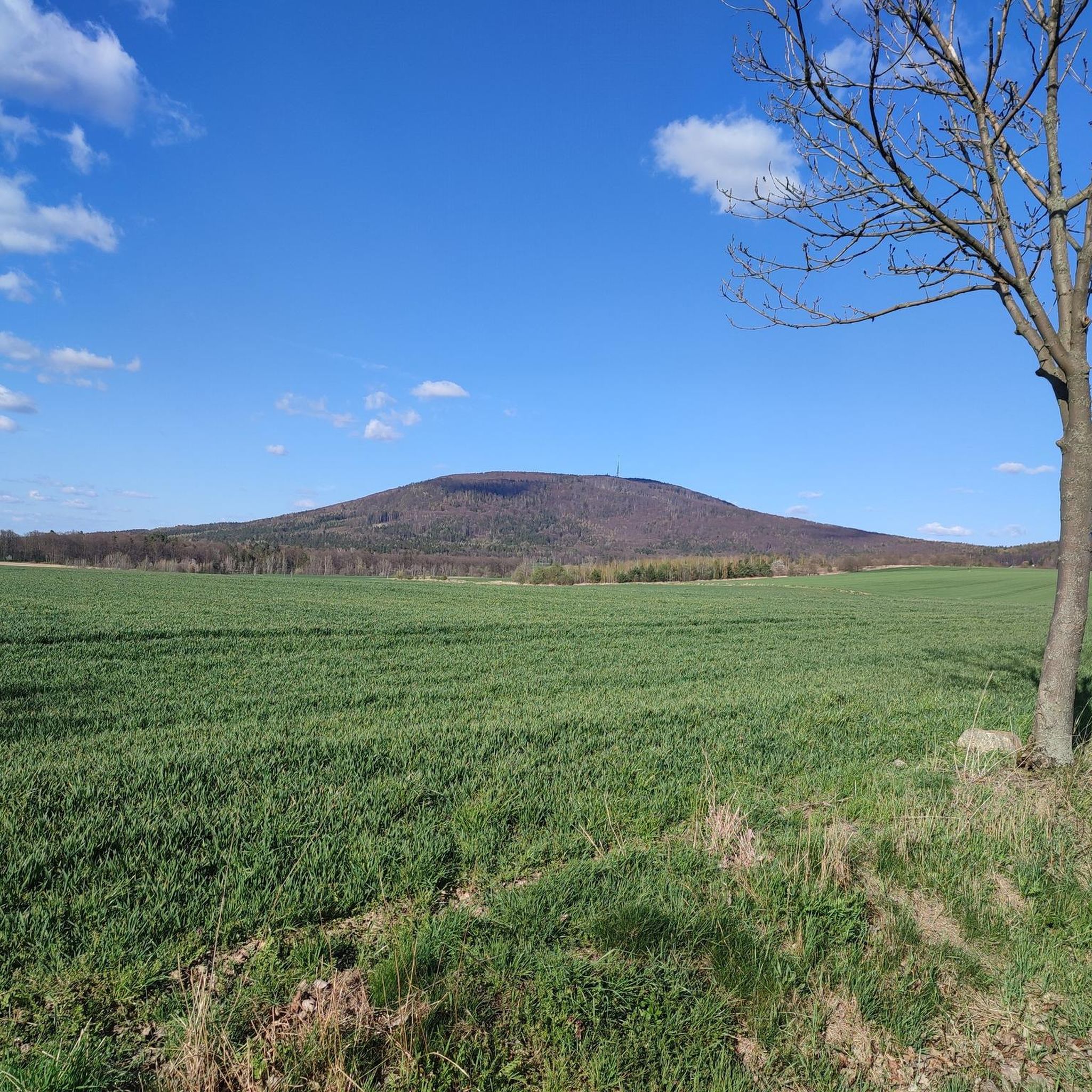
The mountain has two archaeological trails marked with the symbol of the Ślęża bear, allowing visitors to discover the ancient stone sculptures while trekking. Despite its relatively modest elevation, Ślęża offers impressive views due to its prominent rise of over 500 meters above the surrounding lowlands.
1
0
Mount Ślęża is the highest peak of the Sudeten Foothills at 717.5 meters above sea level, located near the town of Sobótka in southwestern Poland. The mountain served as a pagan solar worship center from the Bronze Age until Christianization in the 10th-11th centuries, with ancient stone sculptures including "the maiden with fish," "the monk," and "the bear" still visible today. A 12th-century church now stands on the summit alongside a concrete observation tower, while the PTTK tourist shelter provides accommodation for hikers exploring the well-marked trail network.
1
0

There is a nature reserve on the top of the mountain. It protects the places where rare plant species adapted to specific soil and climate conditions occur. In 2014, the tourist trail leading there was closed down, which was necessary to protect nature, which was being destroyed by careless tourists, trampling valuable grasslands and lighting fires on the top of Radunia. Source: https://www.sleza.sobotka.pl/radunia/
1
0

The Tourist House is a different category from the PTTK shelter, which means that this building is subject to different rules than shelters. There was already a building on this site in 1837 and it has a long history. One of the more interesting rooms here was the current Knights' Hall (formerly the Ślęża Hermitage, where members of the Mountain Society met). There is no running water here, so there is no accommodation, only a buffet.
0
0
Radunia (573m above sea level) is the second peak on the Ślęża Massif (after Ślęża itself, of course). This peak is part of the Góra Radunia Nature Reserve. From the top there are amazing views of the Sowie Mountains and Ślęża. Worth it!
2
0
Frequently Asked Questions
What are the most prominent mountain peaks near Marcinowice?
The most prominent peak in the vicinity of Marcinowice is Mount Ślęża, rising to 718 meters. It's known for its significant relative height and historical importance. Another notable peak is Radunia Summit, the second highest in the Ślęża Massif at 573 meters, which hosts a nature reserve.
What historical and cultural sites can I find on the mountain peaks?
The region's peaks, especially Mount Ślęża, are rich in history. It was a pagan holy site from the Bronze Age, with ancient stone sculptures like 'The Bear' and 'The Maiden with a Fish' still visible. At the summit, you'll find the historic Church of the Visitation of the Blessed Virgin Mary, built on the ruins of a medieval castle, and remnants of ancient stone ramparts.
Are there family-friendly hiking options on the mountain peaks near Marcinowice?
Yes, Mount Ślęża is considered family-friendly, offering rewarding hiking experiences. The yellow trail from Przełęcz Tąpadła is noted as an easier and popular route to the summit, making it suitable for families.
What kind of views can I expect from the mountain peaks?
From the summit of Mount Ślęża, visitors can enjoy extensive panoramic views of the Sudetes Mountains and the vast Silesian Lowland. Radunia Summit also offers beautiful vistas, including views of the Sowie Mountains and Ślęża itself.
What facilities are available at the summit of Mount Ślęża?
At the peak of Mount Ślęża, you'll find the PTTK Tourist House, which offers refreshments and simple meals. There's also the historic Church of the Visitation of the Blessed Virgin Mary, a television and radio mast, and an observation tower for enhanced views.
What are the hiking difficulties for the peaks around Marcinowice?
Mount Ślęża offers intermediate difficulty trails, with options like the yellow trail from Przełęcz Tąpadła being more accessible. Radunia Summit is generally considered a more challenging climb.
Are there any unique trails or natural features to explore?
Yes, the Skalna Perć Trail is a unique section of the blue tourist trail on Mount Ślęża. It leads through rocks and features steps carved into granite, offering an enchanting experience. Additionally, Radunia Summit is home to a nature reserve protecting rare plant species.
What outdoor activities can I do near these mountain peaks?
Beyond hiking the peaks, the area around Marcinowice offers various outdoor activities. You can explore Road Cycling Routes, enjoy Cycling on touring bicycles, or find numerous Running Trails. Many routes pass through the scenic Sudetes Foreland.
What do visitors enjoy most about the mountain peaks around Marcinowice?
Visitors particularly appreciate the combination of natural beauty and rich history. The panoramic views from Mount Ślęża, the ancient pagan sites, and the rewarding hiking experiences are frequently highlighted. The presence of facilities like the PTTK Tourist House also adds to the positive experience.
Is there a best time of year to visit the mountain peaks near Marcinowice?
While the guide doesn't specify a single 'best' time, the region's dense forests and panoramic views suggest that spring and autumn offer pleasant hiking conditions with vibrant foliage. Summer is also popular for outdoor activities, while winter can provide a different, more challenging experience on the trails.
Are there any specific routes for cycling near the mountain peaks?
Yes, there are several cycling routes. For road cycling, you can find options like the 'Tąpadła Pass – Sulistrowicka Pass loop' or the 'Paved Bike Path loop from Kiełczyn' within the Road Cycling Routes around Marcinowice guide. For touring bicycles, consider routes such as 'Tąpadła Pass – Słupice Reservoir and Beach loop' from the Cycling around Marcinowice guide.
Where can I find running trails in the mountain area?
The Running Trails around Marcinowice guide offers various options. You can find routes like the 'Running loop from Mysłaków' (difficult) or the 'Przełęcz pod Wieżycą loop from Sady' (moderate), providing diverse challenges for runners.
Most popular routes around Marcinowice
Most popular attractions around Marcinowice

Get inspired with the komoot mobile app


Explore more
See even more amazing summits around Marcinowice with these guides:
