Top 4 Caves around gmina Mirsk
Caves around gmina Mirsk are primarily historical mining sites, offering unique underground experiences. This region, situated in the Jizera Mountains, is known for its natural features and historical significance related to ore extraction. Visitors can explore former tin and cobalt mines, which have been transformed into educational routes, showcasing the area's rich industrial heritage. These underground landmarks provide insights into centuries of mining traditions and geological formations.
Best caves around gmina Mirsk
- The most popular caves is Artificial Cave (Pyrite…
Last updated: July 2, 2026
Artificial Cave (Pyrite Mine)
Highlight • Cave
Translated by Google •
Tip by

Red Cave (Czerwona Jama)
Highlight • Cave
Translated by Google •
Tip by

Sign up now to discover places like this
Get recommendations on the best single tracks, peaks, & plenty of other exciting outdoor places.
Sign up for free
Abandoned Bunker and Kat Hall 23
Highlight • Structure
There were several mining plants nearby.
Translated by Google •
Tip by

Old Mine Tunnel in Krobica Geopark
Highlight • Cave
Translated by Google •
Tip by

Grota Bad Schwarzbach
Highlight • Cave
Translated by Google •
Tip by

Sign up for free to discover even more caves around gmina Mirsk.
Sign up for free
Already have an account?
Start today with a free account
Your next adventure awaits.
Login or Signup
Popular around gmina Mirsk
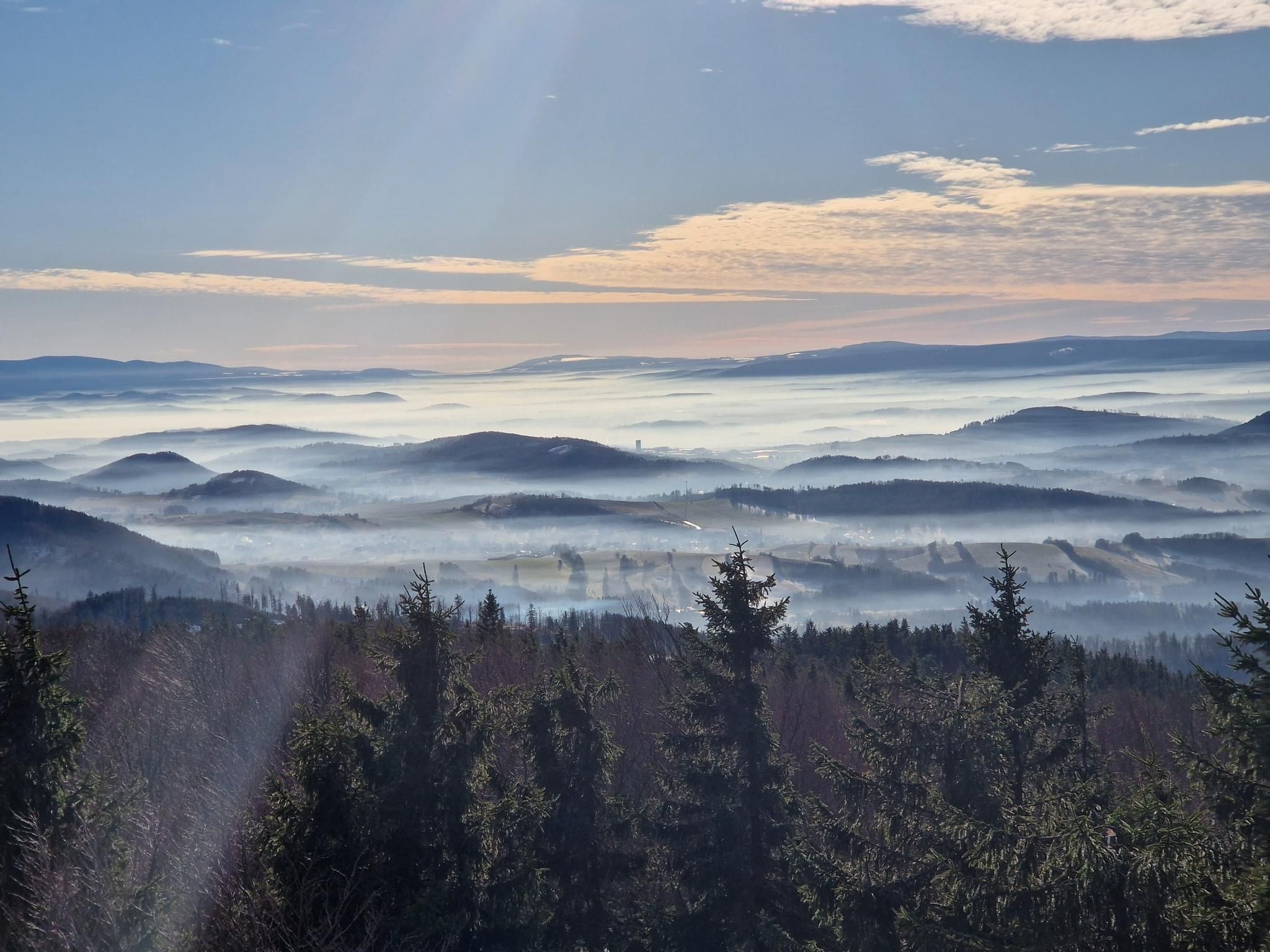
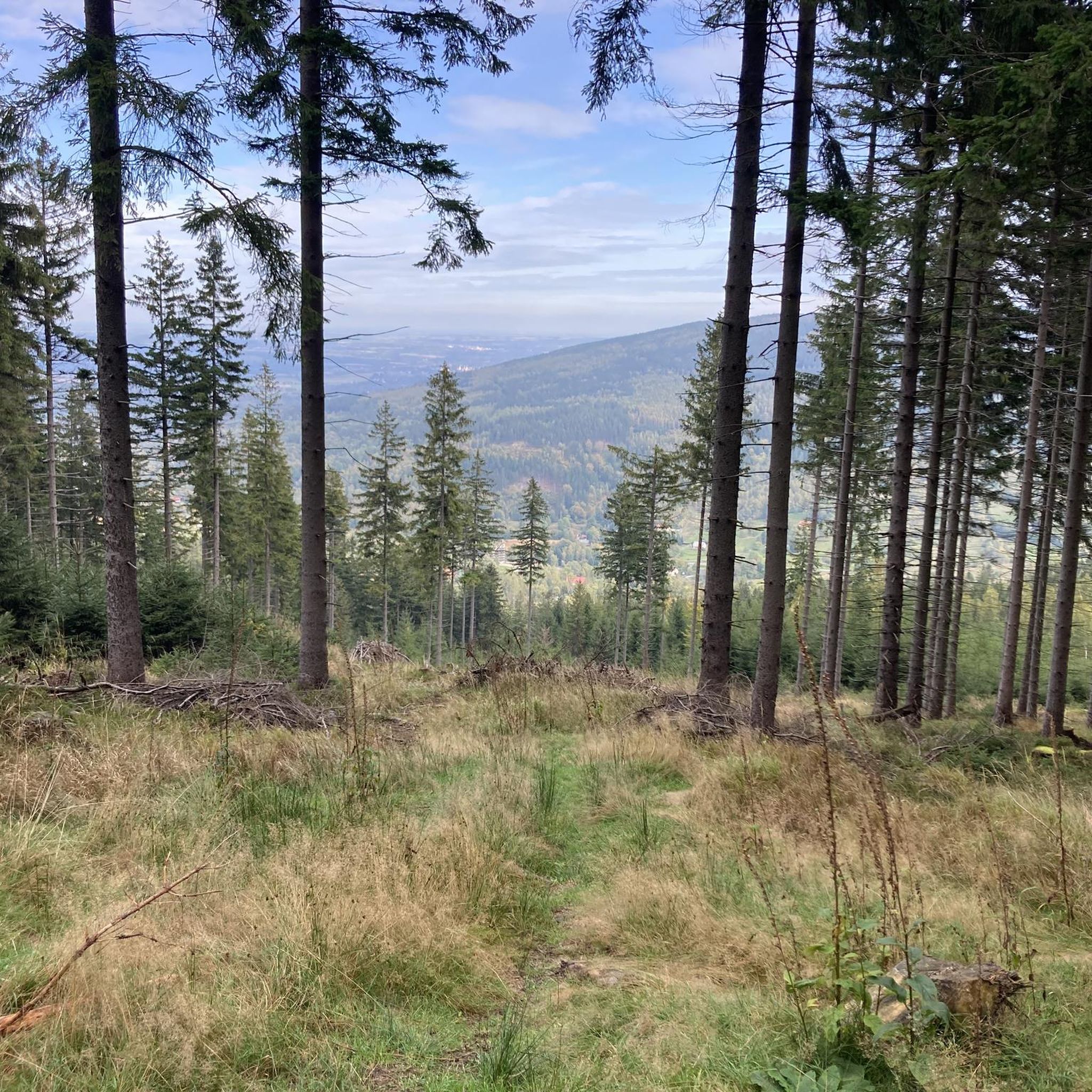

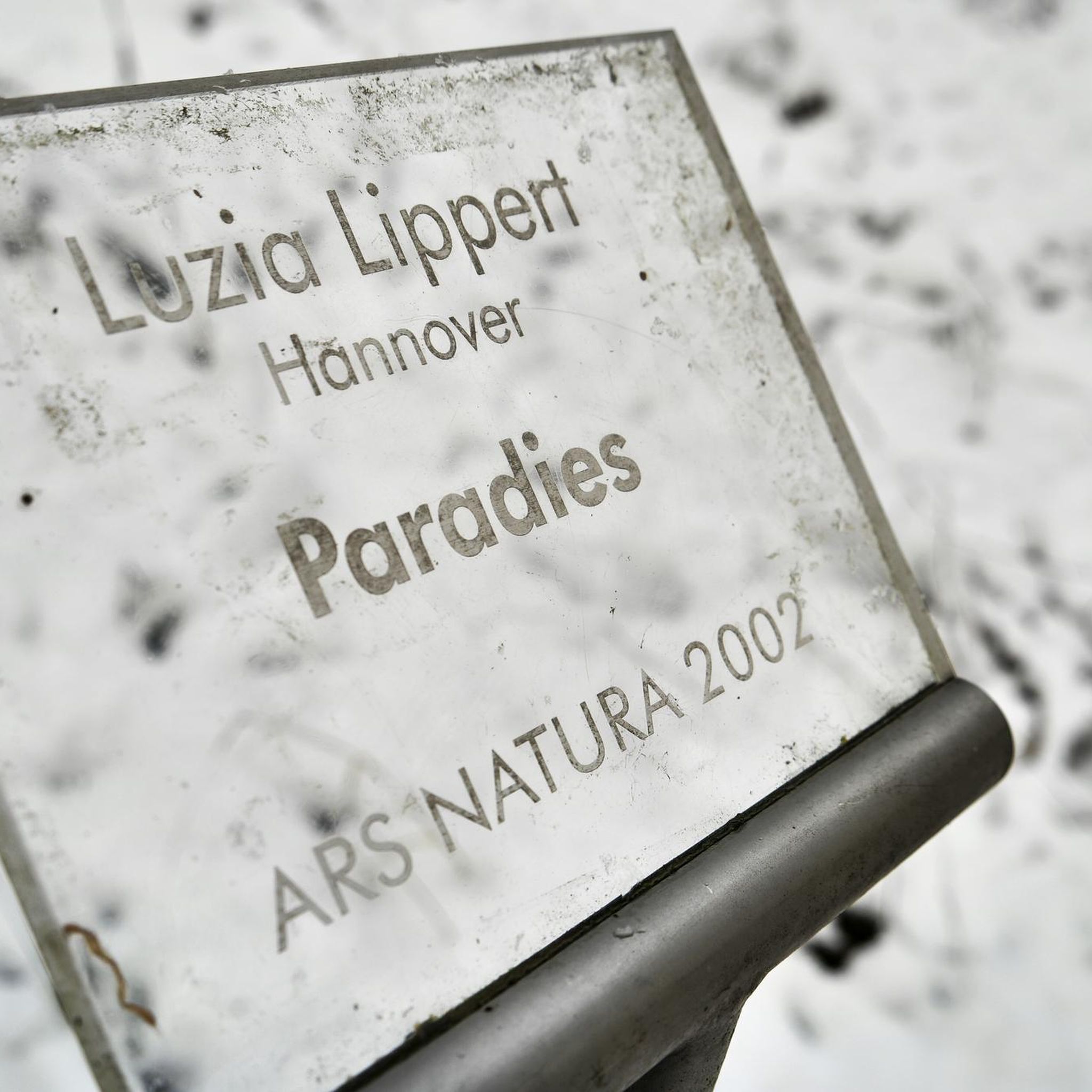
Other adventures around gmina Mirsk

Tips from the Community

From here you have to look carefully, but it is still a bit off the path. Here in the photo it looks very close and that is not the case.
0
0

The caves are of artificial origin, dug by the Walloons (pyrite mining).
1
0

It's worth taking a quick look.
0
0

Was certainly intended for the storage of explosives. There were several mining plants nearby.
1
0

Impressive cave that is a bit off the path. Definitely worth seeing.
5
0

enter the path before the green trail just past the bridge over Szklarska Street and then go back up the path
1
0

There are several caves of different sizes here.
1
0

Guided tour through the tunnel unfortunately only in Polish (5.9.22)
1
0
Frequently Asked Questions
What kind of underground attractions can I expect to find in Gmina Mirsk?
Gmina Mirsk is primarily known for its historical mining sites and artificial caves, rather than natural formations. These include former tin and cobalt mines, such as the **Underground Tourist Route St. John Mine in Krobica**, and other man-made structures like the Artificial Cave (Pyrite Mine) and the Abandoned Bunker and Kat Hall 23.
What is the historical significance of the underground sites in Gmina Mirsk?
The region has a rich mining history, particularly for tin and cobalt extraction between the 16th and 19th centuries. Sites like the Underground Tourist Route St. John Mine in Krobica preserve 18th-century adits and 16th-century mine workings, showcasing the arduous work of miners. Other sites, such as the World War II Underground Tunnels Memorial, reflect later historical periods.
Are the underground attractions in Gmina Mirsk suitable for families with children?
Yes, the Underground Tourist Route St. John Mine in Krobica is family-friendly, welcoming children aged 6 and older. They offer various tour options, including workshops and games, designed to engage younger visitors and school groups in the history of mining.
Do I need a guide to explore the main underground sites?
For the Underground Tourist Route St. John Mine in Krobica, guided tours are mandatory. Passionate guides lead visitors through the route, sharing stories and legends about the miners' work and the region's history. Information for other sites like the Old Mine Tunnel in Krobica Geopark suggests guided tours are available, though sometimes only in Polish.
What are the operating hours for the Underground Tourist Route St. John Mine in Krobica?
The St. John Mine operates almost year-round. From May to October, it is open daily from 10:00 to 18:00. From November to April, it is open daily from 10:00 to 17:00.
What should I wear when visiting the underground sites?
Underground environments, even in historical mines, tend to be cool and damp year-round. It is advisable to wear warm clothing and sturdy, comfortable shoes with good grip. Helmets are often provided by the tour operators for safety.
Are there any educational trails related to the mining history in the area?
Yes, the Underground Tourist Route St. John Mine is part of a larger "Geopark – Śladami dawnego górnictwa kruszców" (Geopark – Traces of Ancient Ore Mining). This geopark includes an almost 8-kilometer-long above-ground hiking and educational trail with nine mining sites and three lookout points, complementing the underground experience.
What outdoor activities can I do near the caves in Gmina Mirsk?
The region around Gmina Mirsk offers various outdoor activities. You can explore MTB trails, enjoy easy hikes, or embark on more challenging mountain hikes. These routes allow you to experience the natural beauty of the Jizera Mountains.
What makes the Underground Tourist Route St. John Mine a unique experience?
The St. John Mine offers an immersive and authentic experience, allowing visitors to step into the preserved 16th to 18th-century mine workings. It's an experiential tour where history is brought to life through the cool, authentic environment and the guides' stories, providing a comprehensive look into the region's mining heritage.
Are there any viewpoints or scenic spots near the underground attractions?
While the Grota Bad Schwarzbach itself is not accessible, those who are good on foot can climb nearby for a beautiful view. Additionally, the Geopark associated with the St. John Mine includes an above-ground trail with three lookout points.
What kind of geological features can be observed in the mines of Gmina Mirsk?
The historical mines in Gmina Mirsk, particularly the St. John Mine, showcase the geological context of tin and cobalt extraction. Visitors can observe traces of manual ore extraction and learn about the mineral deposits that were strategically important to the Jizera Mountains' mining industry.
Most popular routes around gmina Mirsk
Most popular attractions around gmina Mirsk

Get inspired with the komoot mobile app


