Top 6 Castles around gmina Kunice
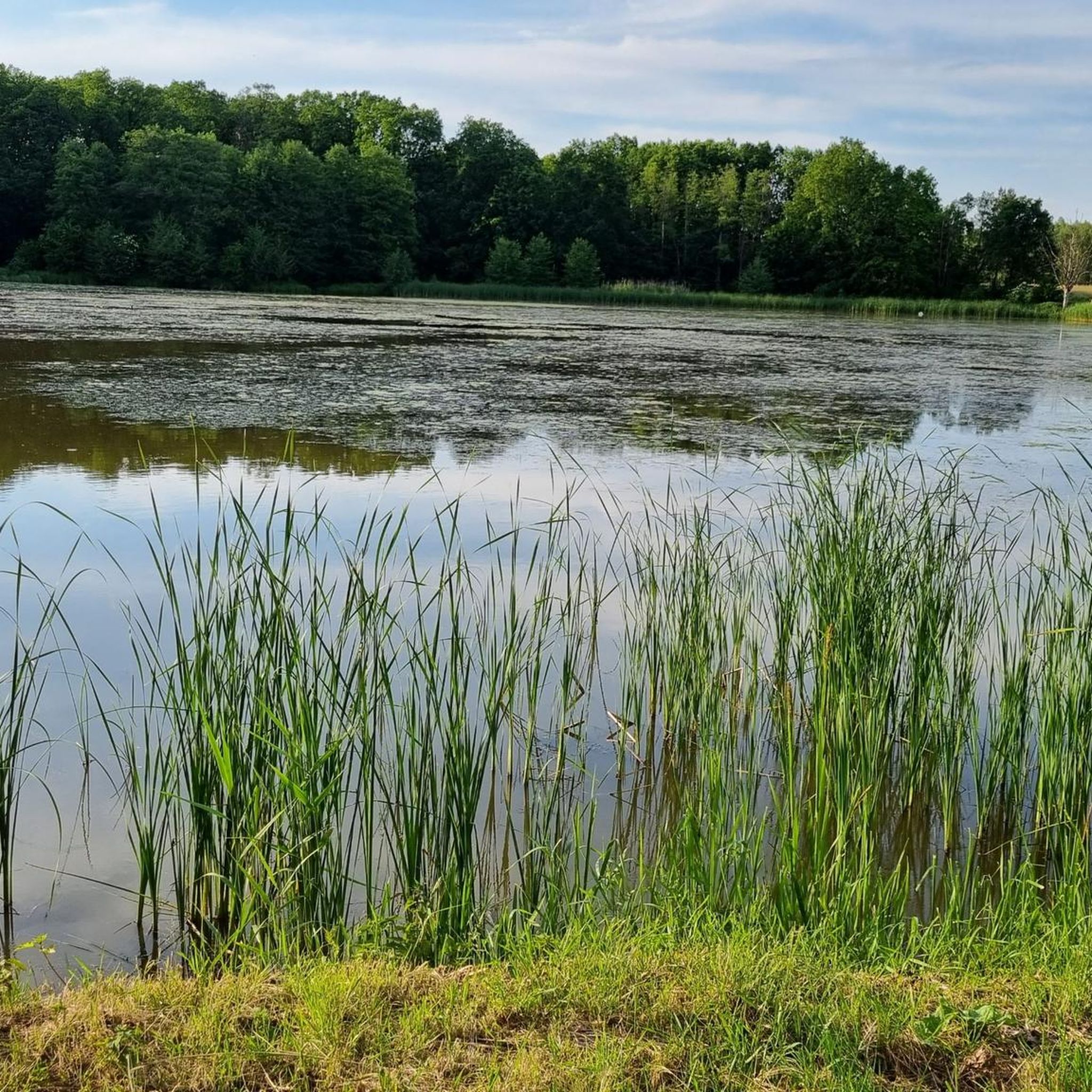
Best castles around gmina Kunice are situated in a region characterized by its historical buildings and natural features. The area, part of Lower Silesia, includes the village of Kunice, known for its manor house located on the edge of Lake Kunickie. This historical building, dating back to the 16th century, showcases architectural evolution through various renovations. The region offers a glimpse into its aristocratic past and architectural heritage, with several castles and palaces nearby.
Best castles around gmina Kunice
- The…
Last updated: July 2, 2026
Piast Castle (Zamek Piastowski), Legnica
Highlight • Castle
Translated by Google •
Tip by

Prochowice Castle
Highlight • Castle
Translated by Google •
Tip by

Sign up now to discover places like this
Get recommendations on the best single tracks, peaks, & plenty of other exciting outdoor places.
Sign up for free
Chróstnik Palace
Highlight • Castle
Translated by Google •
Tip by
St. Peter’s Tower
Highlight • Viewpoint
Translated by Google •
Tip by

Start today with a free account
Your next adventure awaits.
Login or Signup

Tips from the Community


Beautiful, historic tower, part of the Piast Castle, 58.8 meters high, 253 steps high, magnificent views over the entire city of Legnica and far beyond (in good weather, as far as Sněžka)... definitely recommended 👌 🫶🤩
0
0
Ascent to the St. Peter's Tower, Piast Castle in Legnica
0
0

The Piast Castle in Legnica is one of the oldest and most important buildings in Poland, built in the 12th and 13th centuries by Bolesław I the Tall and Henry the Bearded.
0
0

The Piast Castle in Legnica (Zamek Piastowski w Legnicy) is one of the oldest surviving princely castles in Poland and a significant witness to the history of the Silesian Piast dynasty. Here's a comprehensive overview: 🏰 Historical Origin Built: Originally in the 12th century as a fortified castle under Bolesław I the High. Reconstruction into a castle: Transformed into a representative residence of the Piast dynasty in the 13th century under Henry the Bearded and his wife Hedwig of Silesia. Significance: Served for centuries as the seat of the Dukes of Legnica – a center of political power and cultural development. 🛕 Architecture & Features Style: A blend of Romanesque, Gothic, and Renaissance styles, with Baroque additions. Towers: St. Peter's Tower and St. Paul's Tower – named after the patron saints of the neighboring cathedral. Courtyard: With arcades and Renaissance galleries reminiscent of Italian palazzi. Chapel: The palace chapel was founded by Hedwig of Silesia and is a place of religious worship. 📜 Historical Events Battle of Legnica (1241): After the death of Henry II in battle against the Mongols, the palace became a symbol of resistance. Reformation: In the 16th century, the palace became a center of Protestant education and administration. Prussian Period: After the Piast dynasty died out in 1675, the palace became Prussian property and served as an administrative building. 🏛️ Current Use Home to various cultural institutions, including the State Archives, the Copper Museum, and event spaces. Venue for exhibitions, concerts, and historical tours. Parts of the palace are open to the public, others are used for administrative purposes. 📍 Location & Surroundings Centrally located in Legnica's Old Town, close to the Cathedral of St. Peter and Paul, the Neptune Fountain, and the Market Square. Surrounded by historic town houses, the Modrzejewska Theater, and the Old Town Hall.
0
0

The most striking and dominant elements of the castle are its two towers: the Hedwig's Tower to the west and the Peter's Tower to the east (at the Glogau Gate Tower). The Peter's Tower can also be climbed for a beautiful view of the city.
0
0
In the castle's inner courtyard, there's a massive linden tree that makes optimal use of the space. Furthermore, the remains of the very old St. Lawrence Chapel were discovered here during excavations. These can be viewed in a museum pavilion. Those who want to save the entrance fee can take a look through the glass panes.
0
0
Above the small arch on the left side of the entrance is a relief of Duke Frederick II, and to the right above the large archway is a relief of his wife, Sophie of Brandenburg-Ansbach. Between them is the Silesian eagle.
0
0
Frequently Asked Questions
What historical buildings can I explore in gmina Kunice besides traditional castles?
Beyond fortified castles, the region offers the historical manor house in Kunice village (Dwór w Kunice). Dating back to the 16th century, this manor house is situated on the edge of Lake Kunickie and showcases architectural evolution through early Baroque renovations. It's currently undergoing restoration, making it a site of ongoing interest for those exploring the area's aristocratic past.
Which castles in the gmina Kunice area have significant historical importance?
The Piast Castle (Zamek Piastowski), Legnica is particularly significant as the first brick castle complex in Poland, built on an 11th-century wood-earth fortification. Another notable site is Prochowice Castle, which evolved from a wooden moated castle to a stone palace around 1422 and has a rich history of expansions and restorations.
Are there any castles that offer unique architectural features?
Yes, the Piast Castle (Zamek Piastowski), Legnica is notable for being the first brick castle complex in Poland. It features the tower of St. Peter with an observation deck and the 'Green Chamber' with 16th-century frescoes. The Kunice manor house, while not a castle, also boasts original window and door frames and a sandstone fireplace from 1558.
What outdoor activities are available near the castles in gmina Kunice?
The gmina Kunice area offers various outdoor activities. You can find numerous routes for cycling, hiking, and running. Many of these routes pass by natural features like Lake Kunickie, offering scenic views and opportunities for exploration.
Are there hiking trails near the castles in gmina Kunice?
Yes, there are several easy hiking trails around gmina Kunice. For example, you can explore routes like the 'Cycling Path in Poland loop from Bartoszów' or the 'Pergola in Volkspark Legnica – Słowiański Park Pond loop from Legnica', which are suitable for leisurely walks and offer a chance to see local landmarks.
Can I find unique viewpoints near gmina Kunice castles?
Absolutely. The St. Peter’s Tower, part of the Piast Castle in Legnica, offers magnificent views over the entire city and beyond from its 58.8-meter height. The scenic location of the Kunice manor house on the shore of Lake Kunickie also provides picturesque views of the surrounding landscape.
Are there family-friendly castles to visit in the gmina Kunice area?
Yes, the Piast Castle (Zamek Piastowski), Legnica is considered family-friendly. It offers an observation deck on the tower of St. Peter and the tower of St. Jadwiga, providing engaging historical exploration for visitors of all ages.
What is the best season to visit castles around gmina Kunice?
The best time to visit castles around gmina Kunice is generally during the spring and autumn months. The weather is typically pleasant for exploring historical sites and enjoying outdoor activities like hiking and cycling. Summer also offers good conditions, though it can be warmer.
Are there public transport options to castles near Gmina Kunice?
While specific public transport routes to individual castles are not detailed, the region is part of Lower Silesia, which has a regional public transport network. For detailed information on reaching specific sites like the Piast Castle in Legnica or the Kunice manor house, it's advisable to check local bus or train schedules from nearby towns like Legnica.
Where can I find parking when visiting castles near Gmina Kunice?
Parking availability varies by location. For major attractions like the Piast Castle in Legnica, you can typically find designated parking areas within walking distance in the city. For smaller sites or the Kunice manor house, street parking or small local lots might be available. It's recommended to check specific location details before your visit.
What do visitors enjoy most about the castles and historical sites in gmina Kunice?
Visitors appreciate the rich history and architectural beauty of the region's historical buildings. The Piast Castle in Legnica is particularly popular for its historical significance as Poland's first brick castle and the panoramic views from St. Peter's Tower. The blend of historical exploration with nearby natural landscapes, like Lake Kunickie, also adds to the appeal.
Are there any less crowded castles to explore near Gmina Kunice?
While Piast Castle in Legnica is a popular destination, you might find Chróstnik Palace, founded in 1262, to be a less crowded option for historical exploration. The Kunice manor house, currently undergoing renovation, also offers a unique glimpse into local history away from typical tourist crowds.
Most popular routes around gmina Kunice
Most popular attractions around gmina Kunice

Get inspired with the komoot mobile app


Explore more
Looking for the best castles somewhere else? Discover other guides around gmina Kunice:
