The 5 Most Amazing Peaks around powiat wrocławski
Best mountain peaks around powiat wrocławski are found within the Ślęża Massif, a prominent geological feature in the Sudety Foothills. This region is characterized by its distinct peaks that rise significantly above the surrounding landscape, offering expansive views. The area holds historical and cultural significance, having served as a religious center for local tribes from the Bronze Age. It provides a natural landscape for various outdoor activities.
Best mountain peaks around powiat wrocławski
- The most popular mountain peaks is Mount…
Last updated: October 19, 2026
Church of the Visitation of the Blessed Virgin Mary on Mount Ślęża
Highlight • Religious Site
Translated by Google •
Tip by

Mount Ślęża
Highlight • Summit
Translated by Google •
Tip by

Sign up now to discover places like this
Get recommendations on the best single tracks, peaks, & plenty of other exciting outdoor places.
PTTK Tourist House on Mount Ślęża
Highlight • Mountain Hut
Translated by Google •
Tip by

Radunia Summit
Highlight • Summit
Translated by Google •
Tip by
Skalna Perć Trail
Highlight • Trail
Translated by Google •
Tip by
Kilimandżaro 134 m
Highlight • Summit
Showing Translation
Tip by

Wieżyca Summit
Highlight • Monument
Tip by

Rocky Trail Near the Summit of Ślęża
Highlight (Segment) • Trail
Translated by Google •
Tip by

Start today with a free account
Your next adventure awaits.

Tips from the Community

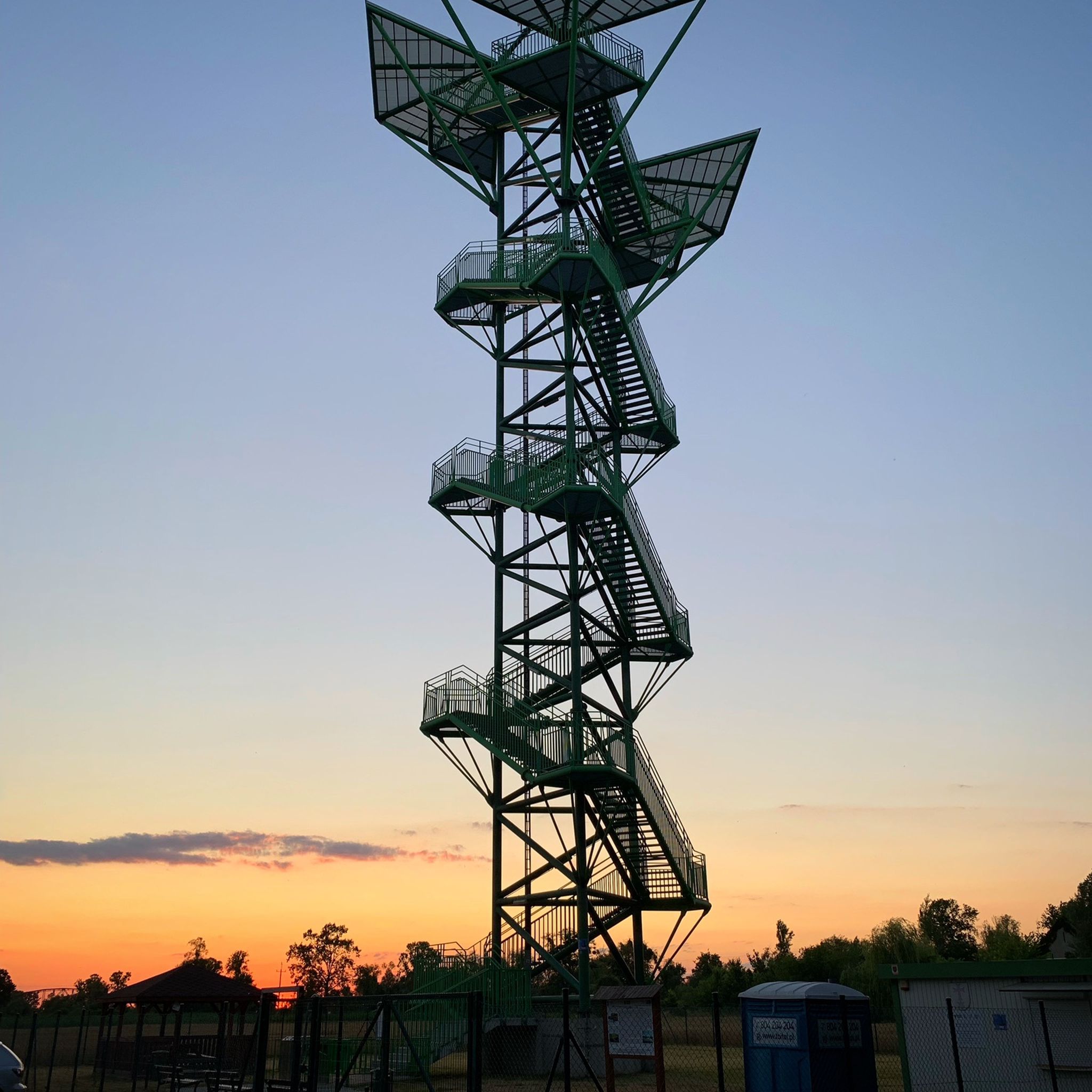
Follow the little trail at the bear statue for 100 m to a viewing tower
0
0

This is a cult place for Wrocław cyclists, especially MTB (cross-country) enthusiasts. The hill and the surrounding paths offer steep climbs, descents, and natural obstacles, which is why bicycle competitions were regularly organized here.
1
0
It is not a natural hill. It was formed at the beginning of the 20th century (around 1920–1928) from the earth and sand excavated during the construction of the nearby Oder Canals: Navigational and Flood. The official name, of course, refers to the highest mountain in Africa. In German times (before 1945), the elevation was called Leerbeutler Rodelberg (Zaleska Górka Saneczkowa). After the war, Poles began to ironically or affectionately call it "Kilimanjaro" because it stood out in the flat landscape of this part of Wrocław. The name caught on so well that it made it onto the official city maps.
1
0

The yellow trail, for everyone :)
0
0

A historic tourist facility located at the summit of Mount Ślęża at 718 meters above sea level, named after Roman Zmorski and listed as a historical monument since 1988. The current stone building was constructed in 1907-1908 under the patronage of the Zobten Mountain Society, replacing earlier wooden structures that had served hikers since 1837. Originally featuring a richly decorated "Zobten Hermitage" hall where mountain society members gathered among hunting trophies, the building now operates as a tourist house providing only catering services due to water supply issues that prevent overnight accommodation!!!
1
0
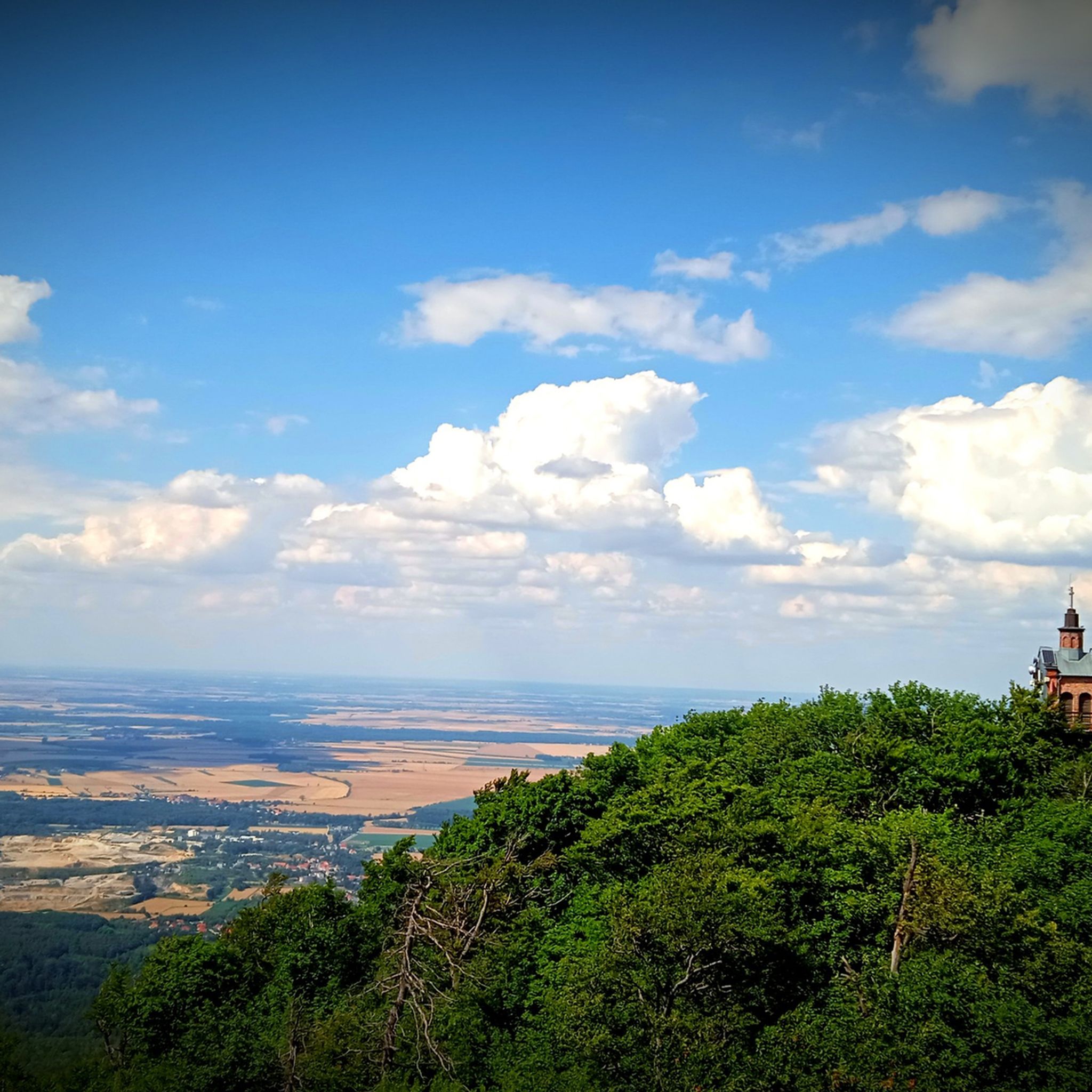
built on the ruins of a medieval Piast castle whose fragments can still be seen in the church's underground crypt. Originally founded in the 12th century by Palatine Piotr Włostowic who brought Augustinian canons from Flanders, the current neo-Romanesque structure dates from 1852 after the previous chapel was destroyed by lightning in 1834.
1
0
The mountain has two archaeological trails marked with the symbol of the Ślęża bear, allowing visitors to discover the ancient stone sculptures while trekking. Despite its relatively modest elevation, Ślęża offers impressive views due to its prominent rise of over 500 meters above the surrounding lowlands.
1
0
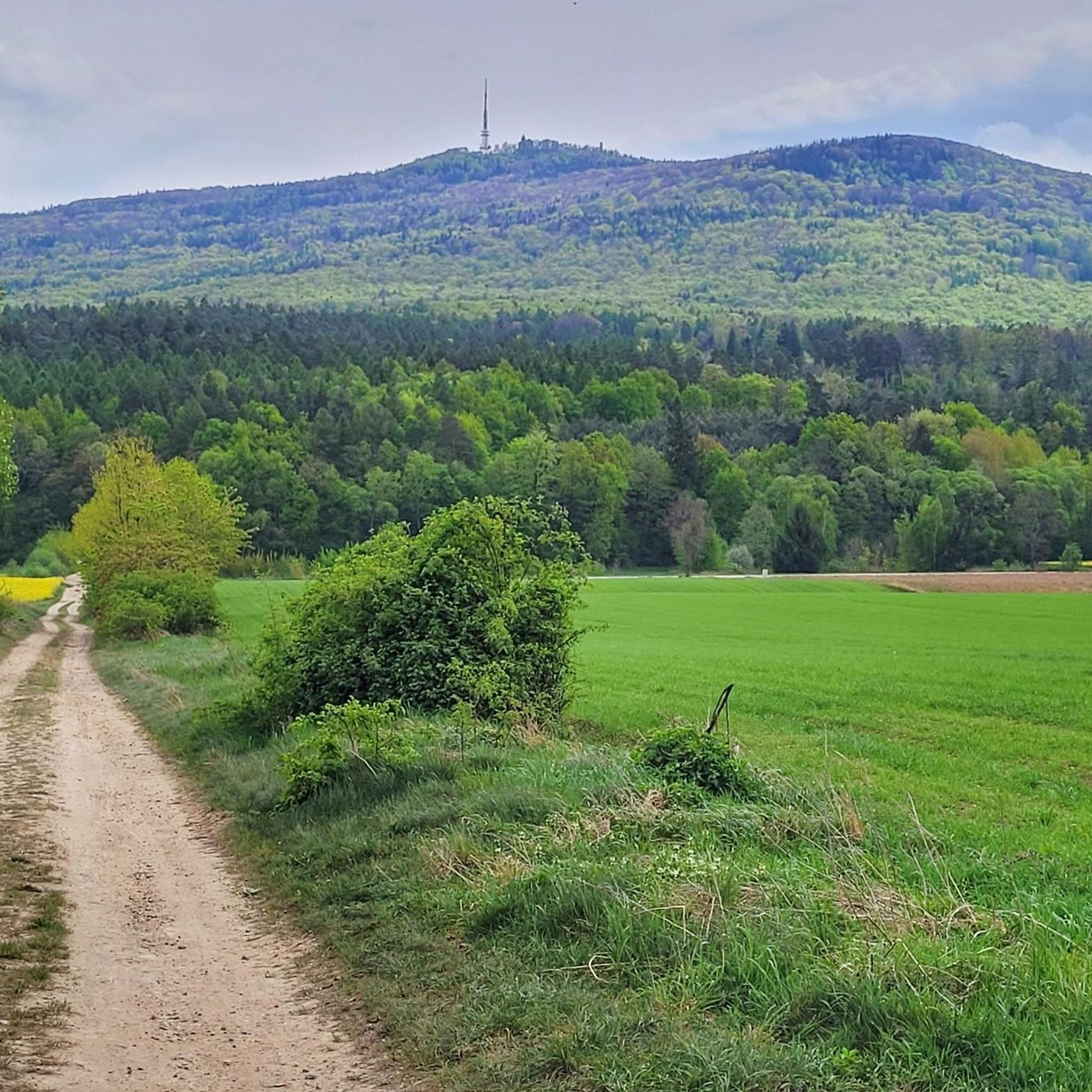
Mount Ślęża is the highest peak of the Sudeten Foothills at 717.5 meters above sea level, located near the town of Sobótka in southwestern Poland. The mountain served as a pagan solar worship center from the Bronze Age until Christianization in the 10th-11th centuries, with ancient stone sculptures including "the maiden with fish," "the monk," and "the bear" still visible today. A 12th-century church now stands on the summit alongside a concrete observation tower, while the PTTK tourist shelter provides accommodation for hikers exploring the well-marked trail network.
1
0
Frequently Asked Questions
What are the most popular mountain peaks to hike in powiat wrocławski?
The most popular peak is Mount Ślęża, the highest point of the Ślęża Massif, known for its historical significance and panoramic views. Another highly regarded summit is Radunia Summit, which offers stunning vistas of the Sowie Mountains and Ślęża itself, and is part of a nature reserve.
Are there family-friendly hiking options in the Ślęża Massif?
Yes, Mount Ślęża is considered family-friendly, offering well-marked trails suitable for various ages. The mountain features resting places, an observation tower, and a tourist house, making it a good destination for a family outing.
What historical and cultural sites can be found on the mountain peaks?
The Ślęża Massif is rich in history. Mount Ślęża was a significant pagan religious center from the Bronze Age, with ancient stone sculptures still visible. On its summit, you'll find the Church of the Visitation of the Blessed Virgin Mary, a neo-Romanesque structure built on the ruins of a medieval castle.
What is the best time of year to hike the mountain peaks around powiat wrocławski?
While hiking is possible year-round, spring (April-May) and autumn (September-October) generally offer the most pleasant conditions with mild temperatures and beautiful scenery. Summer can be warm, and winter hiking requires appropriate gear due to potential snow and ice, especially on higher elevations like Mount Ślęża.
Are there challenging hiking trails in the Ślęża Massif?
Yes, for those seeking a challenge, the Skalna Perć Trail is a notable section of the blue tourist trail leading to Mount Ślęża. It involves navigating through rocky terrain and steps carved into granite. Radunia Summit also offers challenging routes to its peak.
What kind of wildlife can I expect to see in the Ślęża Landscape Park?
The Ślęża Landscape Park, encompassing the mountain peaks, is home to diverse flora and fauna. While specific wildlife sightings vary, the nature reserve on Radunia Summit protects rare plant species. The forested areas provide habitats for various birds, small mammals, and insects typical of Central European woodlands.
Are there facilities like cafes or pubs near the mountain trails?
Yes, on the summit of Mount Ślęża, you can find the PTTK Tourist House. While it doesn't offer accommodation, it provides a buffet where you can stock up on drinks and simple meals, offering a convenient stop for hikers.
What outdoor activities, besides hiking, can I do near these mountain peaks?
The region around powiat wrocławski offers a variety of outdoor activities. You can explore numerous MTB trails, including routes like 'Tąpadła Pass – MTB Routes Sobótka - Janosik loop' or 'Tajemna Enduro Red Trail'. For more options, check out the MTB Trails around powiat wrocławski guide. Gravel biking is also popular, with routes such as 'Tree-Lined Forest Path – Scenic Gravel Path loop' available in the Gravel biking around powiat wrocławski guide.
Are there any less crowded mountain views or hidden gem trails?
While Mount Ślęża is popular, exploring trails around Radunia Summit might offer a quieter experience, especially since parts of it are a nature reserve. The general area of the Ślęża Massif has many trails, and venturing slightly off the main routes can lead to more secluded viewpoints.
How accessible are the mountain peaks by public transport from Wrocław?
The town of Sobótka, located at the foot of the Ślęża Massif, is generally accessible by bus from Wrocław. From Sobótka, various hiking trails lead up to the peaks, including Mount Ślęża. It's advisable to check current bus schedules for the most up-to-date information.
Can I find circular hiking routes in the Ślęża Massif?
Yes, the Ślęża Massif offers several well-marked hiking trails, many of which can be combined to form circular routes. These allow you to explore different aspects of the landscape, including the various peaks and historical sites, returning to your starting point without retracing your steps.
Most popular routes around powiat wrocławski
Most popular attractions around powiat wrocławski

Get inspired with the komoot mobile app


Didn’t find what you were looking for?
Discover powiat wrocławski’s best peaks and summits by region:
Explore more
See even more amazing summits around powiat wrocławski with these guides:
