The 5 Most Amazing Peaks in Weminuche Wilderness
Best mountain peaks in Weminuche Wilderness are found within the San Juan Mountains of Colorado, offering a vast alpine landscape. This wilderness area is characterized by high-altitude terrain, numerous 14,000-foot peaks, and challenging routes. It provides opportunities for experienced climbers to explore remote summits and demanding ascents. The region is known for its rugged beauty and extensive backcountry.
Best mountain peaks in Weminuche Wilderness
- The most popular mountain peaks is Mount Eolus, a summit that is a class 3…
Last updated: July 2, 2026
Mount Eolus
Highlight • Summit
Tip by

Upper Chicago Basin Trail
Highlight (Segment) • Trail
Tip by
Sign up now to discover places like this
Get recommendations on the best single tracks, peaks, & plenty of other exciting outdoor places.
Sign up for free
Sunlight Peak
Highlight • Summit
Tip by
Windom Peak
Highlight • Summit
Tip by
Snowdon Peak
Highlight • Summit
Tip by
Start today with a free account
Your next adventure awaits.
Login or Signup
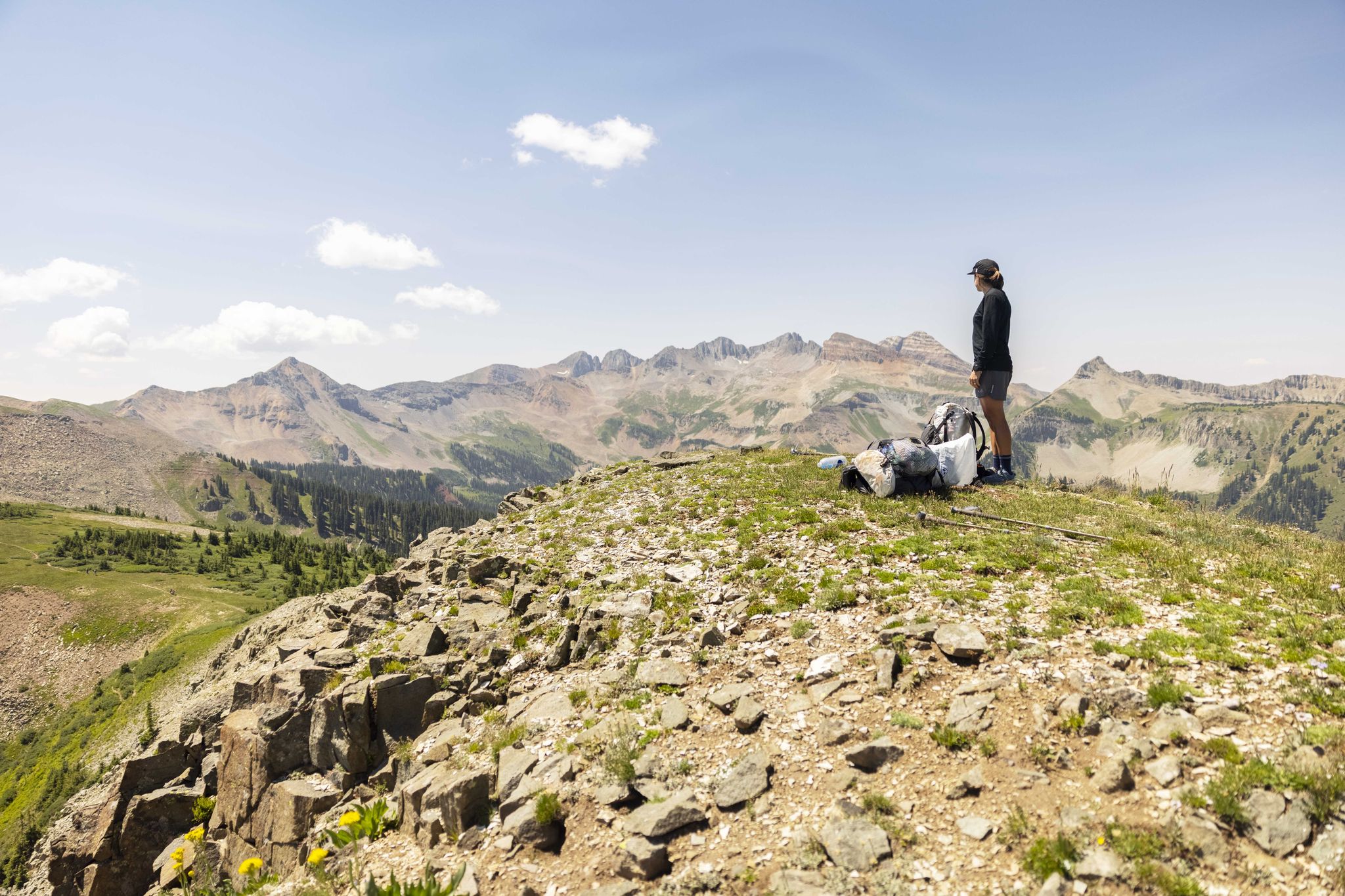
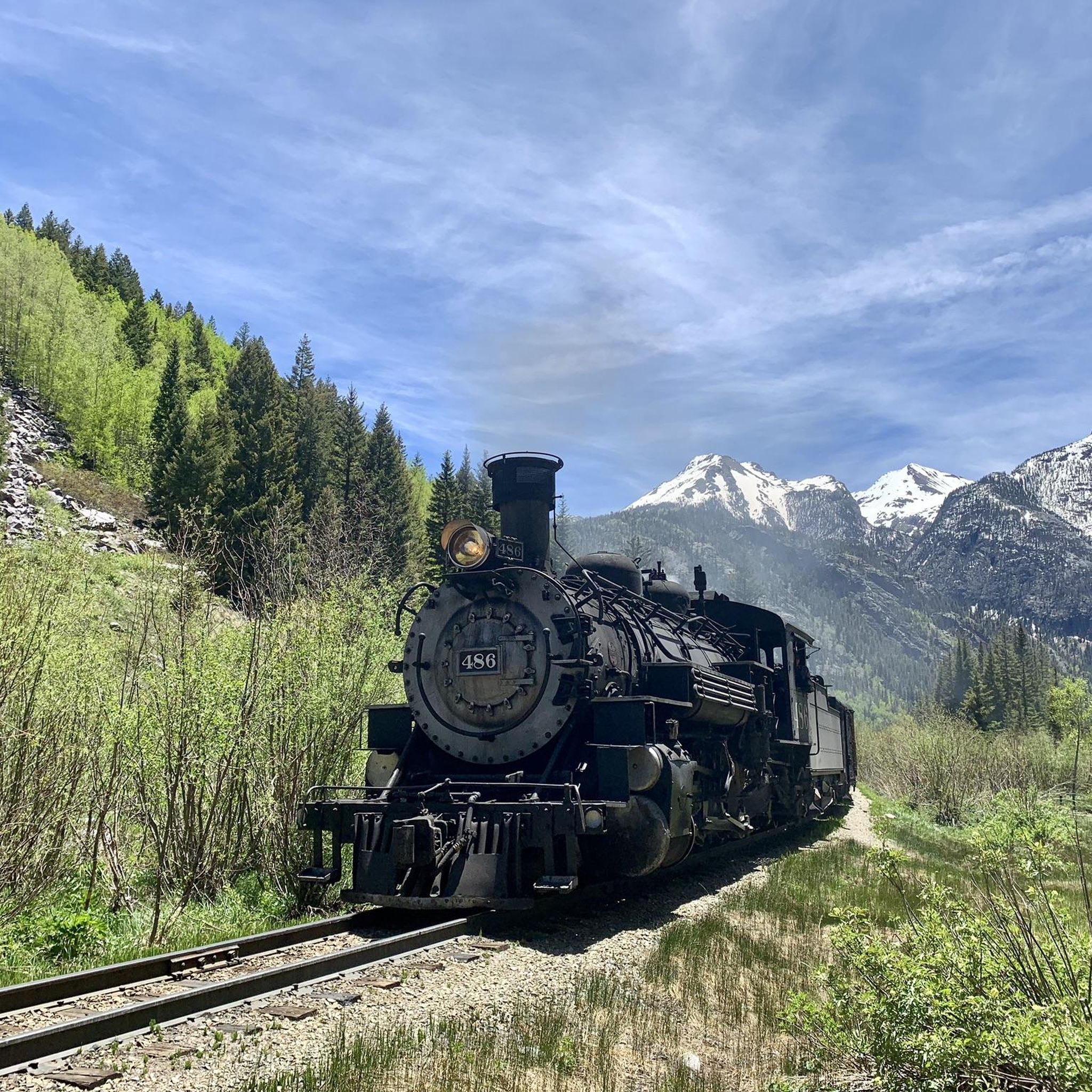
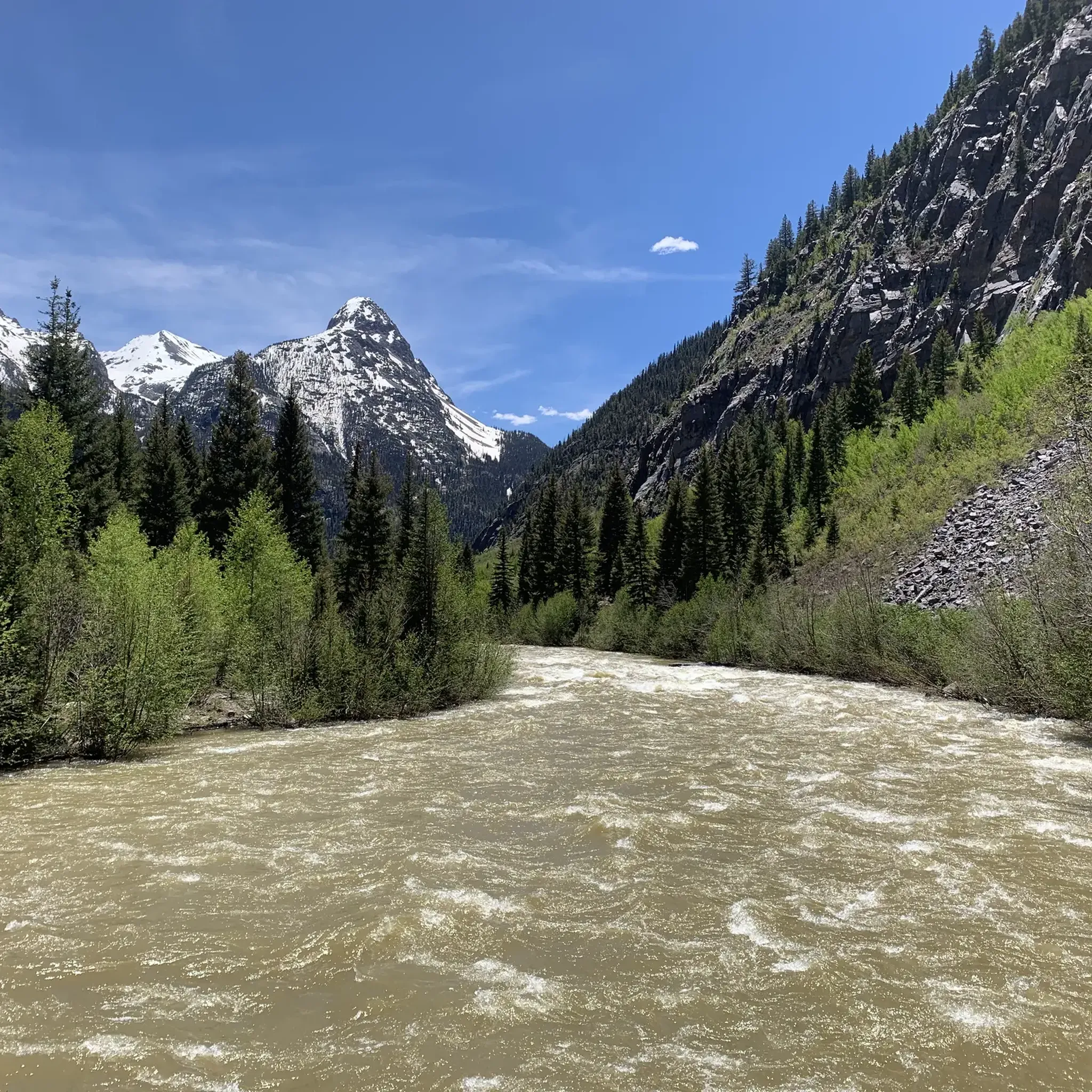
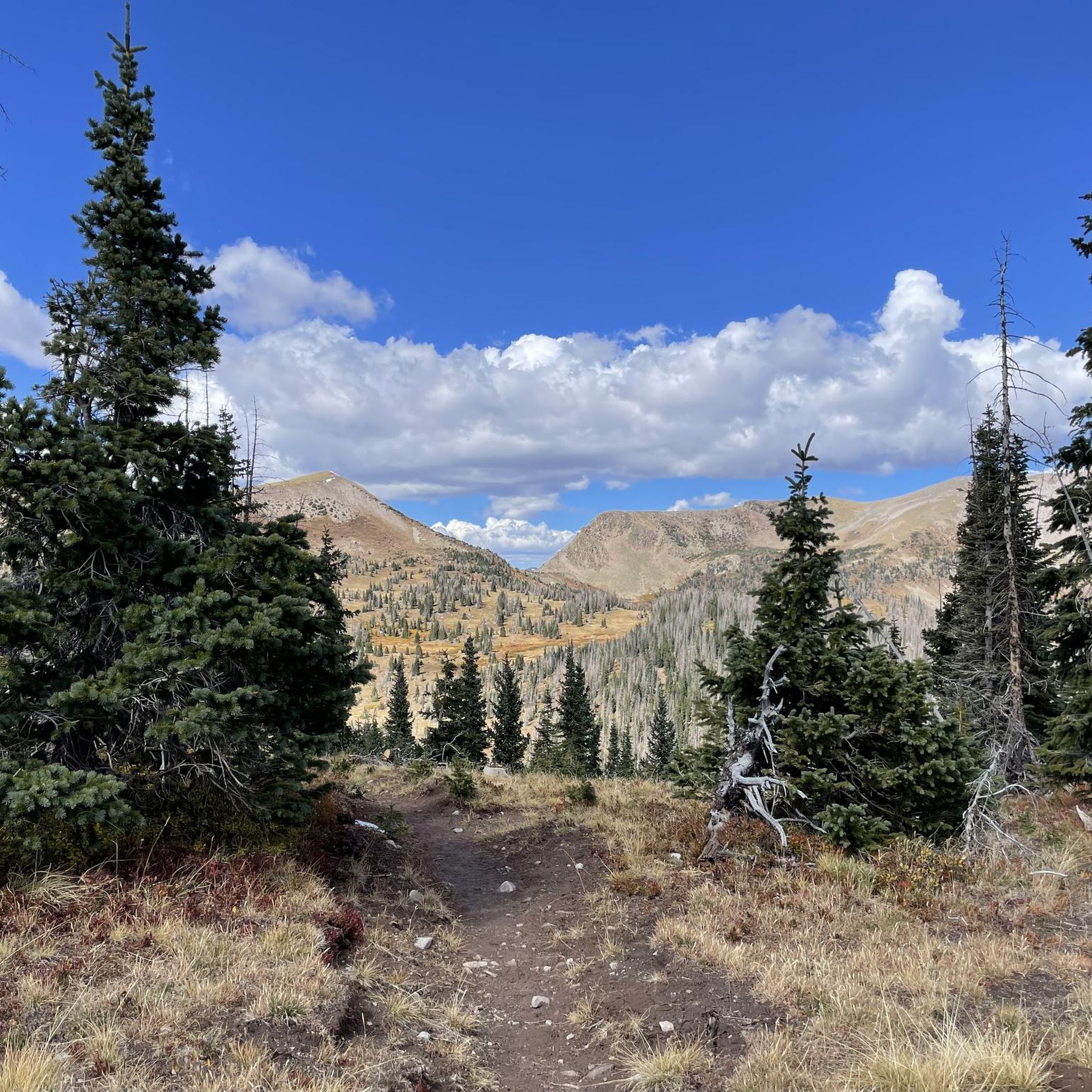
Other adventures in Weminuche Wilderness

Tips from the Community

Mount Eolus (14,087 feet) is a class 3 14er in the Chicago Basin group. The scramble to the summit is straightforward, but there is some real exposure on the traverse. The "Catwalk" is the name for the most narrow section on this ridge. Mostly all of the traverse is long stretches of class 2 (including this tight section). There are a handful of class 3 sections as you approach the very top.
0
0
Snowdon Peak (13,077 feet) is a lesser climbed peak on the edge of the Weminuche Wilderness. The summit requires a class 2 scramble with a non-exposed class 3 move near the very top. The views from the top are of the Chicago Basin 14er group and back towards Engineer Mountain and Andrews Lake.
0
0
Chicago Basin Trail begins where the Needle/Johnson Creek Trail crosses over Needle Creek in the upper basin. It continues until the Windom Peak and Sunlight Peak summit routes part ways from each other. Many people travel to Chicago Basin to climb the high peaks in the area, but some people come just to get into the upper basin. There are alpine lakes and streams far above treeline right alongside the trail with camping above treeline available.
0
0
Even though it has been labeled by some as being the "easiest of all the Chicago Basin 14ers," Windom Peak is still a serious mountain peak with exposure, route finding, and class 2 scrambling. The mountain is also one of the first peaks to completely dry off in the summer and sees a few more visitors than the other peaks in the basin.
0
0
Perhaps the most technically challenging 14er in the area, Sunlight Peak reaches up to 14,061 feet and has a class 4 summit route. This is not a beginner mountain, and summiting requires a fair amount of research and alpine skills. That being said, the rock is usually solid and grippy, and the scrambling and climbing can be fun for mountain climbing veterans.
0
0
Mount Eolus (14,087 feet) is a class 3 14er in the Chicago Basin group. The scramble to the summit is straightforward, but there is some real exposure on the traverse. The "Catwalk" is the name for the most narrow section on this ridge. Mostly all of the traverse is long stretches of class 2 (including this tight section). There are a handful of class 3 sections as you approach the very top.
0
0
Frequently Asked Questions
How challenging are the mountain peaks in Weminuche Wilderness?
The mountain peaks in Weminuche Wilderness are generally considered challenging, suitable for experienced climbers. Many are 14,000-foot peaks (14ers) with routes ranging from class 2 scrambling to class 4 ascents. For example, Mount Eolus involves a class 3 scramble with exposure, while Sunlight Peak has a class 4 summit route requiring alpine skills.
Which mountain peaks in Weminuche Wilderness are considered the most challenging?
Among the most challenging peaks is Sunlight Peak, which features a class 4 summit route and is considered one of the most technically demanding 14ers in the area. Mount Eolus also presents a significant challenge with its class 3 scramble and exposed 'Catwalk' traverse.
What is the best time of year to climb mountain peaks in Weminuche Wilderness?
The best time to climb mountain peaks in Weminuche Wilderness is typically during the summer months, from late June to early September, when snowmelt allows for clearer routes and more stable weather. Windom Peak, for instance, is known to be one of the first peaks in the Chicago Basin to dry off, making it accessible earlier in the season.
Do I need permits to climb mountain peaks in Weminuche Wilderness?
As part of the National Wilderness Preservation System, the Weminuche Wilderness does not typically require permits for day hiking or backpacking. However, specific regulations may apply for group sizes, camping, or commercial activities. It's always best to check the latest guidelines from the U.S. Forest Service before your trip.
Are there any less-traveled or 'hidden gem' peaks in Weminuche Wilderness?
Yes, Snowdon Peak is a lesser-climbed peak located on the edge of the Weminuche Wilderness. It offers a class 2 scramble with a non-exposed class 3 move near the summit, providing excellent views of the Chicago Basin 14er group and towards Engineer Mountain and Andrews Lake.
What essential gear should I pack for a mountain peak ascent in Weminuche Wilderness?
For a mountain peak ascent in Weminuche Wilderness, essential gear includes sturdy hiking boots, layers of clothing for varying weather, rain gear, a map and compass or GPS device, sufficient water and food, a first-aid kit, and sun protection. For more technical climbs, helmets, ropes, and other climbing equipment may be necessary, especially for class 3 and 4 routes.
What outdoor activities can I do near the mountain peaks in Weminuche Wilderness?
Beyond peak climbing, the Weminuche Wilderness offers various outdoor activities. You can explore road cycling routes like the 'Coal Bank Pass – Molas Pass loop' or 'Vallecito Reservoir – Little Baldy loop'. Mountain biking enthusiasts can enjoy trails such as 'Pass and Coal Creek Loop' or the 'Colorado Trail: Twin Sisters'. For more options, refer to the Road Cycling Routes in Weminuche Wilderness, MTB Trails in Weminuche Wilderness, and Cycling in Weminuche Wilderness guides.
Are there any loop trails available around the mountain peaks in Weminuche Wilderness?
Yes, there are several loop trails in the broader Weminuche Wilderness area that offer diverse experiences. For road cycling, you can find routes like the 'Coal Bank Pass – Molas Pass loop'. Mountain bikers might enjoy the 'Pass and Coal Creek Loop' or the 'Engineer Mountain and Colorado Trail Loop'. Cyclists can also find options such as the 'Molas Lake loop'. You can find more details in the respective komoot guides.
What kind of wildlife can I expect to see around the mountain peaks in Weminuche Wilderness?
The Weminuche Wilderness is home to diverse alpine wildlife. Visitors might spot bighorn sheep, mountain goats, marmots, pikas, and various bird species, including eagles and hawks. Larger mammals like elk, deer, and even black bears can also be present, especially at lower elevations or near water sources. Always observe wildlife from a distance and do not feed them.
Are the trails to Weminuche Wilderness peaks dog-friendly?
Generally, dogs are allowed in the Weminuche Wilderness, but they must be kept under control, preferably on a leash, to protect wildlife and ensure a positive experience for all visitors. Always pack out pet waste. Specific trail regulations or restrictions may apply, so it's advisable to check with the local Forest Service office before bringing your dog on a peak ascent.
Is winter climbing possible in Weminuche Wilderness peaks?
Winter climbing in Weminuche Wilderness peaks is possible but is reserved for highly experienced mountaineers due to extreme conditions, deep snow, avalanche danger, and severe cold. It requires specialized winter gear, extensive knowledge of avalanche safety, and advanced mountaineering skills. Most peaks are significantly more challenging and dangerous in winter.
How do I access the trailheads for the mountain peaks in Weminuche Wilderness?
Access to the Weminuche Wilderness peaks often involves reaching trailheads via forest roads, some of which may require high-clearance vehicles. Popular access points include areas near Silverton, Durango, and Creede. Many routes to the Chicago Basin 14ers, for example, involve a scenic train ride on the Durango & Silverton Narrow Gauge Railroad to a specific drop-off point, followed by a hike into the basin.
Most popular routes in Weminuche Wilderness
Most popular attractions in Weminuche Wilderness

Get inspired with the komoot mobile app


