Top 8 Gorges around Tucson
Best canyons around Tucson are characterized by diverse desert landscapes and the surrounding Santa Catalina Mountains. This region offers numerous canyons popular for outdoor recreation. The area features riparian corridors, dramatic rock formations, and varied desert vegetation. These canyons provide opportunities for hiking, wildlife observation, and experiencing the natural environment.
Best canyons around Tucson
- The most popular canyons is Bear canyon trail crossing Sorono river, a river that allows visitors to enjoy the wilderness from the start. This crossing…
Last updated: October 14, 2026
Pusch Peak Trail
Highlight (Segment) • Trail
Tip by

Bear canyon trail crossing Sorono river
Highlight (Segment) • River
Tip by

Sign up now to discover places like this
Get recommendations on the best single tracks, peaks, & plenty of other exciting outdoor places.
Loma Verde Wash
Highlight • Gorge
Tip by

Phoneline Trail (Stops 7–9), Pusch Ridge Wilderness
Highlight (Segment) • Trail
Tip by

Posta Quemada Canyon
Highlight • Canyon
Tip by
Sign up for free to discover even more gorges around Tucson.
Already have an account?
Start today with a free account
Your next adventure awaits.

Tips from the Community

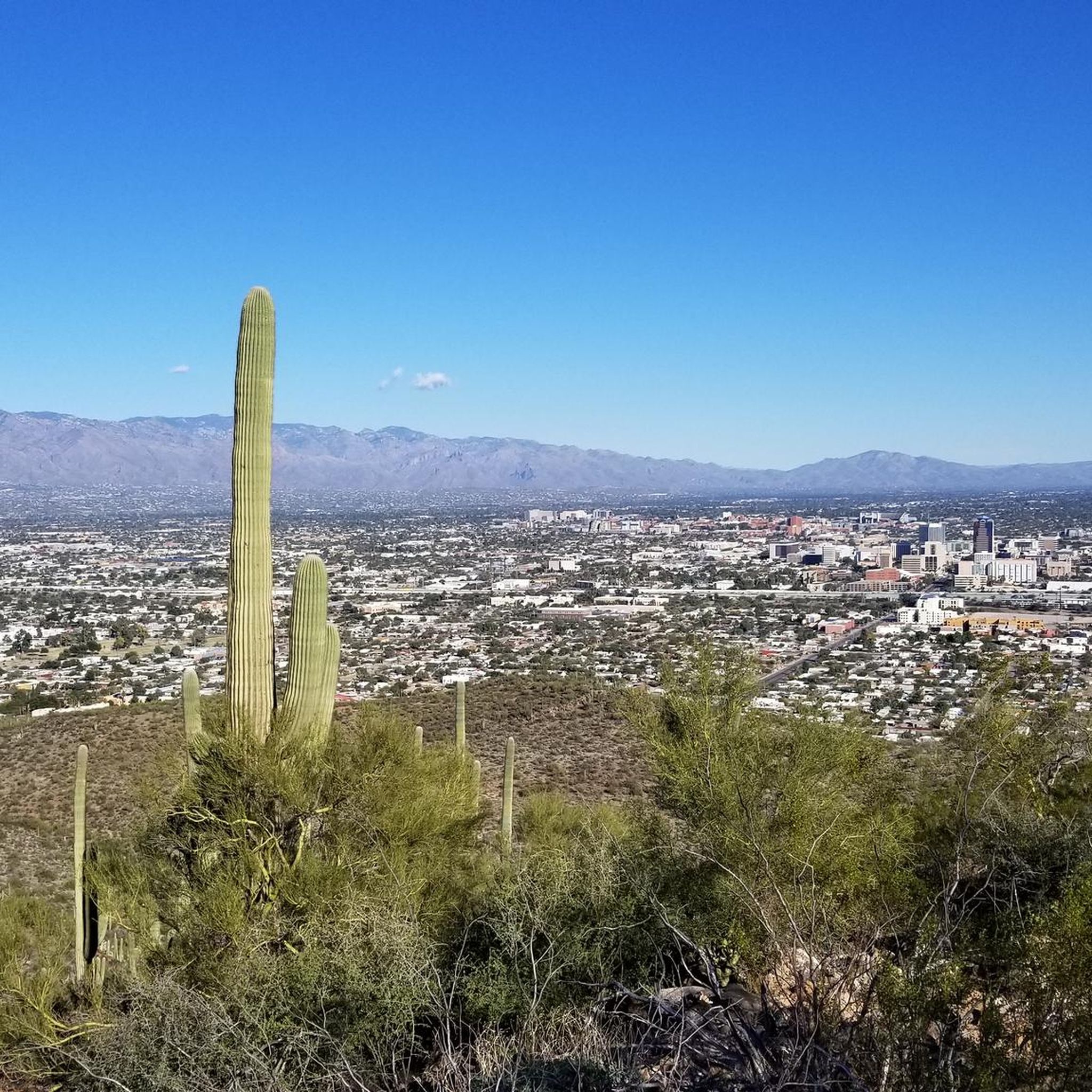
The Pusch Peak Trail begins at the Linda Vista Loop Trailhead and cuts through the loop trail. After 0.7 miles and a 380-foot elevation gain, a sign marks the start of the "real" route to the peak, featuring steep 25% grade climbs, loose rocks, and prickly desert vegetation. Long pants and sturdy boots are recommended for this section. Over 1.25 miles, hikers ascend more than 2,300 feet along a mostly well-defined trail, with some sections requiring navigation over exposed rock. The return follows the same path.
1
0

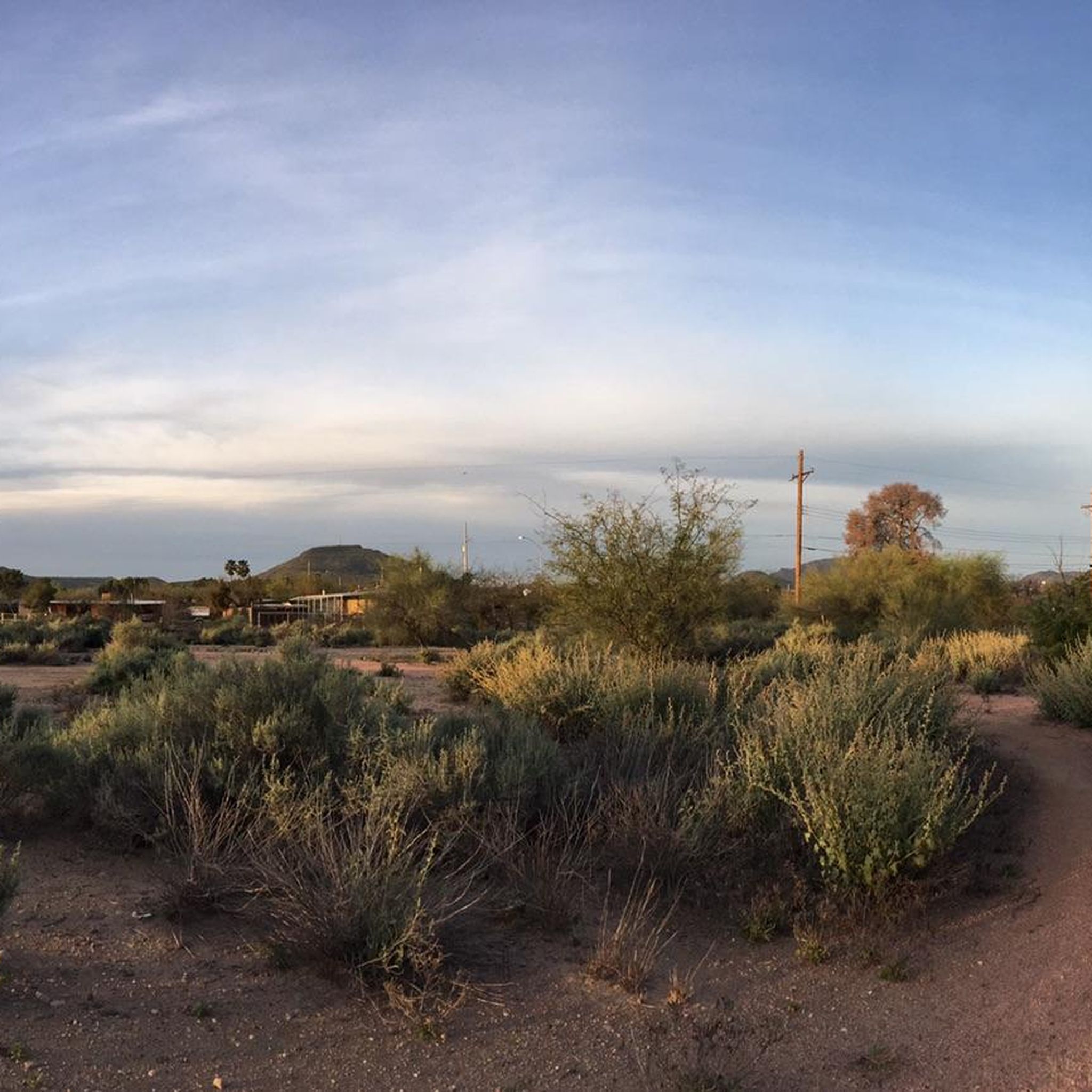
The bed of the seasonal wash is sandy and filled with scattered river stones. Here the mesquite trees that take advantage of the wash offer some brief partial shade along the trail.
0
0

Instead of following the big trail, just take bear canyon trail and start to enjoy the wilderness from the start. This crossing must be avoided when the water level is high.
0
0
Very steep trail offering great views on the canyon and the mountains range, from one side, and on the Tucson plateau on the other side. Caution : this trail is closed from Jan 1st to April 30th to protect the BigHorn sheep.
1
1

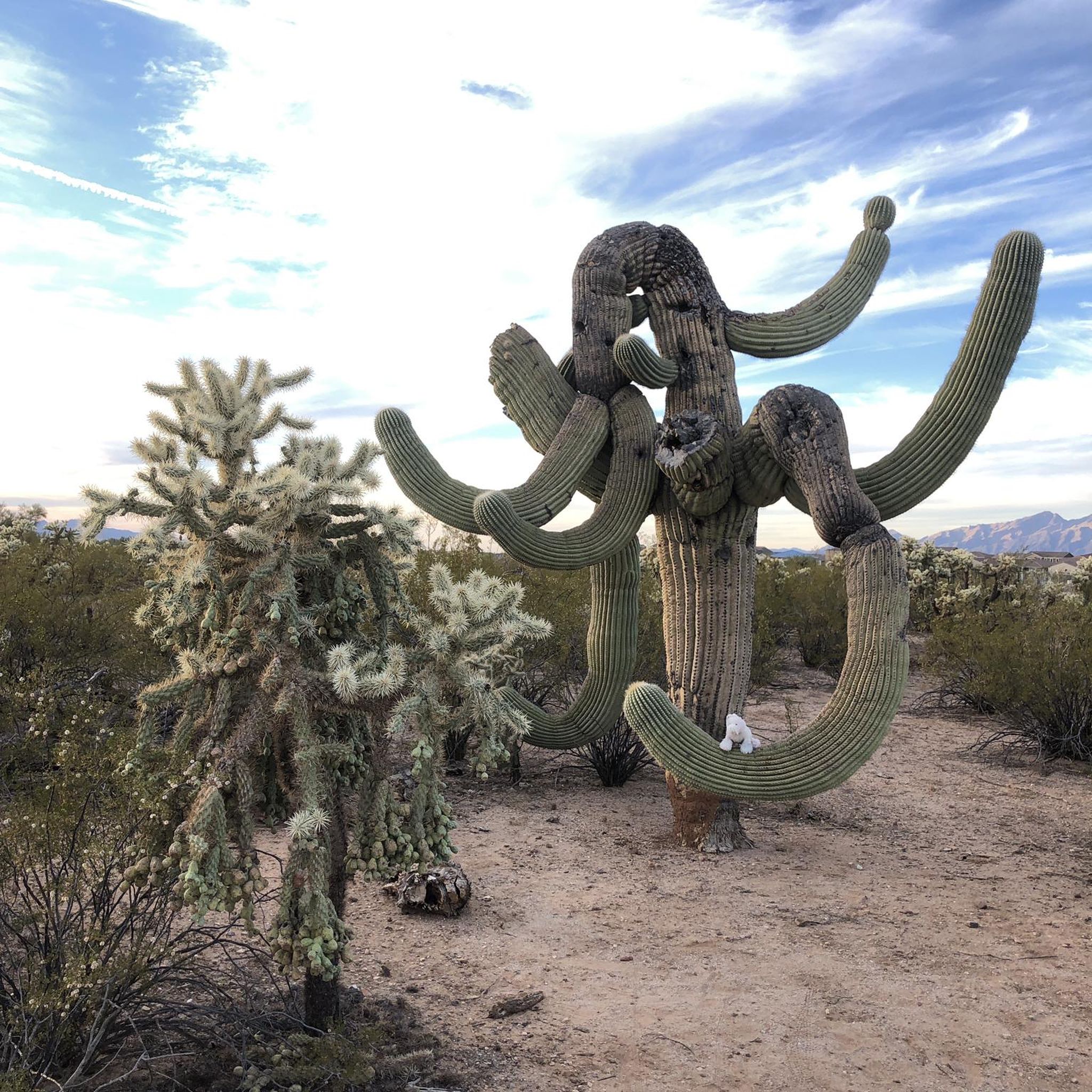
The Post Quemada Canyon in Colossal Cave Mountain Park sure is a site to see. Just off a parking and picnic area, this is also a trailhead onto the Arizona Trail and other trails in the park and area.
1
0

Start on the Loma Verde Trail and hike through a grove of mature Mesquite trees. You will come across this seasonally flowing wash. Continue on to Pink Hill and Squeeze Pen.
1
0
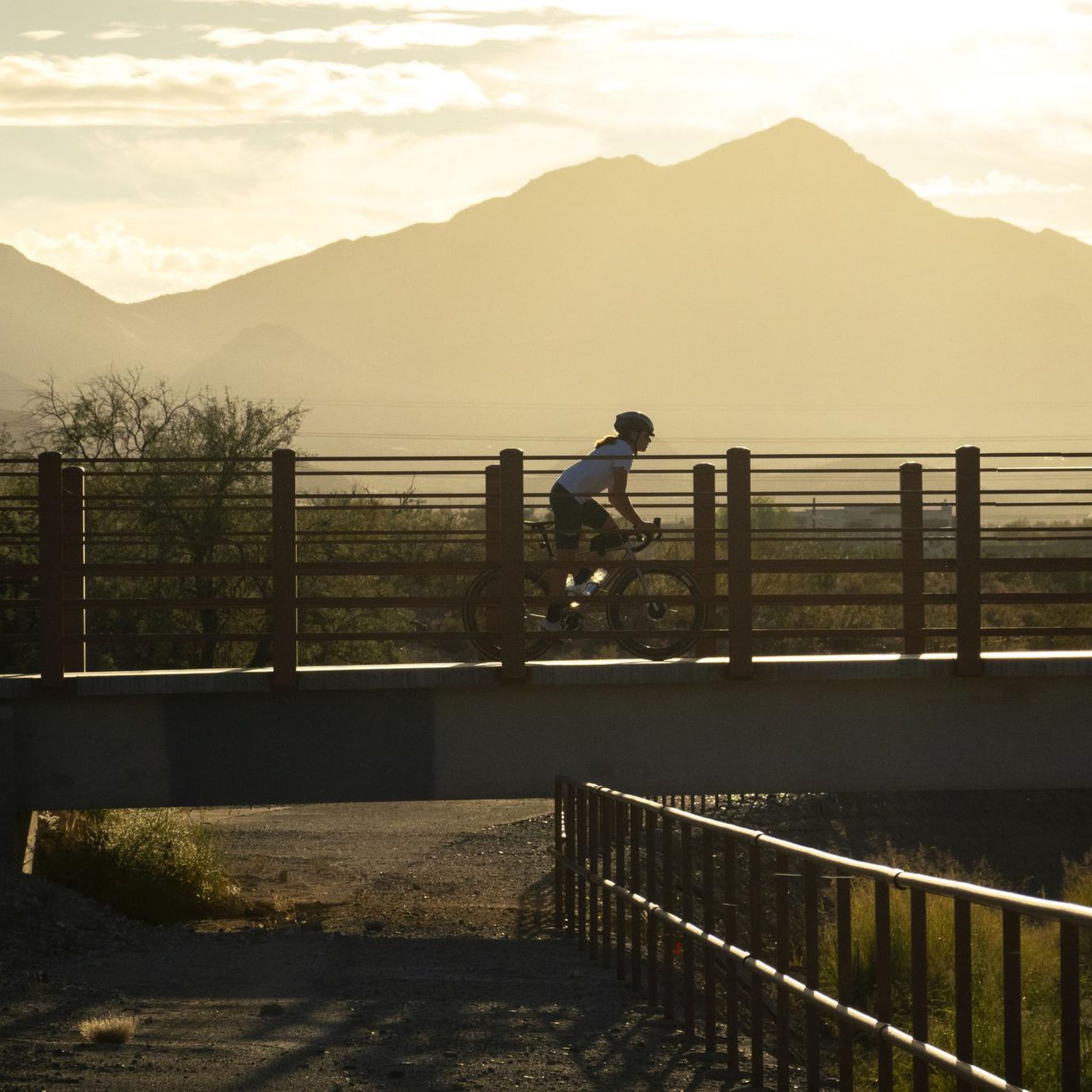
The last section of the Phoneline Trail between shuttle stops 7 and 9. Connecting trails to shuttle stops are Sabino Canyon Historic Trail to shuttle stop 7 and Sabino Canyon Trail to shuttle stop 9.
0
0
Frequently Asked Questions
What are some of the most popular canyons to explore around Tucson?
Tucson is surrounded by several stunning canyons. Among the most popular are Sabino Canyon, known for its year-round creek and diverse trails, and Bear Canyon, famous for its seasonal Seven Falls. Pima Canyon offers dramatic scenery and challenging hikes, while Ventana Canyon provides beautiful desert views. Madera Canyon, southeast of Tucson, is a prime spot for birdwatching and offers cooler temperatures at higher elevations. For a challenging experience, consider the Pusch Peak Trail, which offers great views of the canyon and mountain range.
Are there family-friendly canyons or easy hikes in Tucson?
Yes, several canyons around Tucson offer accessible options for families and beginners. Sabino Canyon is an excellent choice, with paved paths suitable for walking, jogging, or biking, and narrated tram tours for an easy way to experience the canyon's beauty. The first 1.3 miles of the Pima Canyon trail are improved, making it accessible for a gentle stroll. Madera Canyon also features a nature trail with educational plaques, suitable for all ages.
What kind of natural features can I expect to see in Tucson's canyons?
Tucson's canyons showcase diverse desert landscapes. You'll find riparian corridors with year-round flowing water, such as Sabino Creek in Sabino Canyon, and seasonal waterfalls like the Seven Falls in Bear Canyon. Dramatic rock formations, steep cliffs, and unique desert vegetation including saguaros, cottonwoods, mesquite trees, and various cacti are common. The Loma Verde Wash, for example, features a sandy bed with scattered river stones and mature Mesquite trees.
What wildlife can be observed in the canyons around Tucson?
The canyons are home to a variety of wildlife. In Sabino Canyon, you might spot deer, javelina, bobcats, and numerous bird species. Pima Canyon is known for desert bighorn sheep, coatis, mountain lions, gila monsters, and various birds. Madera Canyon is particularly famous as a birdwatching hotspot, especially during winter. Always observe wildlife from a respectful distance.
Are there any canyons with swimming holes or water features?
Yes, Sabino Canyon is renowned for its year-round flowing Sabino Creek, which creates several swimming holes like Hutch's Pool and The Crack. Bear Canyon is home to the seasonal Seven Falls, a series of cascading waterfalls that form crystal-clear pools, especially during and after rainy seasons. The Bear canyon trail crossing Sorono river also offers a chance to enjoy the wilderness near water, though it should be avoided when water levels are high.
What is the best time of year to visit Tucson canyons?
The best time to visit Tucson canyons is generally during the cooler months, from fall through spring (October to April), when temperatures are more moderate for hiking and outdoor activities. Winter snowmelt or monsoon season can make creeks flow strongly, enhancing water features. Higher elevations, like those in Madera Canyon, offer cooler temperatures, making them a pleasant escape during warmer months.
What outdoor activities can I do near these canyons?
Beyond hiking within the canyons, the Tucson area offers a wide range of outdoor activities. You can find numerous cycling routes, including options for touring bicycles and road cycling, with routes like 'Gates Pass and The Loop' or the 'Rillito River Trail'. For those who enjoy off-road adventures, there are also gravel biking trails, such as the 'Arizona-Sonora Desert Museum – Valley View Overlook Trail loop'.
Are there any challenging hiking trails in the Tucson canyons?
For experienced hikers seeking a challenge, Tucson's canyons offer several demanding trails. The Pusch Peak Trail is a challenging route featuring steep 25% grade climbs, loose rocks, and sections requiring navigation over exposed rock. Pima Canyon also provides vigorous treks to Pima Saddle or Mount Kimball, offering incredible mountain and city views. Always be prepared for strenuous conditions and check for any trail closures, such as the seasonal closure of Pusch Peak Trail to protect bighorn sheep.
Are permits required for hiking in Tucson's canyon areas?
While many trails are freely accessible, some areas, particularly within designated recreation areas like Sabino Canyon, may have entrance fees or specific regulations. It's always advisable to check with the Coronado National Forest or specific park visitor centers for the latest information on permits, fees, or any seasonal closures before your visit.
What should I wear when hiking in Tucson canyons, especially during summer?
When hiking in Tucson canyons, especially during the summer, it's crucial to wear appropriate gear. Opt for lightweight, breathable clothing, a wide-brimmed hat, and sunglasses. Sturdy hiking boots are recommended, particularly for trails with loose rocks or uneven terrain, such as the Pusch Peak Trail. Always carry plenty of water, as desert heat can be intense, and consider sun protection like sunscreen. Long pants might be beneficial for trails with prickly desert vegetation.
Can I bring my dog to the canyons around Tucson?
Dog policies vary by canyon and specific trail. For instance, Sabino Canyon generally has restrictions on dogs on its paved roads and tram, though some trails might allow them on leash. It's best to check the specific regulations for each canyon or park you plan to visit, as rules can change and are often in place to protect wildlife and ensure visitor safety.
Where can I find a less-trafficked canyon experience near Tucson?
While Sabino and Bear Canyons are very popular, you might find a quieter experience in areas like Posta Quemada Canyon within Colossal Cave Mountain Park. This canyon offers a trailhead onto the Arizona Trail and other trails in the park, providing a beautiful site just off a parking and picnic area, often with fewer crowds than the more central canyons.
Most popular routes around Tucson
Most popular attractions around Tucson

Get inspired with the komoot mobile app


Explore more
Already discovered everything in this region? See additional gorges around Tucson for your next adventure:
